
Telescope Aperture Comparison
See how more aperture (bigger mirror/lens) reveals dramatically more detail in the same deep-sky objects.
| Globular Cluster M15 | Spiral Galaxy M51 (Whirlpool) | The Lagoon Nebula (M8) | |
|---|---|---|---|
| 6-inch Telescope | 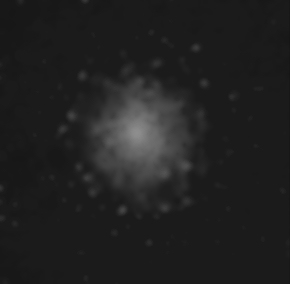 |
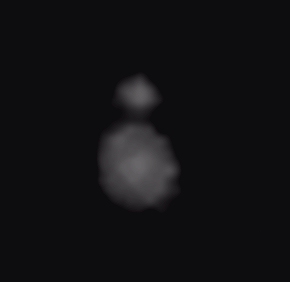 |
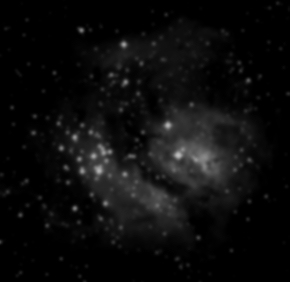 |
| 8-inch Telescope | 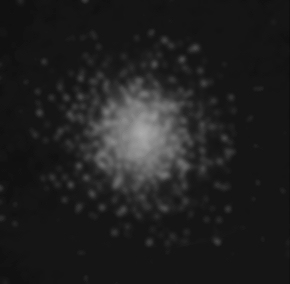 |
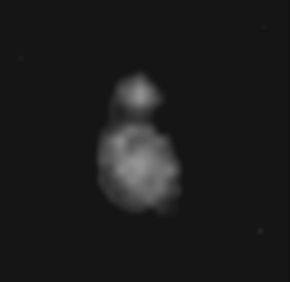 |
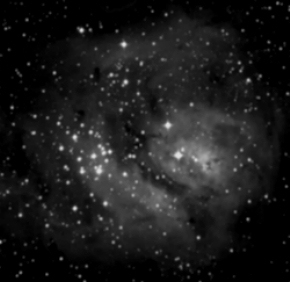 |
| 10-inch Telescope | 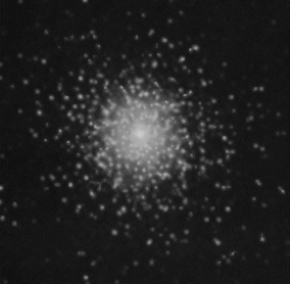 |
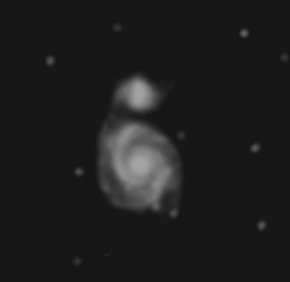 |
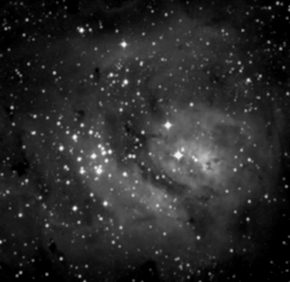 |
| 12½-inch Telescope | 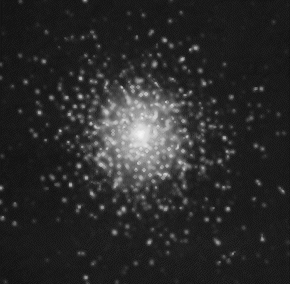 |
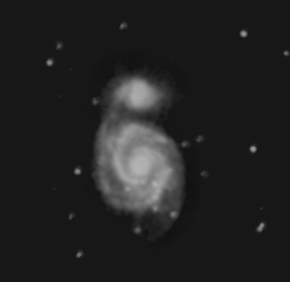 |
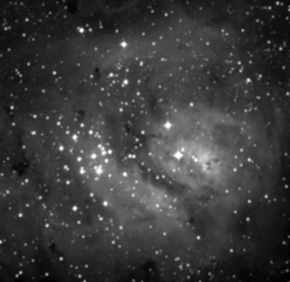 |
Note: Using averted vision greatly increases what you can see.*
Originally created by Dan Gerhards for Sean’s Astronomy Shop
* Averted vision – Looking off to the side and not straight at the object greatly enhances what you can see in dim objects. The sides of your eye have many black and white sensors called rods and they are much more sensitive to light. The center of your vision is great for color, but nowhere near as sensitive to dim light. The more you practice looking at dim objects, the more you will be able to see. Your brain is used to throwing out low level light signals as noise…you have to train it not to.