Ships
- USS Monssen (DD-436) Captain, 28 October 1942 – 13 November 1942
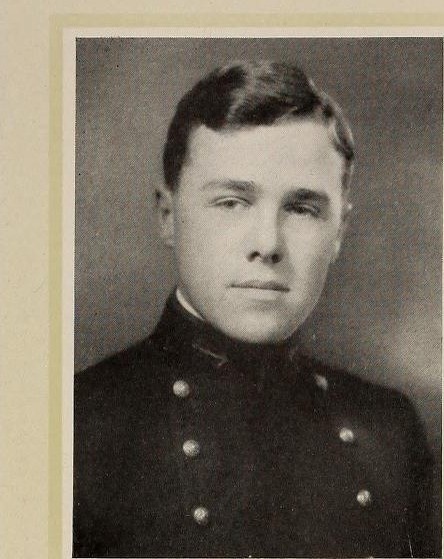
Charles Edward McCombs was born in Martins Ferry, Ohio, on 17 February 1909. He graduated from the United States Naval Academy in 1930 and was commissioned in the United States Navy. He was a lieutenant by April 1938 and a lieutenant commander by June 1942. He remained in the Navy after the war and retired as a rear admiral.
On 28 October 1942 he took command of the destroyer Monssen (DD-436), relieving Roland Nesbit Smoot. Smoot had commanded her since she was commissioned at the Puget Sound Navy Yard on 14 March 1941. McCombs held the ship for a little more than two weeks, the last days of her service.
In that short command Monssen was supporting the Marines on Guadalcanal. On 12 November she screened transports landing reinforcements and supplies, and she helped fight off Japanese aircraft while the ships unloaded. After dark she joined Rear Admiral Daniel J. Callaghan's cruiser-destroyer force, sent to stop a Japanese group built around battleships that was coming to bombard Henderson Field.
The two forces met after midnight off Savo Island, in the first surface phase of the Naval Battle of Guadalcanal. Monssen was near the rear of the American column, and visibility was very poor. When star shells lit the destroyer, McCombs took the light for American and ordered her recognition lights switched on. Japanese guns found her at once. Shells from more than one enemy ship, including heavy-caliber hits, smashed her machinery and set her ablaze. About 2:20 a.m. on 13 November the crew was ordered to abandon ship. She burned through the morning. After daylight a few of her men climbed back aboard and brought off sailors still alive on the hulk. Monssen sank in the early afternoon. One hundred forty-five of her crew were lost, and the survivors were landed on Guadalcanal. McCombs came through the sinking.
He received the Navy Cross for his conduct on the night of 12–13 November 1942. The award recognized his part in a close-range fight in which the American force turned back a stronger enemy and kept the Japanese from bombarding the airfield. He died in Columbus, Ohio, on 28 June 1991, at the age of eighty-two.