Ships
- USS President Jackson (AP-37) In command, 7 August 1942
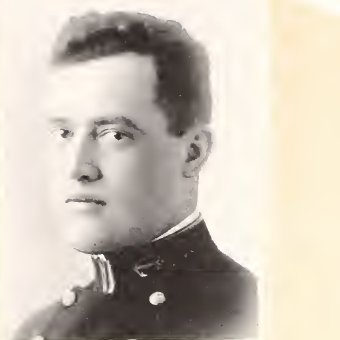
Commander Charles William Weitzel of the United States Navy was in command of the attack transport President Jackson on 7 August 1942, the day Allied forces began the landings on Guadalcanal. The ship, hull number AP-37, had begun as a passenger and cargo liner of the American President Lines. The Navy took her into service, armed her, and fitted her with landing boats so she could carry troops and their equipment onto a hostile beach.
In the summer of 1942 President Jackson sailed with the amphibious force assigned to Operation Watchtower. The Marines of the 1st Marine Division had loaded in New Zealand, and the ships shaped their course through the Fiji Islands before turning toward the southern Solomons. In the hours before dawn on 7 August the transports moved in toward Guadalcanal's north coast. Weitzel's ship was among the attack transports ordered to land the division east of Lunga Point and open the way to the airfield the Japanese were building there.
The beach was quiet when the boats went in. Landing craft left President Jackson and the ships around her, formed up, and crossed to the shore under the guns of the covering force. The Marines pushed inland toward the airfield. Through the day the transport's crew kept boats cycling alongside, sent troops down into them, and worked cargo out of the holds while the ship lay in the transport area off the beach.
Japanese bombers from Rabaul reached the ships that afternoon and returned on 8 August. Antiaircraft fire rose from the transports and their escorts as the planes ran in over the unloading area, and one transport was set ablaze and lost. President Jackson remained with the group and went on putting cargo ashore. On the night of 8 August a Japanese cruiser force struck the Allied screening ships off Savo Island and sank four cruisers. With the screen broken and further air attack expected, the transports left the anchorage on 9 August. A large share of the supplies brought for the division was still in the ships when the Marines were left holding the beachhead.
The landing Weitzel commanded that first morning put American troops ashore on Guadalcanal and in the neighboring Tulagi anchorages. The airfield on Guadalcanal, soon named Henderson Field, became the center of a campaign that lasted into February 1943. President Jackson had carried her share of the assault force across the Pacific and set it down on the island. The date 7 August 1942 fixes Commander Charles William Weitzel in command of her at the opening of the first major American amphibious offensive of the Pacific War.