Ships
- USS Ticonderoga (CV-14) Captain from 8 May 1944 · Relieved on 21 January 1945
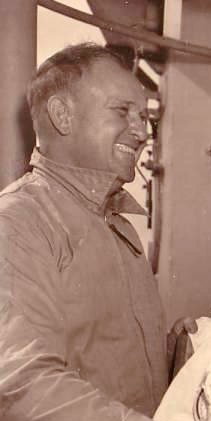
Dixie Kiefer, born on 5 April 1896 at Blackfoot in eastern Idaho, became one of the best-known figures in the Navy during the war. He graduated from Lincoln High School in Lincoln, Nebraska, entered the Naval Academy in 1915 and was commissioned in June 1918. His first ship was the small patrol vessel Corona, hunting submarines in European waters.
He became a pilot in the young naval aviation branch. On 11 November 1924 he made the first night takeoff from a warship, catapulted in a Vought UO-1 from the battleship California in San Diego harbor, with only her searchlights to light the way.
As executive officer of Yorktown at Coral Sea and Midway he was credited with keeping the crew's spirits high, and he earned the Distinguished Service Medal and the Navy Cross. When Yorktown went down he shattered his right leg and ankle jumping from the ship. Recovered, he commissioned the new Ticonderoga at Norfolk on 8 May 1944 and shaped her into an efficient fighting team. He was a popular skipper, too: he got nearly all 3,000 men ashore at the Panama Canal, and only one man deserted at San Diego.
On 21 January 1945 two kamikazes struck Ticonderoga, killing 144 men and wounding 200. Kiefer had compartments flooded to give her a 10-degree list, so the burning gasoline slid overboard, a measure not used before, and he turned her so the wind carried the fire away. Wounded by 65 pieces of shrapnel and with a broken arm, he stayed on the bridge for eleven hours until all the other wounded had been treated.
Made an honorary commodore and put in command of Naval Air Station Quonset Point, he was called "the indestructible man" by Navy Secretary Forrestal. His sailors joked that he had "so much metal in him the ship's compass follows him." He was still in a cast when he was killed on 11 November 1945, at 49, in the crash of a Navy transport on Mount Beacon, New York. He is buried at Arlington.