Ships
- USS Louisville (CA-28) Captain from 1 February 1941 · Relieved on 9 September 1942
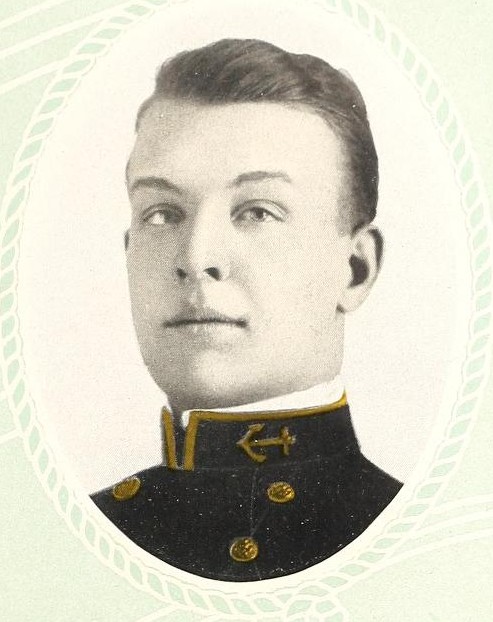
Captain Elliott Bodley Nixon, United States Navy, commanded the heavy cruiser USS Louisville (CA-28) from 1 February 1941 until 9 September 1942. The tour ran from the last months of peace in the Pacific through the first nine months of war with Japan.
He took a Northampton-class ship, armed with nine 8-inch guns, while she served with the Pacific Fleet. Through the spring and summer of 1941 USS Louisville (CA-28) worked out of Hawaiian waters on gunnery drills, screening exercises, and long cruises. The fleet was already living on a war routine. Japan had moved into southern Indochina, American oil shipments to Japan had been stopped, and cruisers at Pearl Harbor stayed ready to get underway on short notice.
Late in 1941 the cruiser was sent west toward the Netherlands East Indies. She was at Tarakan, on the east coast of Borneo, when the Pacific war began on 7 December 1941. Pearl Harbor was attacked while she was thousands of miles from the battleships moored there. Nixon took her to sea. As Japanese forces spread through the Indies, USS Louisville (CA-28) worked south by way of Australian waters and then started the long passage back across the Pacific to rejoin the main fleet.
In the first half of 1942 Nixon's ship settled into the escort work that kept men and cargo moving. USS Louisville (CA-28) screened troop and supply convoys among the West Coast, Hawaii, and the South Pacific bases the Allies were building after the loss of the Philippines and the Dutch islands. The carrier actions in the Coral Sea and at Midway were fought by other forces. The cruiser's share was the sea lane those battles were meant to hold open.
In the summer the ship went north. Japanese troops had seized Attu and Kiska in June, and the North Pacific Force was sent against them. On 7 August 1942, the day Marines landed at Guadalcanal, USS Louisville (CA-28) joined the cruisers and destroyers that shelled Kiska. Fog covered the island, spotting was poor, and the gunfire left the garrison in place, yet the raid was an early surface strike on a Japanese-held shore in the northern theater. Nixon saw that operation through as captain. On 9 September 1942 he was relieved, ending a command that had carried the cruiser from peacetime drills at Pearl Harbor to a war fought from Borneo to the Aleutians.