Ships
- USS Nevada (BB-36) Captain from 4 June 1941 · Relieved on 15 December 1941
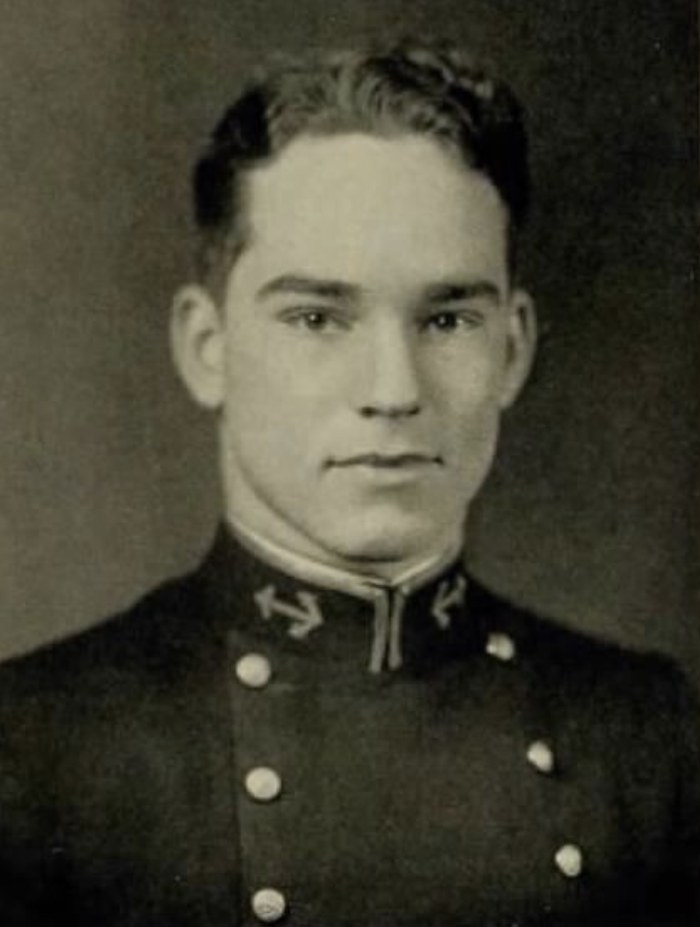
Francis Worth Scanland was born on 17 October 1888. He graduated from the United States Naval Academy in the class of 1909 and was promoted to captain on 3 June 1937. He is the elder Francis Worth Scanland of the wartime Navy. His son, Francis Worth Scanland Jr., graduated from the Academy in 1934 and later commanded submarines.
On 4 June 1941 Scanland assumed command of the battleship Nevada. She was serving with the Pacific Fleet, and by early December she lay at Pearl Harbor with the battle line.
He was ashore on the morning of 7 December 1941 when Japanese carrier aircraft attacked the harbor. Alone among the battleships there, Nevada got underway during the raid. Lieutenant Commander F. J. Thomas, a Naval Reserve officer already on board, had the conn, and Lieutenant L. E. Ruff acted as navigator. Bombs and at least one torpedo hit the ship, the heaviest damage forward, as she headed for the channel. Scanland returned during the morning and took up command on board. The battered battleship was then grounded so the channel would stay open.
He remained captain of Nevada until he was relieved on 15 December 1941. Salvage crews later raised the ship, and after repairs she returned to the fleet for further wartime service.
His next command was the heavy cruiser Astoria, from 15 December 1941 to 14 June 1942. At the Battle of the Coral Sea, from 4 to 8 May 1942, and at Midway, from 3 to 6 June 1942, Astoria screened a carrier. Her antiaircraft fire broke up attacking aircraft and kept most of the torpedo planes from reaching that carrier. Scanland received the Navy Cross for his leadership of the cruiser in those actions. He left the ship in mid-June. On 9 August 1942 Astoria was sunk in the Battle of Savo Island.
On 20 October 1944 he was appointed a temporary commodore, and he retired in that rank. He died in 1946. During the same war his son earned the Navy Cross while commanding the submarine Hawkbill, and father and son each received the decoration for combat command in the Pacific.