Ships
- USS President Hayes (AP-39) In command, 7 August 1942
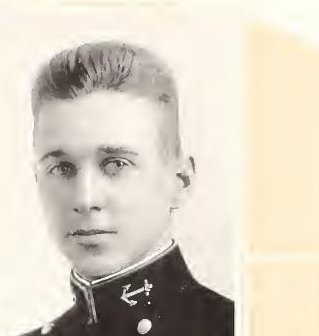
On 7 August 1942, Commander Francis Wyse Benson was in command of the United States Navy attack transport President Hayes. Before dawn that day his ship stood off the southern Solomon Islands as American forces opened their first major amphibious offensive of the Pacific War, the landings on Guadalcanal, Tulagi, and the small islands between them.
President Hayes, hull number AP-39, had begun as a passenger and cargo liner of the American President Lines. Taken into naval service and refitted for amphibious work, she carried a reinforced landing force, the boats to put that force on a beach, and the cargo the men would need once they were ashore. Command of such a ship turned on timing as much as on navigation. Troops had to reach the debarkation stations, holds had to be worked in a set order, and landing craft had to cycle between the ship and the beach while the formation held its place.
For the Guadalcanal operation, President Hayes sailed with the amphibious force that had embarked the 1st Marine Division in the South Pacific. The ships rehearsed the landing at Koro in the Fiji group in late July, then steamed north toward the Solomons. Benson brought President Hayes into the transport area for the assault. As naval gunfire and carrier aircraft worked over the shore, her boats went into the water and Marines started for the beach on Guadalcanal.
Japanese aircraft from Rabaul found the anchorage on the afternoon of 7 August and returned the next day. The transports kept hoisting out cargo between raids, and their antiaircraft guns engaged planes that reached the formation. In the Guadalcanal transport area the attack transport George F. Elliott was set on fire and lost. President Hayes remained in the anchorage and continued landing men and material.
During the night of 8–9 August a Japanese cruiser force struck the Allied covering ships off Savo Island and put several cruisers out of the fight. With the screen badly damaged and carrier air cover withdrawn, the transports were ordered to sea on 9 August with a large part of their cargo still aboard. Benson took President Hayes out with that retirement. The Marines already on Guadalcanal held a thin line around the unfinished airfield later named Henderson Field, low on food, ammunition, and engineer equipment. The long fight for the island turned on whether that perimeter could be fed and held. For the commanding officer of President Hayes, the morning of 7 August had been the work the ship was fitted to do: get the landing force off the ship and onto the island on the day the offensive began.