Ships
- USS Alchiba (AK-23) In command, 7 August 1942
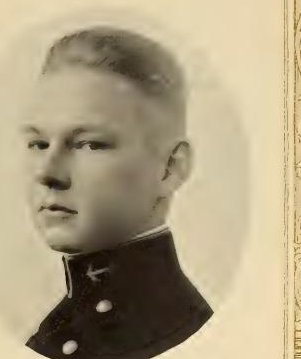
James Shepherd Freeman was born in Jasper, Alabama, on 30 April 1900, a son of James Stanley Freeman. He entered the United States Naval Academy in 1917 and graduated with the Class of 1921. Commissioned that year, he remained a Navy line officer for three decades.
His prewar service included duty in the battleship Maryland and the ammunition ship Nitro, and a tour at the Mare Island Navy Yard. From September 1939 to August 1941 he commanded the destroyer Mustin. By the summer of 1942 he was a commander.
On 7 August 1942 Freeman was in command of the cargo ship Alchiba (AK-23). That was the day American forces went ashore at Guadalcanal, and Alchiba was one of the ships carrying equipment and supplies for the Marines in the Solomon Islands. In the weeks that followed he brought her back through waters under Japanese air attack. High-altitude bombers and torpedo planes struck at the ship on those runs, and she still landed her cargo.
On the morning of 28 November 1942 Alchiba was anchored off Lunga Point with aviation gasoline and ammunition in a forward hold. A Japanese midget submarine torpedoed her on the port side, and fire roared out of the hold. Freeman weighed anchor and drove the ship onto the beach, setting the hull down in water shallow enough to hold her and the load she still carried. Gasoline-fed flames and exploding ammunition burned for days. The crew stayed aboard, fought the fire down, and moved the stores the Marines needed onto the island.
On 7 December, with much of the cargo already ashore and the first fires under control, another submarine torpedo hit Alchiba where she lay aground. The ship was kept, and salvage followed. For his conduct from 7 August through 28 November 1942 Freeman received the Navy Cross. The award recognized the supply landings under air attack at the start of the Solomon Islands occupation and the choice to beach a burning ship so that both the vessel and her ammunition could be saved. Alchiba was later given a Presidential Unit Citation for that campaign.
Freeman continued in the Navy through the remainder of the war and the early postwar years. His service ended in 1951, when he held the rank of rear admiral. He died in Bethesda, Maryland, on 7 August 1962, and was buried at Arlington National Cemetery.