Ships
- USS Bismarck Sea (CVE-95) Captain from 20 May 1944 · She sank on 21 February 1945
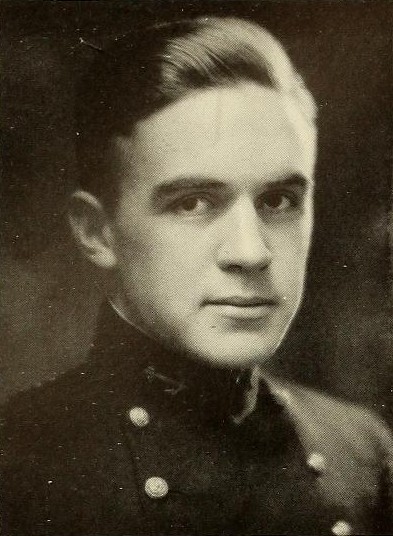
John Lockwood Pratt was born on 6 May 1899. He graduated from the United States Naval Academy in the class of 1922 and was promoted to lieutenant commander on 23 June 1938. From 16 May 1940 to 10 April 1942 he commanded the seaplane tender Childs, a flush-deck destroyer refitted to support aircraft, through the last year of peace and the first months of the war with Japan. He was advanced to temporary commander on 17 July 1942 and to temporary captain on 15 May 1943.
In the spring of 1944 Pratt was given a brand-new escort carrier. Kaiser Shipbuilding had laid the hull down at Vancouver, Washington, on 31 January 1944 and launched her on 17 April as Alikula Bay, with Mrs. M. C. Wallgren as sponsor. On 16 May the Navy renamed her Bismarck Sea, for the air-sea battle fought off New Guinea in March 1943. At Astoria, Oregon, on 20 May 1944, the ship passed to the Navy and was commissioned the same day, with Pratt in command. She was a Casablanca-class escort carrier, CVE-95, built to ferry aircraft and then to put a small air group over the beachheads.
Pratt took Bismarck Sea through shakedown along the West Coast in June. On 1 July she left San Pedro with airplanes and pilots for Hawaii. After unloading at Pearl Harbor she went on to Majuro in the Marshalls, arriving on 16 July, landed fresh aircraft, took damaged planes aboard, and returned to Pearl Harbor with the escort carrier Saginaw Bay on 29 July. Early in August she was back at San Diego for about four weeks of overhaul. From 7 September she trained again off California, with Composite Squadron 86 under Lieutenant Commander Benjamin Marshall Lakin as her air group. On 16 October she sailed for Pearl Harbor, paused at Oahu, and continued west. She reported to the Seventh Fleet at Eniwetok on 1 November 1944.
From 14 to 23 November Bismarck Sea operated off Leyte in support of the fighting in the Philippines. On 26 November Pratt was on deck for the ship's crossing-the-line ceremony. On 19 December a Wildcat of the squadron crashed among aircraft parked on the forward flight deck. Ensign Francis Goedert and Seaman First Class George R. Broadbent, who was knocked over the side, were killed. In January 1945 the carrier covered the Lingayen Gulf landings on Luzon, from the 9th through the 18th. On 5 January planes of the task unit, including aircraft from Bismarck Sea, joined planes from other escort carriers in sinking the Japanese destroyer Momi. She arrived off Iwo Jima on 16 February. After three campaigns in a few months, the crew had taken to calling her the Busy Bee.
On the evening of 21 February 1945, off Iwo Jima, Japanese kamikaze aircraft attacked the formation, and two suicide planes struck Bismarck Sea. One hit on the starboard side aft, broke into the hangar, and set fires that reached gasoline and ammunition. Explosions followed. Pratt ordered the crew to abandon ship, and the carrier went down within about two hours. Three hundred eighteen men were lost. Pratt was among the survivors taken from the water by the destroyer escort Edmonds, and other destroyers and escorts recovered the rest. Bismarck Sea was the last United States aircraft carrier sunk by the enemy in the Second World War. Her name was struck from the Navy list on 30 March 1945, and she received three battle stars. Pratt came through the sinking. He later rose to rear admiral. He died on 12 October 1993, at the age of ninety-four.