Ships
- USS Mississippi (BB-41) Captain from 29 November 1941 · Relieved on 20 December 1941
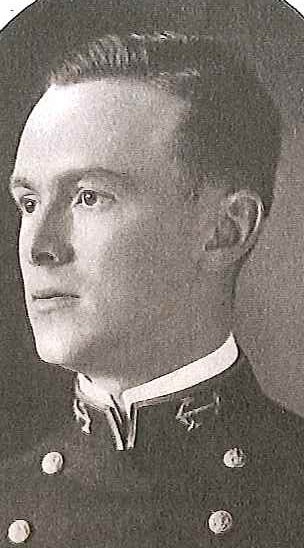
Captain Penn Leary Carroll of the United States Navy commanded the battleship Mississippi for three weeks at the end of 1941. He took command on 29 November and was relieved on 20 December. In that span the country passed from armed neutrality into a war fought in both oceans.
Mississippi (BB-41) was a New Mexico-class battleship, completed in 1917 and rebuilt between the wars so that her guns, protection, and machinery matched what the fleet would need in another major conflict. She spent most of her peacetime years with the Battle Force in the Pacific. In 1941 she moved to the Atlantic, where American ships guarded convoys and kept the neutrality patrol as the European war spread across that ocean.
Carroll joined her while the patrol was still her ordinary work. On 7 December 1941, eight days after he assumed command, Japanese carrier aircraft attacked Pearl Harbor and left much of the battleship force there sunk or badly damaged. Mississippi was with the Atlantic Fleet and escaped that blow. Carroll was her captain when word of the attack reached the ship. War with Japan followed at once, and before December ended the United States was also at war with Germany and Italy.
His command closed on 20 December 1941. Mississippi did not remain long in the Atlantic after that. In January 1942 she passed through the Panama Canal and rejoined the Pacific Fleet. She stayed in that ocean through the end of the war in 1945, taking part in the island campaigns, including the night battle of Surigao Strait in October 1944, when the American battle line met a Japanese force in the last battleship action of the war.
Carroll's captaincy stands at the opening of that wartime service. From 29 November to 20 December 1941 he was captain of Mississippi, in charge of her on the neutrality patrol and on the day the Pacific war began. The long campaigns that followed were fought under the captains who succeeded him. His place in her story is those three weeks, when the patrol ended and the war started.