Ships
- USS Nevada (BB-36) Captain from 7 May 1919 · Relieved on 23 October 1919
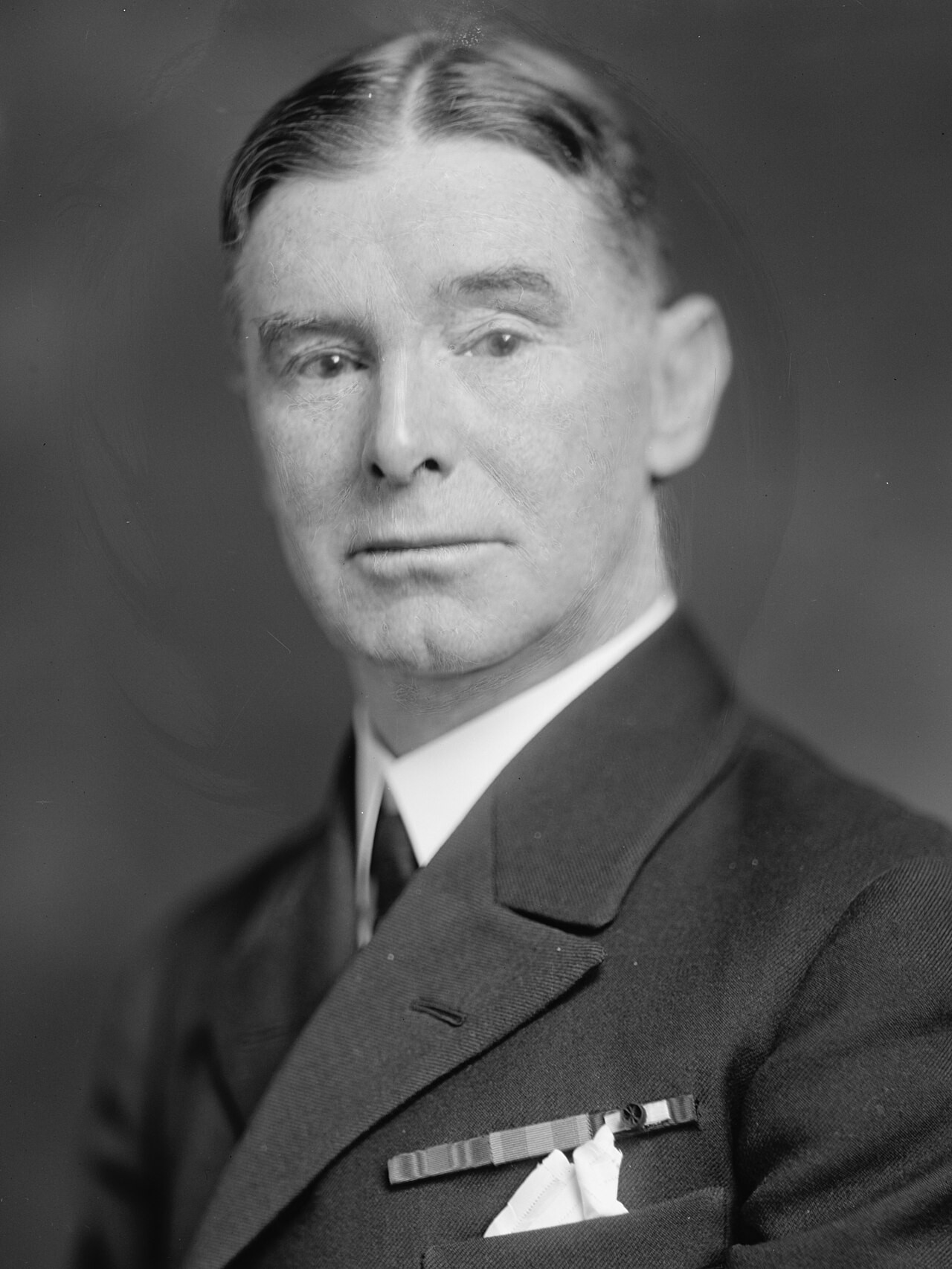
Thomas Pickett Magruder was born in Yazoo County, Mississippi, on 29 November 1867. He entered the United States Naval Academy on 3 September 1885 and graduated in June 1889. He was commissioned ensign on 1 July 1891. On 29 May 1893, in Washington, D.C., he married Rosa Eliza Boush, daughter of Naval Constructor George Richard Boush. Their daughter, Adele, later married Commander Stuart O. Greig. A younger brother, Cary, retired as a commodore after the Second World War.
At the start of 1898 he was serving in the gunboat Nashville when she sailed from the Norfolk Navy Yard. In the Spanish-American War he had charge of a cutter at Cienfuegos and was cited for gallantry in that work. He became a lieutenant (junior grade) on 9 October 1898 and a lieutenant on 3 March 1899.
Promotion to lieutenant commander came on 1 July 1905 and to commander on 1 July 1910. In 1908 he commanded the battleship Alabama. He assumed command of the cruiser Raleigh on 5 November 1911. The next years took him to the naval station at Cavite in the Philippines in 1912 and 1913, to the cruiser Albany in 1913, and back to Raleigh on the west coast of Mexico in 1914 and 1915, during the period of the Veracruz expedition. He finished the long course at the Naval War College in 1916 and that year headed the Division of Naval Military Affairs in the Navy Department. He had been made a captain on 6 August 1915.
In August 1917 he was ordered to command Squadron 4 of the Patrol Force. He took six submarine chasers, twelve minesweepers, a tender, and his flagship Wakiva to the west coast of France, and the Chief of Naval Operations cabled a commendation for the crossing. From 1917 into 1919 his district on the French coast covered the Bay of Quiberon, the Loire, Nantes, and St. Nazaire. He was chief of staff to the admiral commanding the American naval forces on that coast and, after that officer left, held the force temporarily until Rear Admiral Henry Braid Wilson arrived. On 26 January 1918 his flagship Guinevere grounded and was wrecked on the French coast. Everyone aboard survived. He received the Navy Distinguished Service Medal.
The battleship command that followed the armistice was brief. On 7 May 1919 he became captain of Nevada, relieving William Carey Cole. He left the ship on 23 October 1919, when William Dugald MacDougall relieved him.
He was promoted to rear admiral in a temporary grade on 25 April 1920, and the rank was made permanent on 5 June 1921. From 1920 to 1921 he was naval attaché in Paris, settling private claims against the United States and carrying other special duty. From 1921 to 1923 he was commandant of the Eighth Naval District and of the naval station at New Orleans. In 1924 he commanded the naval guard that accompanied the United States Army flight around the world. The same year he searched for and rescued the Italian aviator Lieutenant Antonio Locatelli after Locatelli's aircraft came down off Greenland, and the Italian government decorated him for that rescue.
He afterward commanded the Fourth Naval District and the Philadelphia Navy Yard. In the Saturday Evening Post of 24 September 1927 his essay The Navy and Economy argued that the Navy was overloaded with officers, tangled in paperwork, and burdened with idle ships and yards, and that about thirty-five cents of every dollar was wasted. About a month later Secretary of the Navy Curtis D. Wilbur removed him from the Philadelphia command. He remained awaiting orders for the better part of two years, then returned to duty and retired in 1931 at the statutory age of sixty-four.
Magruder died at Jamestown, Rhode Island, on 26 May 1938. On 28 May he was buried at Arlington National Cemetery with full military honors, his admiral's flag and the national colors covering the casket.