Ships
- USS Langley (CV-1) Captain from 3 October 1928 · Relieved on 30 June 1930
- USS Lexington (CV-2) Captain from 5 June 1934 · Relieved on 6 April 1936
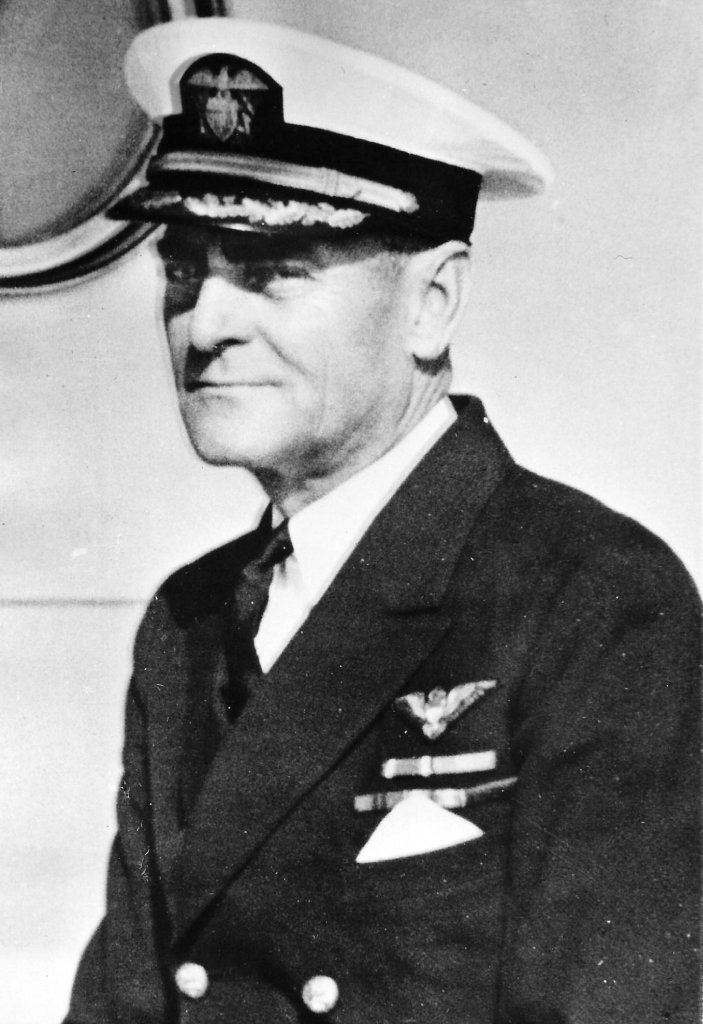
Arthur Byron Cook was born in Evansville, Indiana, on 11 December 1881, the son of Frederick W. and Elizabeth (Himmelein) Cook. He attended St. Albans, Notre Dame and Indiana University, then entered the Naval Academy from Indiana's First District in 1900. He graduated in January 1905 and was commissioned an ensign in 1907 after the two years at sea then required by law.
As turret officer of Georgia during the Great White Fleet's world cruise, his turret placed first in target practice at Magdalena Bay. He served on Admiral Henry T. Mayo's staff, and in World War I he was flag lieutenant and fleet signal officer to the Commander in Chief, Atlantic Fleet, for which he was commended. He commissioned and commanded the destroyer Long (1919–21), graduated from the Naval War College, commanded Case, served as executive officer of Idaho, and commanded the survey ship Niagara. Like Halsey, he came to aviation late in his career.
He commanded Langley from 1928 to 1930 and Lexington from 1934 to 1936. In 1936 he became Chief of the Bureau of Aeronautics as a rear admiral, and he sat on the National Advisory Committee for Aeronautics alongside Orville Wright and Charles Lindbergh. He later commanded Aircraft, Scouting Force, and then Aircraft, Atlantic Fleet, from the carrier Ranger. In World War II he was the first Chief of Air Operational Training at Jacksonville (1942–43). He expanded the training stations and converted two Great Lakes ships for carrier qualification, and he won the Legion of Merit. As a vice admiral he commanded the Caribbean Sea Frontier and Tenth Naval District in Puerto Rico, earning the Distinguished Service Medal.
He retired on 1 December 1944. He married Mary Amory of Philadelphia in 1908, and they had two children. In 1950 he was living in New York. He died in 1952 and is buried at Arlington National Cemetery. France made him a Chevalier of the Legion of Honor, and Belgium a Commander of the Order of the Crown.