Ships
- USS Nevada (BB-36) Captain from 10 May 1939 · Relieved on 4 June 1941
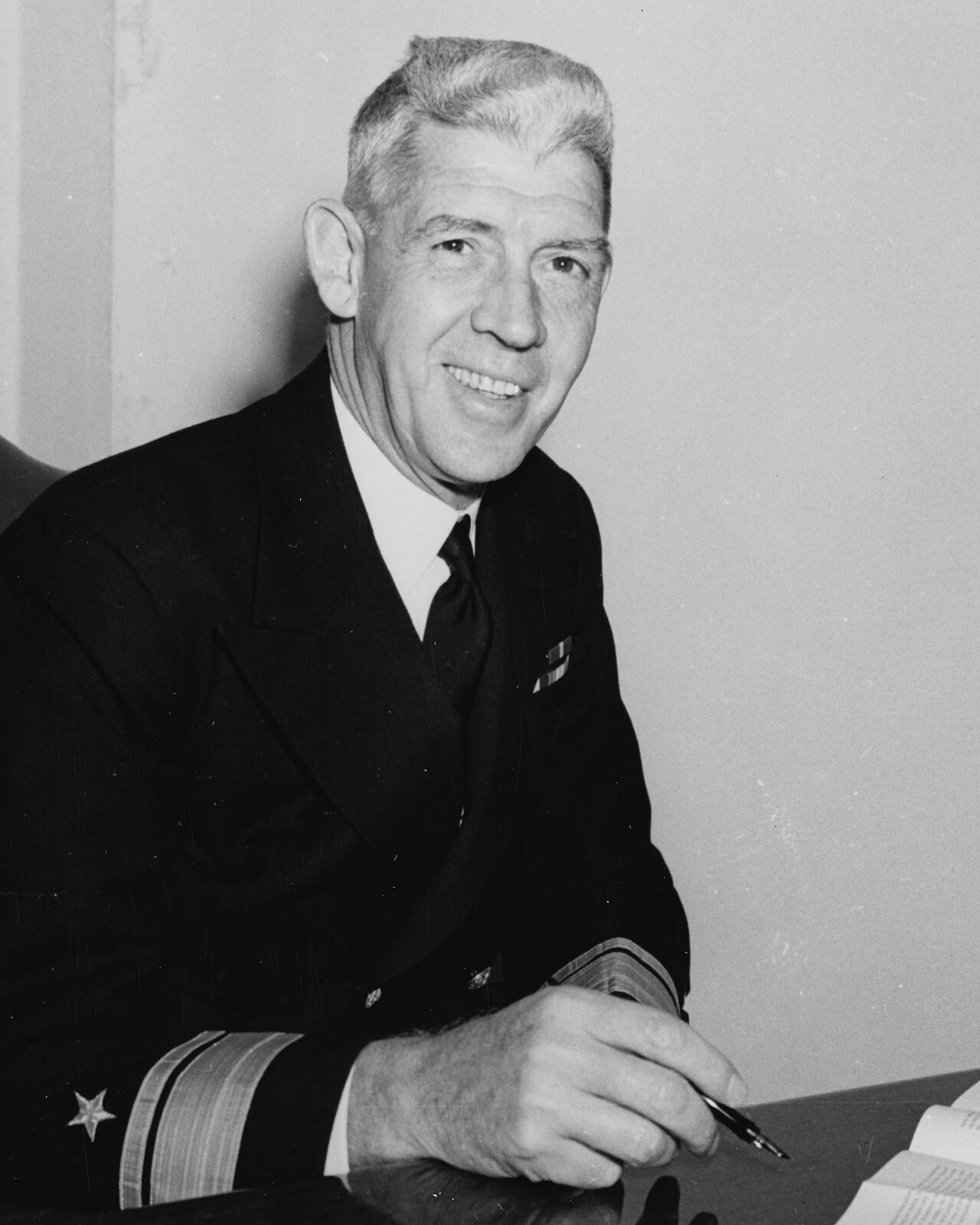
Francis Warren Rockwell was born in 1886 in South Woodstock, Connecticut. He entered the United States Naval Academy in 1904, graduated with the Class of 1908, and was commissioned an ensign on 6 June 1910. From 1912 to 1914 he directed the fitting out of the destroyer Jarvis. He then taught electrical engineering and physics at Annapolis until the United States entered the First World War in 1917.
Wartime duty took him to the battleship New Jersey and to the destroyers operating from Queenstown, Ireland, under William Sowden Sims. As a lieutenant commander he commanded Winslow on patrol and on the escort of troop and supply convoys through waters where mines and submarines were a constant danger. That service brought him the Navy Cross. In 1919 he took command of the new destroyer Thatcher.
Rockwell returned to the Naval Academy as an instructor from 1920 to 1923, then served as gunnery officer of the battleship Tennessee from 1923 to 1926. Another tour on the Academy faculty followed, from 1926 to 1929. He afterward commanded Robert Smith, Dorsey, and Medina, served as executive officer of the battleship Mississippi, and completed a tour in the Navy Department in Washington.
He became captain of Nevada on 10 May 1939 and remained in command until he was relieved on 4 June 1941. Through those two years the battleship operated with the Pacific Fleet as more of the fleet's strength based at Pearl Harbor and tension with Japan deepened. He left Nevada in June 1941. The ship was in Pearl Harbor when Japanese aircraft attacked the fleet the following December.
On 5 November 1941 Rockwell, then a rear admiral, took command of the Sixteenth Naval District in the Philippines, with headquarters at the Cavite Navy Yard. Japanese bombers struck Cavite on 10 December 1941, burned the yard, and wrecked supplies and ships along the waterfront. He had usable fuel and equipment carried away and the ruined base abandoned, and he directed the naval forces that remained during the defense of Bataan and the fortified islands at the entrance to Manila Bay. In March 1942 he left Corregidor by motor torpedo boat in the evacuation that carried General Douglas MacArthur to Australia. The Navy Distinguished Service Medal recognized his leadership as district commandant through that campaign.
After he reached Australia he held a brief command of the submarines assigned to the eastern part of the continent. In August 1942 he became commander of the Amphibious Force, Pacific Fleet, and in 1943 he commanded amphibious forces in the North Pacific. He led the naval attack force that put the Army ashore on Attu in May 1943. The landing on Kiska that August found the Japanese garrison already gone. Admiral Ernest J. King blamed him for the garrison's escape and transferred him to the Atlantic Fleet to command amphibious training. A Gold Star in lieu of a second Legion of Merit marked that training command from March to November 1944.
Rockwell retired in August 1948 as a vice admiral. His decorations also included the Silver Star. He died on 2 January 1979 at Saint Simons Island, Georgia, and was buried at Arlington National Cemetery.