Ships
- USS Saratoga (CV-3) Captain from 20 April 1929 · Relieved on 5 September 1930
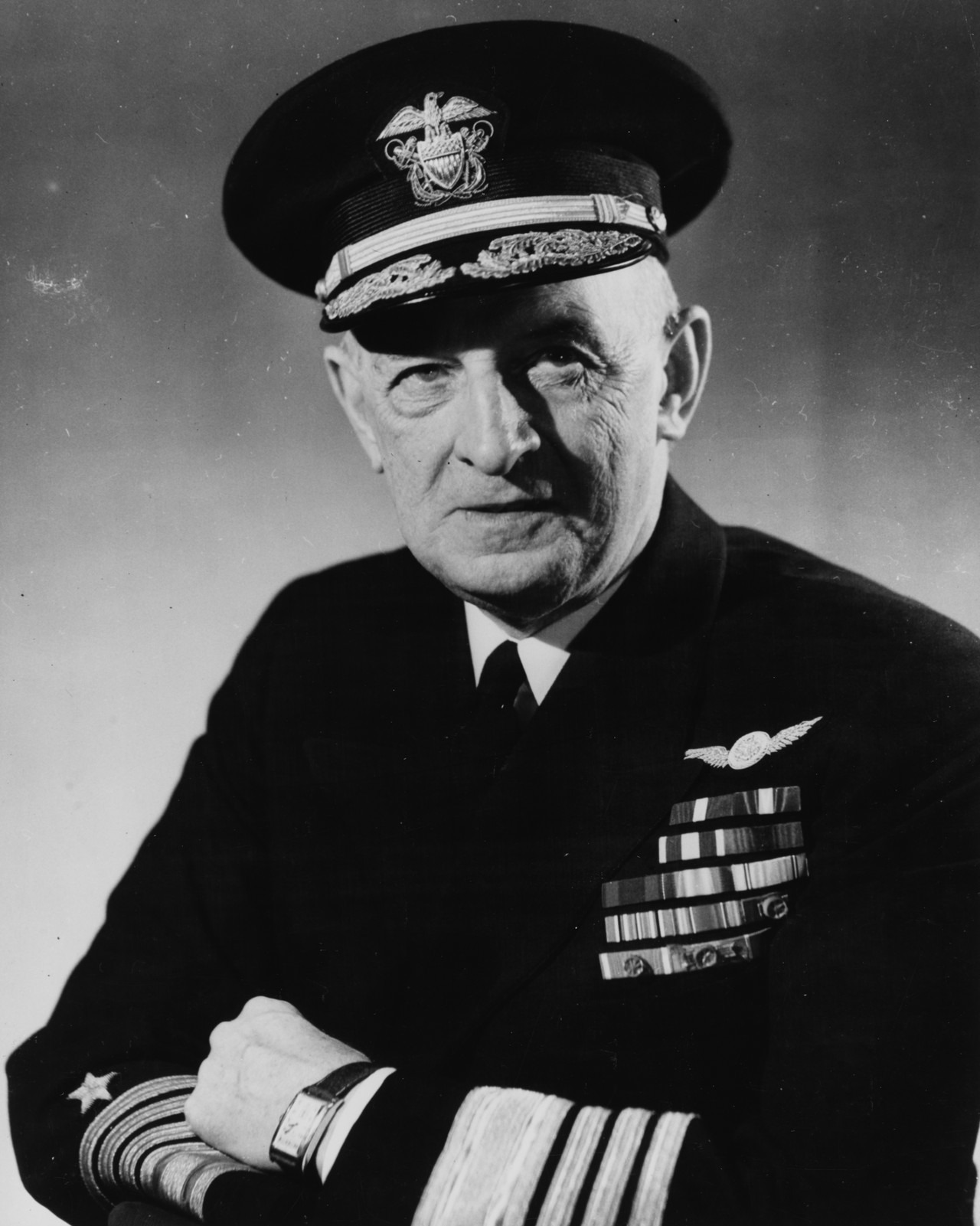
Frederick Joseph Horne was born in New York City on 14 February 1880. He graduated from the United States Naval Academy in 1899. As a naval cadet the year before, he took part in the defeat of the Spanish fleet off Santiago de Cuba. He was commissioned an ensign in 1901, and in 1903 he married Alma Beverly Cole McClung.
His early sea duty included navigation in the battleships New Hampshire and Alabama. He also served as navigator of the armored cruiser Saratoga with the Asiatic Fleet, years before the aircraft carrier Saratoga entered service. From 1915 to 1919 he was naval attaché at the American embassy in Tokyo, reporting on the Japanese navy through the First World War. He commanded the auxiliary Buffalo from May 1919, and in June 1924 he took command of the light cruiser Omaha.
In the spring of 1926 Horne was among the senior captains sent to Naval Air Station Pensacola for flight instruction. A new law reserved command of carriers, aircraft tenders, squadrons, and aviation shore stations for naval aviators and naval aviation observers, and he qualified as an observer. He afterward commanded the aircraft tender Wright, with added duty as senior aide to the commander of the Scouting Fleet's aircraft squadrons. From June 1927 to April 1929 he was the principal assistant to Rear Admiral Frank Schofield in the War Plans Division under the Chief of Naval Operations, and his Tokyo experience and aviation training both went into the Navy's plans for a Pacific war.
Horne took command of the aircraft carrier Saratoga on 20 April 1929 and was relieved on 5 September 1930. During that command the ship carried the flag of Rear Admiral Henry V. Butler, who led the Battle Fleet's aircraft squadrons. The tour gave a newly qualified aviation observer charge of one of the Navy's two largest flight decks while the fleet practiced handling big carrier air groups.
On 20 September 1930 he became Commander, Aircraft Squadrons, Scouting Fleet. In October the title changed to Commander, Carrier Division 1, of the U.S. Fleet, and on 13 February 1931 it changed again to Commander, Aircraft, Scouting Force, and commander of that division. He remained until 5 June 1931. The Navy promoted him to rear admiral in 1932. In 1936 he took command of Aircraft, Battle Force, and flew his flag in Saratoga.
By 1941 he was serving on the General Board and was near retirement. After the United States entered the Second World War, Admiral Harold R. Stark recalled him as assistant to the Chief of Naval Operations, from 27 December 1941 to 25 March 1942. He was promoted to vice admiral on 10 March 1942. When Ernest J. King became Commander in Chief of the U.S. Fleet and Chief of Naval Operations, Horne became the first Vice Chief of Naval Operations on 26 March 1942. King kept the conduct of the war. Horne directed the logistics that supported it, and a large share of the Navy Department's daily business, with Rear Admiral Lynde D. McCormick as his principal assistant. He was promoted to admiral in 1944 while still vice chief.
Horne left the vice chief's office at the end of August 1945 and retired in 1946. For his service from 26 March 1942 to 31 August 1945 he received the Navy Distinguished Service Medal. The award recognized his direction of the Navy's logistics, intelligence, and communications, and the supply organization that kept the fleets supported around the world. He was also a recipient of the Navy Cross. Alma Horne died in 1957, and in 1959 he married Edith G. Croshier. He died in Coronado, California, on 18 October 1959, and was buried at Fort Rosecrans National Cemetery.