Ships
- IJN Hiryu In command when she was lost, 5 June 1942
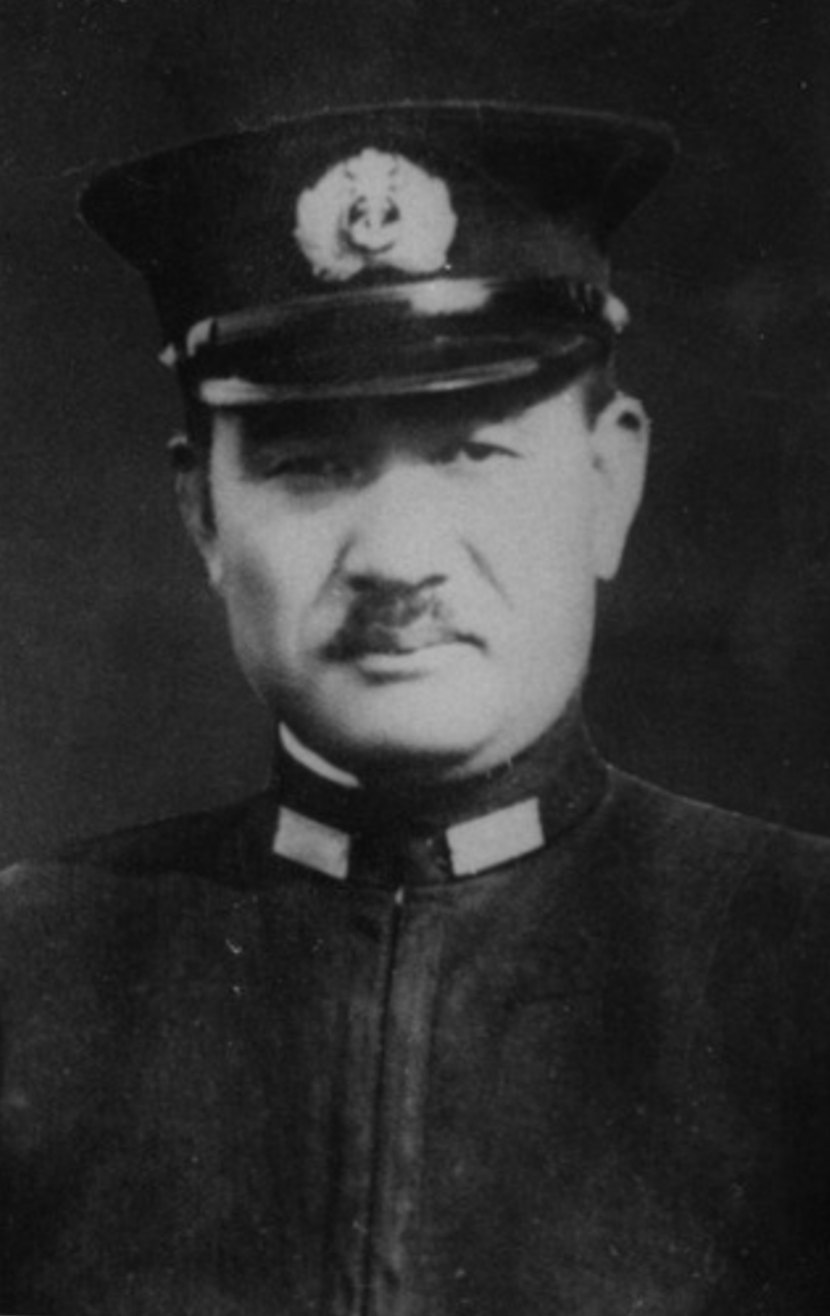
Tomeo Kaku was born on 8 November 1893 in Yatsushiro District, Kumamoto Prefecture. In his second year at the prefectural middle school there, a training squadron came into the Ariake Sea, and the sight of those ships turned him toward the navy. He entered the Naval Academy in September 1911 with the 42nd class. He stood near the foot of the list on entry and had risen well up it by the time he graduated in December 1914. An older brother, Michio, later served as a diplomat.
After early duty in the fleet he passed through the ordinary courses in gunnery and torpedoes, then joined the navy's aviation course in December 1918. That branch held him for the rest of his career. He completed the Naval Staff College in November 1926. Through the 1930s he served on fleet aviation staffs, taught at the staff college, and commanded the naval air groups at Ominato and Kisarazu. In December 1938 he took command of the seaplane tender Chiyoda and learned the daily work of handling aircraft from a ship. In November 1939 he went ashore as head of general affairs at the Naval Air Technical Arsenal.
In September 1941, with the Pacific War only weeks away, Kaku was appointed captain of the fleet carrier Hiryu, the fourth officer to command her. She belonged to Carrier Division 2. Late in November the carrier striking force assembled in the Kurils, and on 7 December her aircraft flew in the attack on Pearl Harbor. Before the month ended Hiryu was detached, with Soryu, to cover the capture of Wake Island, and then returned to the Inland Sea.
The opening months of 1942 kept Hiryu with the fast carriers. In January her aircraft struck Ambon in the Netherlands East Indies. In February they took part in the raid on Darwin. In April the force entered the Indian Ocean, where Japanese carrier planes sank British heavy cruisers and the carrier Hermes and attacked merchant ships off Ceylon. Hiryu then came home for a short refit.
At Midway, Hiryu flew the flag of Rear Admiral Tamon Yamaguchi, commander of Carrier Division 2, while Kaku remained her captain. On 4 June 1942 American dive bombers left Akagi, Kaga, and Soryu burning. Hiryu, steaming apart from the others, was still able to launch. Her dive bombers struck the carrier Yorktown, and a later torpedo attack crippled that ship. The two strikes used up most of what was left of Hiryu's air group.
American dive bombers found Hiryu that afternoon. Bombs broke up the forward flight deck, set fueled aircraft and weapons on fire, and left blazes the crew could not master. The engines failed. Kaku ordered the men off, spoke to them as they went, and took the loss of the ship on himself. He remained aboard, and Yamaguchi remained with him. Survivors remembered the two officers on the bridge in the moonlight, with a little ship's biscuit and water. Hiryu was lost on 5 June 1942 with her captain still aboard. Kaku was forty-eight. The navy promoted him to rear admiral after his death.