Ships
- USS Worden (DD-352) Captain, 12 April 1941 – 12 January 1943
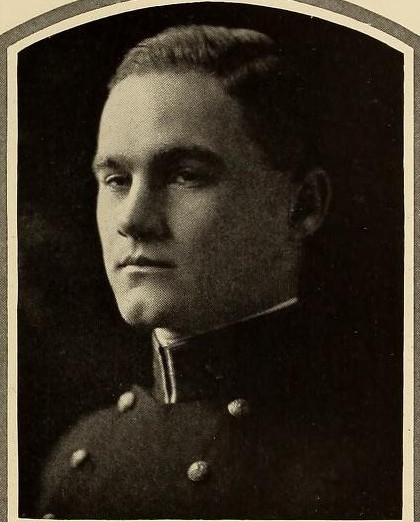
William Grady Pogue was born on 25 November 1899 and graduated from the United States Naval Academy in the class of 1923. By the spring of 1941 he was a lieutenant commander in the Pacific Fleet. On 12 April 1941 he became commanding officer of the Farragut-class destroyer Worden, relieving Ransom Kirby Davis. The ship, in commission since 1935, had already been led in peacetime by Robert Earle Kerr, Clarence Edward Olsen, Henry Bryan Broadfoot, Julian DuBois Wilson, and Lunsford Yandell Mason.
Pogue had Worden with the fleet at Pearl Harbor when the war opened. On the morning of 7 December 1941 she lay alongside the tender Dobbin, with Hull, Phelps, Dewey, and MacDonough nested outboard. Japanese aircraft arrived while the destroyer was in routine upkeep. The crew closed up, raised steam, and took her out through the South Channel late that morning. In the ship's report of the attack, Quartermaster Third Class Raymond Harvey Brubaker was credited with taking over a machine gun and shooting down a low-flying bomber. Pogue wrote that the men stayed steady under the surprise.
Through 1942 he kept Worden in the carrier war. At Midway, from 4 to 6 June, she screened the carriers, then returned to Pearl Harbor on 13 June. That summer she covered the Guadalcanal landings and screened carriers in the Battle of the Eastern Solomons. After the Japanese submarine I-26 torpedoed Saratoga, Worden helped escort the damaged carrier back toward Pearl Harbor. She later screened the battleship Nevada on post-repair trials between San Pedro and San Diego. Service in those actions brought the destroyer four battle stars: Pearl Harbor, Midway, the Guadalcanal landings, and the Eastern Solomons. On 17 July 1942, still in command, Pogue was advanced to temporary commander.
Late in the year the ship was ordered north for the occupation of Amchitka in the Aleutians. Worden sailed from San Francisco on 27 December 1942 and reached Dutch Harbor on New Year's Day. On 12 January 1943 she went into Constantine Harbor with the transport Arthur Middleton, which was putting the first Army security detachment ashore. The harbor was hemmed by rock, and the current ran hard. After the soldiers had landed, the current set Worden onto a pinnacle. The rock opened her hull under the engine room and the power went out.
Dewey passed a towline and tried to pull her clear. The line parted. Seas then drove the silent destroyer toward the rocks. She swung broadside and began breaking up in the surf. Pogue ordered the crew off. While he was still directing the abandonment, a wave carried him over the side into the winter water. He was hauled out unconscious and lived. Fourteen of his men drowned. Worden was a total loss, and the Navy struck her name from the list on 22 December 1944. His command, begun on 12 April 1941, ended that day in Constantine Harbor.
The Navy advanced him to temporary captain on 15 May 1943. He received the Purple Heart for the injuries he suffered when Worden was lost, and he later rose to rear admiral. William Grady Pogue died on 26 October 1982, at eighty-two, and was buried at Arlington National Cemetery.