Ships
- USS Louisville (CA-28) Captain from 9 November 1935 · Relieved on 8 May 1937
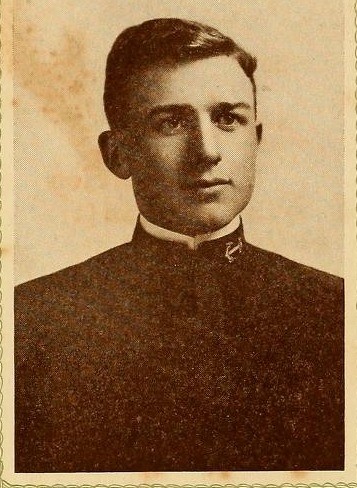
William Sims Farber was born on 16 March 1885 and came from Cazenovia, New York. He graduated from the United States Naval Academy at Annapolis in the class of 1907 and remained in the Navy from the years before the First World War until the close of the Second, retiring as a vice admiral.
In the mid-1920s he commanded the destroyer Reuben James. He took that command on 29 June 1925, following James C. Byrnes, Jr., and left it on 5 August 1927, when Stanley R. Canine relieved him. The Navy promoted him to captain on 1 October 1933.
On 9 November 1935 Farber became commanding officer of the heavy cruiser Louisville (CA-28). The ship had been built at the Puget Sound Navy Yard, launched in September 1930, and commissioned on 15 January 1931 under Edward J. Marquart. In July 1931 she was redesignated a heavy cruiser under the terms of the London Naval Treaty. She was a ship of about 9,050 tons, with a main battery of nine 8-inch guns. Farber stayed in command until he was relieved on 8 May 1937.
Late in that cruise Louisville carried out a rescue in the central Pacific. On 13 March 1937, about 450 miles northeast of Honolulu, she took the passengers off the British motor ship Silver Larch, which was on fire. The next day, 14 March, Farber brought the survivors into Pearl Harbor. A photograph made on arrival shows them posed on deck with him as commanding officer.
The cruiser's fighting war came after Farber had gone ashore to flag duty. In January 1944 Louisville was in the South Pacific as flagship of Rear Admiral Jesse Barrett Oldendorf, who was directing naval gunfire support for the amphibious landings then opening. At the end of that month she bombarded Wotje in the Marshalls.
Farber was promoted to rear admiral on 1 September 1941. From 4 October 1943 to 31 August 1945 he served as Sub Chief of Naval Operations. In that post he drove the development of naval vessels and of the means to keep them in action, and he held together the many offices that built, armed, and supplied the fleet, work that also covered the arming of a very large number of merchant ships. The Navy Distinguished Service Medal recognized that service. On 3 April 1945 he received the temporary rank of vice admiral, and he retired as a vice admiral.