Ships
- USS Saratoga (CV-3) Captain from 15 September 1928 · Relieved on 20 April 1929
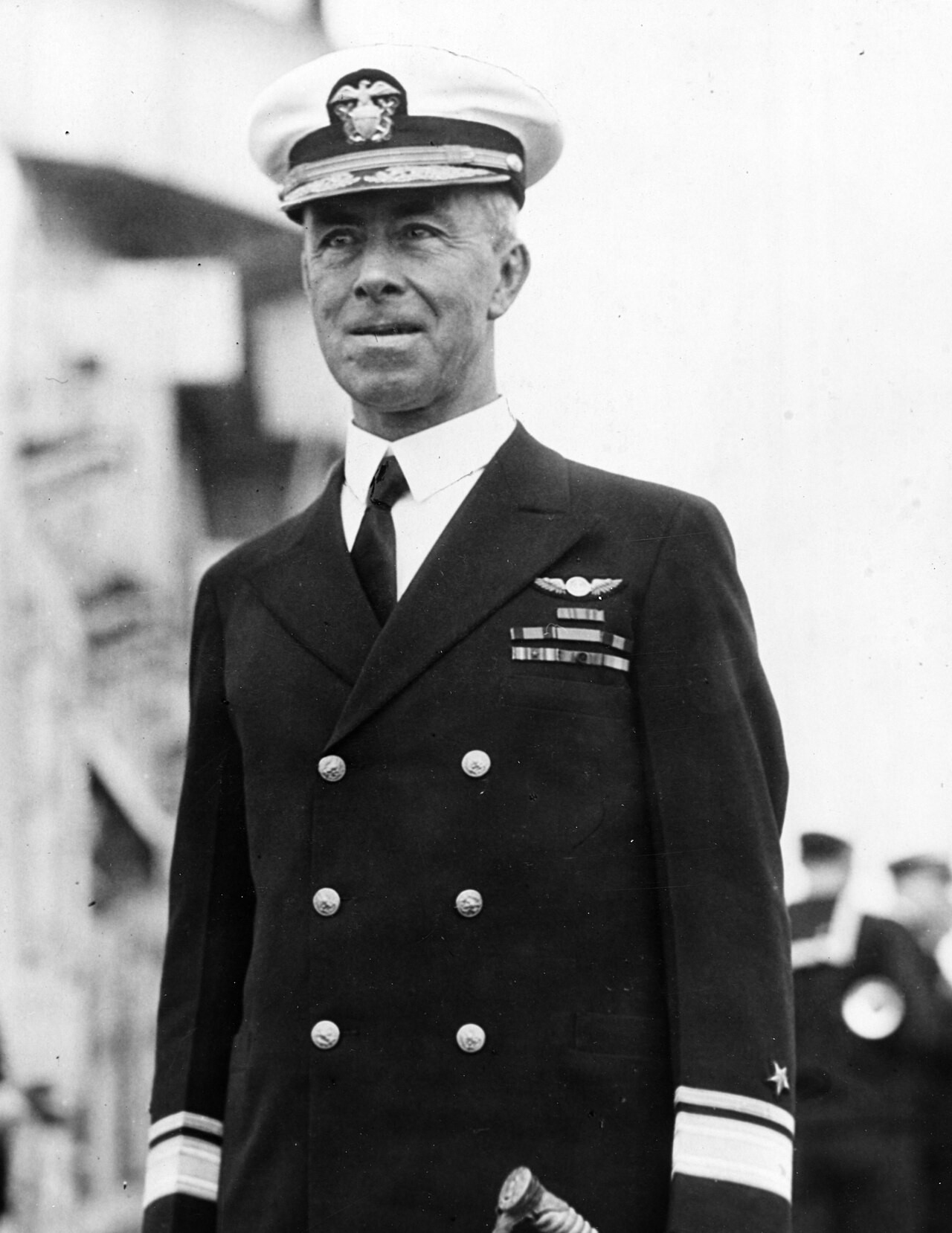
John Halligan, Jr. was born in South Boston, Massachusetts, in May 1876, the son of John and Maggie E. Halligan. Massachusetts sent him to the United States Naval Academy on 6 September 1894. He stood first in the class of 1898 and went straight to war. In the conflict with Spain he served in the armored cruiser Brooklyn while she flew the flag of Commodore Winfield Scott Schley.
In the First World War he was chief of staff to Vice Admiral Henry Braid Wilson, commander of United States Naval Forces in France. The work brought him the Navy Distinguished Service Medal. France admitted him to the Legion of Honor, and he also received the Special Meritorious Medal.
After the Armistice he commanded the battleship Ohio. From July into late October 1925 he was a student at the Naval War College in Newport, Rhode Island. On 29 October 1925 he became Chief of the Bureau of Engineering and Engineer-in-Chief of the Navy, with the temporary rank of rear admiral, and he held that post through 31 August 1928. He then asked to return to sea. Harry Ervin Yarnell, who had been selected for rear admiral while in command of the carrier, was named to the bureau in his place.
Halligan went first to Naval Air Station Pensacola for a short course and qualified as a naval aviation observer, the credential expected of an officer coming from engineering duty to a carrier. He took command of Saratoga on 15 September 1928 as captain and was relieved on 20 April 1929.
On the day he left the ship he became Commander, Aircraft Squadrons, Scouting Fleet. The Navy advanced him to rear admiral on an interim basis on 12 August 1930, and the rank was made permanent on 3 January 1931. On 15 September 1930 he relieved Rear Admiral William H. Standley as Assistant Chief of Naval Operations. In 1933 he returned to a senior aviation command with the fleet, and he later became Commandant of the Thirteenth Naval District.
Halligan died on 11 December 1934 at the naval hospital at Puget Sound, Washington, while still commandant of the district. He had undergone emergency surgery for stomach ulcers a few days before. He was buried in the Naval Academy Cemetery at Annapolis. In 1943 a new destroyer, Halligan, was named for him, and his widow sponsored the ship at her launching.