Ships
- IJN Hosho Captain from 5 July 1943 · Relieved on 18 December 1943
- IJN Zuikaku Captain from 18 December 1943 · In command when she was lost, 25 October 1944
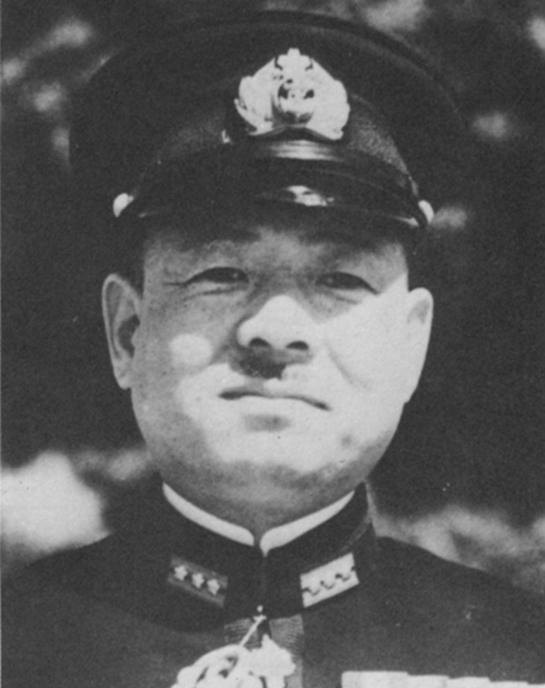
Takeo Kaizuka was born on 3 January 1898 in Chiba Prefecture, in the district that later became the city of Sakura. In 1915 he passed the examinations for both the Naval Academy and the Military Academy and entered the navy. He graduated with the 46th class on 21 November 1918 and was commissioned an ensign the following summer.
His first sea appointments were in the battleships Hyuga and Hizen and the coast-defense ship Iwate, with torpedo and gunnery courses between them. Gunnery became his specialty. As a lieutenant commander he was gunnery officer of the heavy cruiser Atago and of the battleships Nagato, Hyuga, and Yamashiro. Late in 1936 he joined the staff at Ominato and the Tsugaru fortress. He returned to sea in December 1938 as executive officer of the heavy cruiser Maya.
Kaizuka was promoted to captain on 15 November 1939 and given command of the river gunboat Ataka. In November 1940 he became commander of Destroyer Division 1. After a short period attached to the Yokosuka Naval District, he was appointed chief of staff of the Ominato Guard District in February 1942, responsible for the northern stations while the main fleets operated far to the south. On 5 July 1943 he took command of Hosho, the navy's old training carrier, and for five months oversaw carrier-air training in home waters. He was relieved of Hosho on 18 December 1943.
The same day he became captain of Zuikaku, a Shokaku-class fleet carrier that had sailed with the force that struck Pearl Harbor. Her sister Shokaku was still in service. Through the winter he refitted the ship at Kure, then took her south with Shokaku toward Singapore and trained a rebuilt air group. In June 1944 he took Zuikaku into the Battle of the Philippine Sea in Admiral Jisaburo Ozawa's Mobile Fleet. On 19 June American submarines sank Taiho and Shokaku. Zuikaku came through that day, and Ozawa shifted his flag to her. Most of her aircraft were lost in the air battle. On 20 June a bomb from American carrier planes started fires aboard, but the damage was contained and Kaizuka brought her back to Japan.
After repairs at Kure, Zuikaku received only a small air group for the next sortie. Kaizuka was promoted to rear admiral on 15 October 1944. On 20 October Zuikaku left the waters off Oita as flagship of Ozawa's Northern Force, in company with the light carriers Zuiho, Chitose, and Chiyoda, under the Sho plan. The force was sent north of Luzon as a decoy, to pull the American fast carriers away from the beaches at Leyte. On 24 October the carriers flew off their last strike, and few of the aircraft came back to the ships.
On 25 October, off Cape Engaño, successive strikes by American carrier aircraft caught the decoy force. Torpedoes and bombs left Zuikaku listing to port, unable to steer, and stopped in the water. Ozawa moved his flag to the light cruiser Oyodo. Kaizuka called the crew onto the flight deck, addressed them, and stood by as the naval ensign was lowered. He ordered the ship abandoned and stayed aboard. In the early afternoon Zuikaku rolled to port and sank stern first. Kaizuka was lost with her at the age of 46, along with about half the company. The destroyers Wakatsuki and Kuwa took off the survivors. After his death he was promoted to vice admiral. His grave is at Daisho-in in Sakura.