Ships
- USS Lexington (CV-2) Captain from 14 December 1927
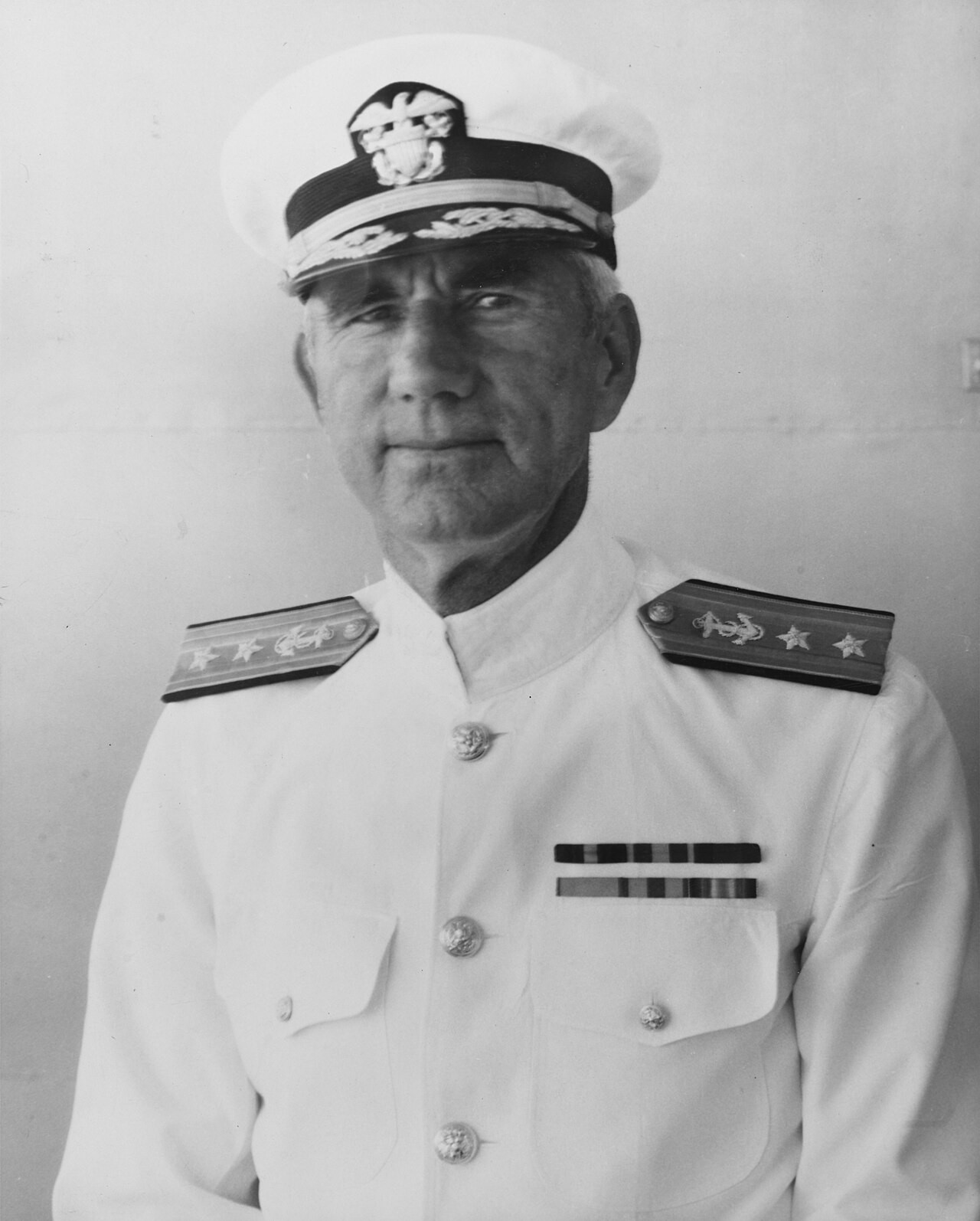
Captain Albert W. Marshall of the United States Navy took command of the aircraft carrier USS Lexington (CV-2) on 14 December 1927, the day the ship was commissioned. The hull had been laid down as a battlecruiser and was completed as a carrier after the Washington Naval Treaty halted ships of that type. Marshall was her first commanding officer.
The commissioning took place at the Fore River shipyard in Quincy, Massachusetts, where the carrier had been built. USS Lexington (CV-2) was enormous for the 1920s. A long flight deck sat above a hangar for her aircraft, and a turbo-electric power plant drove her faster than the battleships of the fleet. Her sister ship, Saratoga, was finished to the same idea: a fast capital ship whose main weapon was the airplanes she carried.
Marshall's work was to take that ship from the builder and make her a working unit of the fleet. The crew had to learn a huge engineering plant, the routine of a flight deck, and the handling of aircraft in a branch of the Navy that was still forming its own methods. Heavy guns remained part of the design, a reminder of the battlecruiser hull underneath, while the daily business of the ship turned toward launching and recovering airplanes.
The Navy kept its large carriers with the Battle Fleet in the Pacific, and USS Lexington (CV-2) was meant for that duty from the start of her service. Under her first captain the ship passed from the fitting-out yard into active service, with trials and training filling the early months. That opening chapter put a treaty conversion carrier into the fleet she would serve for the rest of her life.
USS Lexington (CV-2) remained in commission until 8 May 1942, when she was sunk in the Battle of the Coral Sea. In the years after Marshall, other officers commanded her. One of them was Aubrey Wray Fitch.