Ships
- IJN Akagi Flag, not her captain, Pearl Harbor and Midway
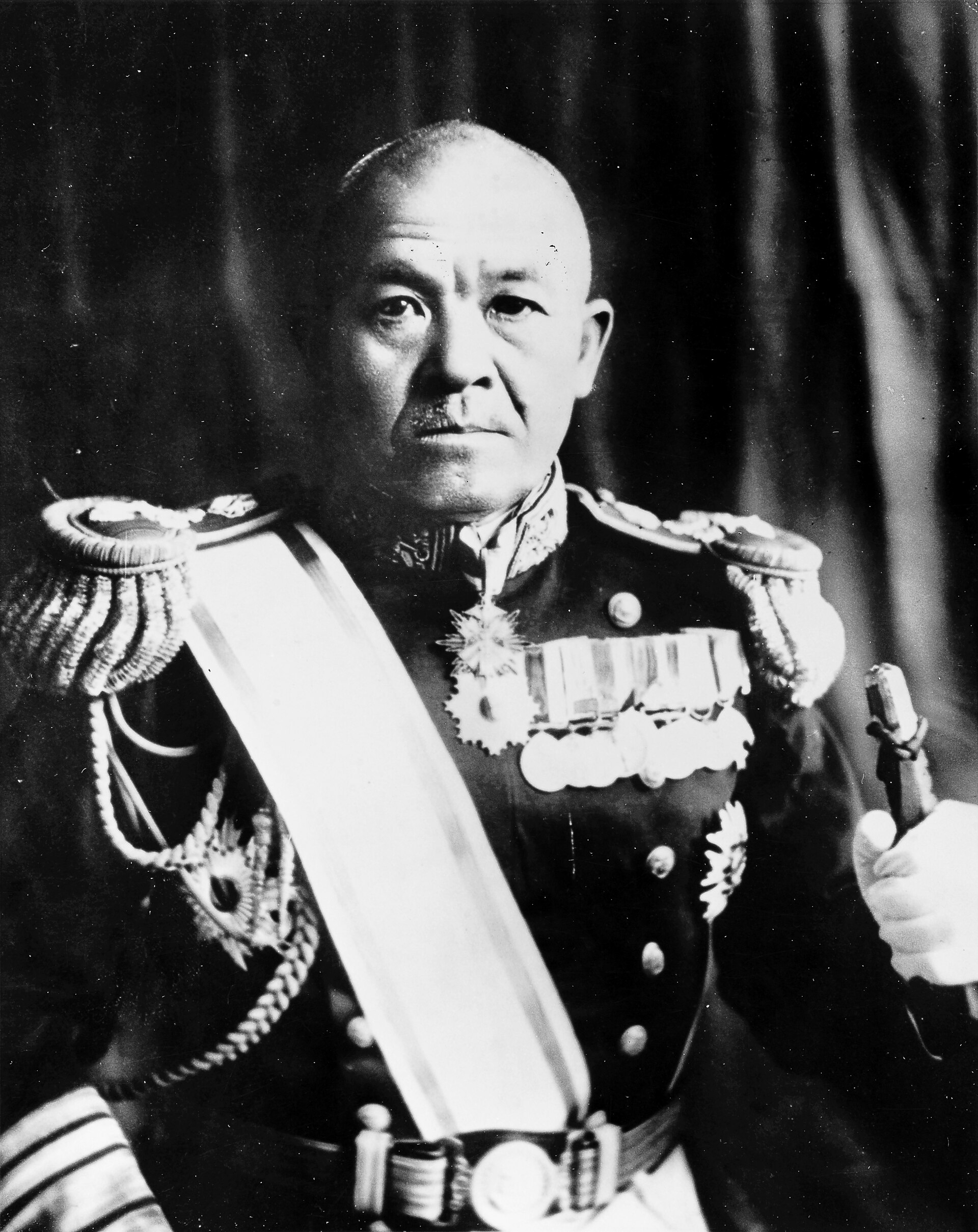
Chuichi Nagumo was born in Yonezawa, in Yamagata Prefecture, on 25 March 1887. He graduated from the Imperial Japanese Naval Academy in 1908, eighth in a class of 191, and built his career on torpedoes and destroyers rather than on aircraft. He commanded the destroyers Kisaragi and Momi, then the light cruiser Naka, the heavy cruiser Takao, and the battleship Yamashiro, and he led destroyer and cruiser squadrons. In 1937 his cruisers covered army landings on the China coast. He was promoted to rear admiral in 1935 and to vice admiral on 15 November 1939.
From November 1940 he was president of the Naval War College. On 10 April 1941 seniority gave him the First Air Fleet, the navy's carrier striking force, although he had no background in aviation. He flew his flag in the carrier Akagi at Pearl Harbor and at Midway. He was not her captain.
Akagi left the Kuril Islands in late November 1941 as flagship of six carriers, with battleships, cruisers, and destroyers in company. Her captain was Kiichi Hasegawa. On 7 December 1941 the ship launched aircraft against the United States Pacific Fleet at Pearl Harbor and was not hit that day. The anchored battleships were hit hard, and large numbers of American aircraft were destroyed on the ground. The American carriers were at sea. Nagumo sent two attack waves, then withdrew the force.
The same carriers kept operating through the winter and spring. Their aircraft struck Rabaul in January 1942, Darwin in February, targets in the Dutch East Indies in March, and British ships and bases in the Indian Ocean in April. Hasegawa remained captain of Akagi through those raids. On 25 April 1942 Taijiro Aoki relieved him. Nagumo's flag stayed in the carrier.
In June 1942 he took four carriers against Midway, again with his flag in Akagi and with Aoki in command of the ship. American dive bombers caught the Japanese flight decks while aircraft were being rearmed and refueled. The bombs wrecked Akagi and left her burning and unable to operate aircraft. Nagumo shifted his flag to the light cruiser Nagara and kept control of the force from there. He had left Akagi. He was not lost with her. Japanese destroyers scuttled the burned-out carrier on 5 June. Kaga, Soryu, and Hiryu were lost in the same battle.
Those four carriers had been the heart of the First Air Fleet. On 14 July 1942 Nagumo was given the Third Fleet and took the surviving large carriers into the Guadalcanal campaign. He fought off the Eastern Solomons in August and at Santa Cruz in October, where the American carrier Hornet was lost. He handled both actions with caution. On 11 November 1942 he came ashore to command the Sasebo Naval District, and in June 1943 he moved to the Kure district. Command of the First Fleet followed in October 1943. On 4 March 1944 he took the Central Pacific Area Fleet, with his headquarters on Saipan.
American forces landed on Saipan on 15 June 1944. The island's defense was driven back over the following weeks, and Nagumo had no way off. On 6 July 1944 he shot himself. Vice Admiral Chuichi Nagumo died on Saipan that day.