Ships
- USS Alabama (BB-60) Captain from 12 August 1944 · Relieved on 14 November 1944
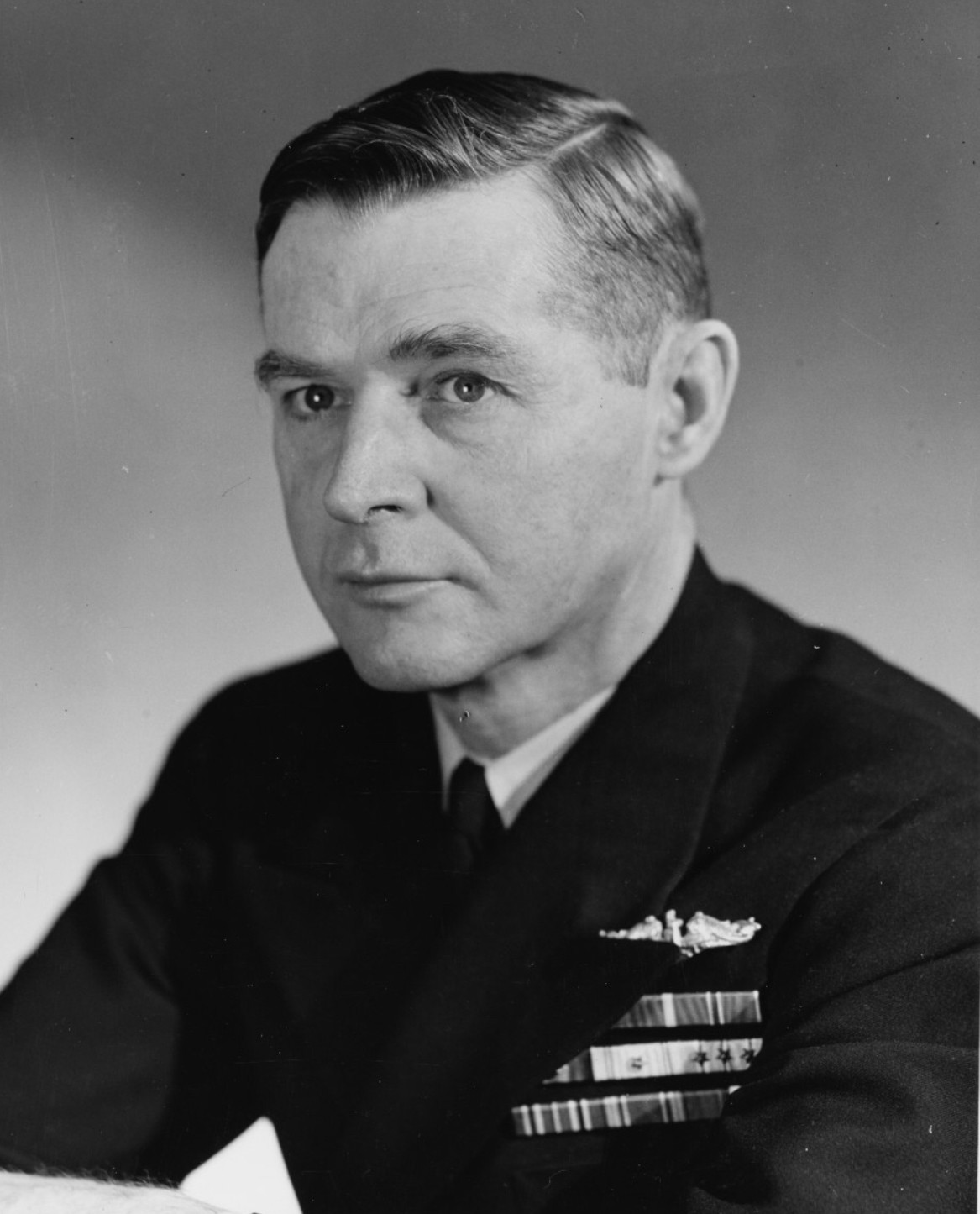
Vincent Raphael Murphy was born in Norfolk, Virginia, in 1896. He completed the United States Naval Academy course in 1917 with the class of 1918 and stayed in the Navy until 1946, retiring as a vice admiral. His Pacific War record has two clear marks. On 7 December 1941 he was staff duty officer at Pearl Harbor when the Japanese attack began. From 12 August to 14 November 1944 he commanded the battleship Alabama.
In the First World War he served in the armored cruiser Montana. After the armistice he qualified in submarines, and in 1924 he commanded S-37. He later returned to the surface fleet. In the mid-1930s he was navigator of the battleship Texas, and from 1937 he worked in the Office of the Chief of Naval Operations. In 1940 he joined the staff of the Pacific Fleet at Pearl Harbor, in the war plans section.
Murphy was assistant to the war plans officer on the staff of Admiral Husband E. Kimmel. As staff duty officer on the morning of 7 December 1941, he passed the report that Japanese aircraft were attacking Pearl Harbor and that the report was no drill. He remained a war plans officer on the staff of the Commander in Chief, Pacific Ocean Areas. For that staff service from 1 April to 2 July 1942 he received the Legion of Merit.
On 12 August 1944 he took command of Alabama (BB-60), relieving Fred Durrel Kirtland. The South Dakota-class ship had been built at the Norfolk Navy Yard and commissioned on 16 August 1942 under George Barry Wilson. Neil Kittrell Dietrich had filled in for a few days in March 1943 while Wilson was ill. Kirtland then had her for the North Atlantic convoy run and the Central Pacific drive. Murphy came aboard after the Marianas campaign, when the fast battleships were screening the carrier task forces.
In September 1944 Alabama operated with those carriers through the strikes on the Palaus and the Philippines and in support of the landings on Peleliu. In October she was at sea for the air battles off Formosa and Luzon and for the landings on Leyte. During the Battle of Leyte Gulf she stayed with the fast carrier force, and her part in the battle was the antiaircraft defense of that force. Other groups fought the surface actions. Murphy was relieved of command on 14 November 1944. William Bernard Goggins commanded Alabama through the last year of the war.
In 1945 Murphy returned to Washington and served on logistics plans under the Chief of Naval Operations. In December 1945 he became director of naval history and held that post until he retired in June 1946. He lived in Washington and was vice president of the Navy-Marine Corps Relief Society until 1962. He died in July 1974.