Ships
- USS Saratoga (CV-3) Captain from 27 September 1942 · Relieved on 7 April 1943
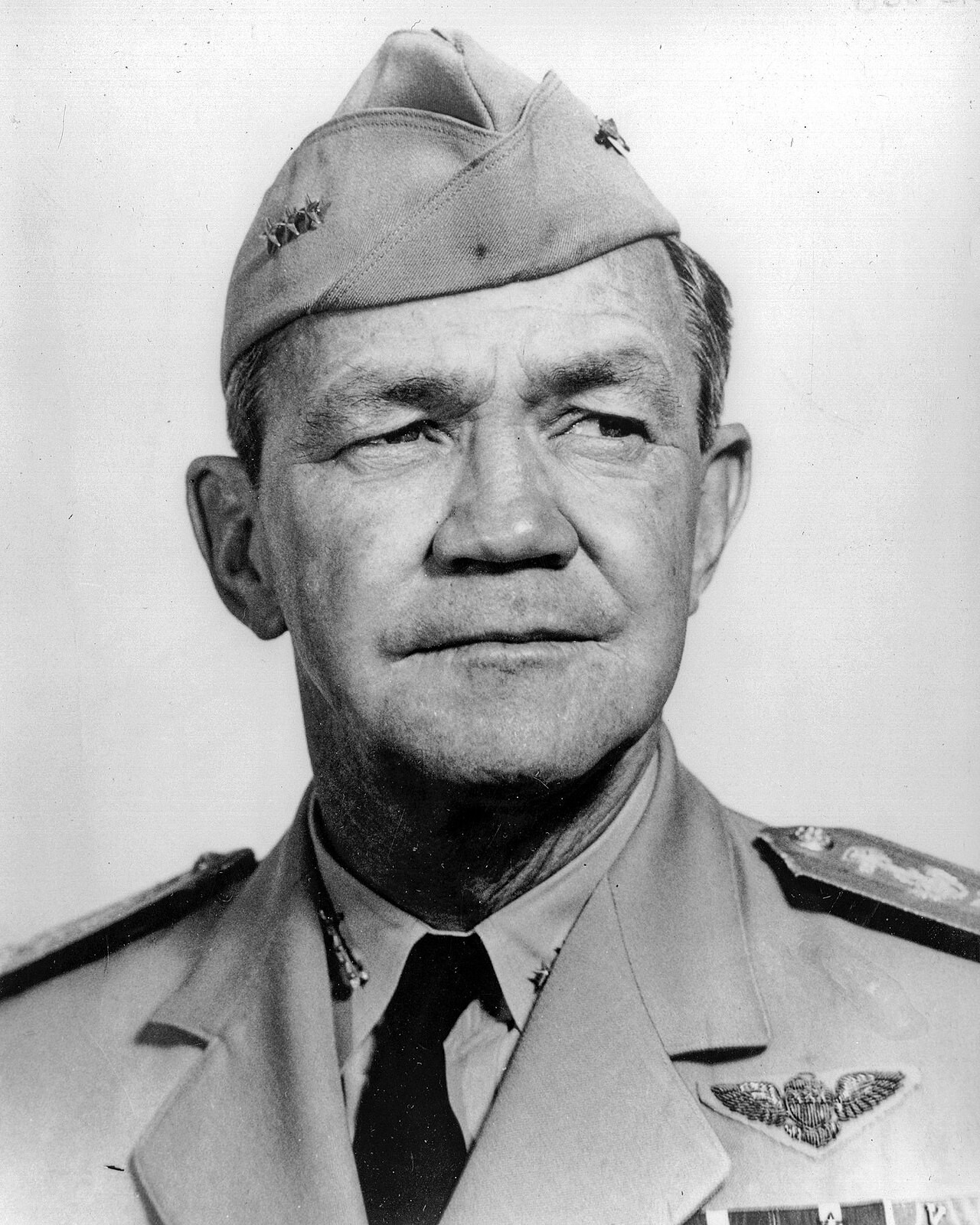
Gerald Francis Bogan was born on 27 July 1894 at Mackinac Island, Michigan. He entered the United States Naval Academy in 1912 and graduated with the class of 1916. His first sea duty was in the battleship Vermont. In the First World War he served in the cruiser Birmingham on convoy escort between the English Channel and Gibraltar, standing deck watches and handling the gunnery department. After the armistice he served in the destroyers Stribling, Hopewell, and Broome. In 1922 he commanded the naval radio station on Russian Island at Vladivostok and handed the station back to Soviet authorities when it was closed.
The Navy sent him to flight training in 1924. Designated a naval aviator on 16 March 1925, he joined the small group of pilots then learning to put airplanes down on a carrier deck, starting with Fighting Squadron One in Langley. He later commanded that squadron in Saratoga. Frank Robert McCrary was the carrier's captain for much of the tour, and the squadron took the fleet aircraft-efficiency award for bombing and gunnery, with a yearly score well above the next squadron. In June 1932 Bogan went ashore as flight test officer at Naval Air Station Anacostia. He then served in Yorktown, one year as navigator and one year as executive officer.
In August 1940 he joined the effort to open a naval air station at Miami and commanded it from commissioning through the early months of the Second World War. On 27 September 1942 he assumed command of Saratoga as captain. The carrier had been torpedoed that August and sent back to Pearl Harbor for repair. Under Bogan she returned to the South Pacific, and her aircraft supported the fight for Guadalcanal and the extension of Allied bases through the Solomon Islands. He was relieved on 7 April 1943. Among the aviators who had already commanded Saratoga were William Frederick Halsey, Jr. and John Henry Towers.
That summer he became commander of naval air for the Tenth Fleet, under Admiral Ernest J. King, and served in that post until 10 October 1943. The Tenth Fleet was a shore command that drew aircraft and escorts from the Atlantic Fleet and directed them against German submarines. On 14 October 1943 he took command of Fleet Air at Norfolk. On 18 January 1944, as a rear admiral, he became commander of Carrier Division 25, and about four months later he moved to Carrier Division 11. The escort carriers under his direction supported the landings in the southern Marianas from 14 June to 1 August 1944, with bombing and strafing strikes, antisubmarine searches, and combat air patrol over the beaches. He received the Legion of Merit for that work.
After the Marianas operation he took command of Task Group 38.2 in the fast carrier force, the formation numbered 58 or 38 according to which fleet it was serving. From 30 October 1944 to 25 January 1945 the group struck Japanese aircraft and shipping in Philippine waters and on the January sweep against harbors along the Indochina coast, including Cam Ranh Bay. On 25 November 1944, off central Luzon, enemy aircraft pressed a heavy attack. Three of his carriers were damaged, and his flagship took two bomb hits. He kept the formation maneuvering so that it offered a poor target, the ships' guns brought down eight of the attackers, and the surviving aircraft were driven off. The Navy Cross followed for that day, and a Navy Distinguished Service Medal covered the command from 30 October 1944 through 25 January 1945. On 5 February 1945 he was given Carrier Division 4 and remained a task group commander in the same fast-carrier force until the end of the war. A second Distinguished Service Medal recognized that Pacific service.
In February 1946 Bogan was advanced to vice admiral and took command of Naval Air Force, Atlantic Fleet, which he held into December 1948. On 8 January 1949 he became commander of the First Task Fleet. He retired on 1 February 1950. He died in La Jolla, California, on 8 June 1973. In 1992 he was inducted into the Naval Aviation Hall of Honor.