Ships
- IJN Jintsu Captain, 1 December 1937 – 15 December 1938
- IJN Kongo Captain, November 1939 – November 1940
- IJN Jintsu Flag, not her captain, from 26 September 1941
- IJN Naganami Flag, not her captain, 30 November 1942
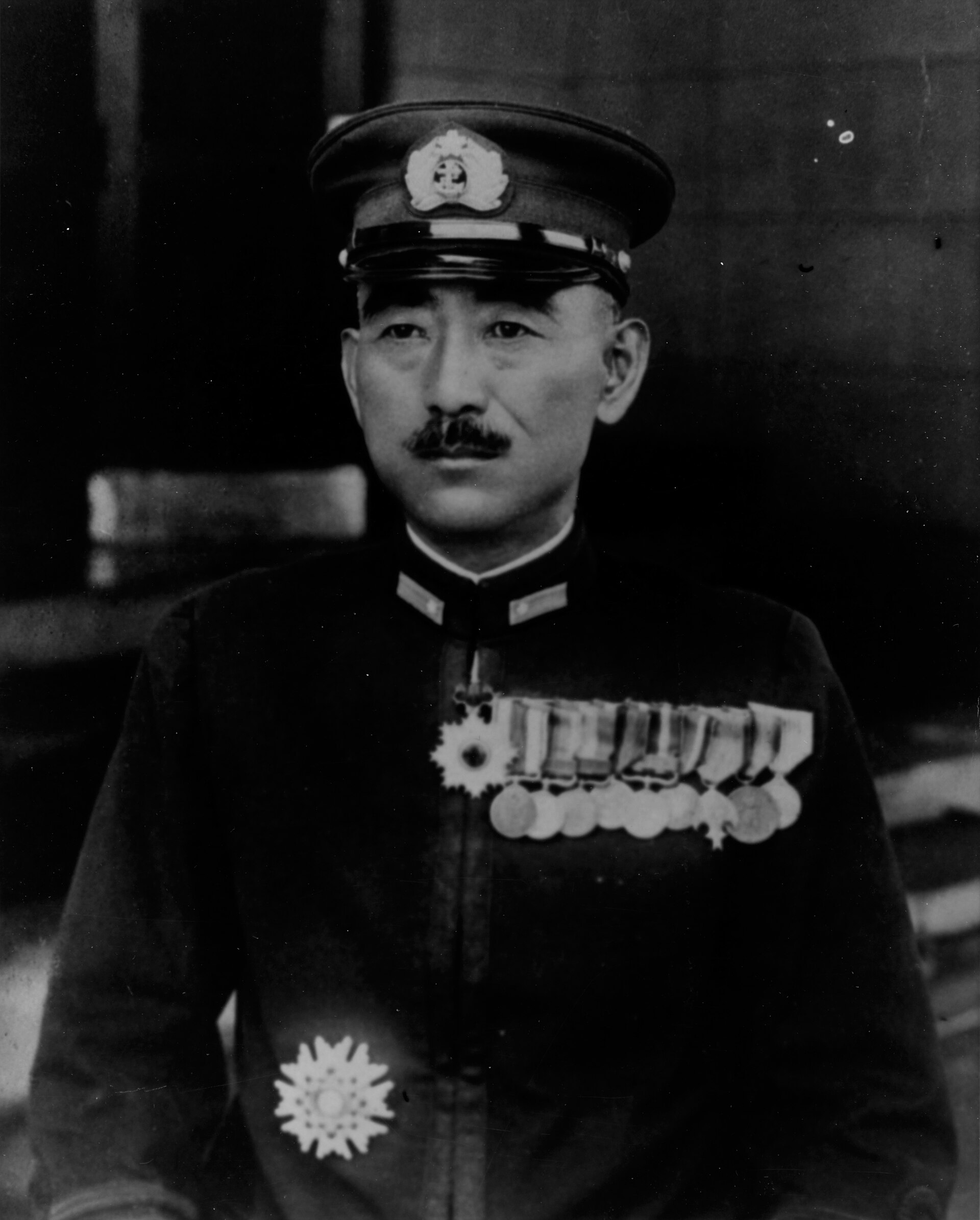
Raizo Tanaka was born in Yamaguchi Prefecture on 27 April 1892. He graduated from the Imperial Japanese Naval Academy at Etajima in 1913, ranked 34th in a class of 118. Early sea duty took him through armored cruisers and the battle cruiser Kongo, and during the First World War he served with a Japanese squadron on escort work out of Malta. He specialized in torpedoes, later instructed at the torpedo school, and made his name in destroyers, commanding Tachikaze and Ushio and, in 1937, a destroyer division.
On 1 December 1937 he became captain of the light cruiser Jintsu and remained in that command until 15 December 1938. He then served as chief of staff of the Mako Guard District in the Pescadores. In November 1939 he returned to Kongo, rebuilt by then as a fast battleship, and was her captain until November 1940. Staff duty with the Third Fleet followed in the spring of 1941, with a short command of Submarine Squadron 6 before he was given the 2nd Destroyer Squadron.
On 26 September 1941 Tanaka hoisted the squadron flag in Jintsu again. He was not her captain. On 15 October 1941 he was promoted to rear admiral. In the opening months of the Pacific War the squadron screened invasion convoys in the Philippines and the Netherlands East Indies. At the Battle of the Java Sea on 27 February 1942, Jintsu was hit early and fell out of the fight. Fleet opinion afterward held the withdrawal against him.
In June 1942 the squadron escorted the transports assigned to the Midway landing. Those troops never went ashore. After the Japanese carriers were lost, the invasion was abandoned and Tanaka brought his ships home by way of Guam. When United States Marines landed on Guadalcanal in August, he was ordered south with reinforcements. In the Battle of the Eastern Solomons, American aircraft bombed Jintsu and wounded him, and the convoy was turned back. While the cruiser underwent repairs he kept moving men and supplies down to Guadalcanal in destroyers at night. Japanese sailors called the runs rat transportation. Americans called the route the Tokyo Express and took to calling its leader Tenacious Tanaka.
In mid-November 1942 he tried to force a convoy of eleven transports through under destroyer escort. American aircraft destroyed most of the ships, and only a small share of the troops reached the island. On the night of 30 November he sortied again with eight destroyers whose task was to drop drums of food and ammunition off Tassafaronga. His flag was in the destroyer Naganami. He was not her captain. A cruiser-destroyer force under Rear Admiral Carleton H. Wright ambushed the column and sank the picket Takanami with gunfire. Tanaka's destroyers answered with a spread of Type 93 torpedoes and hauled off. The torpedoes sank the heavy cruiser Northampton and left Minneapolis, New Orleans, and Pensacola badly damaged. Naganami was not sunk. The cargo never reached the garrison in any useful amount.
On 12 December 1942, on another night run, the destroyer Teruzuki was torpedoed by the American motor torpedo boats PT-37 and PT-40 and sank. Tanaka was aboard, flying his flag, and was wounded. He was sent to Singapore to recover. At the end of December he was assigned to the Naval General Staff, and his seagoing command was over. In February 1943 he took the guard force at Maizuru, and that October he went to an auxiliary base command in Burma. He stayed on shore for the rest of the war. On 13 July 1943, off Kolombangara, Jintsu was sunk in a night action with Allied cruisers and destroyers. Rear Admiral Shunji Izaki flew his flag in her and was killed. Tanaka was not aboard.
Tanaka was promoted to vice admiral on 15 October 1944, while still serving ashore, and he left the navy on 26 June 1946. He died on 9 July 1969. The night off Tassafaronga, fought from a supply column that had come to deliver drums rather than to seek a fleet action, remained the action for which American officers most readily granted his skill with the torpedo. By then the Japanese high command had already moved him off the sea.