Ships
- USS Nevada (BB-36) Captain from 25 January 1943 · Relieved on 21 July 1943
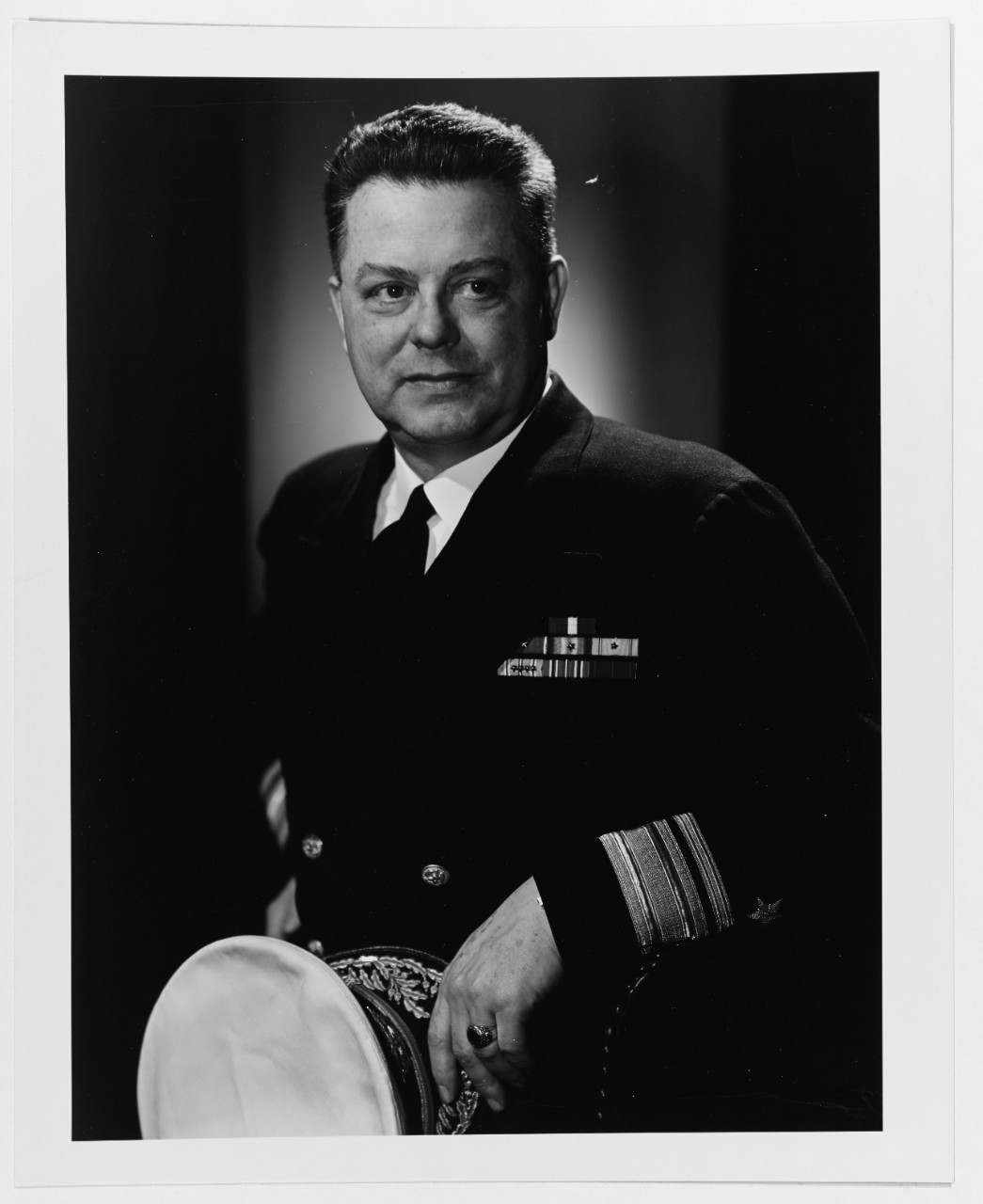
Willard Augustus Kitts III was a career officer of the United States Navy whose wartime command of the battleship Nevada came after the ship had already survived Pearl Harbor and been rebuilt for a second life in the Pacific. He took command of Nevada on 25 January 1943 and was relieved on 21 July 1943.
Kitts was a graduate of the United States Naval Academy, class of 1917, and entered the fleet as the United States moved into the First World War. Early sea duty included service in the destroyer force and later in larger ships, the ordinary progression of an officer who would spend most of his career at sea or in gunnery and training billets tied to the battle line.
Between the wars he served in battleships and in staff and school assignments that kept him close to naval gunnery, the specialty that defined much of his reputation. Officers of that generation, among them William Sowden Sims in an earlier era of gunnery reform and later battleship commanders such as Joseph Strauss, treated accurate gunfire as the measure of a capital ship. Kitts’s own path ran through that same tradition.
Nevada (BB-36), commissioned in 1916, was an old ship by 1943, but she was no museum piece. Badly damaged at Pearl Harbor on 7 December 1941, she had been refloated, repaired, and modernized, and she returned to the fleet with a stronger anti-aircraft battery and a crew rebuilt around the ship’s second life. When Kitts assumed command in January 1943, the battleship was working back toward combat readiness on the West Coast and in the Aleutians campaign that followed.
Under Kitts, Nevada took part in the operations against Japanese positions in the Aleutian Islands in 1943. The ship’s role was shore bombardment and covering fire in cold, poor-visibility waters far from the central Pacific, the sort of work an older battleship could still do well once her guns and fire control had been brought up to date. The cruise was short by later Pacific standards, and Kitts’s time in command ended in July 1943, before Nevada went on to the invasions of Normandy, southern France, Iwo Jima, and Okinawa under other captains.
After leaving Nevada he continued in the wartime Navy in commands and staff duties appropriate to a captain of his seniority, and he remained in the service through the later years of the war and into the postwar period. His association with the ship is fixed by the dates of that 1943 command: from 25 January to 21 July, he was Nevada’s captain during her return to northern Pacific operations.
Shipmates and contemporaries in the battleship navy of those years included men whose careers crossed the same decks and the same schools, among them William Carey Cole, Thomas Pickett Magruder, Andrew Theodore Long, and Luke McNamee. Kitts’s own record is narrower in the public telling than those of the admirals who shaped the fleet, but the command itself is clear. For half a year in 1943 he was the captain of Nevada, the ship that had been sunk in the mud at Pearl Harbor and had come back to fight.