Ships
- IJN Yamashiro Flag, not her captain, 25 October 1944 · Killed that night
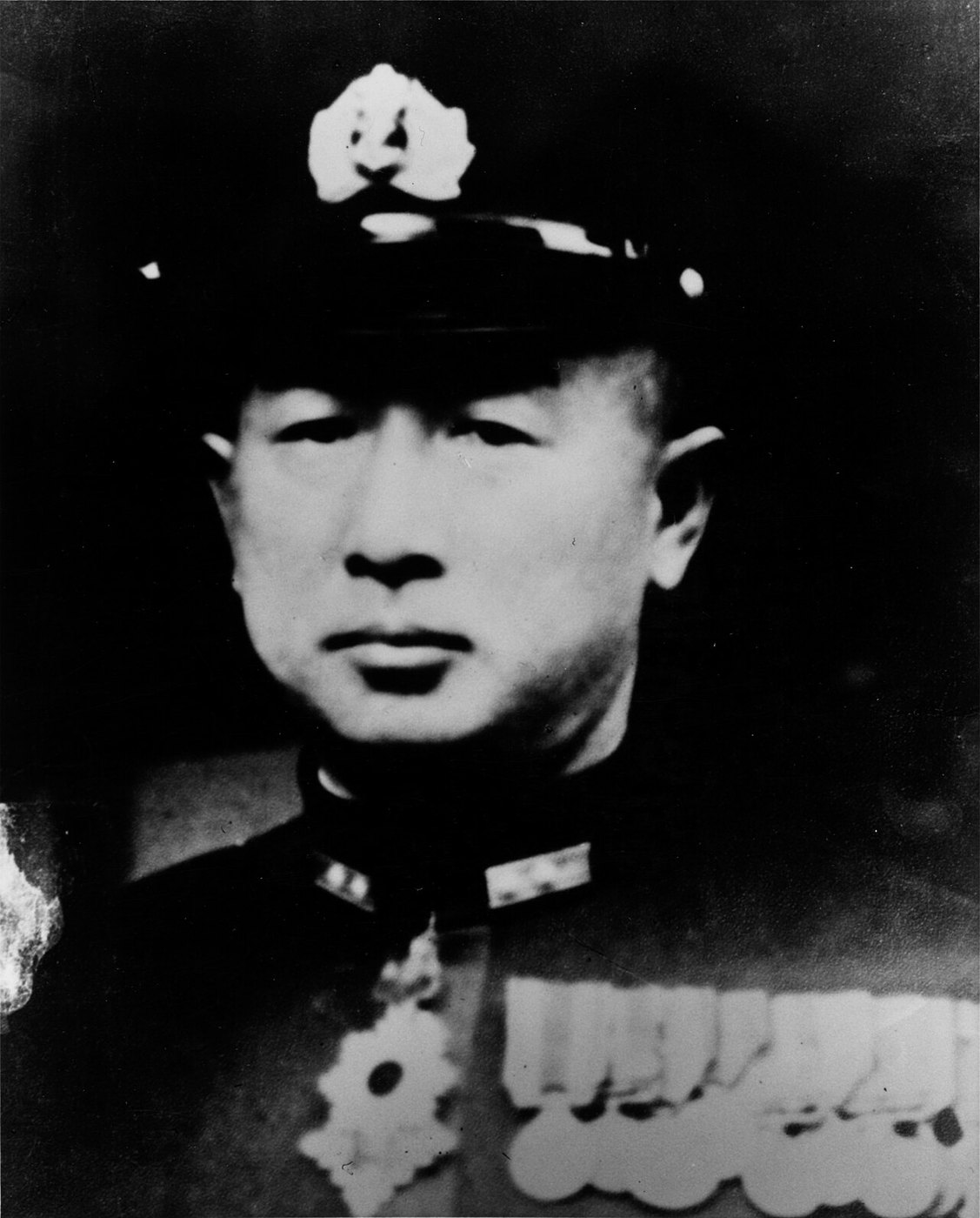
Shoji Nishimura was born in Akita Prefecture on 30 November 1889. He graduated from the Imperial Japanese Naval Academy in 1911, twenty-first in a class of 148, and made his career in ships. Destroyers filled his early commands. From 1926 into the early 1930s he had Kiku, Wakatake, Urakaze, Mikazuki, and Shirakumo, and he led destroyer divisions. Promoted to captain in November 1934, he took the heavy cruiser Kumano in 1937 and moved to the battleship Haruna in May 1939.
On 1 November 1940 he was given the 4th Destroyer Squadron, and on 15 November he was promoted to rear admiral. His flagship was the light cruiser Naka. In the first weeks of the Pacific War the squadron covered the landing at Vigan on northern Luzon, where air attack damaged Naka and struck ships in the convoy. The campaign then carried him south into the Dutch East Indies.
On the night of 23–24 January 1942 his flag was in Naka off Balikpapan. He was not a destroyer captain. Murasame, Yudachi, Samidare, and Harusame were with her, hunting a Dutch submarine. American destroyers entered the anchorage during that search and attacked the transports lying there. His ships did not catch the American destroyers. None of Murasame, Yudachi, Samidare, and Harusame was sunk that night.
He was still in Naka at the Battle of the Java Sea on 27 February 1942, leading the 4th Destroyer Squadron in the Japanese force that met the Allied cruisers and destroyers under Rear Admiral Karel Doorman. That fight and the pursuit afterward destroyed the Allied squadron as a fighting body, and Japanese troops finished the capture of Java in the days that followed. In June 1942 the same squadron sailed with the Midway operation.
After a few days on the Combined Fleet staff he took the 7th Cruiser Division on 25 June 1942 and went into the Guadalcanal campaign. On the night of 13–14 November 1942 he led cruisers in a bombardment of the American airfield on the island while a larger night battle was fought offshore. He was promoted to vice admiral on 1 November 1943. From late March 1944 he served on the Navy General Staff, and on 10 September 1944 he returned to sea as commander of Battleship Division 2.
In October 1944 he commanded the southern column in Operation Sho-Go, the attempt to break up the American landing on Leyte. Force C consisted of Yamashiro, Fuso, the heavy cruiser Mogami, and the destroyers Shigure, Michishio, Asagumo, and Yamagumo. His flag was in Yamashiro. He was not her captain. Katsukiyo Shinoda had the ship. Vice Admiral Kiyohide Shima followed with a separate cruiser force, and the two groups did not form one column.
After dark on 24 October, Force C entered Surigao Strait, between Leyte and Dinagat, bound for Leyte Gulf. Patrol torpedo boats reported the ships, destroyers attacked with torpedoes, and Rear Admiral Jesse Oldendorf waited across the northern end of the strait with cruisers and battleships. Fuso was sunk on the way up the channel. Yamashiro took torpedo hits and then the gunfire of the American battle line, and she went down in the early hours of 25 October 1944. Nishimura was killed that night in Yamashiro, at Surigao Strait. Mogami was wrecked and lost, and Michishio, Asagumo, and Yamagumo went down with the column. Shigure made it back out. The southern attack never reached the transports in the gulf.