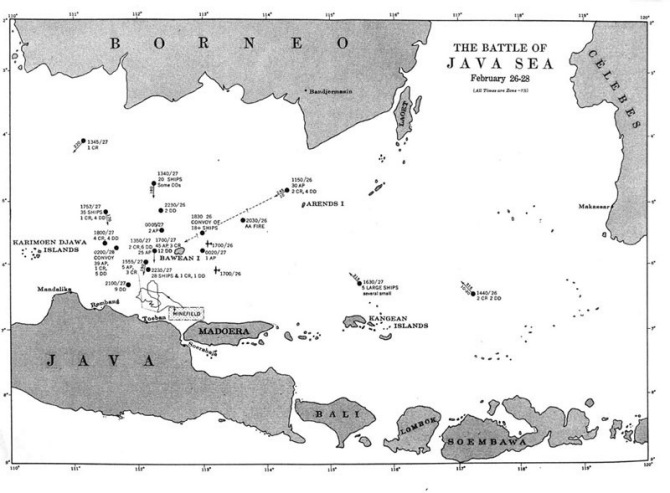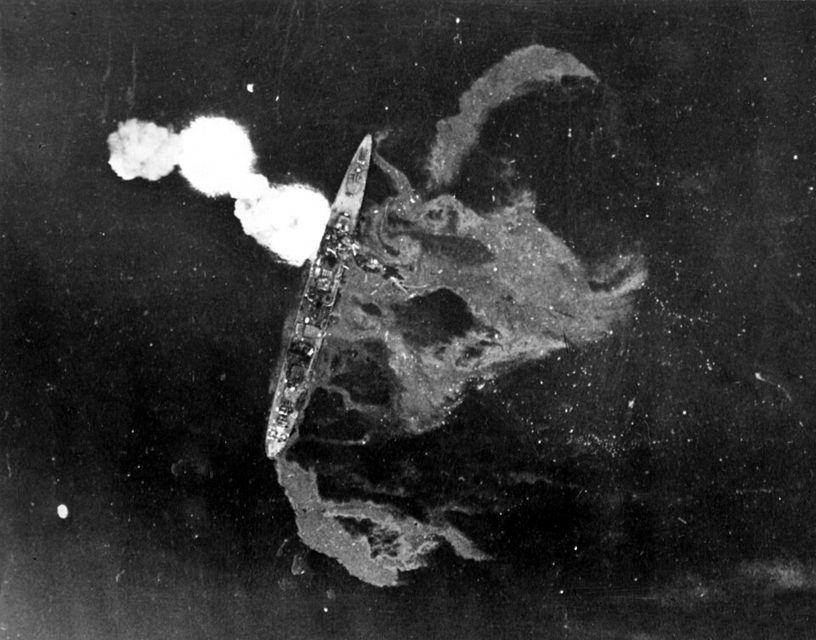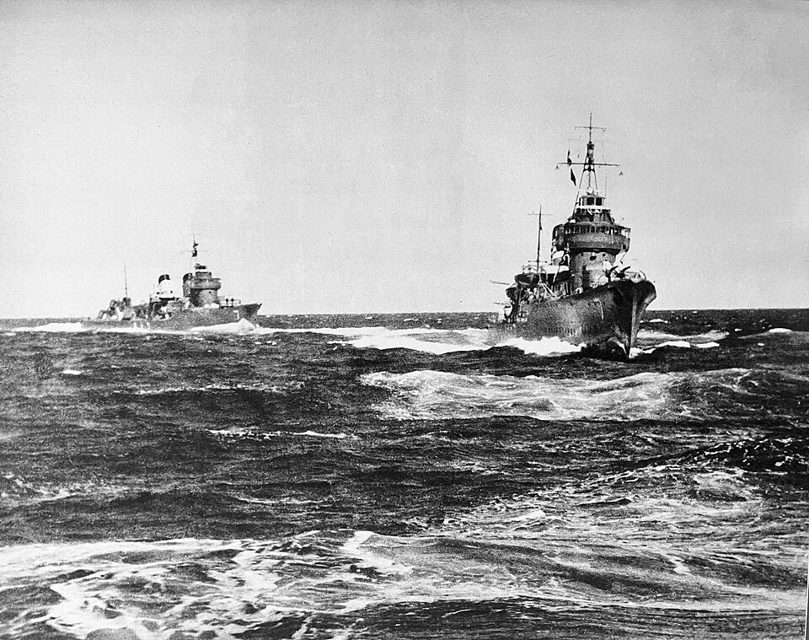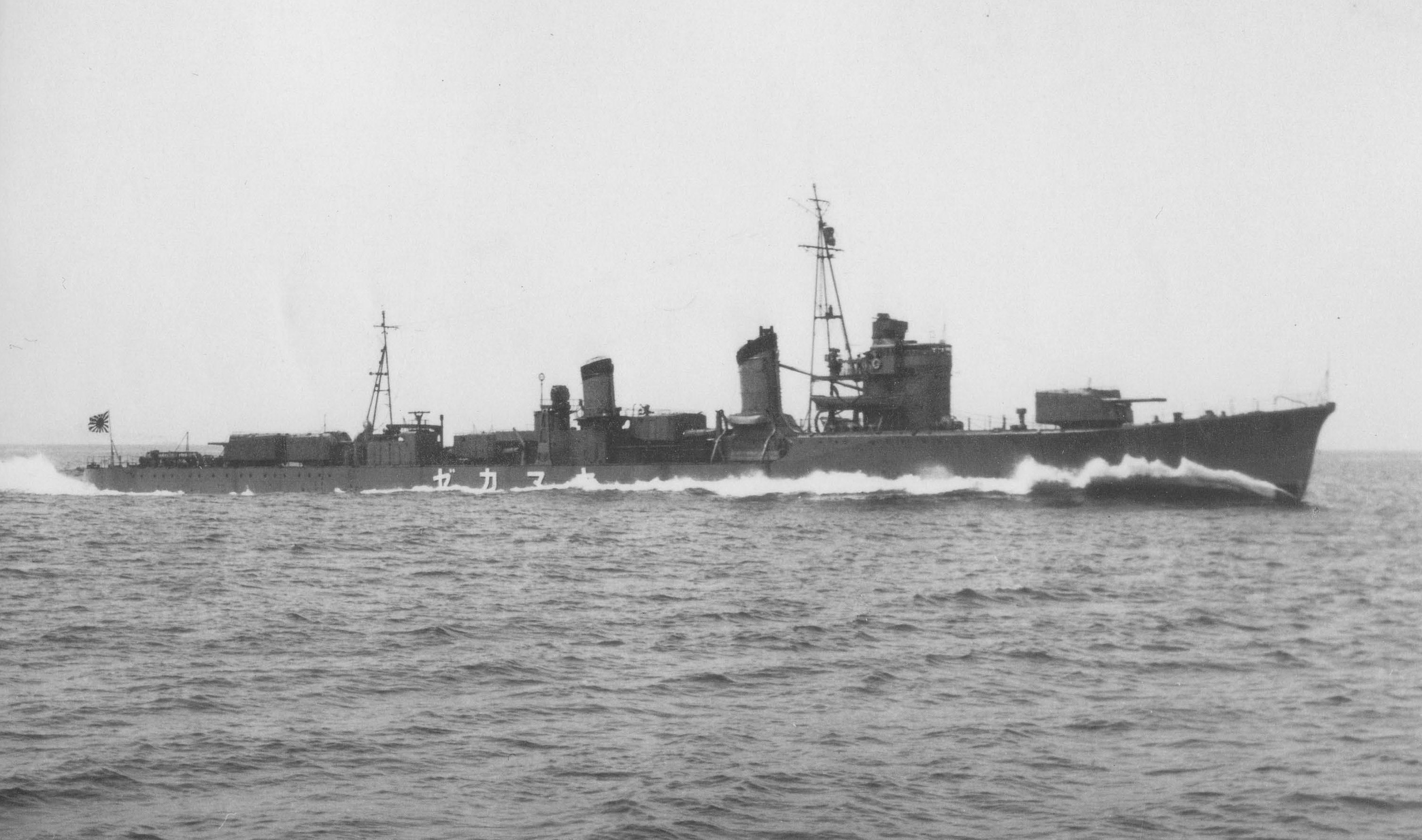
The Battle of the Java Sea was fought on the afternoon and night of 27 February 1942, in the Java Sea off the north coast of Java, between Surabaya and Tuban. It was the largest surface action of the Dutch East Indies campaign. The Allied striking force was beaten, and the Japanese convoy it went out to stop was never touched. Five Allied ships were lost: the cruisers De Ruyter and Java, and the destroyers Kortenaer, Electra, and Jupiter. No Japanese ship was sunk.
Why both sides were there
By the last week of February the Japanese held Borneo, Celebes, Bali, and landing places on Sumatra. Java was next. A Japanese convoy of between about 30 and 45 transports, with cruisers and destroyers, was coming down from Makassar Strait to land on the eastern end of Java. A second convoy was bound for the west. Vice Admiral Conrad Helfrich of the Dutch navy, the Allied naval commander, ordered the ships that could be spared at Batavia to join the force at Surabaya under Rear Admiral Karel Doorman.
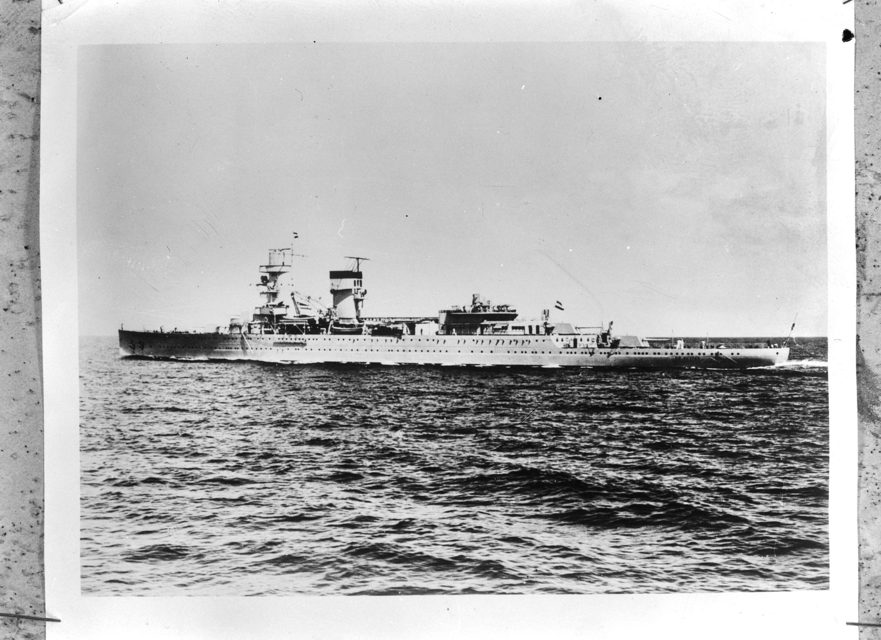
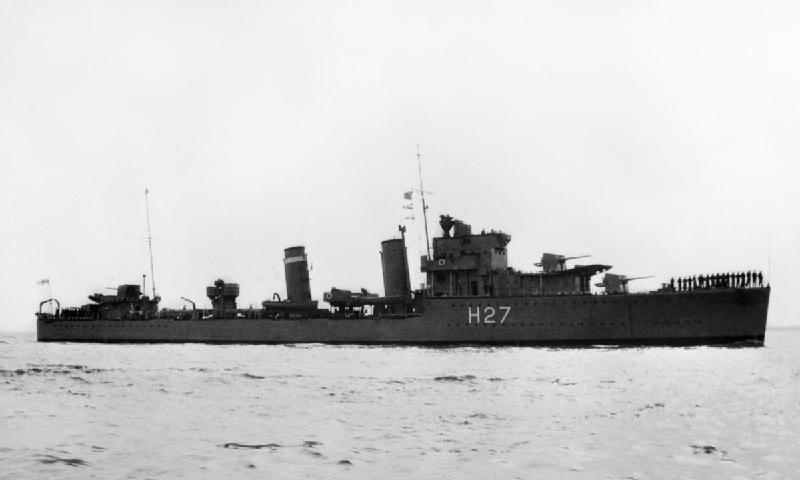
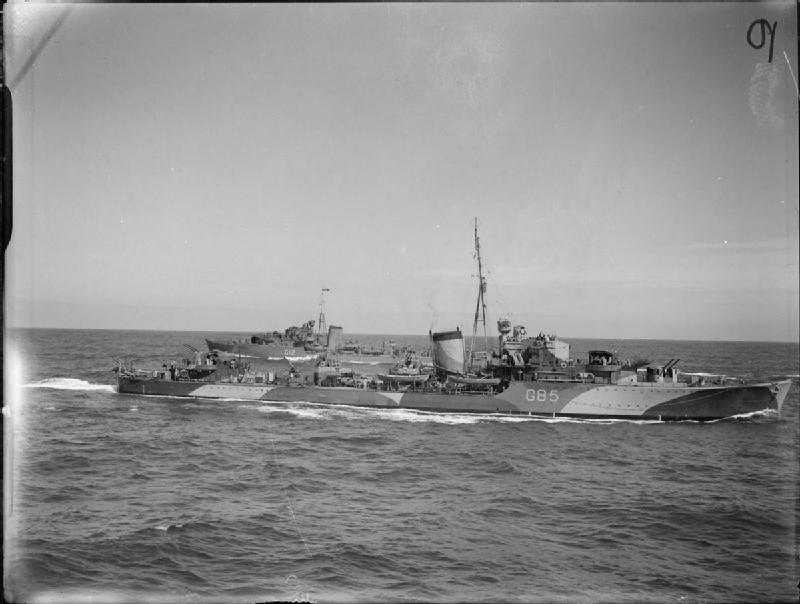
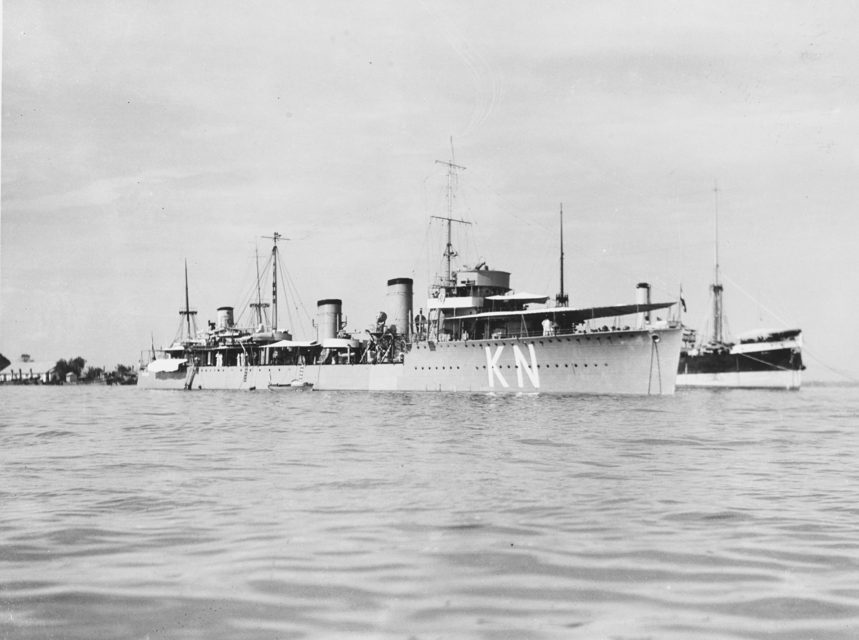
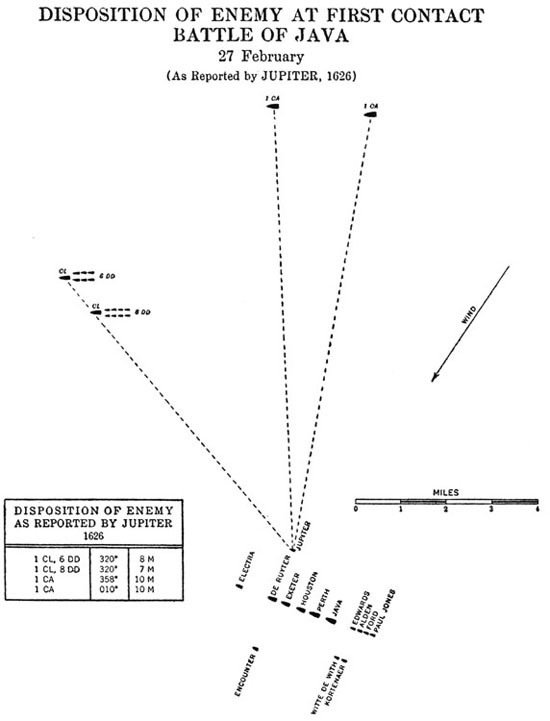
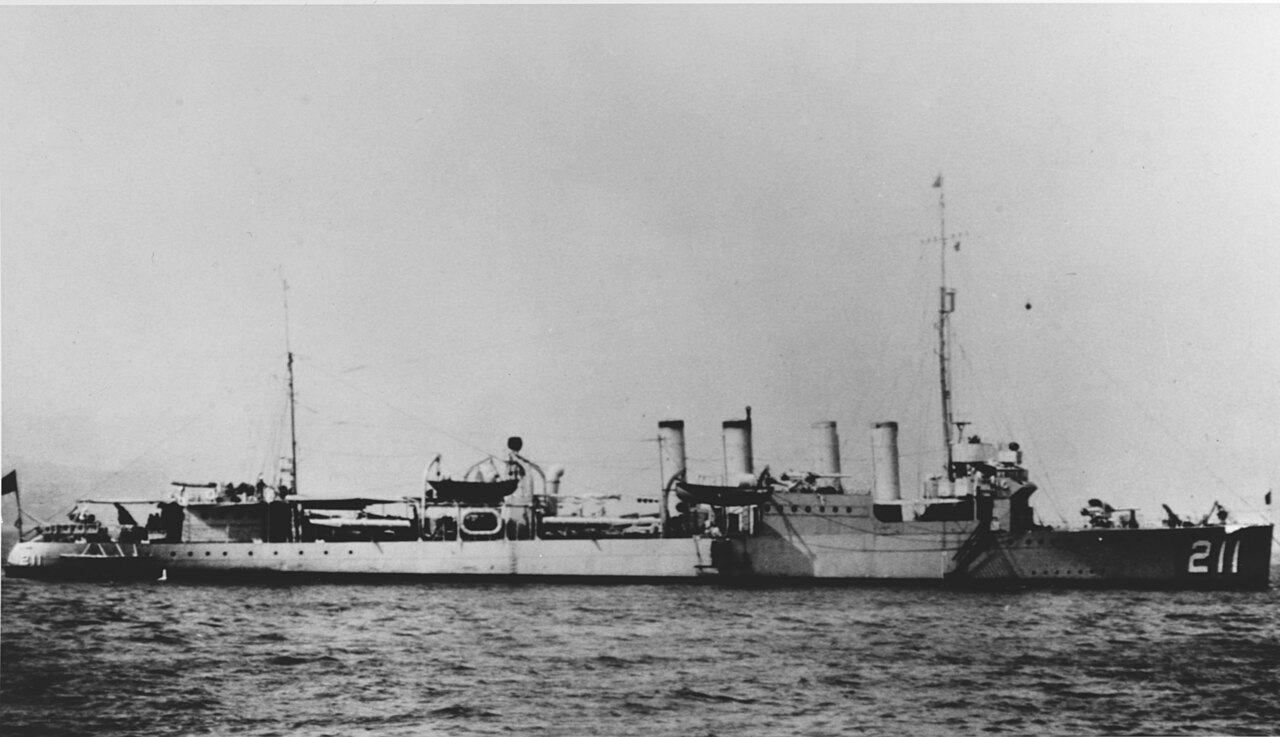
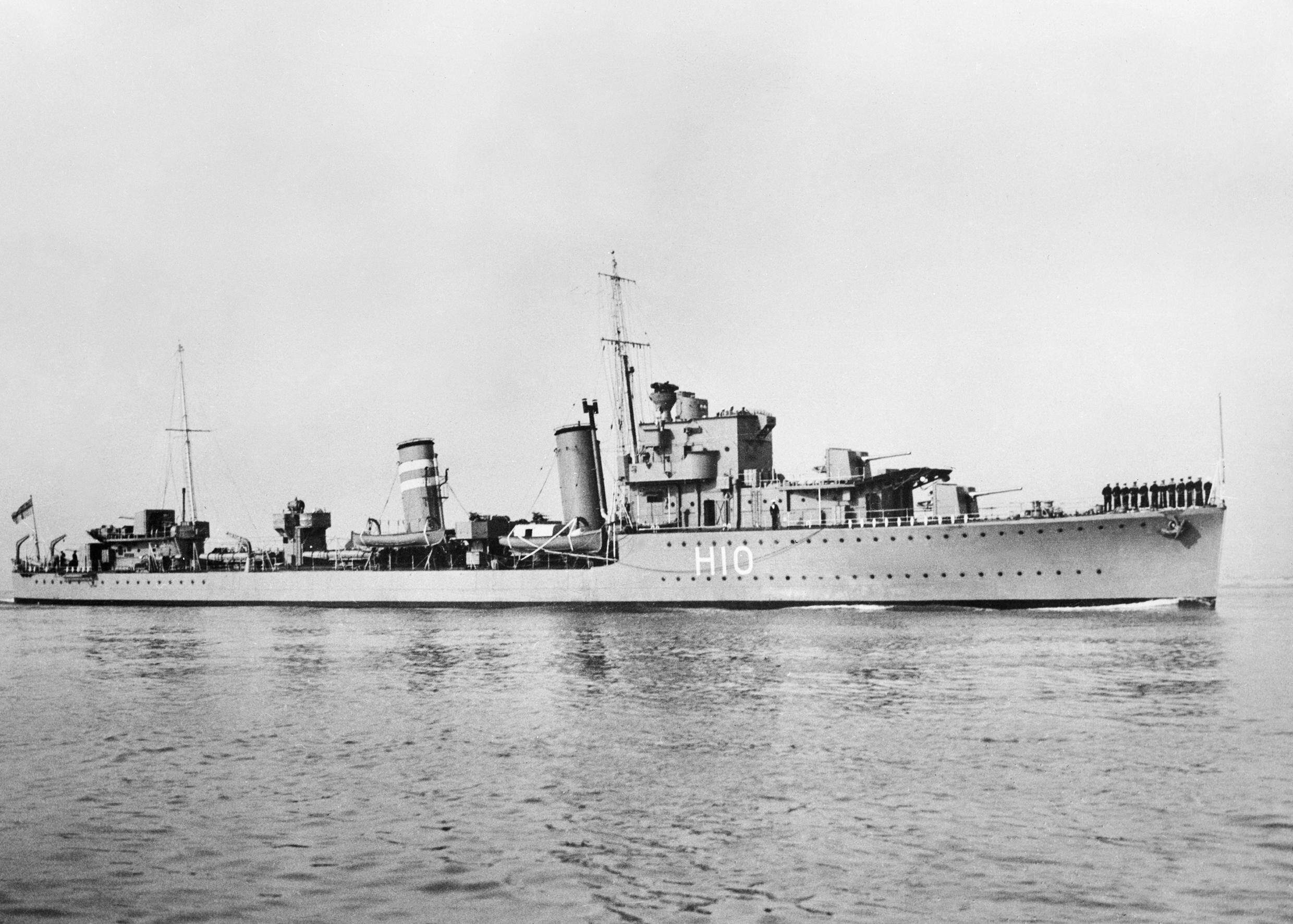
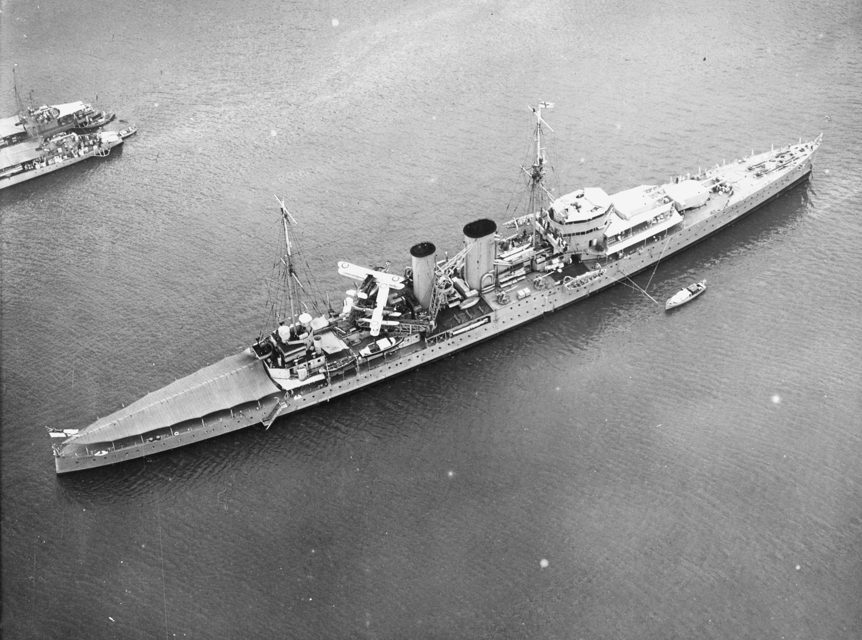
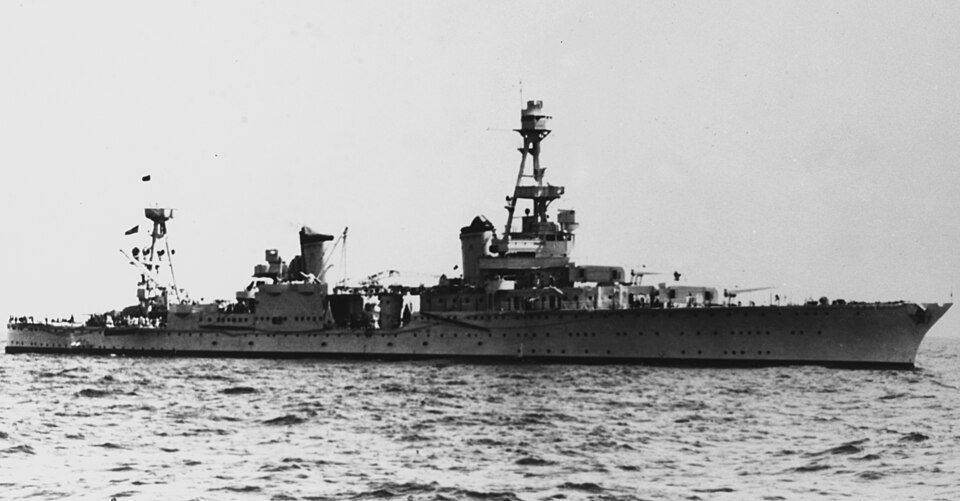
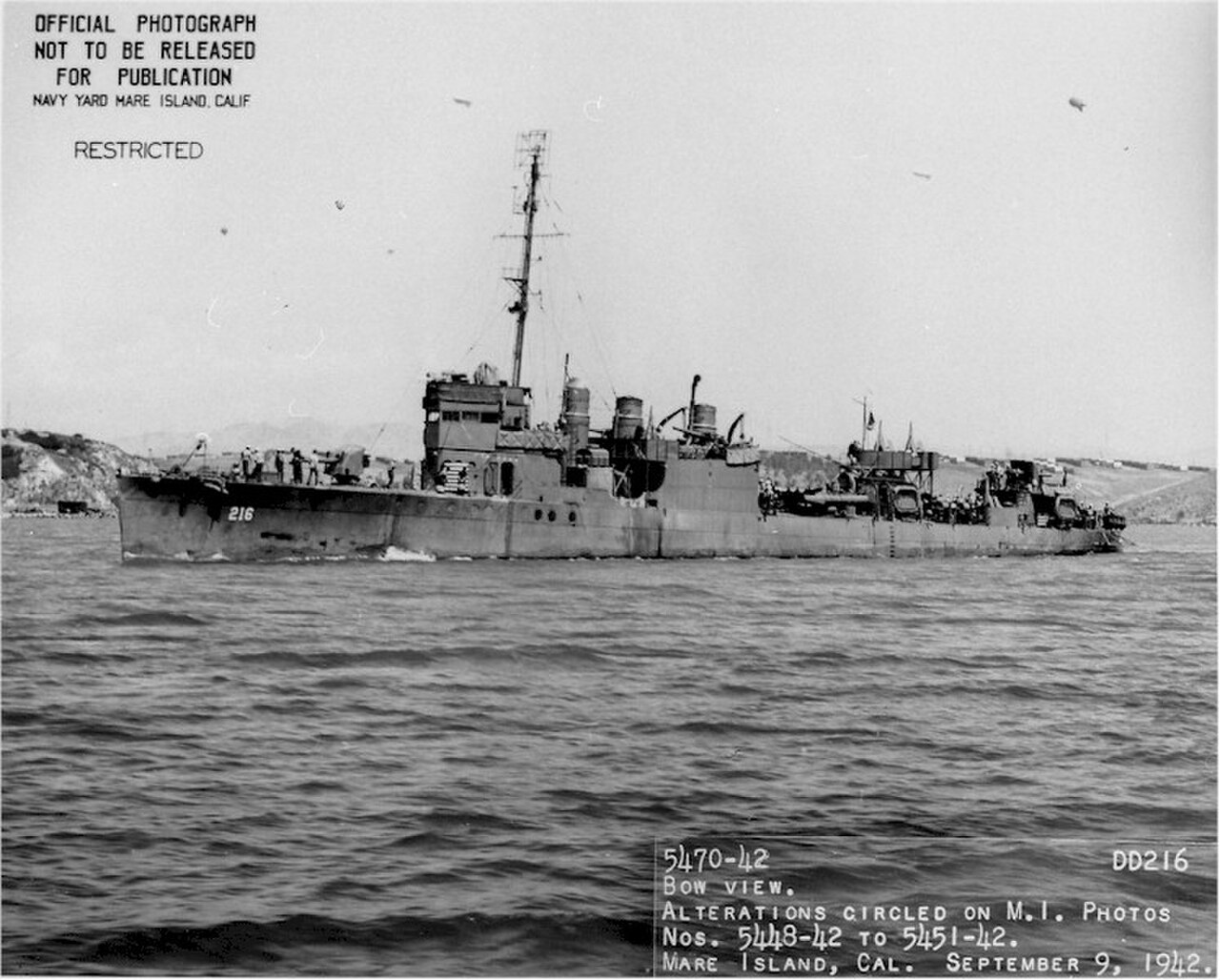
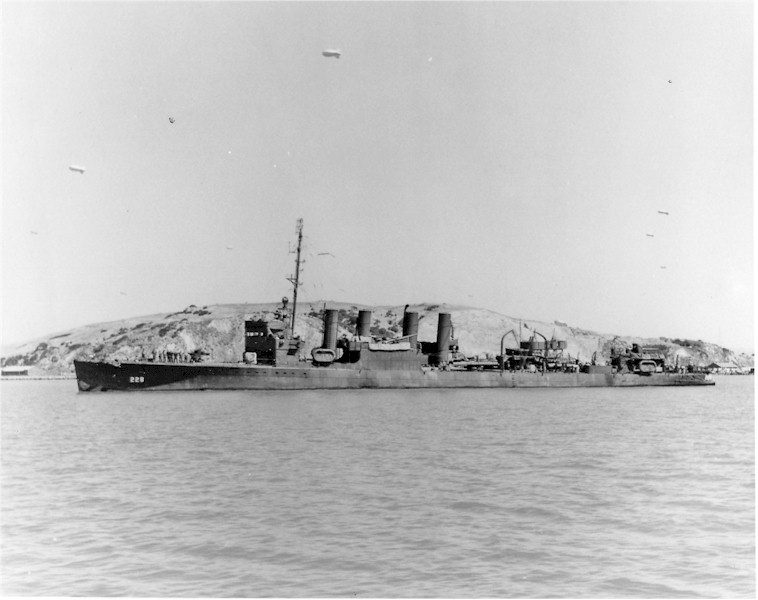
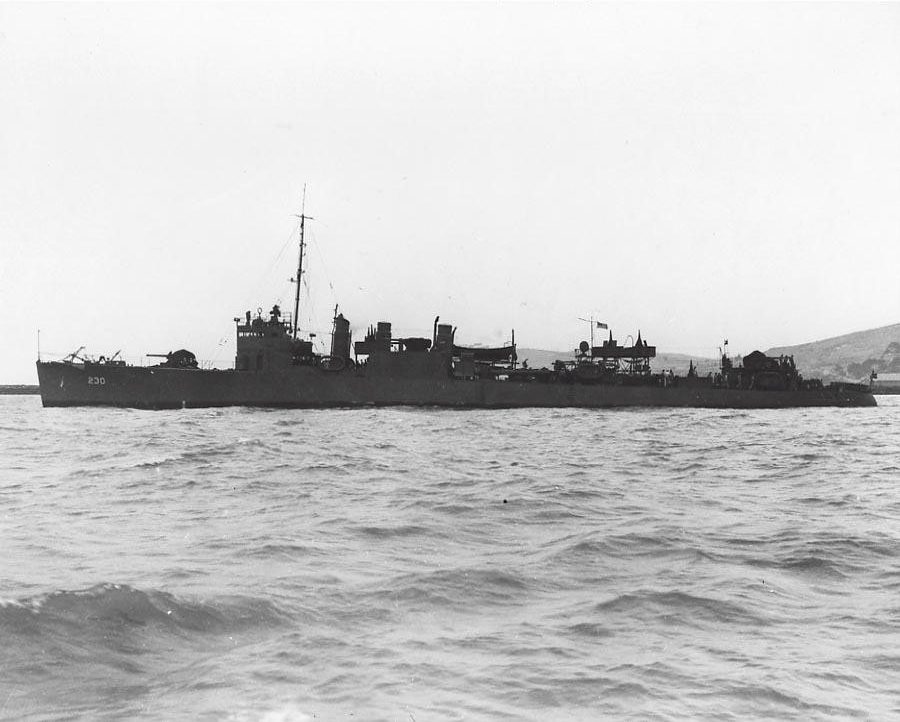
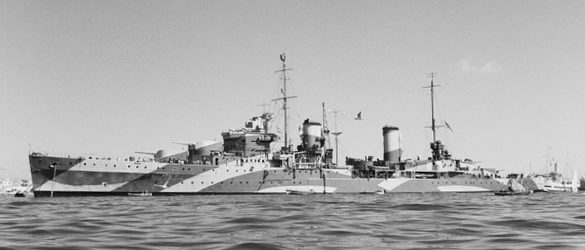
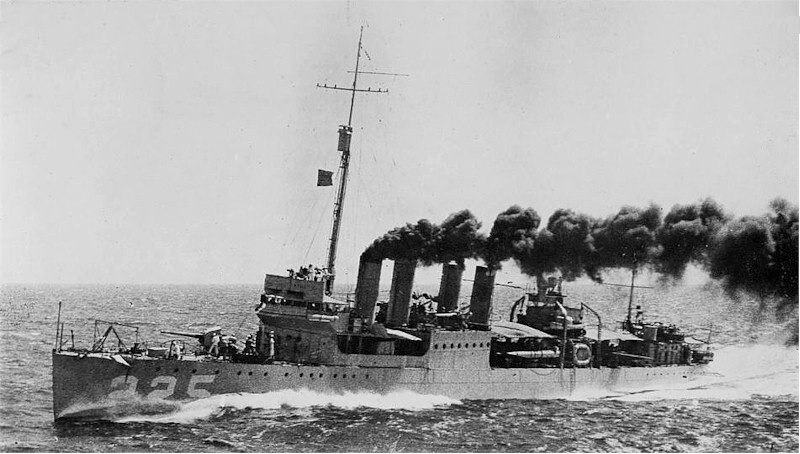
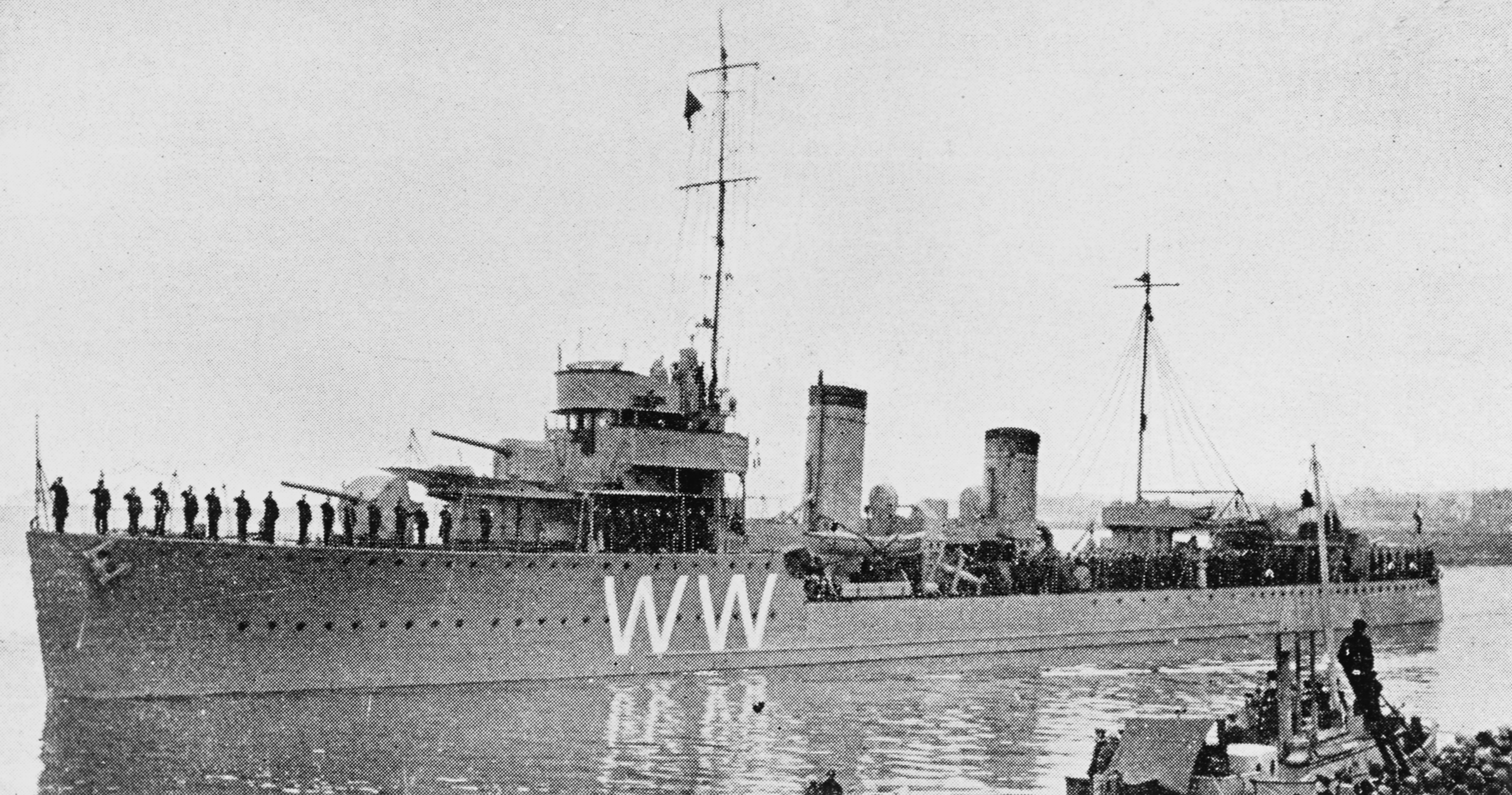
On the 26th Doorman had two Dutch light cruisers, De Ruyter, his flagship, and Java. The heavy cruiser Houston had joined him on the 24th. Her after turret had been out of action since a bomb hit on 4 February. The British heavy cruiser Exeter, the Australian light cruiser Perth, and three British destroyers came in from Batavia that day. The striking force was now the Combined Striking Force. It was five cruisers and nine destroyers: the Dutch Kortenaer and Witte de With, the British Jupiter, Electra, and Encounter, and the American John D. Edwards, Alden, John D. Ford, and Paul Jones.
The Americans could contribute only five destroyers. Eight of their original thirteen could not be with the striking force. Ford and Pope had been sent to sea to get 17 torpedoes, all that remained for the American destroyers. Pope was leaking in the hot well and was being welded, and she did not sail with the others. The ships came from four navies and had never worked together. Doorman's plan was brief: the British and Dutch destroyers would attack and retire, the cruisers would attack and retire, and the American destroyers would then deliver a torpedo attack. Retirement was to be toward Tandjong Priok.
The sweep that found nothing
Doorman left Surabaya on the evening of the 26th and swept east along the Madura coast as far as Sapoedi Strait, which he reached about 0130. He turned west. The sweep found nothing. A report from American bombers that had hit the convoy at 1830 on the 26th did not reach him for hours. At 0858 on the 27th three bombs fell near Jupiter. His ships had been at sea all night. At 1240 he reported that his men had reached the point of exhaustion, and in the early afternoon the force went back inside the Surabaya minefield. The destroyers needed fuel.
In the early afternoon a report put a convoy and its escort about 20 miles west of Bawean Island, 60 miles north of the western entrance to Surabaya. Doorman turned out again about 1500. He had been told: You must continue attacks until the enemy is destroyed.
First contact
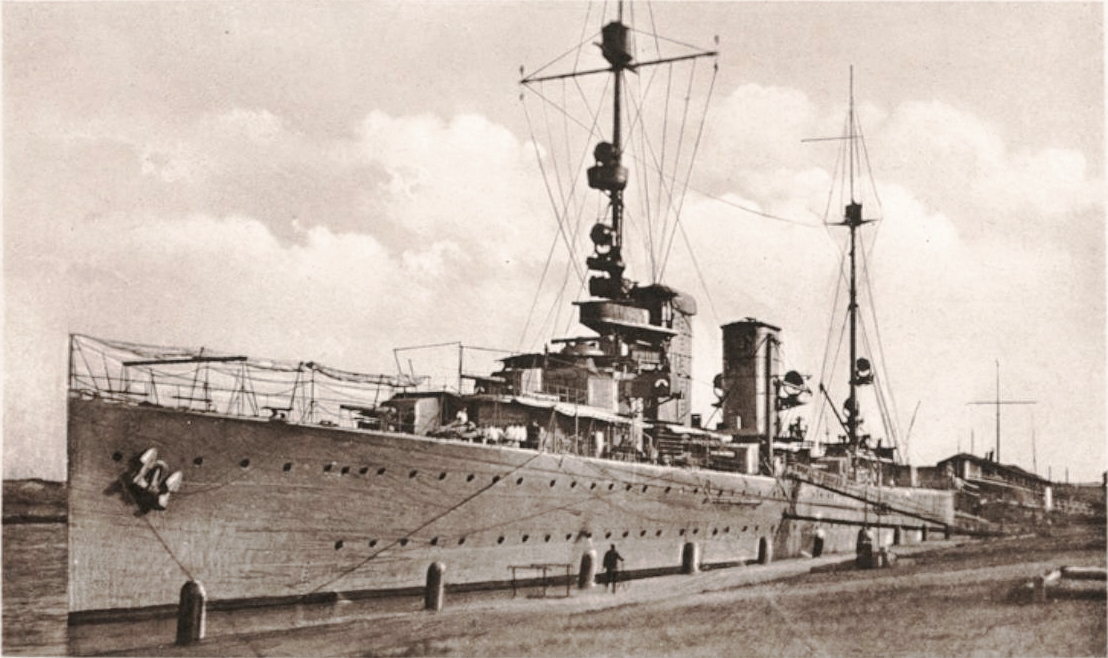
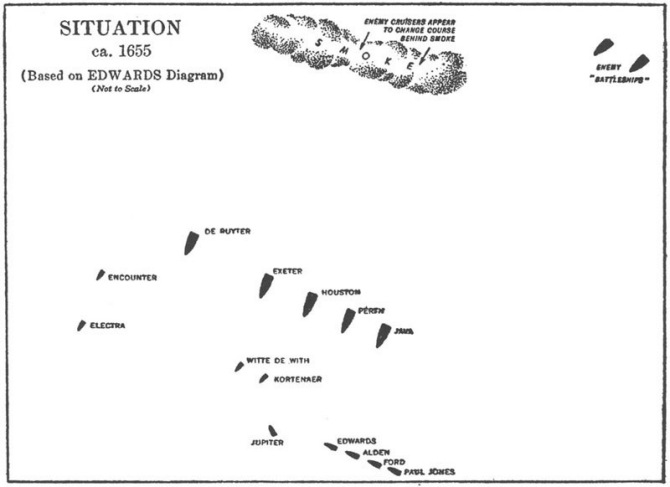
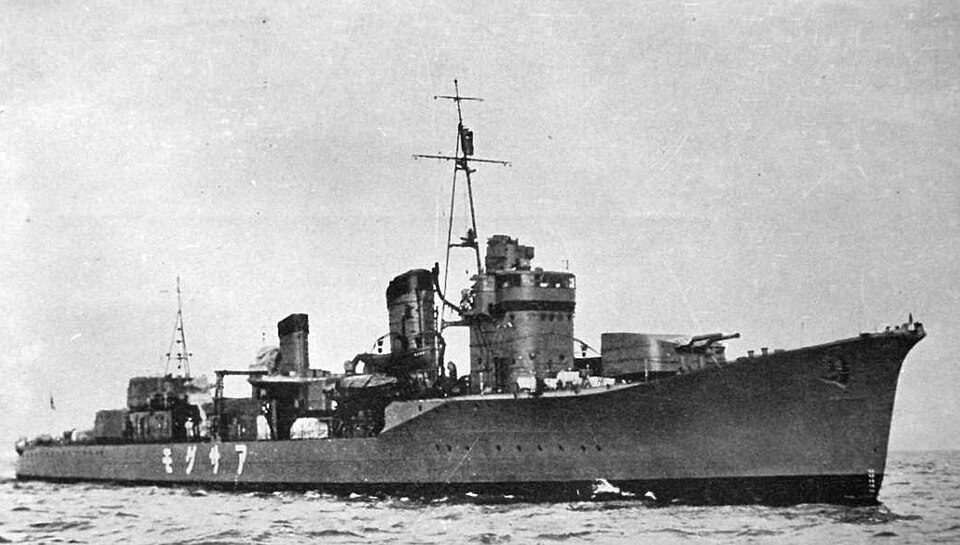
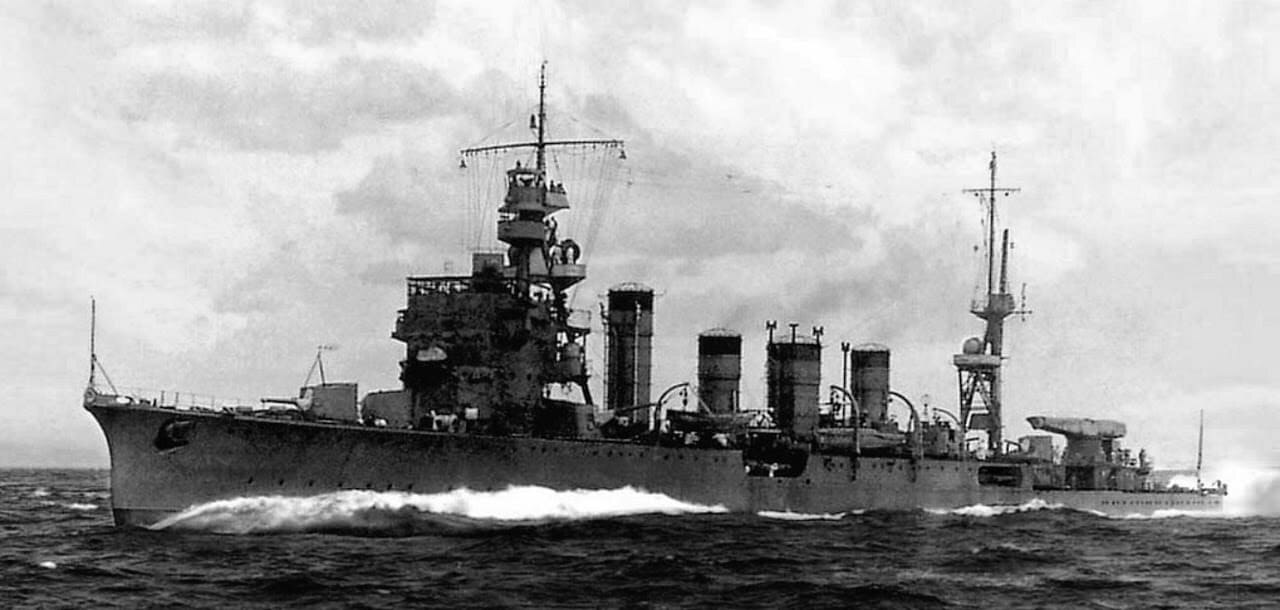
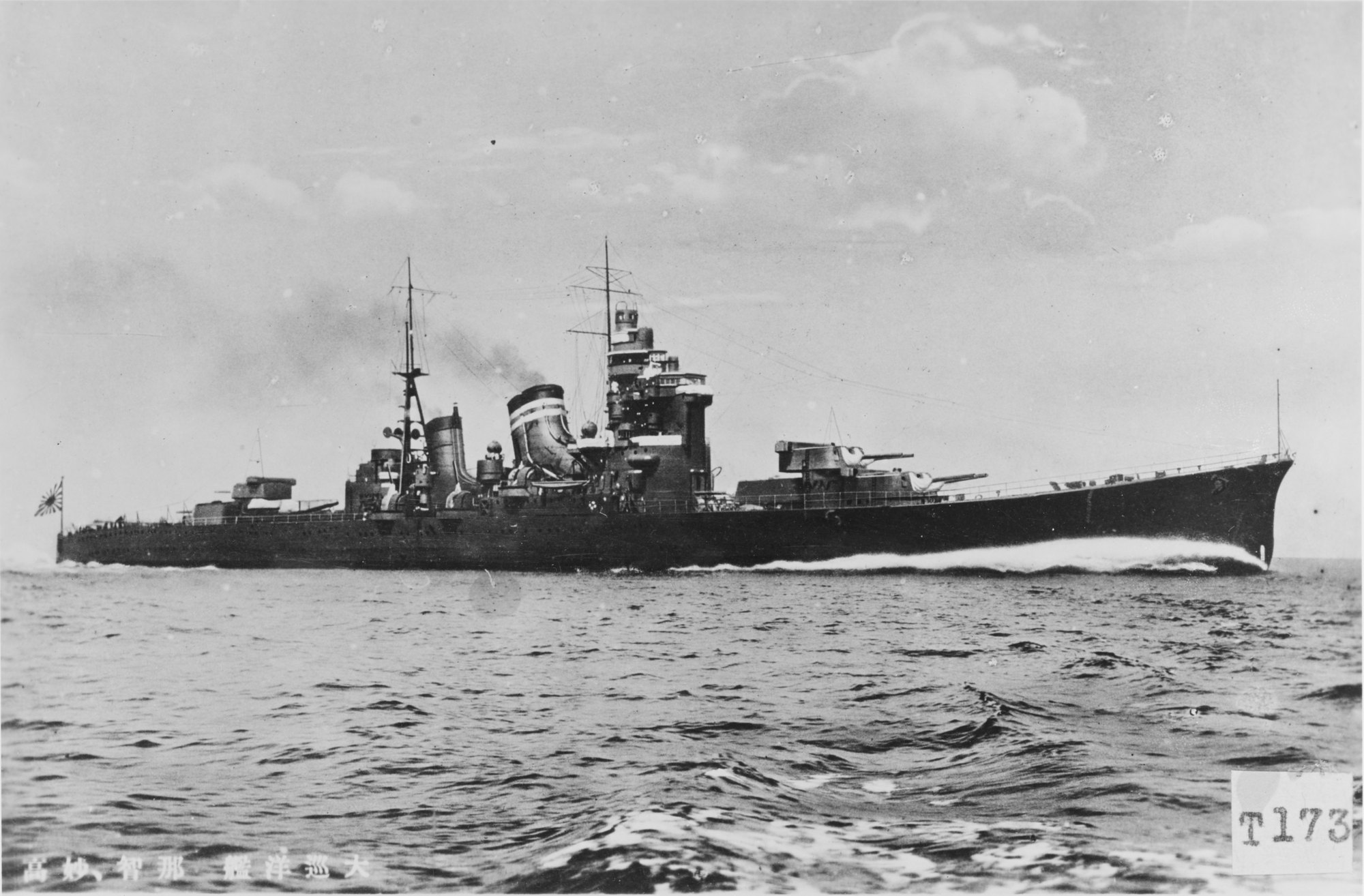
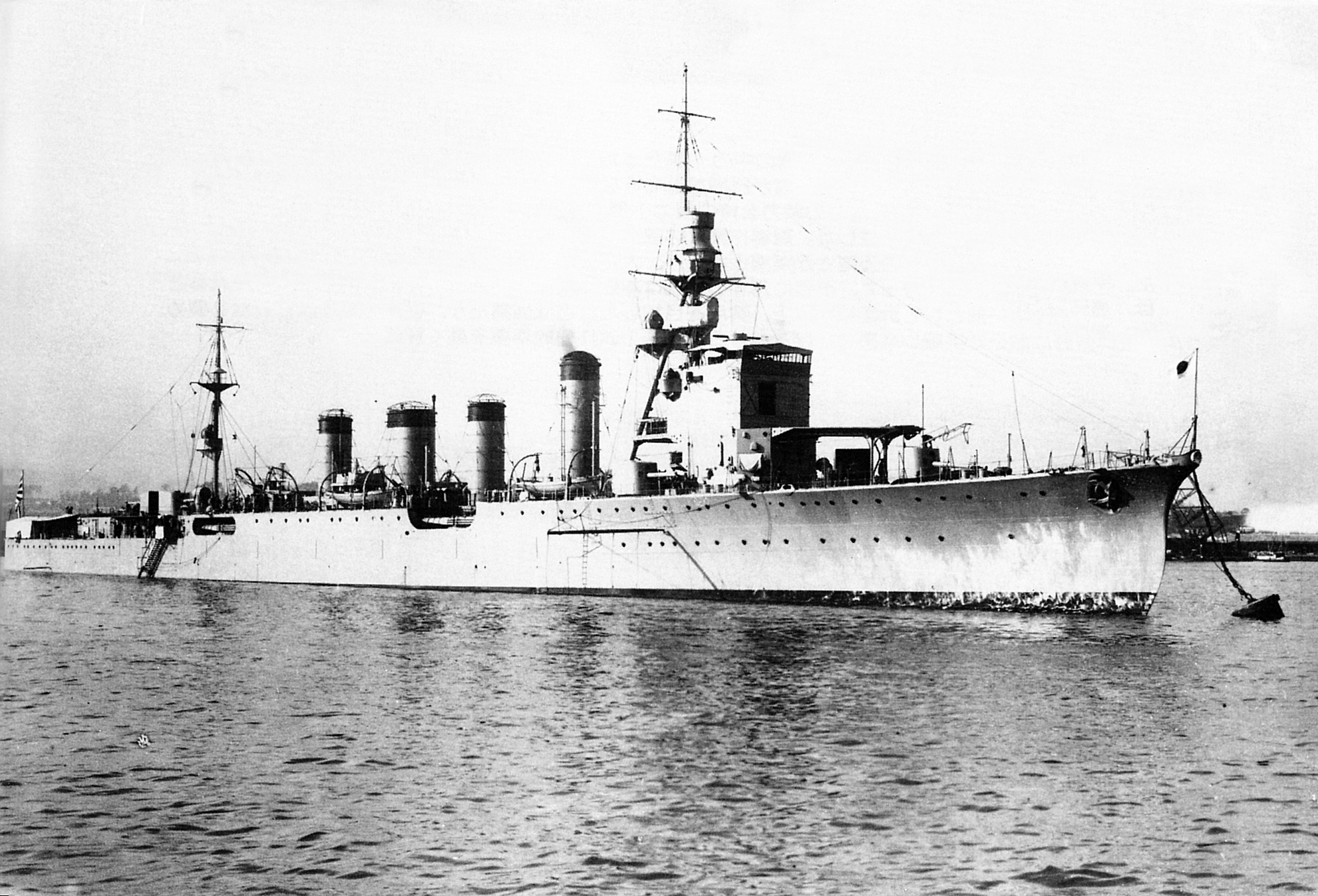
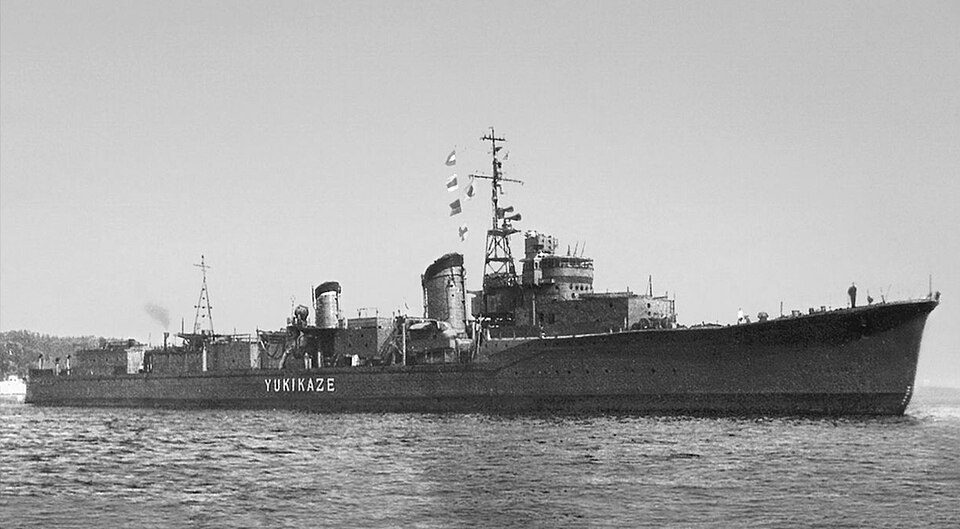
About 1612 the Allied force, steaming northwest at about 25 knots, was about 30 miles northwest of Surabaya. Electra reported a cruiser and a number of large destroyers. At 1616 Exeter reported a cruiser and four destroyers. The Japanese ships ahead were the cover force: the heavy cruisers Nachi and Haguro under Rear Admiral Takeo Takagi, the light cruiser Jintsu with Destroyer Division 16, and the light cruiser Naka with Rear Admiral Shoji Nishimura's Destroyer Squadron 4. Four more destroyers of Destroyer Division 7 were with the heavy cruisers. Floatplanes from the Japanese cruisers were overhead and spotted for their guns.
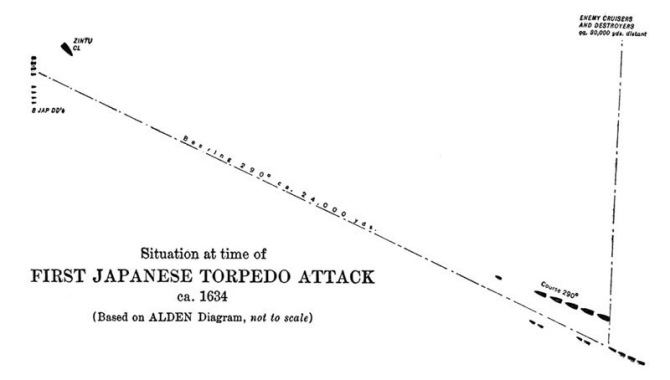
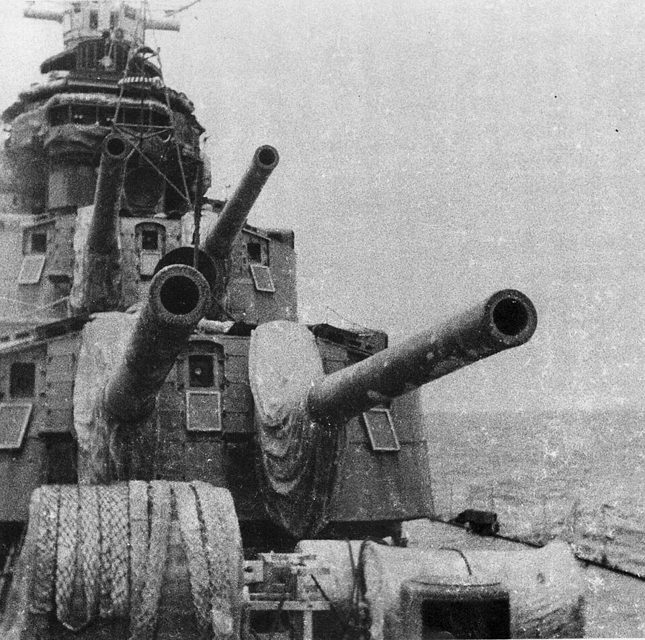
The Japanese opened fire at 1616 by the Allied clocks. The range was about 30,000 yards. The Allied cruisers turned to about 290 degrees and replied a minute or two later, Houston or Exeter first, then De Ruyter and Perth. At that distance the 6-inch and 5.9-inch guns of the light cruisers were not effective. The two columns ran roughly parallel to the northwest. The American destroyers kept about 3,000 yards off Java on her disengaged side. Jupiter and Electra, under fire from a Sendai-class cruiser, moved over to the disengaged side too.
The Japanese fired torpedoes at long range. By the Japanese records, Naka's group launched 43 about 1603. More than a dozen ran only a few thousand yards or collided. None hit. More salvos came from Jintsu's group and from Haguro, and the figures in the Japanese ship histories do not add up the same way. None hit, with the one possible exception below. The Allied ships saw torpedo tracks and turned away from them again and again, and the column lost its shape each time.
Exeter
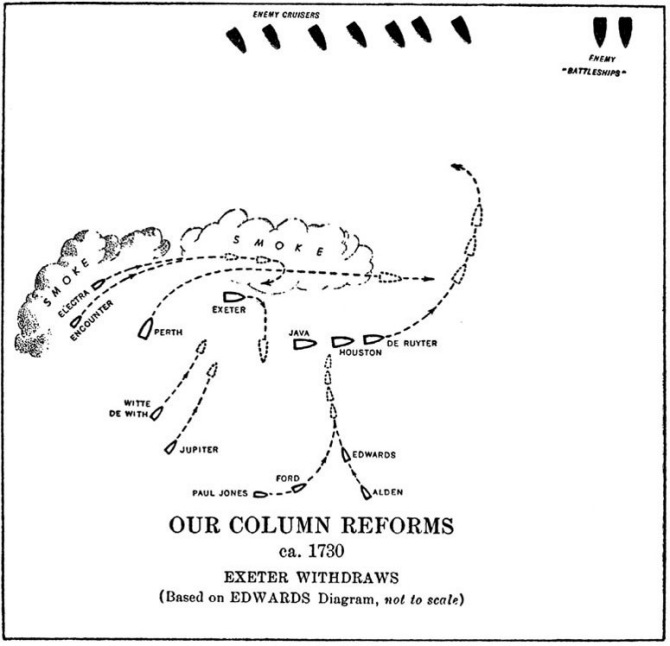
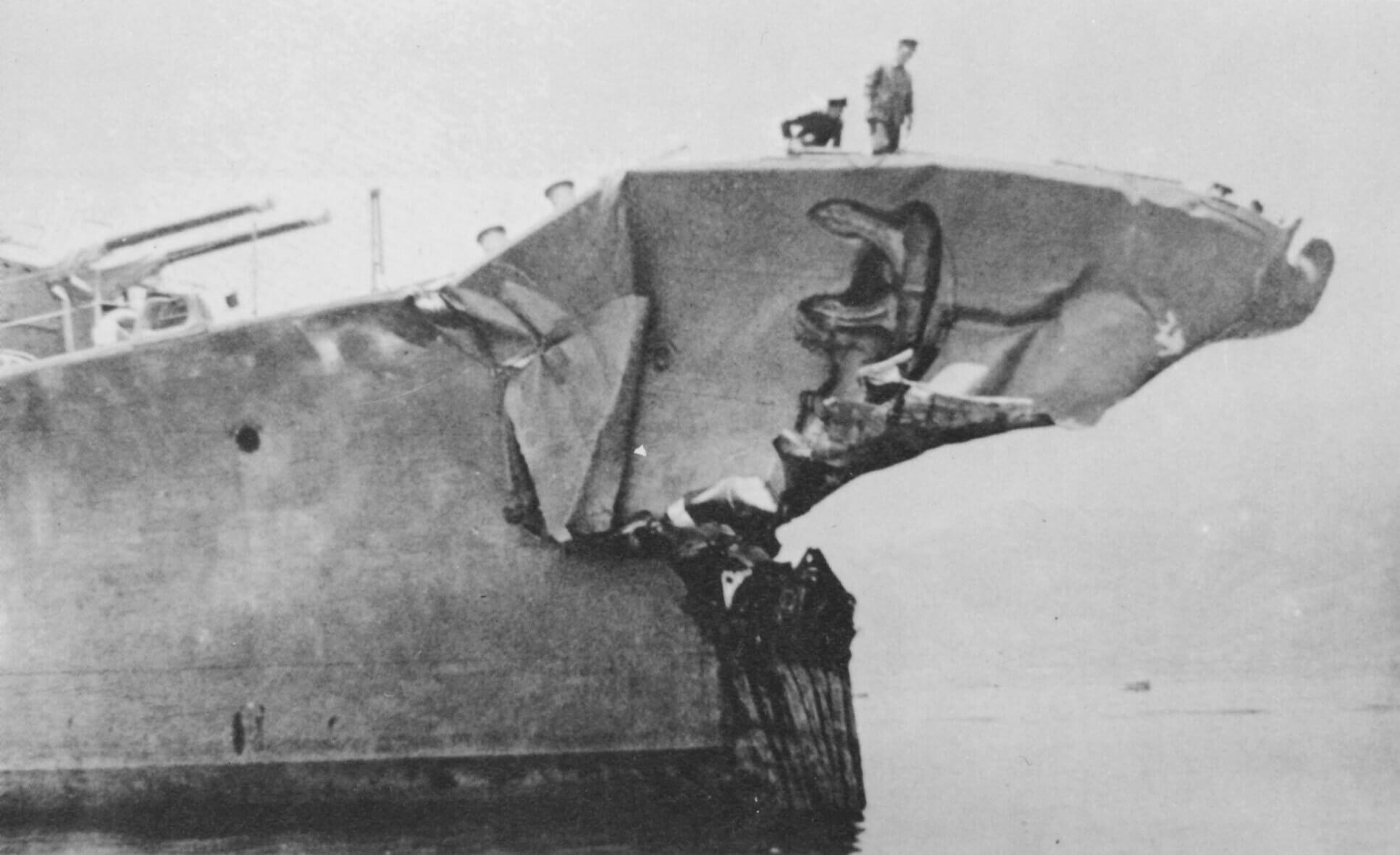
The first hit that mattered fell about 1710. An 8-inch shell struck Exeter in a boiler room. It killed men, cut out six of her eight boilers, and cut her speed first to about 20 and then to about 15 knots. She turned out of the line. The cruisers astern of her turned with her, or past her, and the column fell into confusion. Captain Oliver Gordon's account says her speed fell as low as 11 knots before she settled at 15 or 16. The Japanese records credit Haguro. One English-language account credits Nachi.
The ONI narrative, written in 1943 from the American reports, says 14 men were killed in Exeter. A modern account says 40. The ONI narrative does not say which Japanese ship fired the shell. It says the accounts of when she turned out of the line, and whether the others turned with her or to avoid torpedoes, do not agree.
Kortenaer
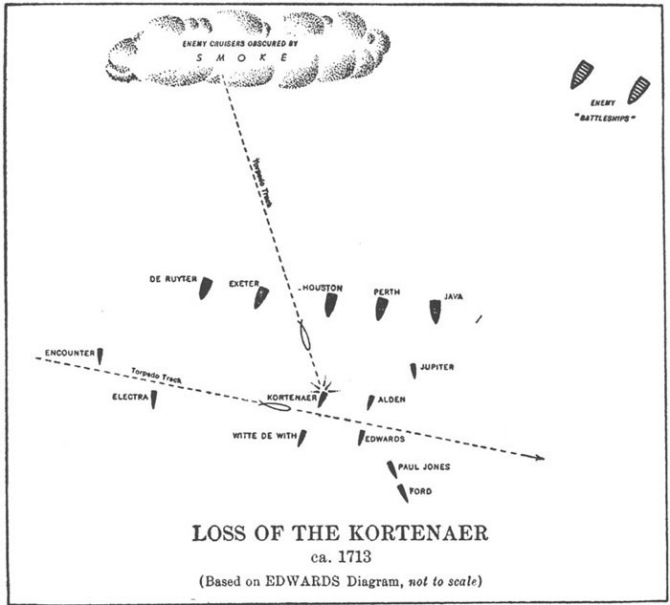
At 1713 the Dutch destroyer Kortenaer was hit in the starboard quarter by a torpedo that came from behind. The Edwards log, quoted by ONI, says there was a heavy whitish explosion, that she heeled and yawed 90 degrees to the right, and that she turned turtle and folded so that the bow and stern came together. The stern sank at once and the bow within about fifty seconds. No survivors could be seen from the Edwards. Encounter picked up 113 of her crew of 153 that night.
The survivors thought a submarine had torpedoed her. The Japanese records credit Haguro, at about 22,000 yards. One modern account calls it probably the longest-range torpedo hit in naval history. The ONI narrative says the Japanese destroyers were at rather long range, but that it was entirely possible one of them fired it. The number of dead is given as about 40 (ONI, by subtraction), 57, 60, and 66.
Electra
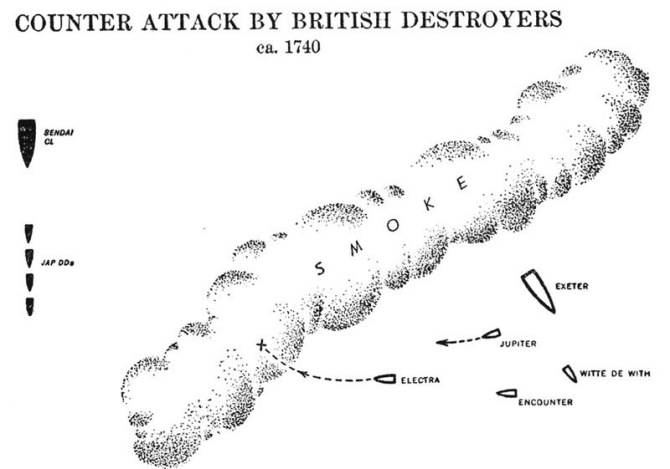
At about 1725 Doorman signaled the British destroyers to counterattack. Exeter, with her speed reduced, was withdrawing south at 15 knots, and the Japanese were sending destroyers in to finish her. Perth, followed by Electra and Encounter, laid smoke between the damaged cruiser and the enemy. Electra went in through the smoke. On the other side she met three Japanese destroyers coming toward her at about 6,000 yards. All four ships opened fire. She claimed four hits on the leader. A shell then hit her boiler room and another hit her steering engine. She stopped.
A Japanese destroyer came out of the smoke and engaged her at close range. The Gazette says she fired in local control with all bridge communication dead, and that her guns were silenced one by one. When only Y gun was left, the order to abandon ship was given. Y gun is the stern gun. The letters start with A at the bow. The Japanese closed so near that they used machine guns. She turned over and sank about 1800. Commander Cecil May and most of her crew were lost. The U.S. submarine S-38 found survivors in the water the next morning. ONI says 58, and the uboat.net history says 54, one of whom died.
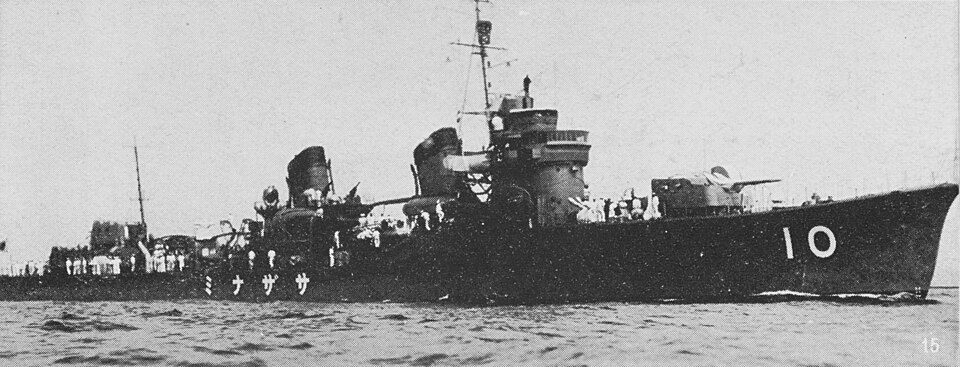
Japanese records name Asagumo, and modern accounts add Minegumo. ONI and the Gazette do not name the ship. Jintsu, which Western accounts sometimes credit, is not credited in the Japanese records. One account says Electra's shells hit Asagumo and stopped her for a time. Another credits Perth's second salvo. ONI's own conclusion is that only Electra was sunk by gunfire.
Jupiter followed Electra into the smoke and found only two Japanese destroyers, about to attack Exeter. She opened fire and they turned away. Witte de With was ordered to escort Exeter home. She exchanged fire with a Japanese destroyer. ONI says she was not hit but was badly shaken when one of her own depth charges fell overboard and exploded close astern. The uboat.net history says one hit destroyed her aerial. She was later found to have damaged propellers.
The American torpedo attack
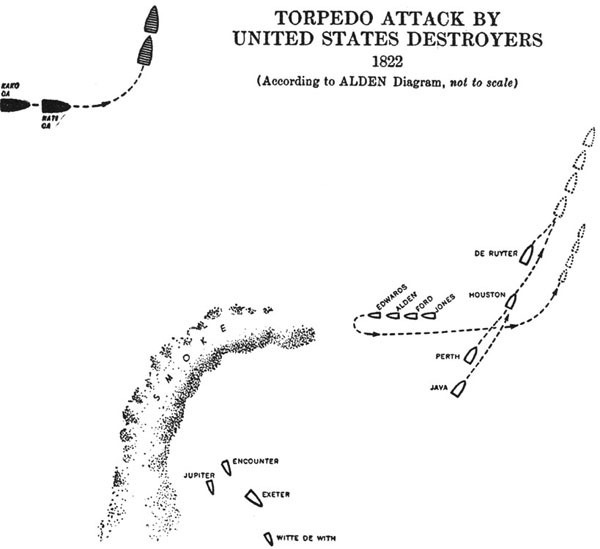
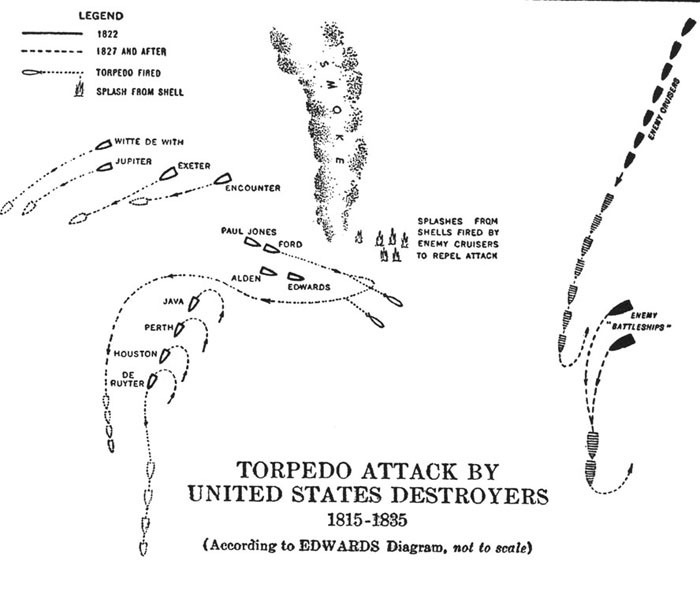
At 1806 a signal came from De Ruyter by light: counterattack. The American destroyers were preparing to carry it out when Doorman canceled it and ordered smoke, and then signaled, cover my retirement. They had been laying smoke since 1728. They were now between the cruiser line and the Japanese. Commander Thomas Binford decided that a torpedo attack was the best cover. They broke out of the smoke and found the Japanese battle line some 22,000 yards off. They closed to about 14,000 or 15,000 yards and fired their starboard torpedoes at 1822, turned, and fired their port torpedoes at 1827. The Edwards log says three each way. The Japanese cruisers' fire fell about 800 yards short. None of the torpedoes hit.
It was long-range fire meant to make the Japanese turn. They did. Immediately after the torpedoes were fired the two Japanese heavy cruisers turned north. Lieutenant Commander Coley of Alden wrote that the attack saved Exeter. About 1830 a large explosion was seen in the Japanese line, and ONI thought a torpedo had very probably hit. The modern accounts based on Japanese records show no hit. Binford reported to Helfrich that all his torpedoes were expended.
At 1831 Doorman signaled the American destroyers to follow him. They crossed astern of his column and took station on its disengaged quarter, steaming northeast.
The night
Doorman wanted the convoy. A short-wave radio in De Ruyter had been damaged and the American destroyers' voice radio in Houston had cut out, so they were without communications except by signal lamp. He stood northeast and then northwest toward the convoy's last reported position, then south toward the Java coast, and finally west along it, in the light of a bright moon. Japanese aircraft followed with flares. At about 1930 four ships appeared on the port bow. The cruisers fired a few star shells and opened fire, and the engagement lasted only a few minutes. When flashes showed the Japanese firing torpedoes the column turned away. The uboat.net history, using Japanese records, says that was Jintsu and three destroyers, that her torpedoes were fired, and that Perth's turn probably saved the Allied ships. At 2023 and 2043 torpedoes were reported again. No tracks were seen, and the Japanese records do not show that any were fired.
By about 2100 the American destroyers, out of torpedoes and with almost no fuel, left. Binford wrote that his speed and gun power were less than anything he would encounter. “I retired to Soerabaja, which was about 50 miles away.” A flare was dropped over them as they entered the channel in the minefield. Doorman's last order to them was to retire to Batavia. Binford answered that he could not get through and was entering Surabaya to fuel. He never received another message from the commander of the striking force. Pope, which had been waiting outside the minefield, was ordered back with them. Exeter and Witte de With were already at the pier.
That left Encounter, De Ruyter, Perth, Houston, Java, and Jupiter, in that order, steaming west along the coast. About 2125 an explosion stopped Jupiter on her starboard side, abreast the engine room, at about 06 45 S, 112 05.5 E. She was the last ship in the column. Her crew believed she had been torpedoed. The Gazette says no submarine or torpedo track was seen and that she lay undisturbed for about four hours until she sank. Later accounts say she had struck a mine in a Dutch field laid off the coast. She sank about 0130 on 28 February. Most of her crew got ashore near Toeban. ONI says 83 reached the beach, and also that 214 survivors were at Toeban. The uboat.net history says five officers and 78 men landed, and the captain, one other officer, and 95 ratings were captured.
The column turned north. At about 2217 it passed the place where Kortenaer had sunk, and her survivors saw the cruisers foam past. Encounter was ordered to stop and picked up 113 men. She was then sent to Surabaya. The cruisers now had no destroyers at all.
Java and De Ruyter
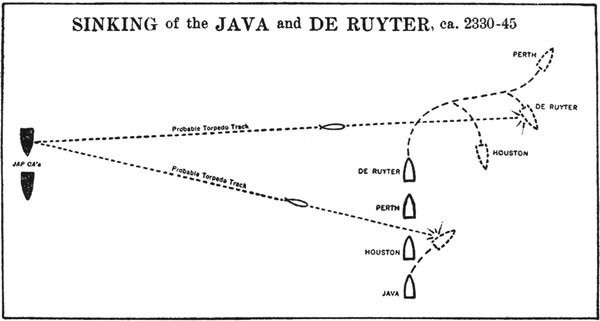
About 2315 De Ruyter signaled, target to port. Two cruisers appeared about 9,000 yards away and opened fire. Perth replied with two or three salvos and claimed hits. The Japanese fired star shells that burst between the lines. A shell hit De Ruyter aft and she turned to starboard, away from the enemy, and the others followed. As Java turned there was a huge explosion aft, from a torpedo from the port side, and the whole after part of her was in flames. The torpedo hit her last of the column, and she had not been under gunfire. The stern broke off. De Ruyter was hit very soon afterward. Signalman Sholar, an American who was on board, saw a torpedo track on relative bearing 135 degrees. There was a heavy explosion and fire aft. Perth swung hard left to avoid her. Houston turned out of line to starboard.
De Ruyter's crew gathered forward, because the after part of the ship to the catapult was burning. The 40-mm ammunition began to explode and she was abandoned. ONI says she sank within a few minutes, and that her foremast stood above the water for some time until a heavy explosion took her out of sight. The Japanese ship histories say she floated for nearly three hours. Rear Admiral Doorman and Captain Lacomble were lost. Java sank in about fifteen minutes with her captain, Philippus van Straelen.
The torpedoes came from the direction of the Japanese cruisers. ONI said both the Sendai and Nachi class carried eight torpedo tubes. A modern account based on Japanese records says Nachi fired eight and Haguro four, from about 16,000 yards, and the Japanese ship histories credit Nachi with Java and Haguro with De Ruyter. By that account the two cruisers were low on gun ammunition and chose a torpedo attack after a floatplane reported Doorman coming back toward the convoy. ONI says it is doubtful that Doorman ever knew how close he came to the convoy. An American PBY found it southwest of Bawean at 2235 and reported it. The report reached Surabaya at 2352, after both Dutch cruisers were gone.
Of the striking force only Houston and Perth were left, short of ammunition and followed by aircraft. About 0100 they set course for Tandjong Priok, as the plan had provided. They arrived about 1330 on the 28th. Perth had reported the loss of the two Dutch cruisers. The hospital ship Op ten Noort, sent out to look for survivors, was stopped by Japanese destroyers and taken.
After
The striking force had been split. The five American destroyers, Exeter, Encounter, and Witte de With were at Surabaya. Houston, Perth, and Evertsen were at Batavia. The Japanese were between them. The Allied commanders decided to meet at Tjilatjap and fight on. They could not get there. Admiral Helfrich dissolved the Allied naval command on 1 March.
The four American destroyers that had fought, Edwards, Alden, Ford, and Paul Jones, left Surabaya on the evening of 28 February and went out through Bali Strait, exchanged a few shots with Japanese destroyers, and reached Fremantle on 4 March. In the Bali Strait action their torpedo fire was simulated with primers and dummy charges. Witte de With was bombed on 1 March and was scuttled on 2 March.
Houston and Perth left Batavia that night for Sunda Strait and met the Japanese western convoy at Bantam Bay. They were sunk in the early hours of 1 March. That is the Battle of Sunda Strait. Exeter, Encounter, and Pope sailed from Surabaya on the evening of the 28th, went north around Bawean, and were found on 1 March by Japanese cruisers and destroyers. All three were lost. That is sometimes called the Second Battle of the Java Sea.
Where the accounts differ
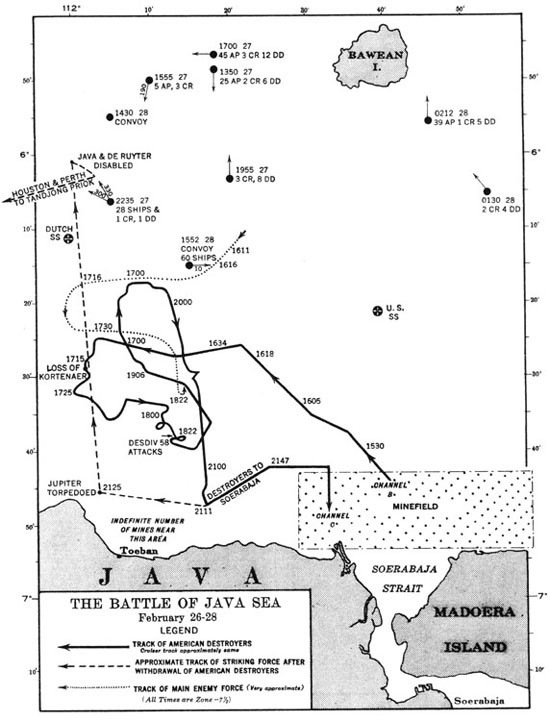
The accounts differ on times, by about half an hour in the afternoon and by more at night. The ONI narrative, the Gazette despatches, and Captain Gordon use Java time, zone minus 7.5. The combinedfleet.com ship histories put Exeter's hit at 1638 in three entries and at 1708 in the Haguro entry, and put Kortenaer at 1640 in three entries and at 1713 in the Haguro entry. ONI and the Gazette put them at 1710 to 1714 and 1713 to 1715. The Japanese ship histories put Jupiter's explosion at 2000. The Allied accounts put it at about 2100 to 2125. The accounts of Java and De Ruyter run from 2250 to 2340. The ONI diagram marks the sinking about 2330 to 2345.
The accounts differ on who sank what. The Japanese records credit Haguro with the hit on Exeter, with Kortenaer, and with De Ruyter, and Nachi with Java. The ONI narrative could say only that cruisers, destroyers, or submarines fired the torpedoes. One English-language history credits Nachi with the hit on Exeter. The survivors of Kortenaer thought a submarine had hit her, and the Japanese records credit Haguro. On the fate of Jupiter, the Gazette records that her crew believed they were torpedoed, and later accounts say it was a Dutch mine. The ONI narrative itself calls the mine unlikely, because she was last in the column and Doorman knew the field.
The accounts differ on numbers. Java's dead are given as 512, 515, and 526. De Ruyter's are given as 344, 367, and 375. Kortenaer's are given as about 40, 57, 60, and 66. The survivors of Electra are given as 54 and 58. ONI says Witte de With was not hit, and the uboat.net history says she was hit once. The ONI chart gives Kortenaer's position as 16 25 S, which is far south of Java. That is a printing error, and the uboat.net history gives it as 06 25 S, 112 08 E. The Japanese entries give 06 29 S, 112 05 E.
The ONI narrative itself says it is hard to draw an accurate picture of the movements of the cruisers and destroyers. It says that the diagram with the Alden report puts the Japanese battle line northwest of the Allied column, and that the diagram with the Edwards report puts it northeast. The tracks on the map are marked approximate on the sheet itself. None of them is drawn here.