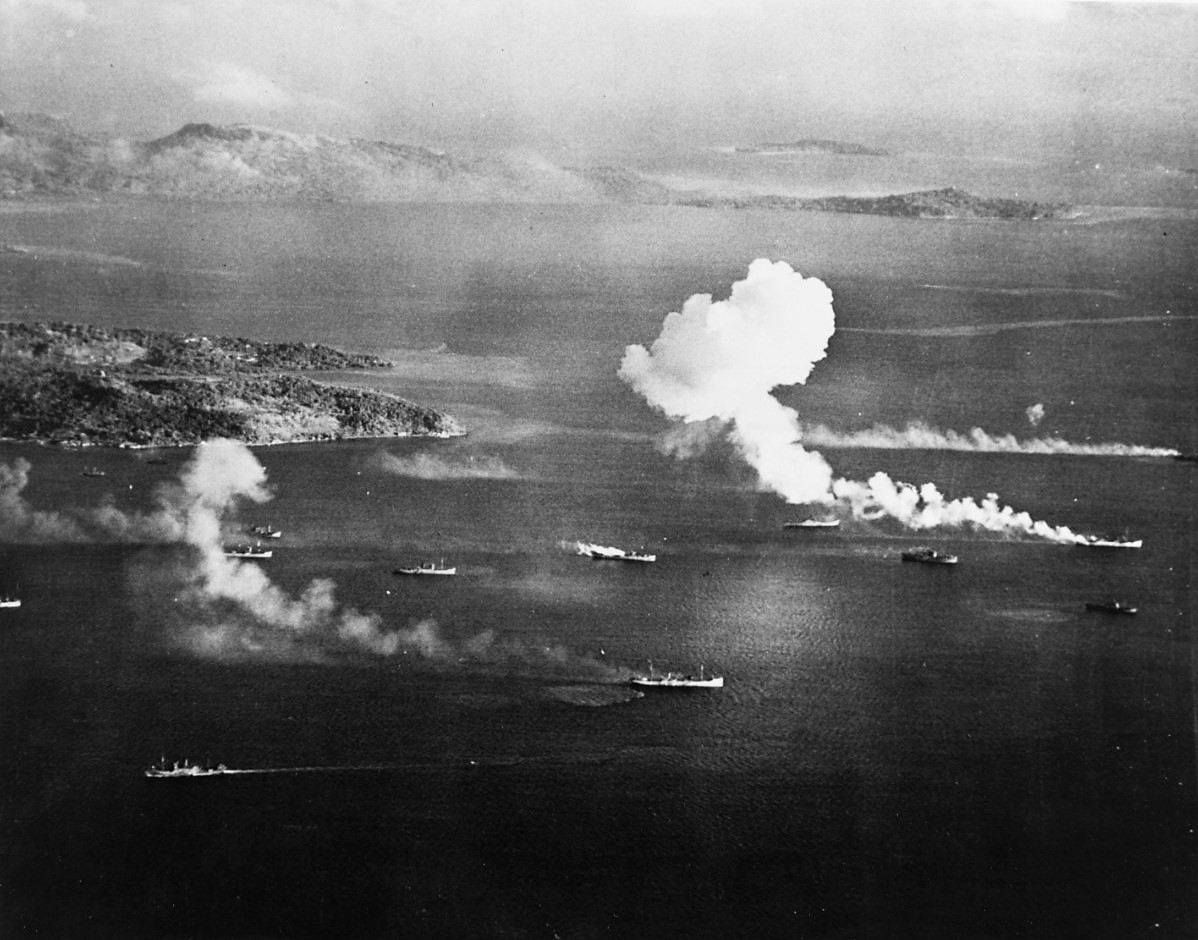
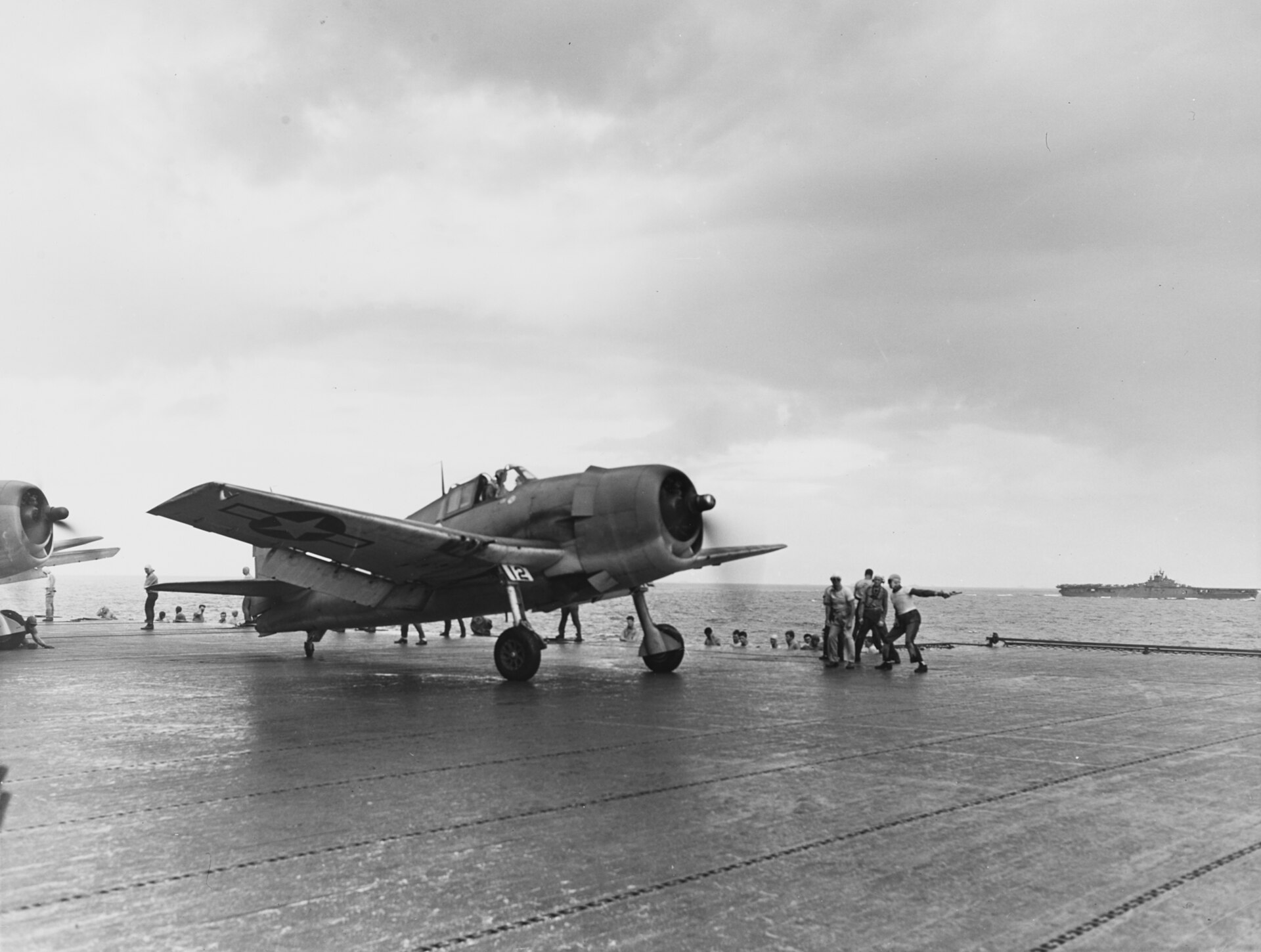
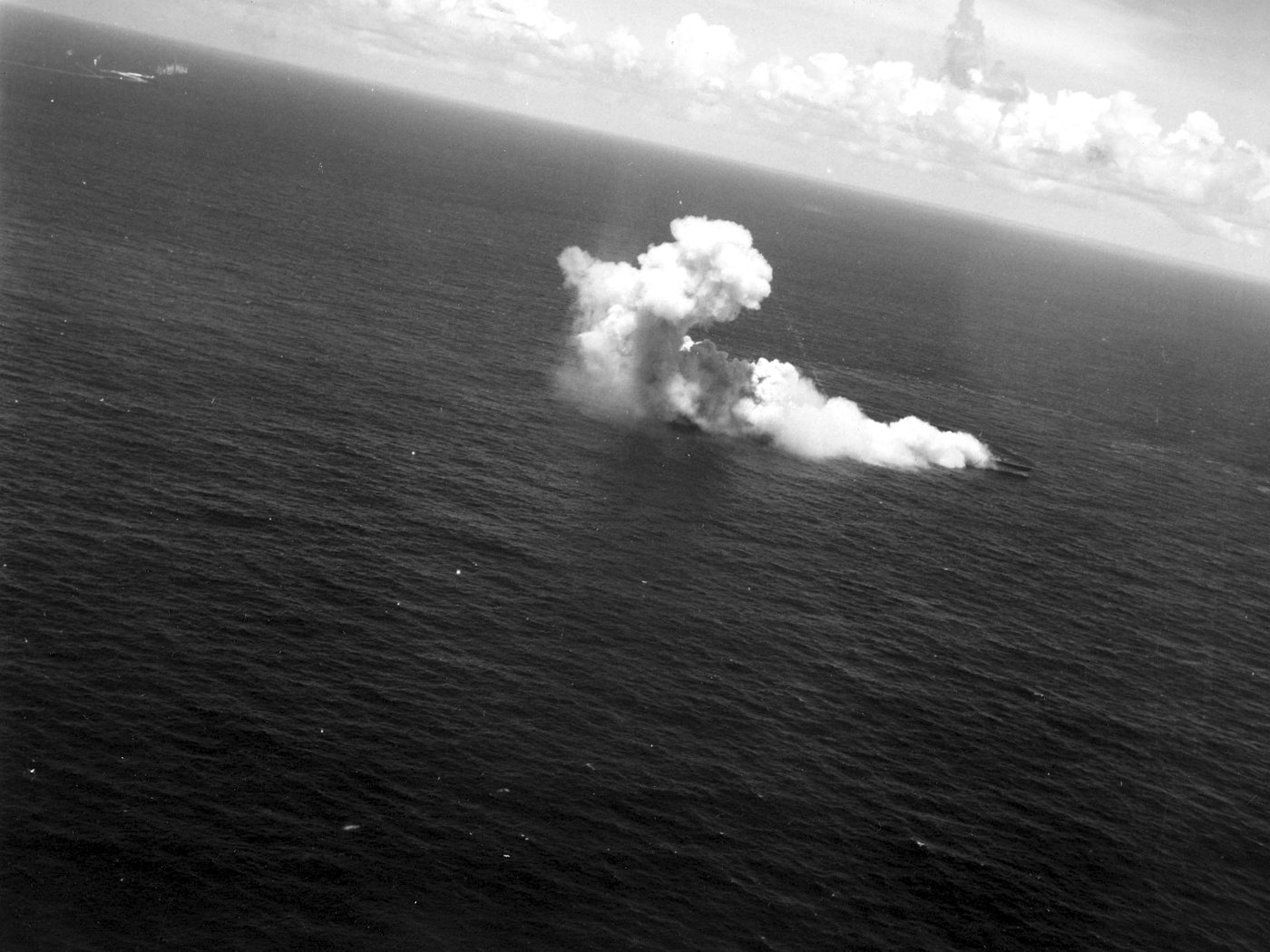
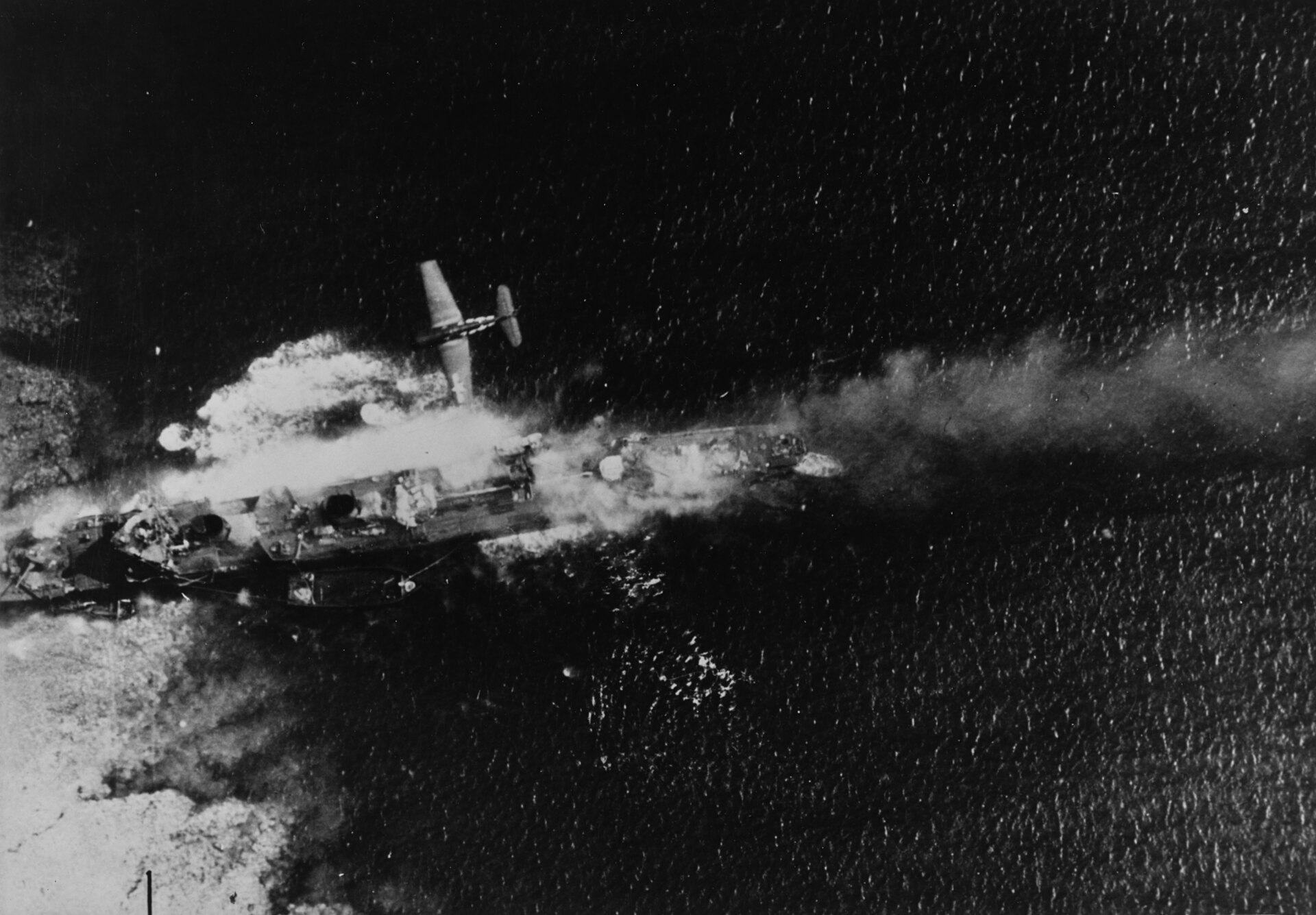
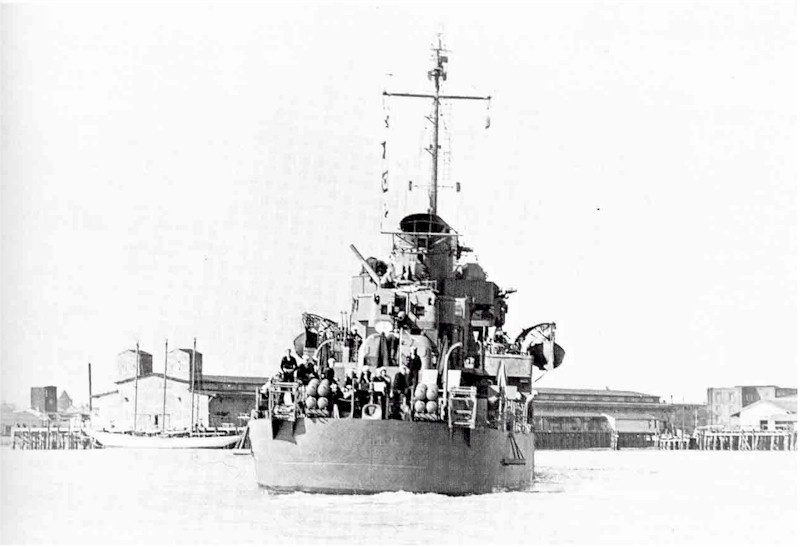
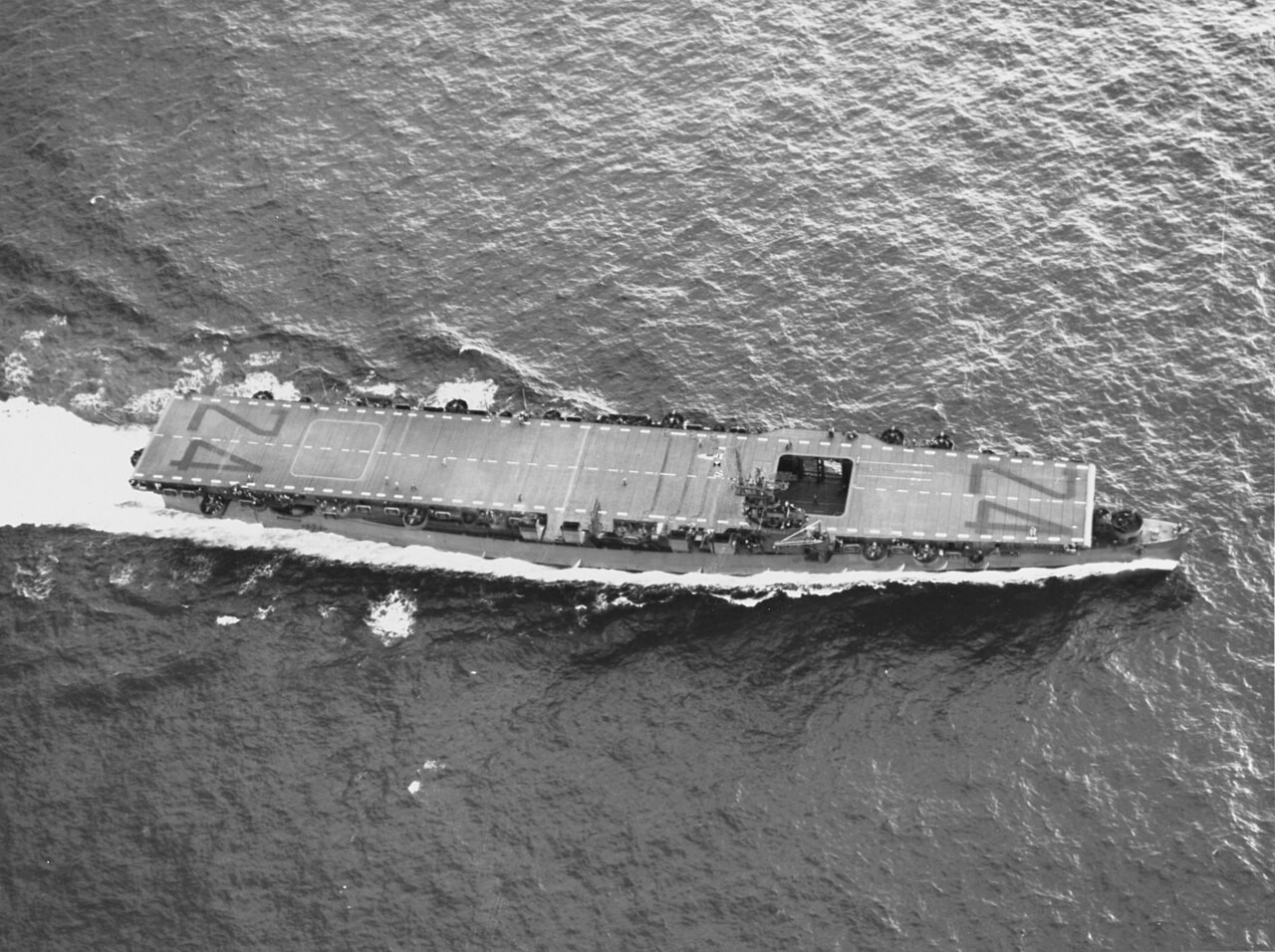
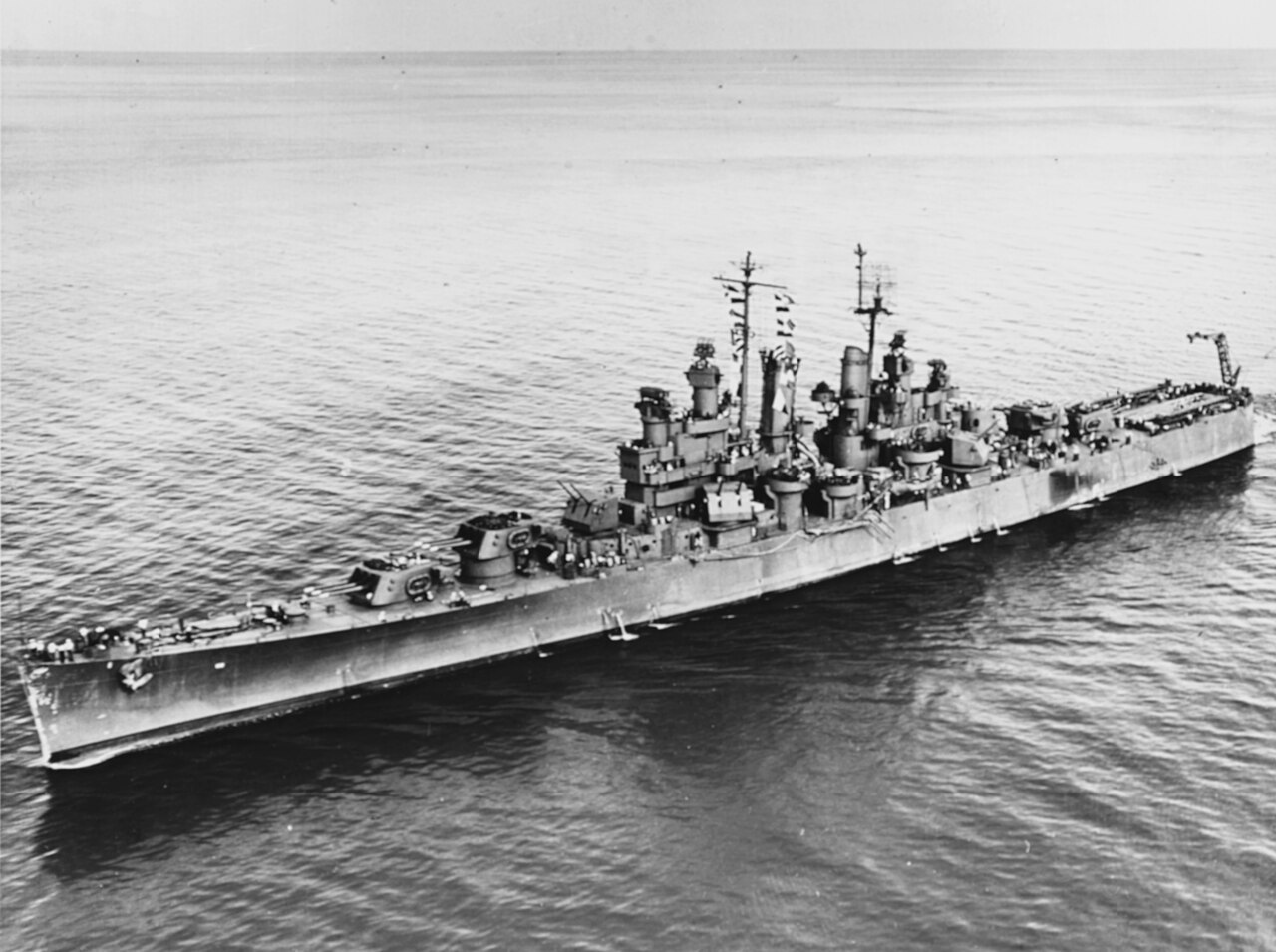
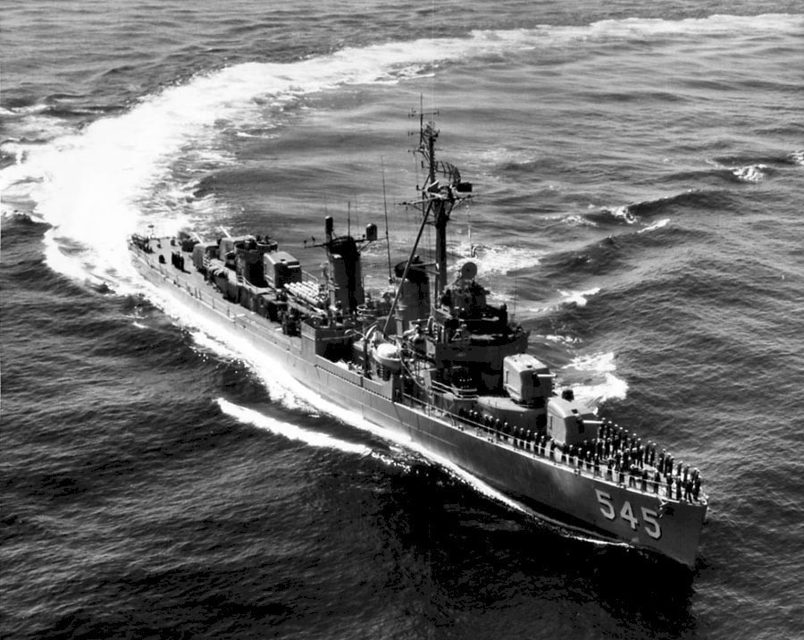
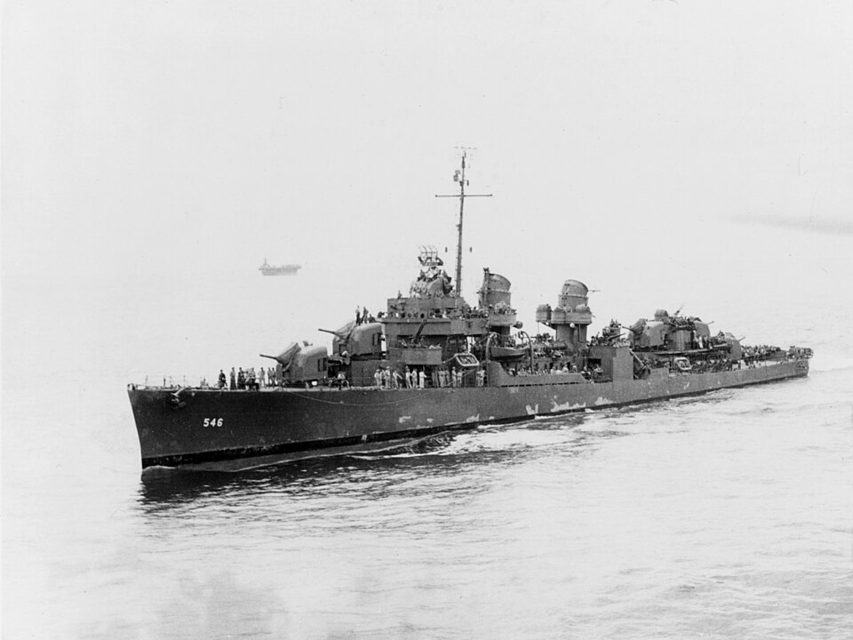
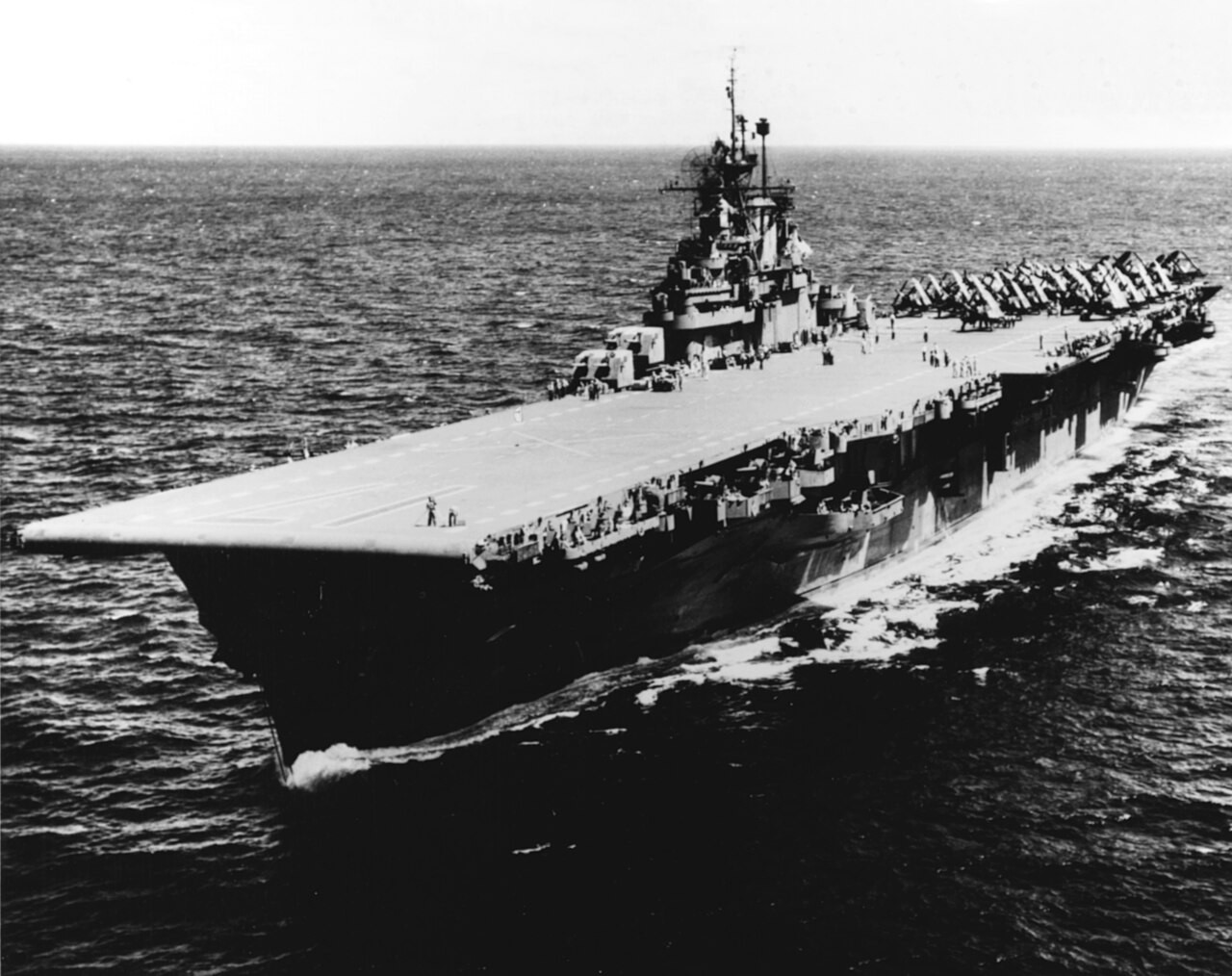
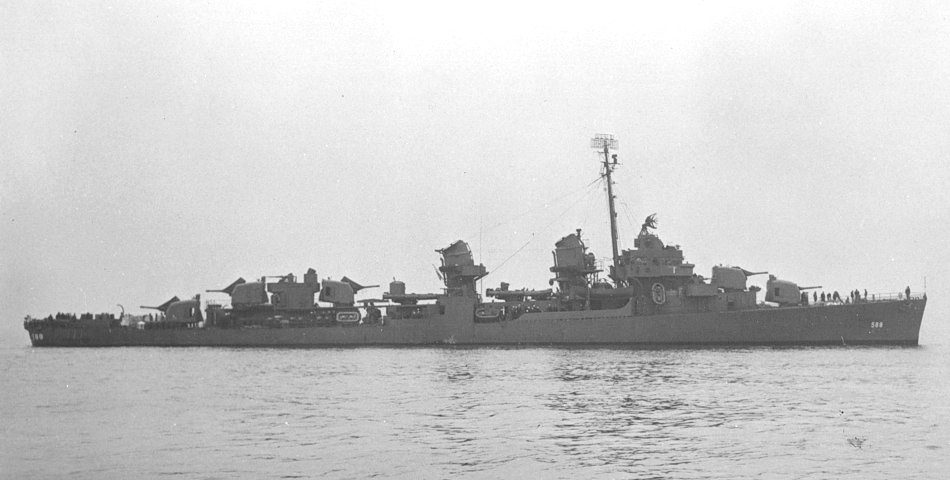
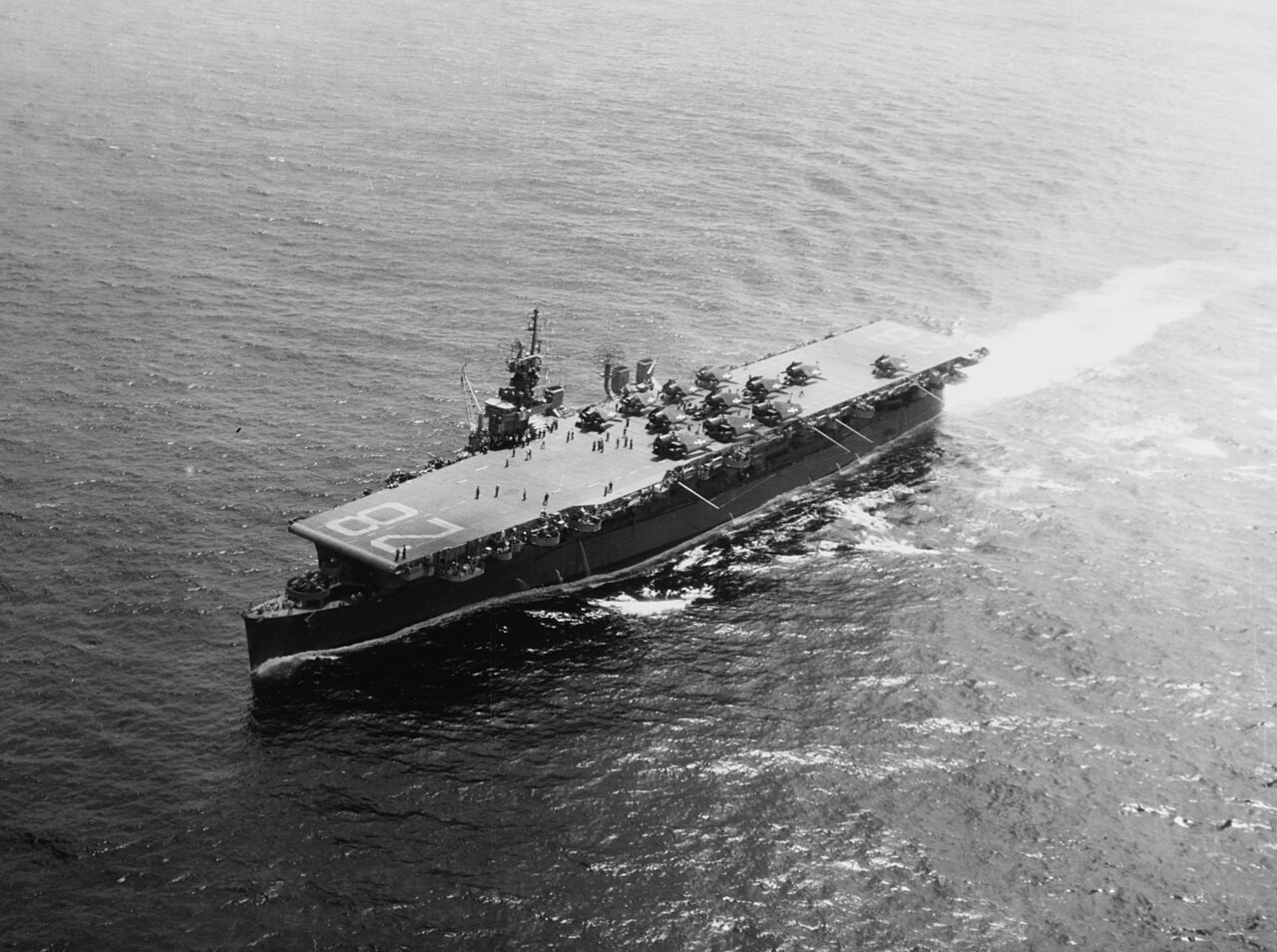
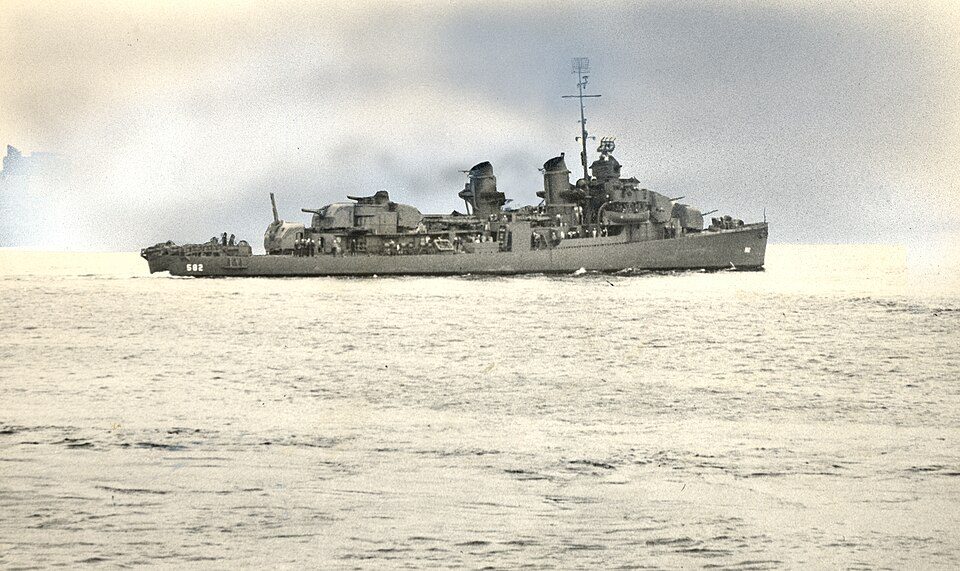
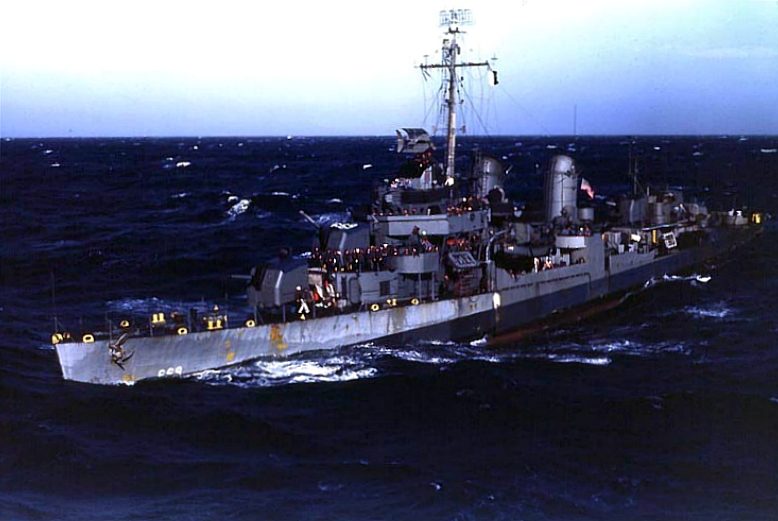
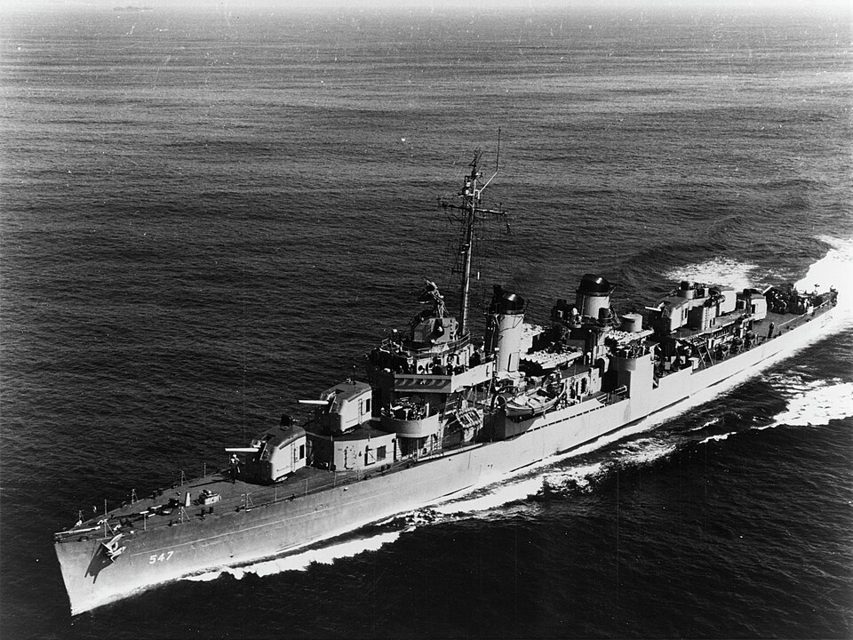
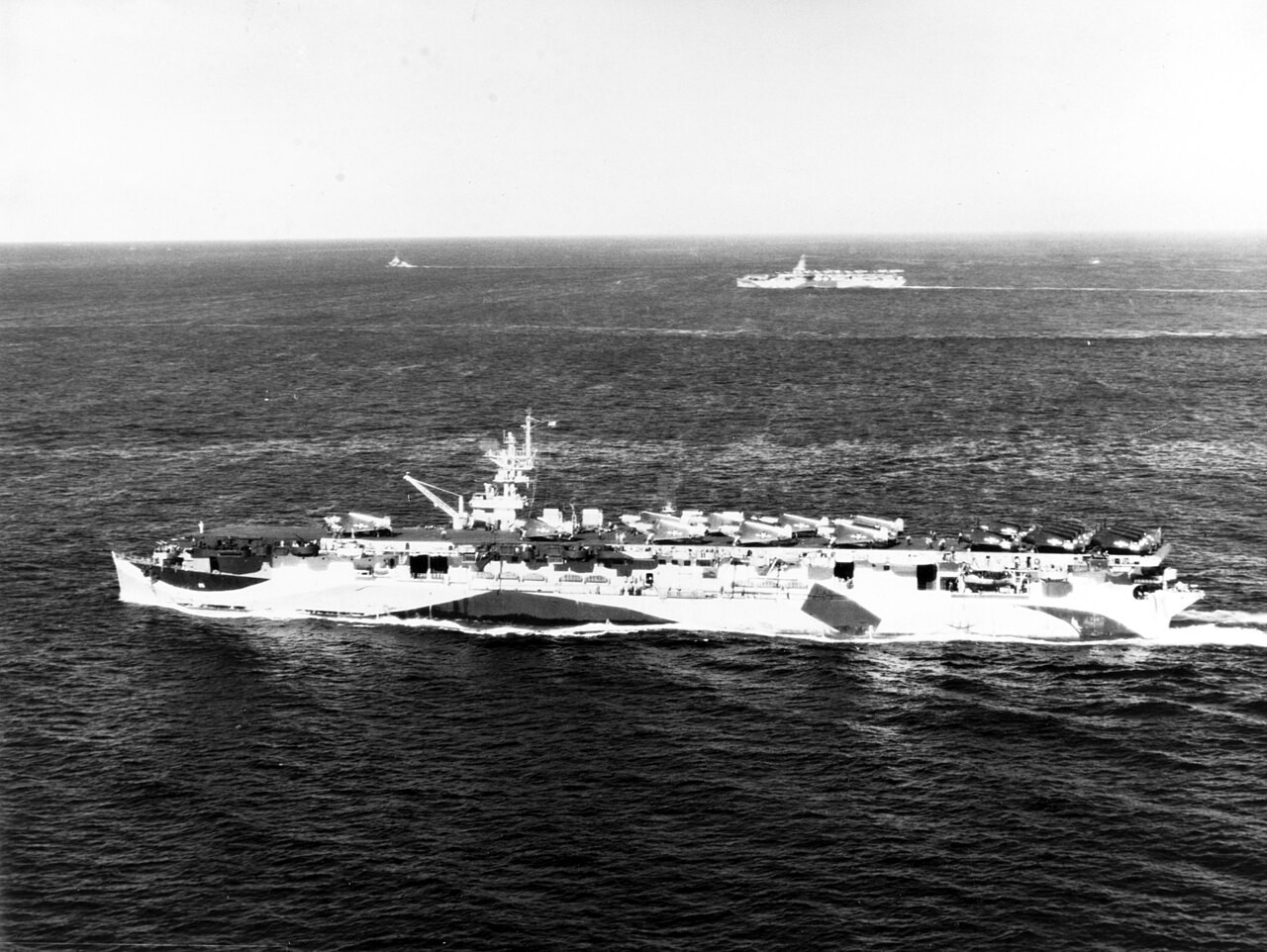
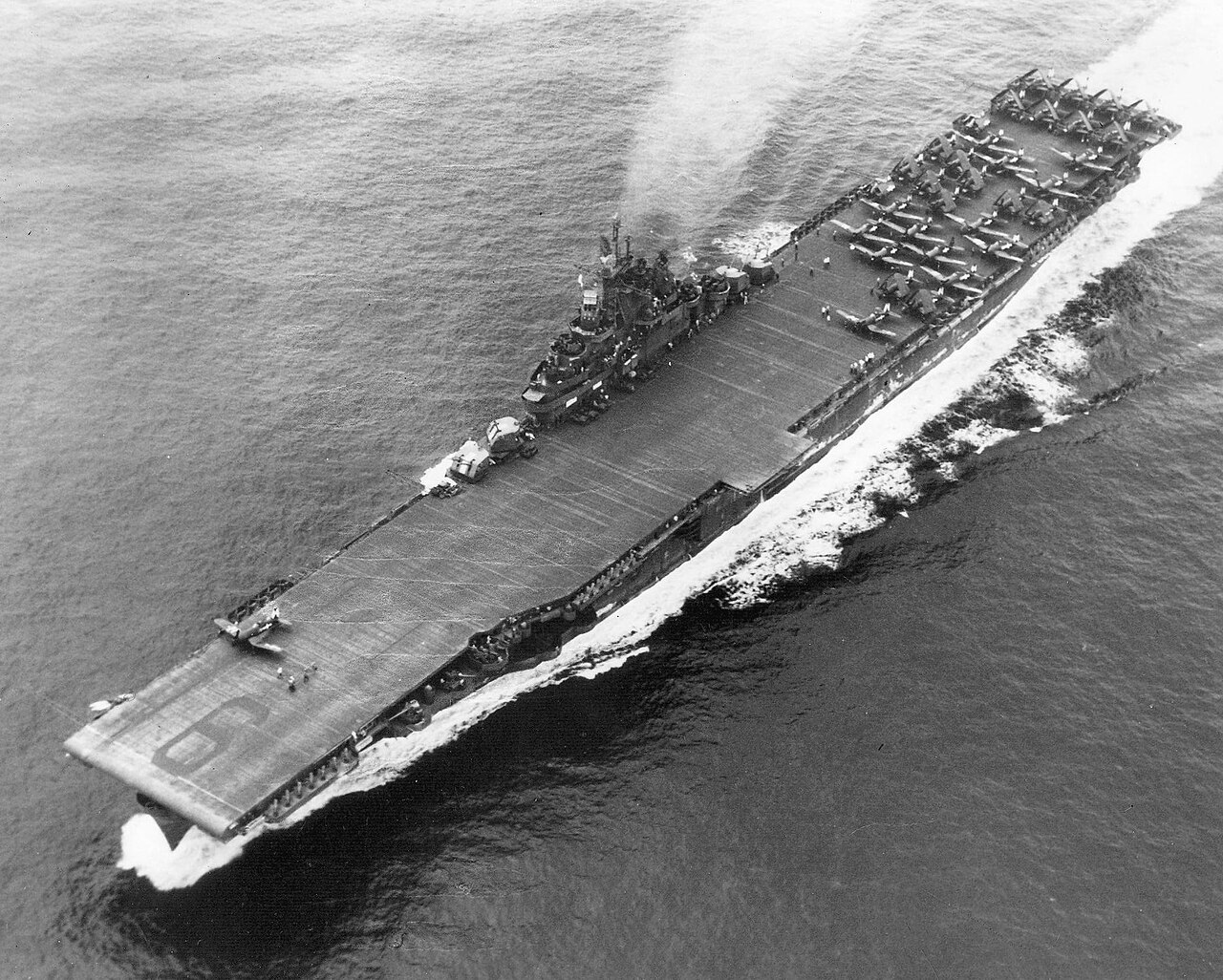
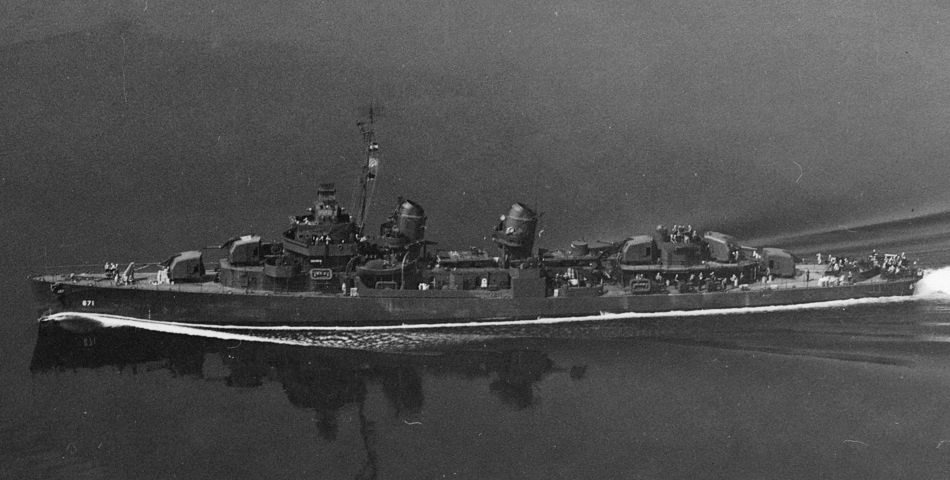
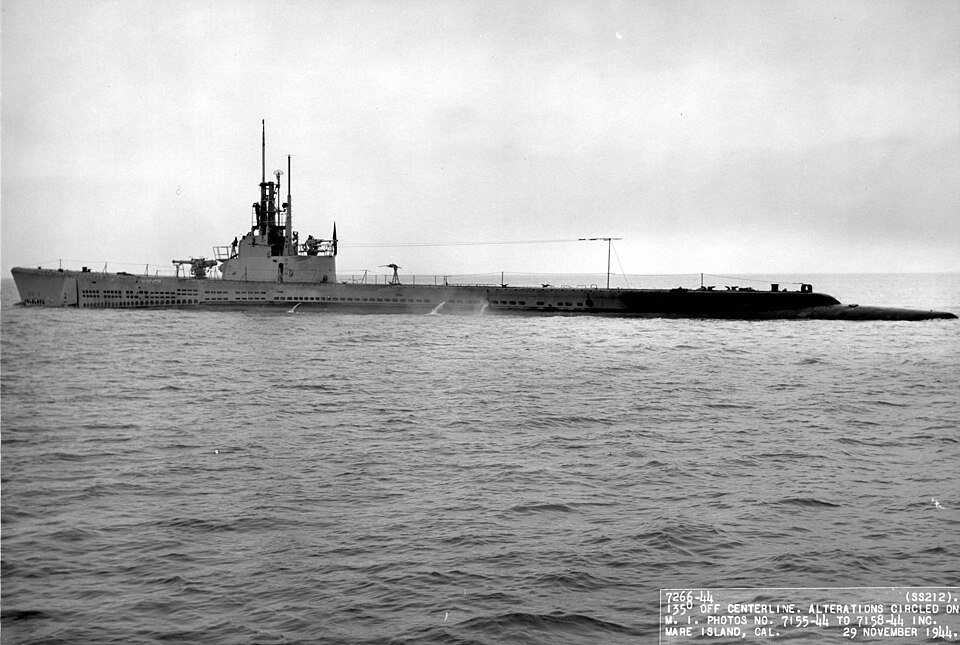
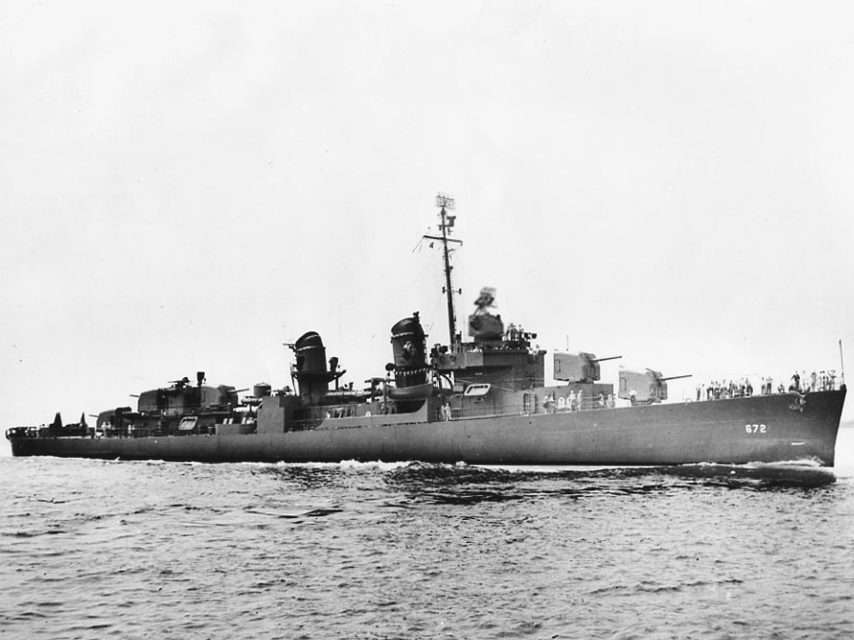
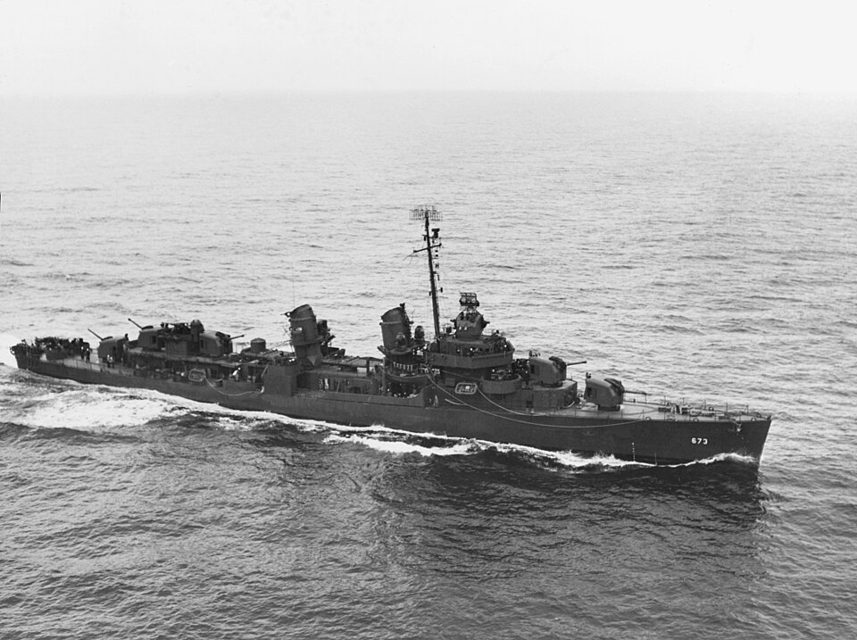
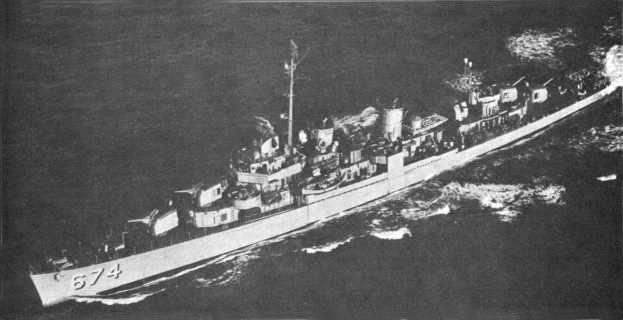
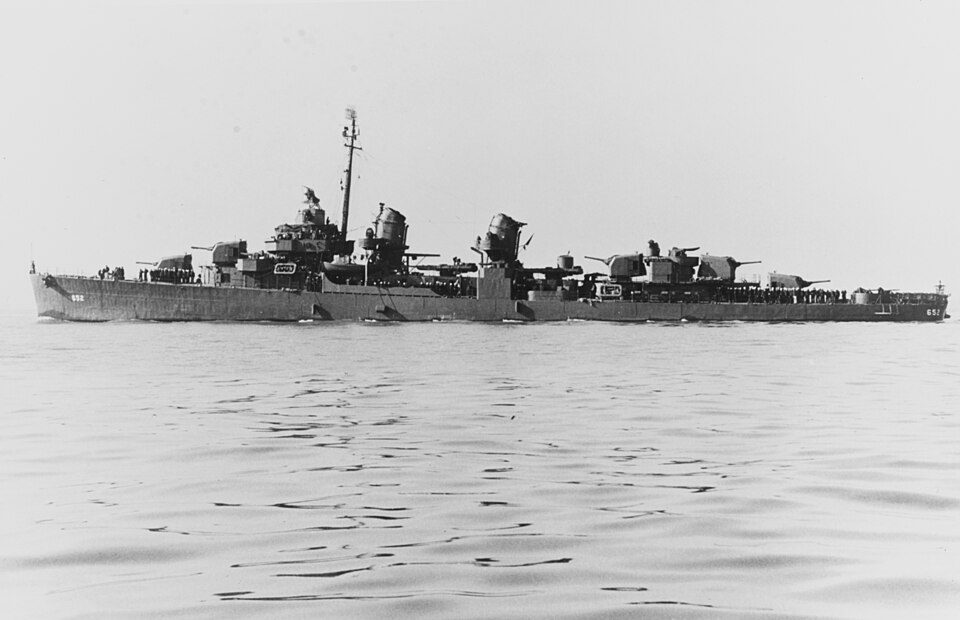
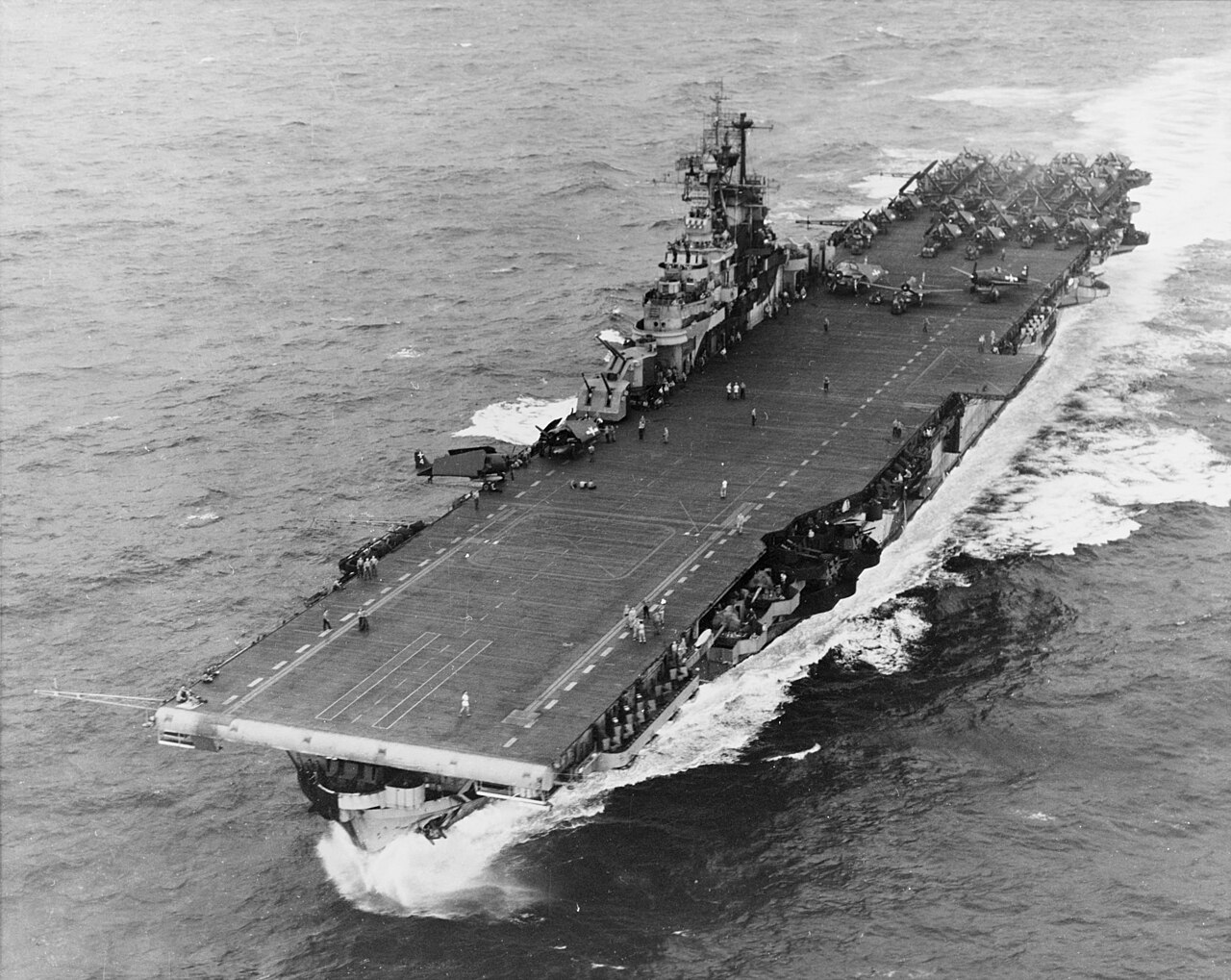
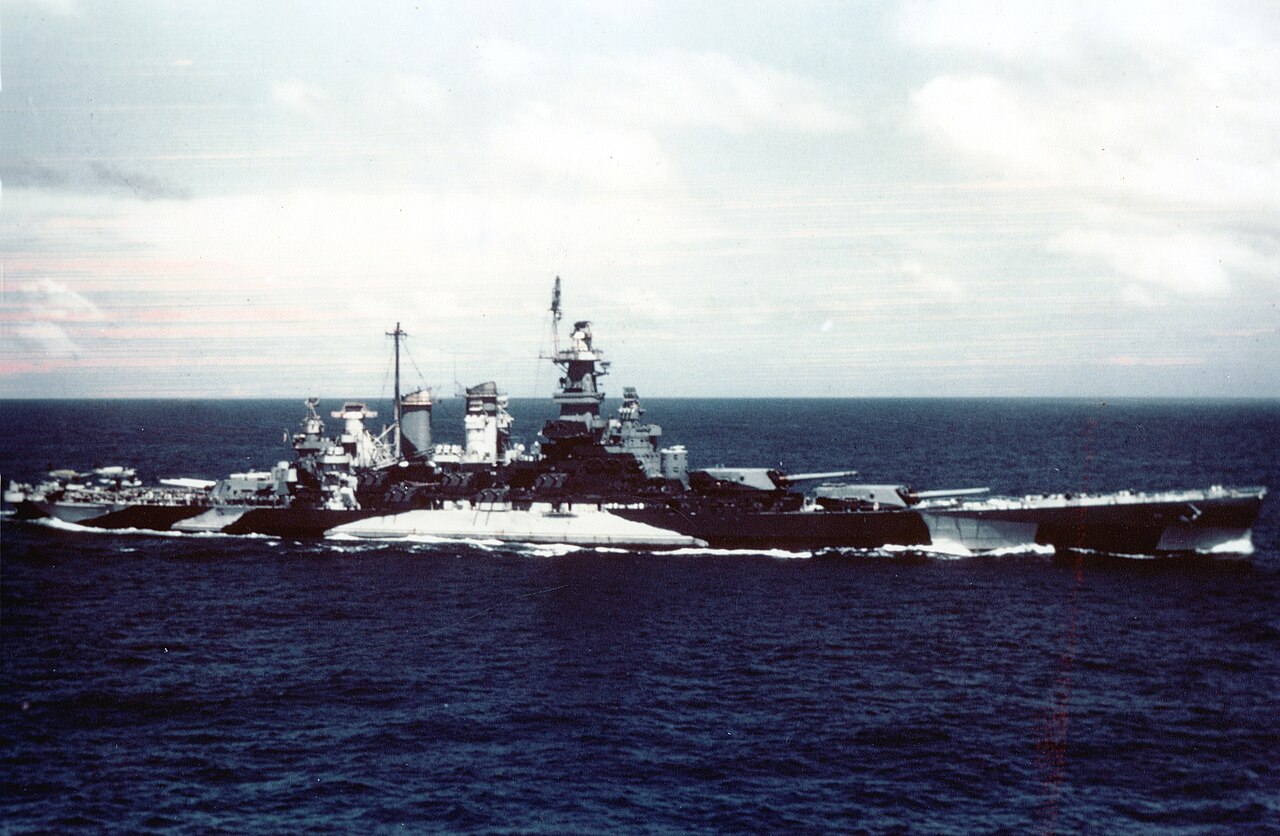
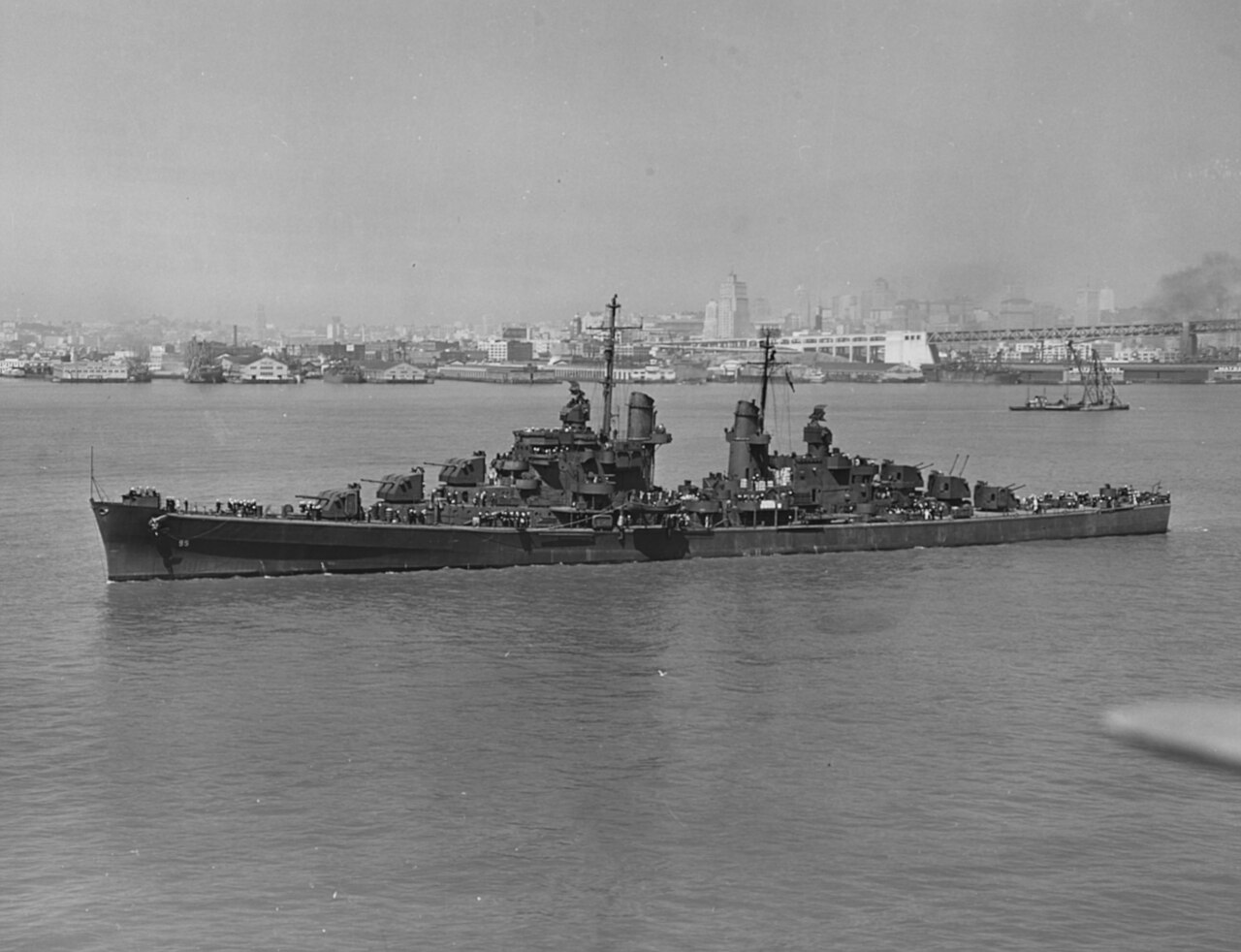
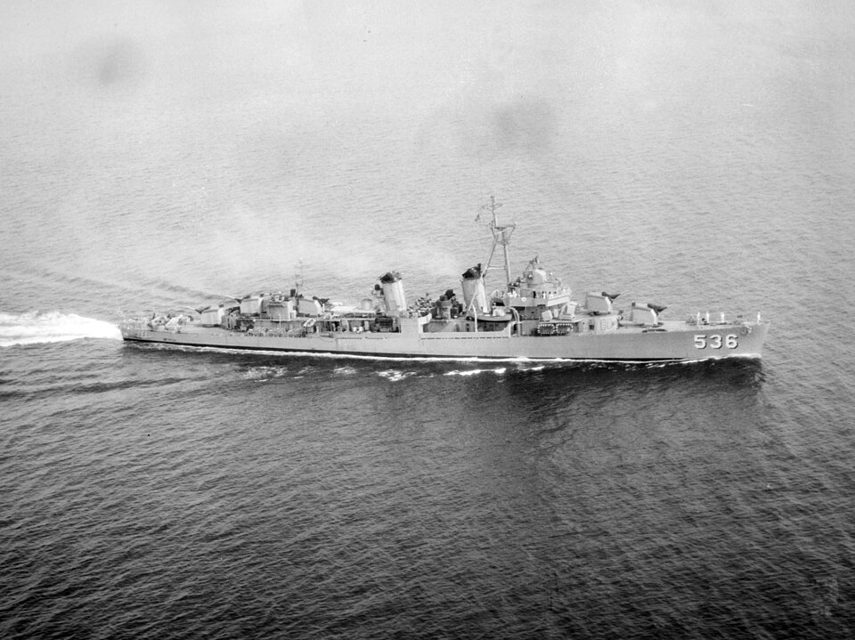
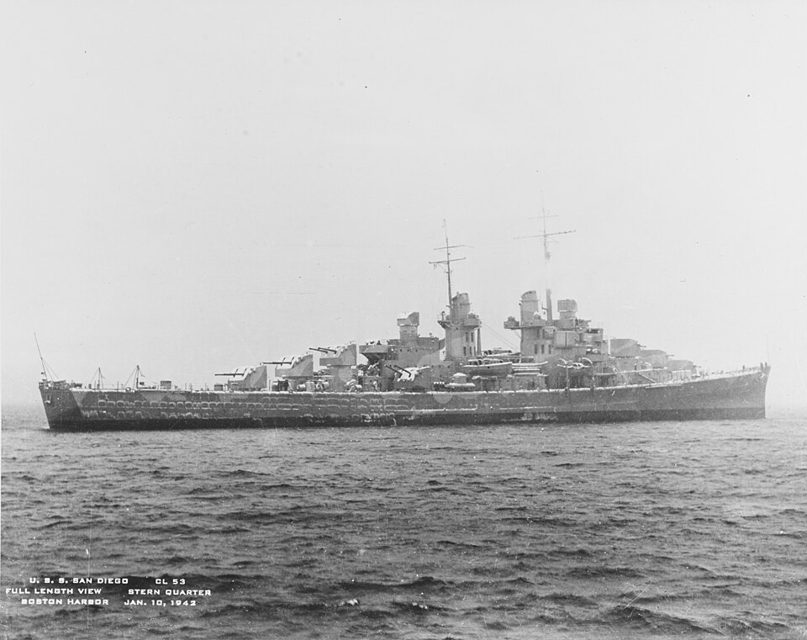
Operation Hailstone was the American carrier attack on Truk Lagoon, in the Caroline Islands, on 17 and 18 February 1944. Truk had been the Imperial Japanese Navy's great forward base in the central Pacific, and it was often called the Japanese Pearl Harbor. In two days the planes of Task Force 58 destroyed most of the aircraft there, sank the light cruiser Naka, the training cruiser Katori, four destroyers and dozens of merchant ships, and ended Truk's use as a fleet anchorage.
The base
Japan had held the Carolines since 1914. The lagoon became the anchorage of the 4th Fleet and then the forward base of the Combined Fleet, with five airfields and a seaplane base. Its reputation as a fortress, the Gibraltar of the Pacific, was a myth. Japan had built ships rather than fixed defenses, and serious work on airfields and shore batteries began only late in 1943. There were few antiaircraft guns, and the radar could not see low-flying planes.
By early 1944 the Japanese knew they could not hold it as a fleet base. They had been moving battleships, heavy cruisers and carriers out since October 1943, and after U.S. Marine Liberator reconnaissance planes were seen overhead in the first week of February, the withdrawal sped up. The big ships were gone when the carriers came.
Task Force 58
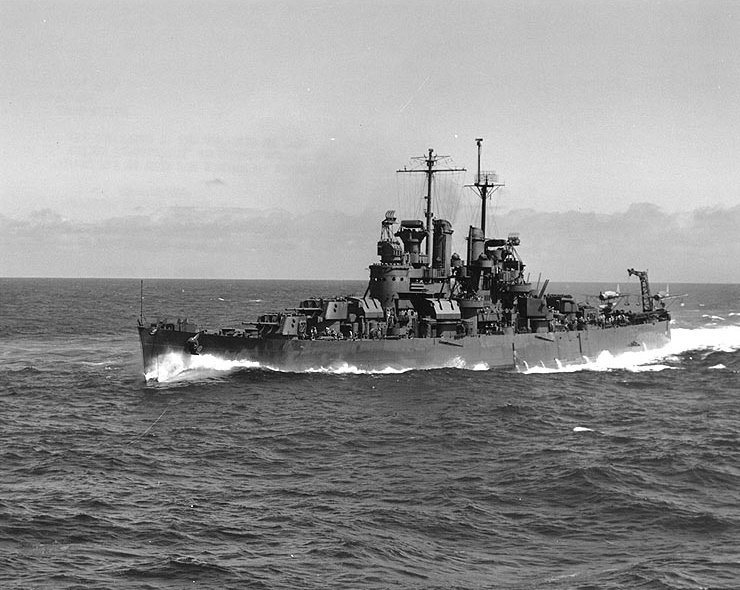
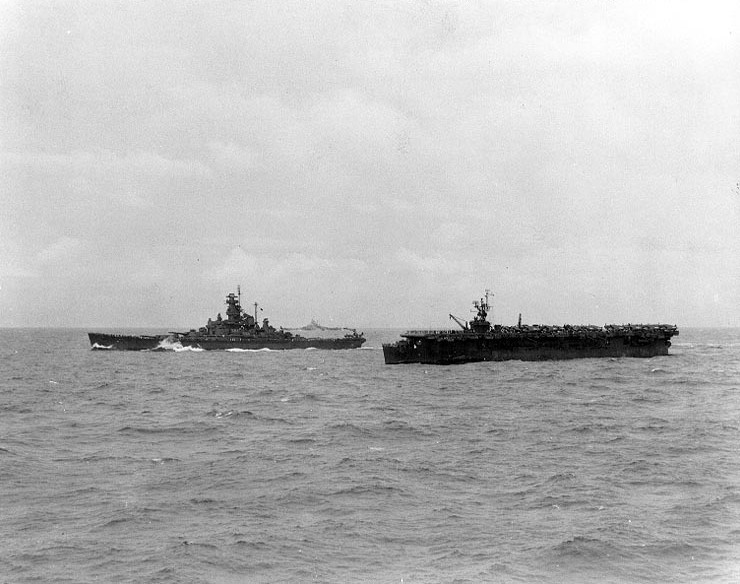
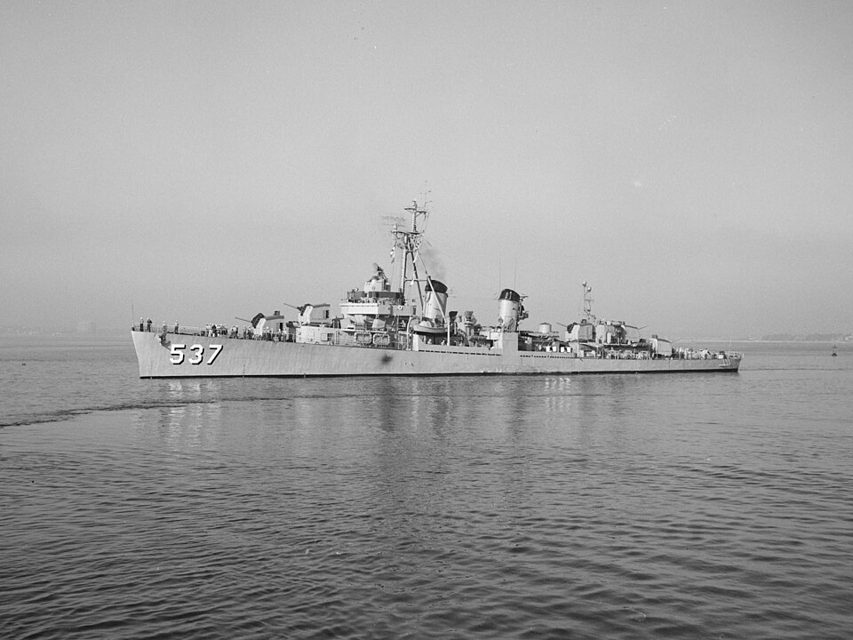
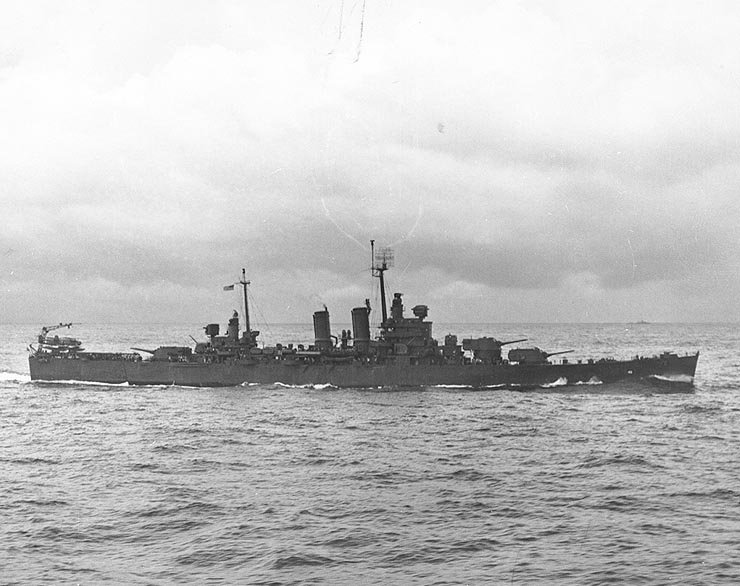
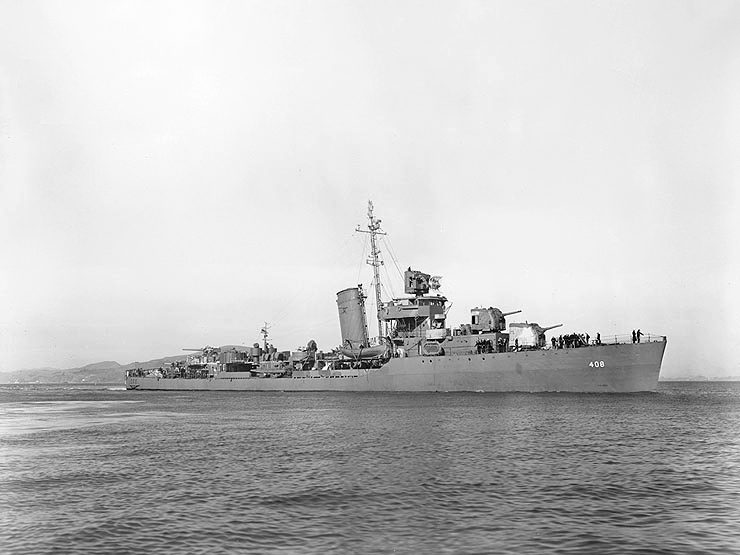
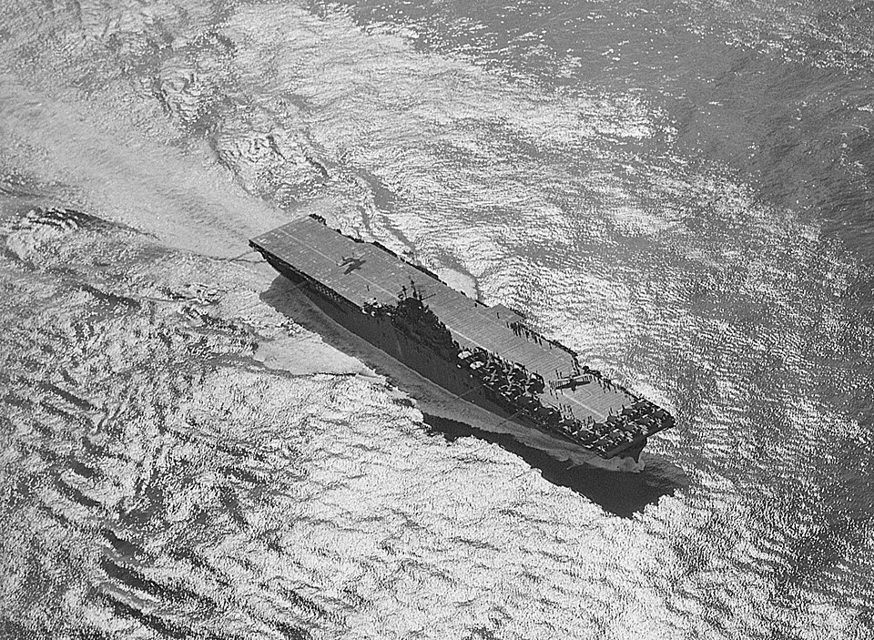
Admiral Raymond Spruance ordered the raid to keep Truk's aircraft from interfering with the landing at Eniwetok, and because Truk was a staging point for planes bound for Rabaul. Vice Admiral Marc Mitscher brought three of his four carrier task groups: the fleet carriers Enterprise, Yorktown (CV-10), Essex, Intrepid and Bunker Hill, and the light carriers Belleau Wood, Cabot, Monterey and Cowpens, with more than 500 aircraft. Six fast battleships, ten cruisers and some 28 destroyers screened them, and ten submarines watched the exits from the lagoon.
The night before
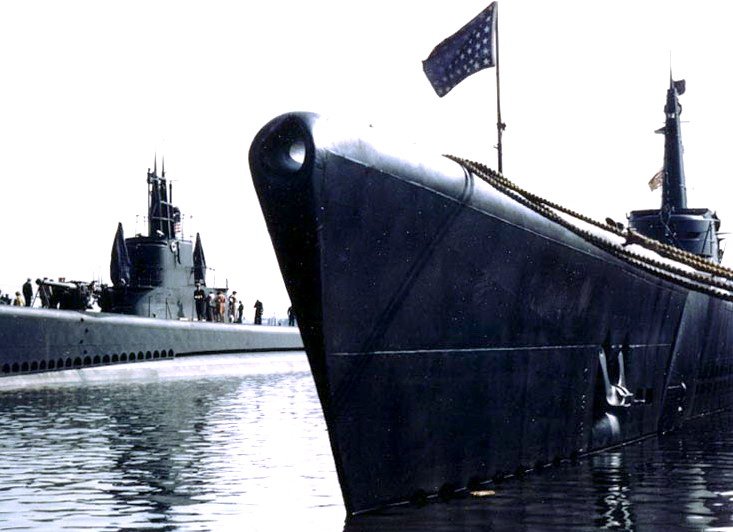
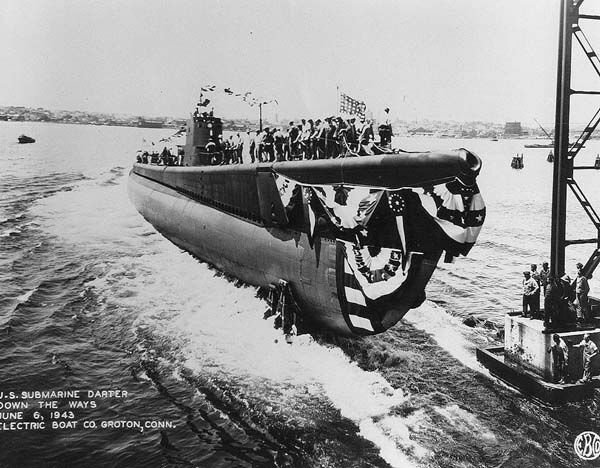
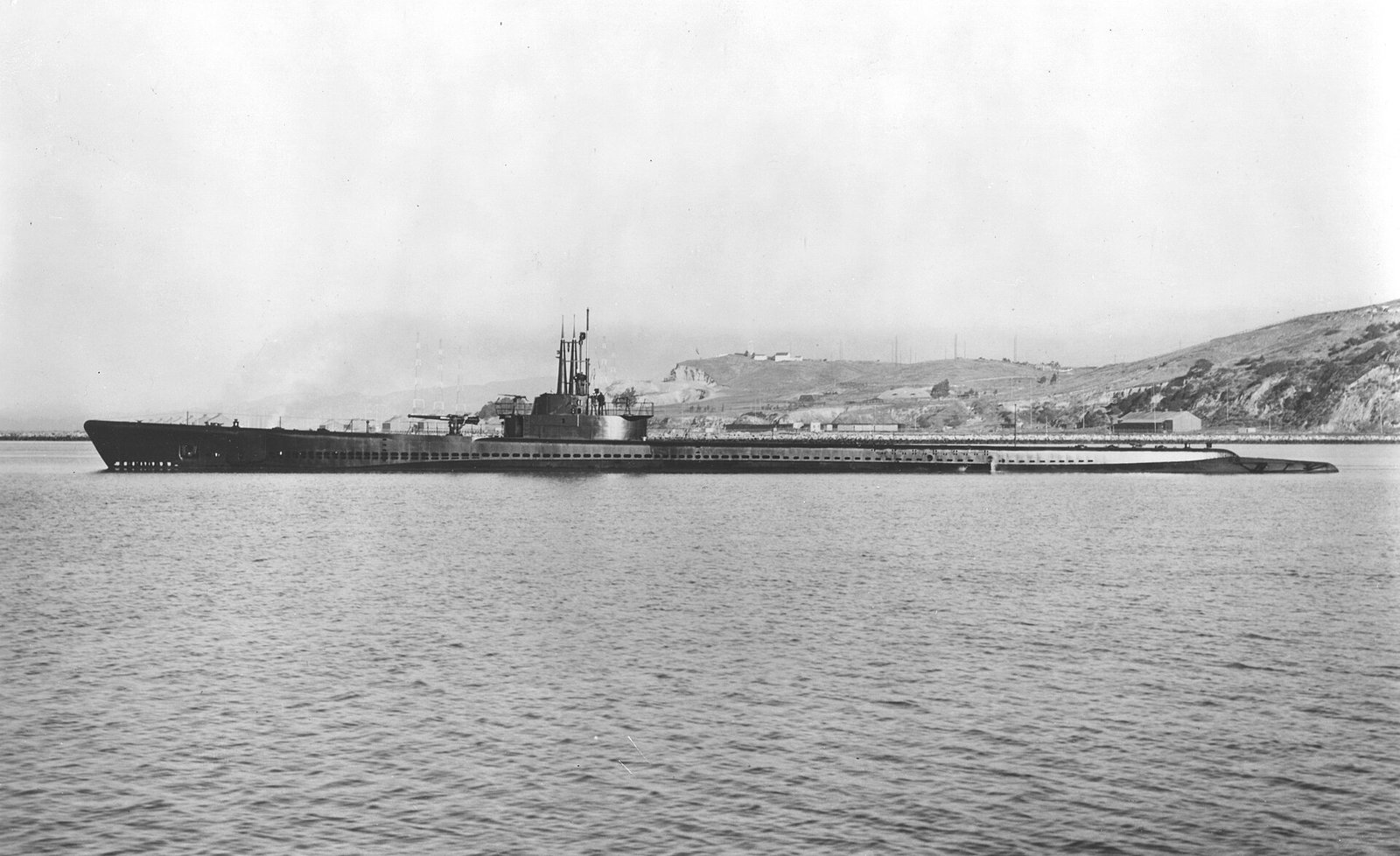
One cruiser had already been caught. Agano, damaged at Rabaul in November, had been patched by the repair ship Akashi and left Truk on the evening of 15 February for Japan, with the destroyer Oite. On the afternoon of the 16th, about 160 miles north of Truk, the submarine Skate hit her with two torpedoes. Oite took off 523 of her men, and Agano sank early on the 17th. Oite turned back for Truk with the survivors.
The fighter sweep
The first fighter sweep took off 90 minutes before dawn on 17 February. The Japanese 22nd and 26th Air Flotillas had been on alert for weeks and had been given shore leave. More than 300 aircraft were at Truk, but only about half could fly. Japanese pilots got into the air only minutes before the Hellcats arrived. Wikipedia says as many as 30 of the 80 Zeros that rose to meet the sweep were shot down. By the afternoon almost no Japanese planes were left in the air.
Avengers from Enterprise and Intrepid then dropped fragmentation and incendiary bombs on the runways at Eten and the seaplane base on Moen, and dive bombers and torpedo planes cratered the fields and burned the hangars. Many of the merchant ships in the lagoon were caught at anchor. Lieutenant Commander James D. Ramage of Bombing Squadron 10 is credited with the tanker Hoyo Maru. An Intrepid Avenger flown by Lieutenant James E. Bridges torpedoed the ammunition ship Aikoku Maru, which blew up and sank at once with 945 crew and passengers, and the blast took Bridges' plane with it. During the raid Enterprise flew the first night radar bombing attack from a U.S. carrier, and her DANFS history credits its 12 Avengers with nearly a third of the shipping sunk by the task force.
Katori and Maikaze
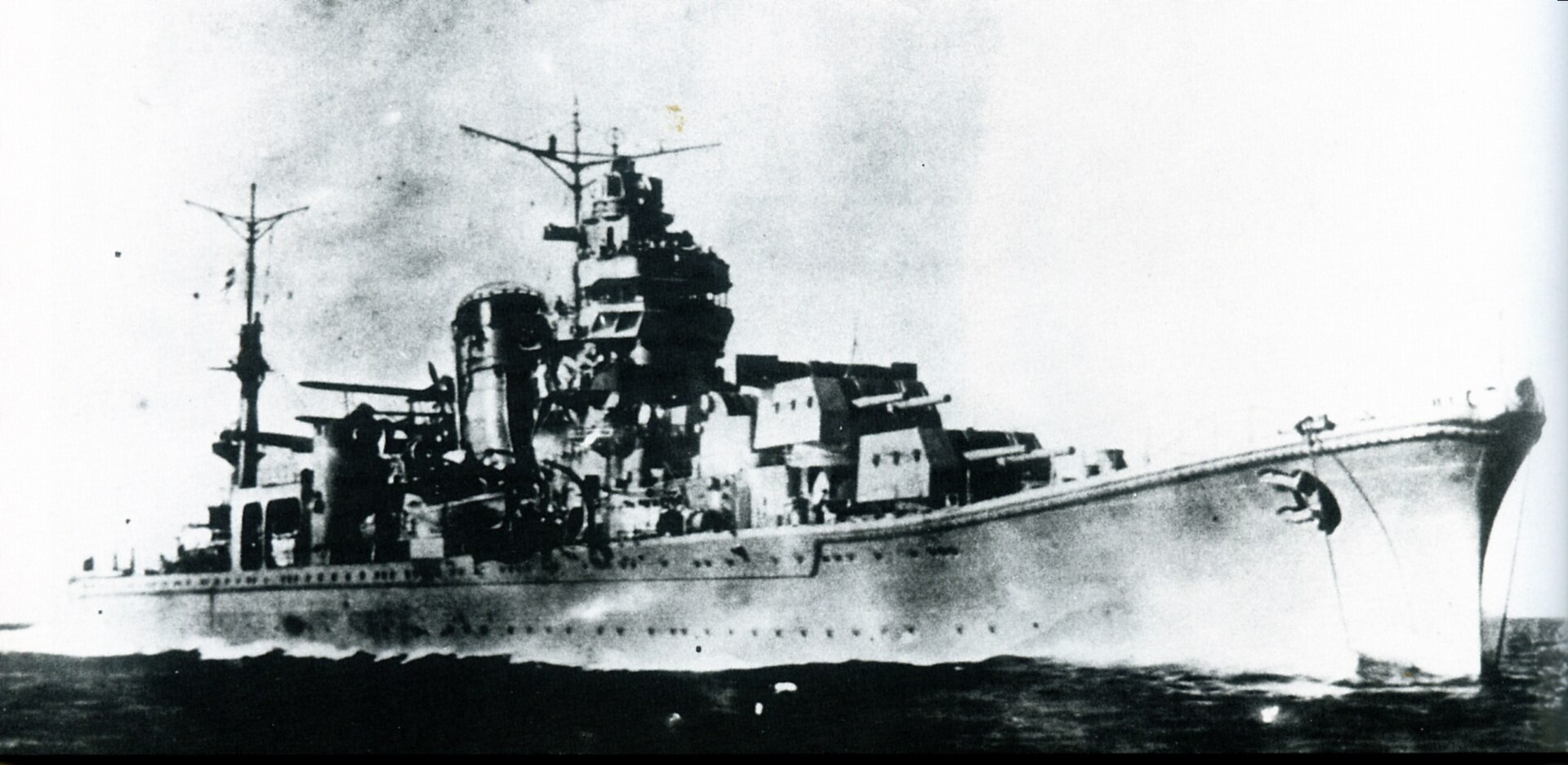
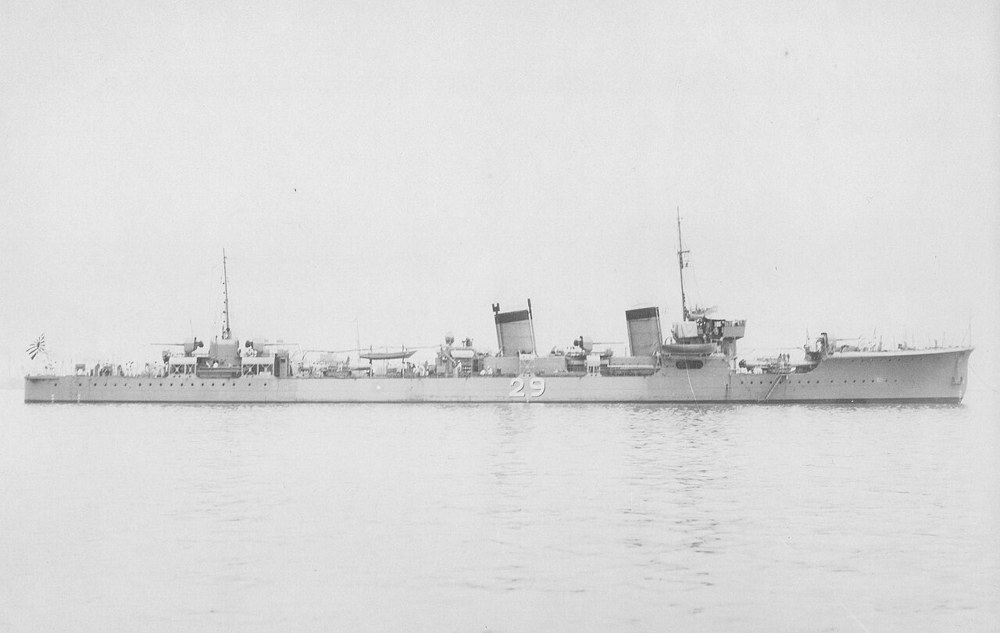
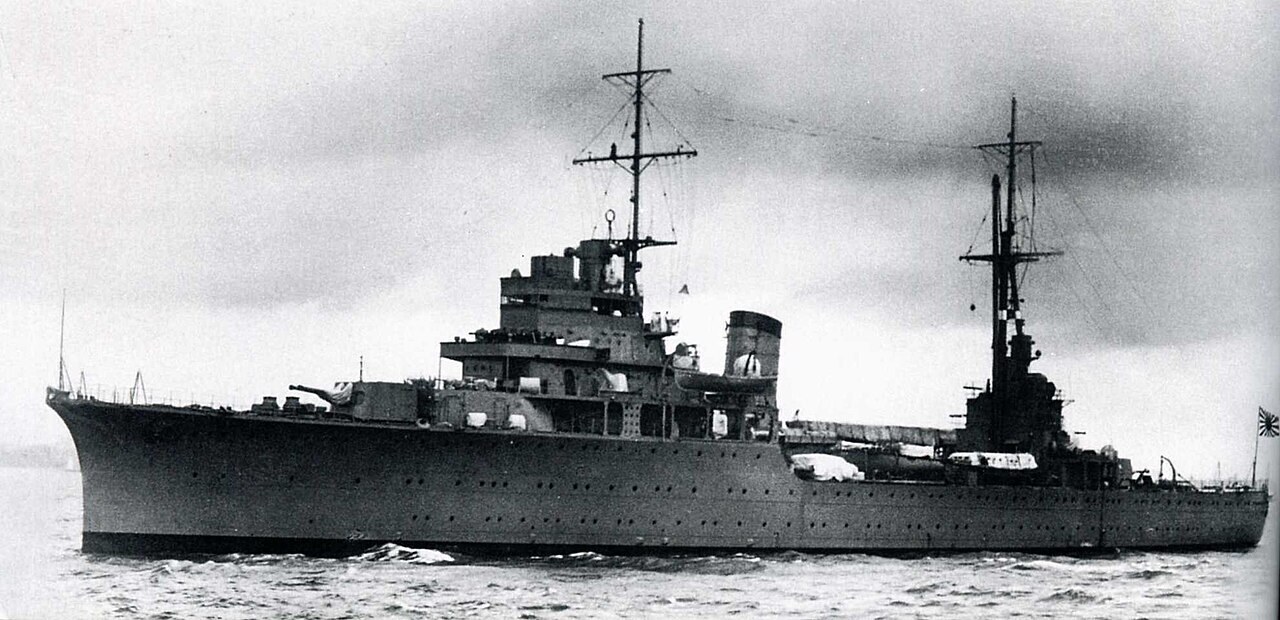
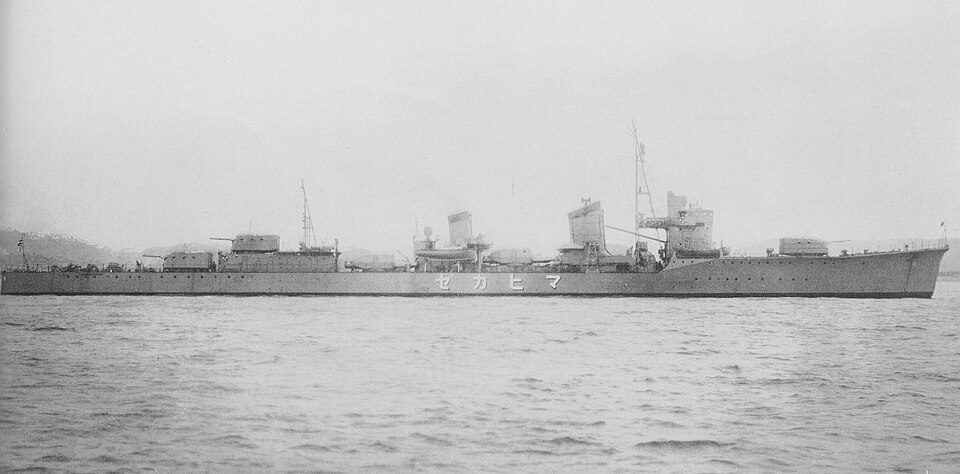
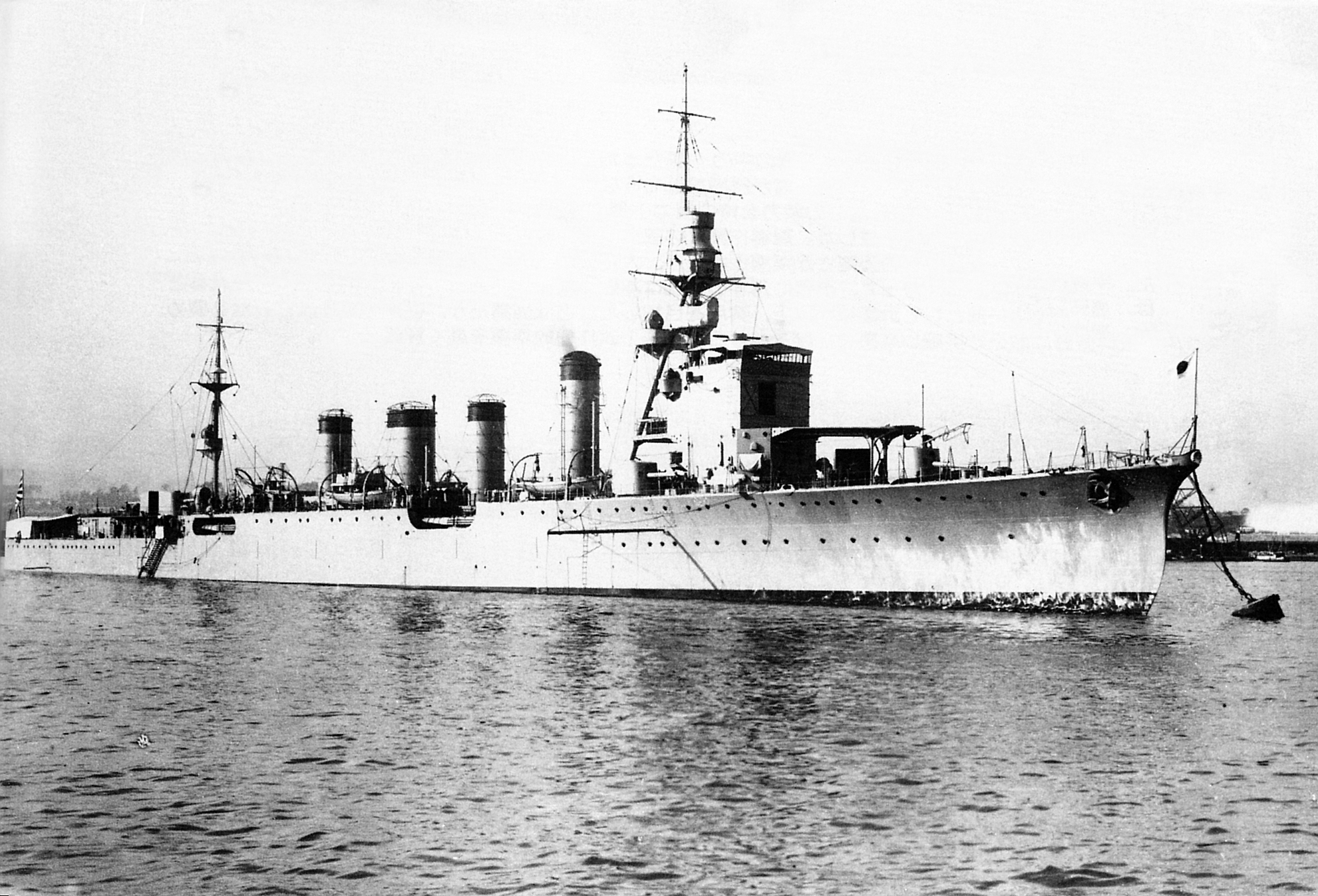
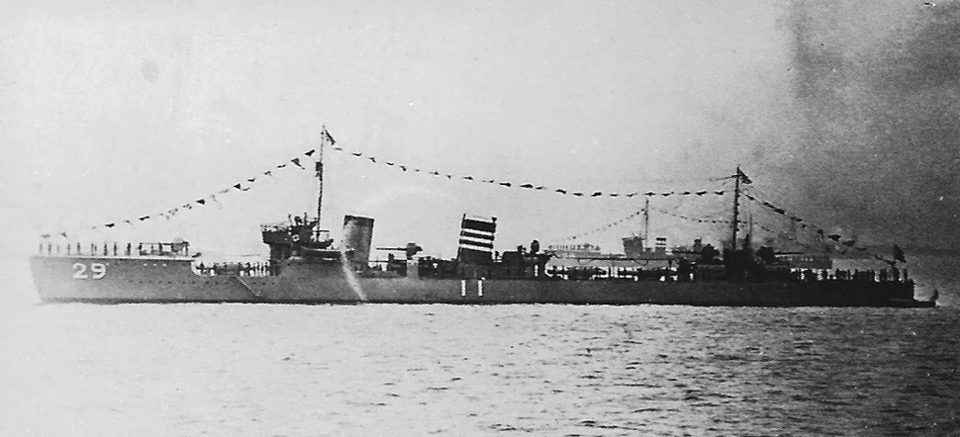
By the second and third strikes the Japanese ships were trying to escape through North Pass. One group, the training cruiser Katori, the armed merchant cruiser Akagi Maru, the destroyers Maikaze and Nowaki and the trawler Shonan Maru No. 15, drew strike after strike. Akagi Maru was sunk, Enterprise dive bombers left Maikaze dead in the water, and Katori was hit and set on fire.
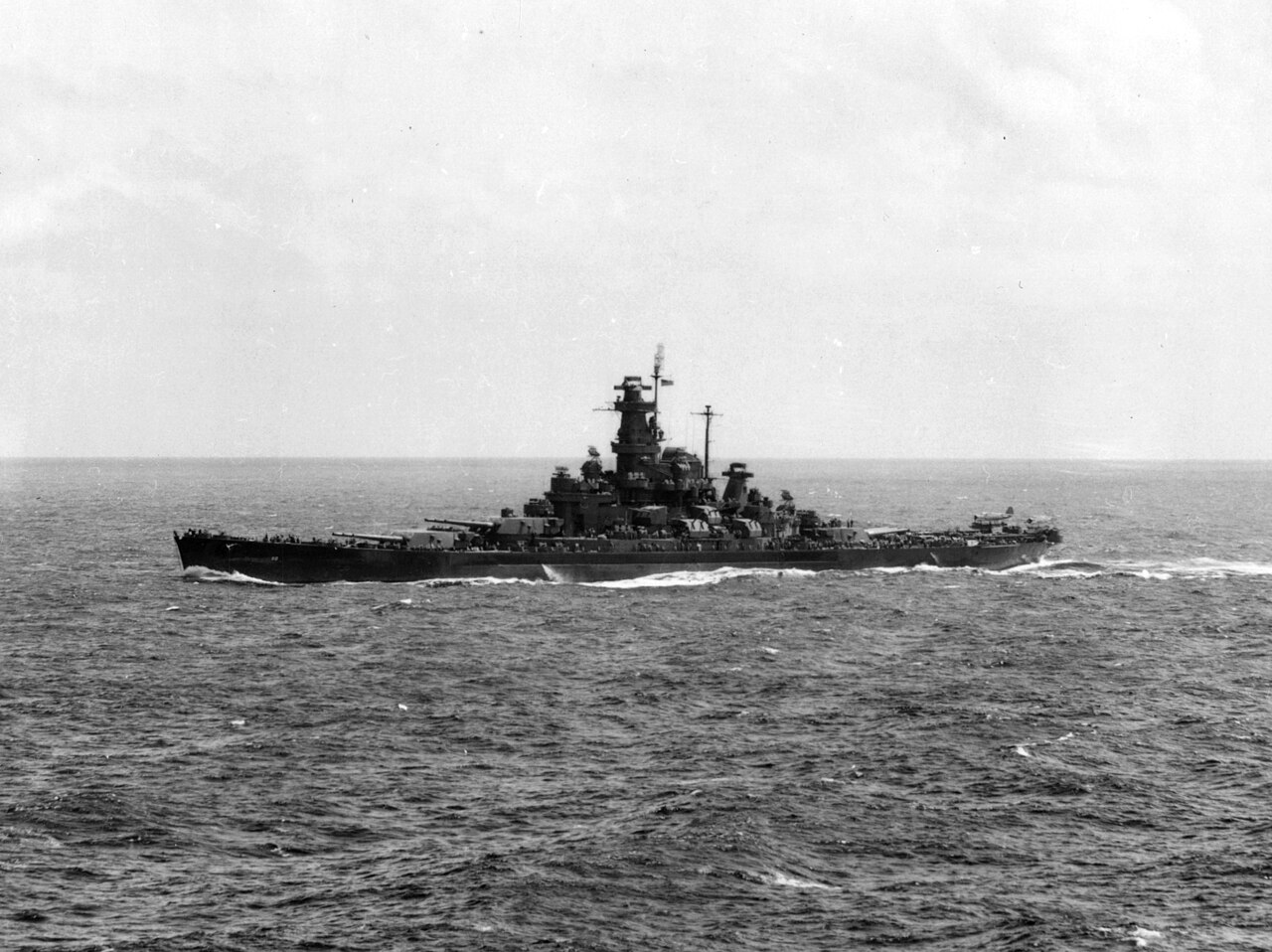
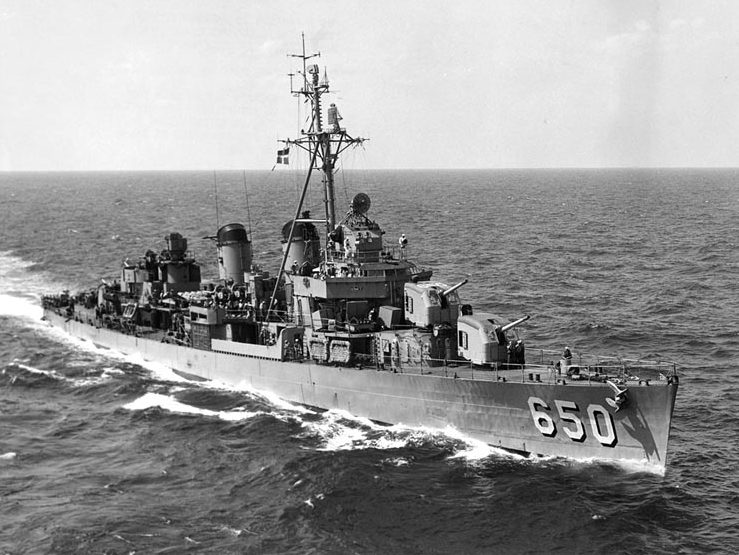
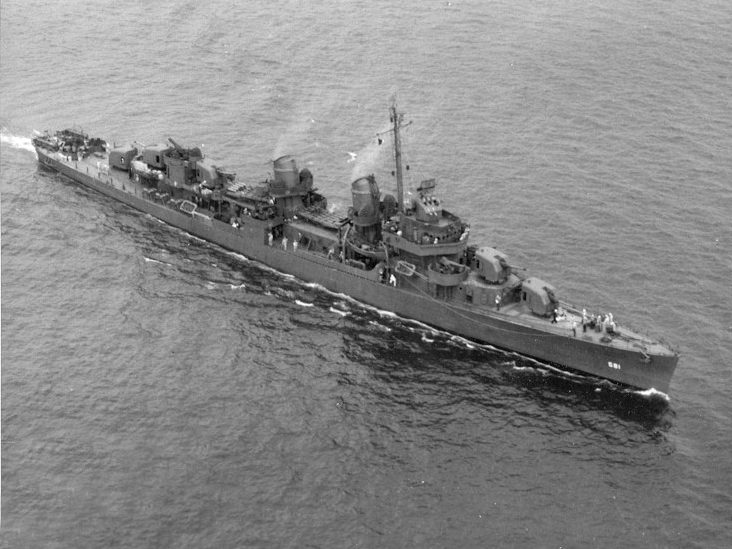
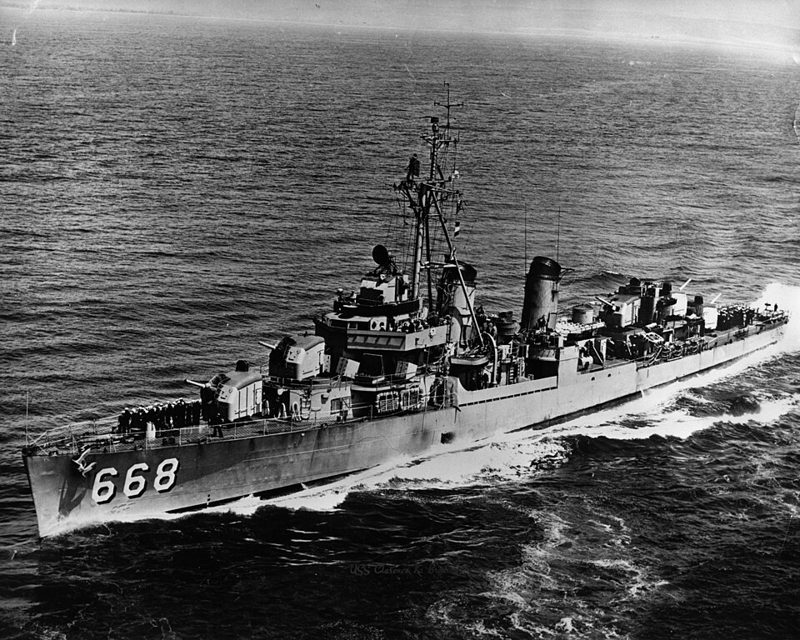
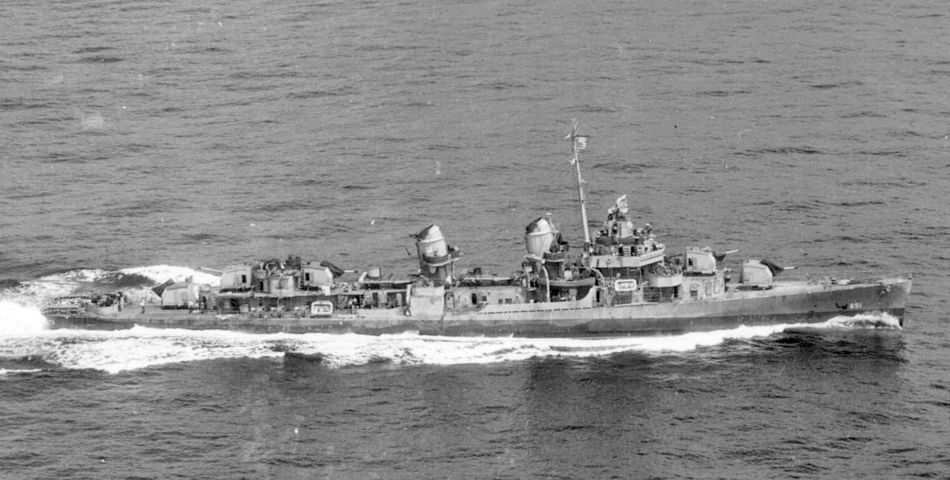
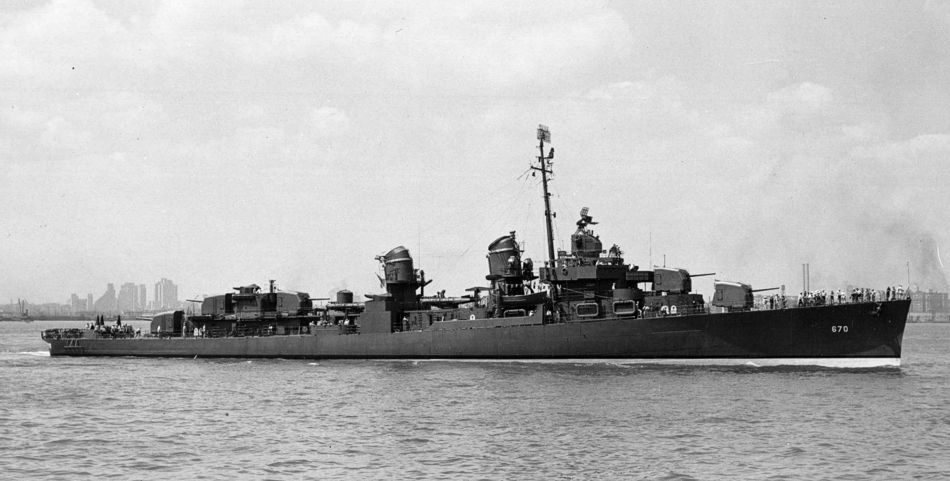
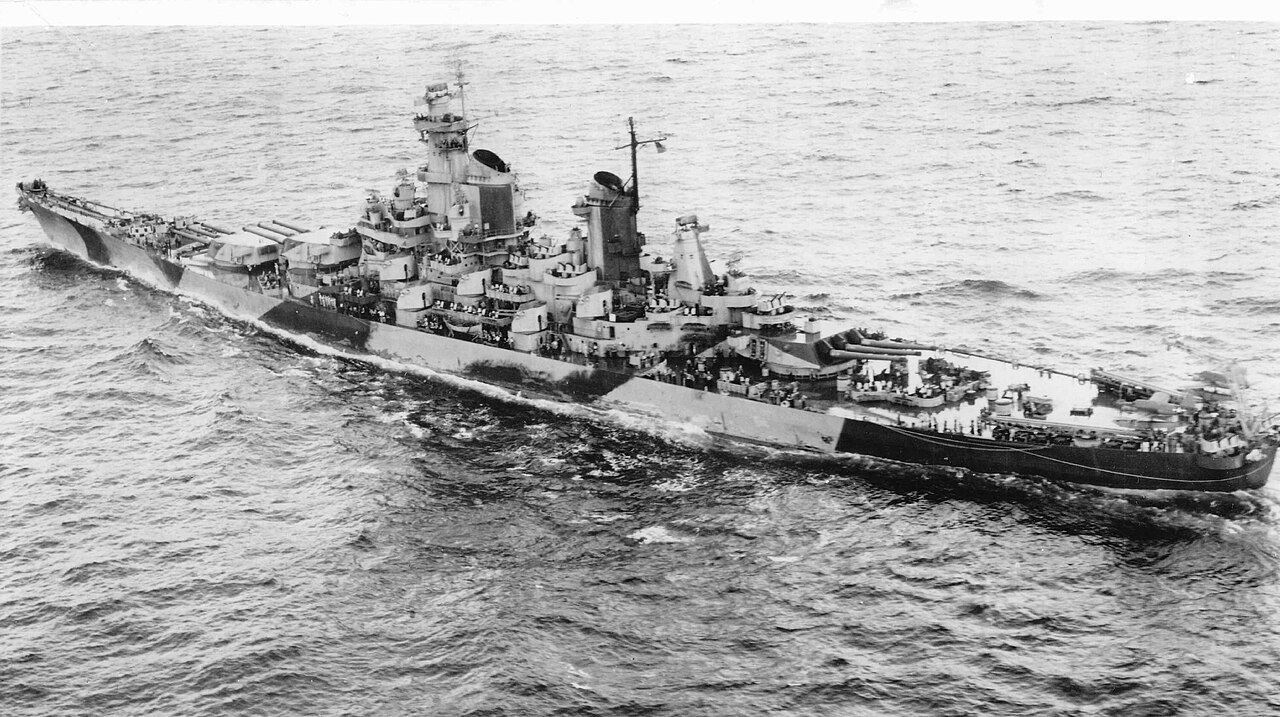
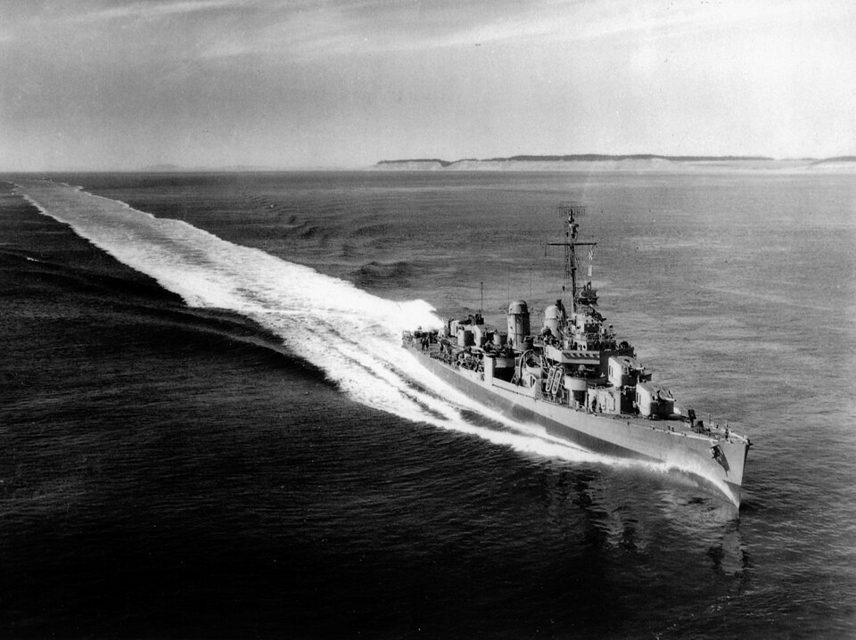
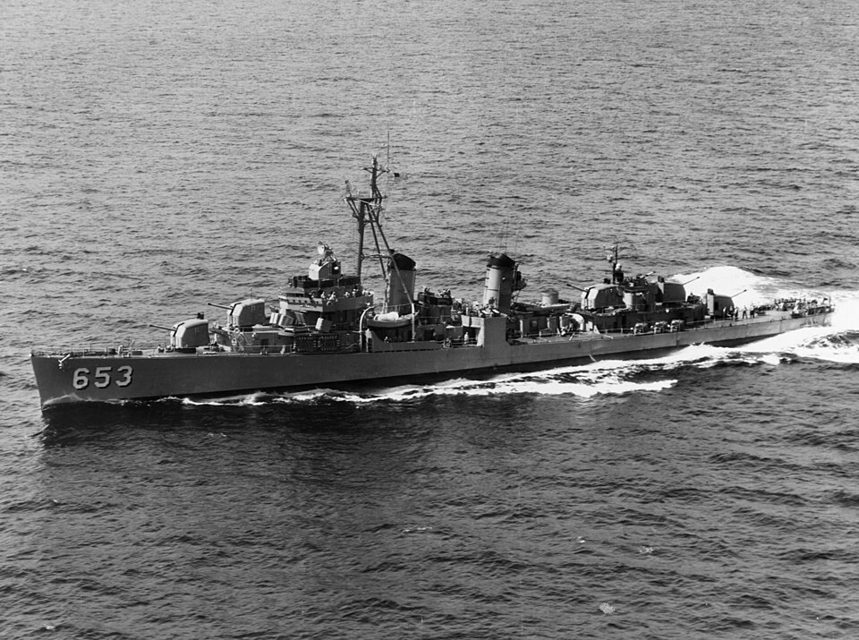
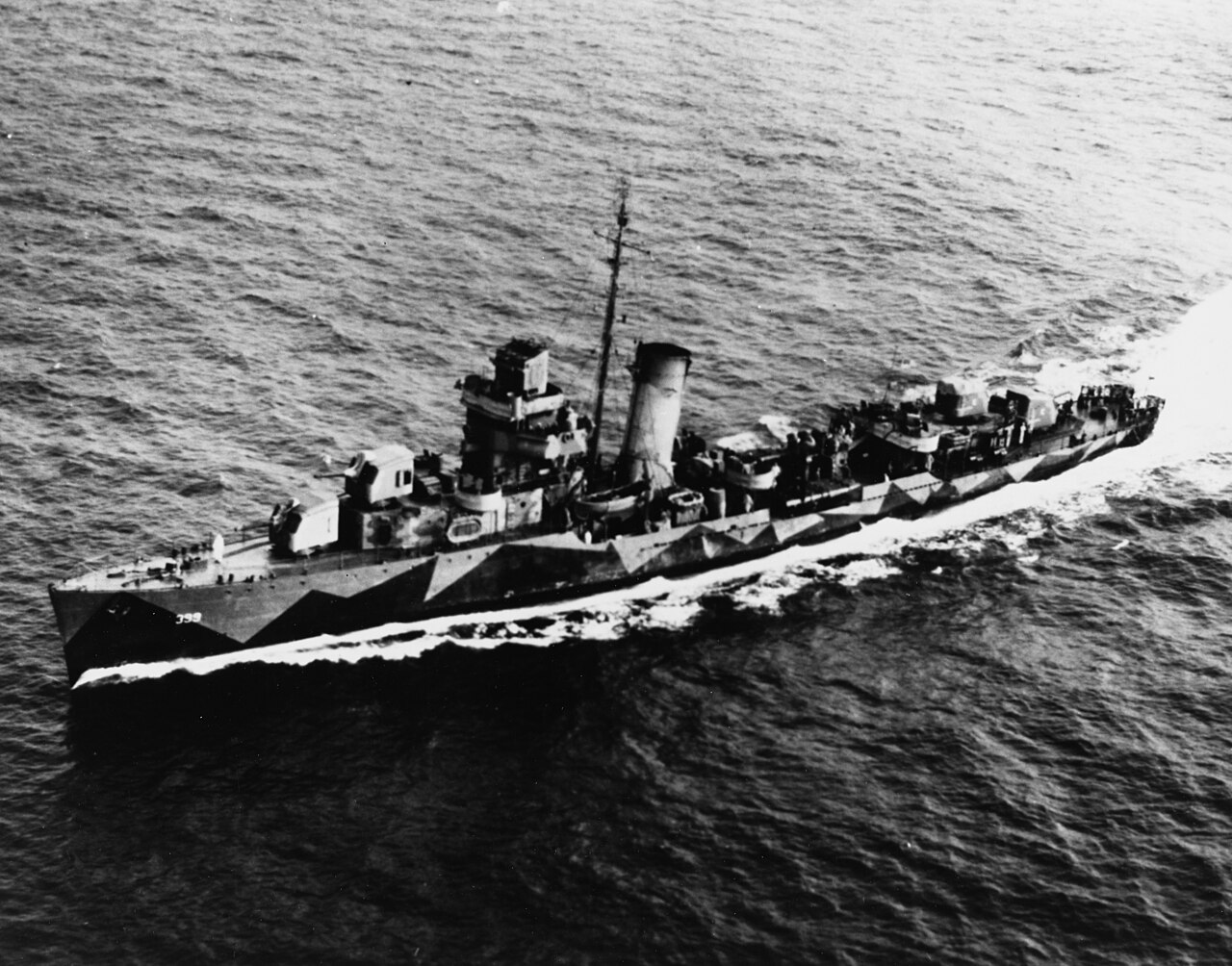
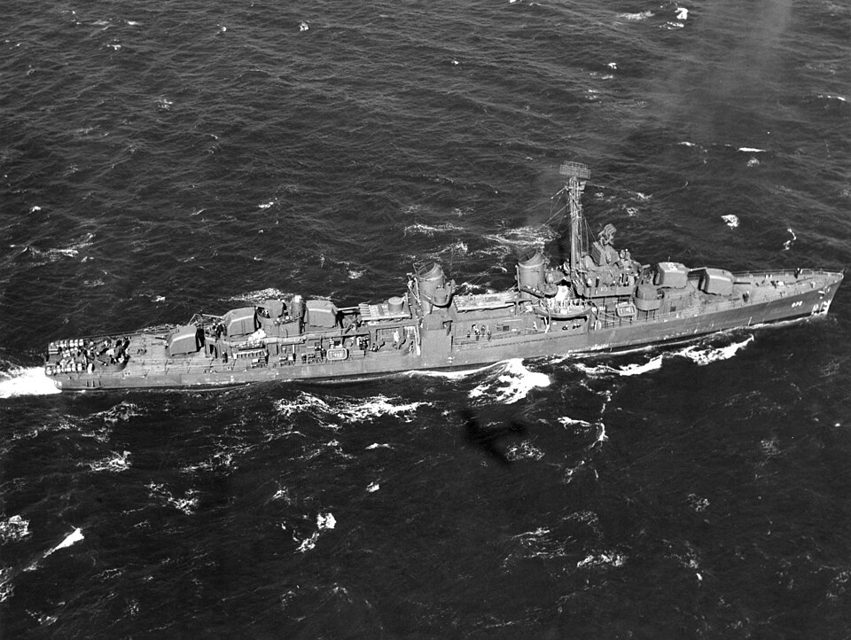
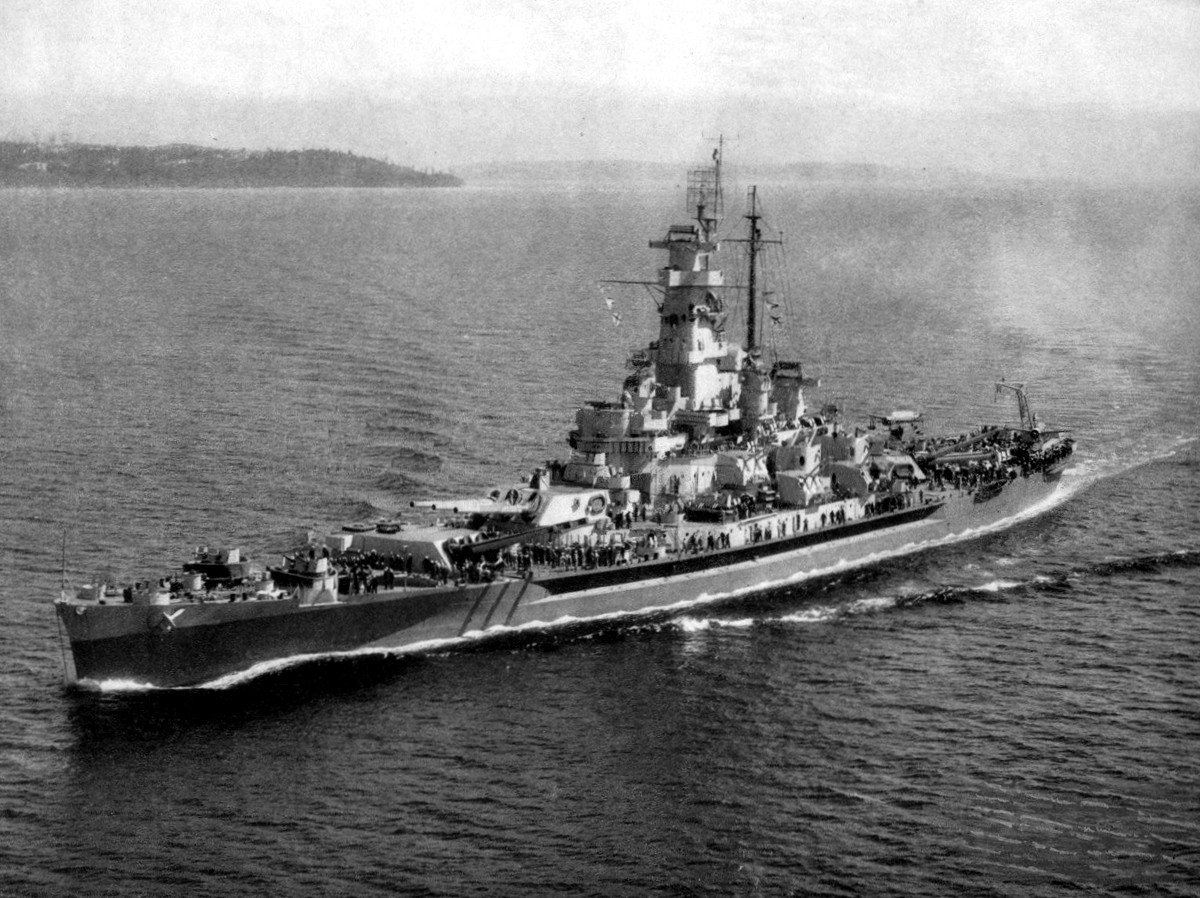
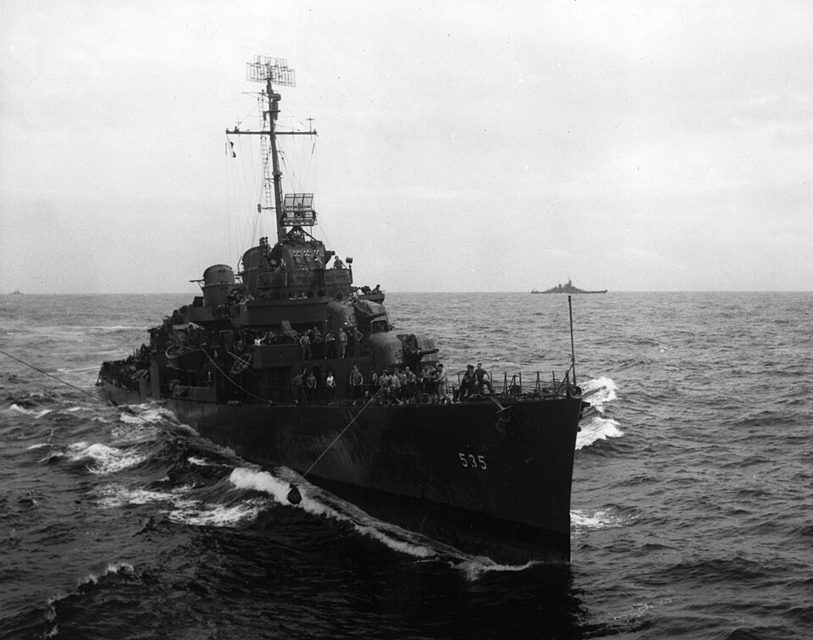
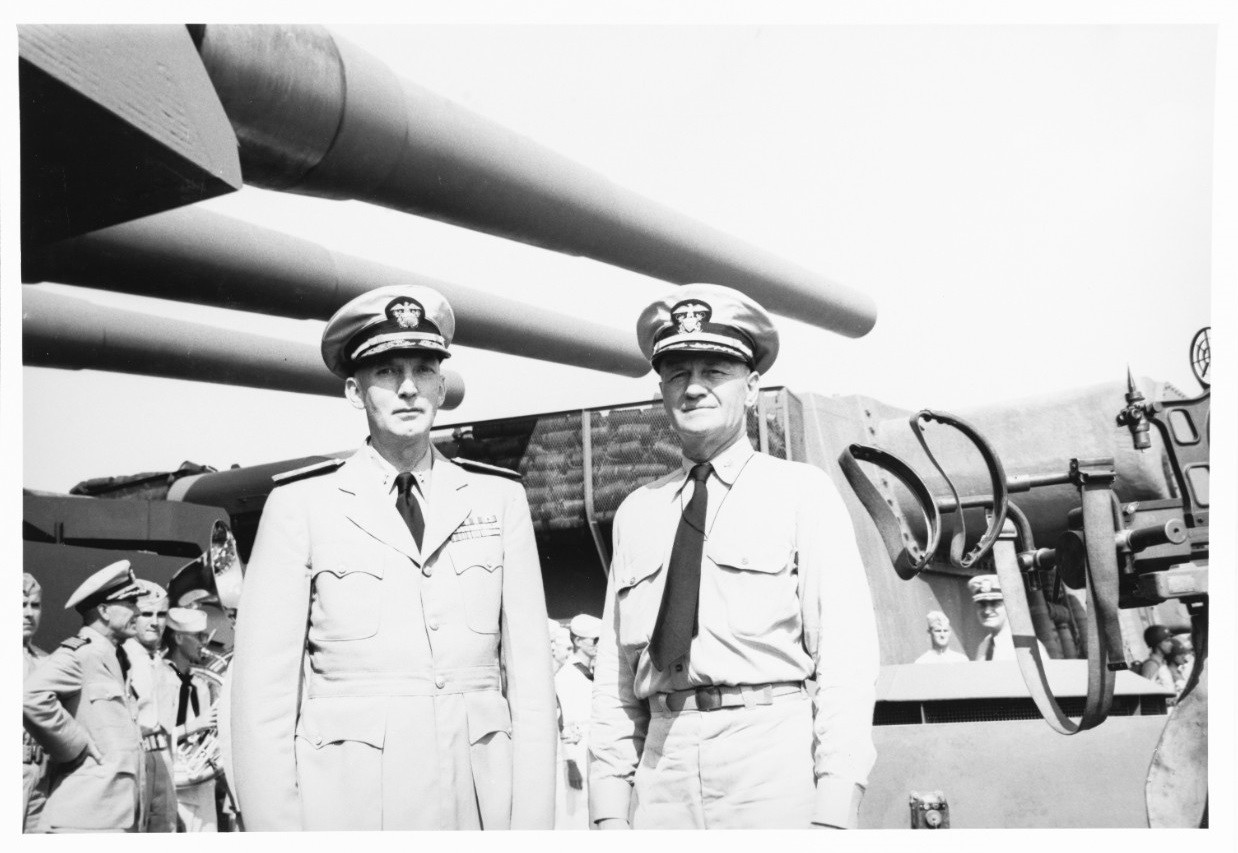
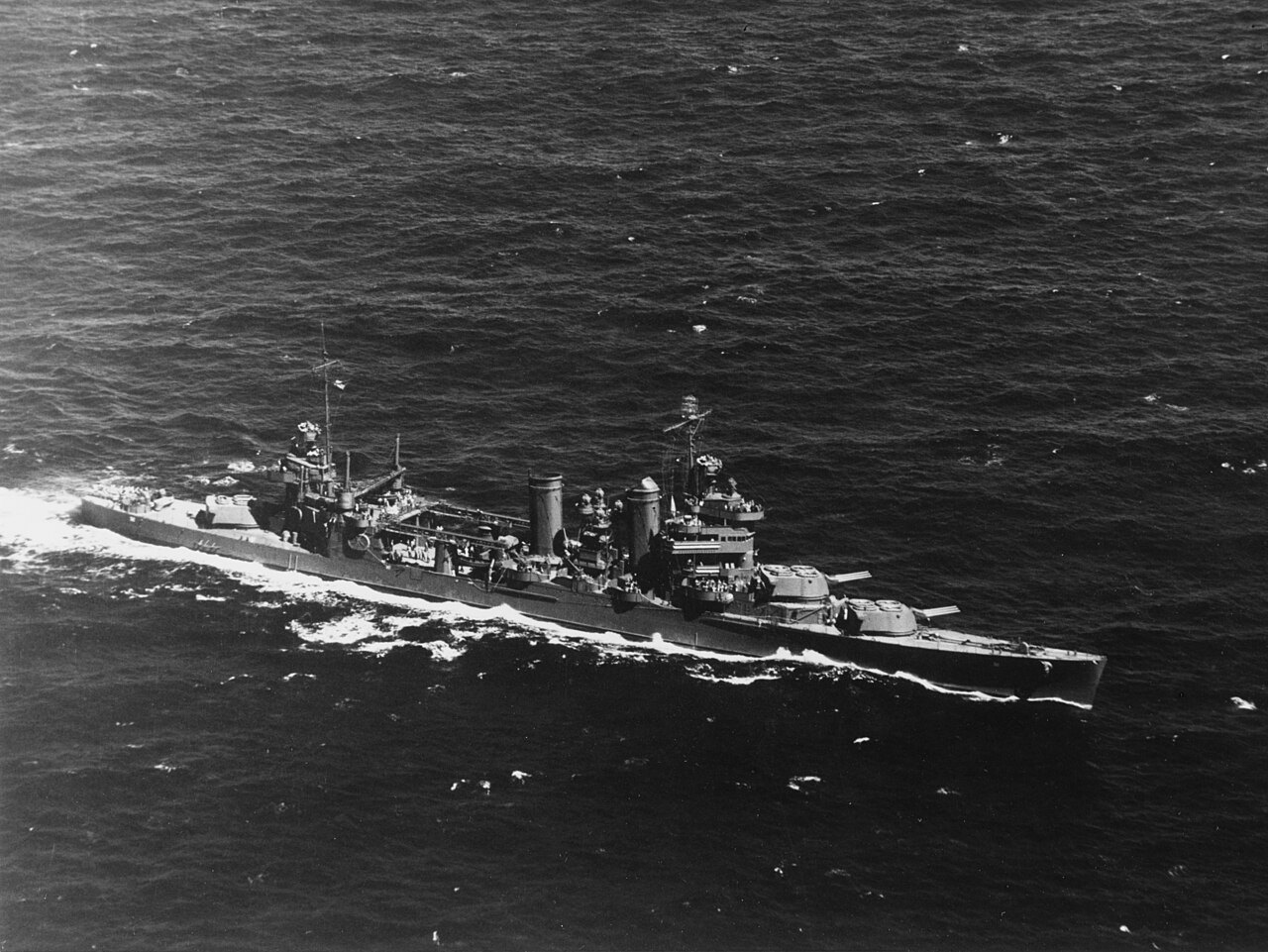
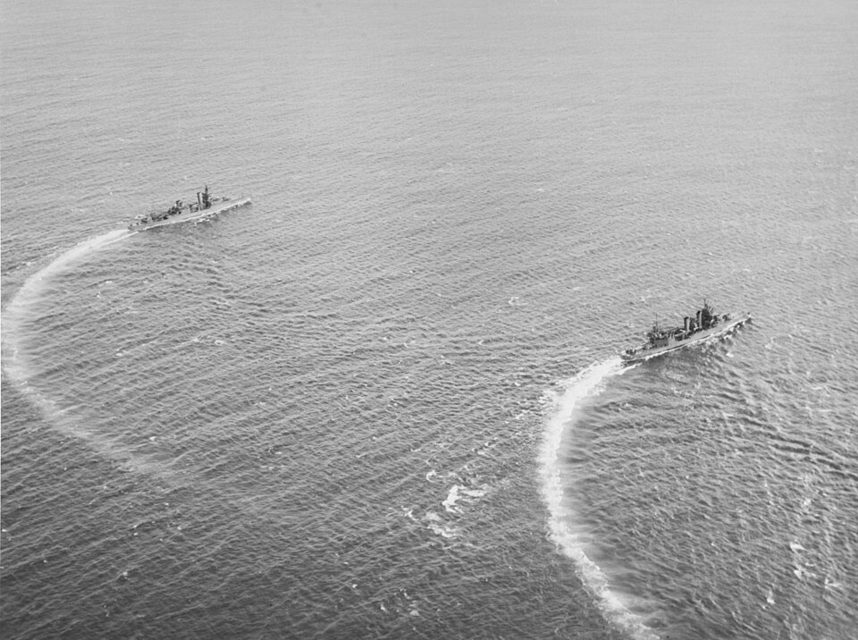
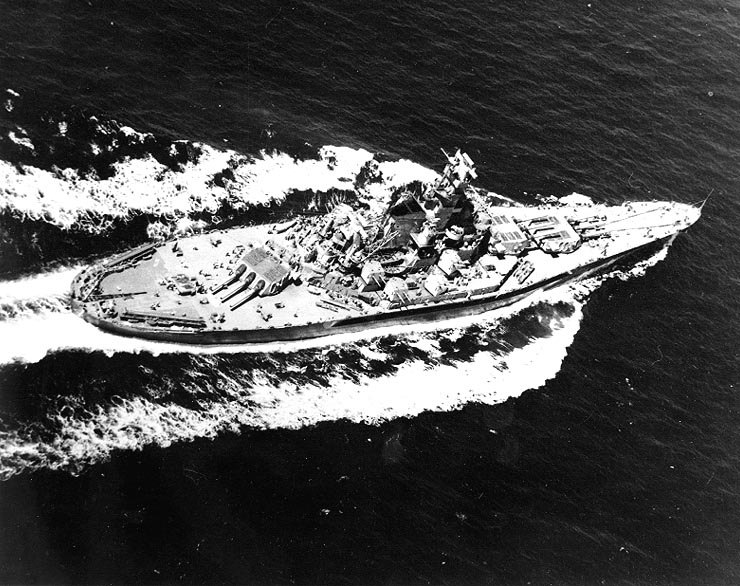
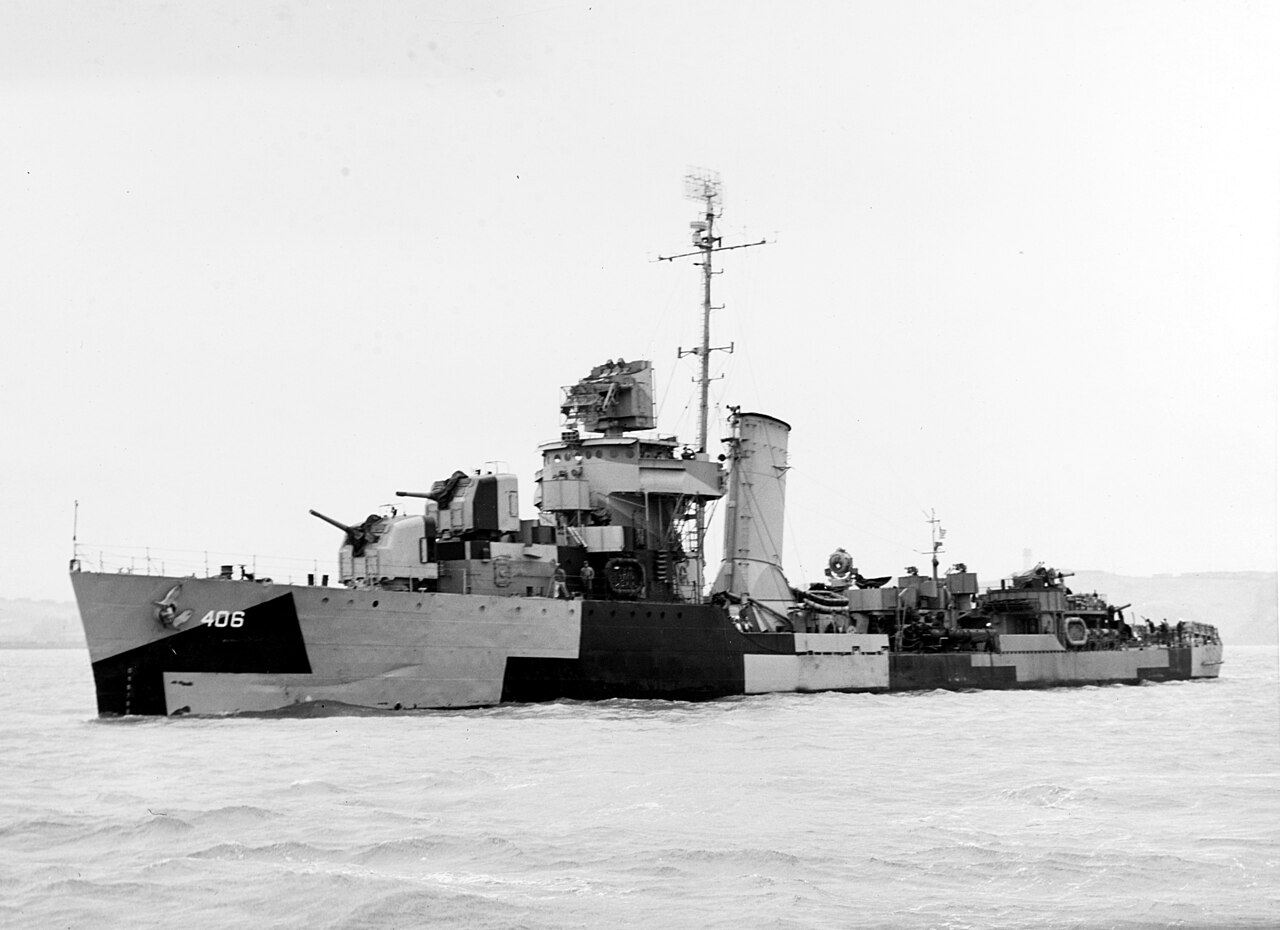
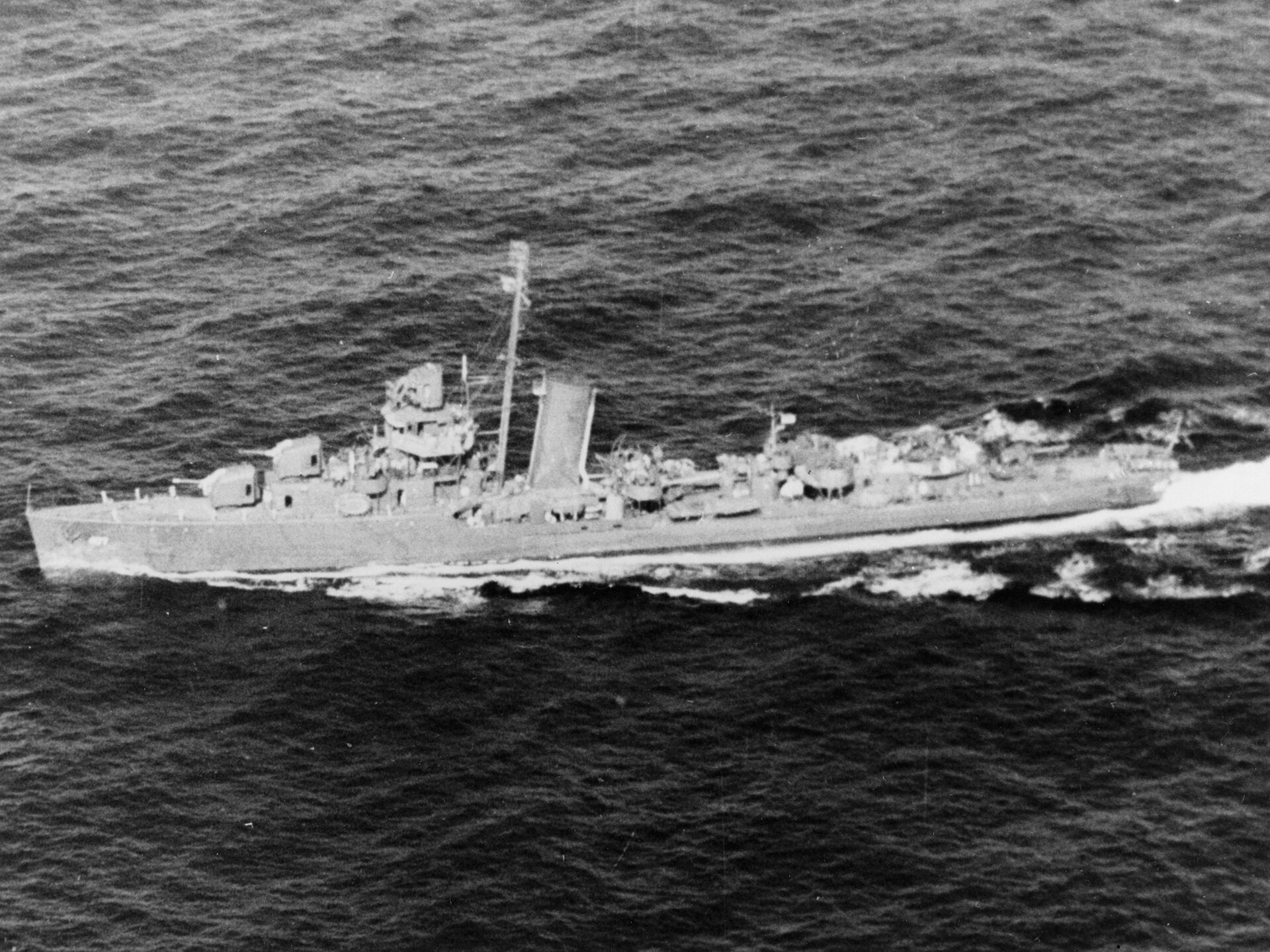
Spruance wanted a surface fight. Mitscher called his planes off, and Spruance took tactical command of Task Group 50.9, the new battleships Iowa and New Jersey, the heavy cruisers Minneapolis and New Orleans, and four destroyers, and led it around the atoll. Maikaze fired torpedoes at New Jersey, and they missed. New Orleans and Minneapolis with their 8-inch guns, New Jersey's 5-inch guns and the destroyer Bradford sank Maikaze with all hands, the commander of Destroyer Division 4 among them. Iowa finished Katori with her main battery, and the trawler was sunk too. Nowaki ran through the fire and got away with only minor damage, from a 16-inch straddle by New Jersey at some 35,700 yards. Wikipedia says it was the only time Iowa and New Jersey fired their main guns at enemy ships. Some of Spruance's staff thought it a needless risk, when the planes could have done the work.
The other warships
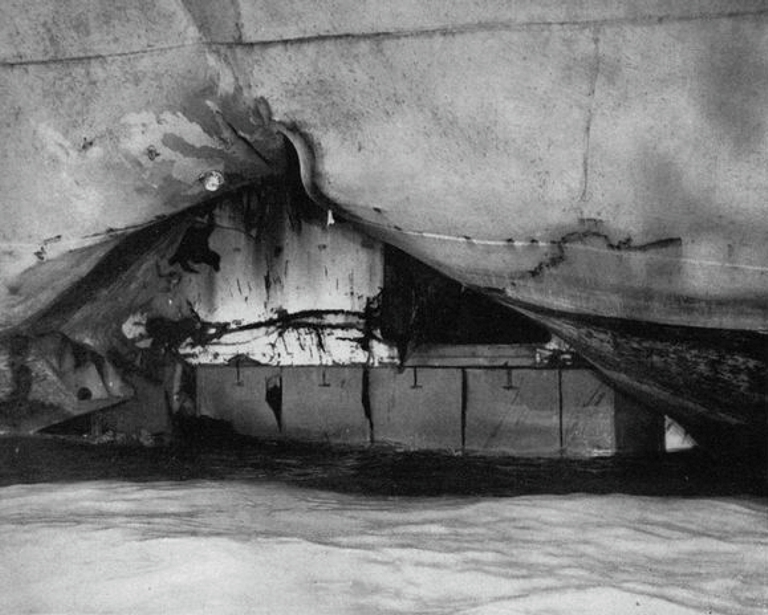
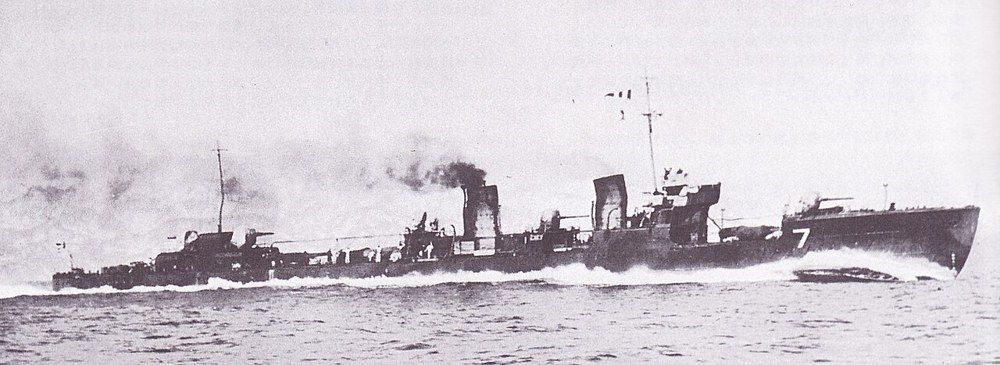
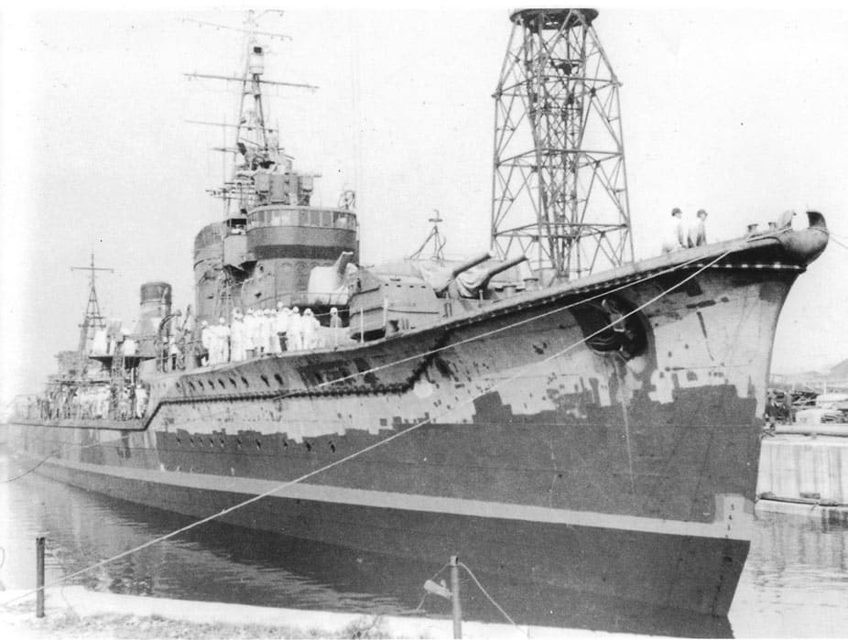
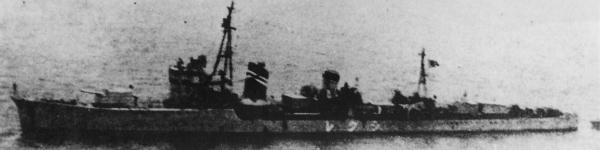
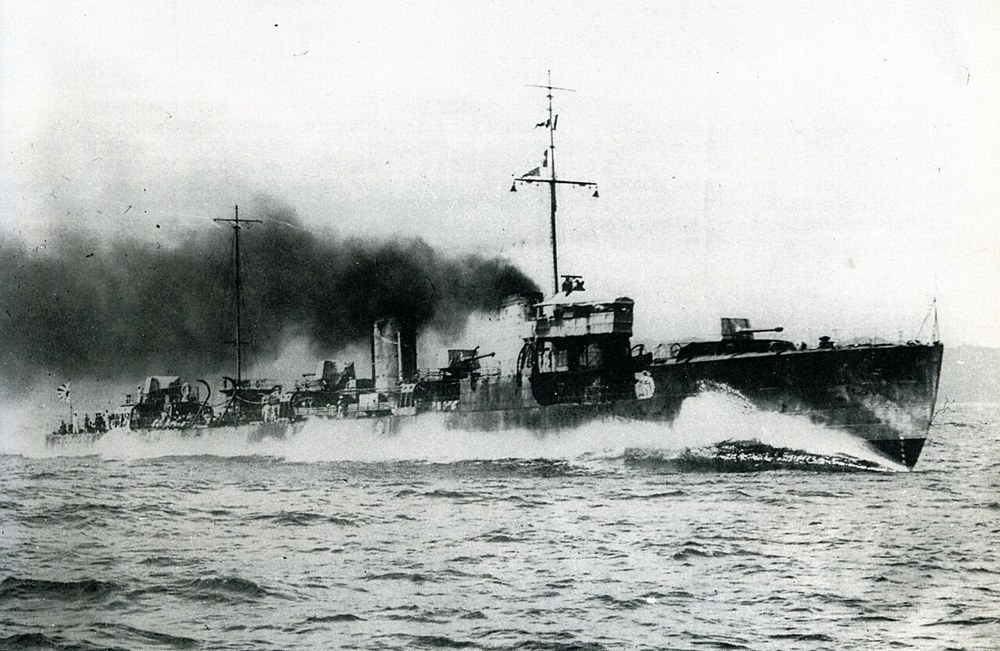
The light cruiser Naka, which had just left Truk, was attacked about 35 miles west of the lagoon by three waves of planes from Bunker Hill and Cowpens. In the third she took a torpedo and a bomb and broke in two. About 240 of her men died, and 210 were rescued. Fumizuki was disabled by a near miss and sank the next day with 29 dead. Tachikaze, aground at Kuop since 4 February, was strafed and torpedoed and sank by the stern. Oite, coming back with Agano's survivors, was torpedoed off the lagoon and broke in half. Only 20 of her crew lived, and all 523 of Agano's men were lost. The Wikipedia list drawn from Jeffery also counts Matsukaze, Shigure, the repair ship Akashi and the seaplane tender Akitsushima among the ships damaged.
The night attack on Intrepid
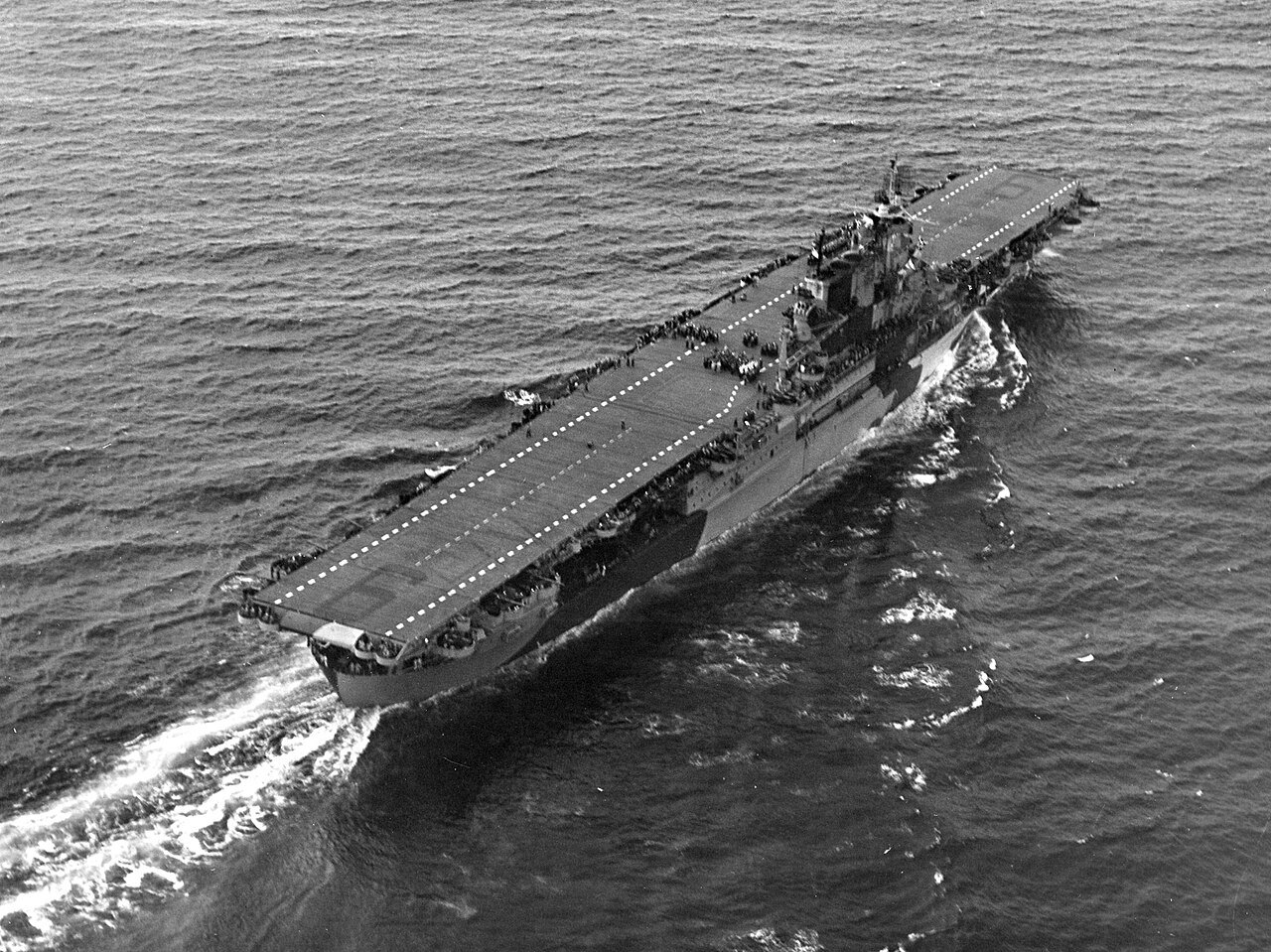
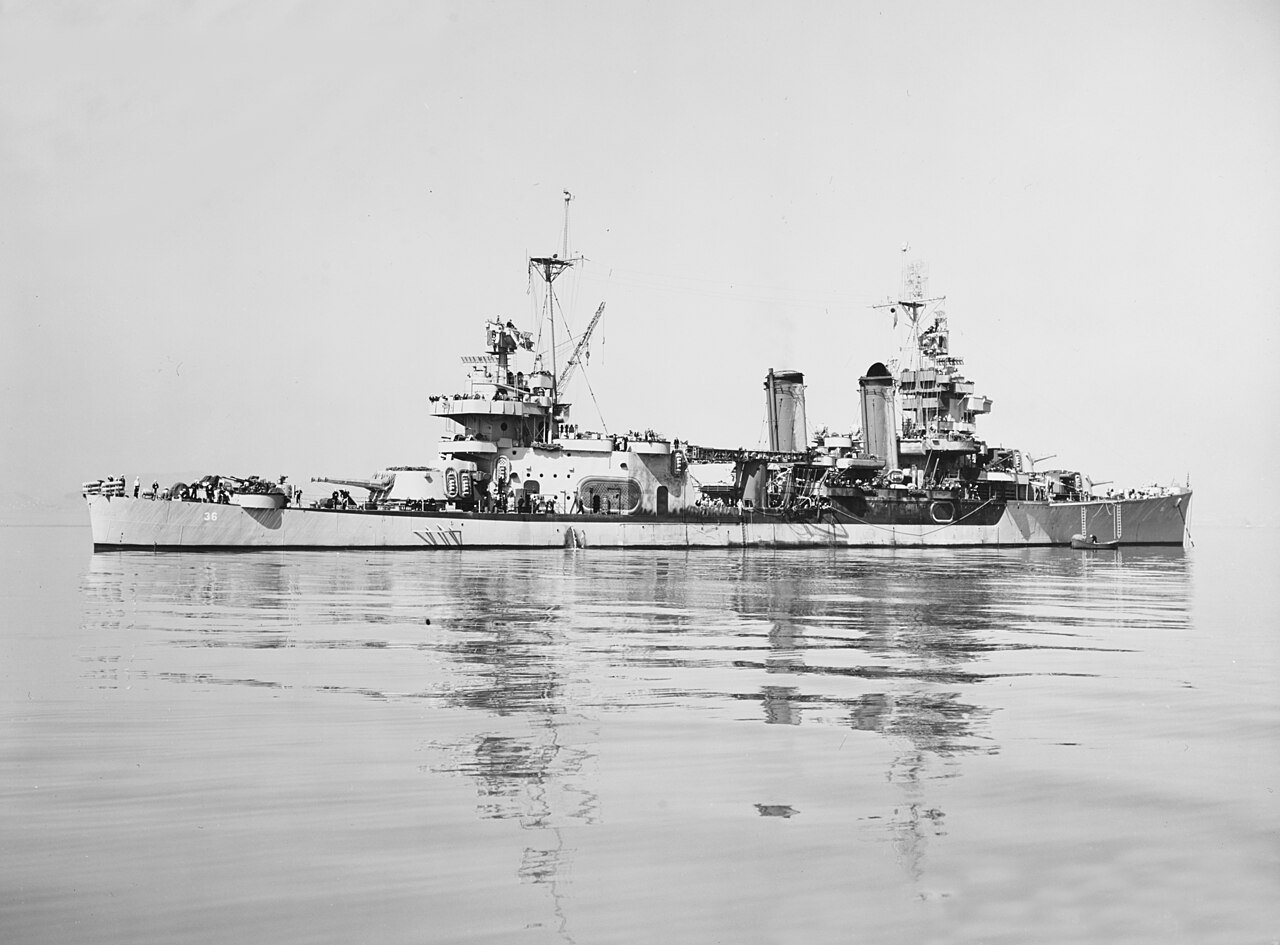
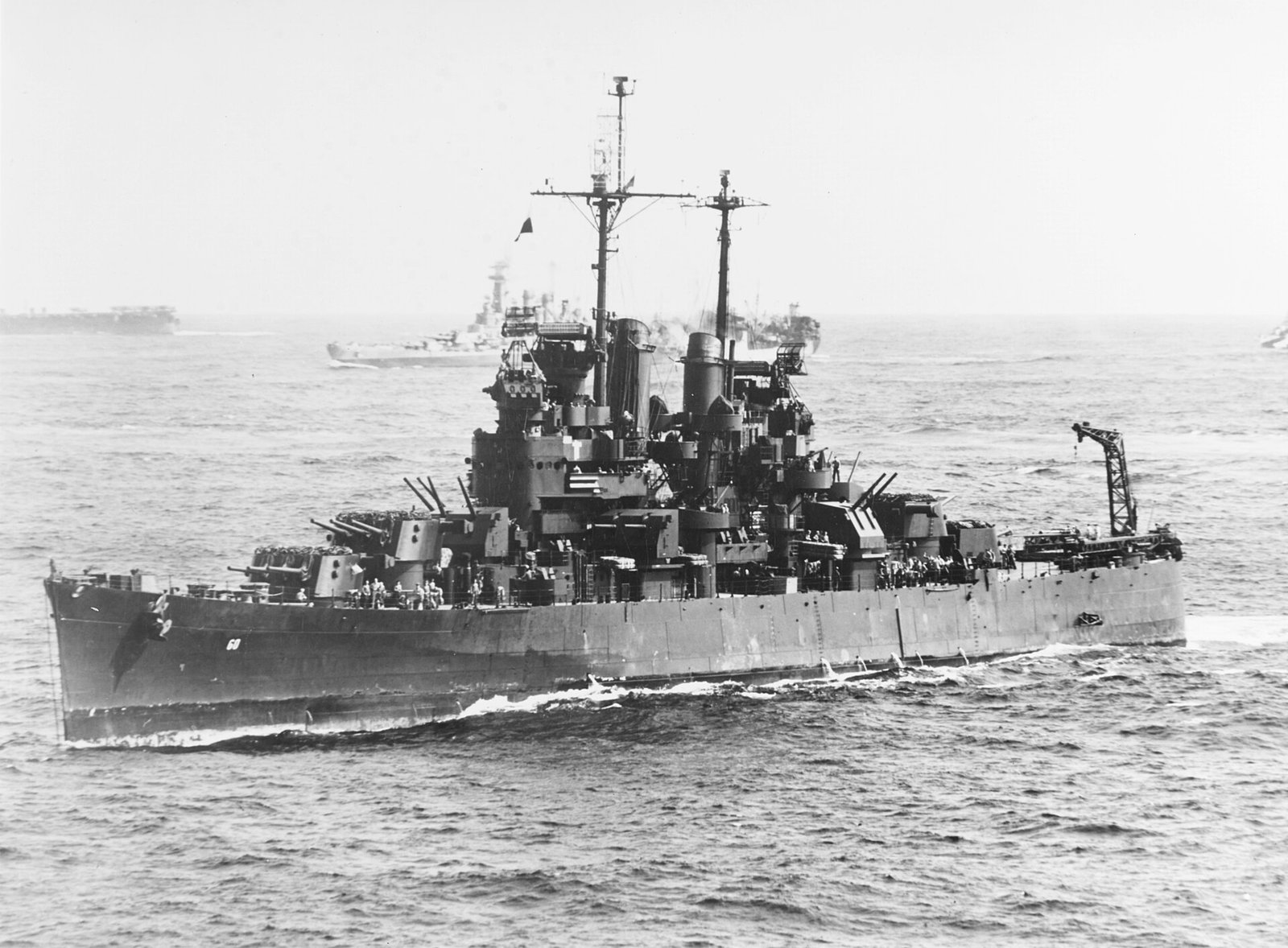
From about 9 p.m. on the 17th until just after midnight, small groups of Japanese bombers probed the task groups. One torpedo bomber of the 755th Air Group got through to Task Group 58.2 and hit Intrepid on the starboard quarter. The torpedo jammed her rudder and killed 11 men. She steered for a time with her engines and then with a sail rigged from scrap canvas, reached Pearl Harbor on 24 February, and did not return to combat until August. San Francisco was one of the ships that escorted her east.
What it cost
The Japanese lost almost 200,000 tons of shipping at Truk, including several fleet oilers they could not replace, and some 17,000 tons of stored fuel. The ships sunk there were nearly a tenth of all Japanese shipping lost between November 1943 and June 1944. Wikipedia counts more than 4,500 Japanese killed and 250 or more aircraft destroyed. The Americans lost 25 aircraft and about 40 men: 29 aircrew and the 11 sailors in Intrepid. The Japanese commander, Vice Admiral Masami Kobayashi, was blamed and relieved two days later.
After Hailstone
Truk was never again a major fleet base. It was left behind, bypassed rather than invaded, and bombed again by the carriers at the end of April and by aircraft for the rest of the war. Its garrison, short of food and medicine, grew its own crops and waited for a landing that never came. The garrison surrendered aboard Portland on 2 September 1945. The ships sunk in the lagoon now draw divers to Truk from around the world.
Where the accounts differ
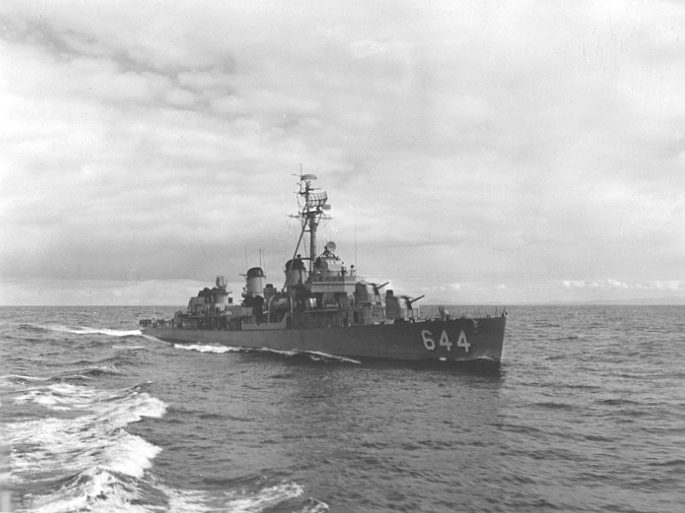
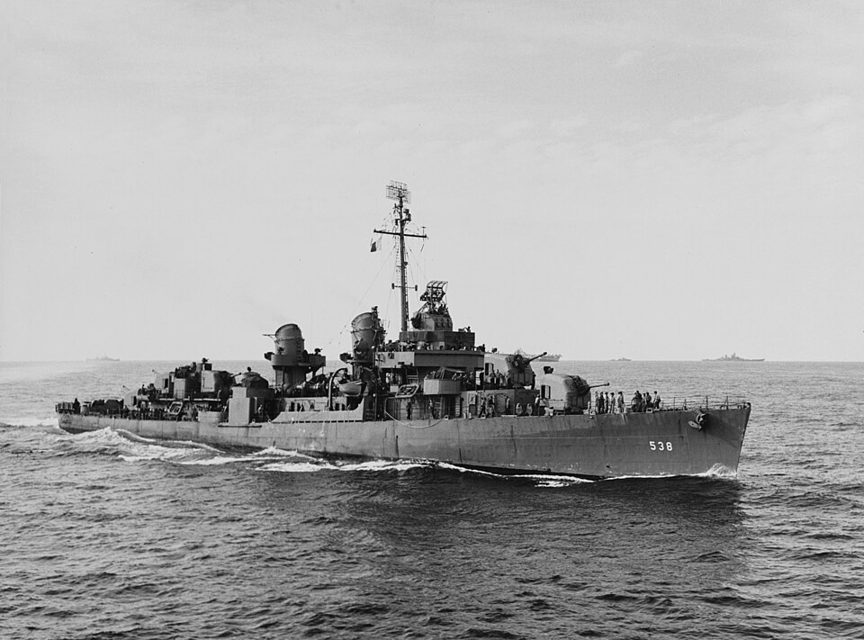
Wikipedia's text says seven battleships, its infobox and the NavWeaps order of battle say six. The four destroyers of Task Group 50.9 are not named in one list in any source read: Izard's and Charrette's DANFS histories place them in the sweep, the Katori article names Bradford and Burns, and the caption of the museum photograph of the burning Katori credits New Orleans, Minneapolis, Radford and Burns with sinking her, while Wikipedia credits Iowa. Radford's own DANFS history says she was screening the tankers on the 18th. San Francisco's DANFS history puts the torpedoing of Intrepid on the night of 16-17 February; Wikipedia and Intrepid's article say 17-18 February. Oite's loss is dated 17 February in one Wikipedia article and 18 February in another. The Commons descriptions of some of the Intrepid strike photographs are dated 16 February. NavWeaps also lists the destroyer Yamagumo at Truk; no other source read places her there, and she is not counted on this page.