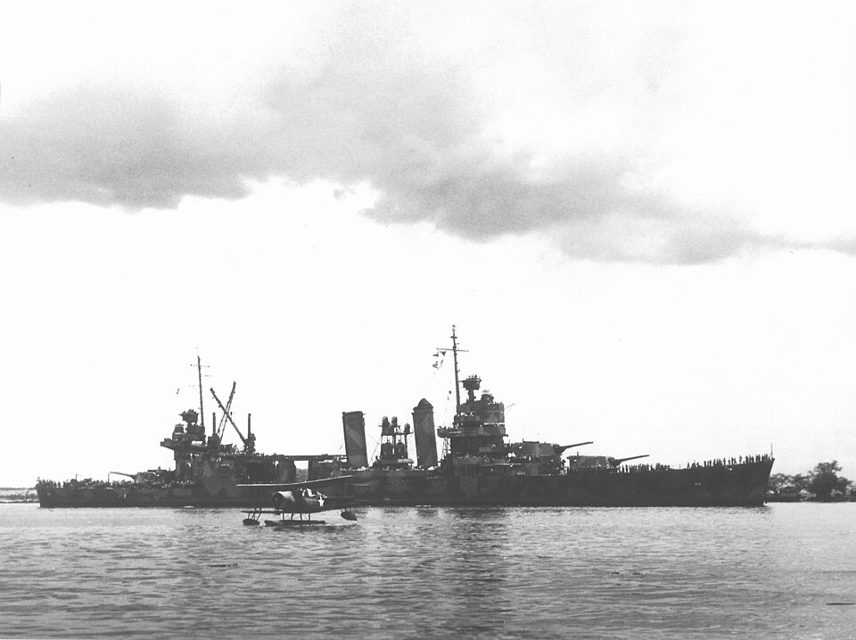
The Doolittle Raid of 18 April 1942 was the first American air attack on the Japanese home islands. Sixteen U.S. Army B-25B Mitchell bombers, led by Lieutenant Colonel James H. Doolittle, took off from the aircraft carrier Hornet (CV-8) far out in the Pacific, bombed targets in six Japanese cities, and flew on toward China. It did little damage, but it changed the way both sides fought the next months of the war.
The idea
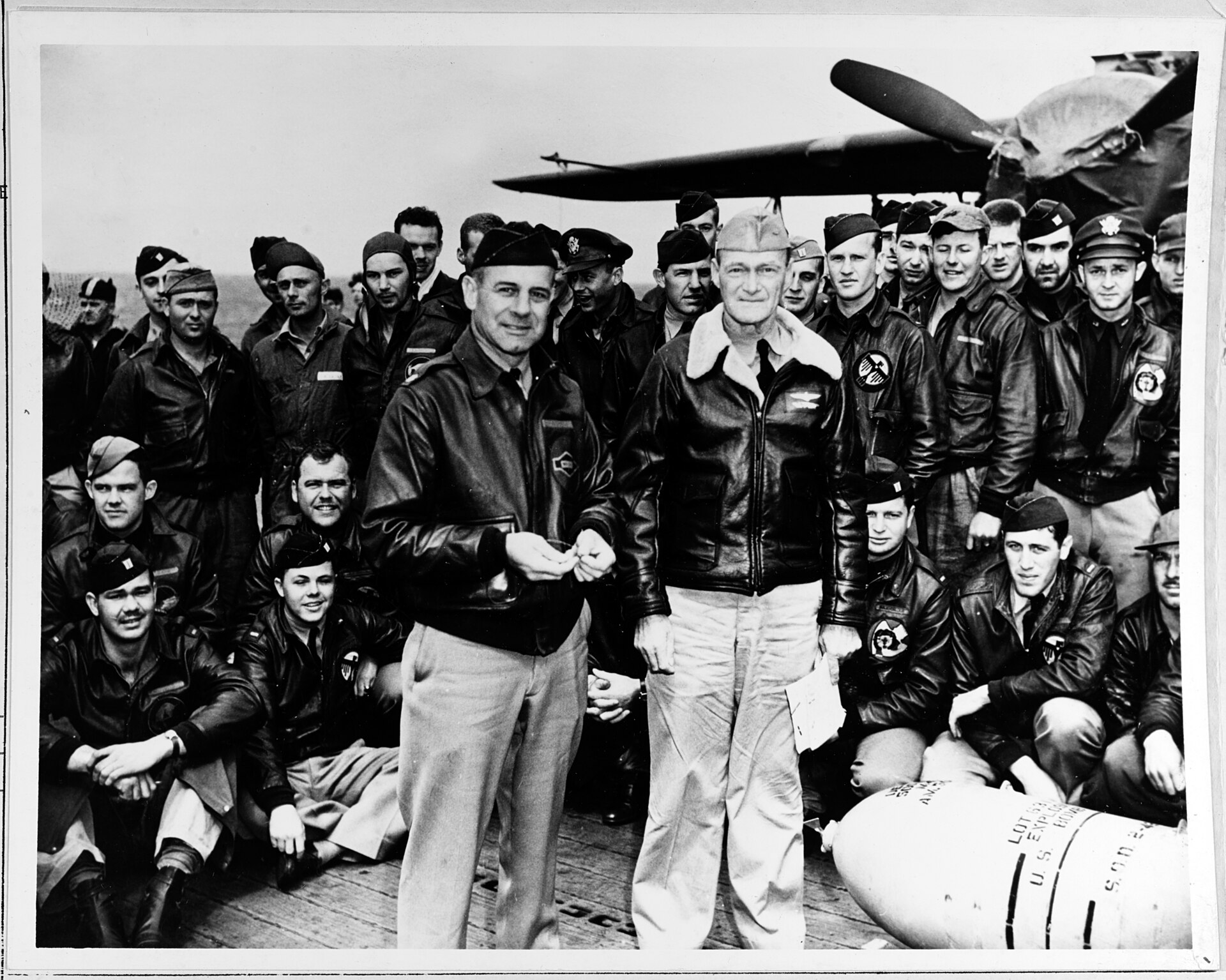
After Pearl Harbor, President Roosevelt pressed his chiefs to strike Japan as soon as possible, to lift American morale. In January 1942 Captain Francis S. Low, on Admiral Ernest King's staff, suggested that twin-engine Army bombers could be flown off a carrier. The B-25 was chosen and modified to carry nearly twice its normal fuel. On 3 February two B-25s were flown off Hornet at Norfolk without trouble, and the plan went ahead. The crews were volunteers from the 17th Bombardment Group and trained at Eglin Field in Florida in short take-offs, low flying and over-water navigation, with a Navy flight instructor, Lieutenant Henry L. Miller.
Because the bombers could not land back on a carrier, they were to fly on after the attack and land at airfields in eastern China, refuel, and go on to Chongqing.
Task Force 16
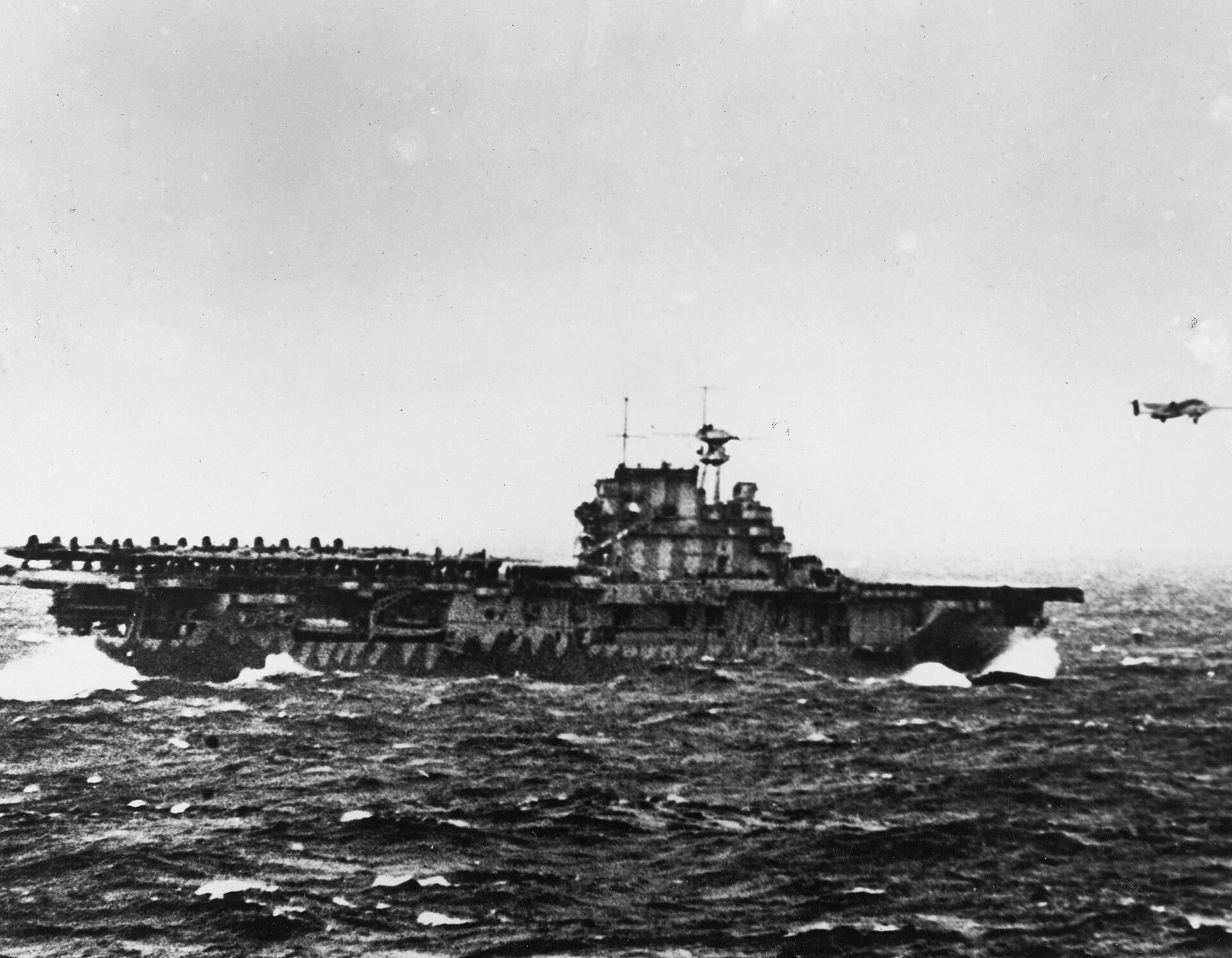
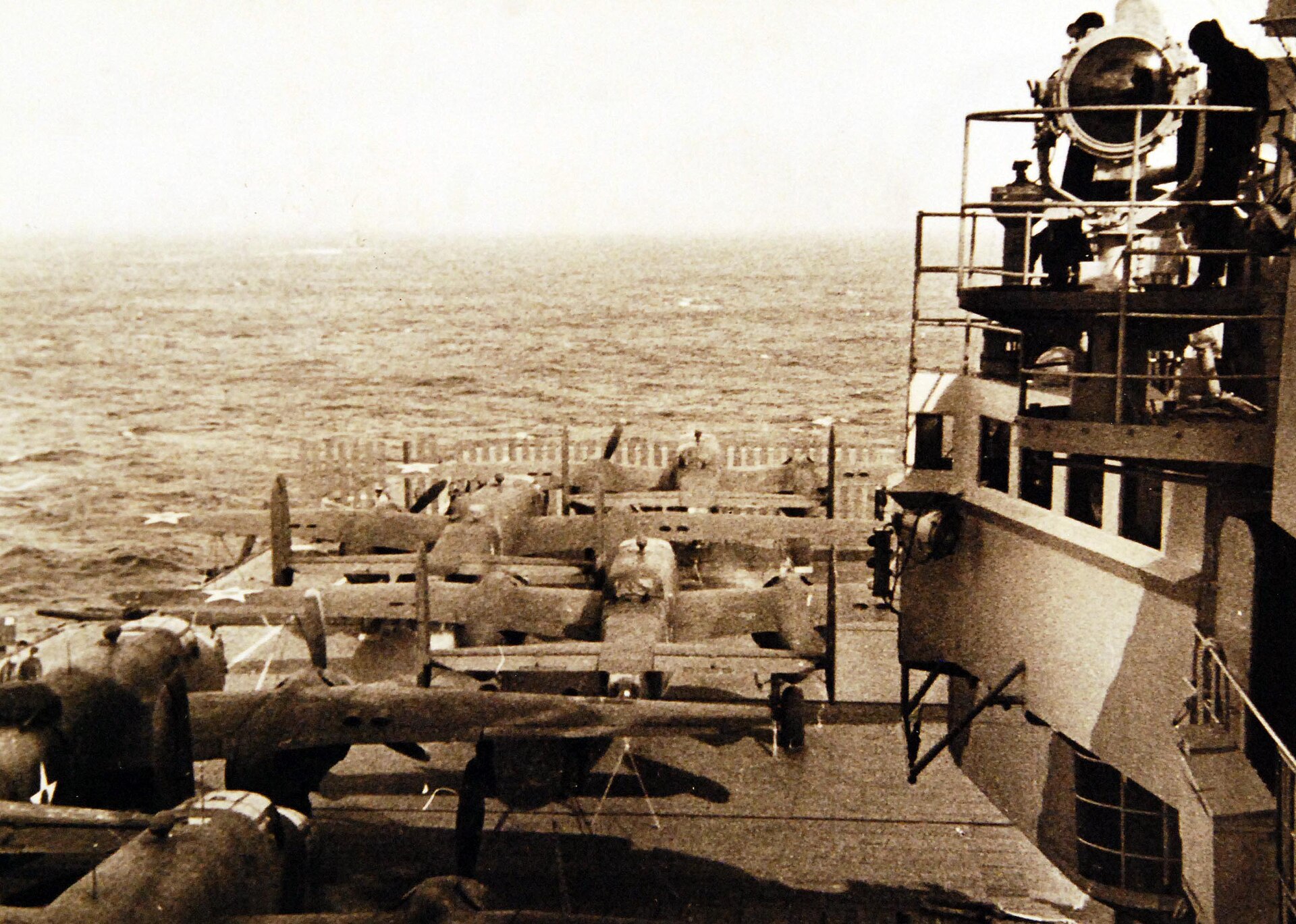
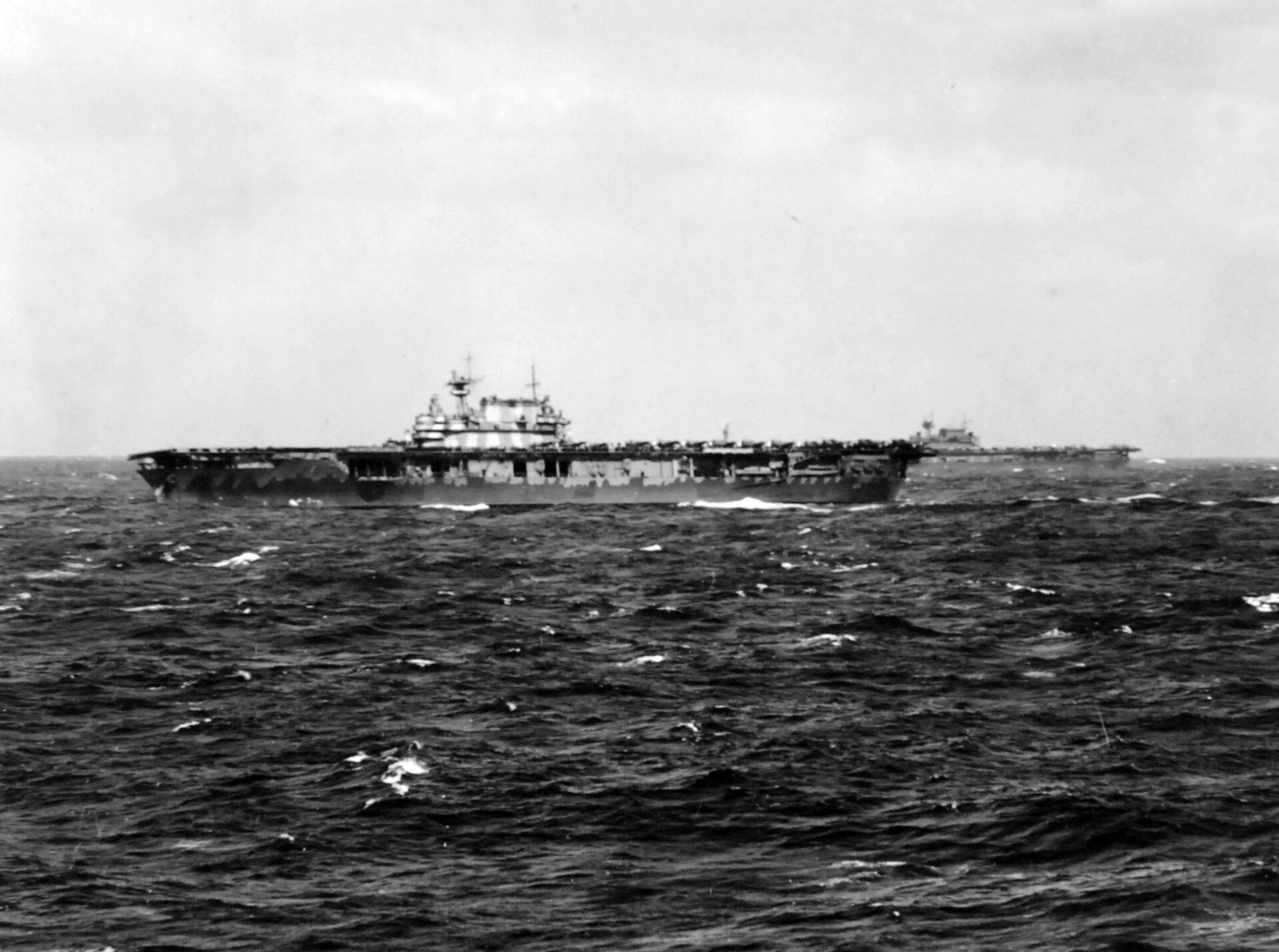
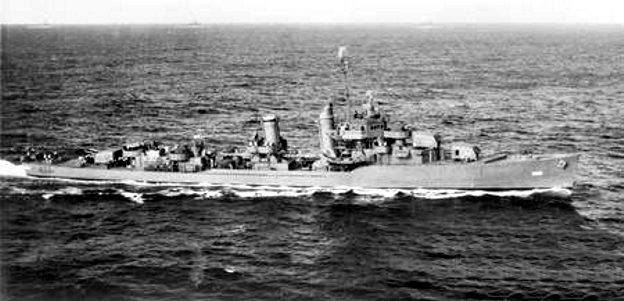
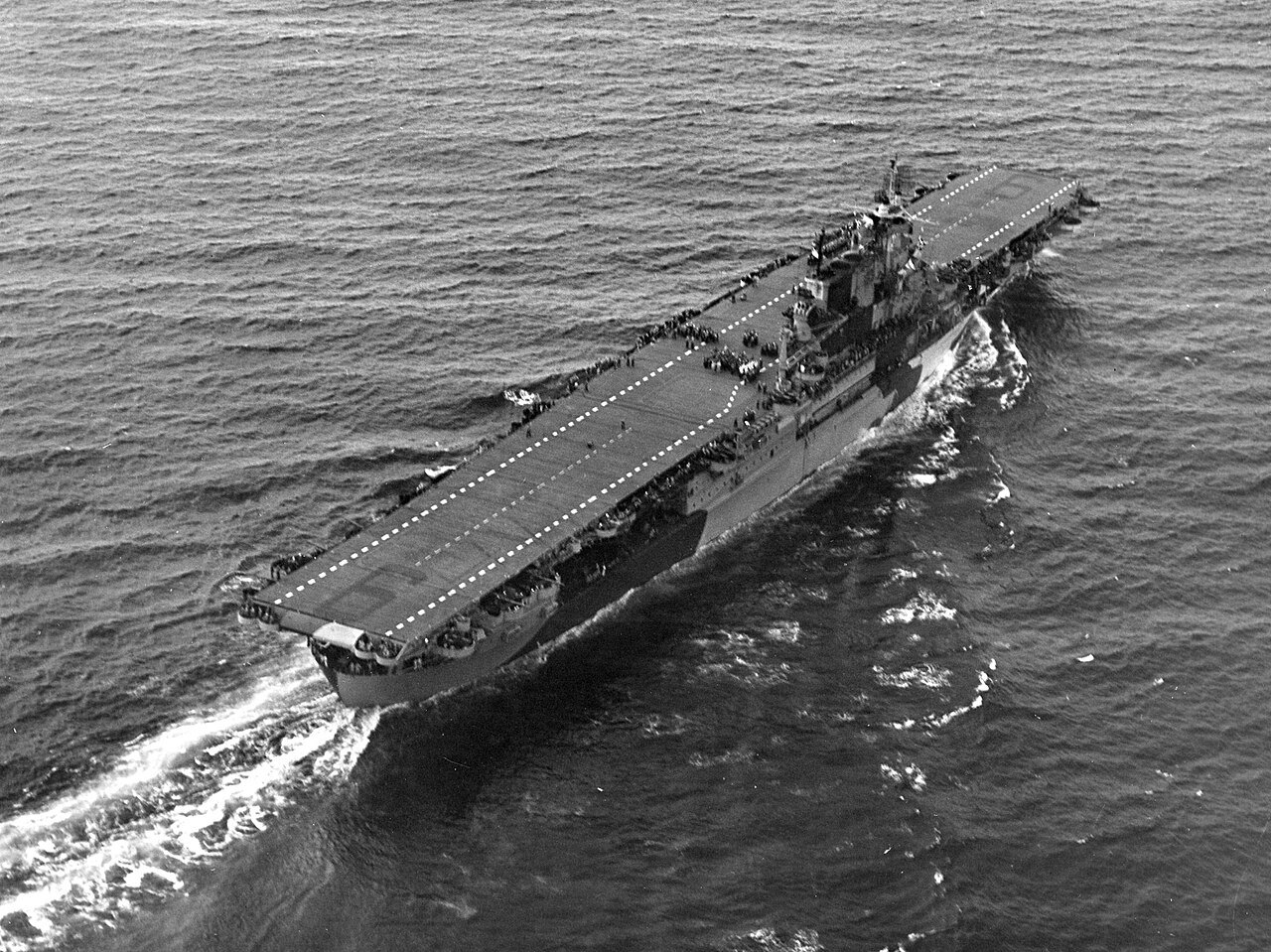
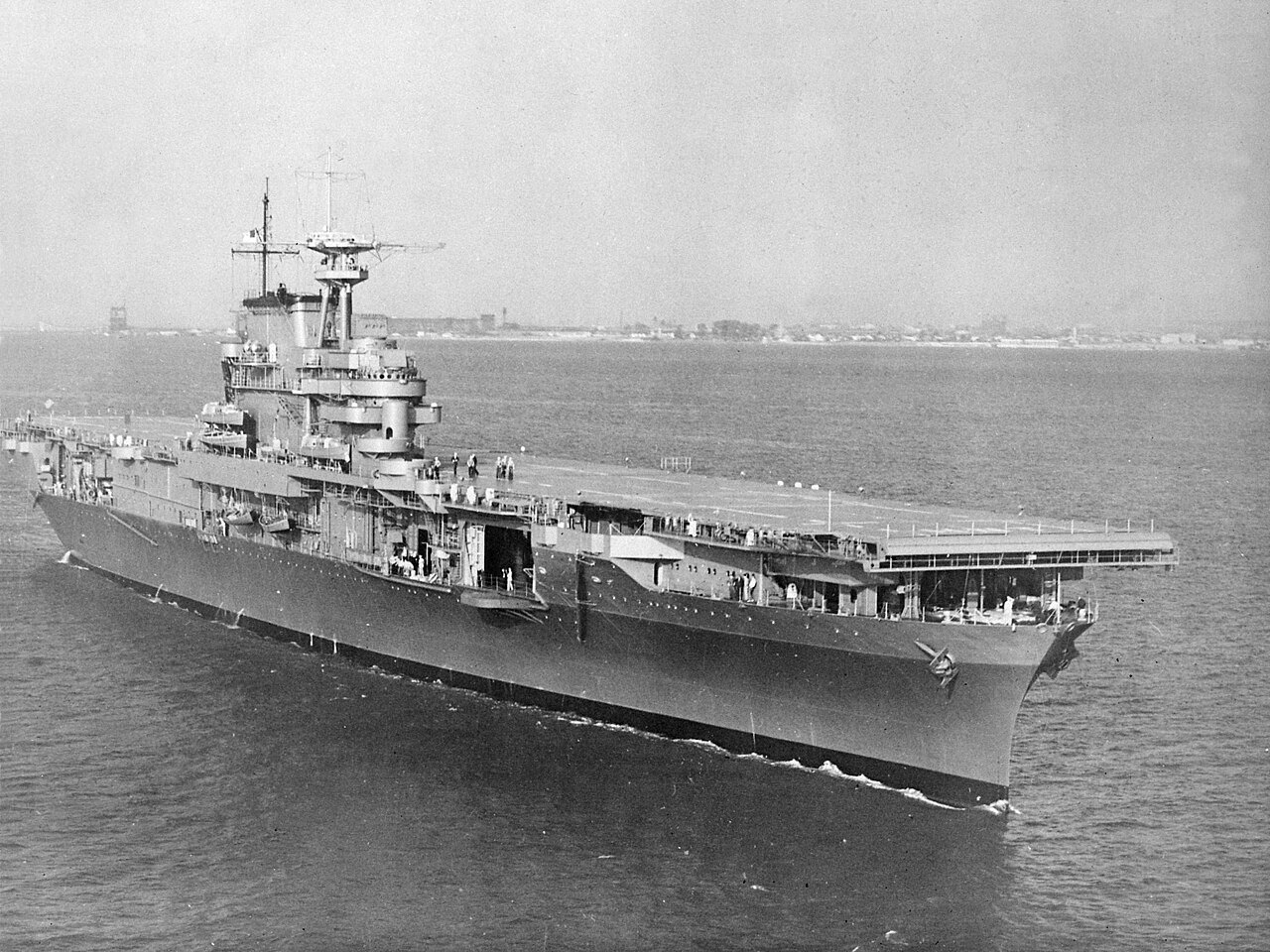
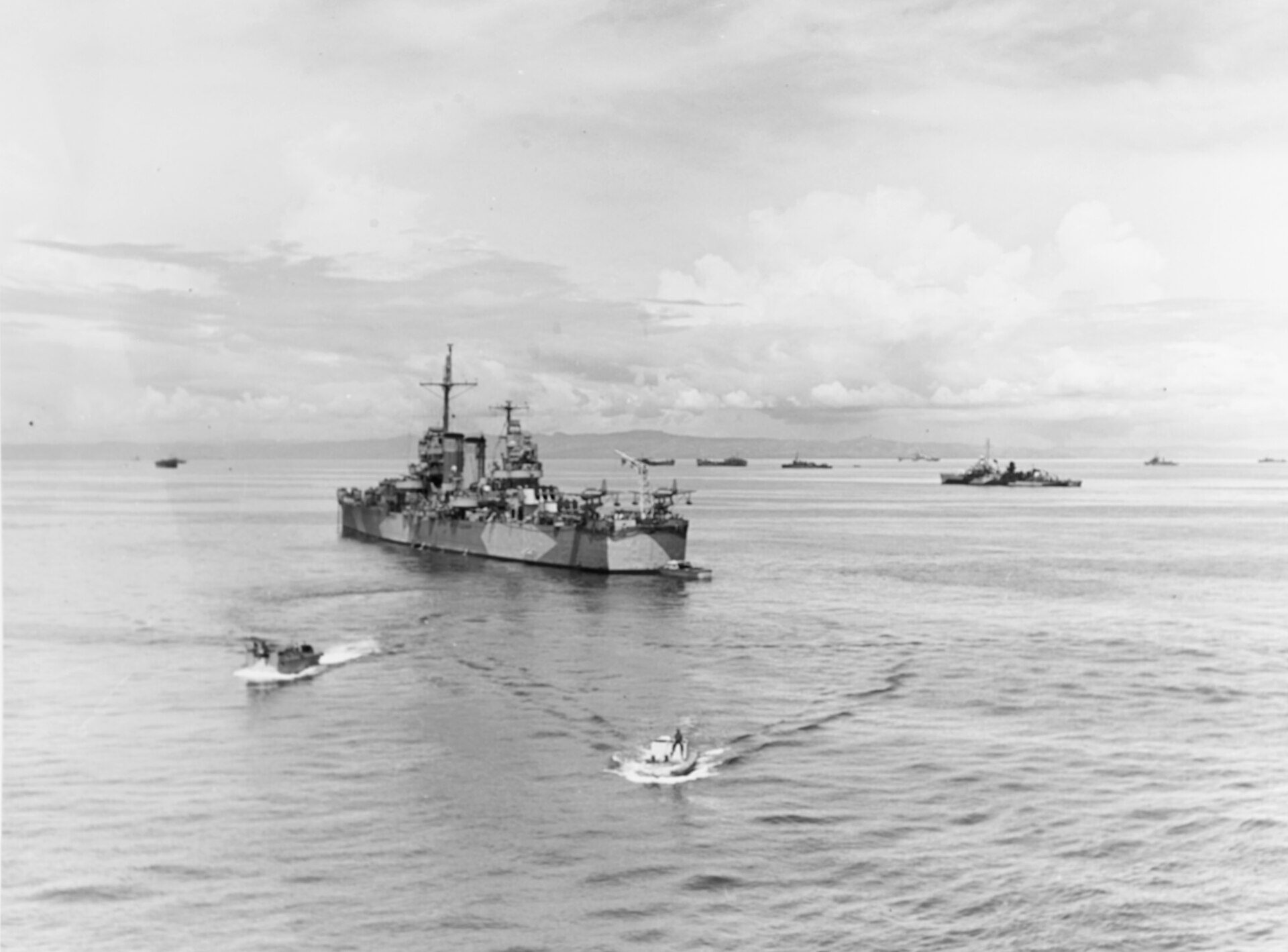
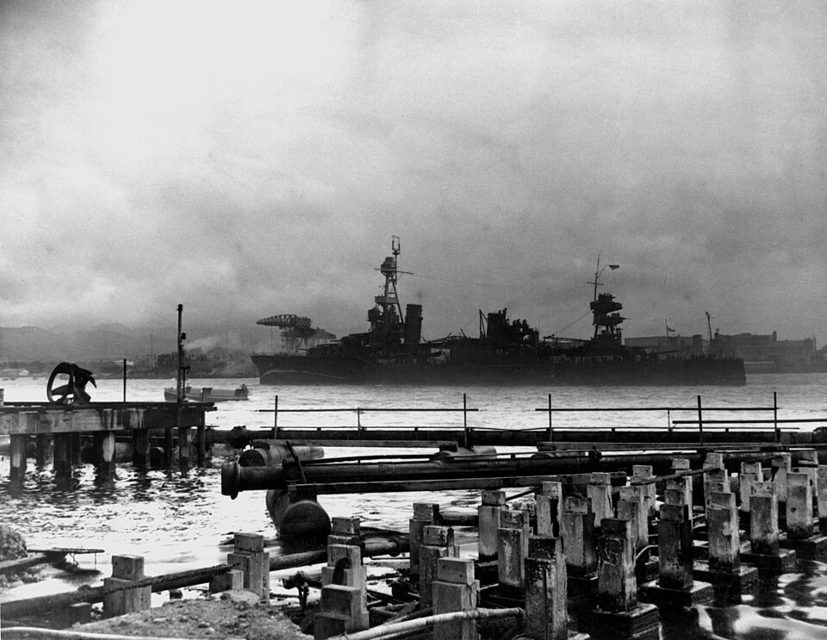
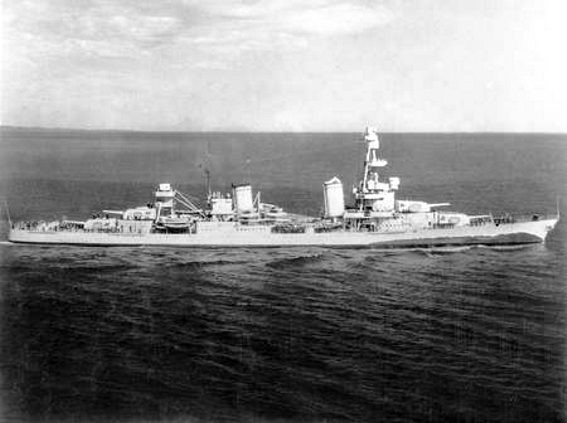
On 1 April sixteen bombers were hoisted onto Hornet's flight deck at Alameda, with her own aircraft struck down to the hangar deck. Each bomber carried four 500-pound bombs. She left San Francisco Bay on 2 April with the cruiser Nashville and an escort that included the destroyer Gwin. Captain Marc Mitscher told his crew the mission that afternoon. On 13 April she met Vice Admiral William Halsey's Enterprise group north of Midway, and the combined force, Task Force 16, turned west for Japan.
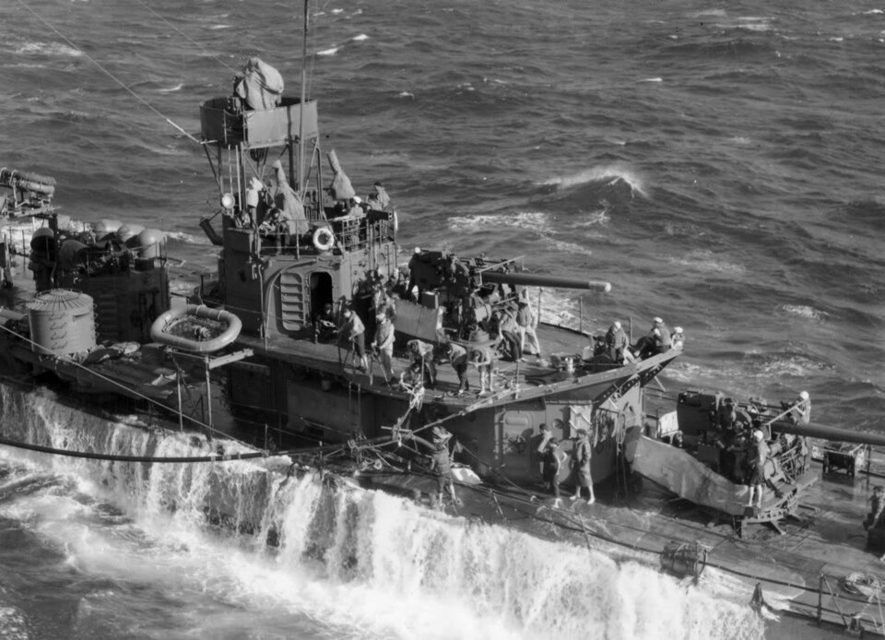
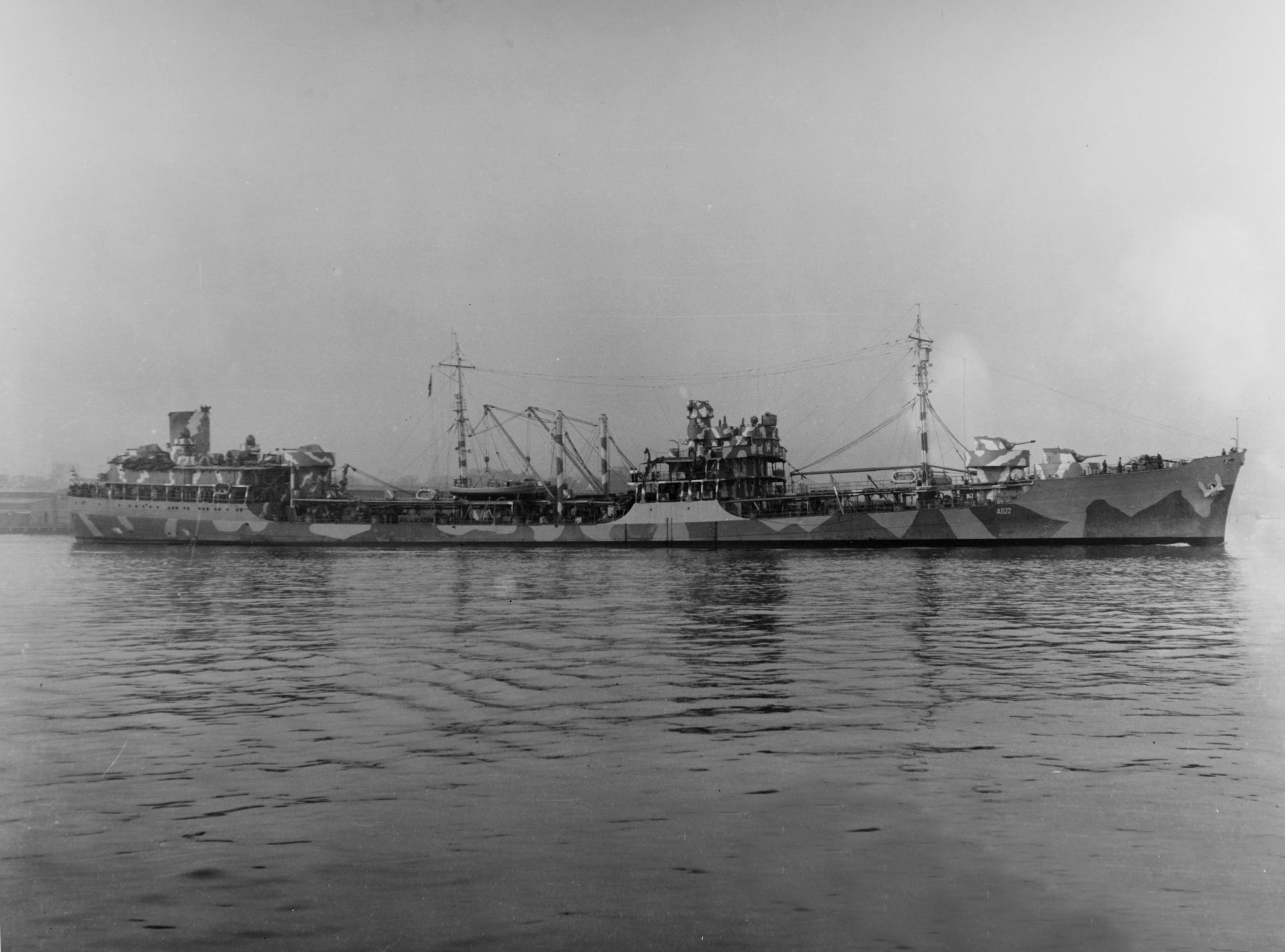
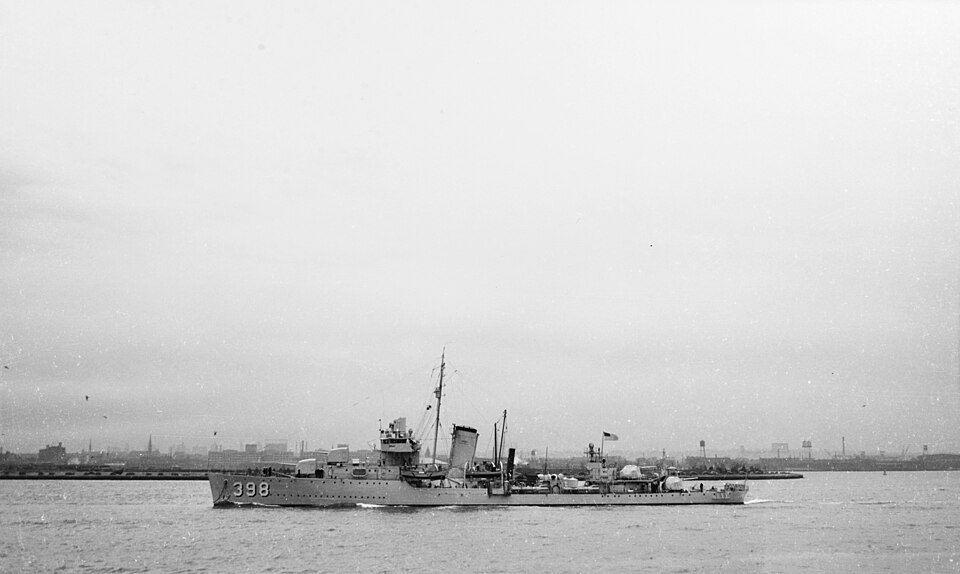
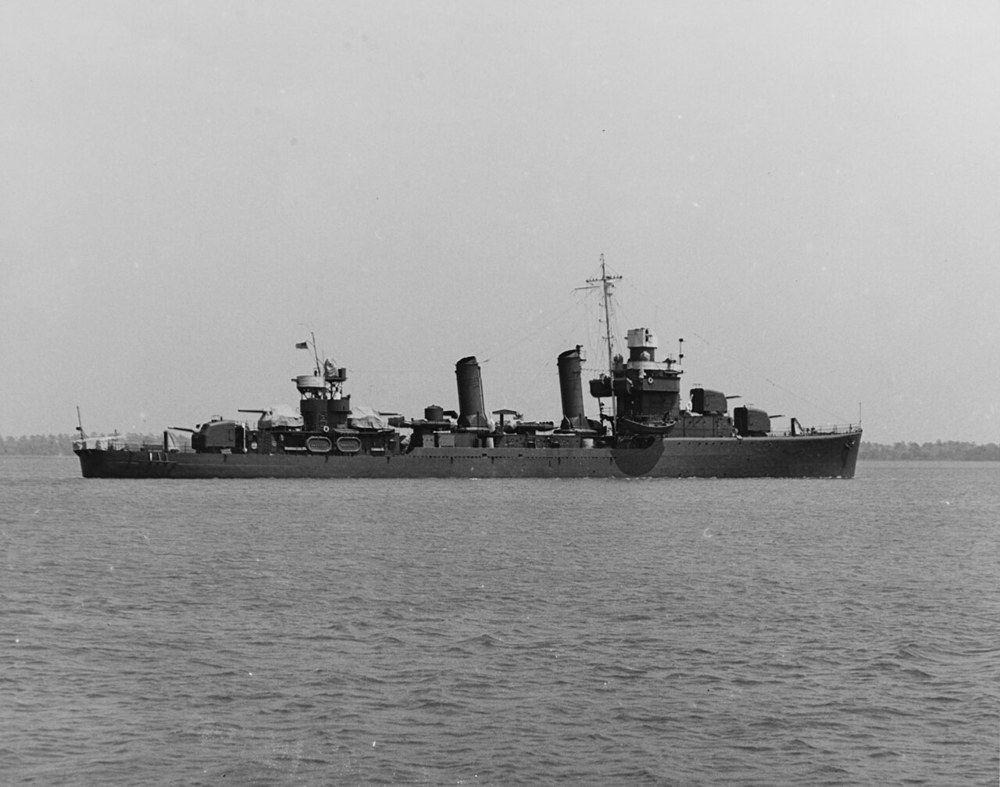
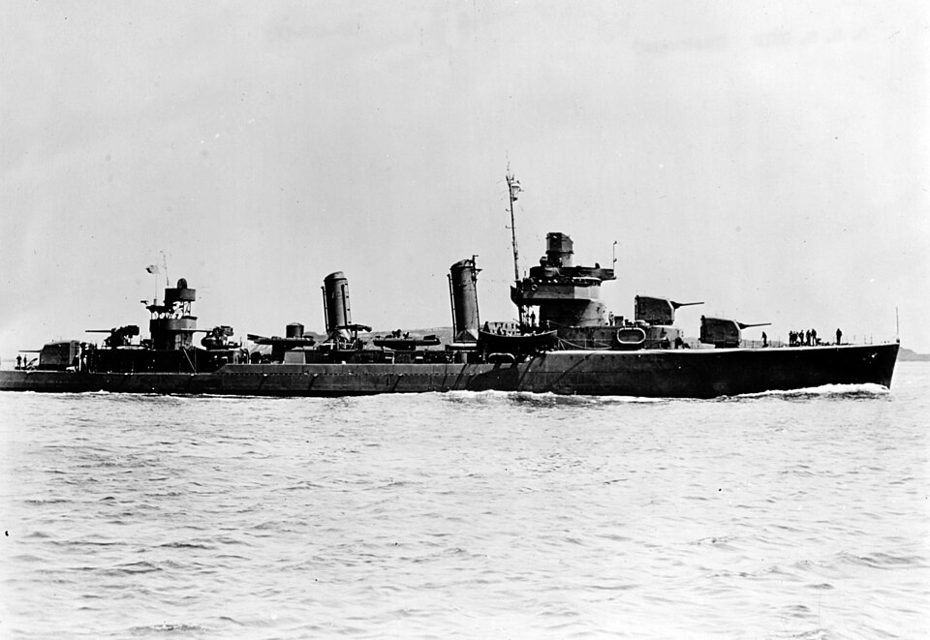
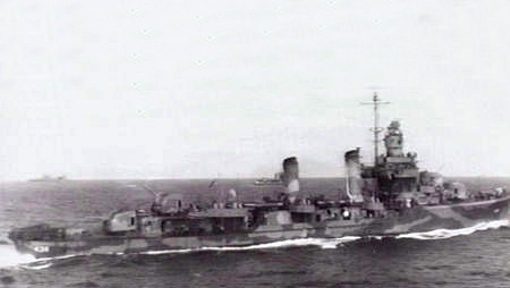
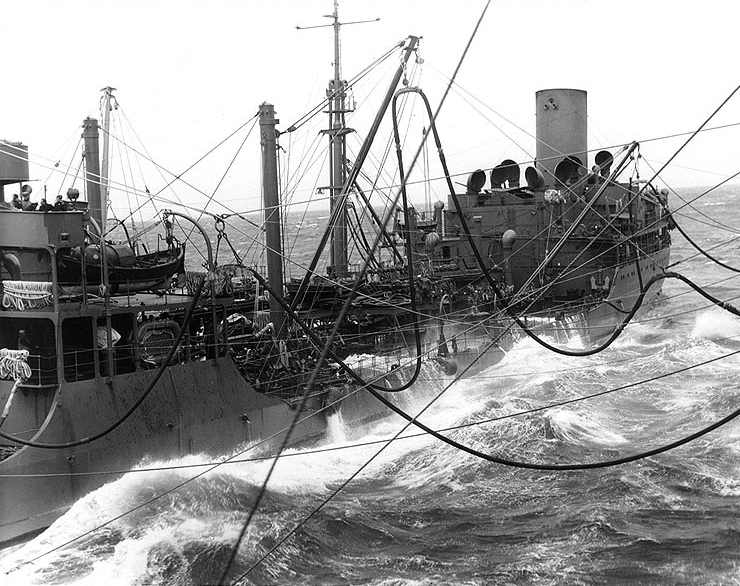
Wikipedia lists the force as the carriers Hornet and Enterprise, the heavy cruisers Salt Lake City, Northampton and Vincennes, the light cruiser Nashville, the destroyers Balch, Fanning, Benham (DD-397), Ellet, Gwin, Meredith, Grayson and Monssen (DD-436), and the oilers Cimarron and Sabine. Enterprise flew the fighter and scout patrols, because Hornet could not fly her own planes with the bombers on deck. The ships kept radio silence. On the afternoon of 17 April the oilers fueled the force for the last time and withdrew east with the destroyers, and the two carriers and four cruisers ran west at 20 knots.
The picket boat
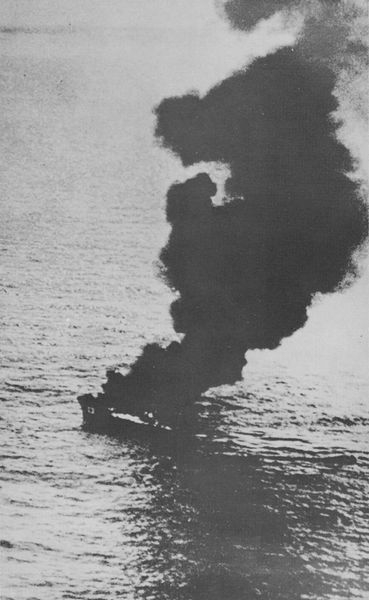
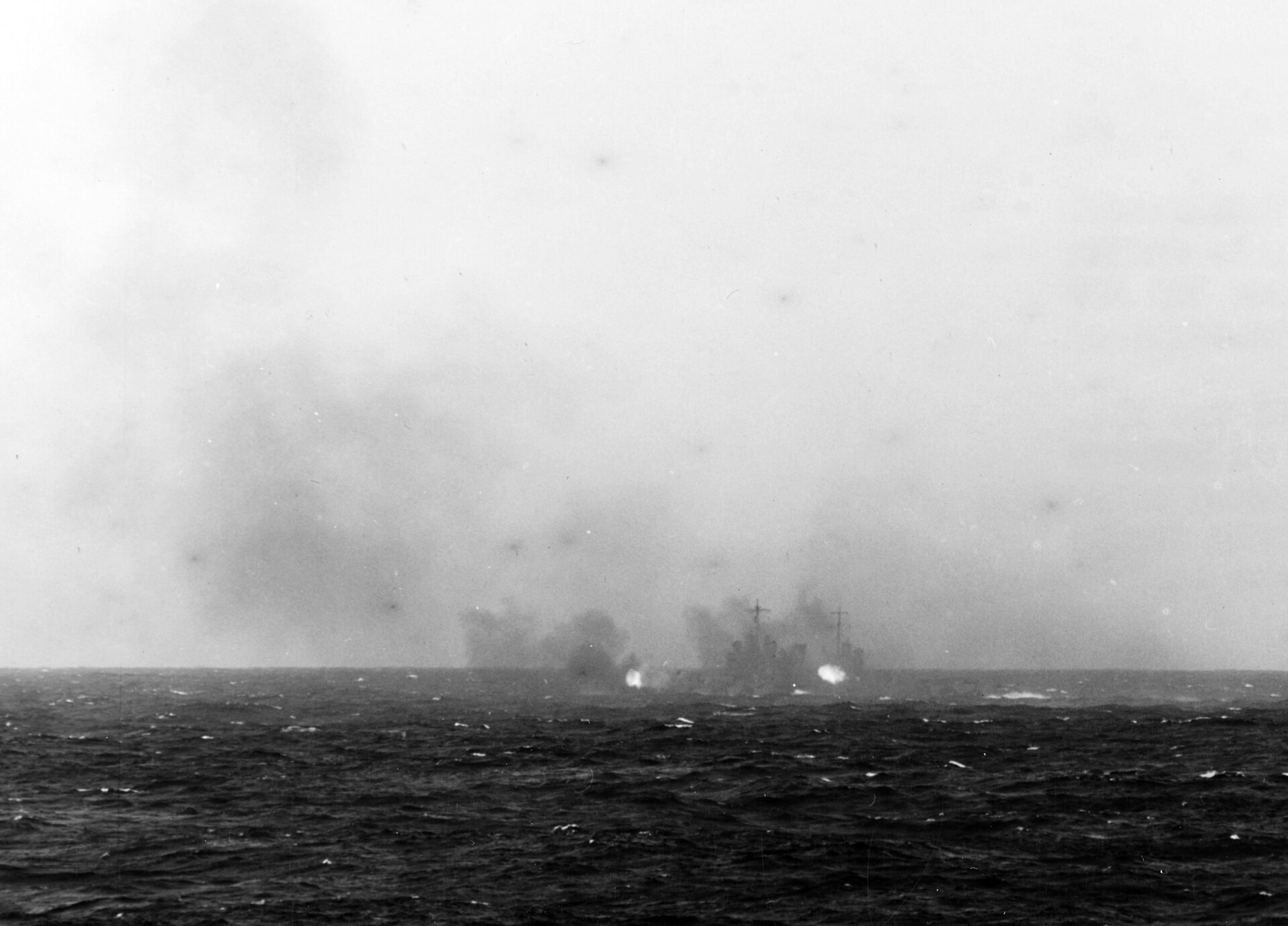
The plan was to launch about 400 miles from Japan. At 7:38 on the morning of the 18th, still about 650 nautical miles out, the force was sighted by the 70-ton picket boat No. 23 Nitto Maru and she radioed a warning. Nashville sank her with gunfire. Five of her eleven crew were picked up.
The bombers had to go at once or not at all. Wikipedia says Doolittle and Mitscher decided to launch; Hornet's DANFS history says Halsey gave the order at 8 a.m. Either way it was about ten hours early and 170 miles farther out than planned. A gale was blowing, the deck was pitching, and none of the pilots had flown off a carrier before. Doolittle's plane had 467 feet of deck. All 16 got off between about 8:20 and 9:20 a.m.
Over Japan
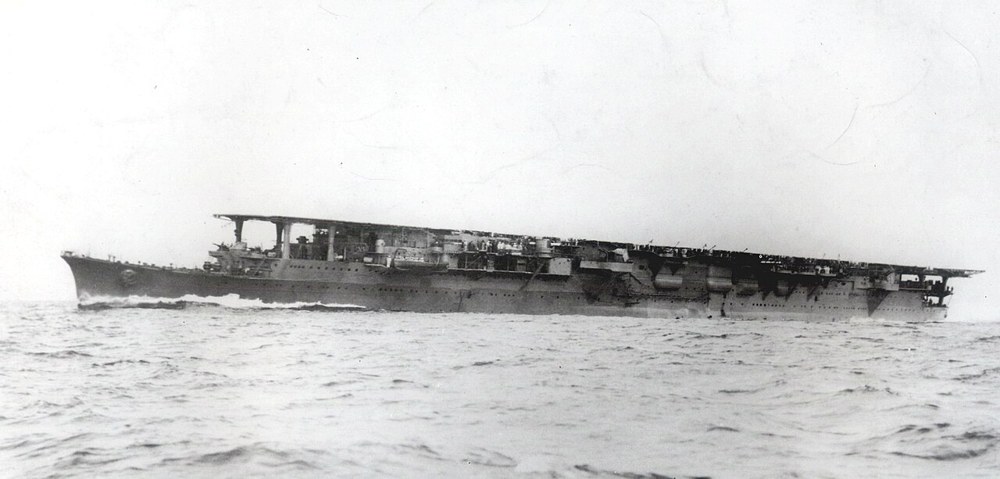
The bombers flew in low, alone or in small groups, and began arriving over Japan about noon. They bombed ten targets in Tokyo, two in Yokohama, and one each in Yokosuka, Nagoya, Kobe and Osaka, including an oil tank farm, a steel mill and power plants. No bomber was shot down, and only one was hit by antiaircraft fire. At Yokosuka at least one bomb, from the plane of First Lieutenant Edgar E. McElroy, hit the submarine tender Taigei, which was in dock being converted into the light carrier Ryuho. Her later history says she took one 500-pound bomb on the bow and incendiaries, with seven casualties, and her conversion was not finished until 30 November. She was the only major Japanese warship damaged in the raid.
Six schools and an army hospital were also hit, and the bombers' nose gunners strafed targets as they went. A postwar count put the Japanese losses at 87 dead, 151 seriously injured and more than 311 lightly injured.
China and Vladivostok
The early launch meant the bombers reached China at night, in bad weather, almost out of fuel. The radio beacons that were to guide them in were not on. All 15 that went to China crash-landed on the coast or were abandoned in the air, after about 13 hours of flight. Corporal Leland D. Faktor was killed bailing out, and two men of Lieutenant Dean Hallmark's crew drowned when their plane came down in the sea. The sixteenth bomber, Captain Edward J. York's, was short of fuel and flew to the Soviet Union, landing near Vladivostok. The Soviet Union was not at war with Japan, so the crew was interned. In 1943 they were allowed to slip across the border into Iran.
Most of the crews in China were hidden and guided to safety by Chinese soldiers and villagers. Eight men from the Hallmark and William Farrow crews were captured. The Japanese tried them, and three, Hallmark, Farrow and Sergeant Harold Spatz, were executed. Lieutenant Robert Meder died in prison in December 1943. The other four were freed in August 1945. Of the 80 men who flew the raid, 69 escaped capture or death.
What it did
The material damage was small and quickly repaired. Doolittle thought the raid had failed and expected a court-martial. Instead he was promoted to brigadier general and given the Medal of Honor. In America the news was a great lift after months of defeats. President Roosevelt told reporters the bombers had come from "Shangri-La", and the true story was not released until April 1943.
In Japan it was a shock to the high command. It strengthened Admiral Isoroku Yamamoto's case for drawing out the American carriers, which had not been at Pearl Harbor, and destroying them at Midway, where the Japanese were beaten seven weeks later. The high command also pulled air units back to defend the home islands.
The heaviest price was paid in China. To keep the coastal provinces from being used again, the Japanese army launched the Zhejiang-Jiangxi campaign and laid waste to some 20,000 square miles. People who had helped the American airmen were tortured and killed. Wikipedia gives an estimate of about 10,000 Chinese civilians killed in the search for the airmen, and Chinese records put the deaths in the campaign at over 20,000 in Quzhou alone.
After the launch
Hornet (CV-8) brought her own planes back up, and the task force turned for home at once. The Japanese Navy sent ships and aircraft after it, but the carriers were not found. Task Force 16 reached Pearl Harbor on 25 April. Five days later Hornet and Enterprise sailed south toward the Coral Sea, and in June both fought at Midway.
Where the accounts differ
The sources do not agree on who decided to launch: Doolittle and Mitscher in Wikipedia, Halsey in the DANFS history of Hornet (CV-8). They give the distance as 650 nautical miles (Wikipedia) or some 600 miles (DANFS). Wikipedia has the force leave San Francisco on 2 April; Gwin's DANFS history says 3 April. Hornet's DANFS counts 70 officers and 64 enlisted men under Doolittle, while Wikipedia counts 71 officers and 130 enlisted men, the larger figure including the Army maintenance men. Wikipedia's Japanese casualty figures run from 12 killed in preliminary reports, to about 50, to 87 in the postwar count. The number of Chinese civilians killed in reprisal is not known exactly. One account says Nashville sank No. 23 Nitto Maru after the boat had radioed. The Dictionary history of Nashville says planes from Enterprise sank the boat that radioed, and that Nashville's guns sank a second scout.