1944-01-31
Marshall Islands
Kwajalein, Roi-Namur, Majuro, and Eniwetok
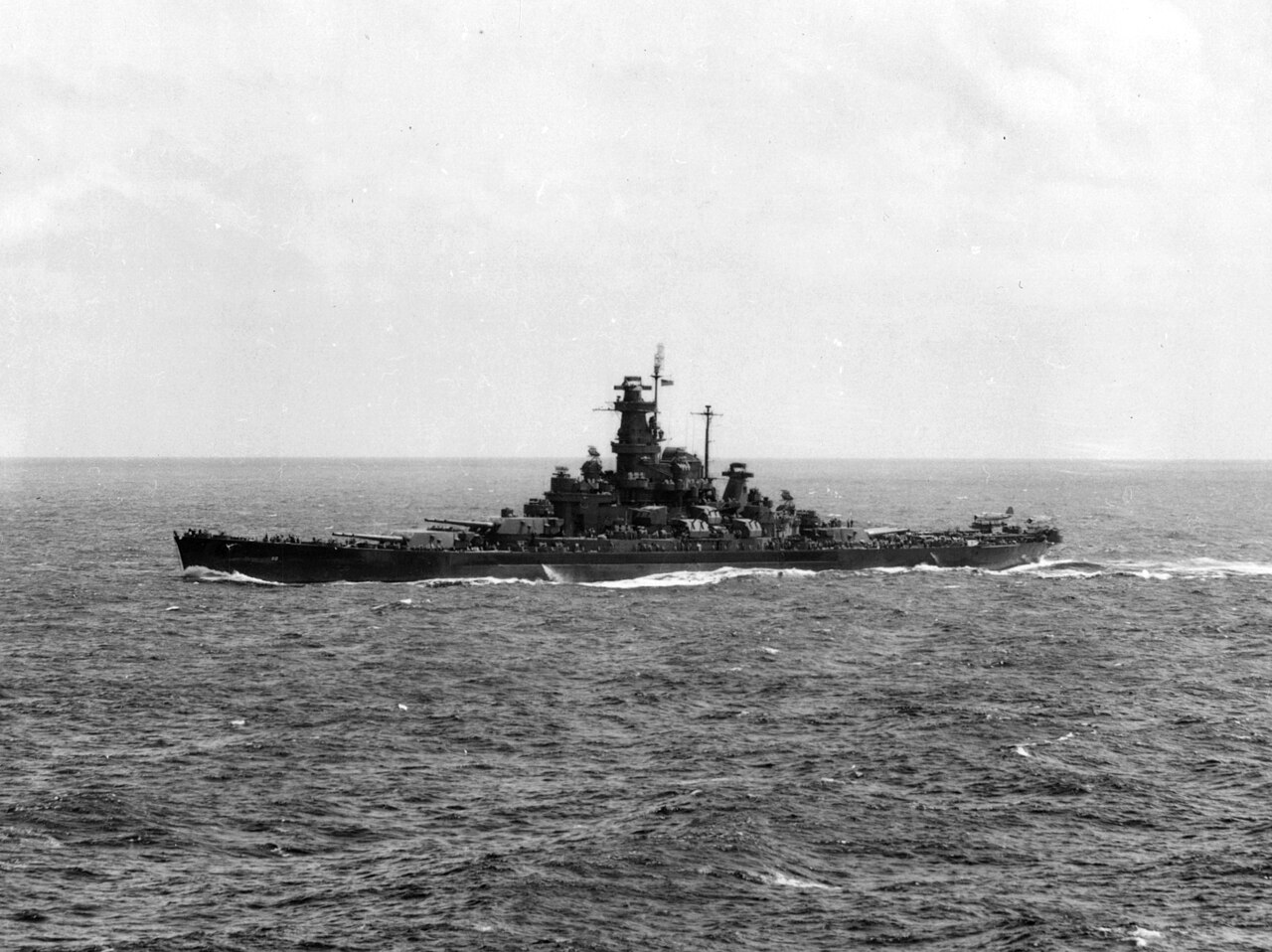
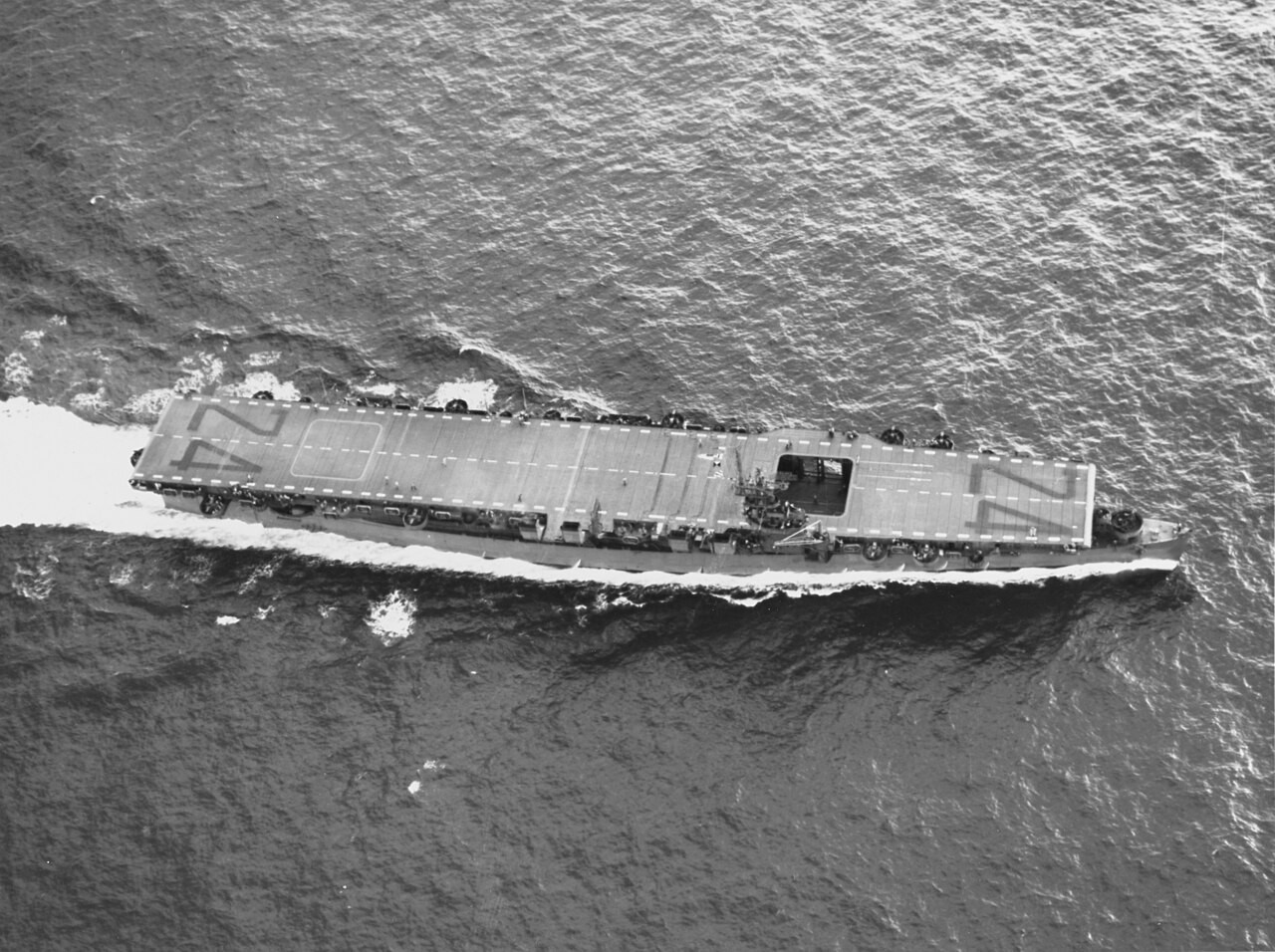
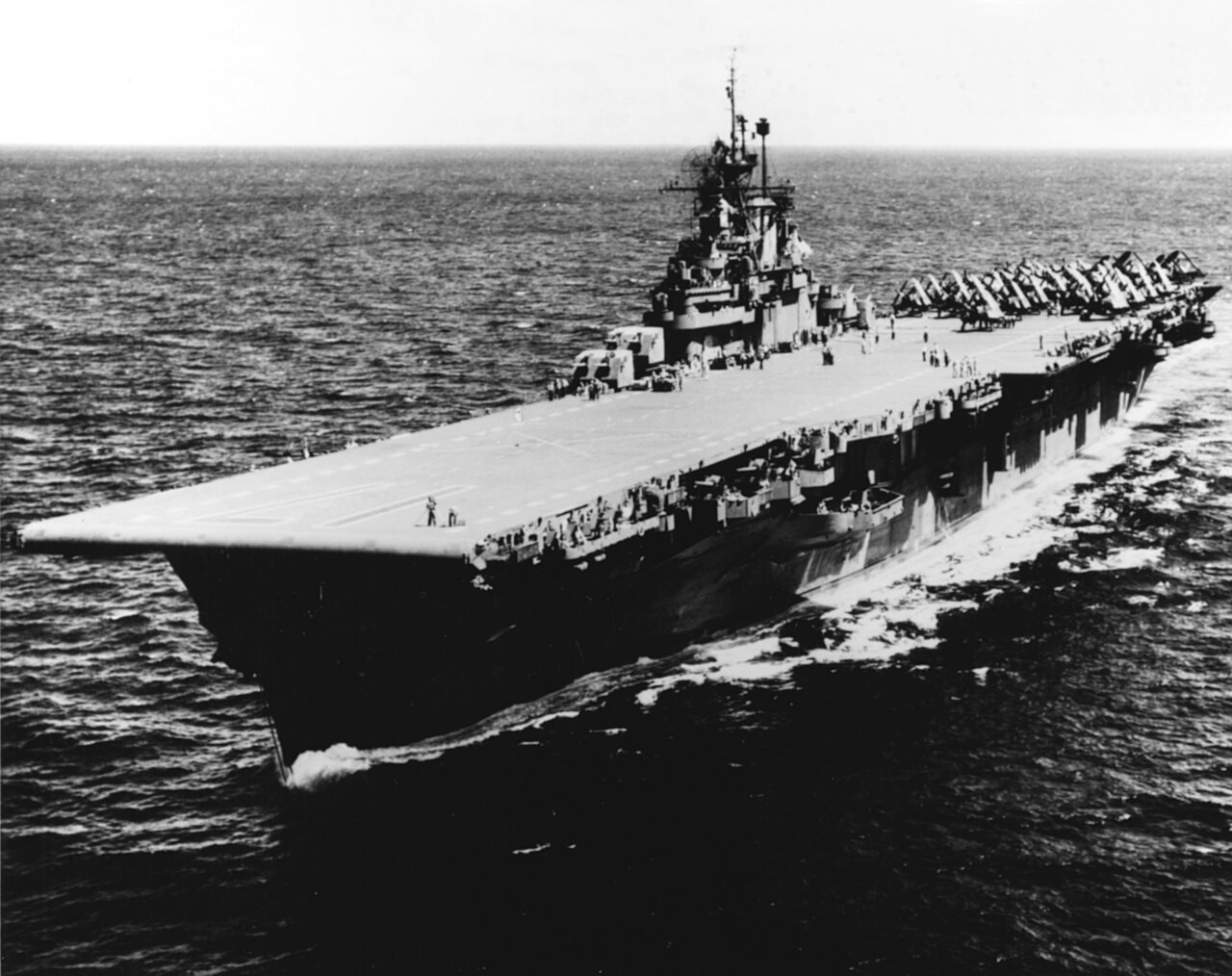
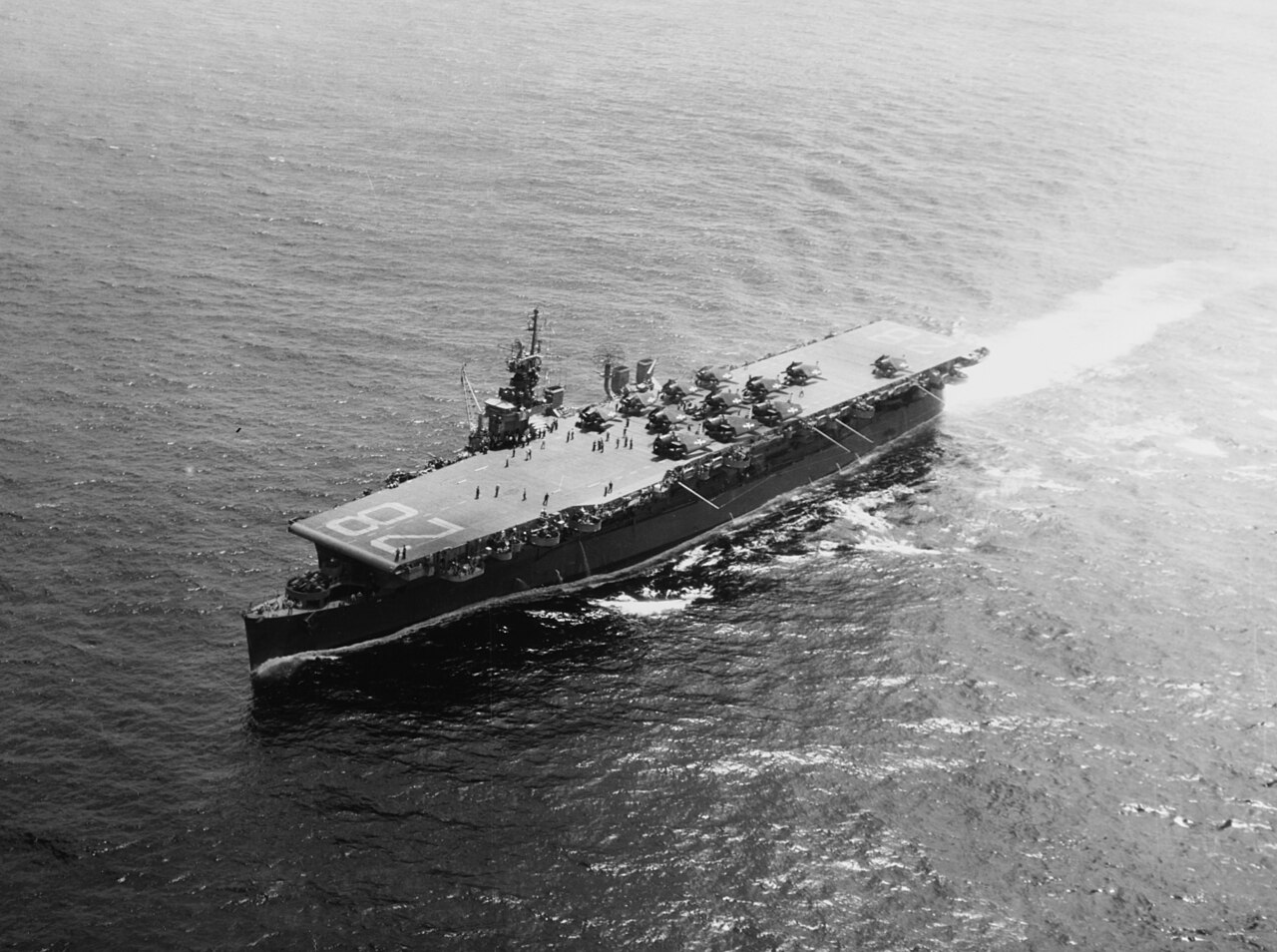
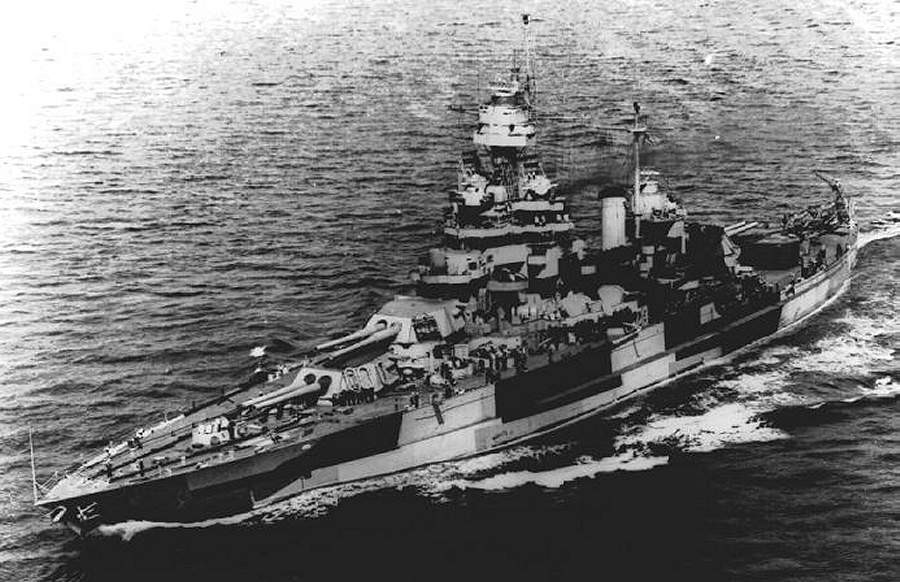
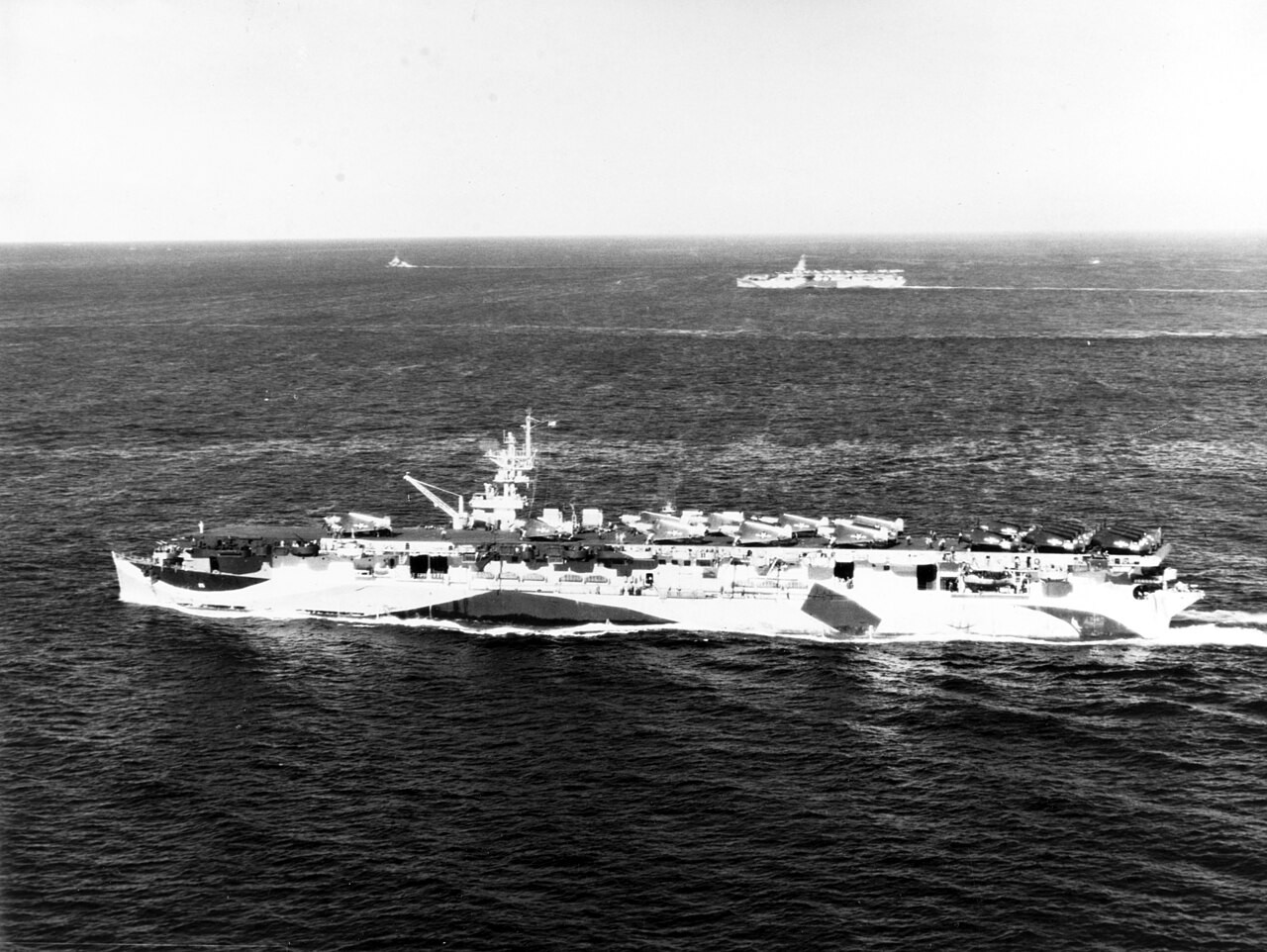
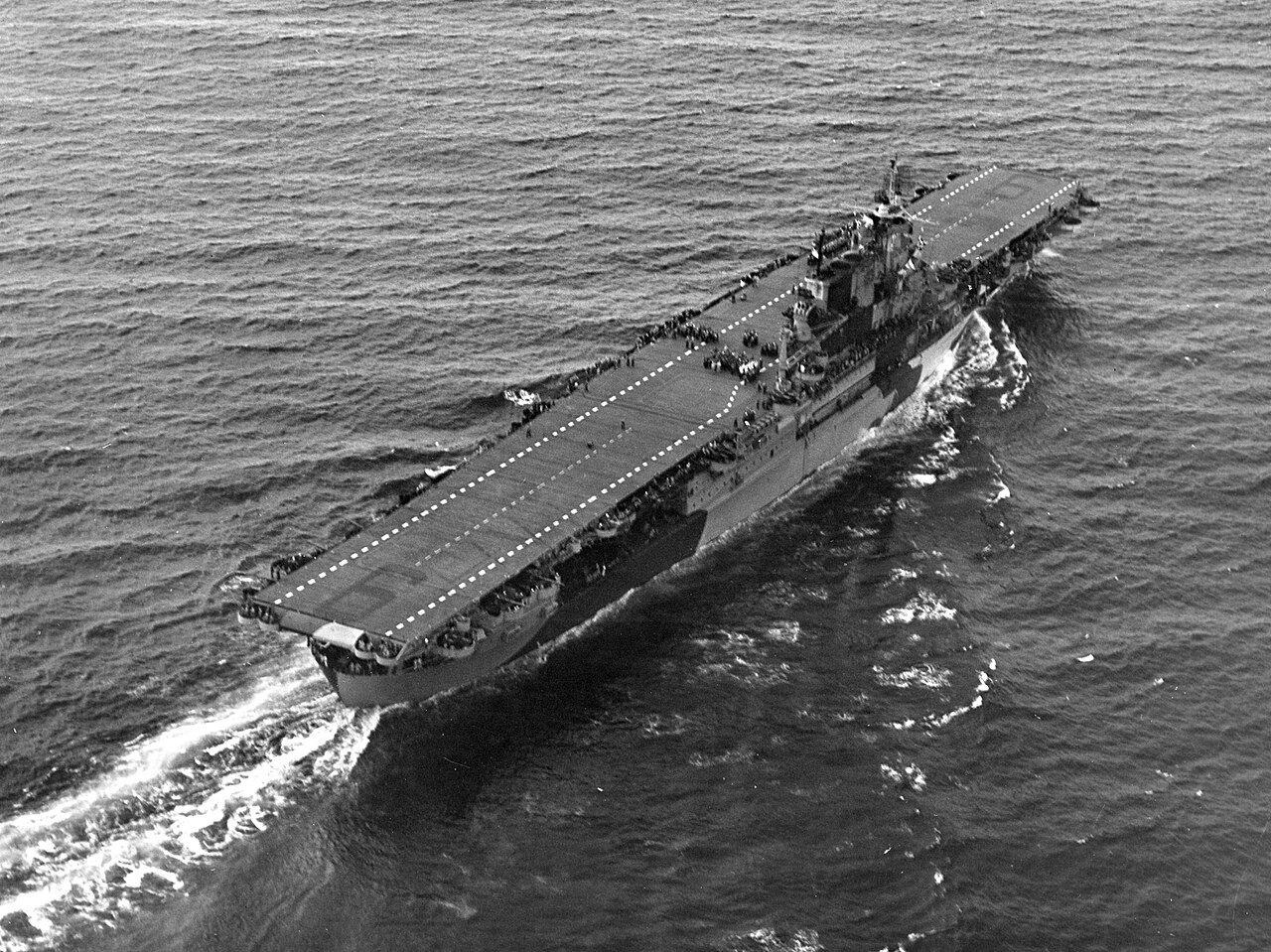
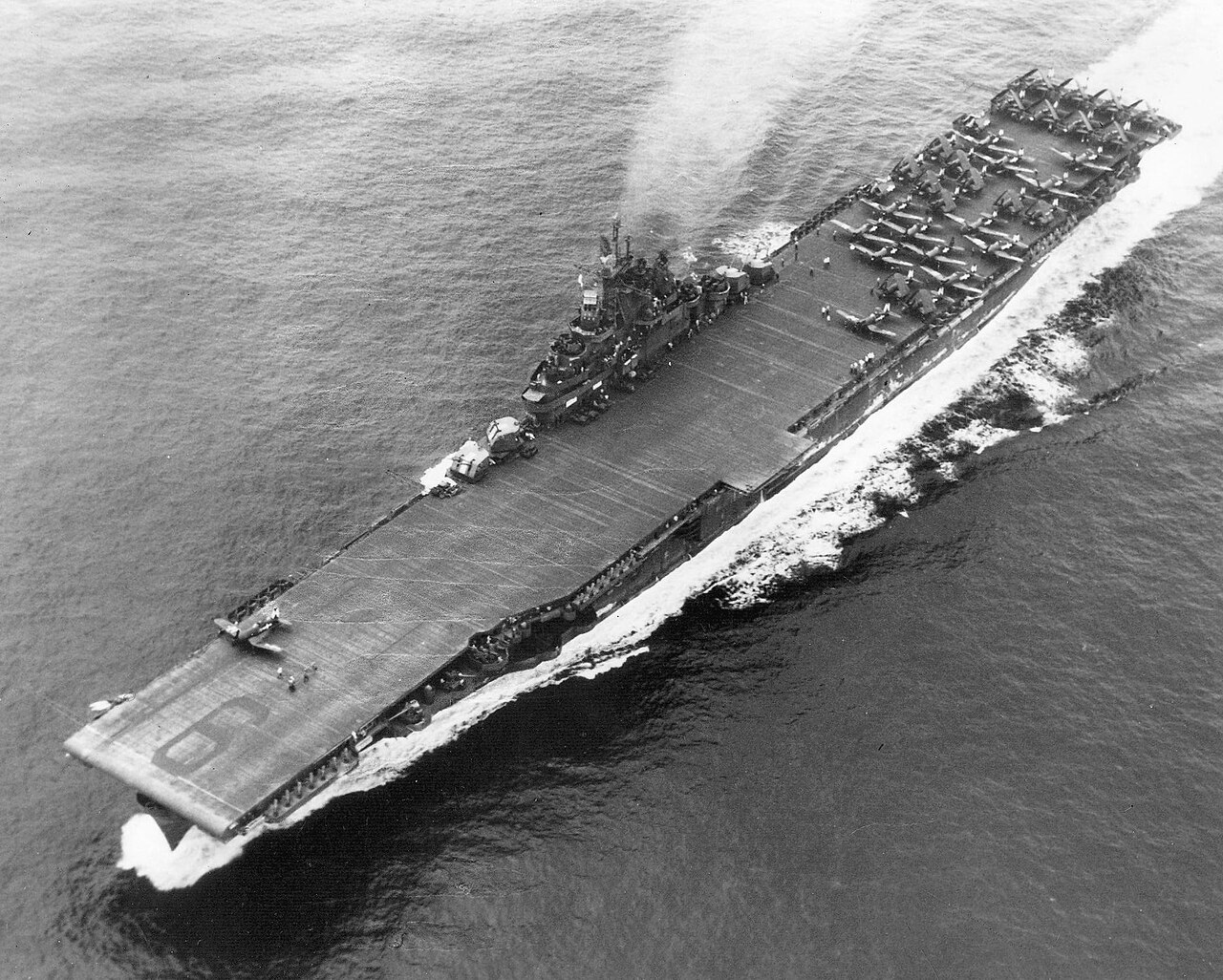
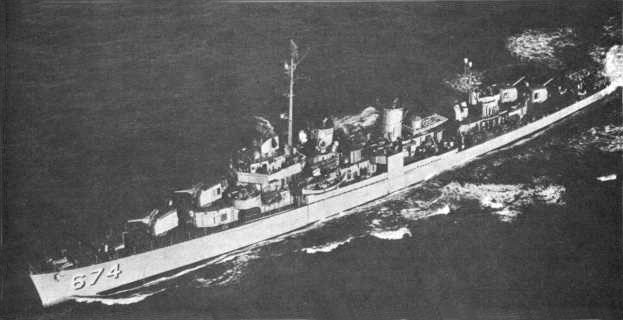
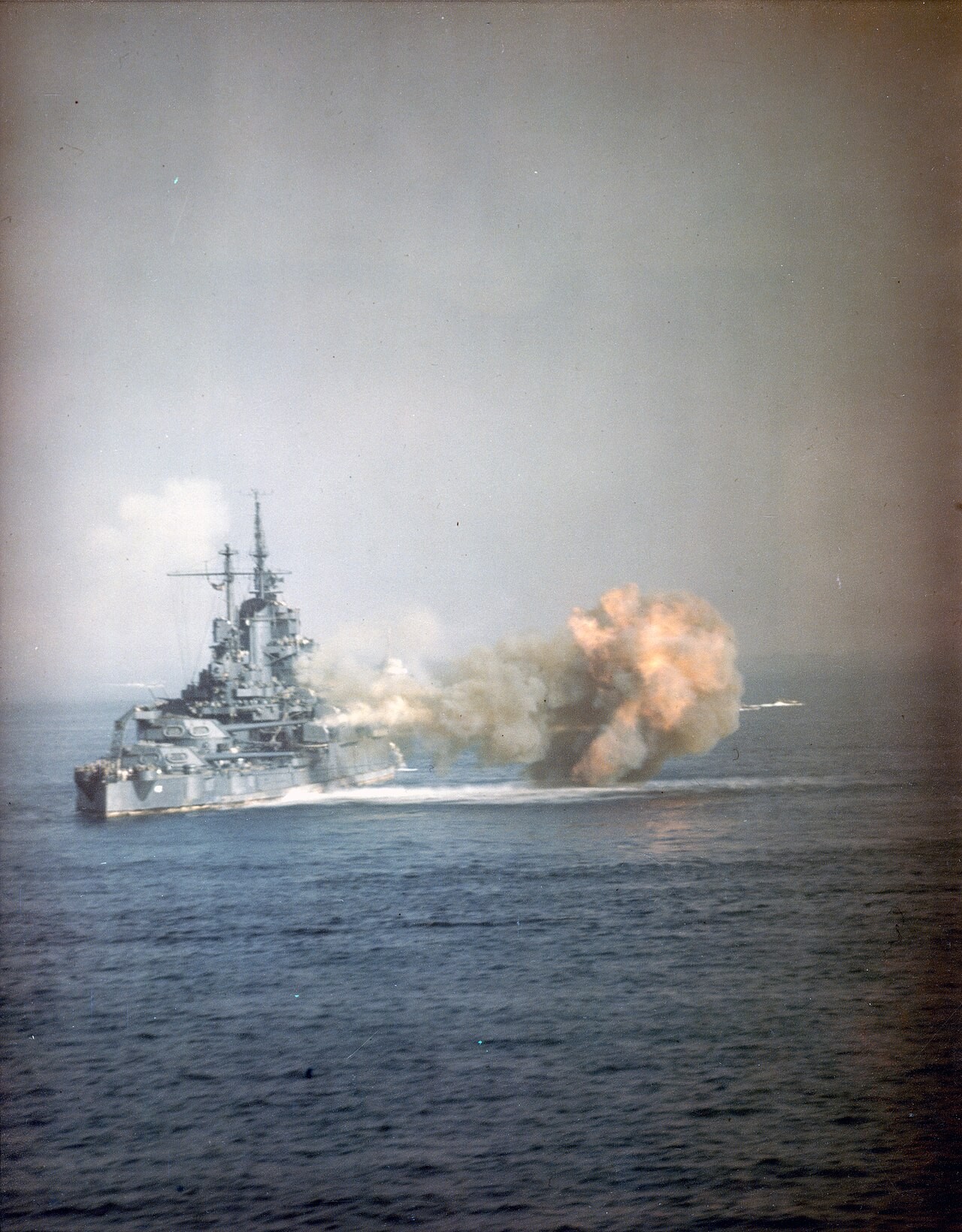
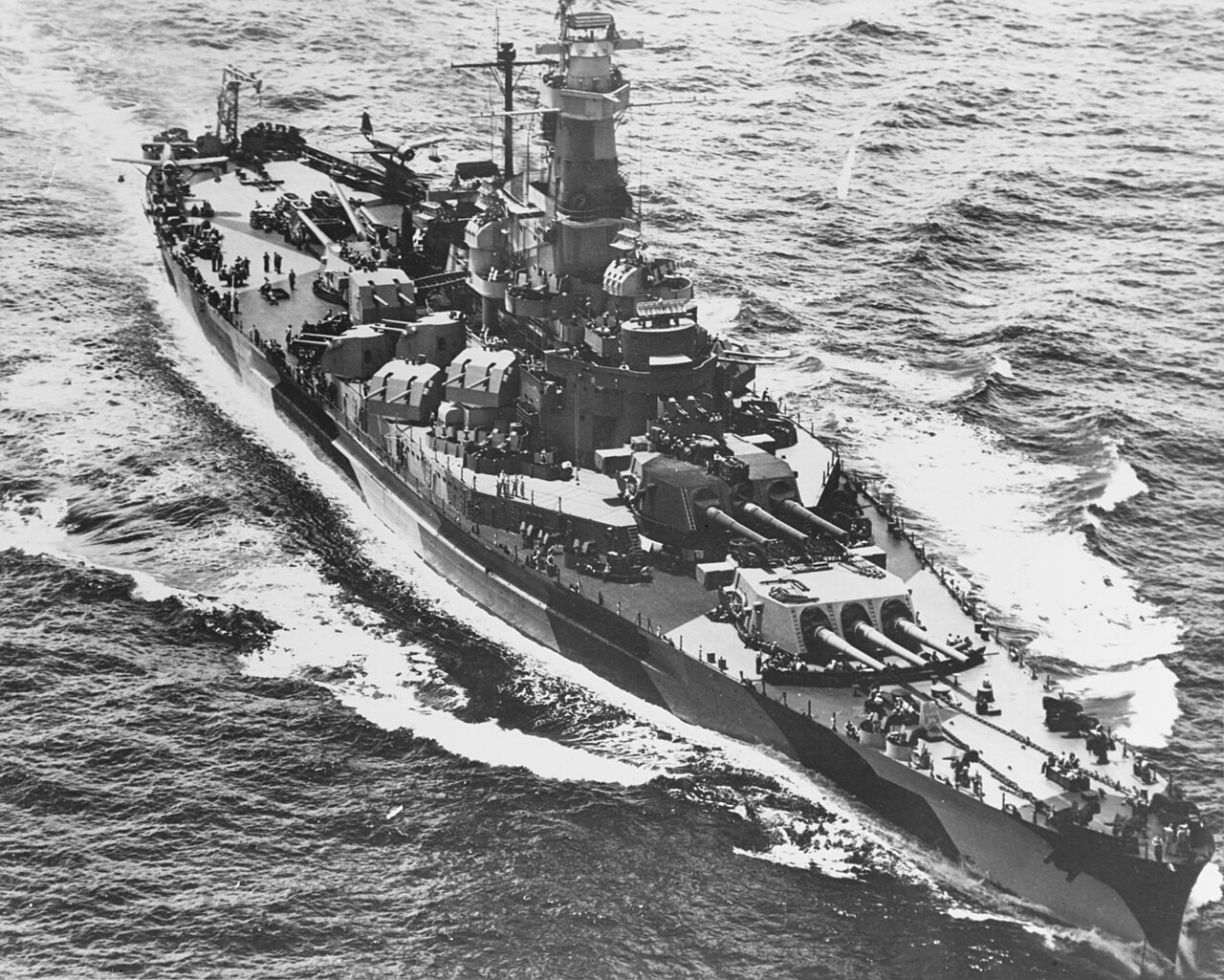
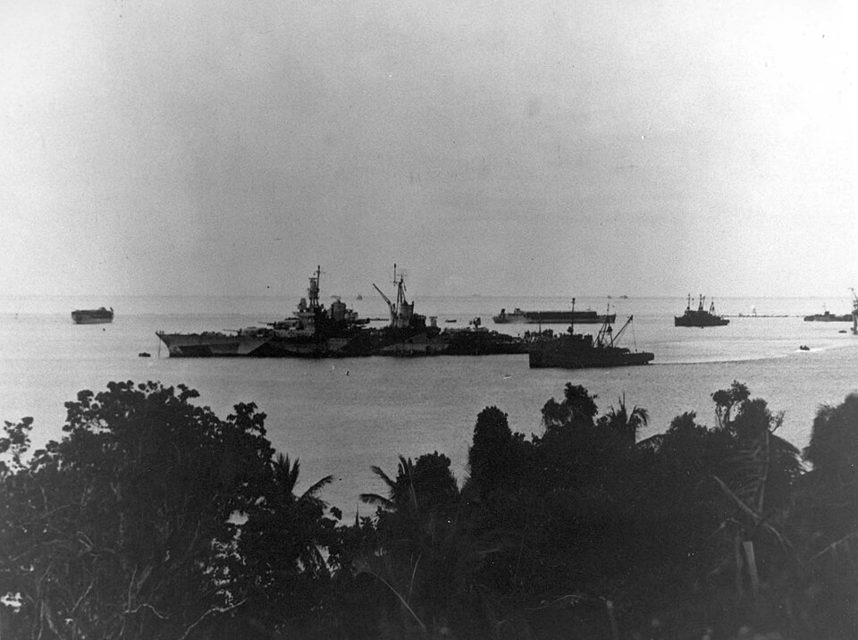
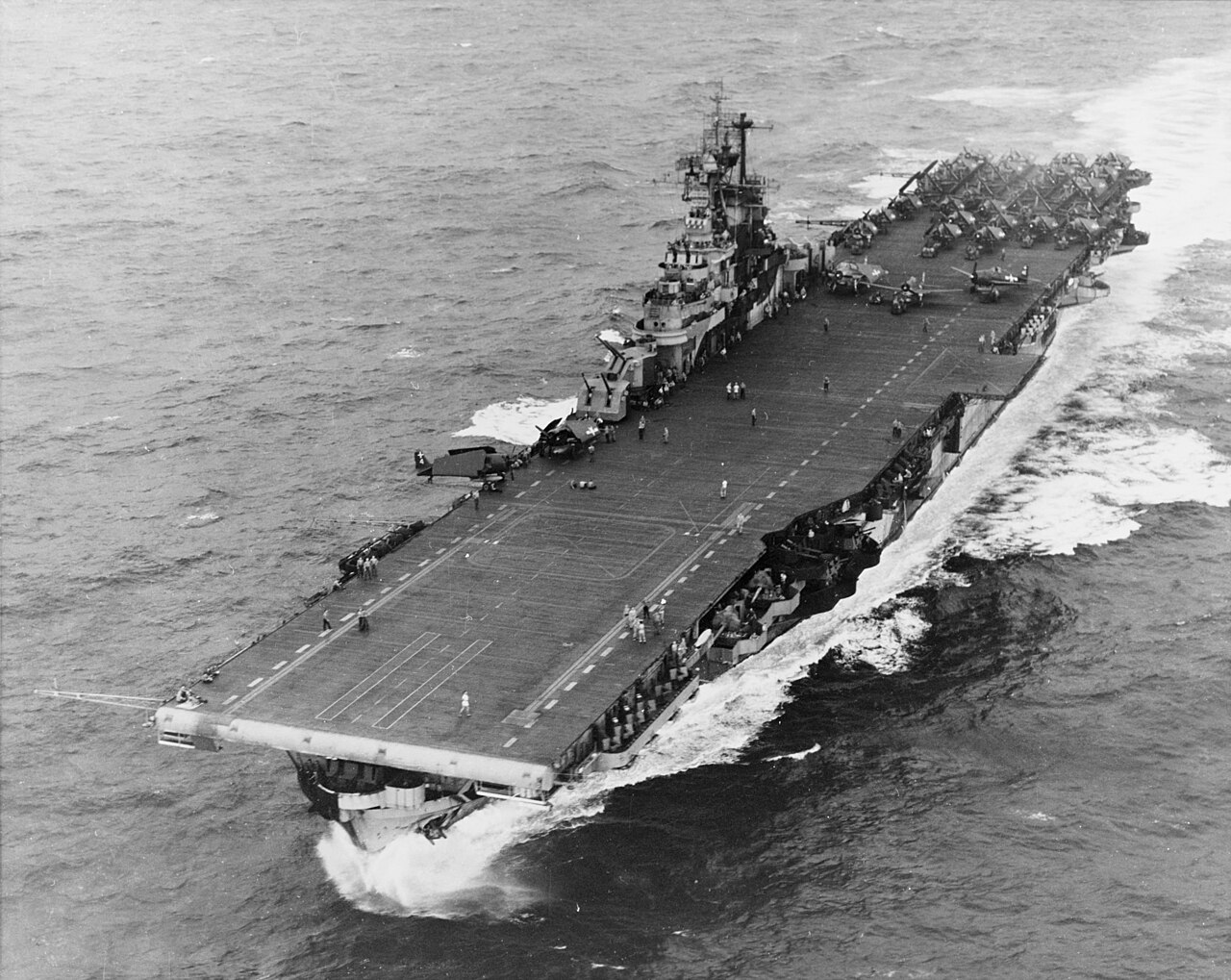
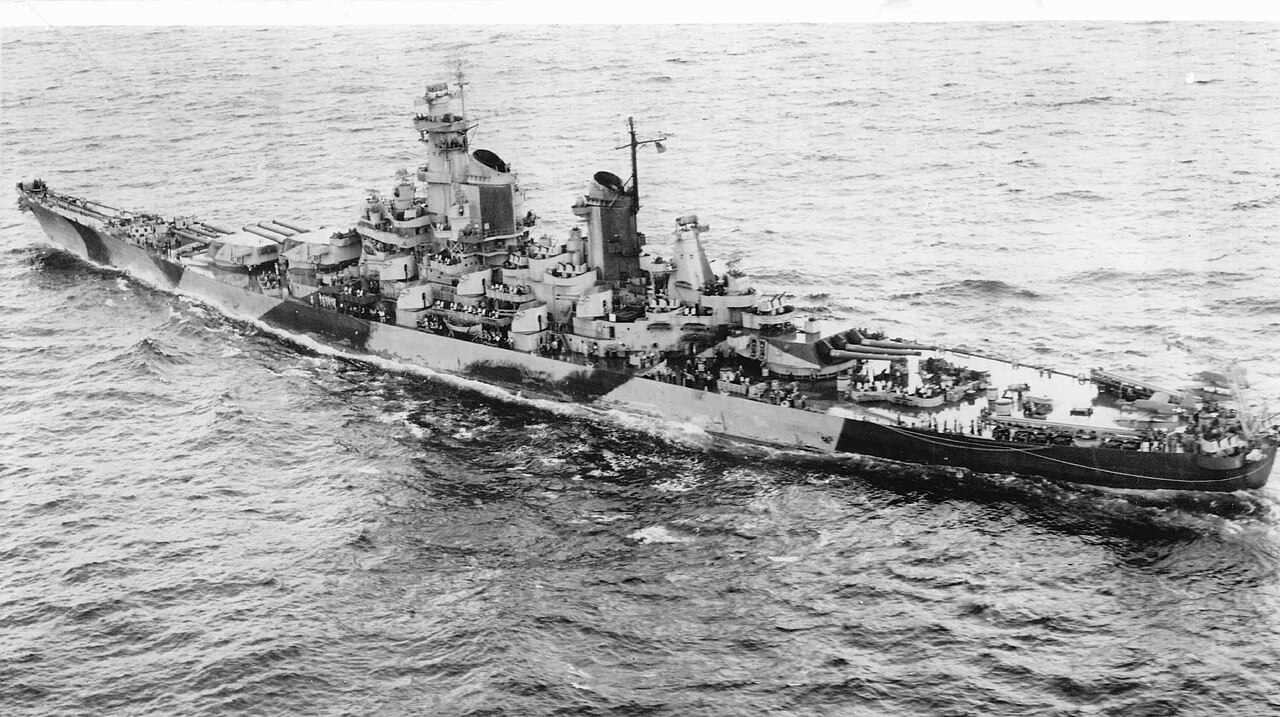
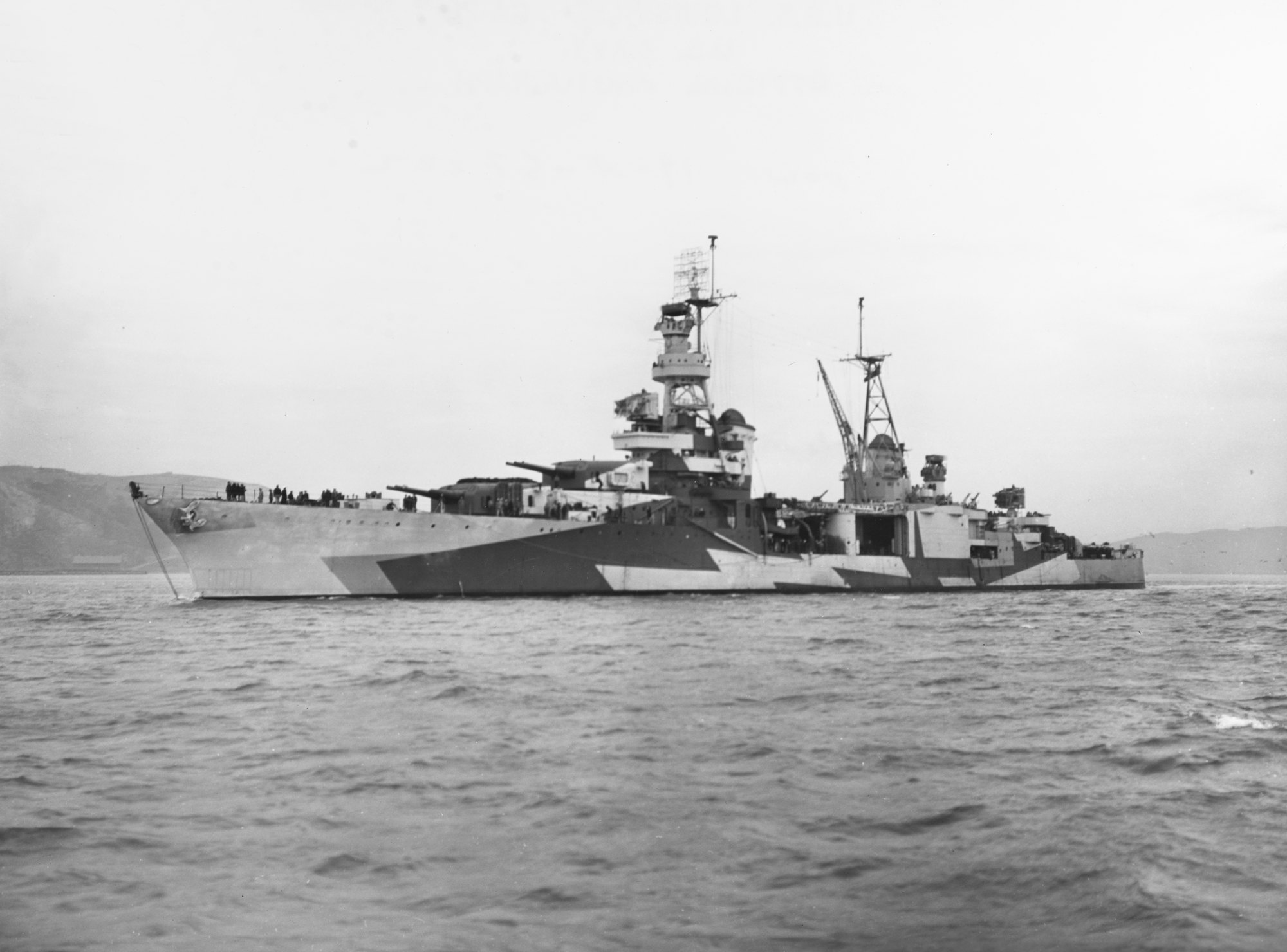
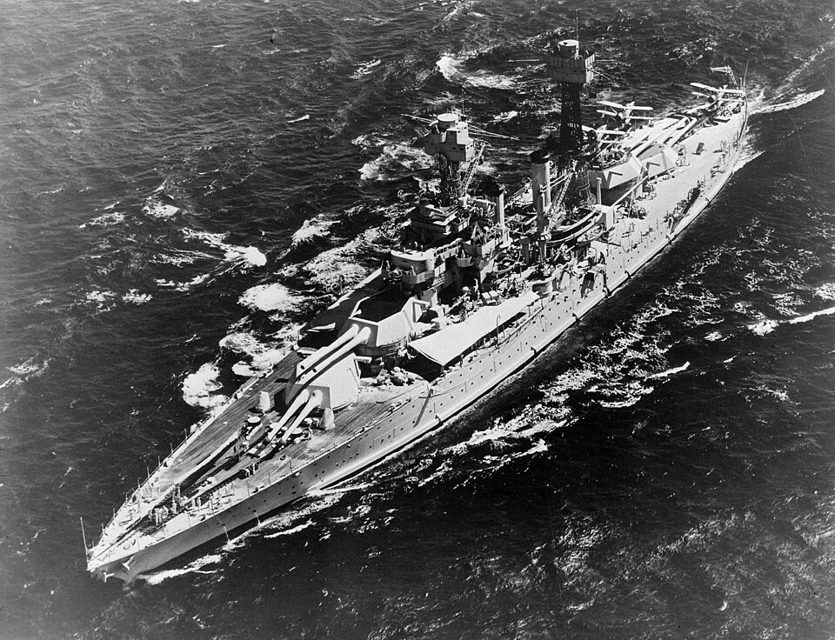
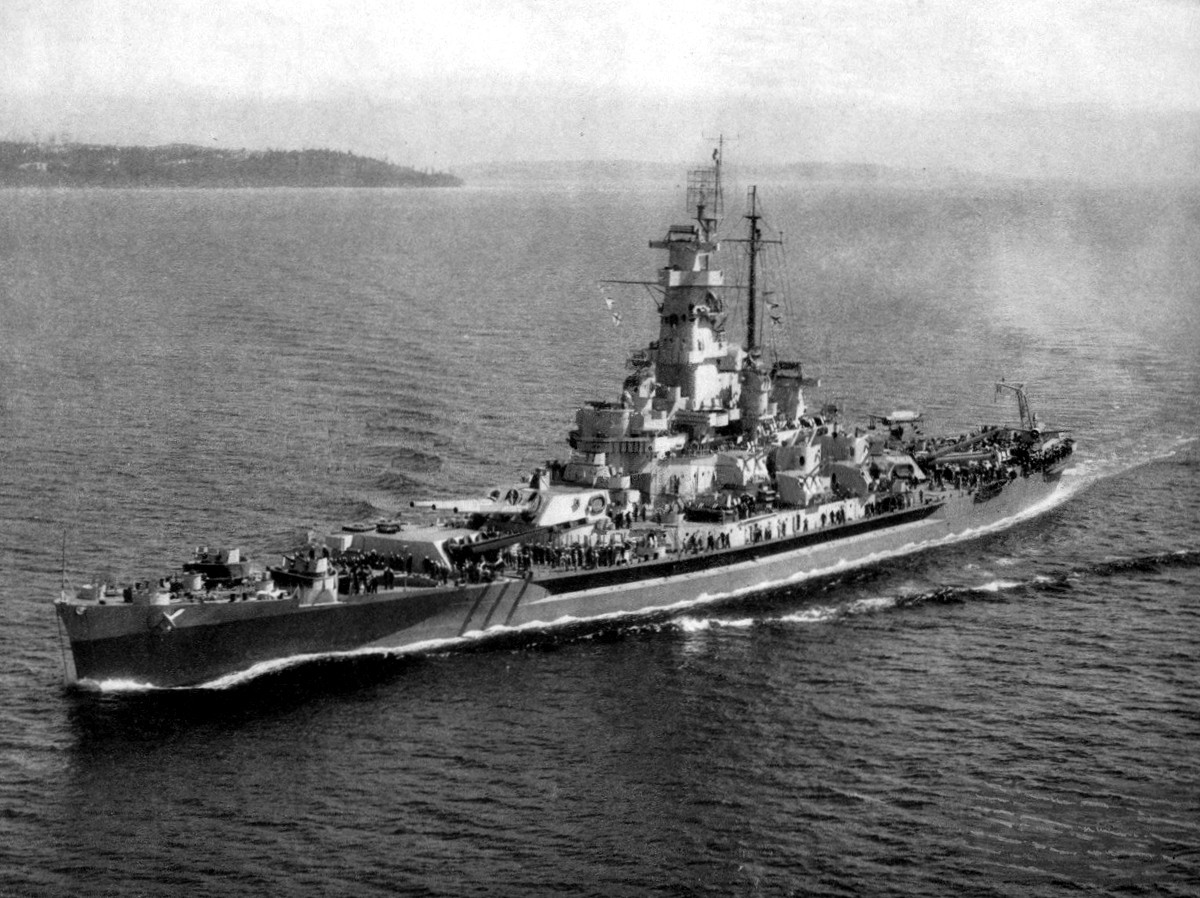
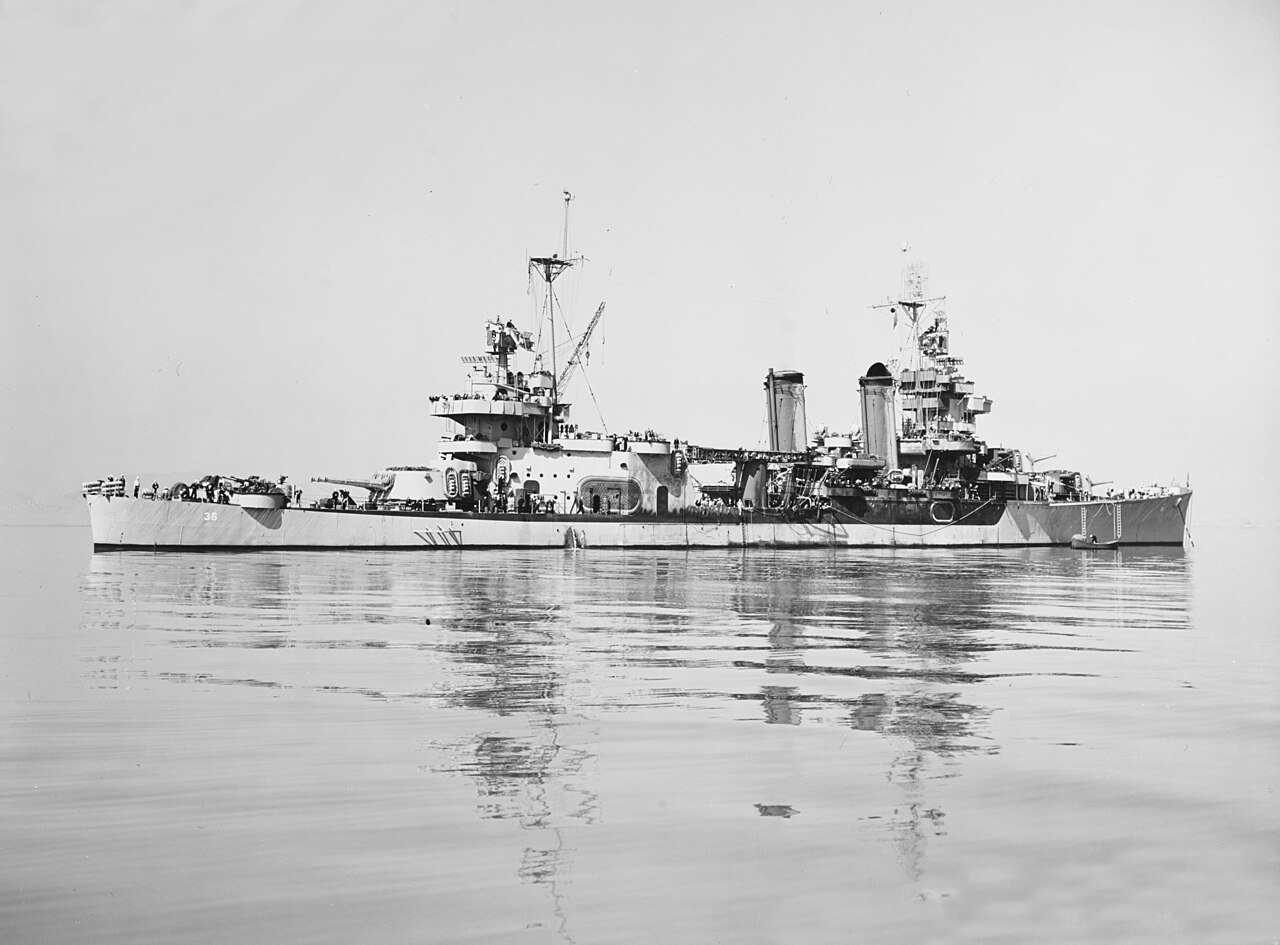
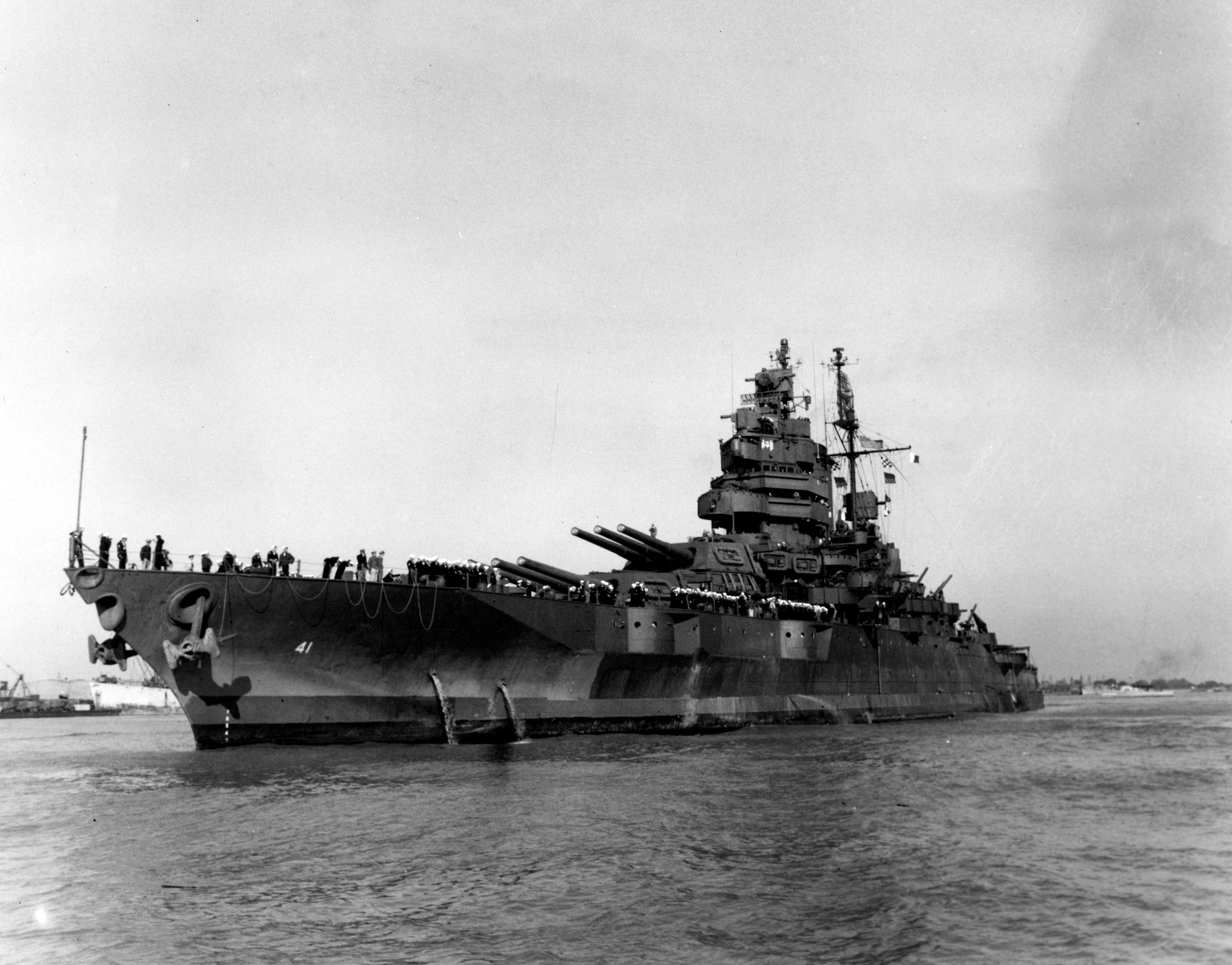
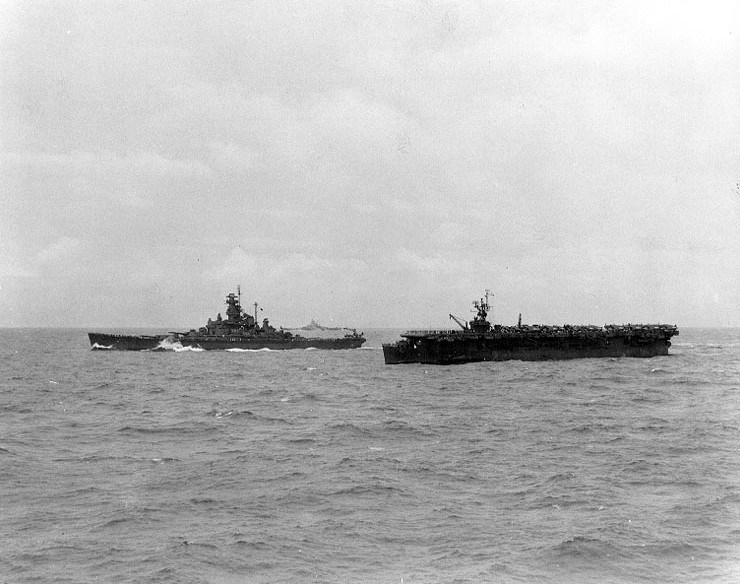
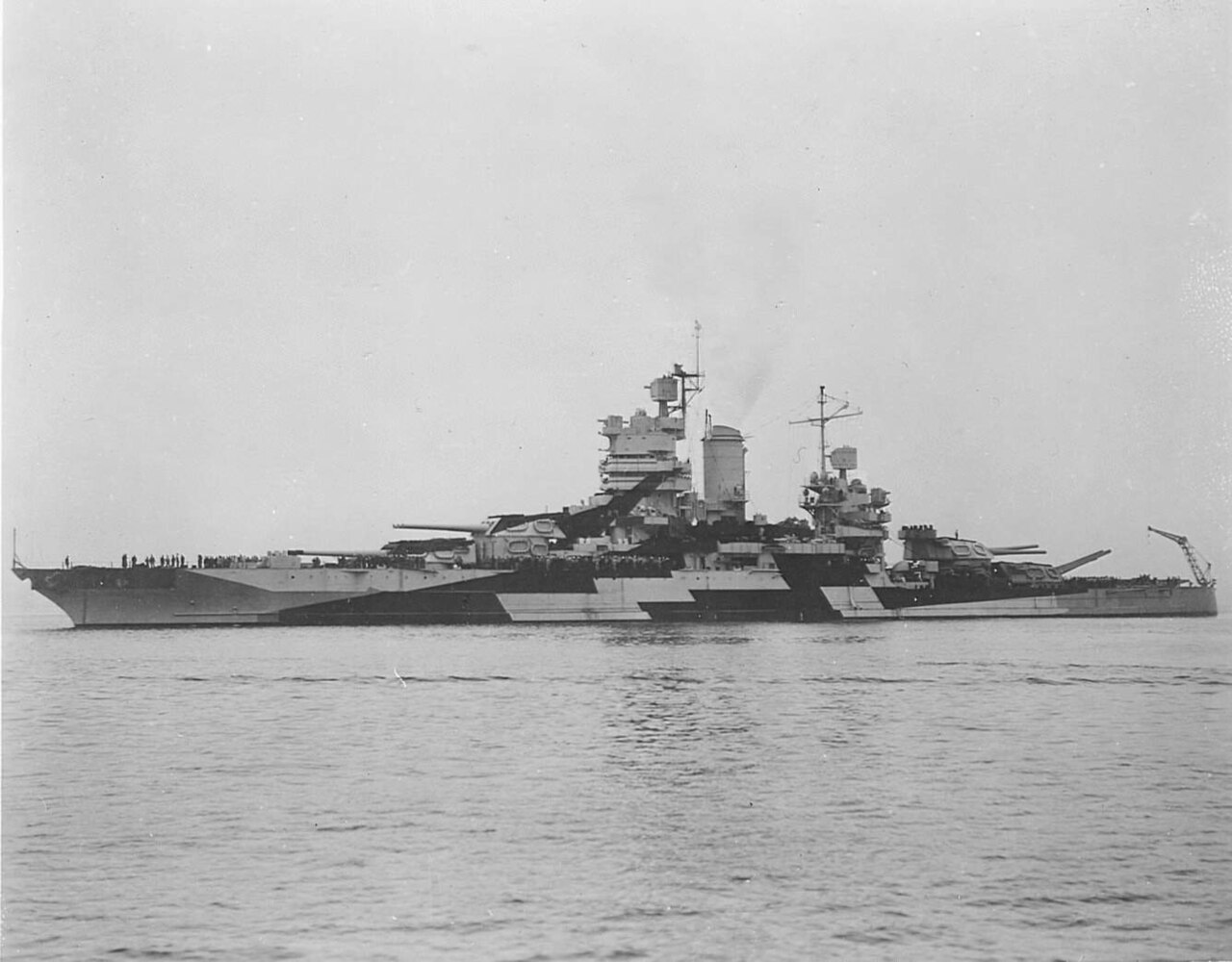
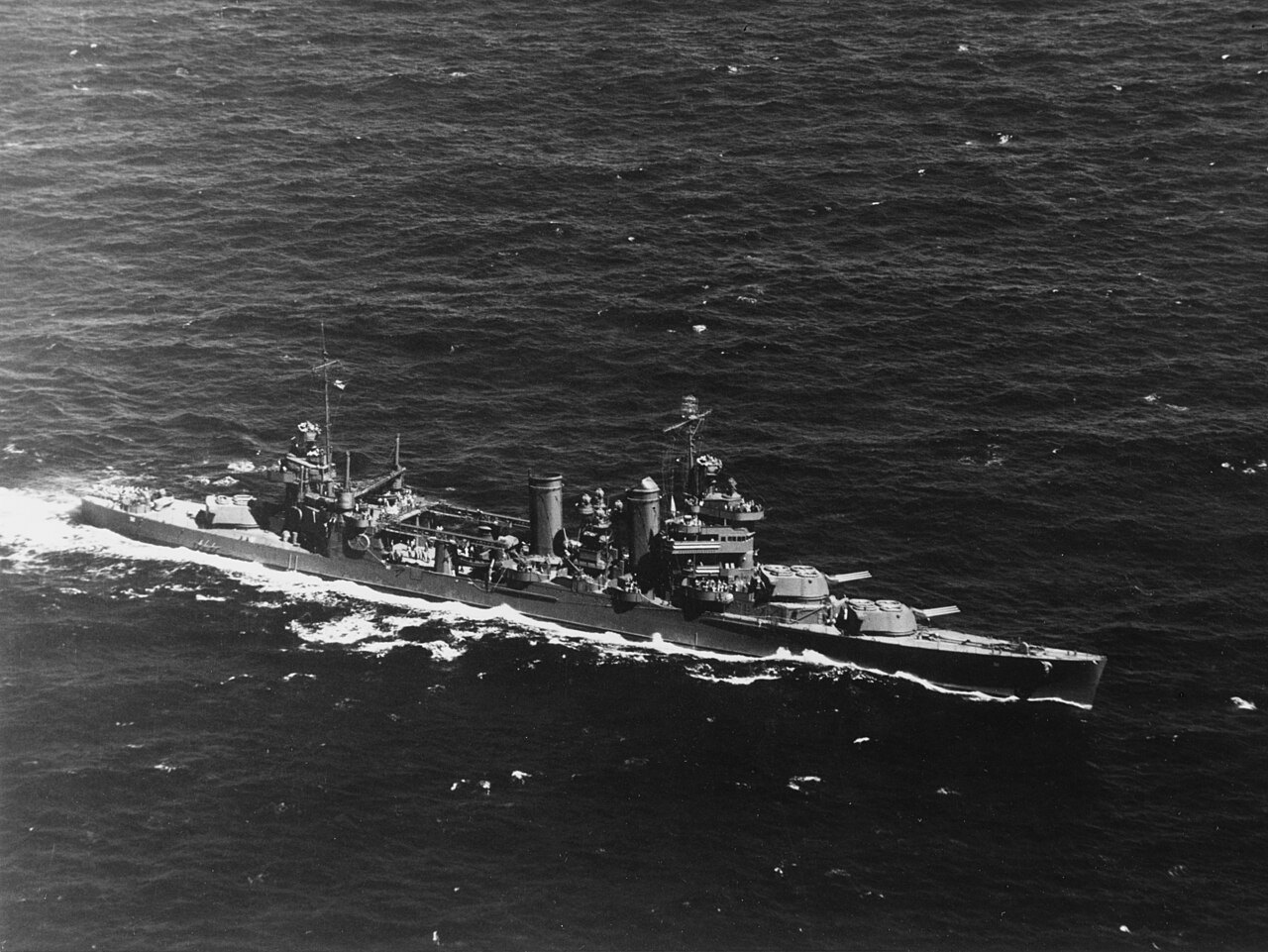
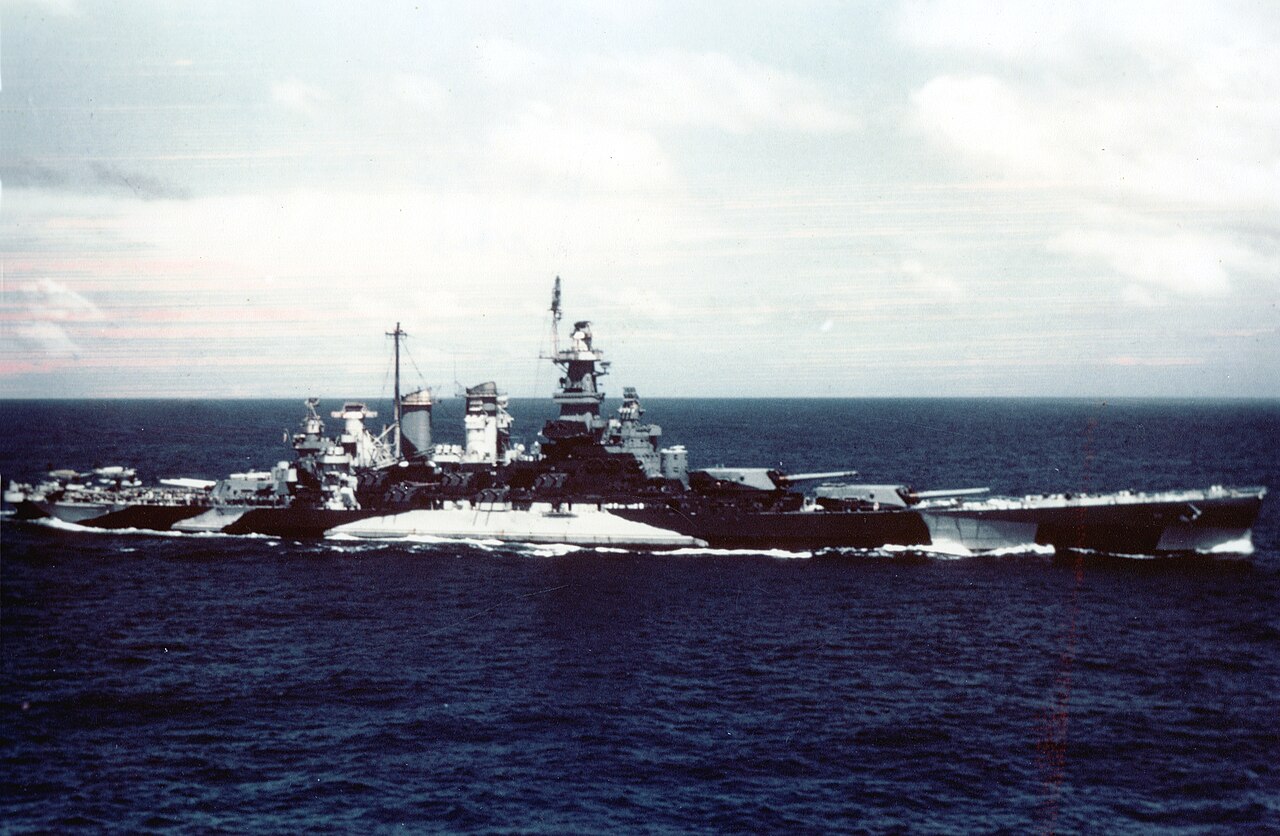
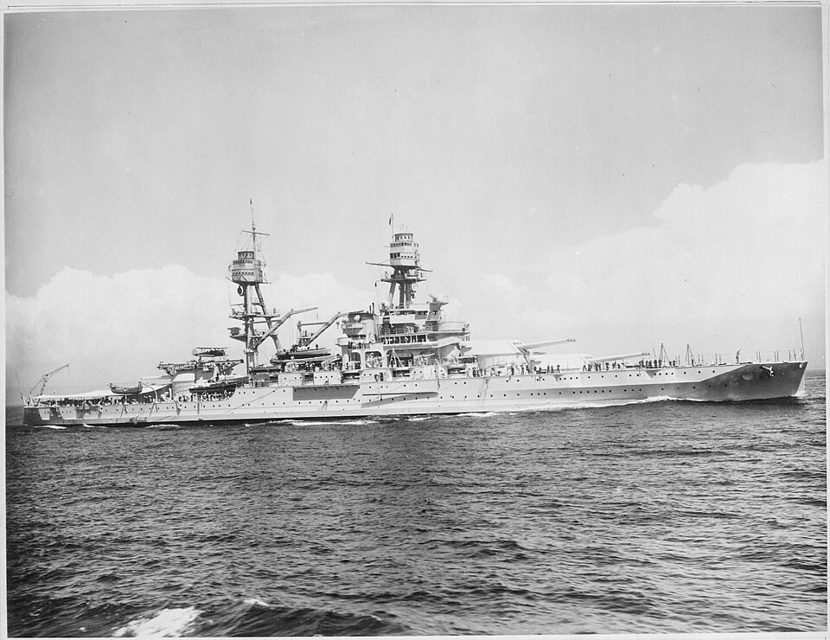
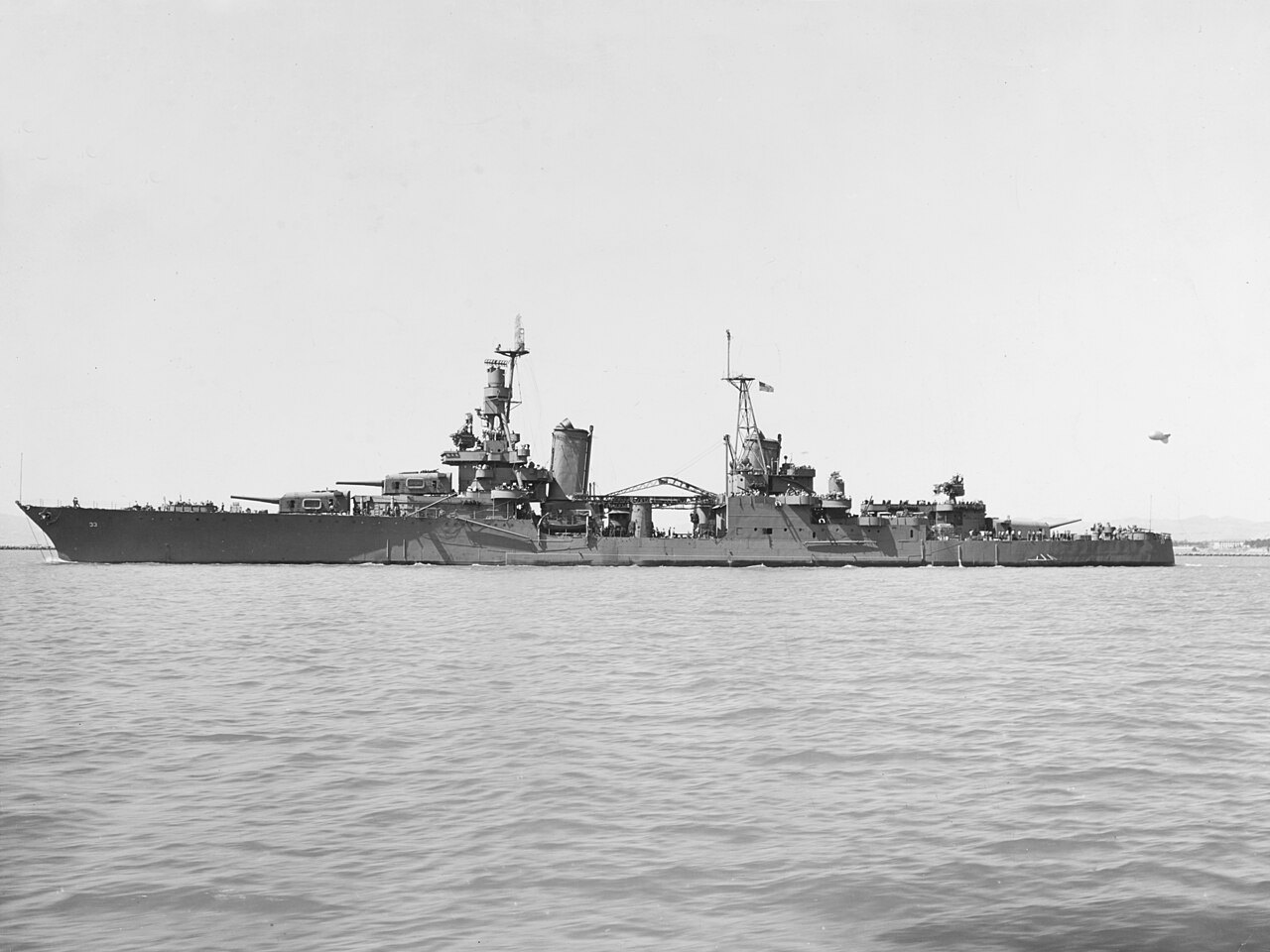
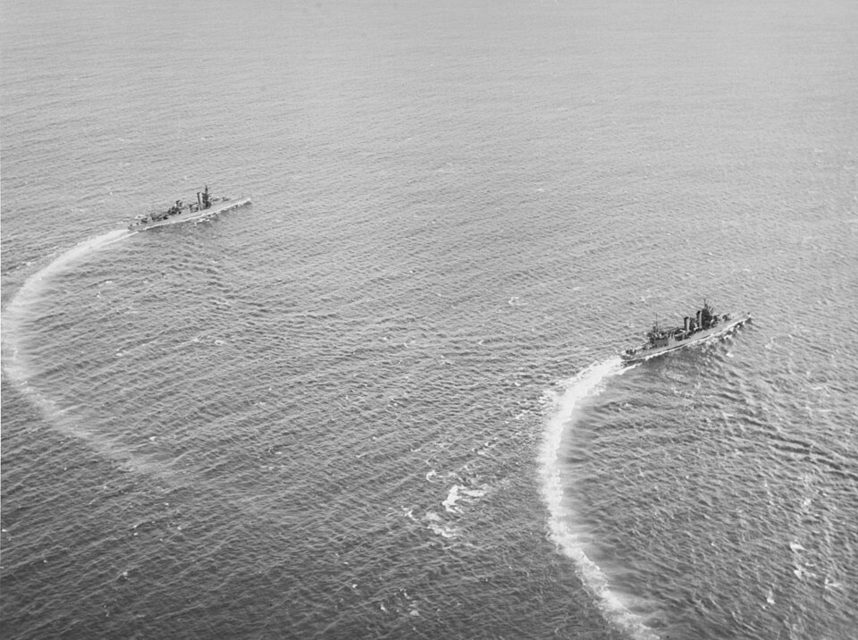
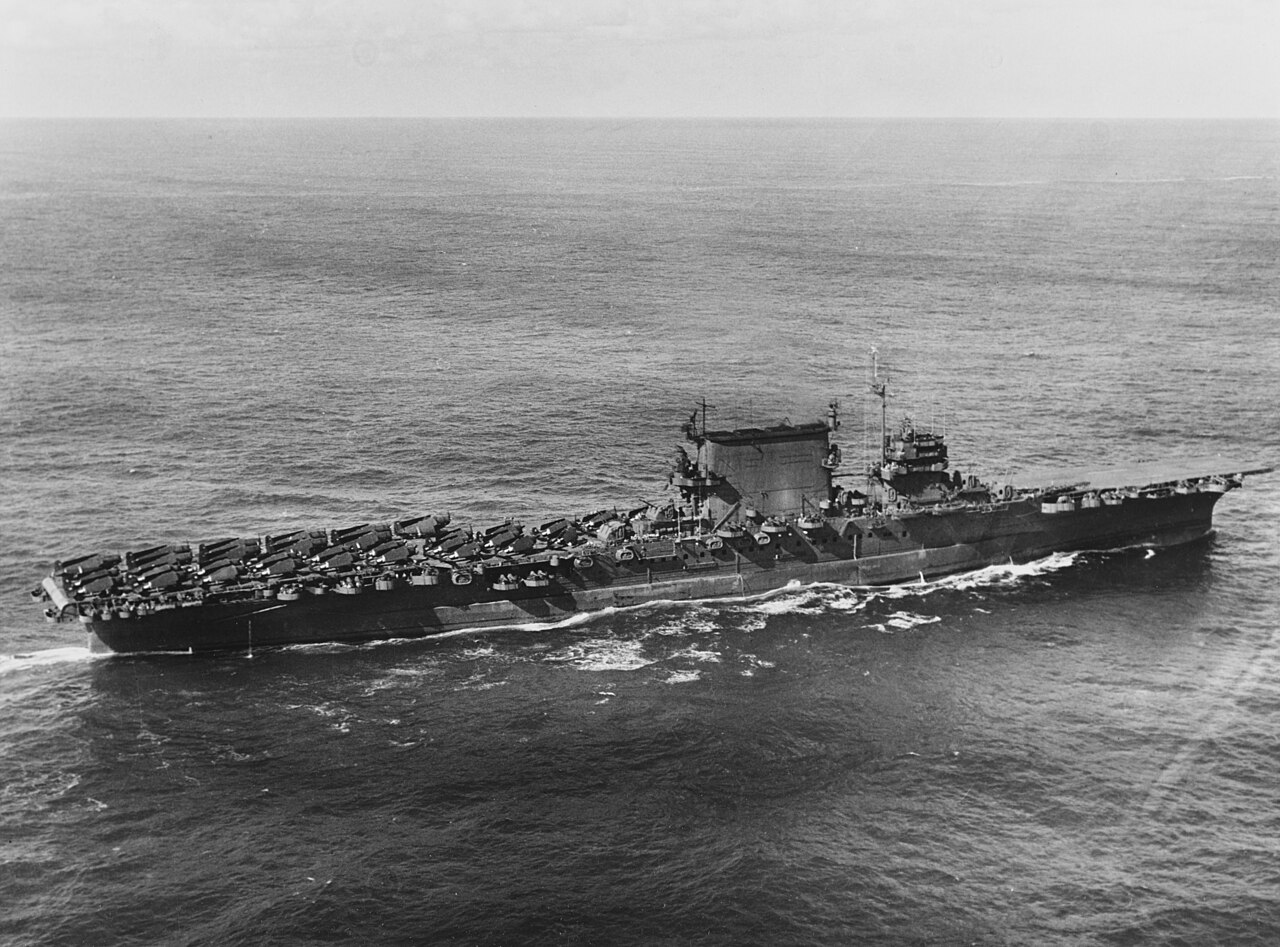
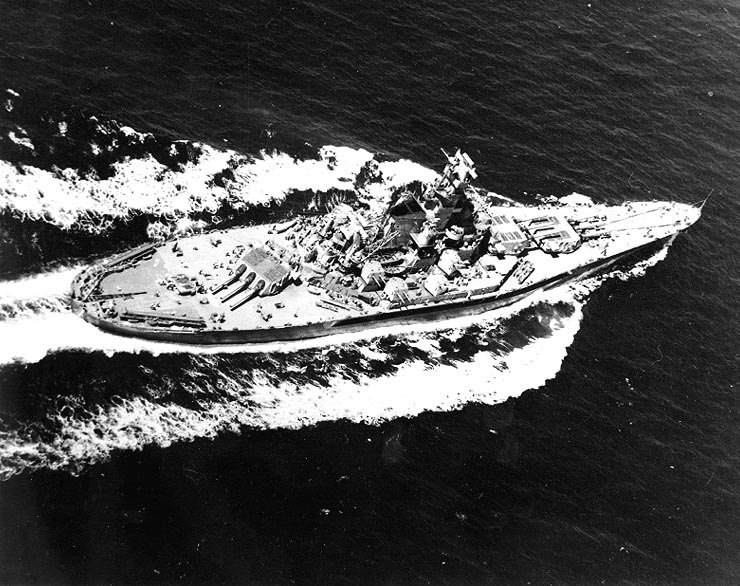
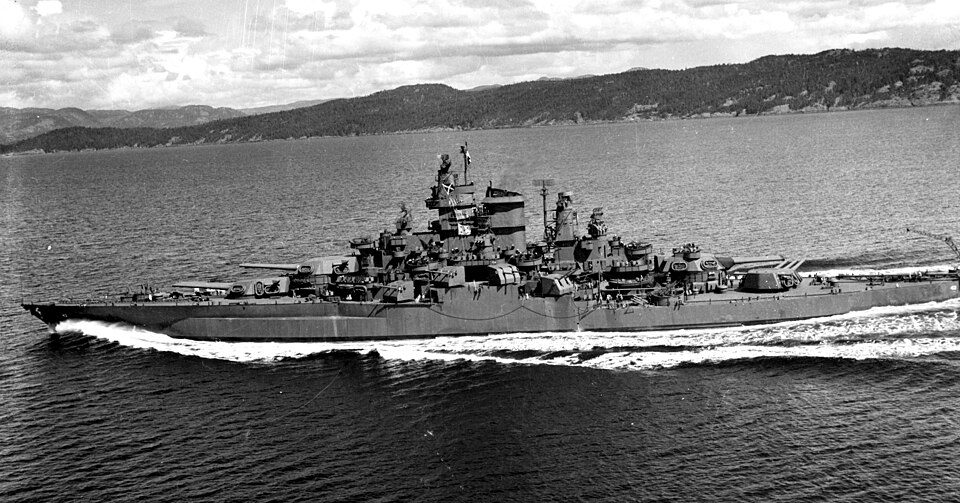
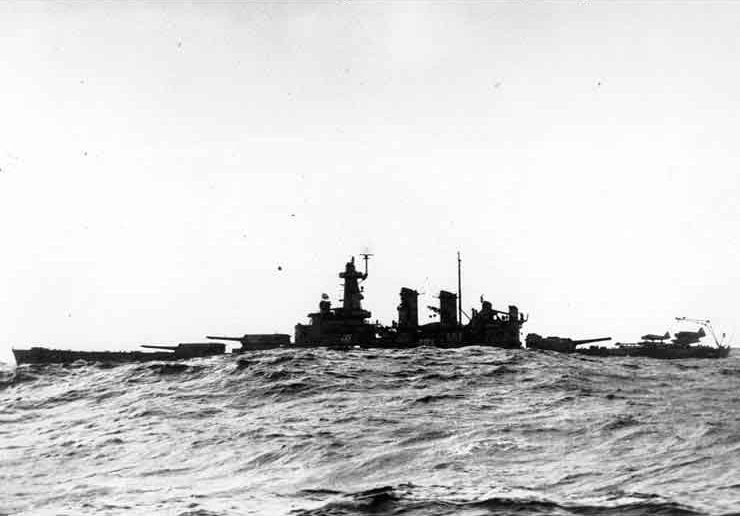
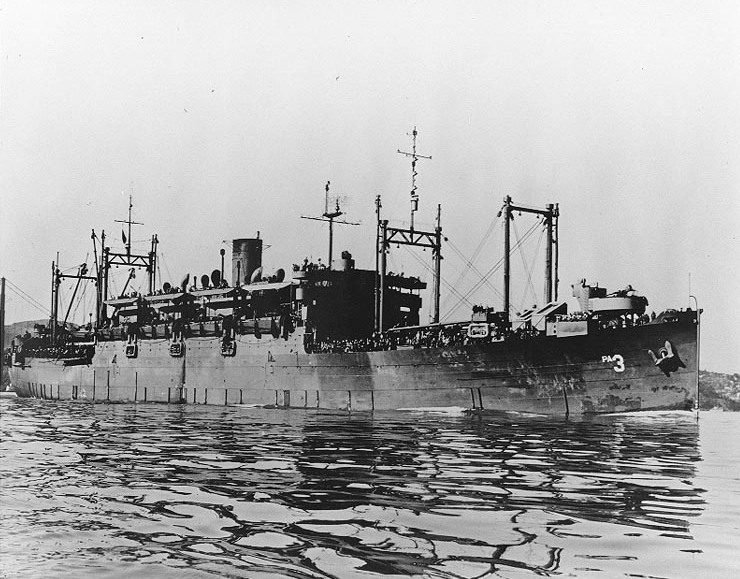
The Marshalls were the first assault on islands Japan had held before the war. Essex had struck Kwajalein on 4 December 1943. The invasion opened at the end of January 1944. On 31 January one force took Majuro, which the Japanese had not garrisoned. The same day Tennessee and Pennsylvania, with Maryland, opened on Roi and Namur. Tennessee began at 0701 from 2,900 yards east of the atoll. Alabama had shelled Roi on 29 January and Namur on 30 January, with North Carolina and South Dakota. Washington shelled Kwajalein Atoll. Indianapolis bombarded the atoll on 31 January, silenced two shore batteries, and on 1 February fired a creeping barrage. She entered the lagoon on 4 February. Marines landed on Roi and Namur on 1 February. The southern landings went onto Kwajalein Island the same day, and Pennsylvania fired before and after those landings. Essex, with Task Group 58.2, worked the Marshalls from 29 January to 2 February. Intrepid raided the northeastern corner of the atoll over those days, and her planes strafed Ennuebing until ten minutes before the Marines landed. Cabot had cleared for Majuro on 15 January. Intrepid's history puts Cabot in the 16 January sortie. Cabot's own history dates her Roi and Namur strikes from 4 February. Enterprise covered the landings from 29 January to 3 February. Saratoga struck Wotje and Taroa from 29 to 31 January, then Engebi from 3 February, and stayed over Eniwetok until 28 February. Minneapolis stayed with the carriers. Iowa supported the carrier strikes on Kwajalein and Eniwetok. Hunt left the screen on 30 January and shelled the northern beaches of Roi and Namur with North Carolina, South Dakota, and Alabama. Portland's history puts her in the Marshalls campaign through February and does not name the island. Eniwetok followed. Pennsylvania left on 12 February and on 17 February steamed into the lagoon firing. She bombarded Engebi on 17 and 18 February and Parry on 20 and 21 February, and supported the Parry landing on 22 February. Tennessee led the transports in on 17 February, bombarded Engebi, fired star shells over Eniwetok Island, and on 20 February opened on Parry from 900 yards. Indianapolis's guns were in that Parry bombardment with Louisville. Colorado was in that bombardment. New Mexico, Mississippi, and Idaho were at Majuro with Tennessee afterward. The Japanese fleet was not there. The fight was against the island guns and the planes on Roi. The named transports, cargo ships, landing ships, and garrison freighters were there in late January and February 1944. Capt. H. O. Roesch had the Southern Garrison Group and Capt. P. P. Blackburn the Northern Garrison Group. Burden R. Hastings and LeHardy reached Kwajalein with the southern group on 5 February. Wileman reached the atoll with the northern garrison convoy on 10 February. Harold C. Thomas is named with that northern group in the order of battle, and her own history puts her at Eniwetok on 11 March. The rest of the destroyer screen and the escort carriers are still not named one by one. Asakaze Maru, Choko Maru, and Akibasan Maru were Japanese merchant ships in the lagoon, named apart from the American garrison freighters. Asakaze Maru and Choko Maru were already wrecks from the December 1943 carrier raid. Akibasan Maru arrived on 16 January and was sunk on 30 January.
Sunk in this fight
3 ships.
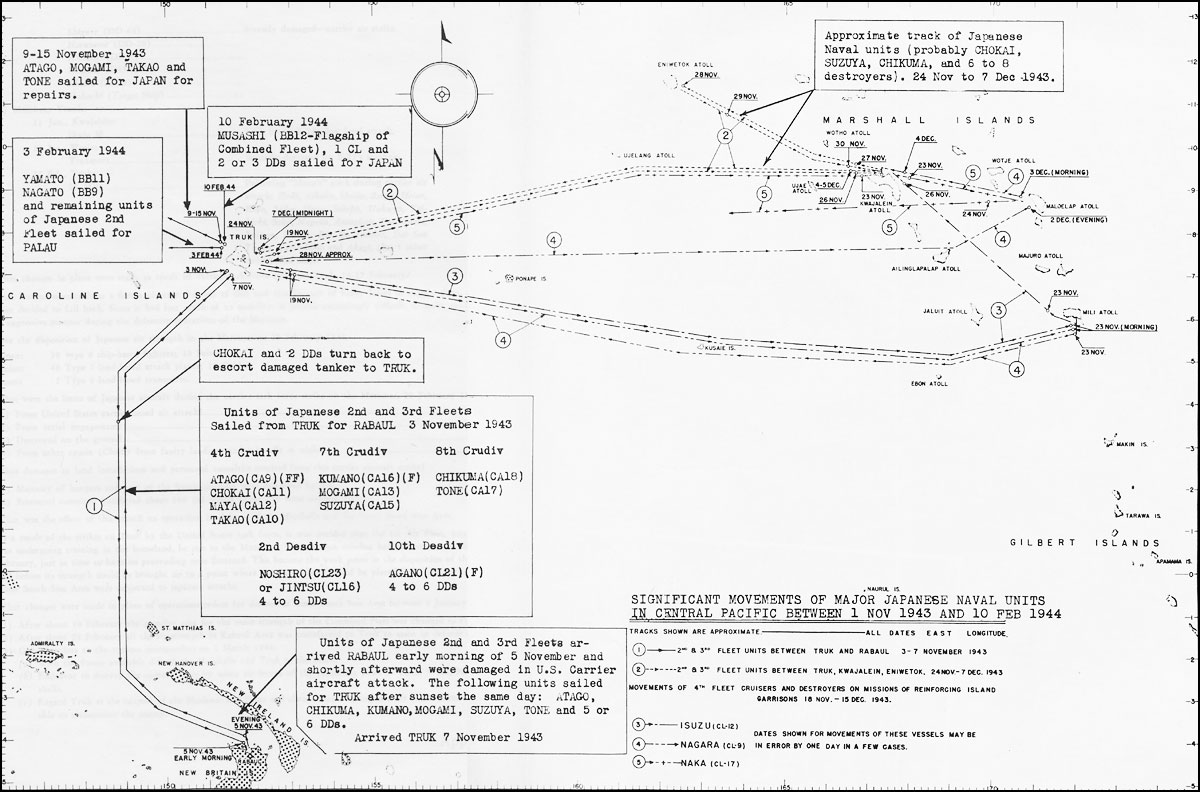
Significant movements of major Japanese naval units in the Central Pacific, 1 November 1943 to 10 February 1944. United States Strategic Bombing Survey, The Campaigns of the Pacific War, 1946, Appendix 70. Public domain. North is up. The sheet says the tracks are approximate, the dates are east longitude, and a few dates may be one day off. Track 1 is 2nd and 3rd Fleet units between Truk and Rabaul, 3-7 November 1943. The sheet lists 4th Cruiser Division as Atago, flagged, with Chokai, Maya, and Takao; 7th Cruiser Division as Kumano, flagged, with Mogami and Suzuya; and 8th Cruiser Division as Chikuma and Tone. It prints Chokai and two destroyers turning back to escort a damaged tanker to Truk. Track 2 runs through Truk, Kwajalein, and Eniwetok from 24 November to 7 December 1943. The sheet marks that track as probably Chokai, Suzuya, Chikuma, and six to eight destroyers. The word probably is the sheet's. Tracks 3, 4, and 5 are Isuzu, Nagara, and Naka. The sheet dates those garrison runs from 18 November to 15 December 1943. Track 2 is the one that passes Kwajalein and Eniwetok, and it ends on 7 December 1943, before this landing. The sheet does not draw the assault on Roi, Namur, Kwajalein, or Eniwetok. This page's account is that the Japanese fleet was not at the landing.