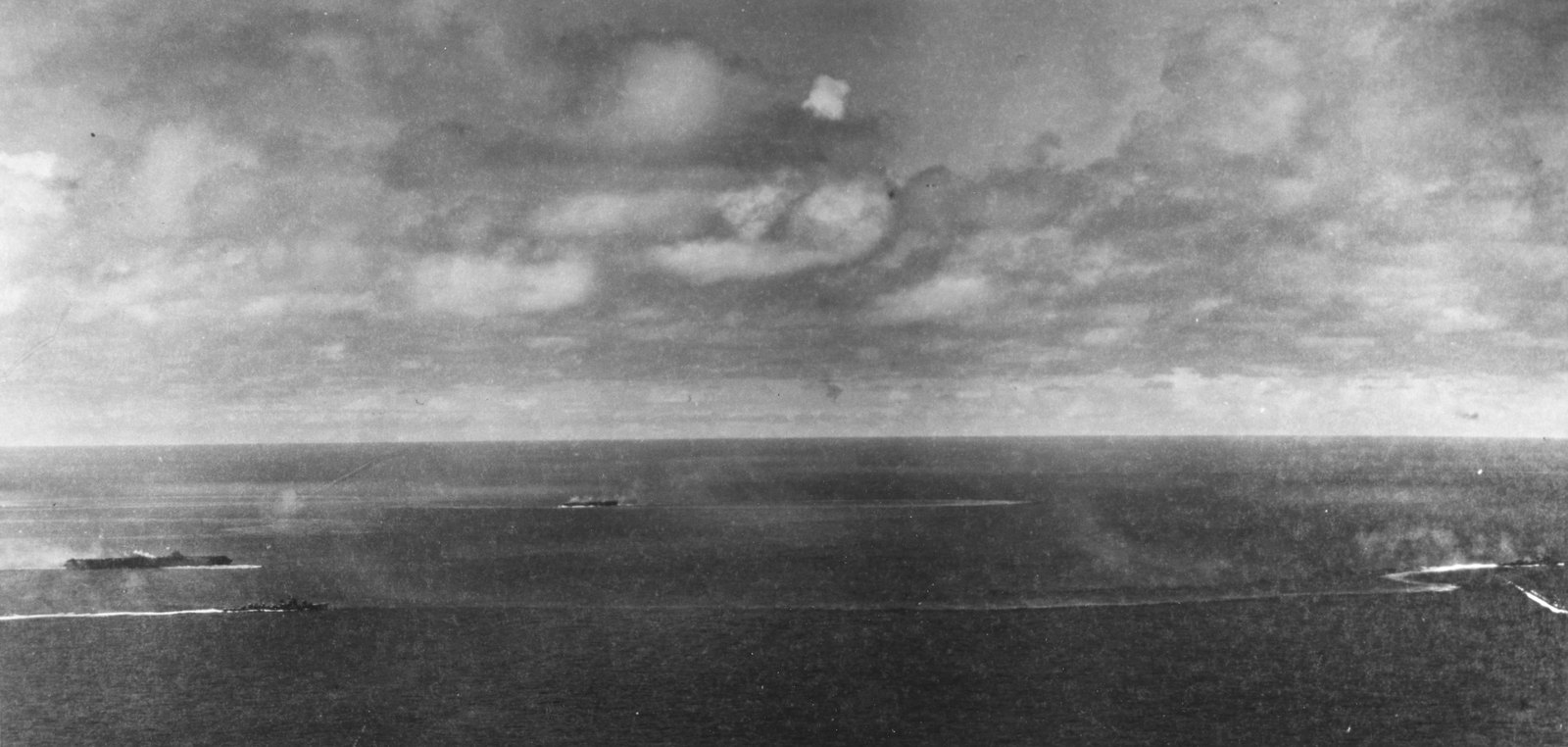
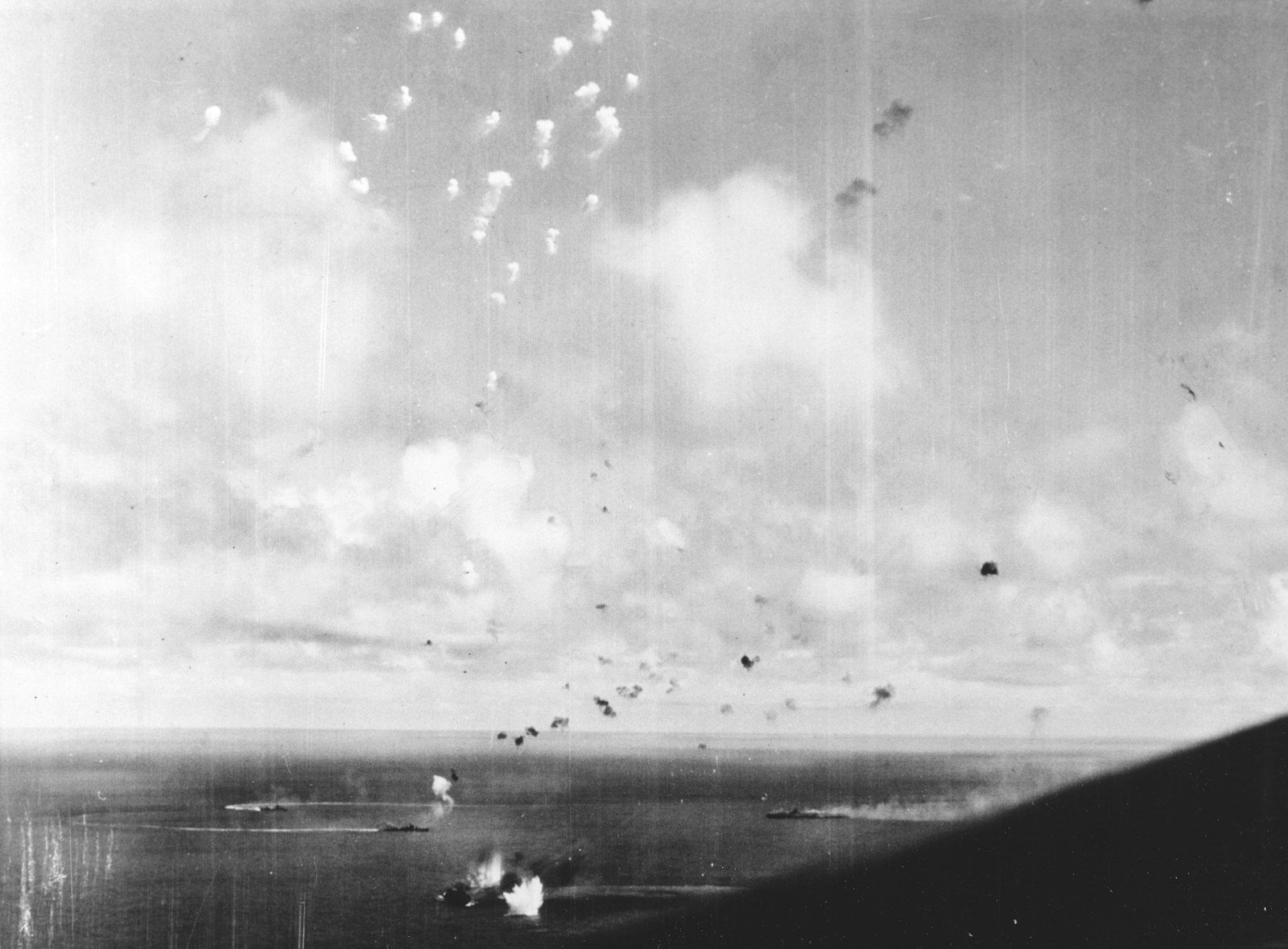
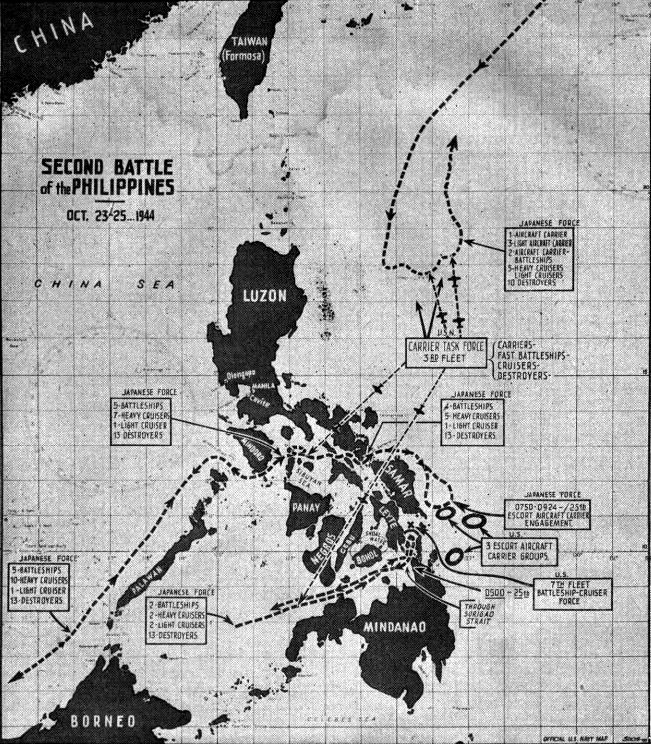
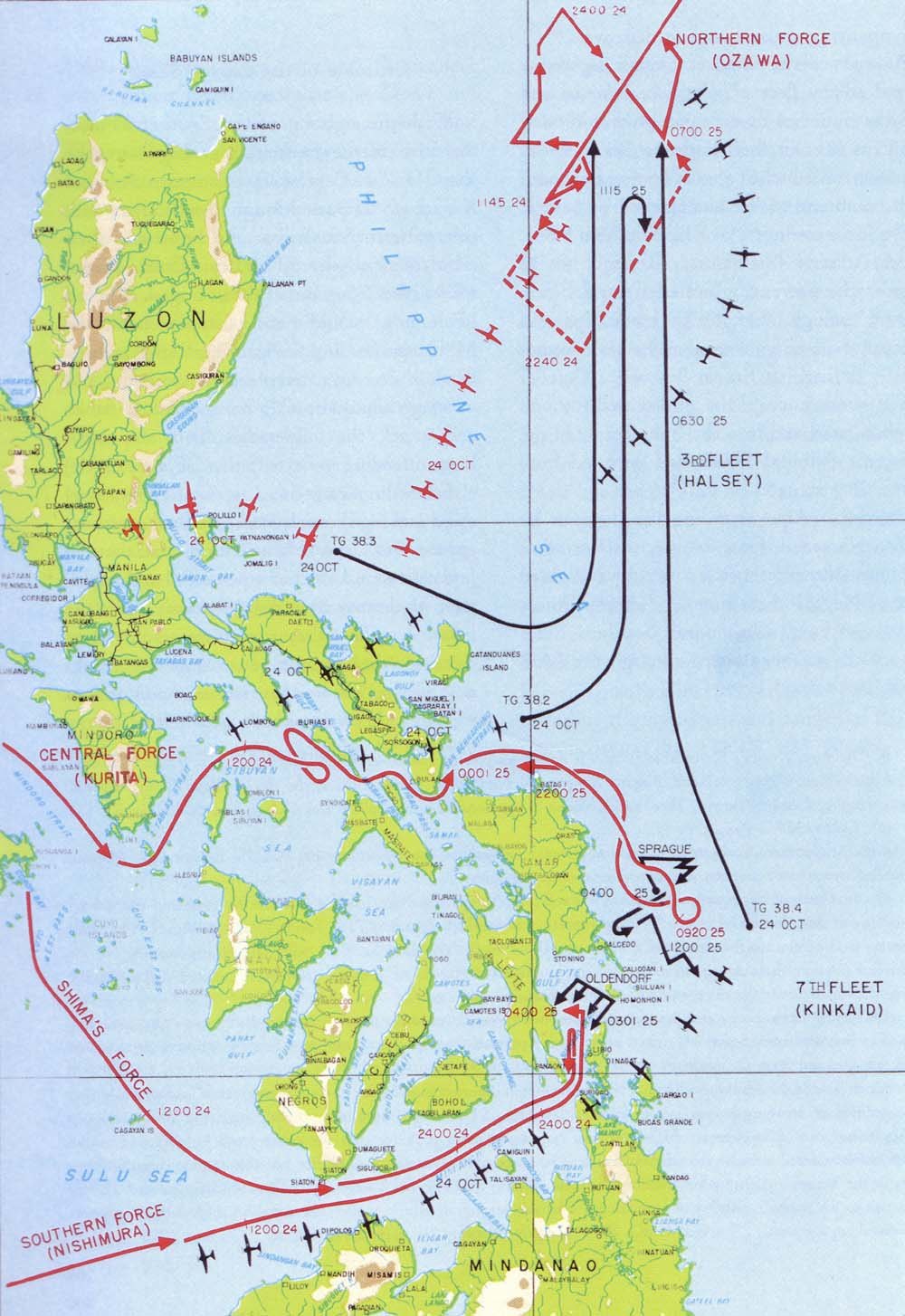
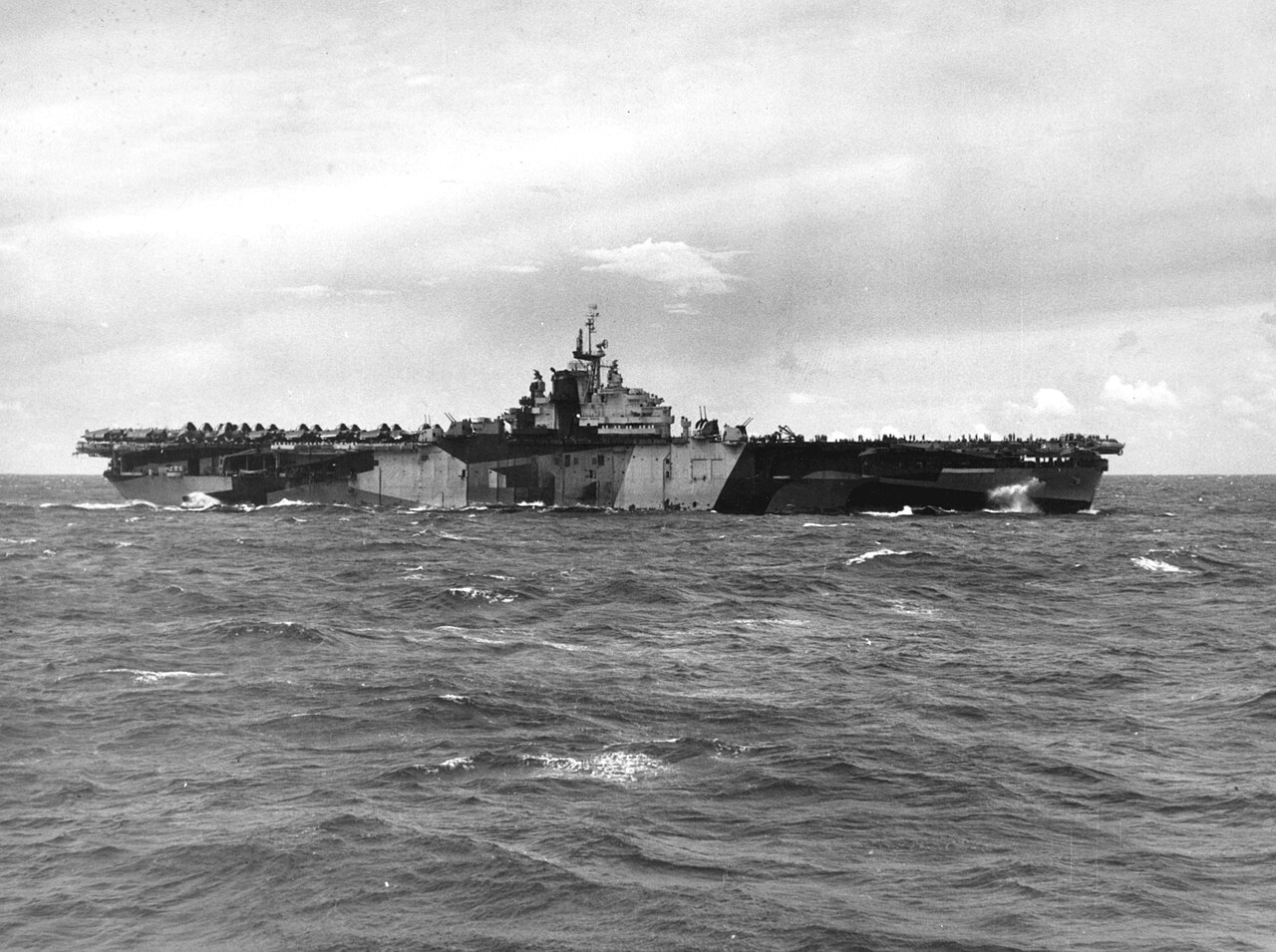
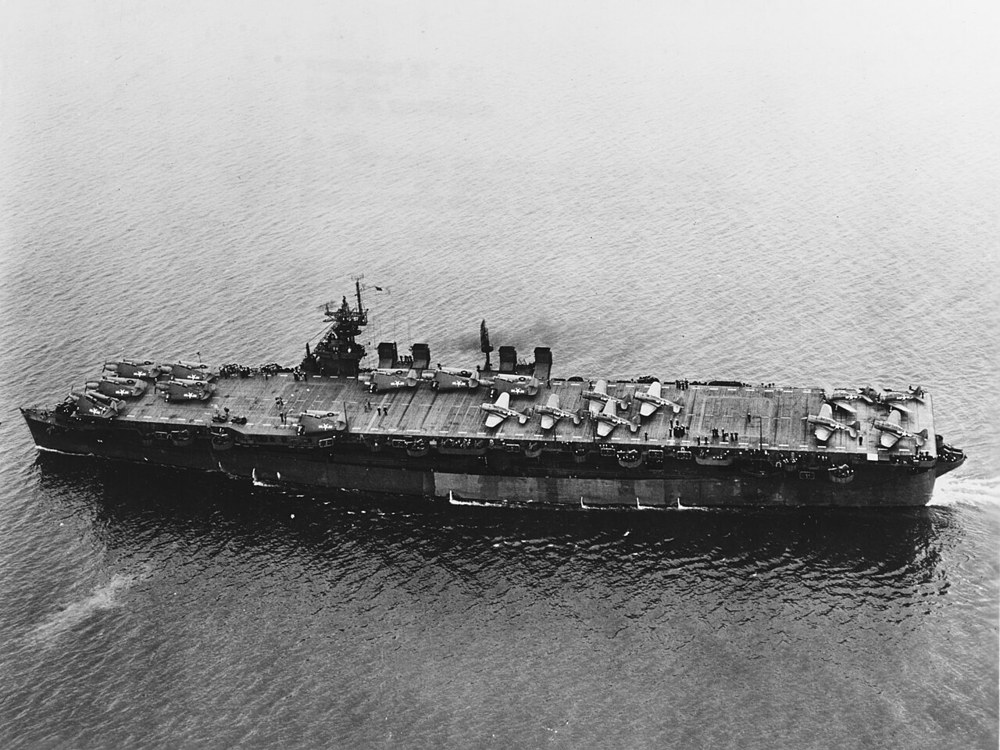
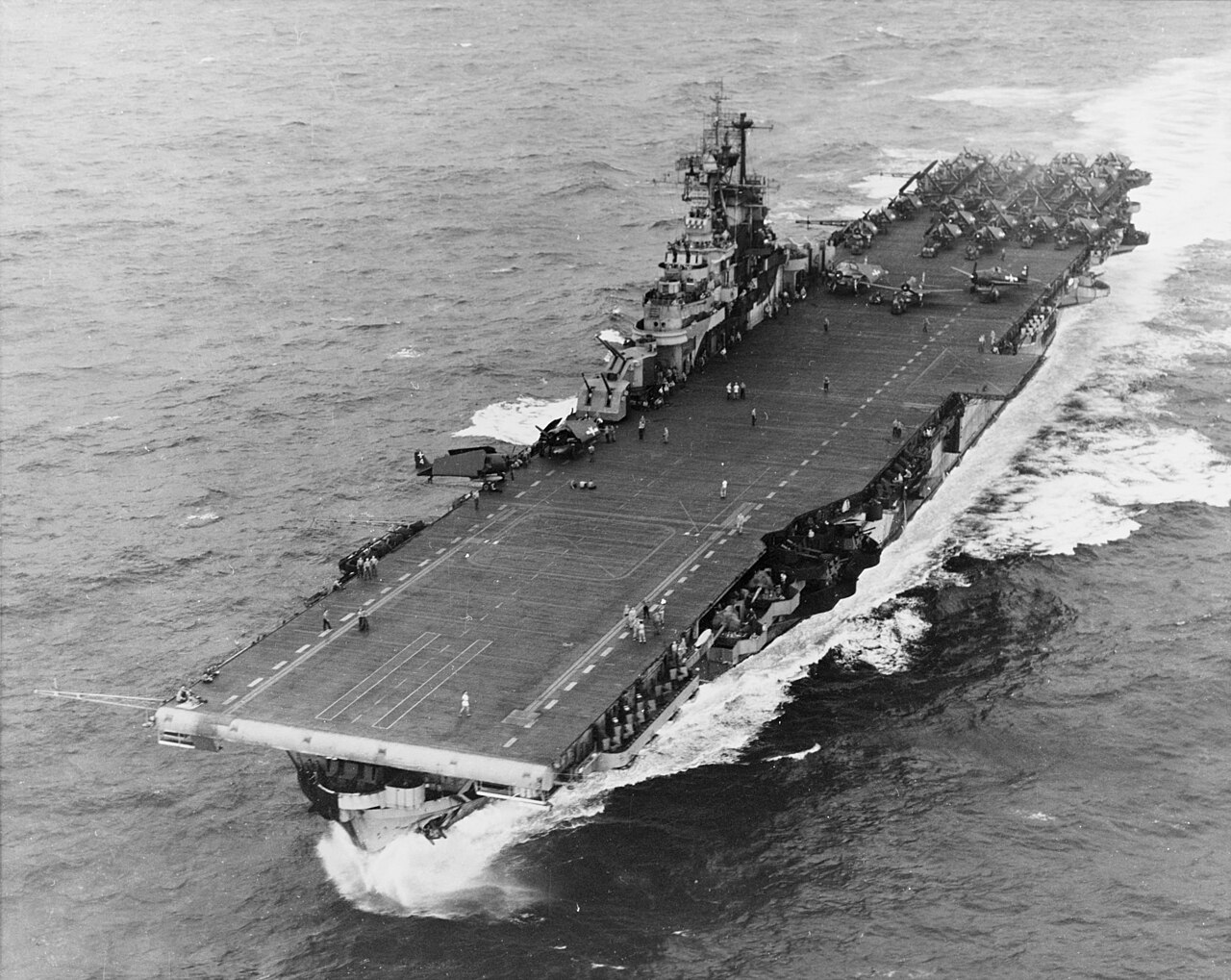
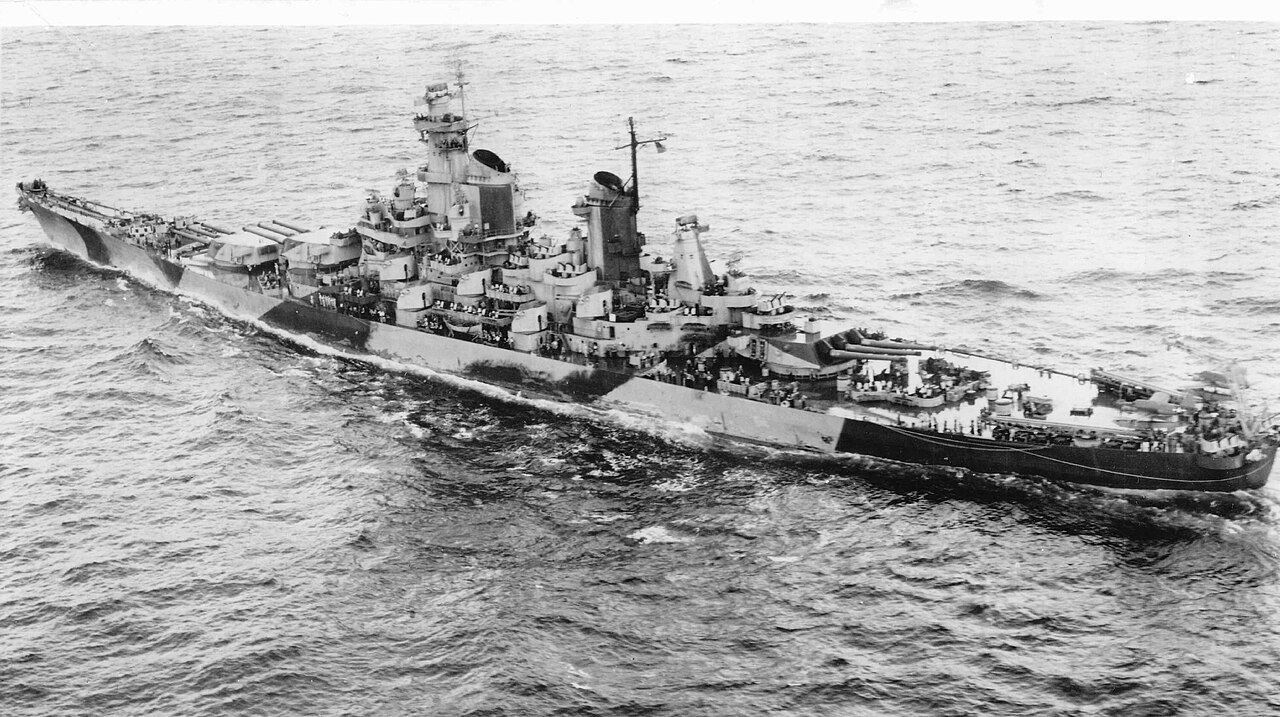
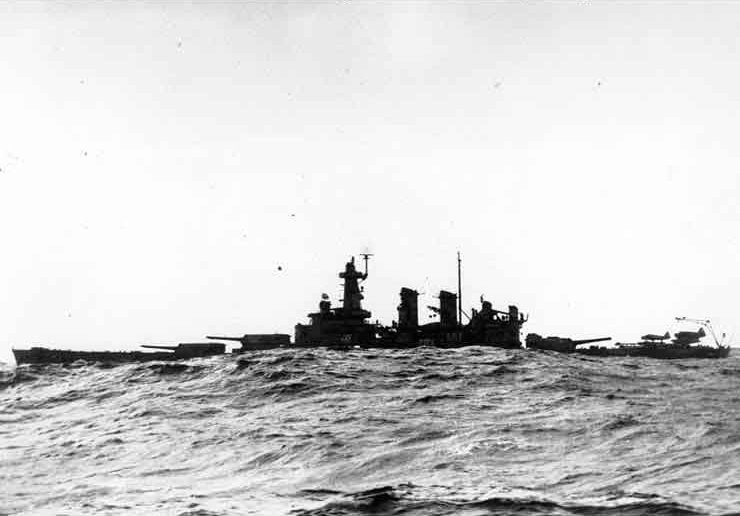
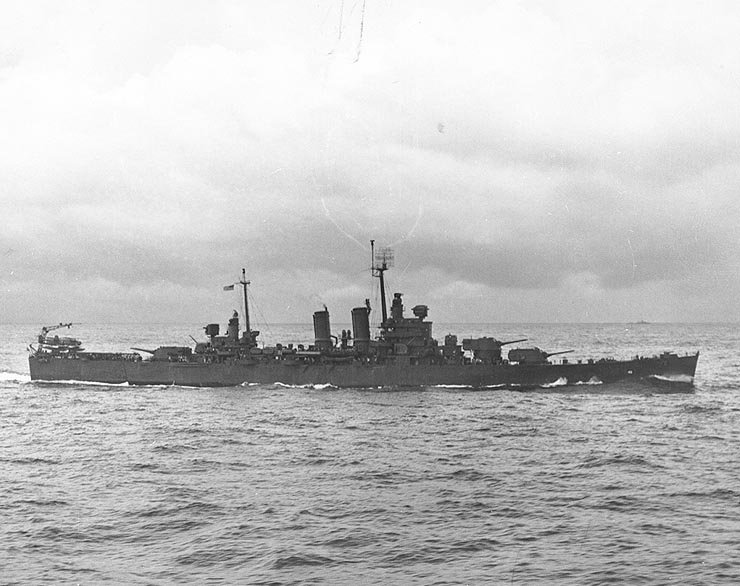
The Battle off Cape Engaño was fought on 25 October 1944 in the open sea east of Cape Engaño, the northeast tip of Luzon. It was one of the four main actions of the Battle of Leyte Gulf, with the Sibuyan Sea, Surigao Strait, and Samar. Air strikes on the retreating Japanese ships went on into 26 October. The Japanese force in this fight was meant to be found. Engaño is Spanish for deception, which is a coincidence of the map.
The plan
The Japanese plan, Sho-Go 1, sent Vice Admiral Takeo Kurita's Center Force through San Bernardino Strait and the Southern Force through Surigao Strait toward the Leyte landings. Vice Admiral Jisaburo Ozawa's Northern Force was to come down from Japan and draw Admiral William Halsey's Third Fleet away from them. His carriers had few aircraft and few trained crews. Their part was to be a lure.
The forces
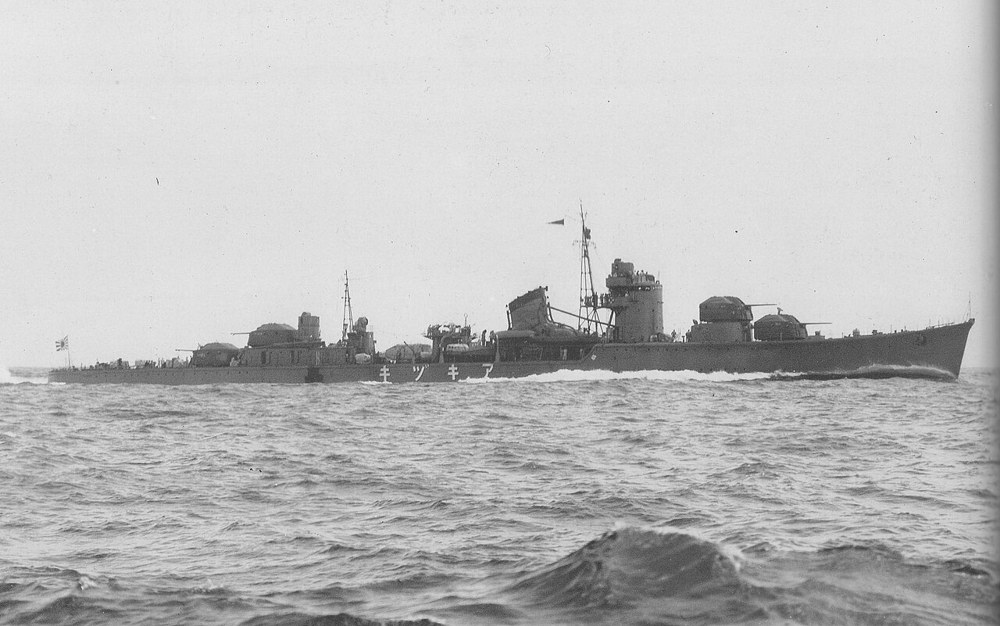
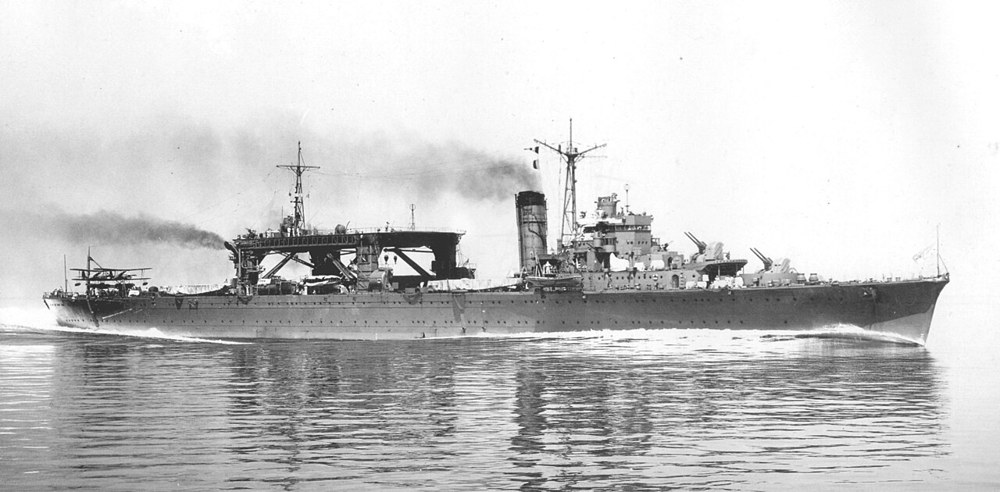
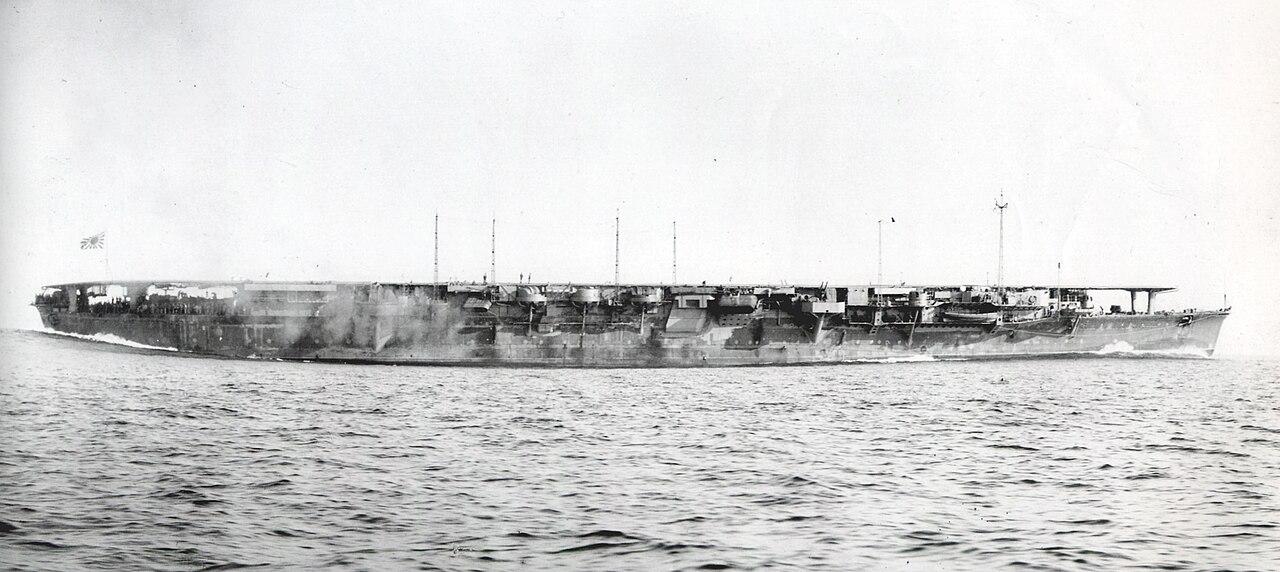
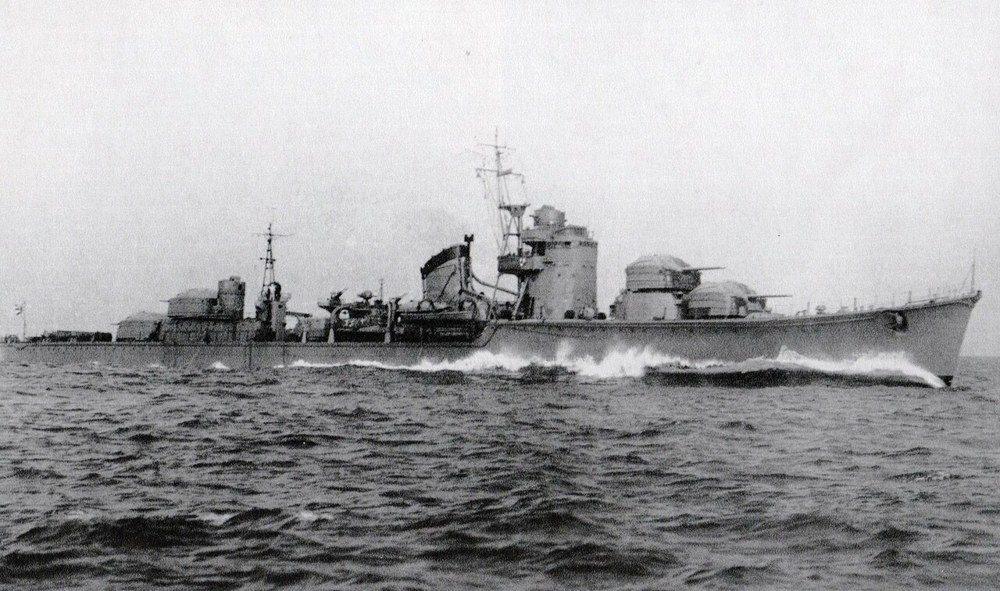
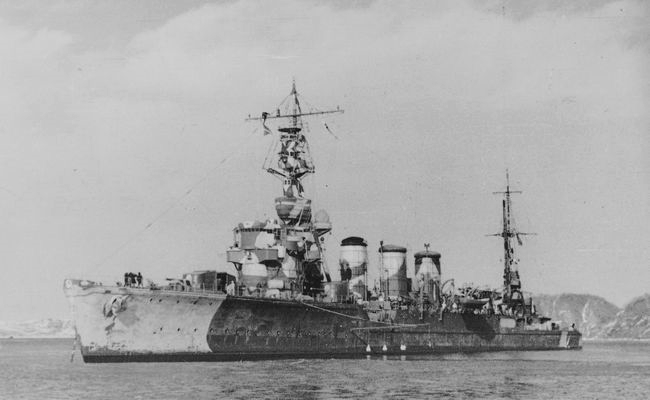
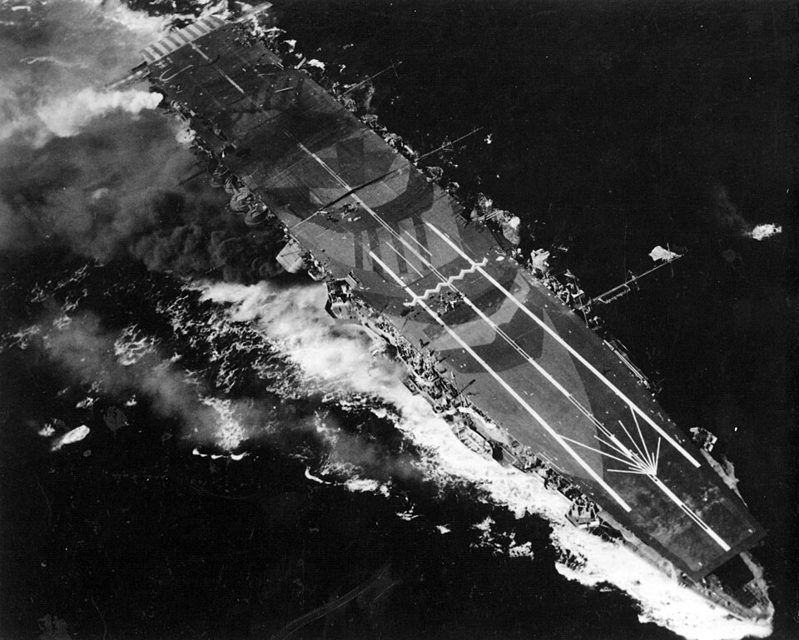
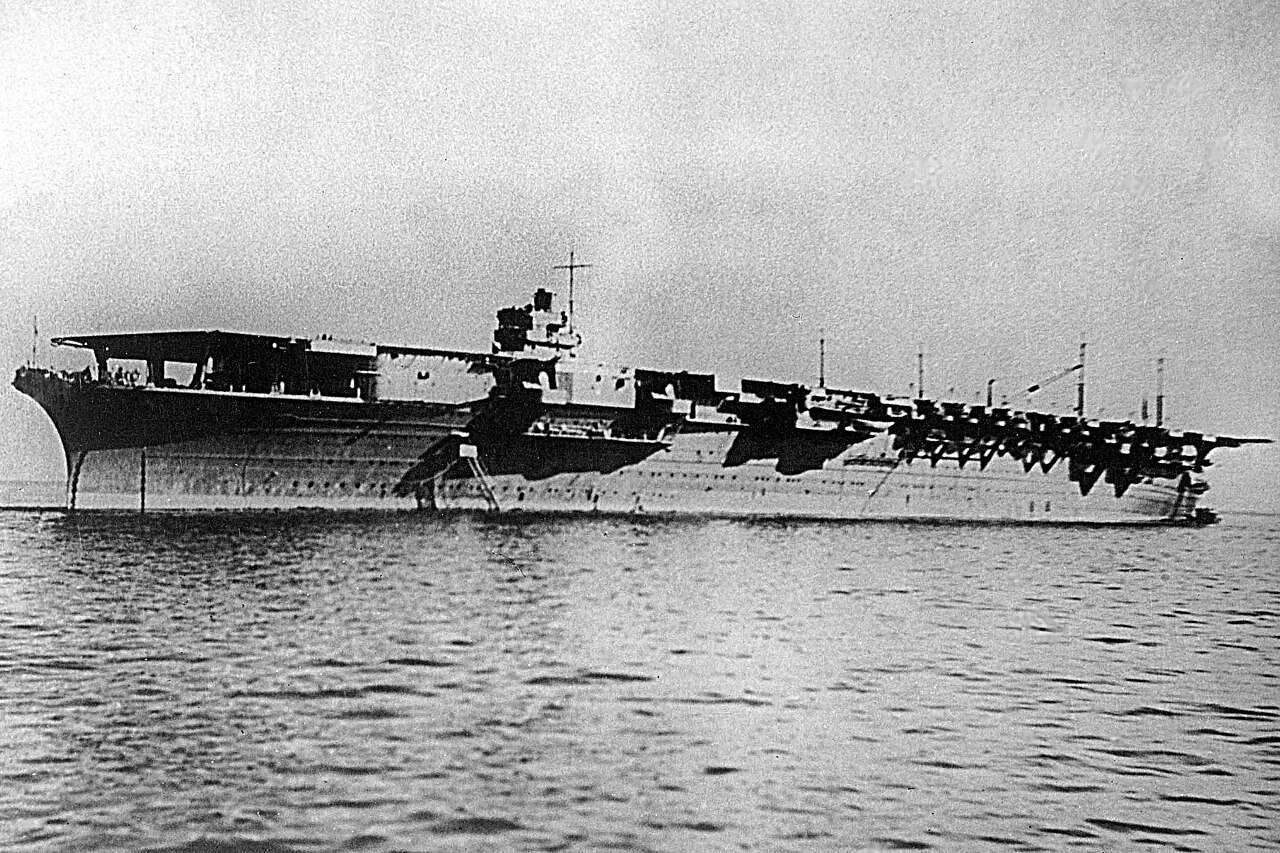
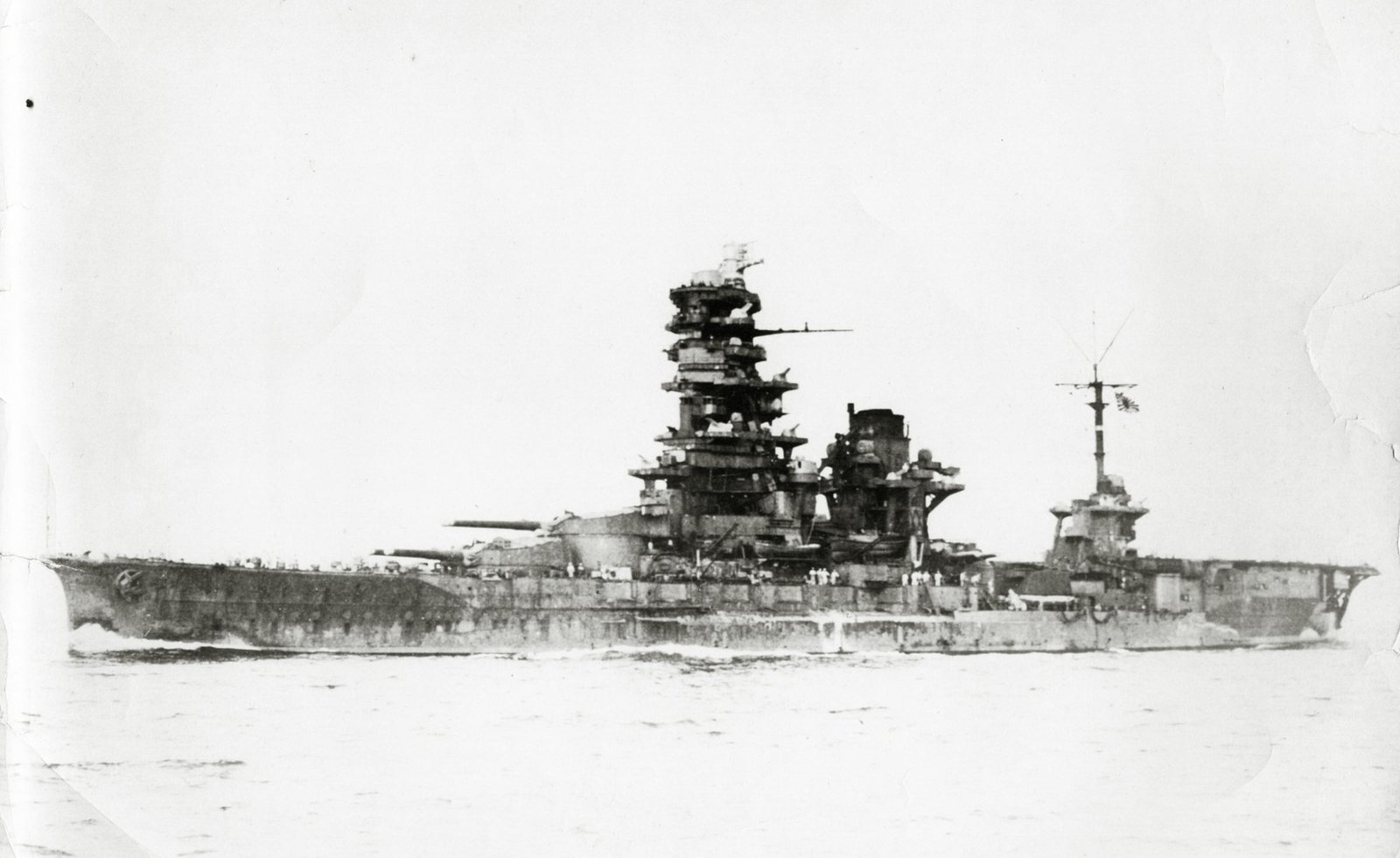
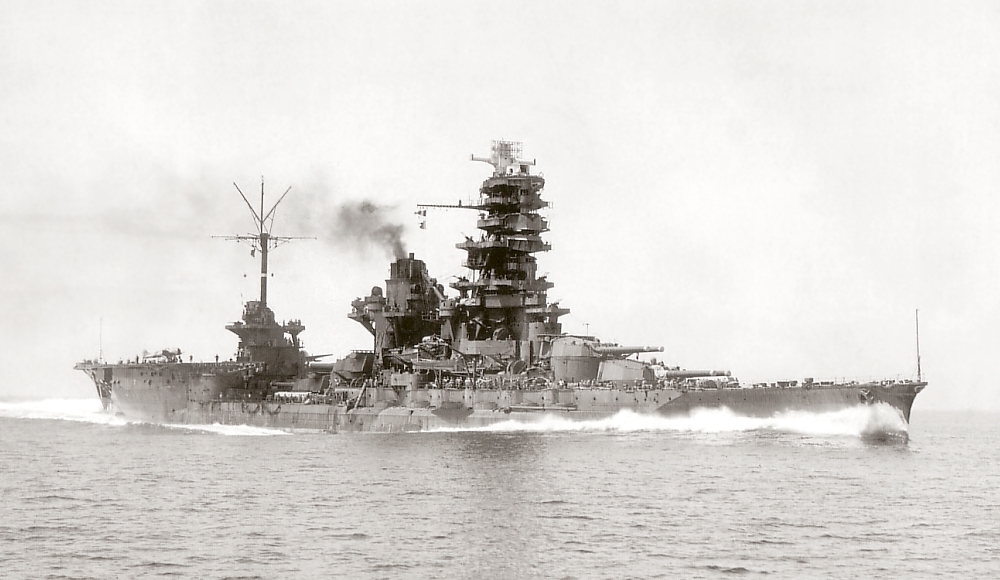
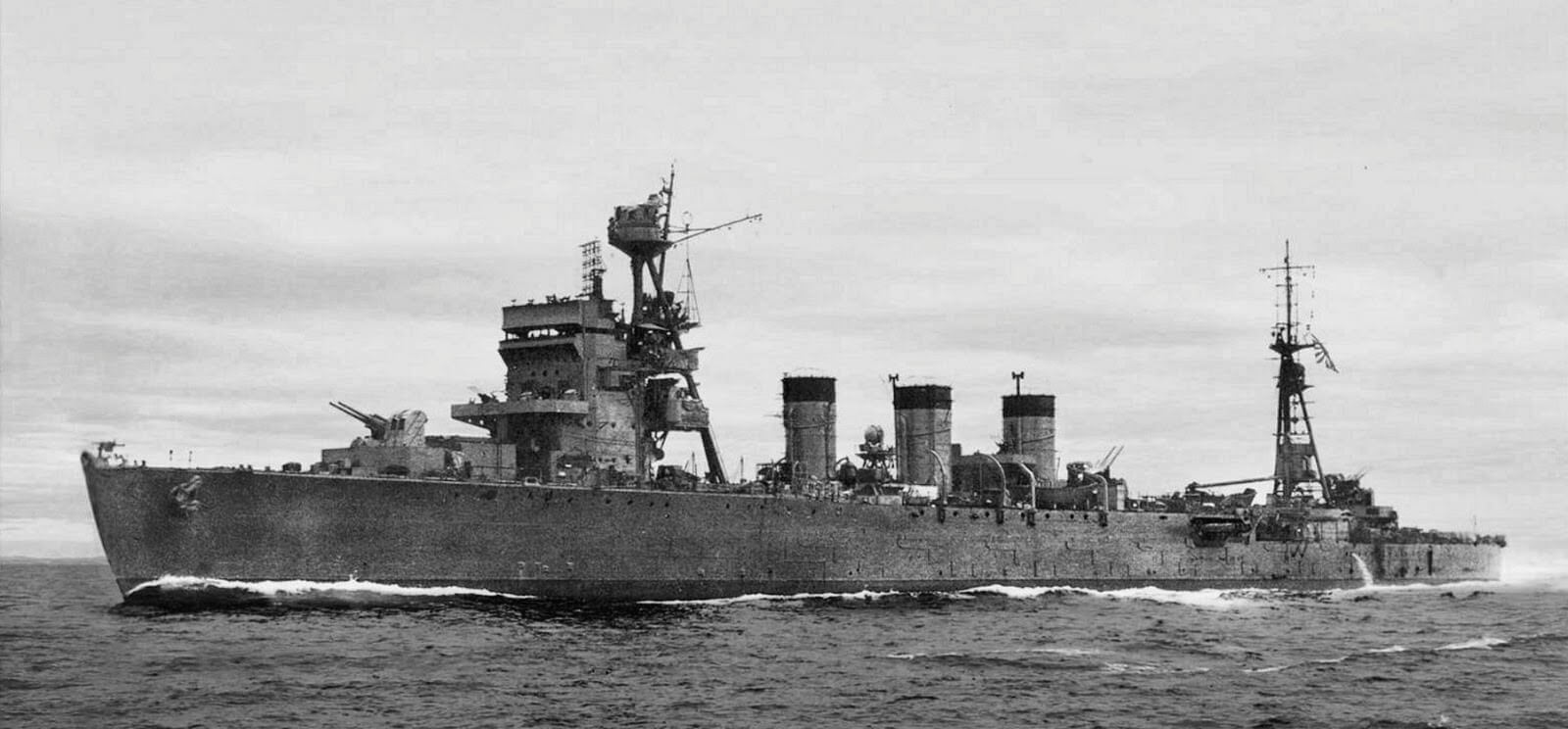
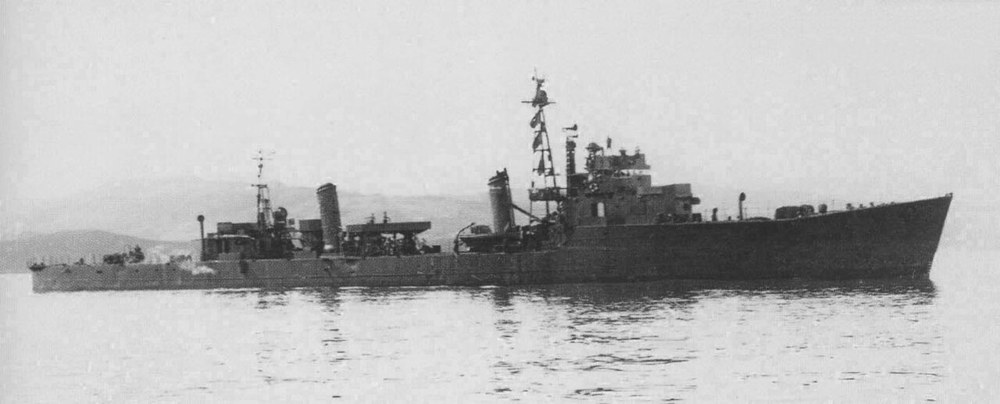
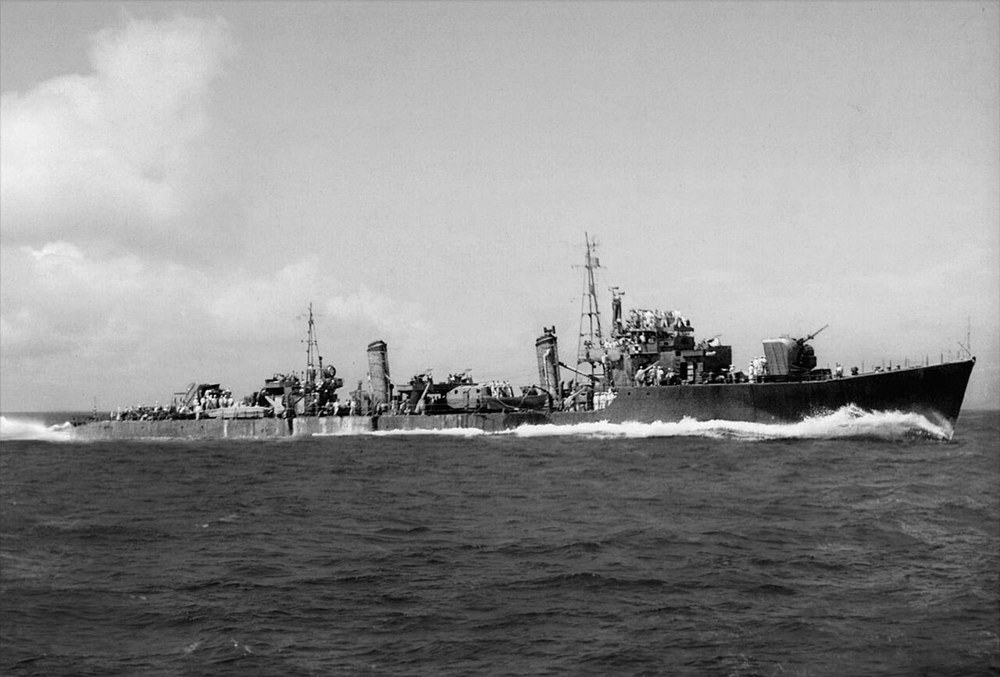
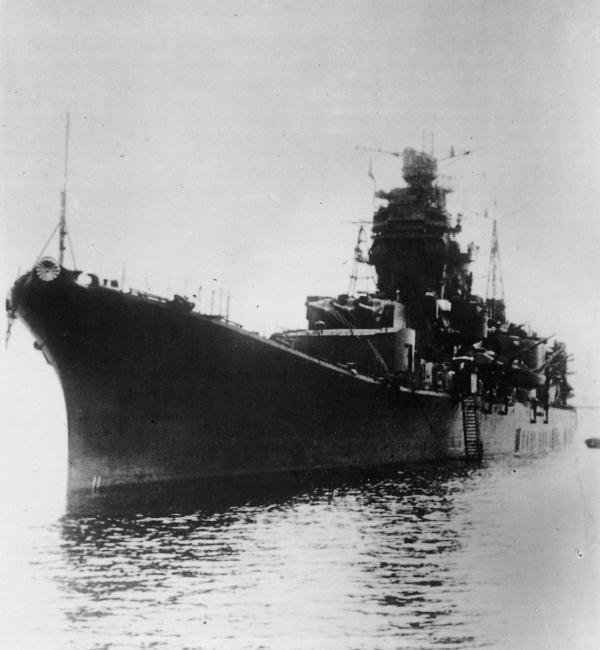
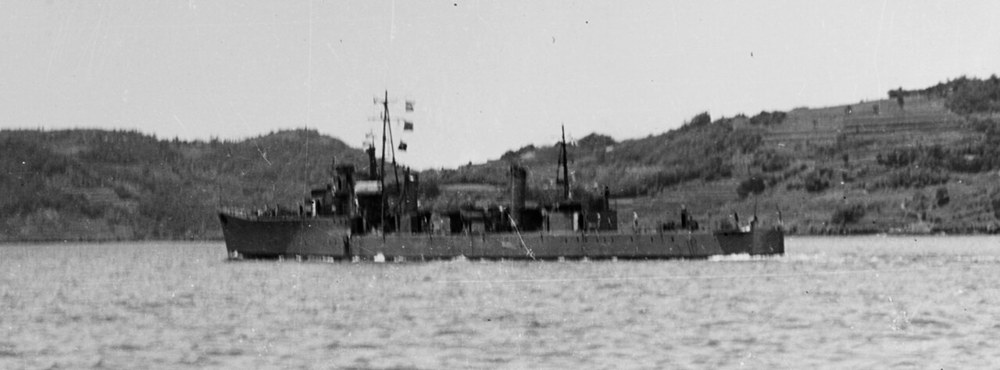
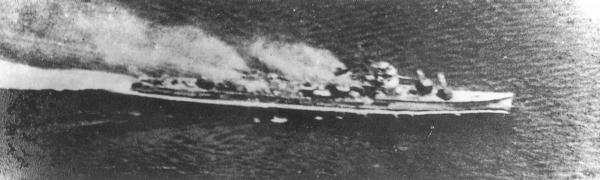
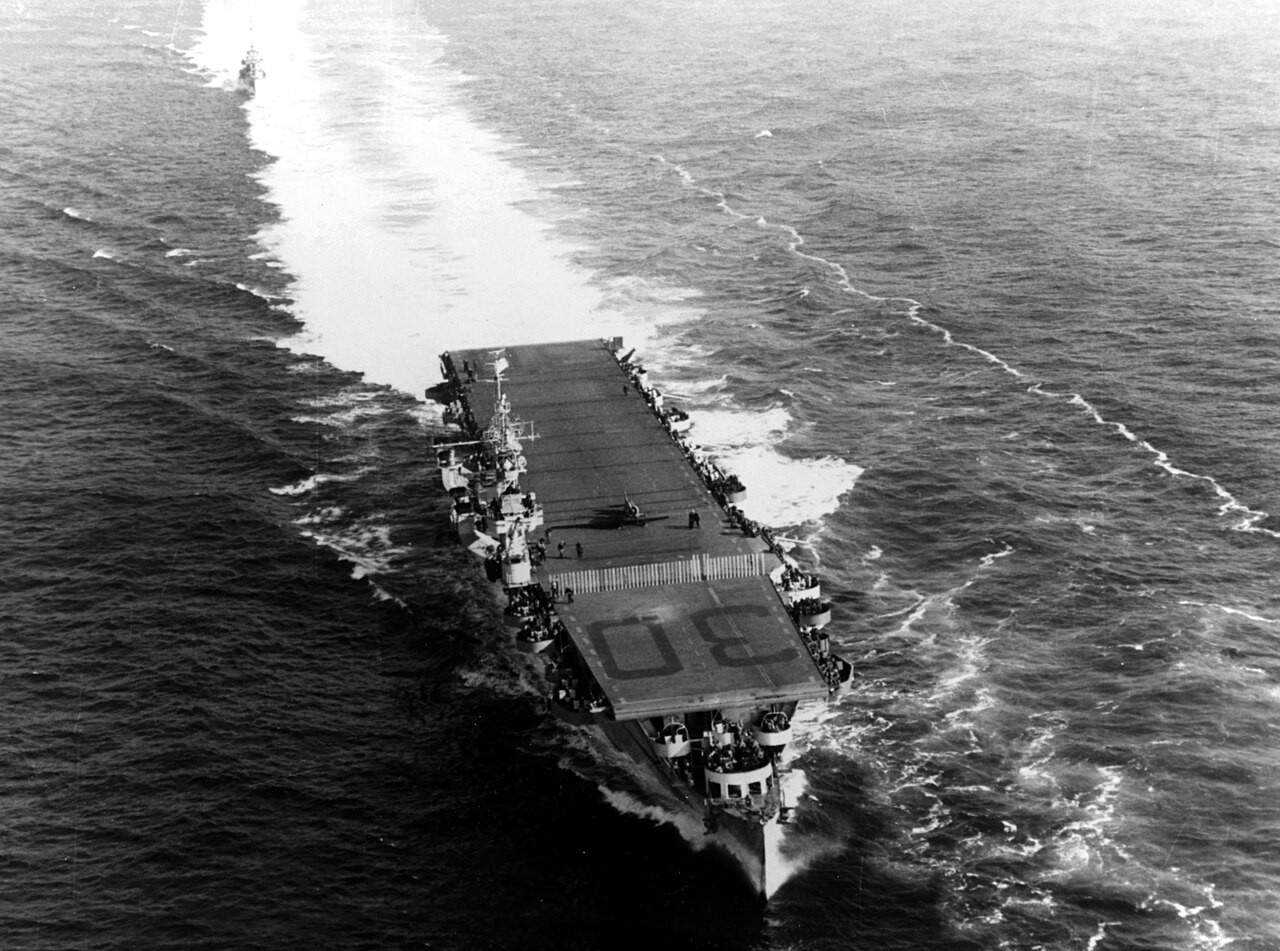
Ozawa had the carrier Zuikaku, his flagship and the last afloat of the six carriers that had attacked Pearl Harbor, and the light carriers Zuiho, Chitose, and Chiyoda, with 108 aircraft among the four. The battleships Ise and Hyuga had lost their two after turrets to a hangar and flight deck, but neither carried aircraft in this battle. The light cruisers were Oyodo, Tama, and Isuzu. The destroyers were Akizuki, Hatsuzuki, Wakatsuki, and Shimotsuki, and Maki, Kiri, Kuwa, and Sugi. The force left Oita on 20 October.
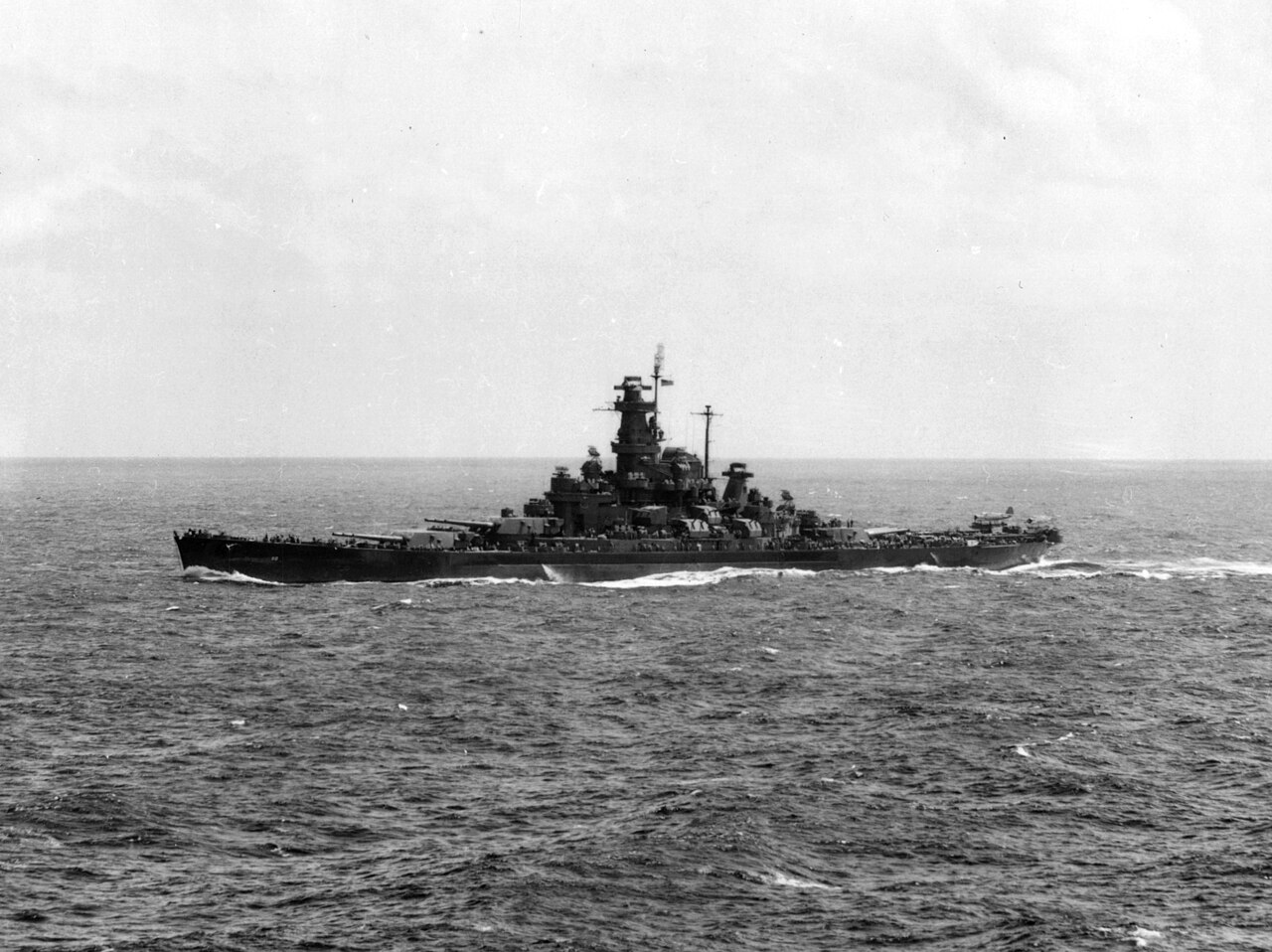
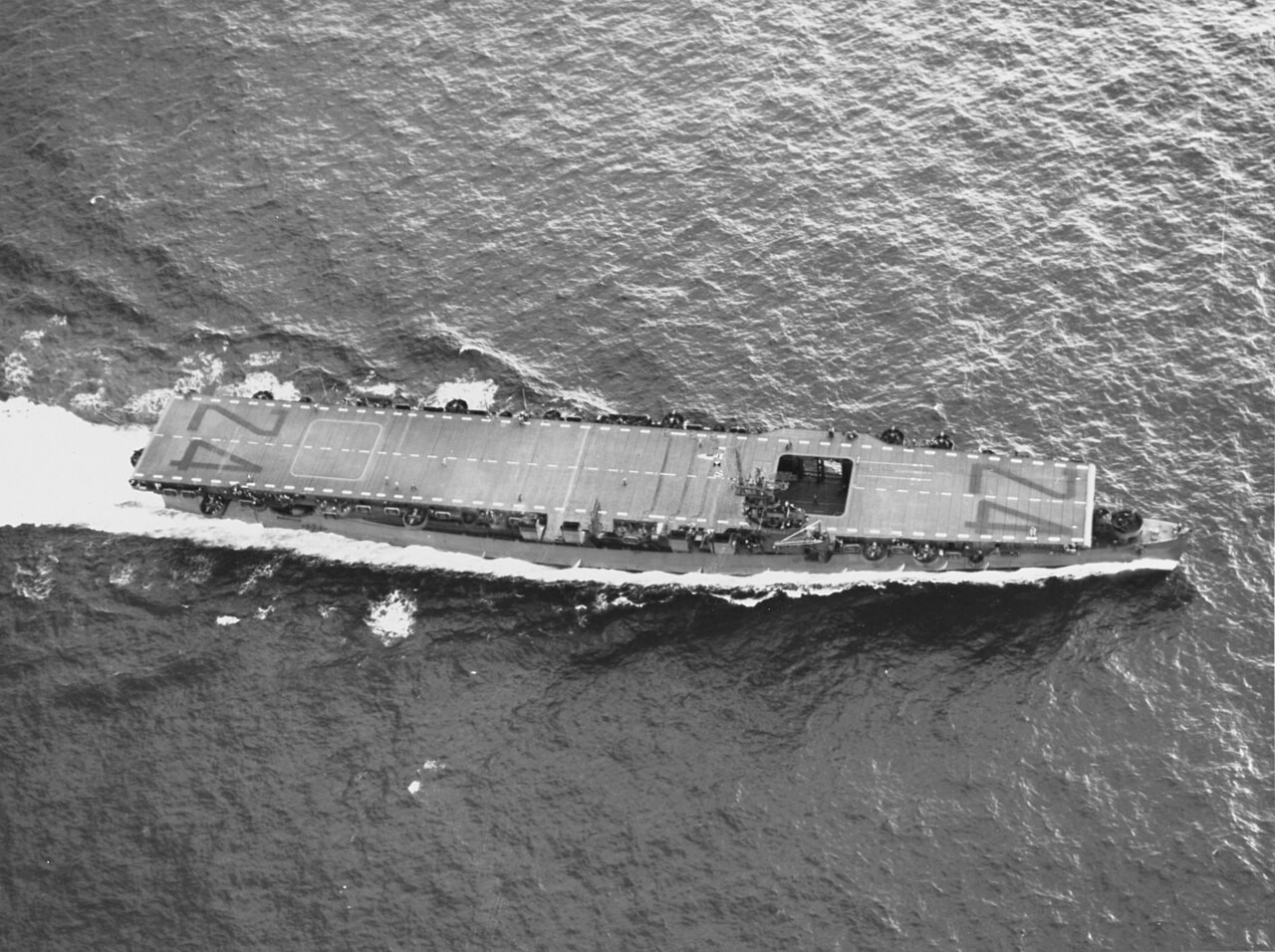
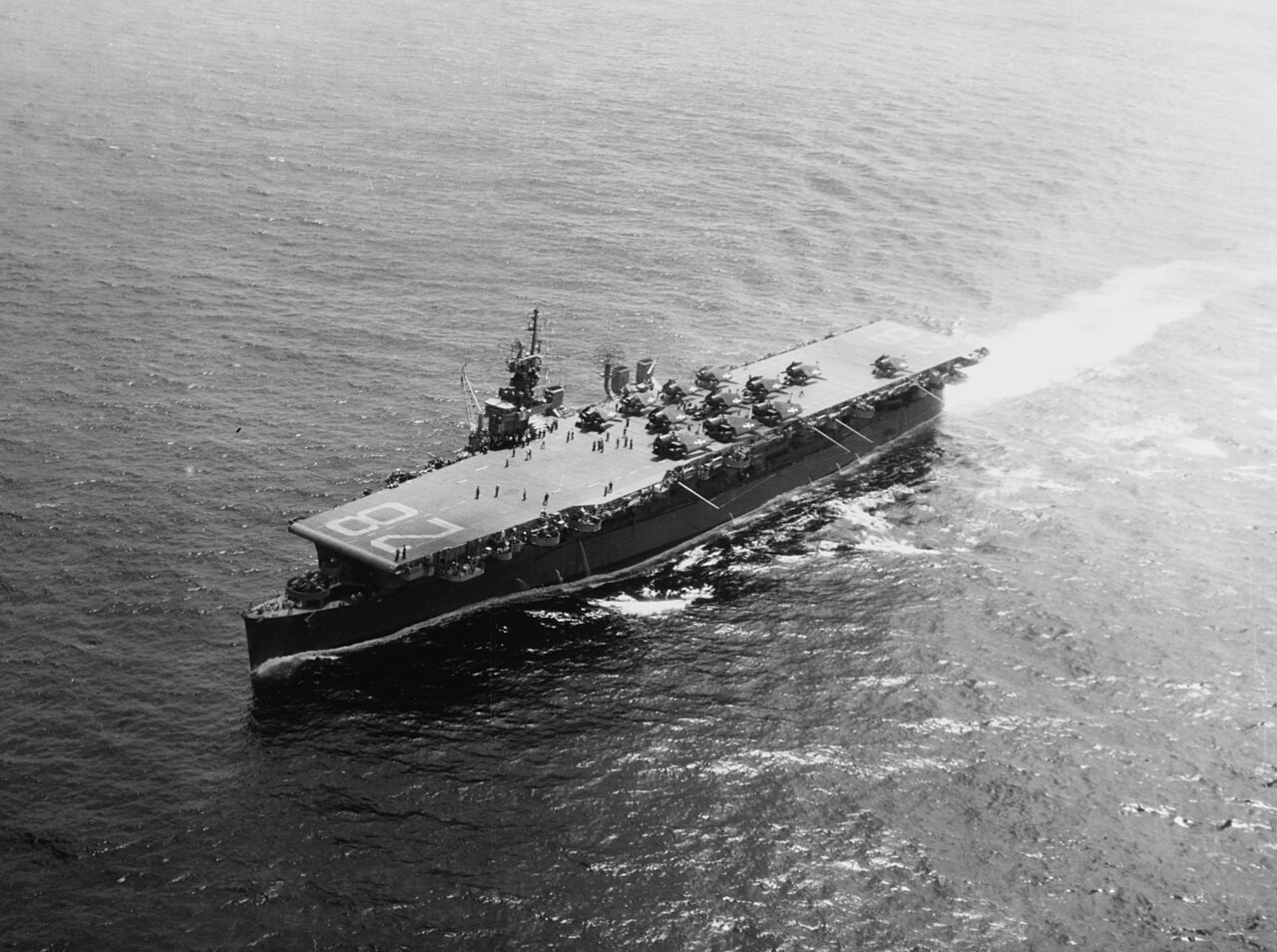
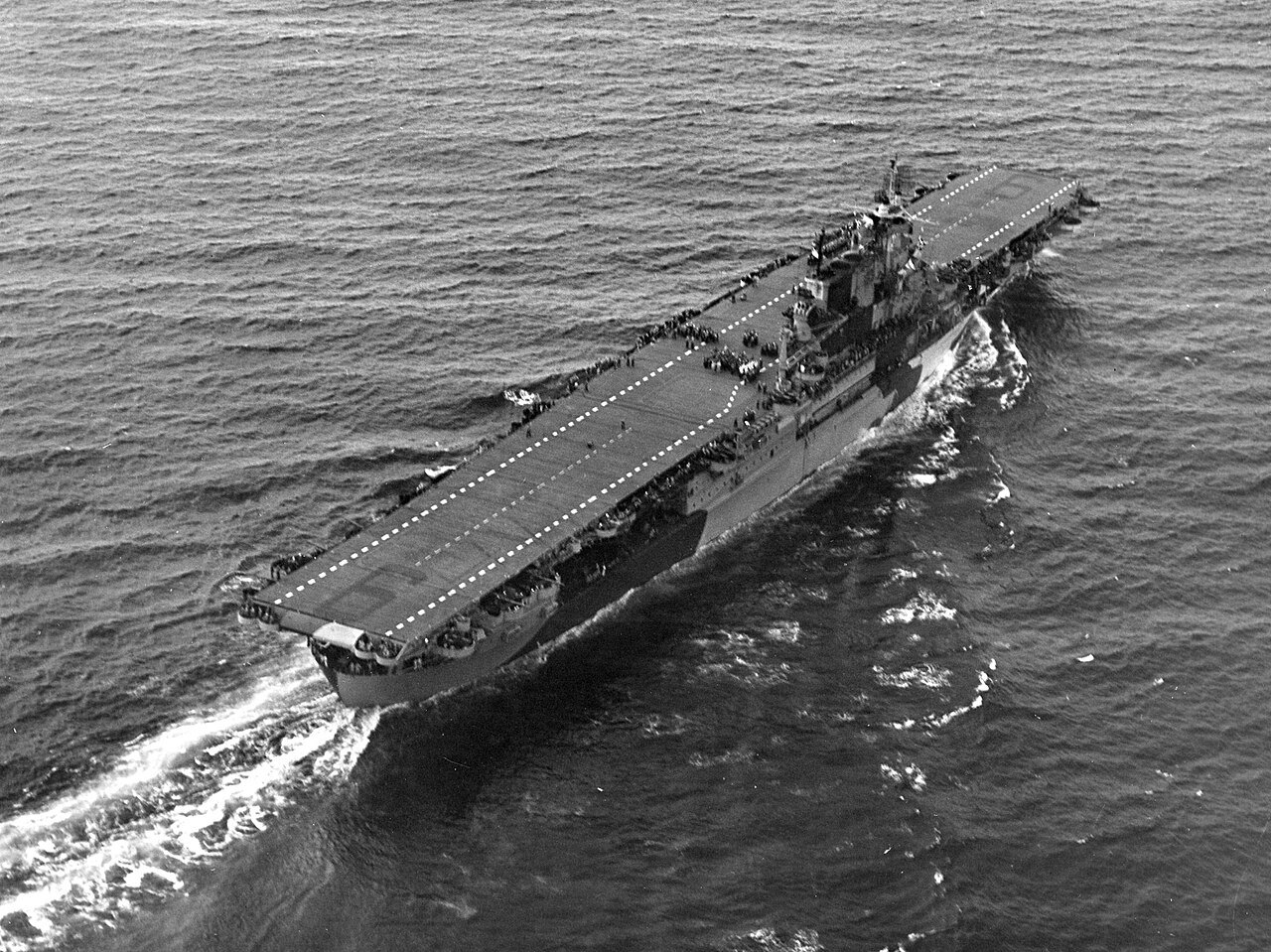
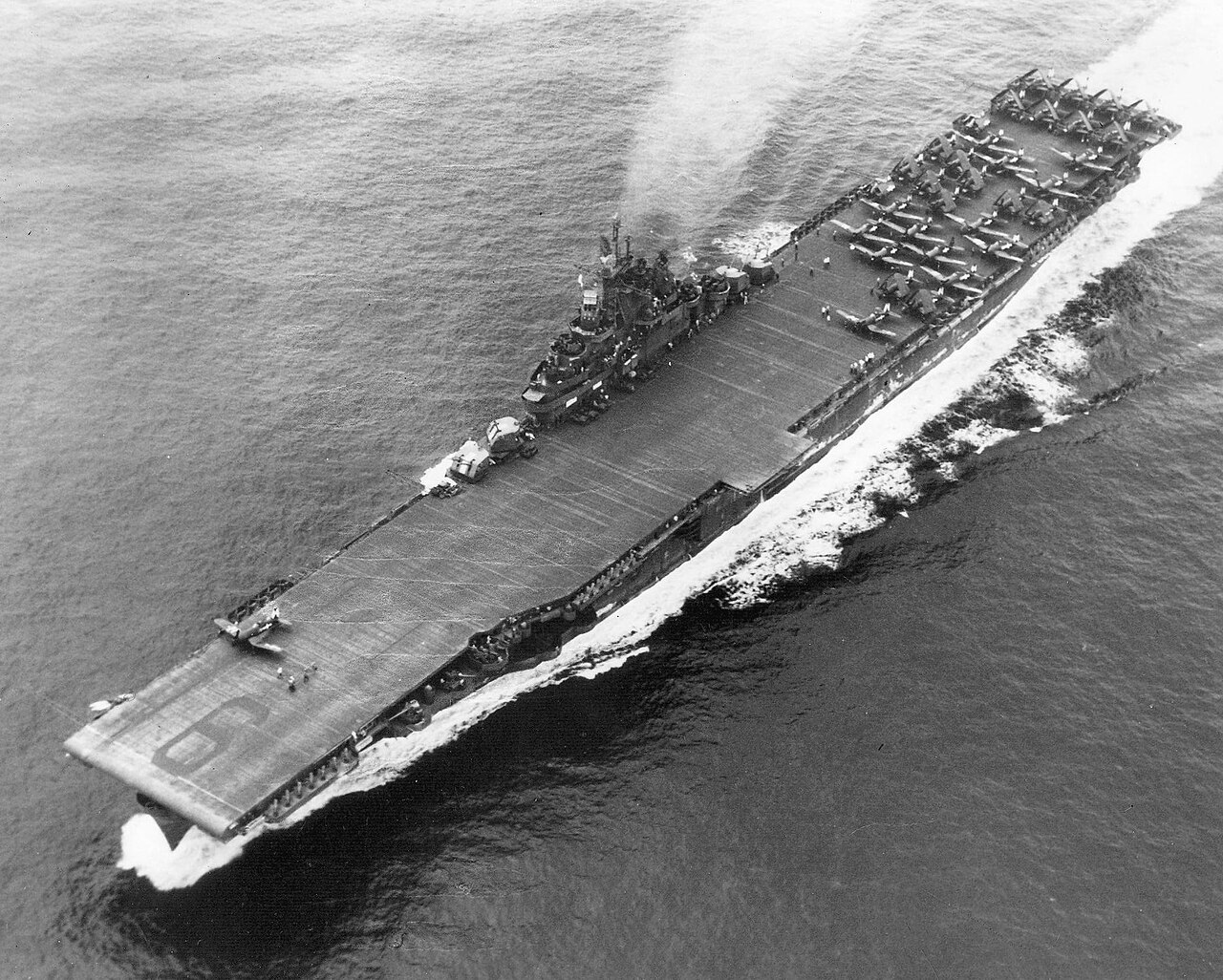
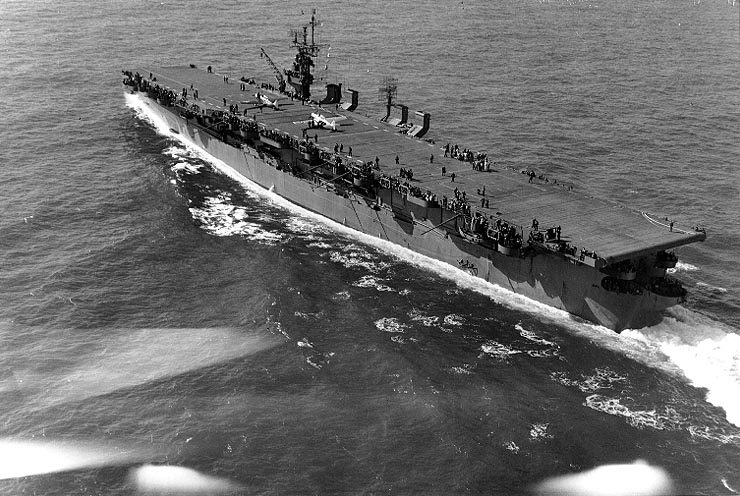
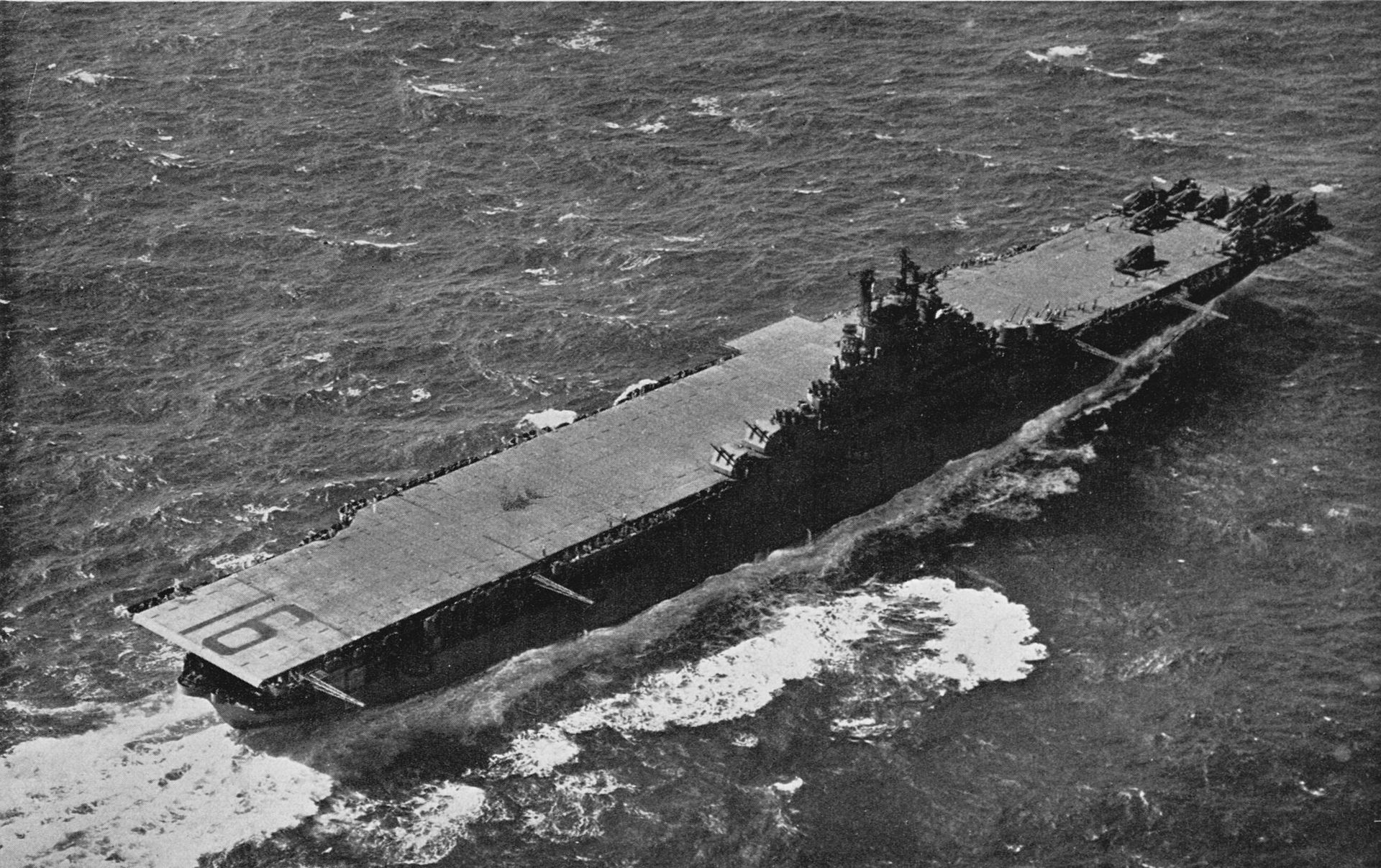
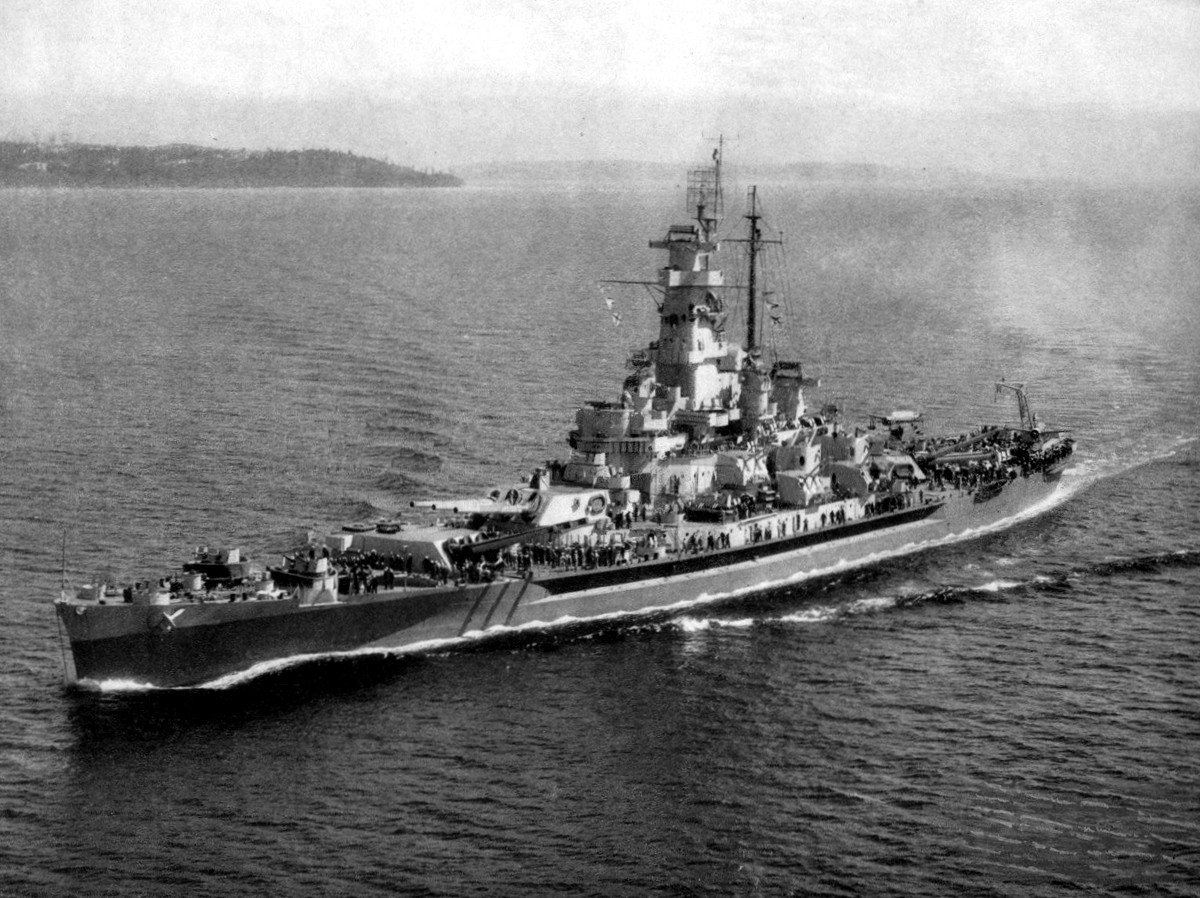
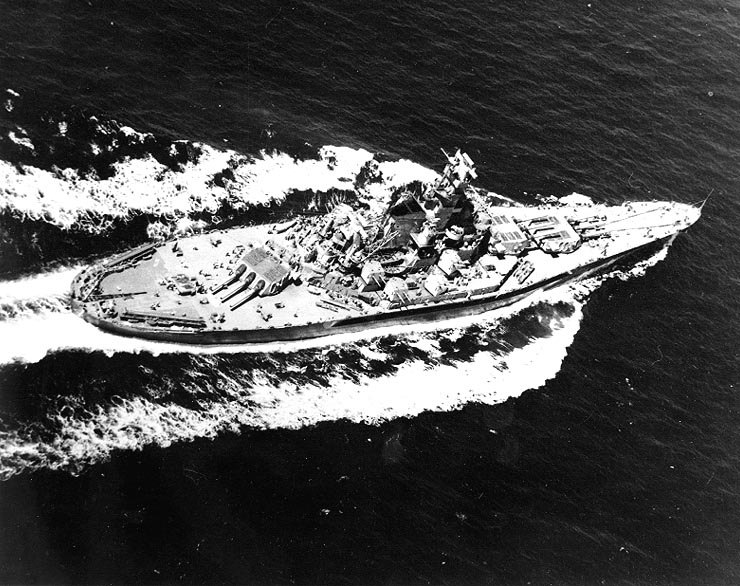
Halsey took three groups of Vice Admiral Marc Mitscher's Task Force 38 north: Rear Admiral Frederick Sherman's TG 38.3, Rear Admiral Gerald Bogan's TG 38.2, and Rear Admiral Ralph Davison's TG 38.4. Between them they had five large carriers, Intrepid, Franklin, Lexington (CV-16), Enterprise, and Essex; five light carriers, Independence, Belleau Wood, Langley, Cabot, and San Jacinto; six fast battleships, Alabama, Iowa, Massachusetts, New Jersey, South Dakota, and Washington; eight cruisers; and 41 destroyers. Vice Admiral John McCain's TG 38.1 was still coming back from the direction of Ulithi. Halsey flew his flag in New Jersey. Mitscher was in Lexington.
Halsey goes north
American search planes did not find Ozawa until 1640 on 24 October. Sherman's group, which covered that sector, had spent the day under air attack from Luzon and striking Kurita in the Sibuyan Sea, and had lost the light carrier Princeton. Halsey believed the Center Force had been beaten that afternoon. He decided to take everything he had against the carriers, and signalled that he was proceeding north with three groups. Kinkaid in the Seventh Fleet, and Nimitz at Pearl Harbor, read that as meaning that the battleships of Task Force 34 had been left to guard San Bernardino Strait. They had not. Nothing was left there.
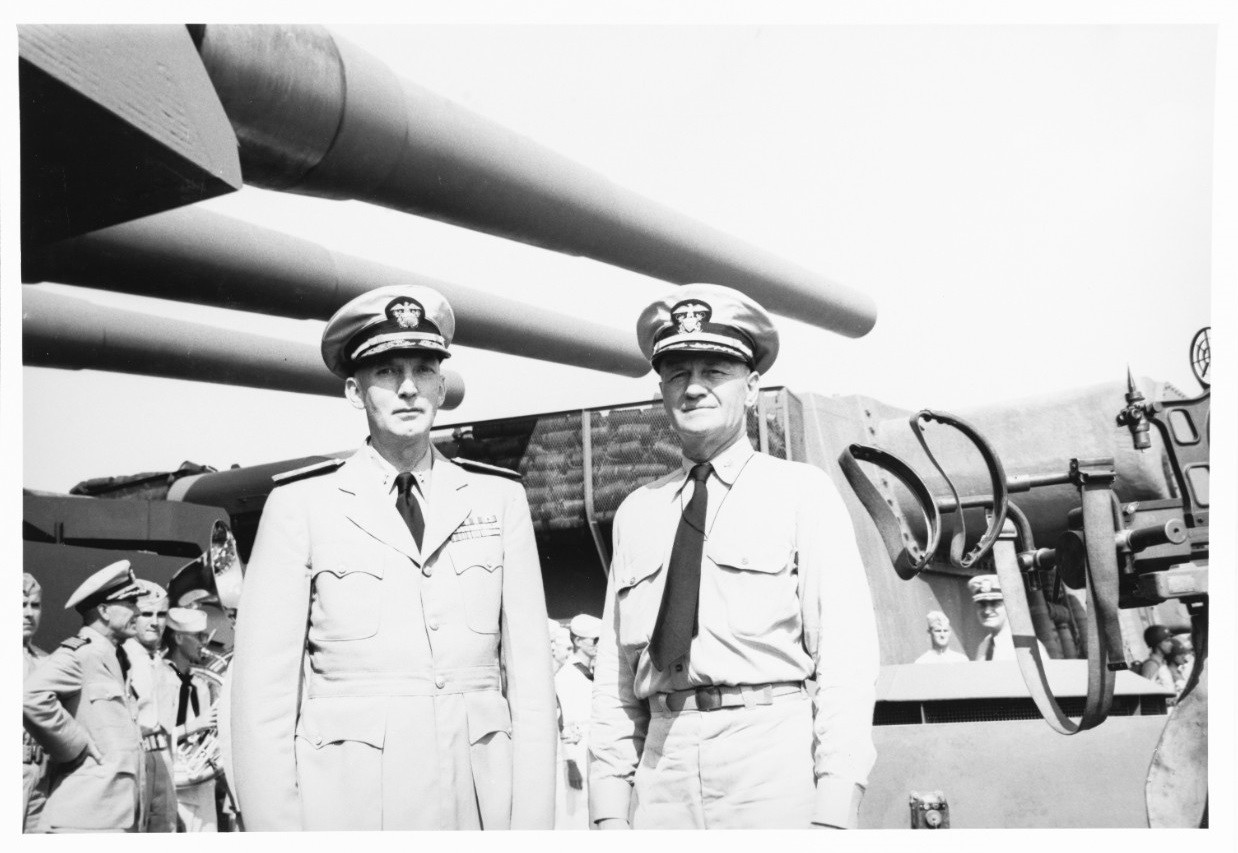
A night search plane from Independence reported that Kurita had turned back toward the strait and that the strait's navigation lights were lit. Bogan passed it to Halsey's flagship and was told the staff already had it. Vice Admiral Willis Lee, who thought Ozawa was a decoy, was also turned aside. At 0240 on 25 October Halsey formed Task Force 34 from his six battleships, and at dawn it drew ahead of the carriers so that Lee's guns could finish what the aircraft started.
The air strikes
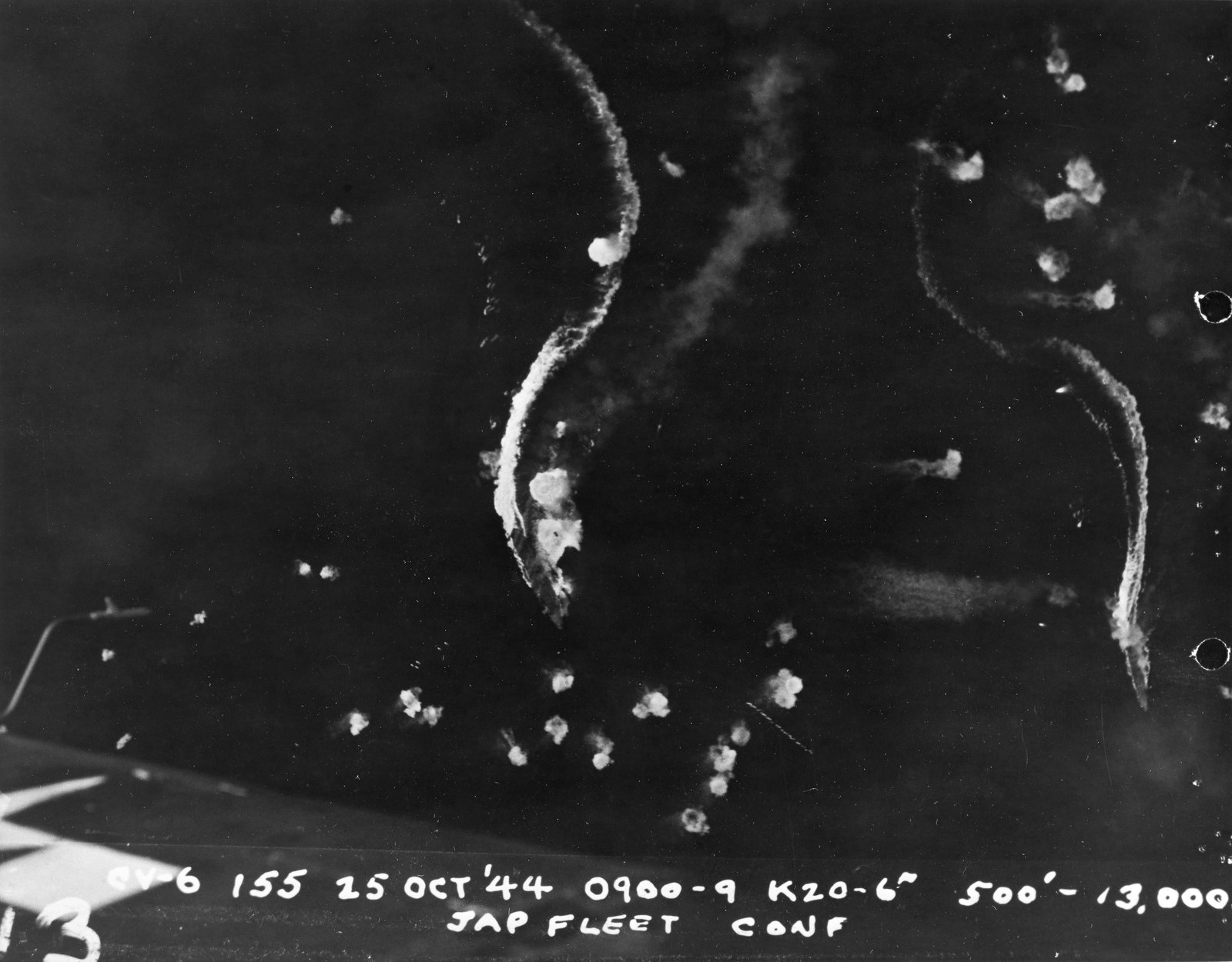
Mitscher, who had tactical command of the carriers during the night, launched a first strike of 180 aircraft at dawn before Ozawa had even been found. Search planes made contact at 0710. Ozawa had already sent 75 of his aircraft against the Americans. Most were shot down and they did no damage, and a few reached land bases on Luzon. When the American strike went in about 0800, its fighters destroyed his combat air patrol of about 30 planes.
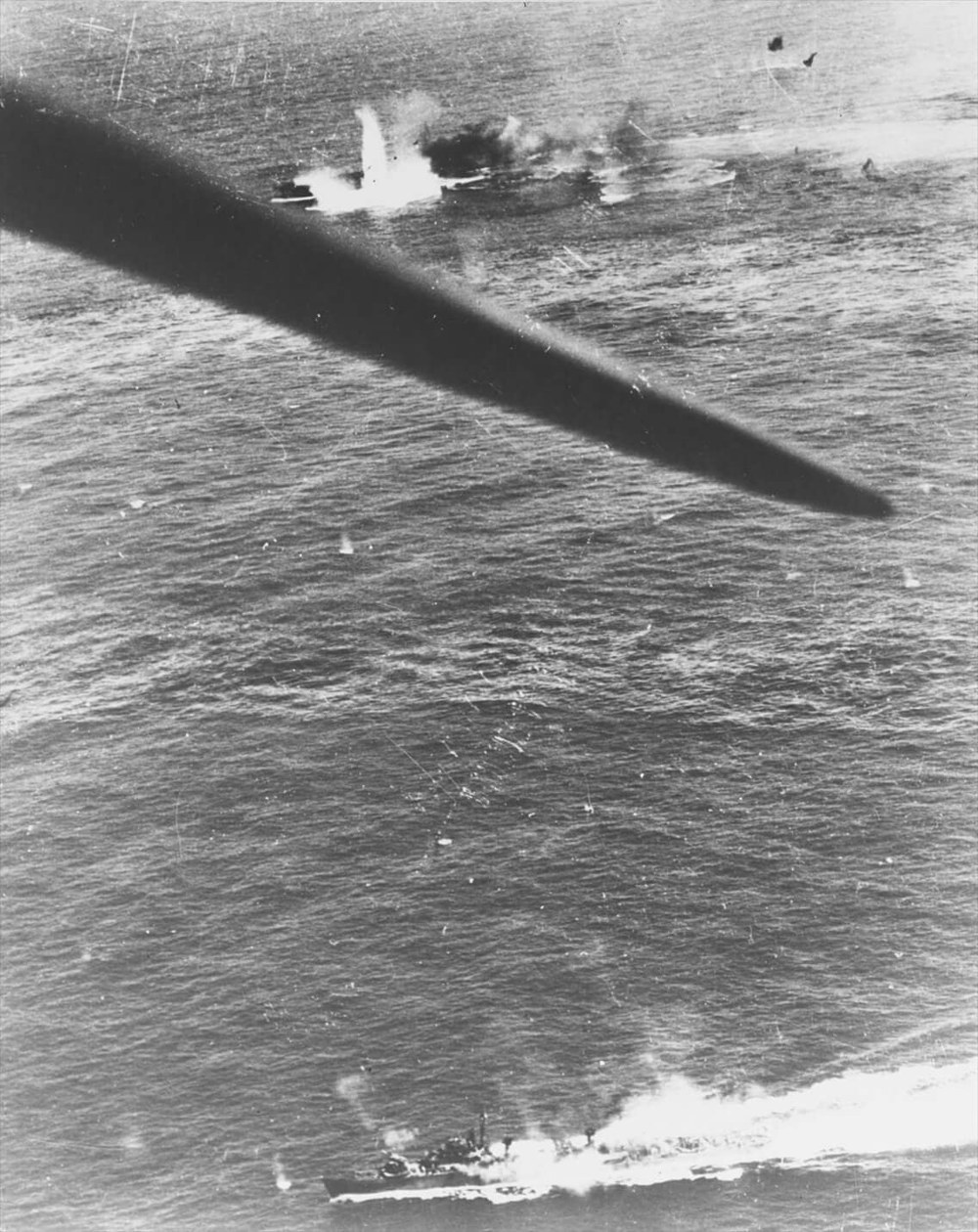
The Combinedfleet records give the Japanese side of the first strike. At 0835 Chitose was hit on the port side forward, by bombs or more likely torpedoes, and flooded two boiler rooms. She lost her rudder, went dead in the water, and at 0937 rolled over and sank with Captain Kishi Yoshiyuki and 903 officers and men. Isuzu and Shimotsuki picked up the rest. At 0842 planes attacking Zuiho set Akizuki afire. At 0850 she blew up and broke in two, and she sank at 0856. Maki was rescuing her people when another attack drove her off, and bombs later hit Maki herself. At 0835 Zuiho took a bomb on the after flight deck, but put out the fire and kept going.
The strikes went on until evening. By then Task Force 38 had flown 527 sorties against the Northern Force. Zuikaku was hit by seven torpedoes and nine bombs, by Wikipedia's count. Ozawa shifted his flag to Oyodo. The order to abandon ship was given at 1358, with the ensign lowered. Zuikaku rolled over and sank stern first at 1414, with Rear Admiral Kaizuka Takeo and 842 of her men. Wakatsuki and Kuwa rescued 862. Zuiho was torpedoed at 1317 and again at 1330, lost her engines, and sank at 1526. Her executive officer, 6 officers, and 208 men were lost. Chiyoda was left dead in the water with a list, and Hyuga and Isuzu both tried and failed to take her off. Tama took a torpedo in a boiler room, which Wikipedia credits to Avengers of Belleau Wood and San Jacinto, and started north alone at 14 knots.
Halsey turns back
Shortly after 0800 Kinkaid's calls for help began to reach Halsey's flagship. Kurita had come through San Bernardino Strait and was attacking the escort carriers off Samar. Halsey later wrote that the messages came in out of order because of a backlog in his signals office, and Wikipedia says he seems not to have received Kinkaid's plain-language call until about 1000. Then came the signal from Nimitz that ended, through a coding error, with the words THE WORLD WONDERS. At 1115, with Lee's battleships almost within gun range of Ozawa, Halsey turned Task Force 34 south. Another two and a half hours went to fuelling the destroyers. The battleships never fired on Ozawa's ships. Lee's report said that no battle damage was incurred nor inflicted by his ships while they were Task Force 34.
The cruisers
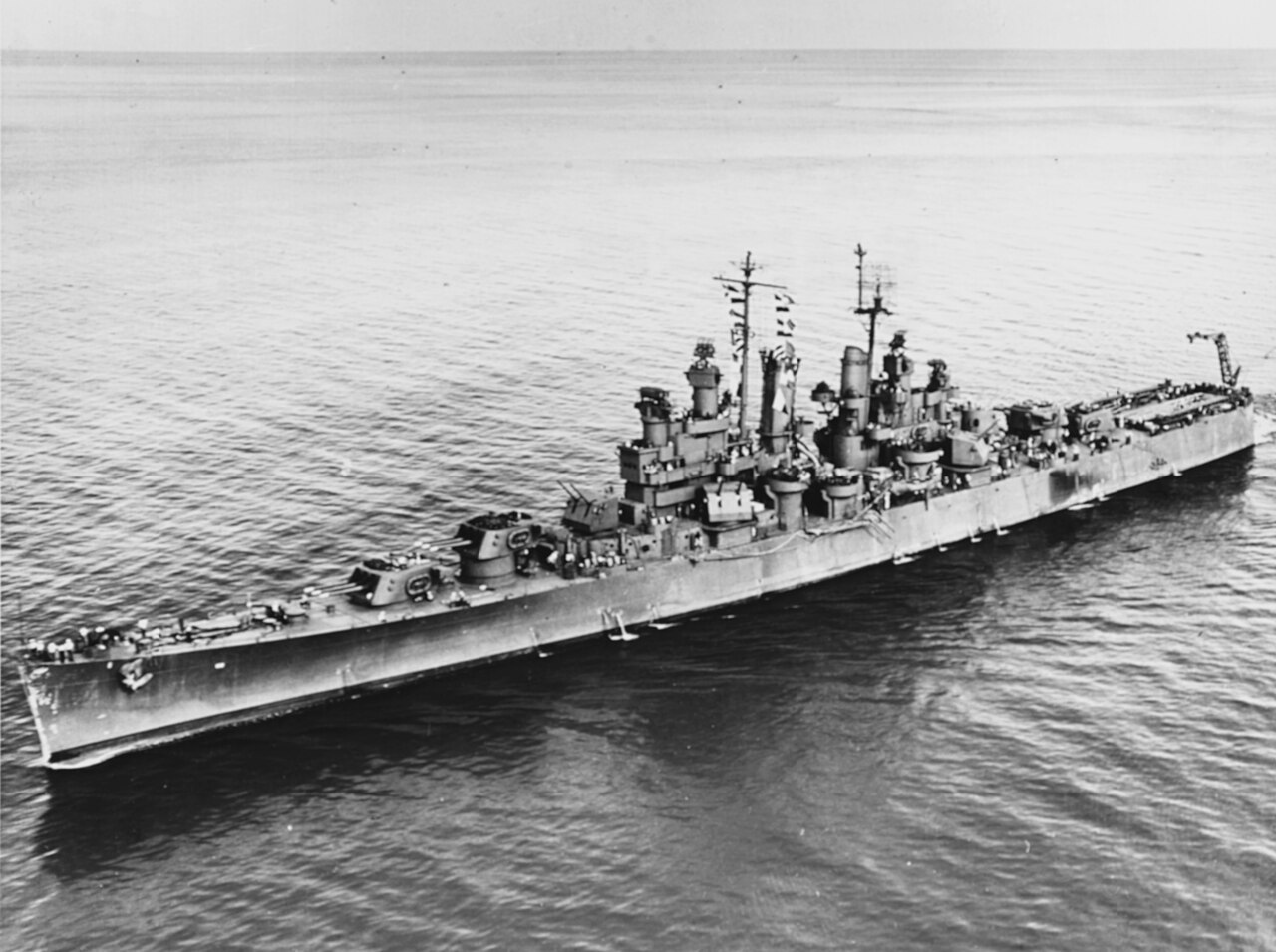
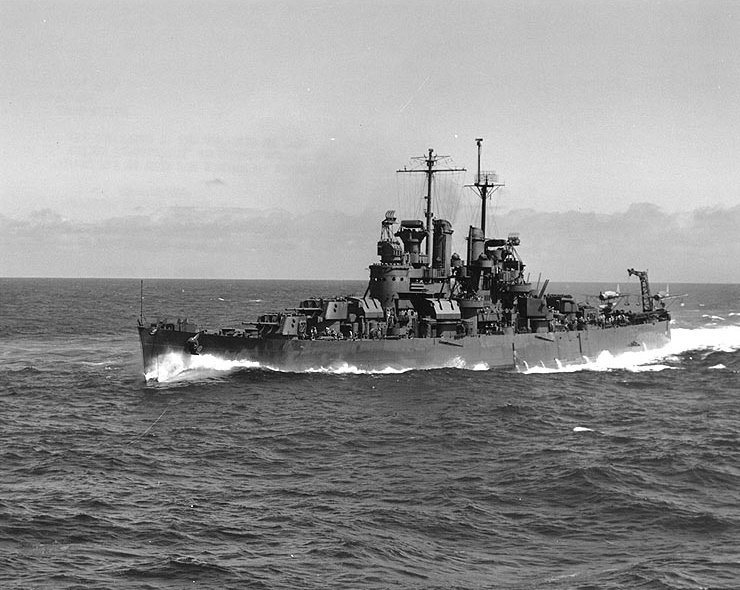
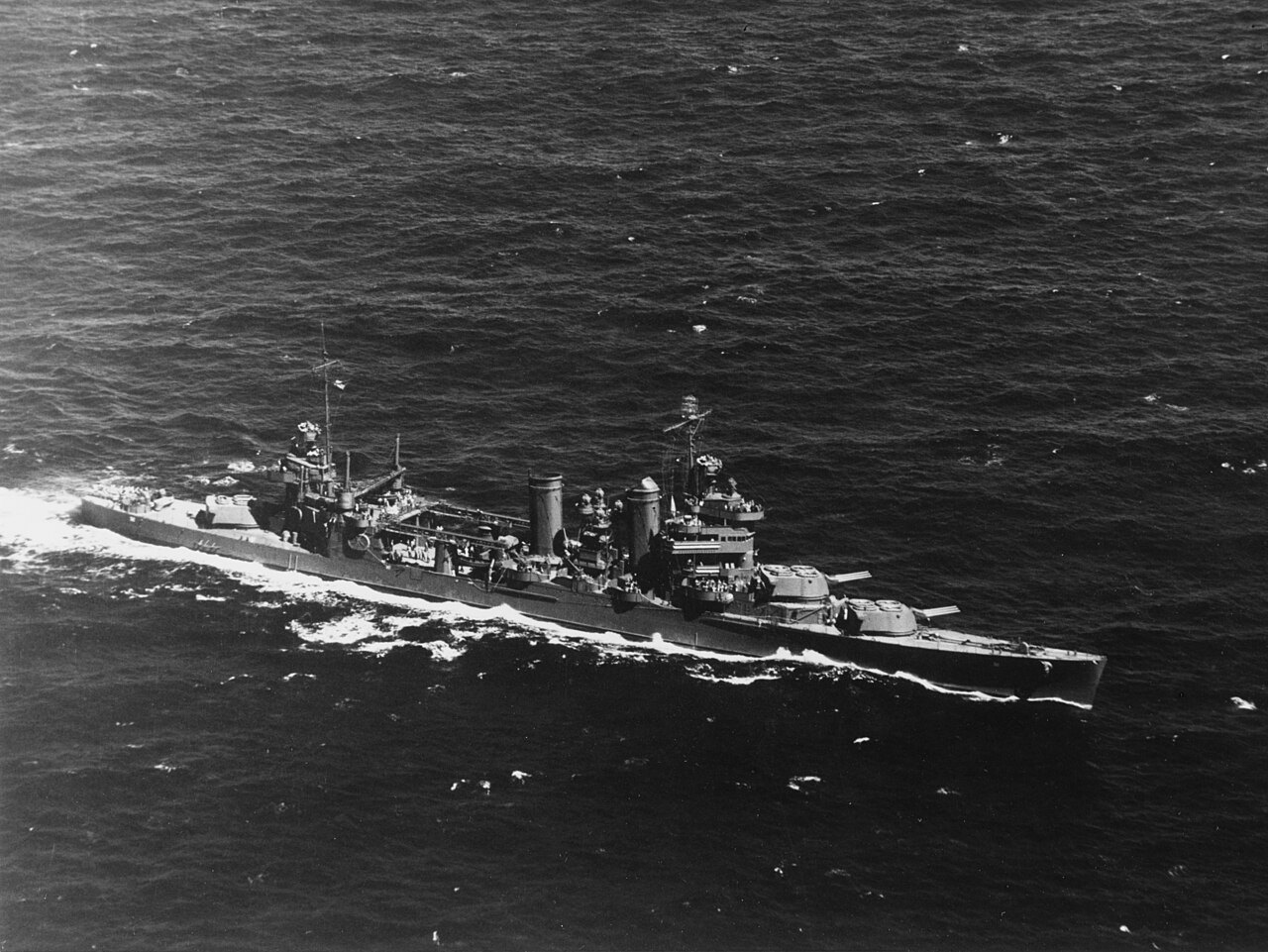
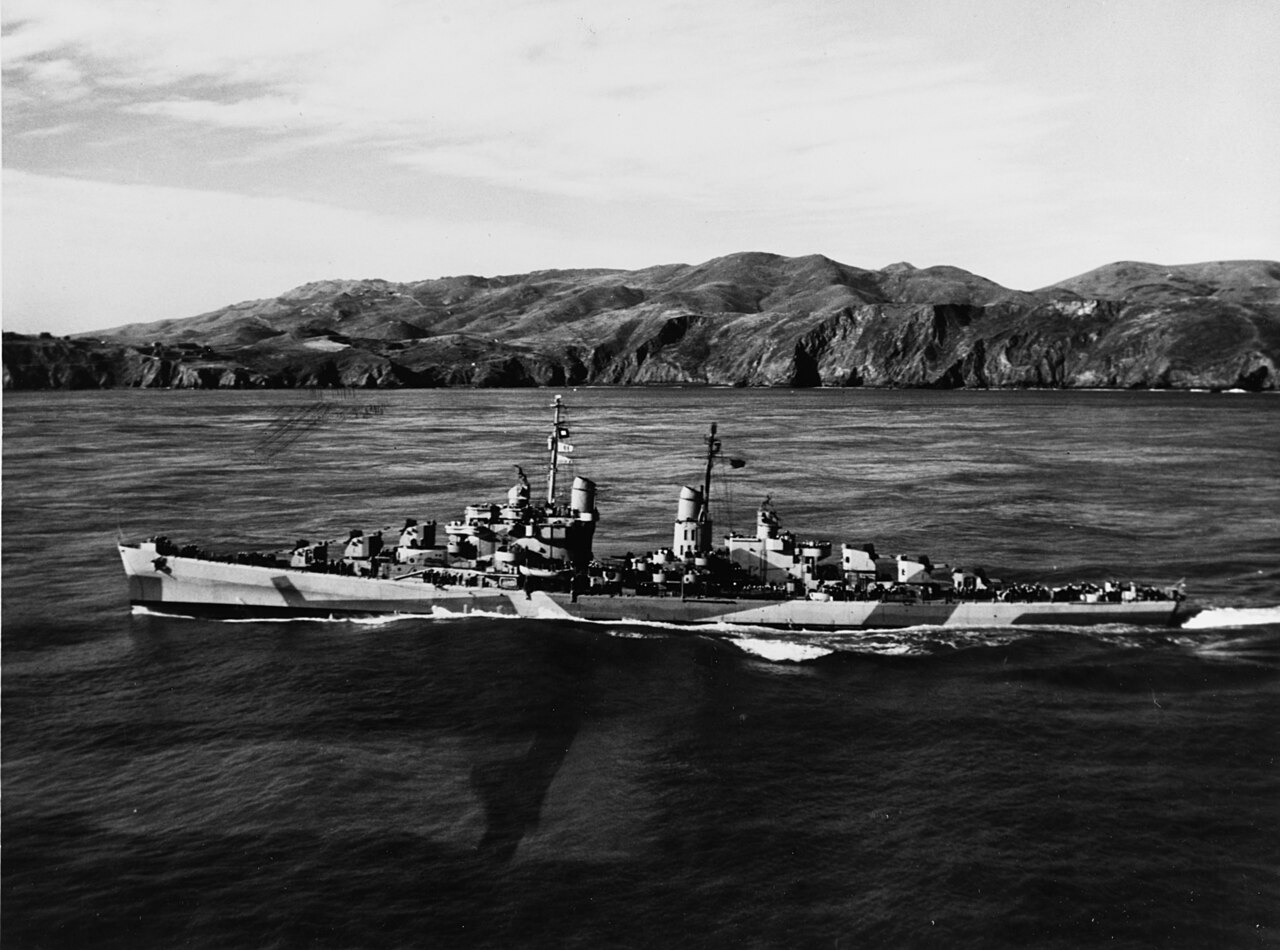
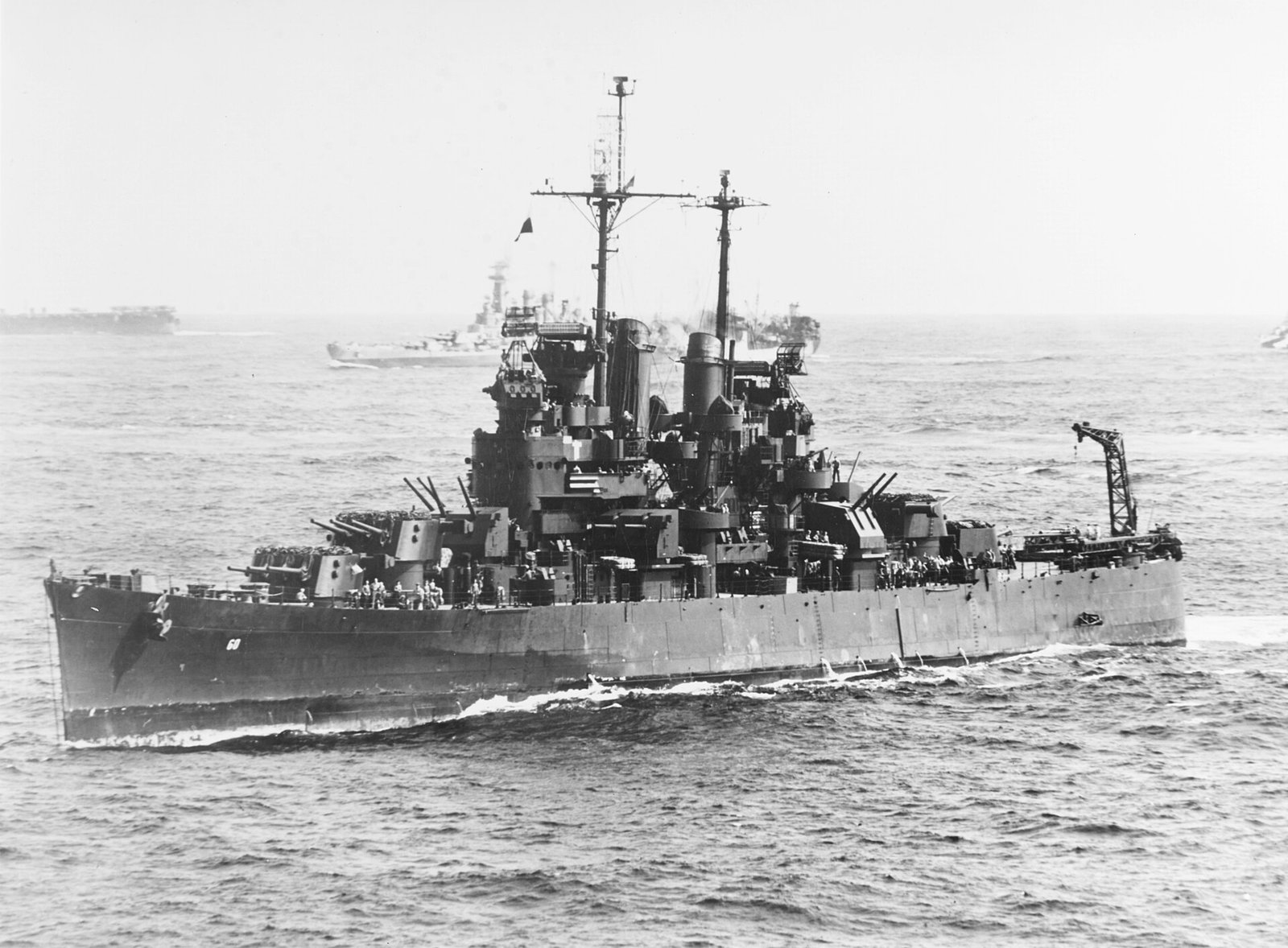
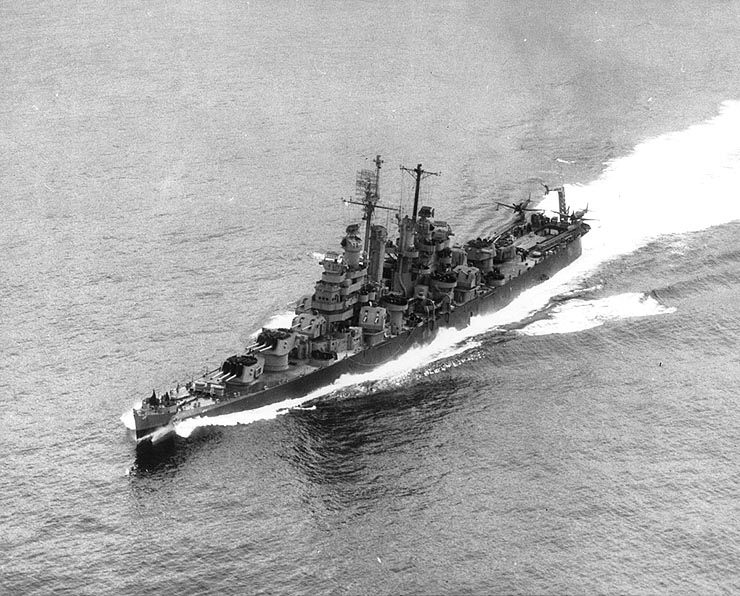
When Halsey turned south he left four cruisers and nine destroyers under Rear Admiral Laurance DuBose with the carriers: the heavy cruisers Wichita and New Orleans and the light cruisers Santa Fe, DuBose's flagship, and Mobile. At 1415 Mitscher sent them after the cripples. They found Chiyoda and opened fire about 1624. She fired back. Wichita was the last to cease fire, at 1642, and Chiyoda rolled over and sank at 1655. The Combinedfleet record says none of her crew was rescued, and that Captain Jyo Eiichiro and about 1,470 officers and men were lost.
An Essex night fighter led the cruisers on. At 1840, near nightfall, they found the destroyer Hatsuzuki, which was covering Wakatsuki and Kuwa while they picked up survivors of Zuikaku and Zuiho. Torpedo attacks by the screening destroyers slowed her, and then the cruisers took her under fire. She straddled Wichita several times, and fragments slightly wounded one man there. She fought for about two hours, then blew up and sank that night. Eight of her crew and 17 Zuikaku survivors had got into a cutter just before her last fight. They reached southern Formosa 21 days later. Everyone else aboard was lost, including the division commander, Captain Amano Shigetaka.
Ozawa heard of DuBose's small force and sent Ise and Hyuga south to find it. They did not.
Tama and Jallao
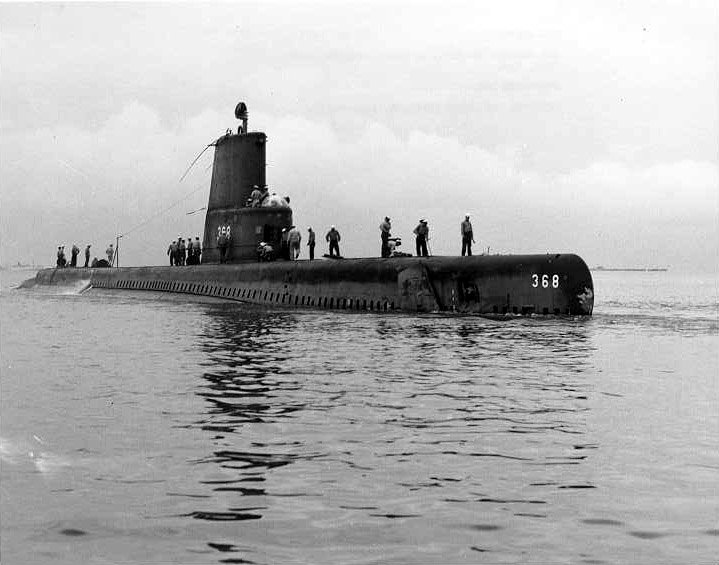
Later that night the submarine Jallao, on her first war patrol, picked up the damaged Tama on radar northeast of Luzon. Her three bow torpedoes missed. Her four stern torpedoes, from about 800 yards, hit with three, and Tama broke in two and went down with all hands. It was the last act of the Battle off Cape Engaño. The remaining air strikes on 26 October, against the retreating Japanese, ended the Battle of Leyte Gulf.
Losses
The Japanese lost a carrier, Zuikaku; three light carriers, Zuiho, Chitose, and Chiyoda; the light cruiser Tama; and the destroyers Akizuki and Hatsuzuki. Ise, Hyuga, Oyodo, Isuzu, Wakatsuki, Shimotsuki, Maki, Kiri, Kuwa, and Sugi got away. No American ship was sunk in this fight. Ozawa's morning air attack did no damage, and the only hurt recorded in the sources read is one man slightly wounded in Wichita. Wikipedia describes the American casualties at Cape Engaño as very small. The sources read give no reliable total of American aircraft lost or of Japanese dead for the whole action, so none is given here.
What it meant
Ozawa's decoy worked. It drew all of Halsey's battle line and three carrier groups away from San Bernardino Strait, and Kurita reached the escort carriers off Samar unopposed. But Kurita never learned that the lure had succeeded, and he turned back. The Americans destroyed the last Japanese carrier force of any size. Morison wrote that the gunfire of the Third Fleet's battle line, greater than that of the whole Japanese Navy, was never brought into action except to finish off one or two crippled light ships. The argument over Halsey's run north, sometimes called Bull's Run, has gone on ever since.
Where the accounts differ
The Japanese times here come from the Combinedfleet records and the American times from DANFS and Wikipedia. For Chiyoda both give 1655, so the clocks agree for this action. The cause of Chitose's first damage is given as bombs or torpedoes. Akizuki's end is not settled: Task Force 38 claimed a torpedo, and the Combinedfleet record allows a bomb in the engine room or on the torpedo tubes. Which carrier's planes sank Zuikaku, Zuiho, and Chitose is not settled either, so no carrier is credited with them here. The Combinedfleet record places DuBose's cruisers in TG 38.3, and Wikipedia describes them as detached from Task Force 34. The ship counts follow Morison as Wikipedia quotes him.