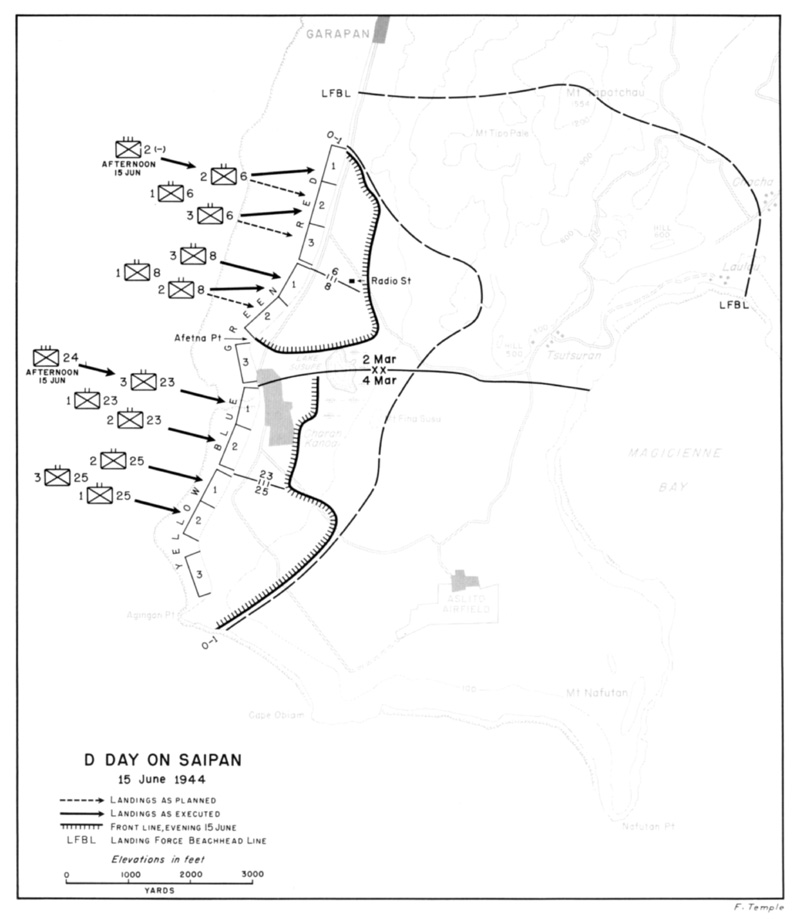
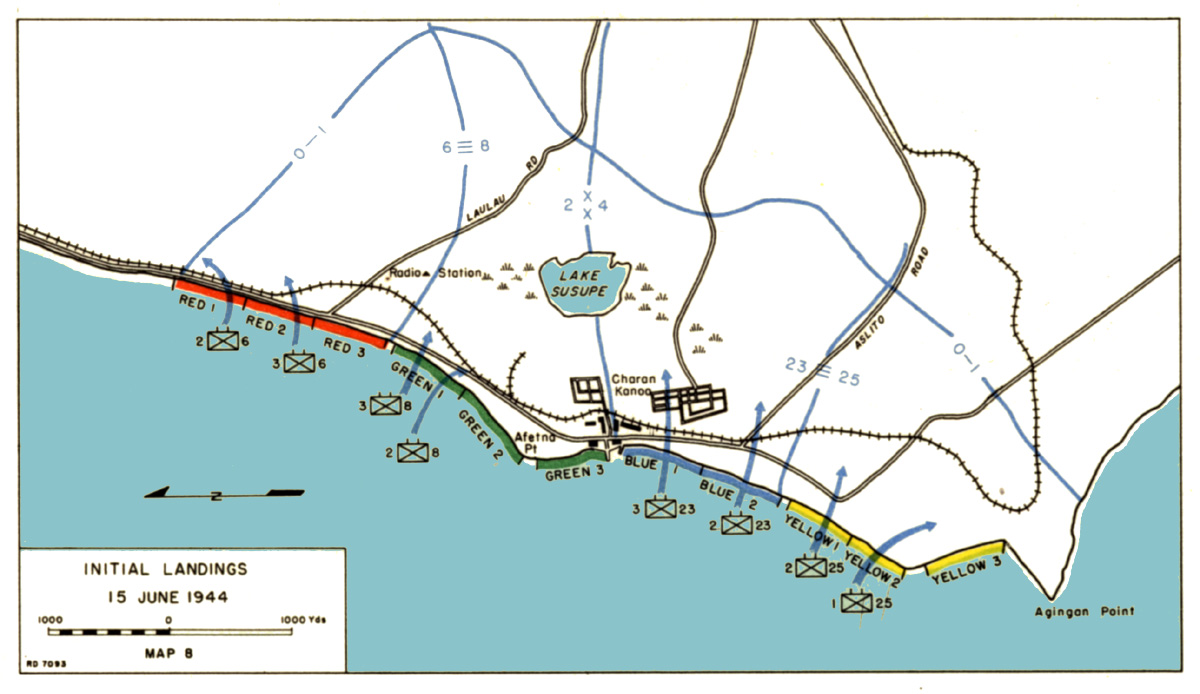
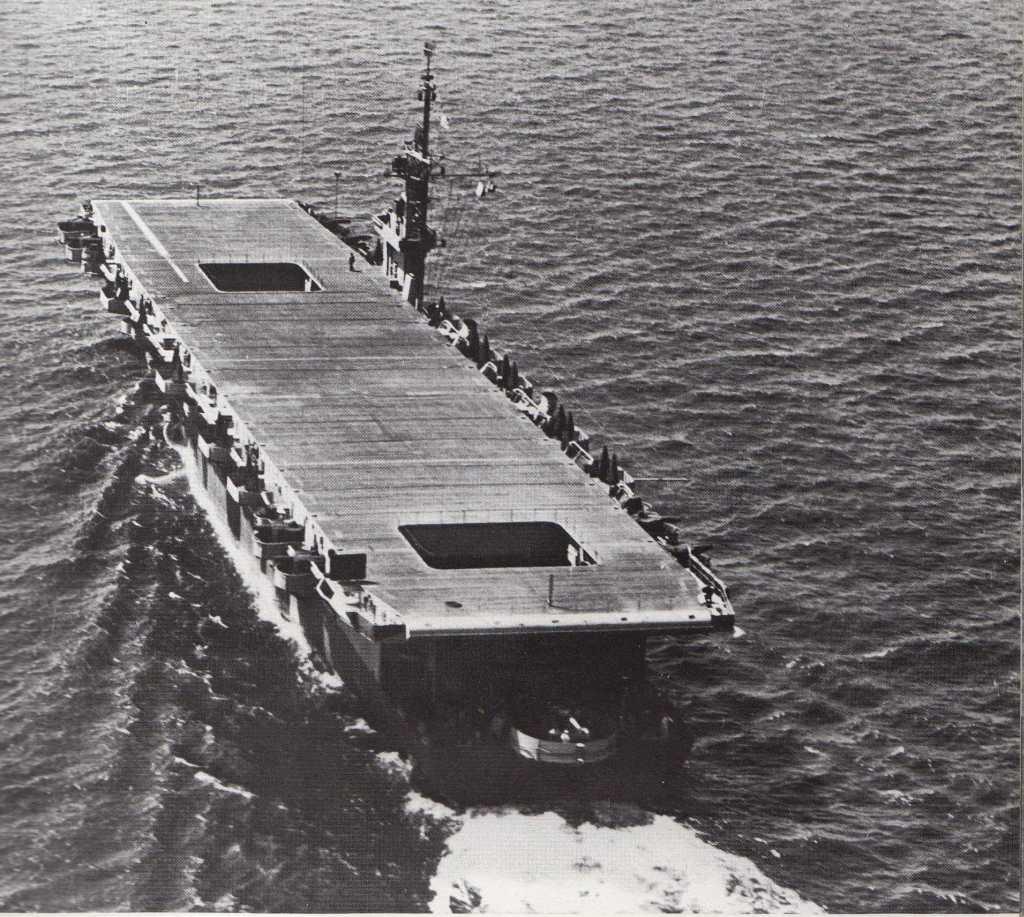
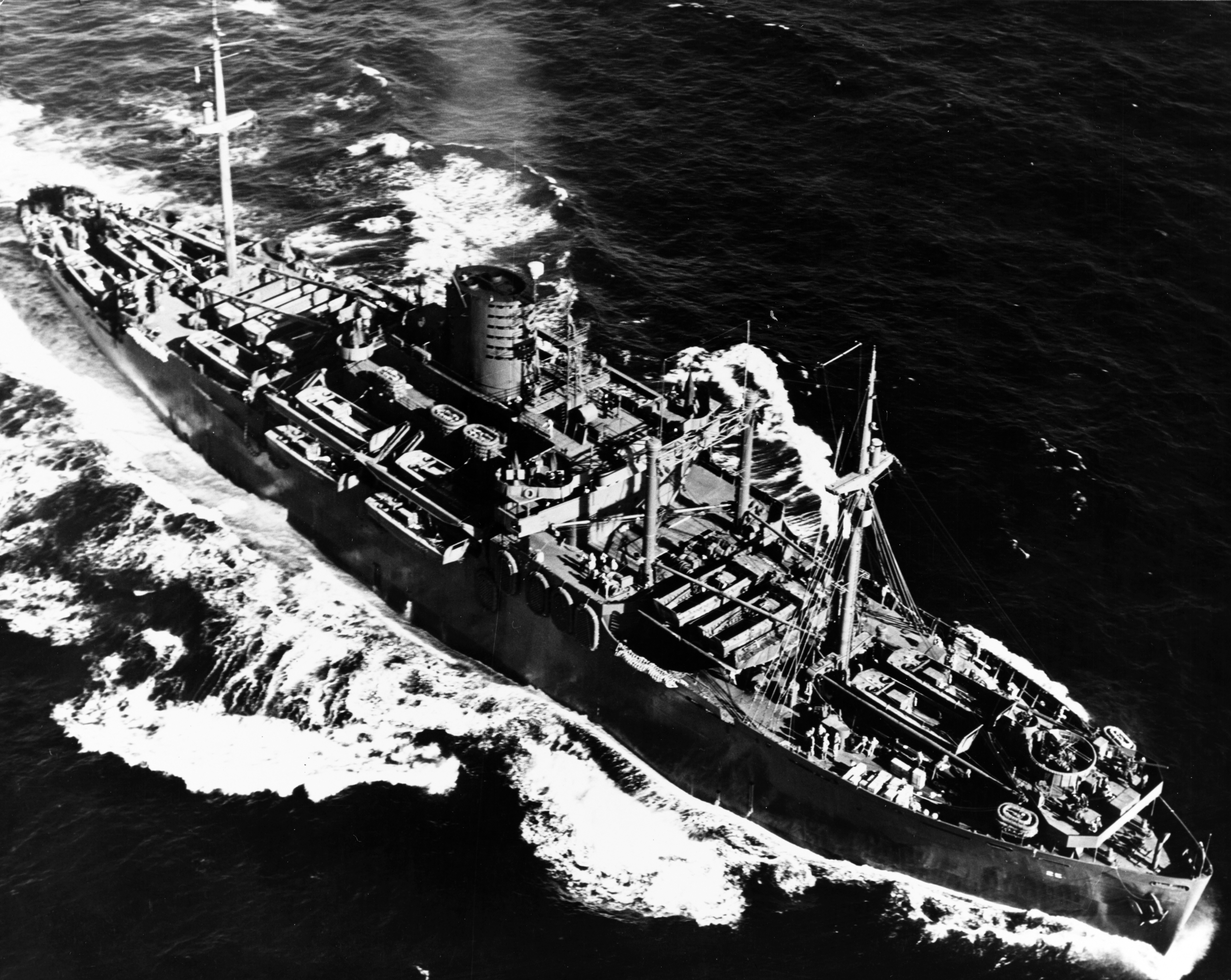
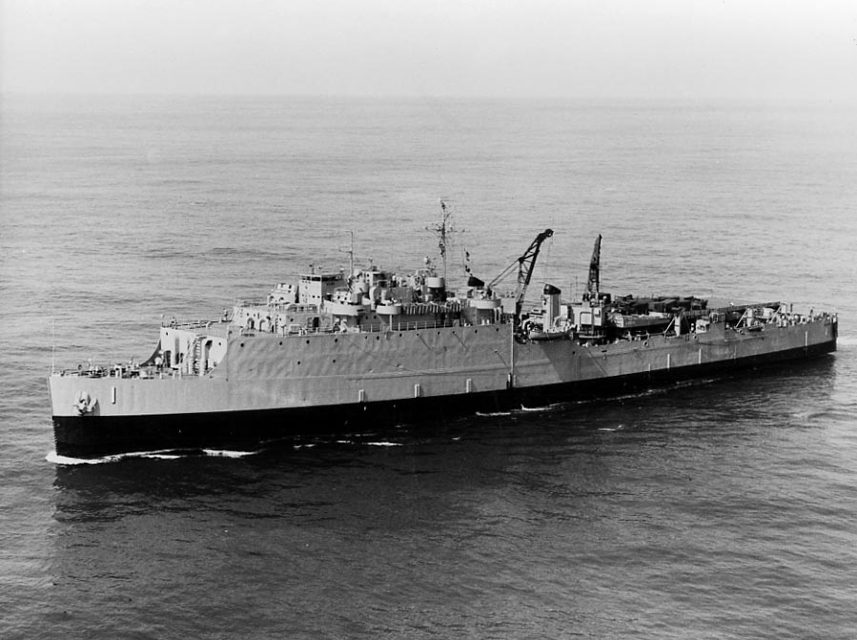
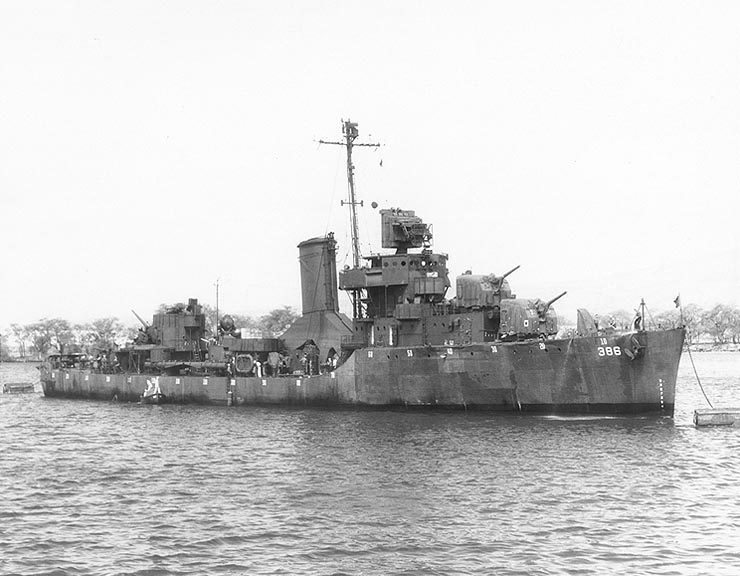
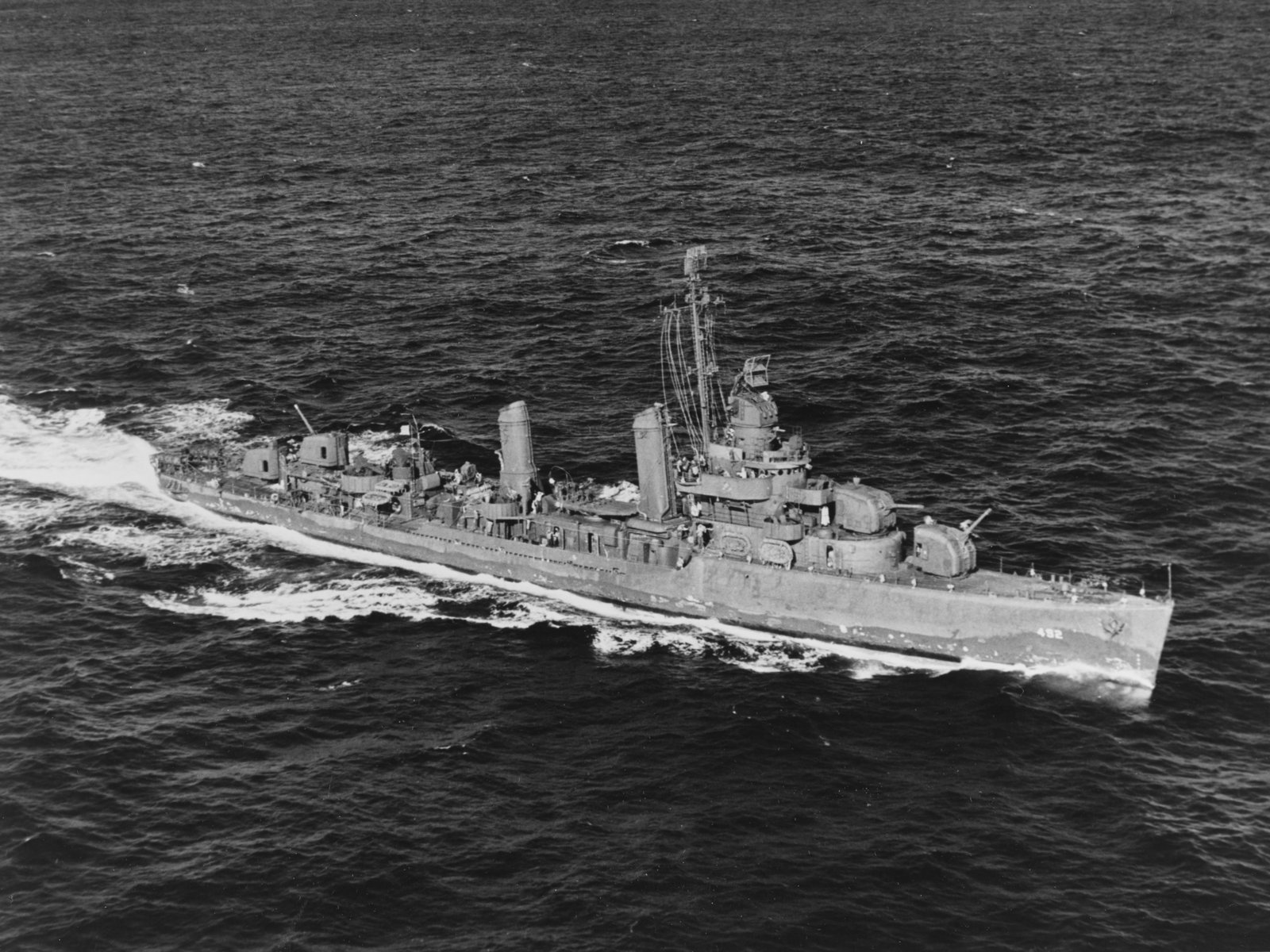
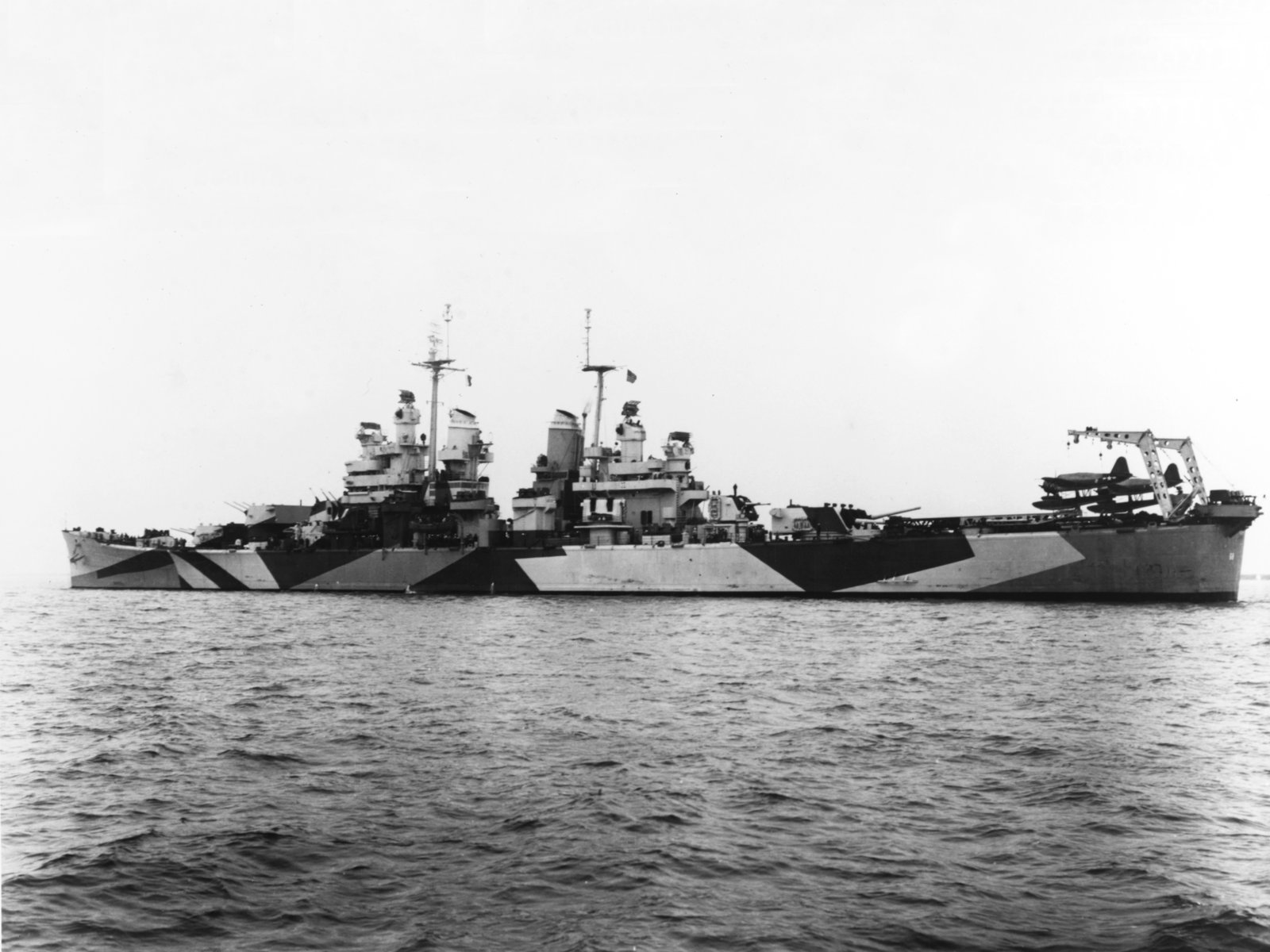
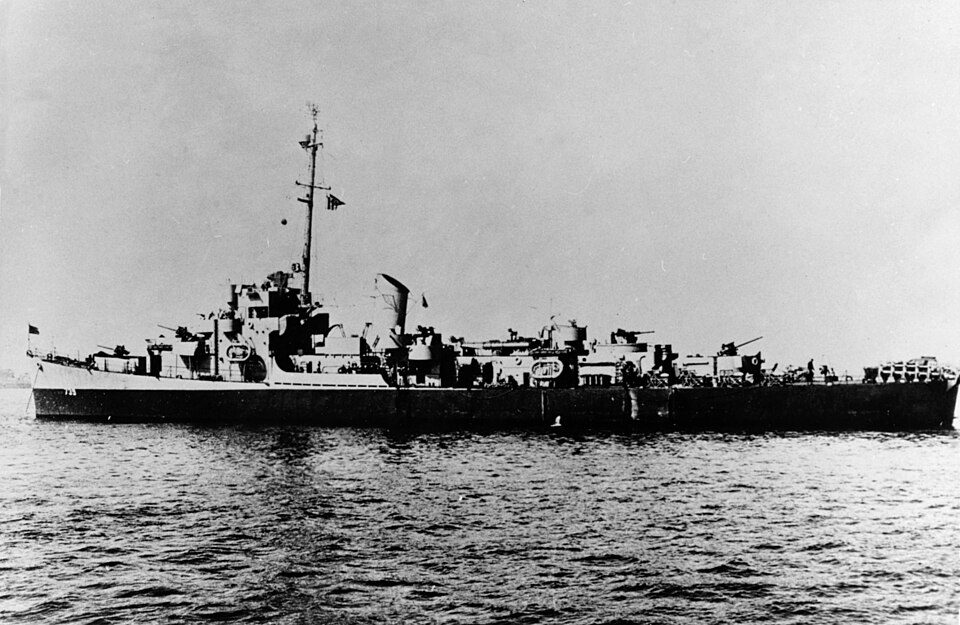
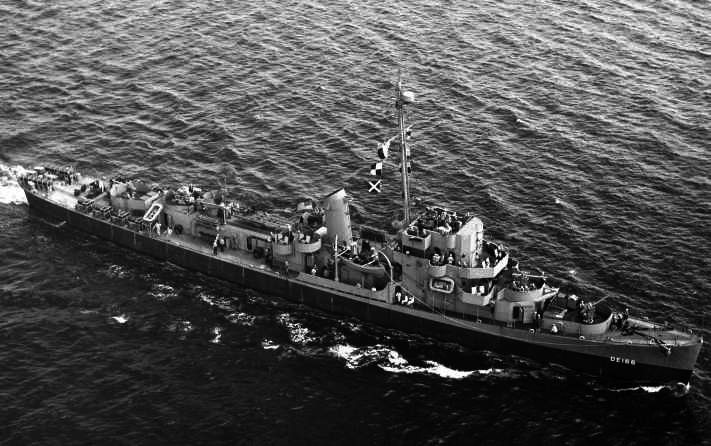
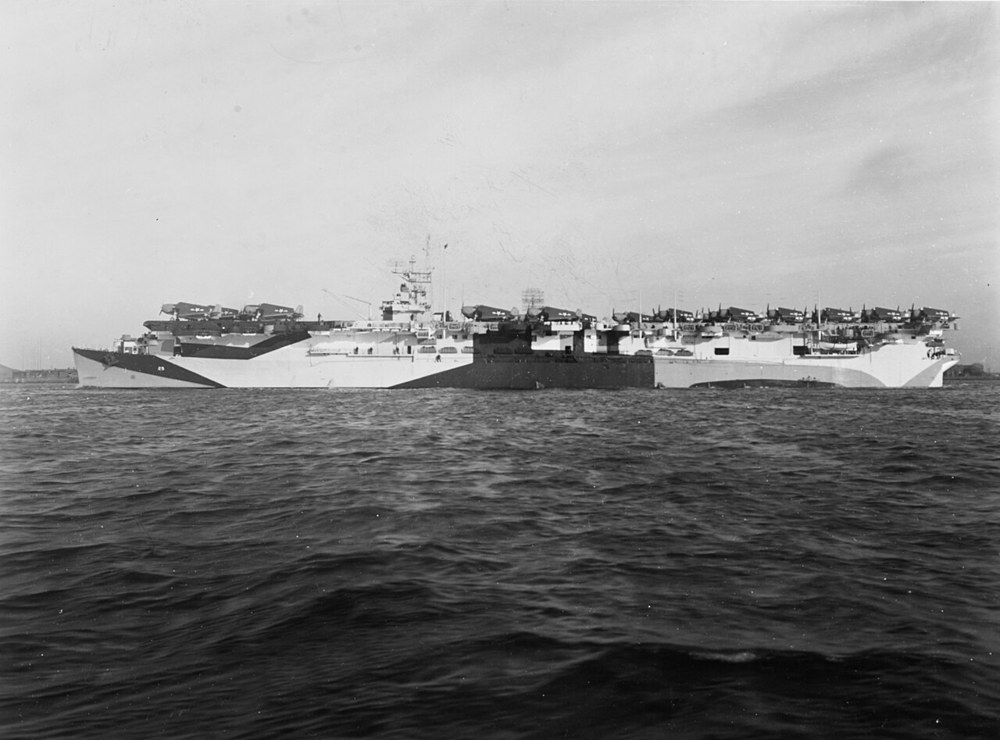
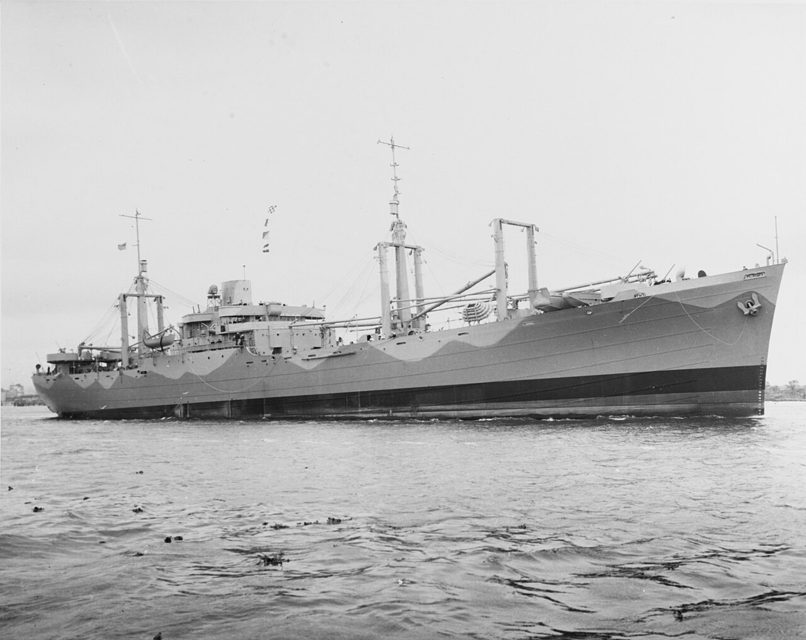
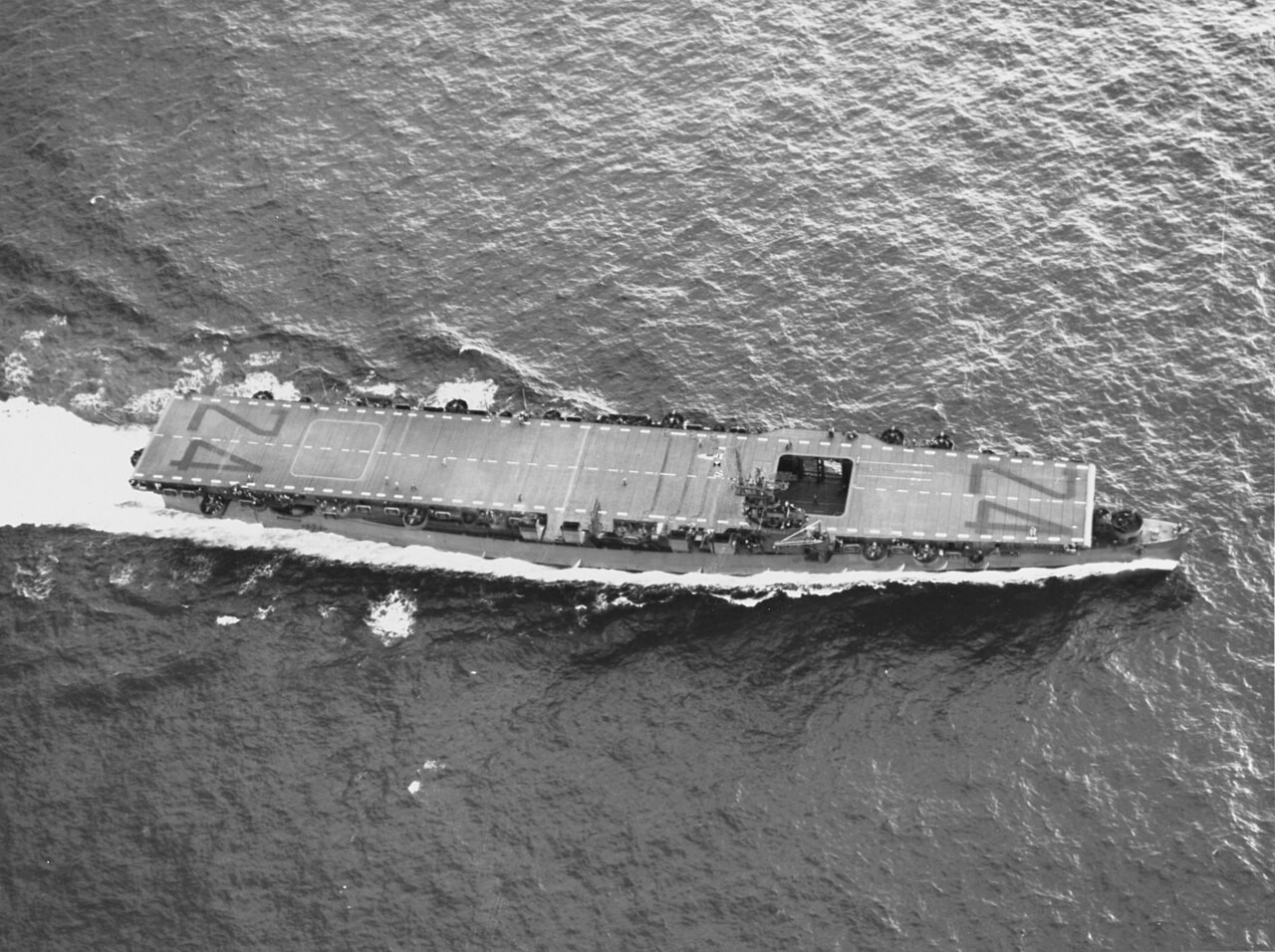
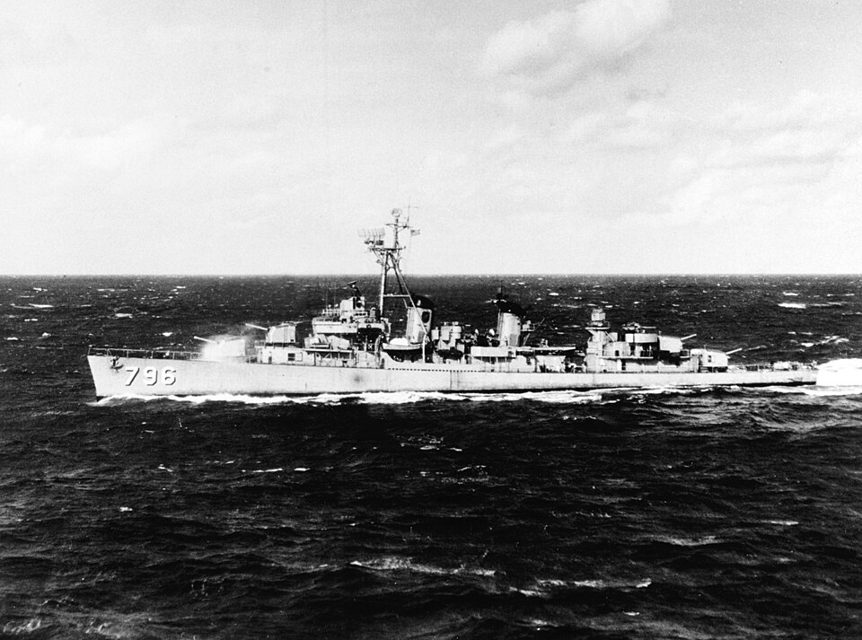
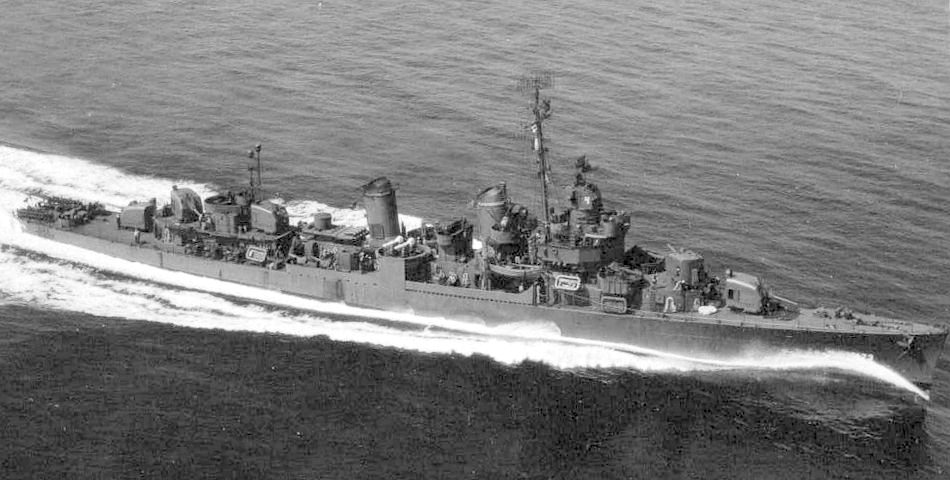
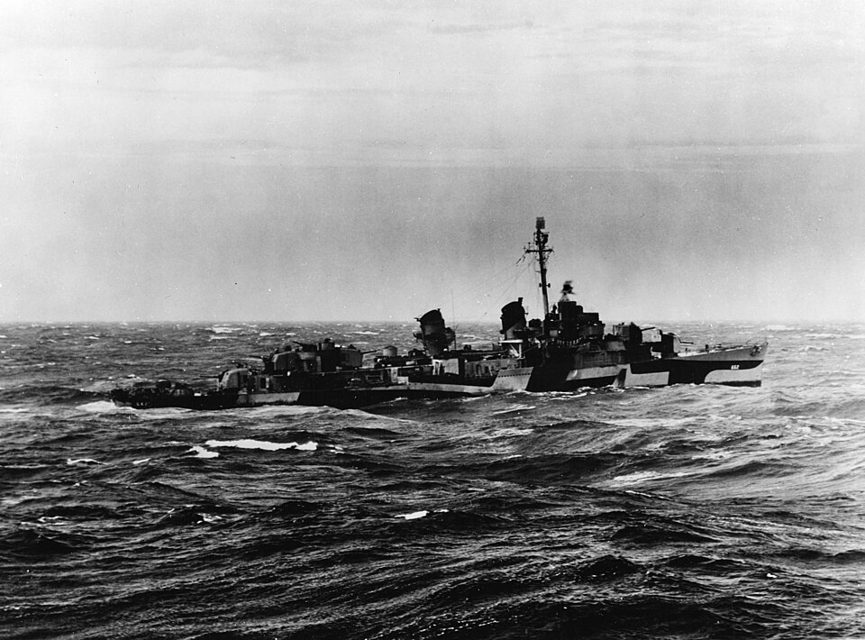
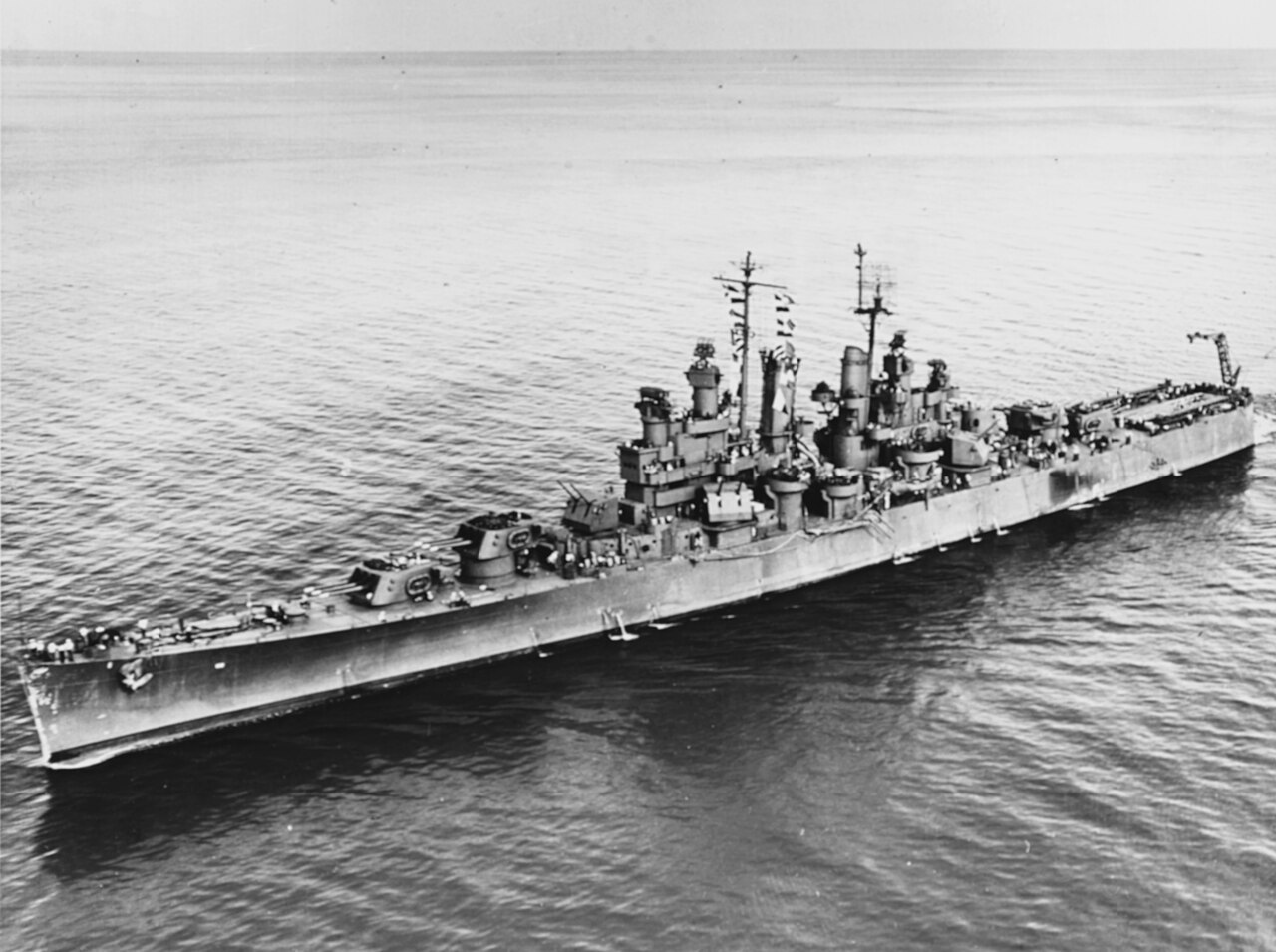
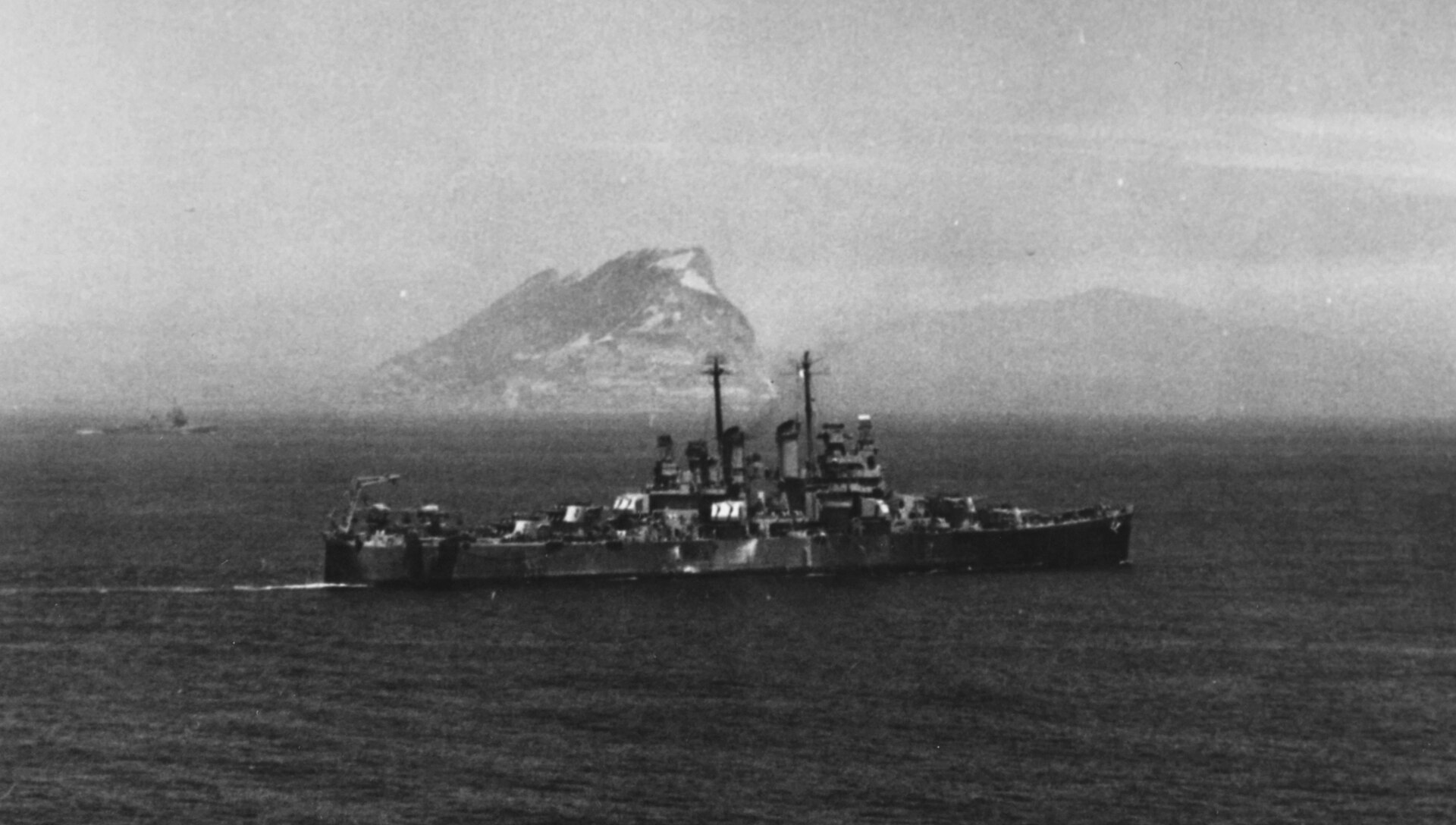
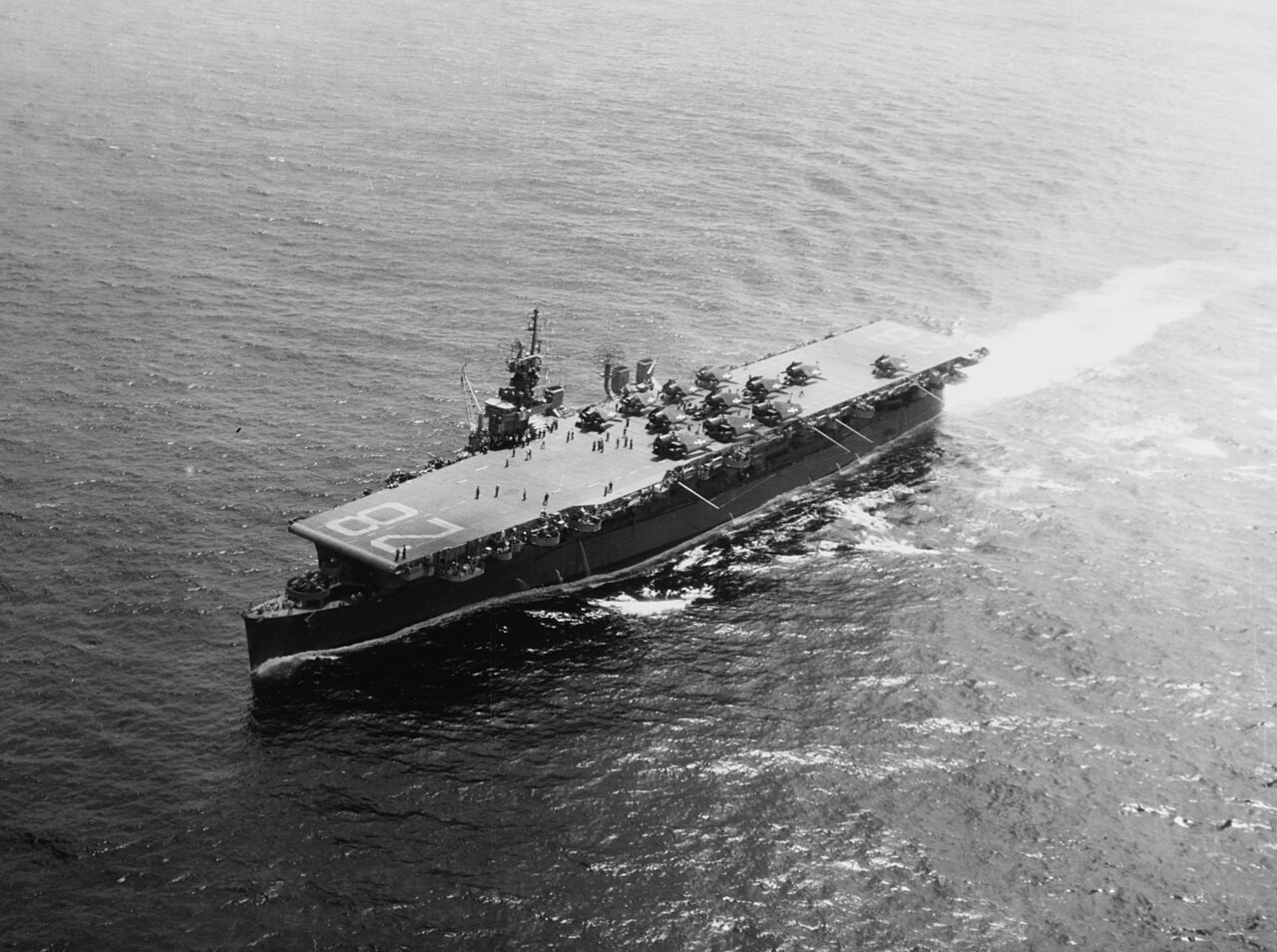
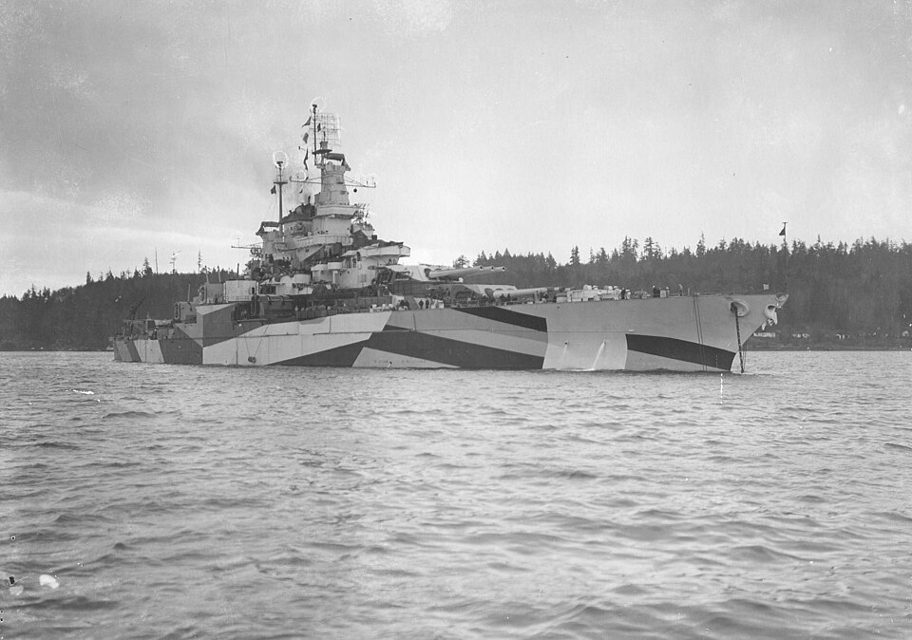
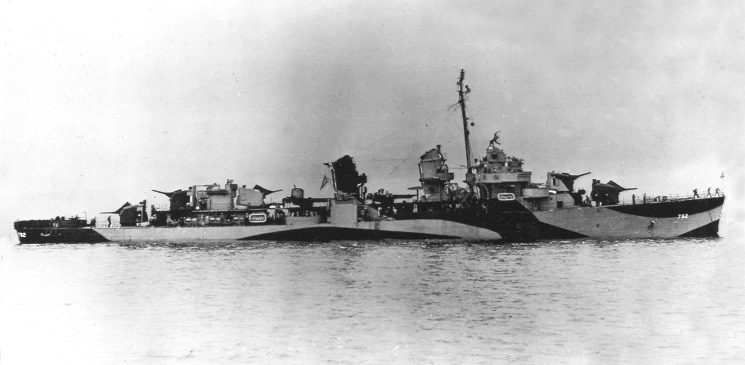
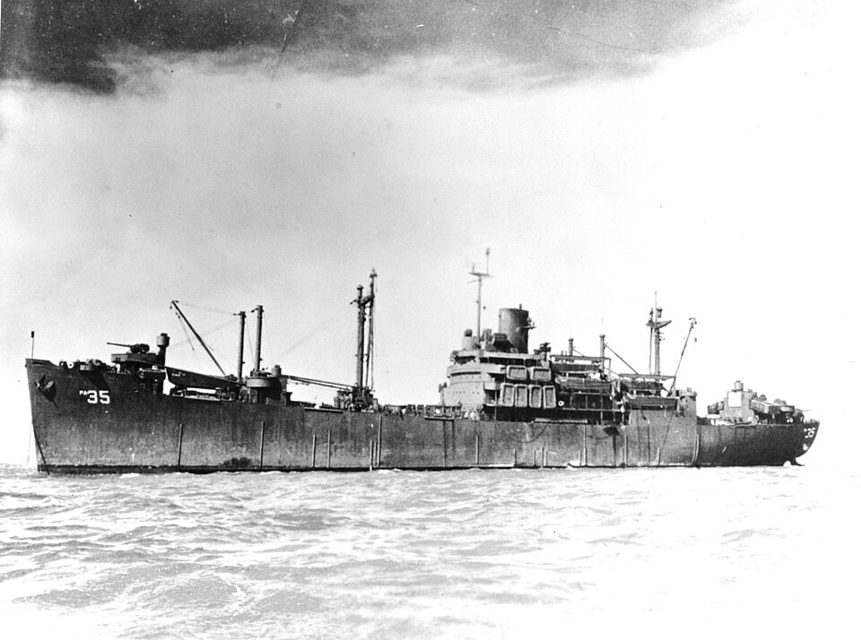
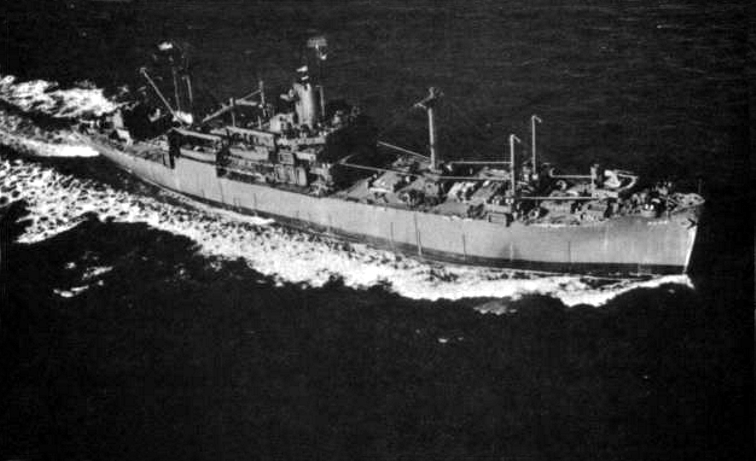
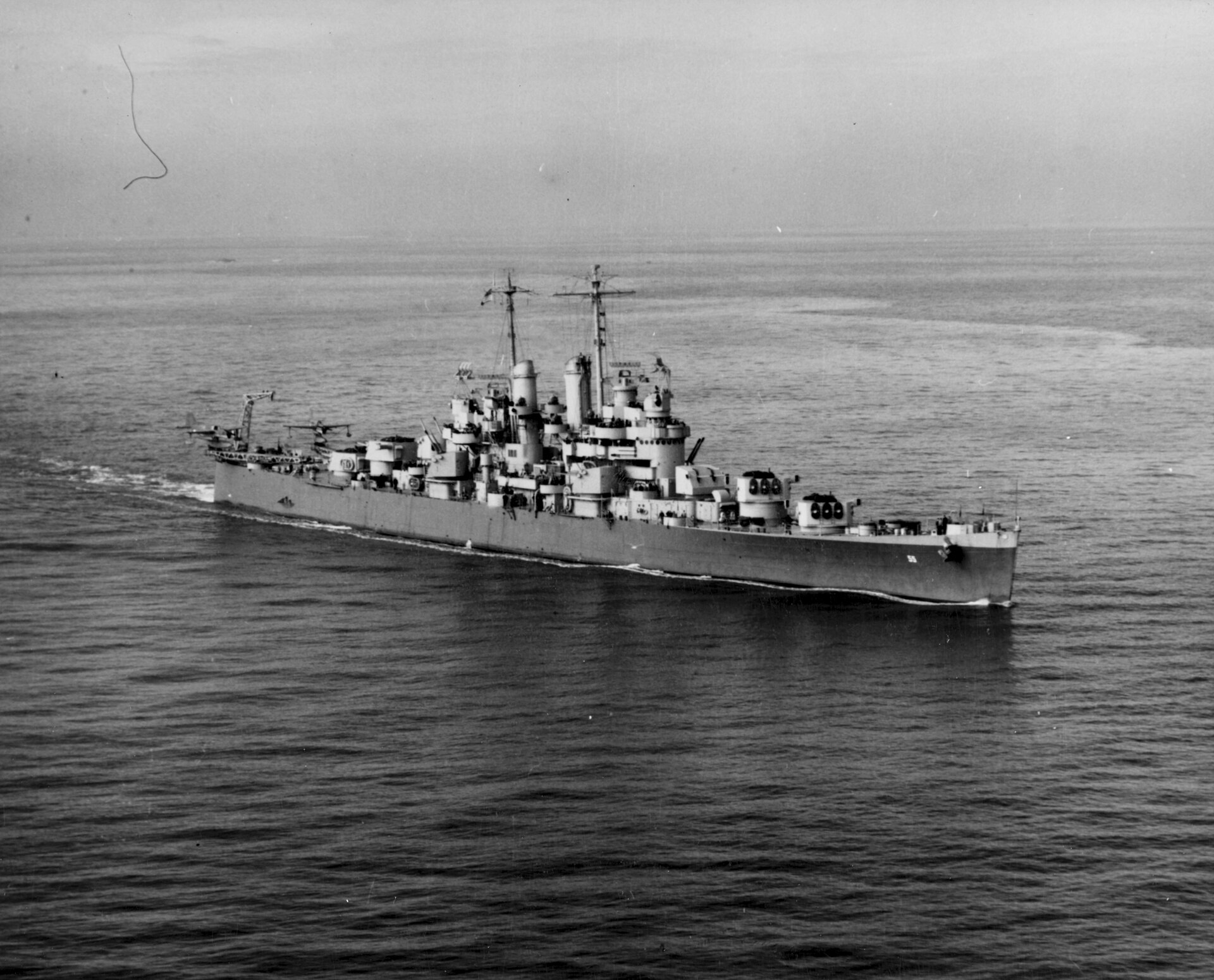
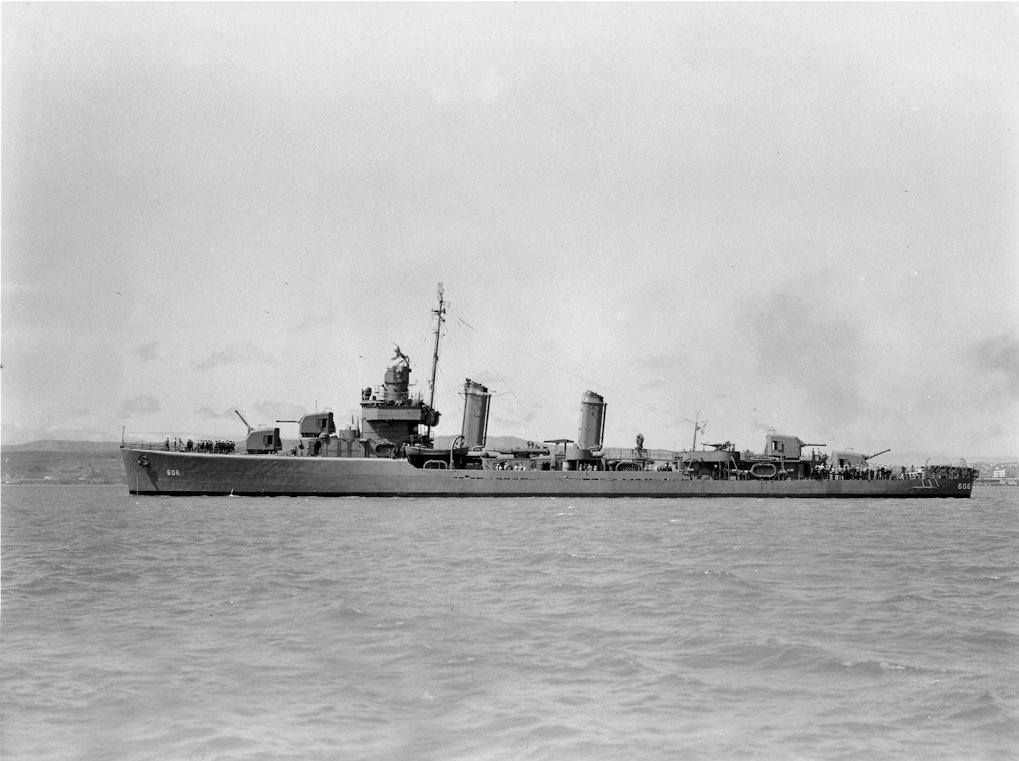
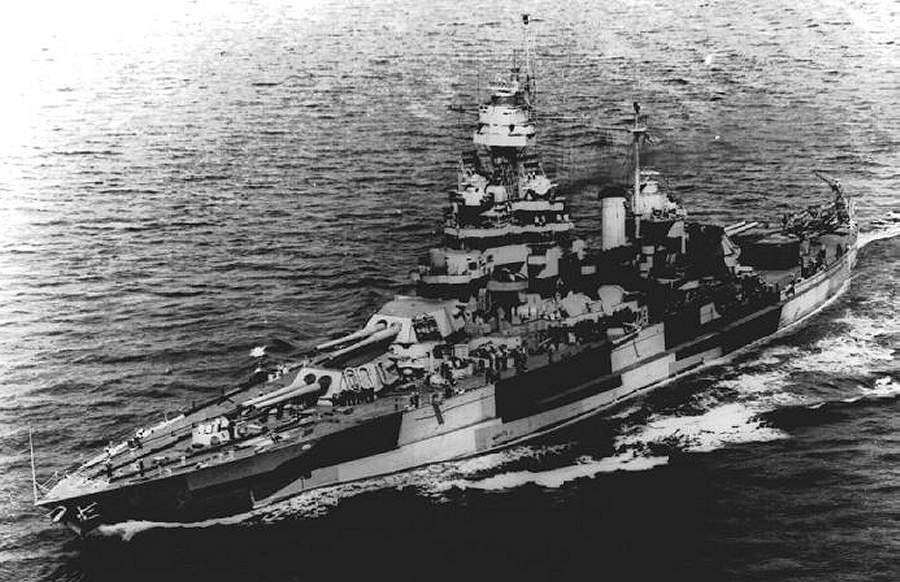
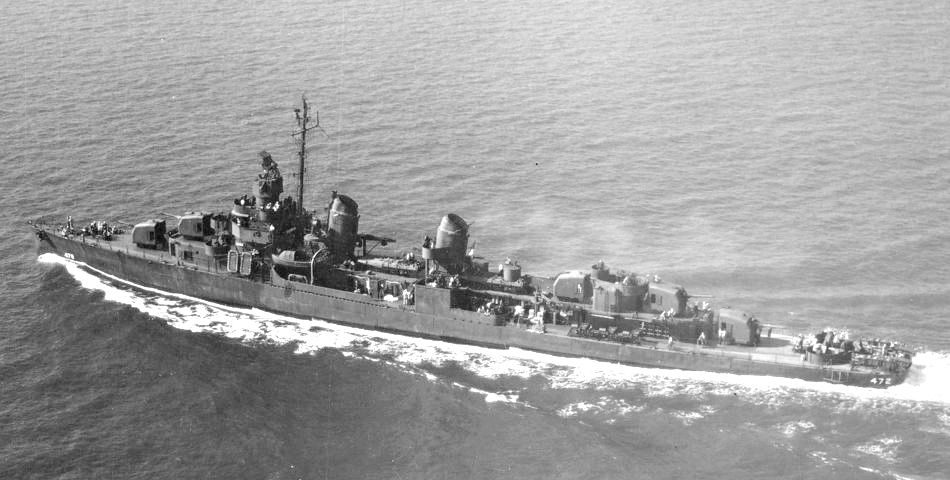
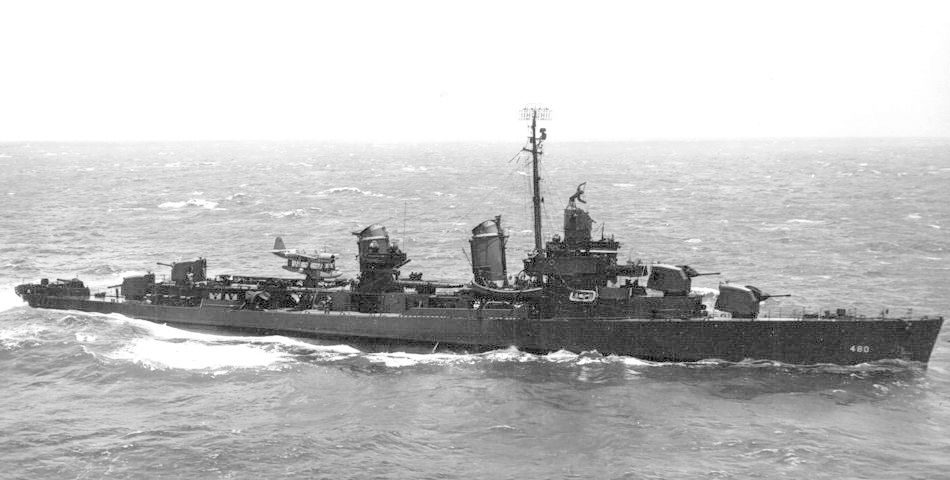
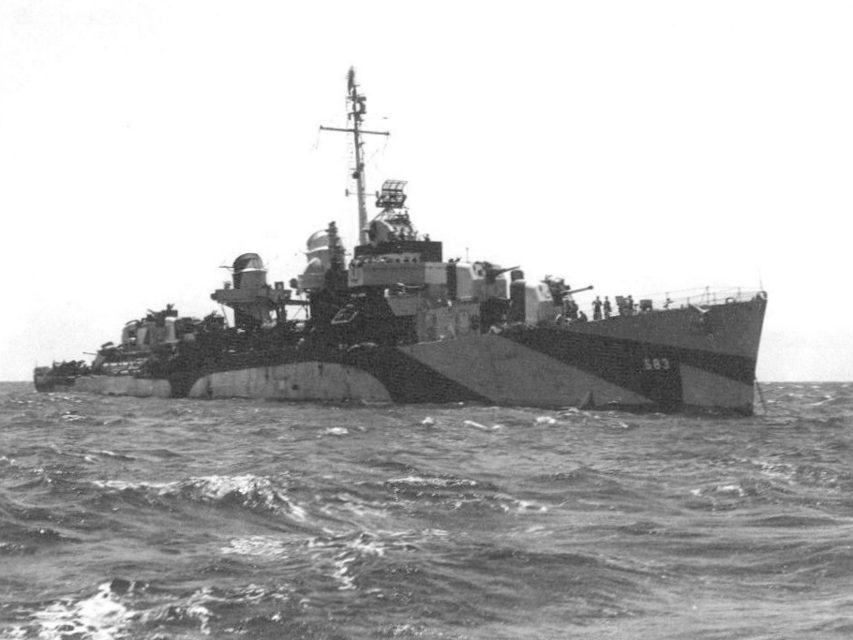
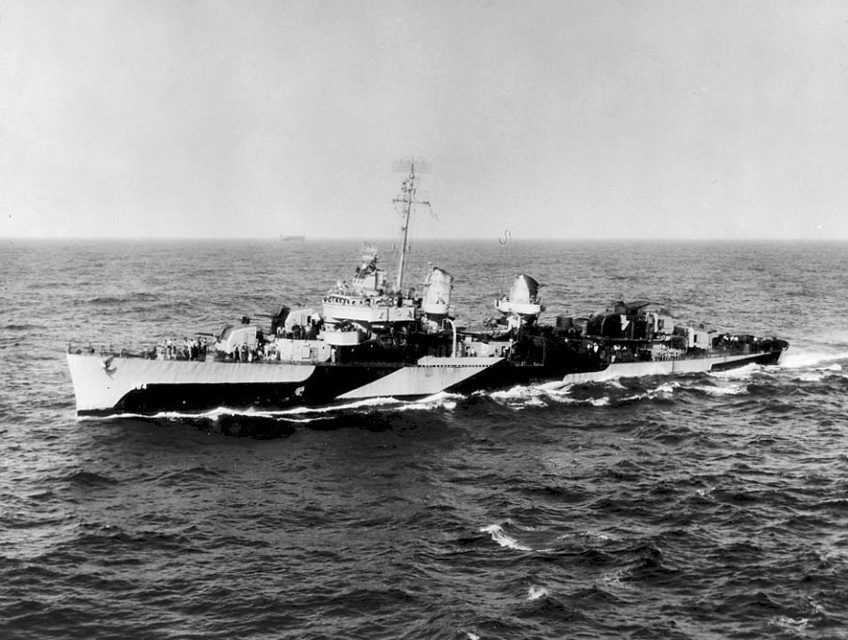
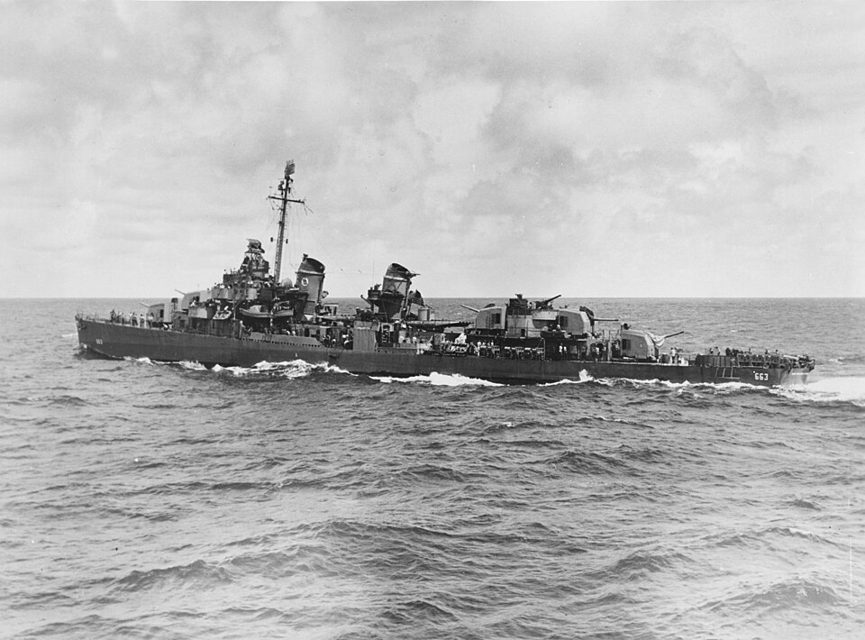
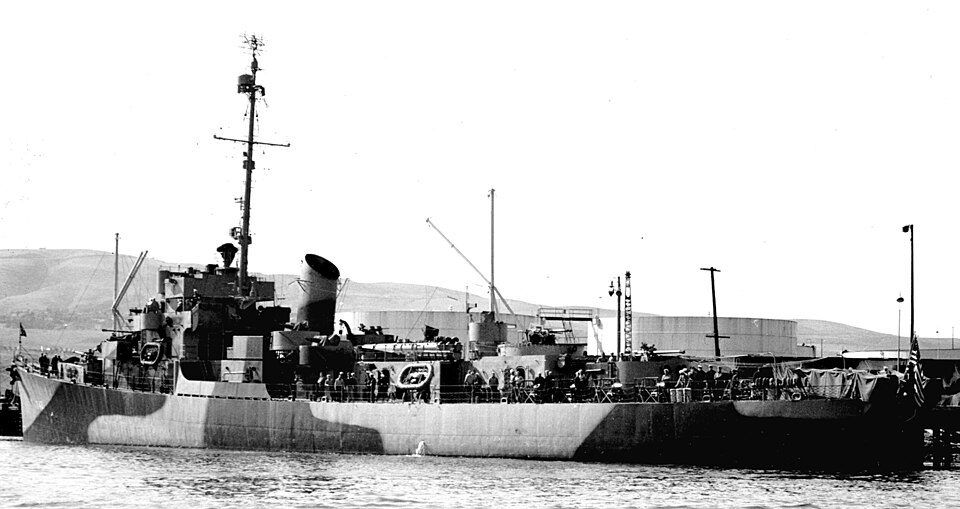
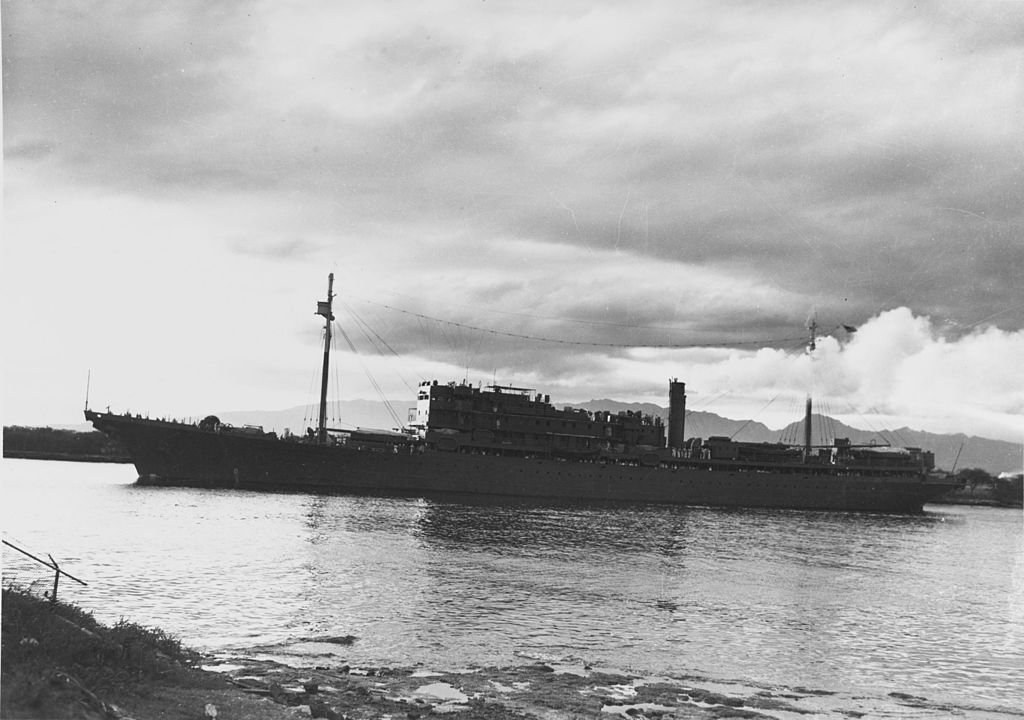
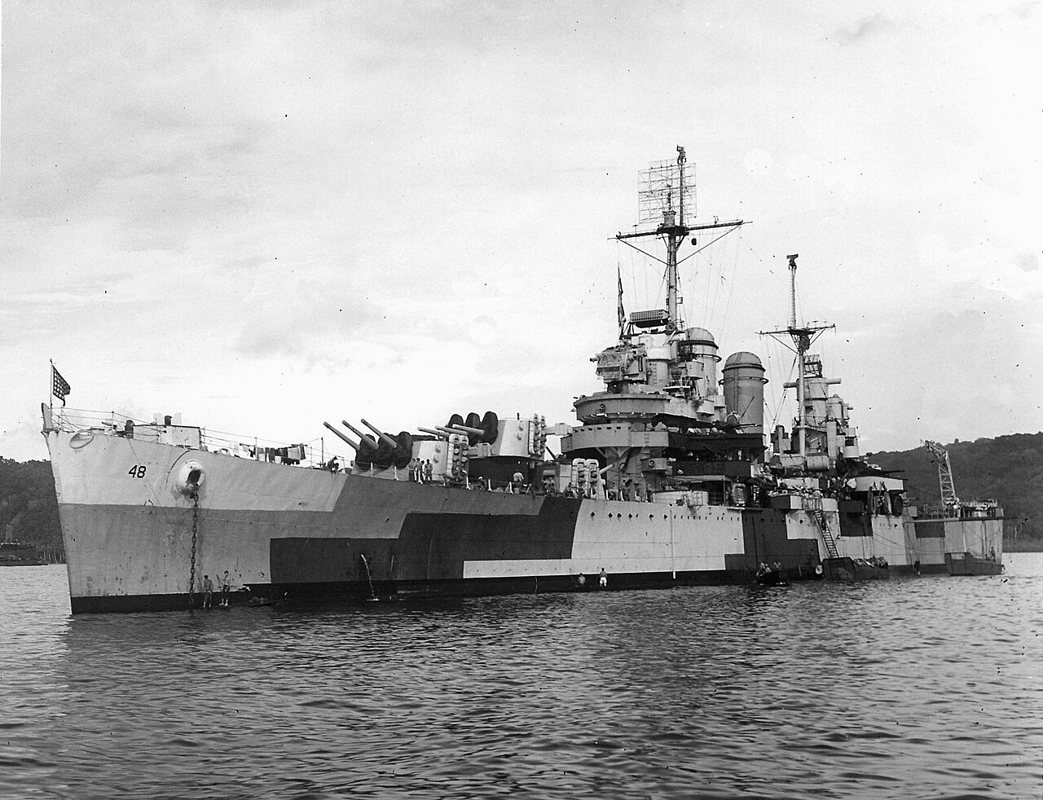
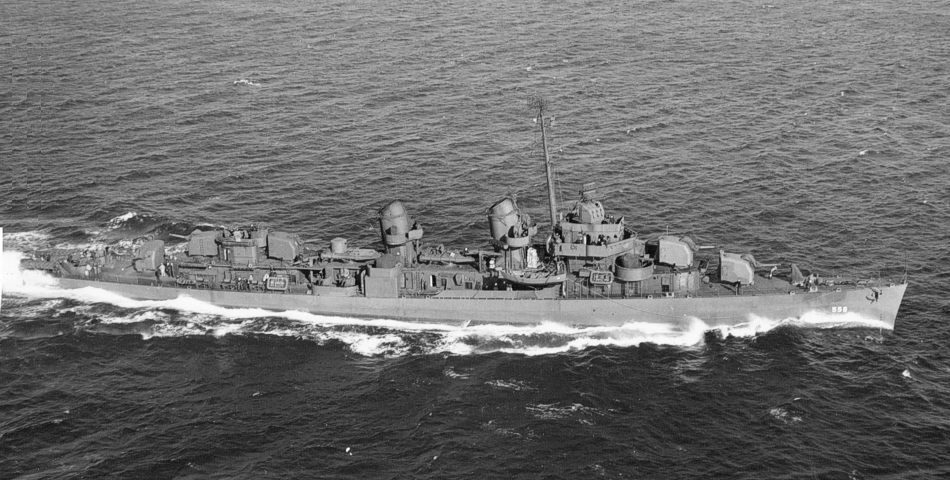
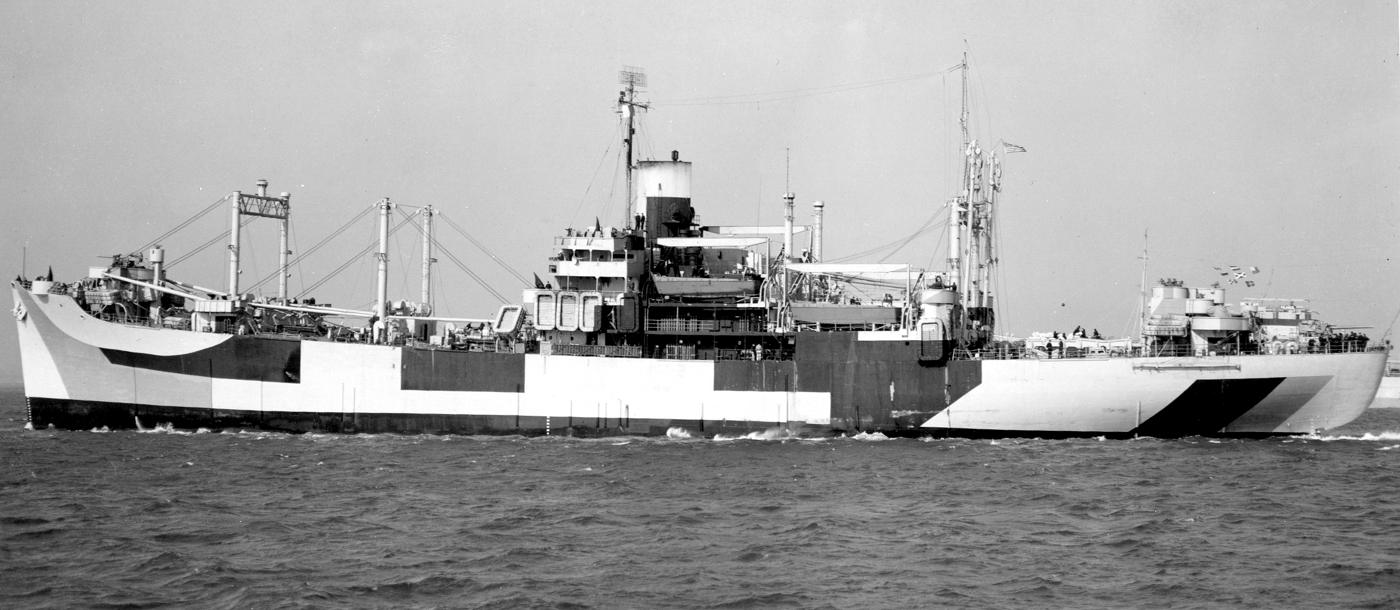
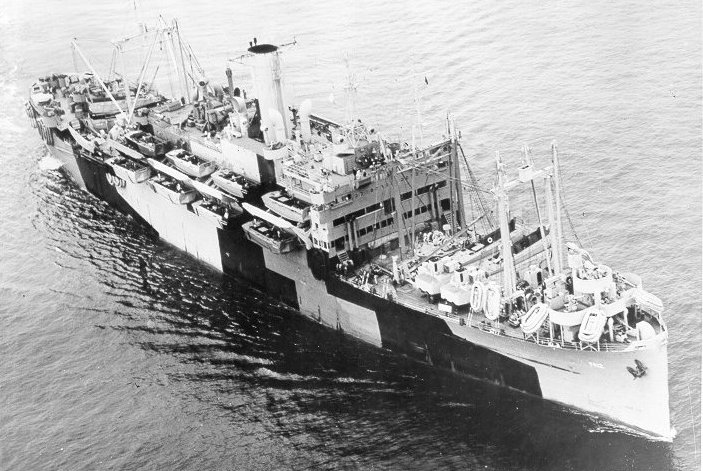
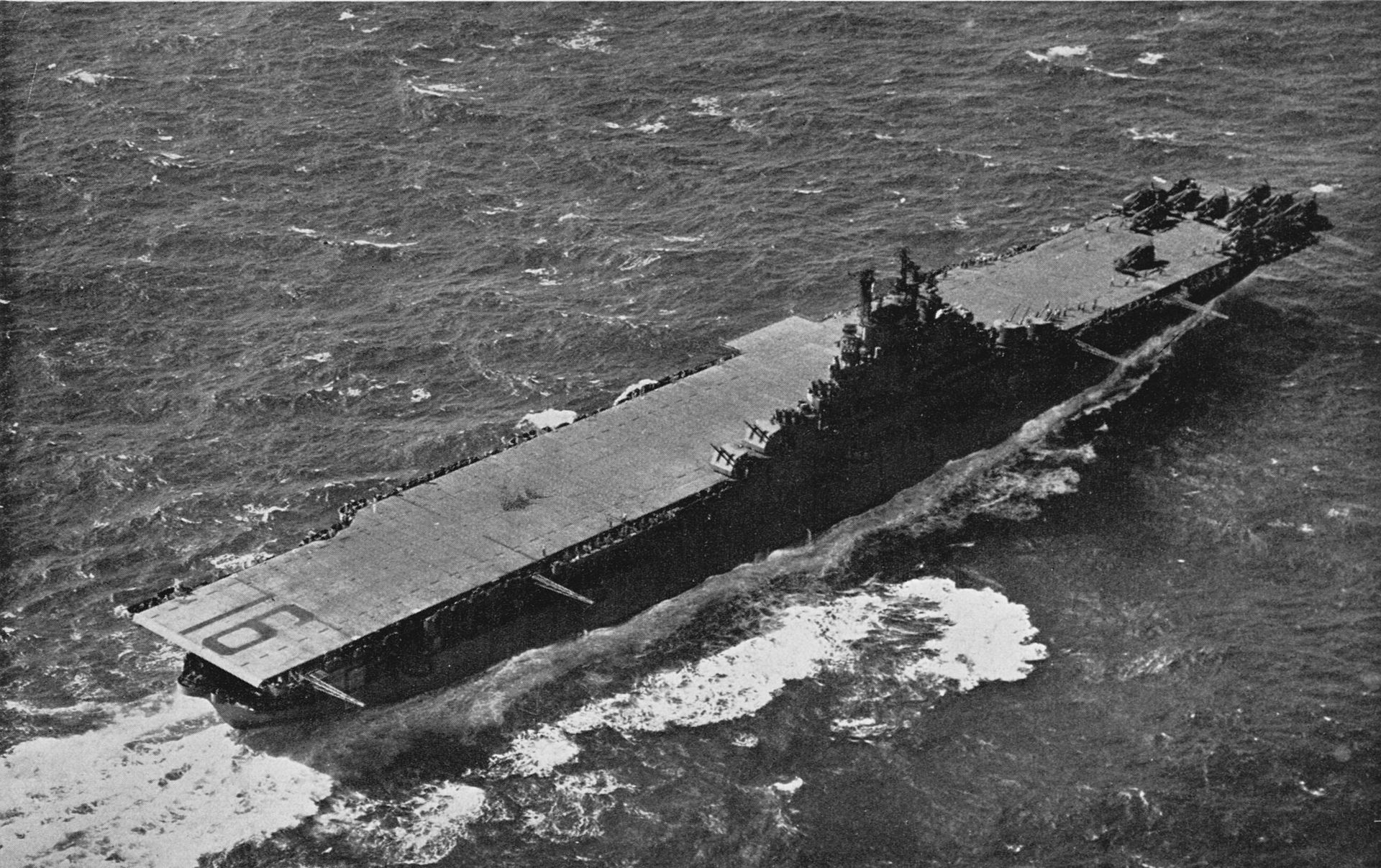
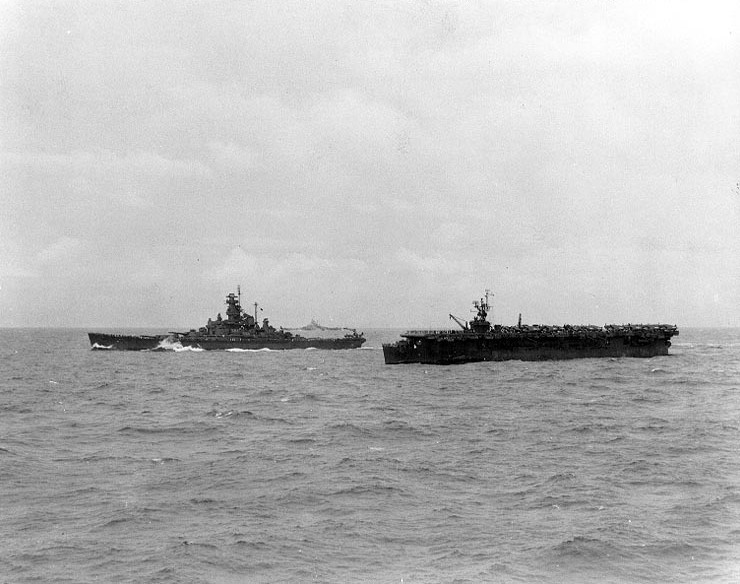
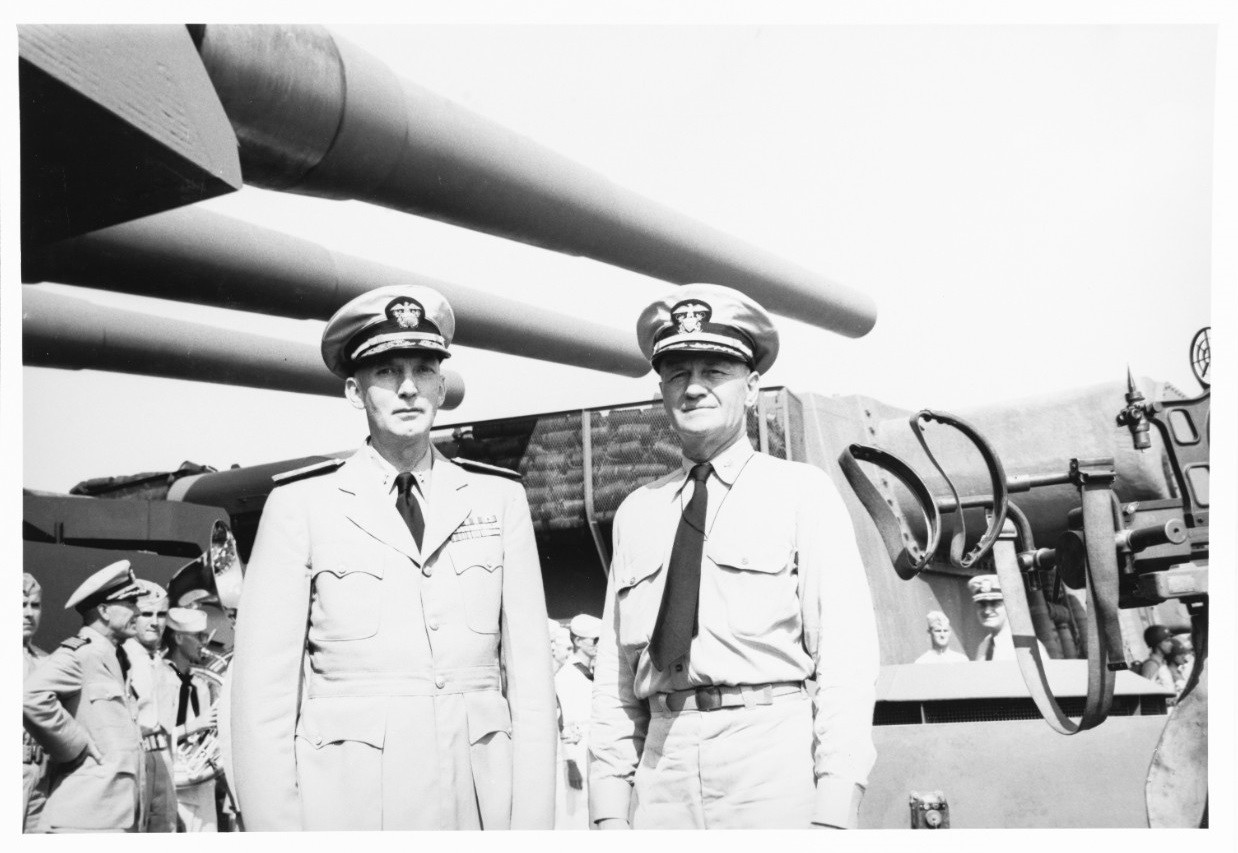
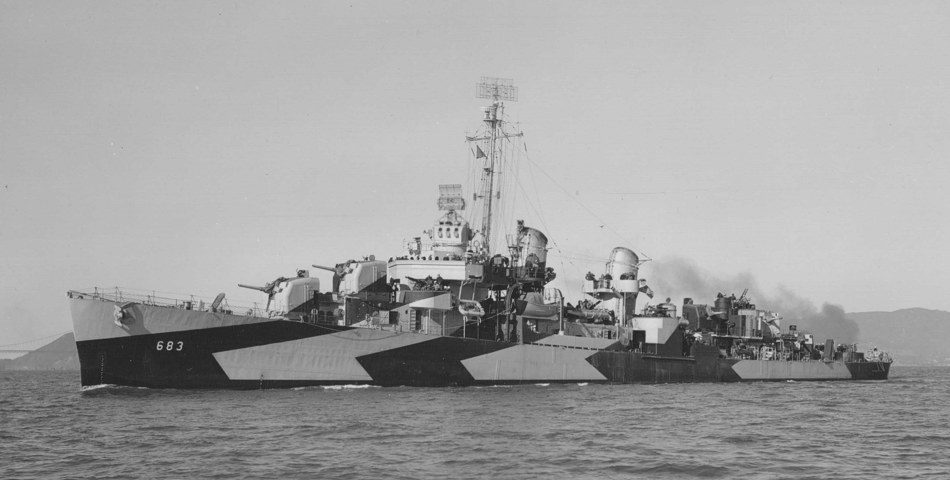
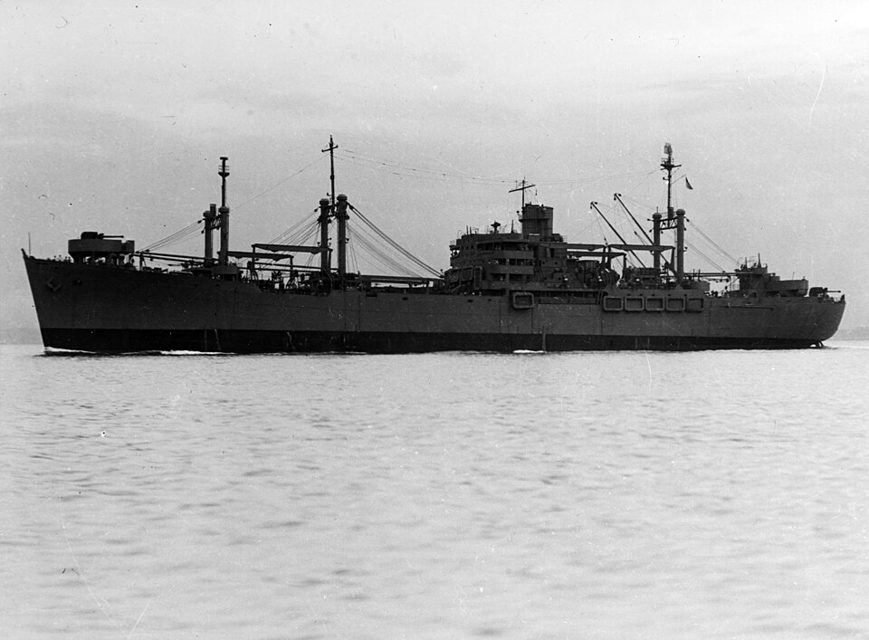
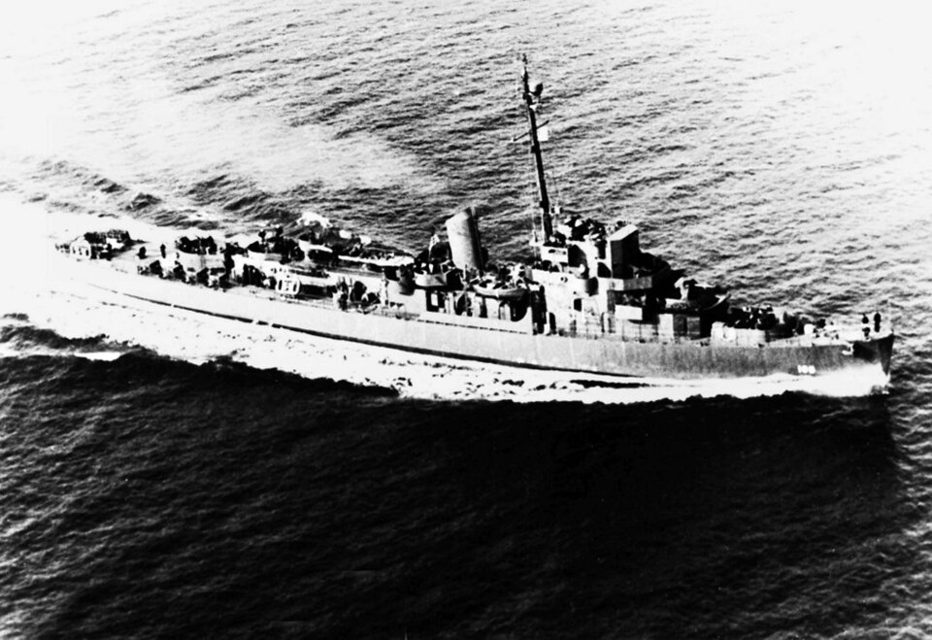
On 15 June 1944 the 2d and 4th Marine Divisions landed on the southwest coast of Saipan, near Charan Kanoa. Vice Admiral Richmond Kelly Turner commanded the Joint Expeditionary Force. His flagship, the amphibious command ship Rocky Mount, was in the transport area at 0520, 18,000 yards offshore, and Major General Holland M. Smith was aboard with the expeditionary troops staff. Rear Admiral Jesse B. Oldendorf's fire-support ships had opened the day before. On 9 July Turner announced the island secured. The carrier battle fought west of the Marianas on 19 and 20 June is not this story.
That carrier battle is the Battle of the Philippine Sea.
Before the boats went in
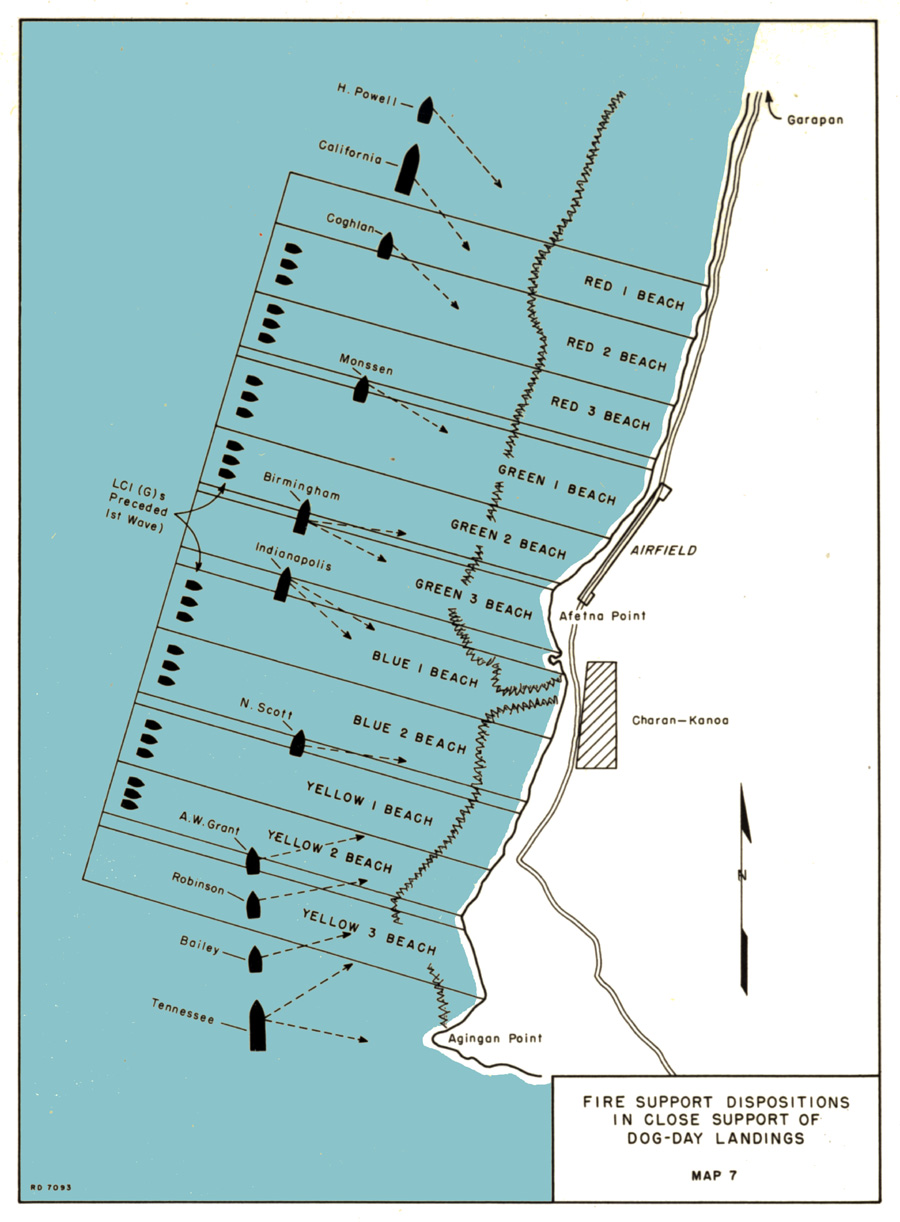
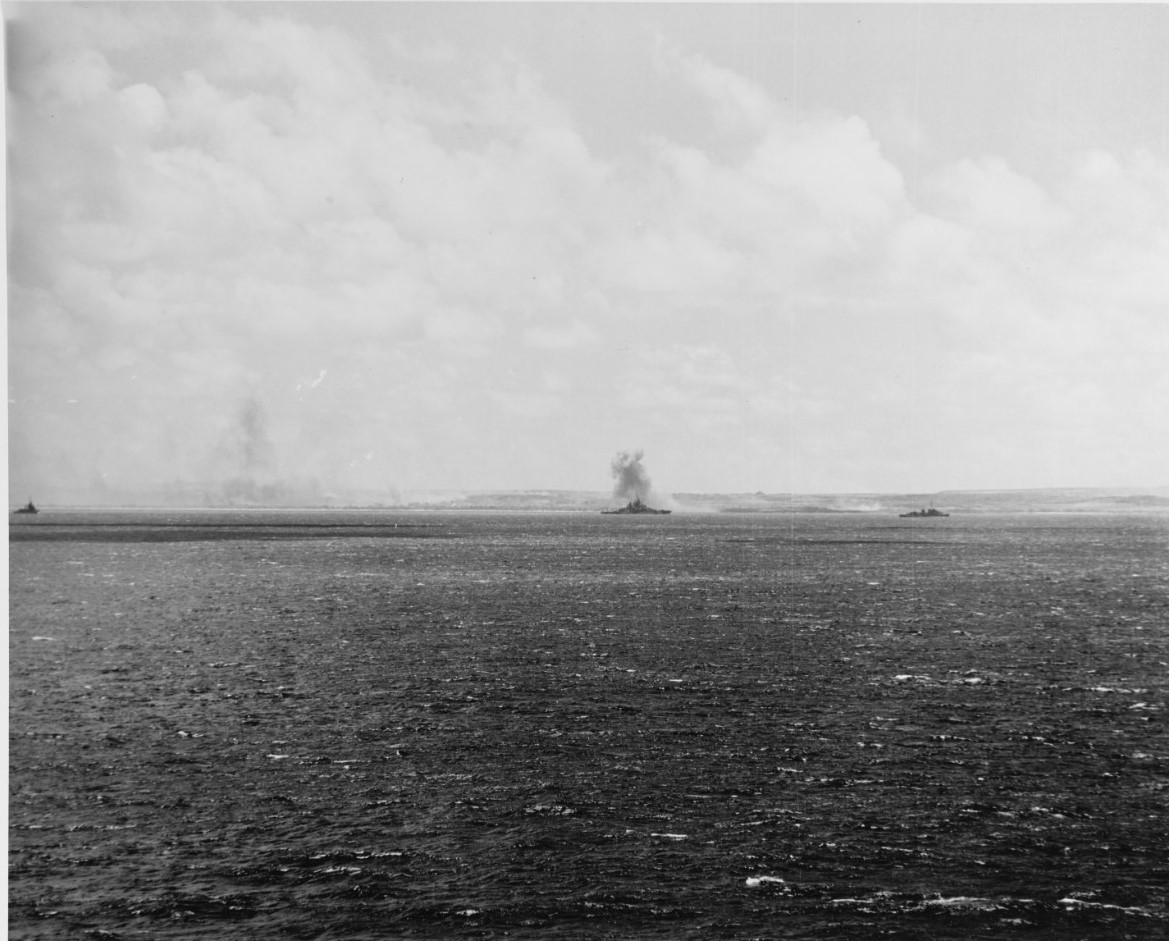
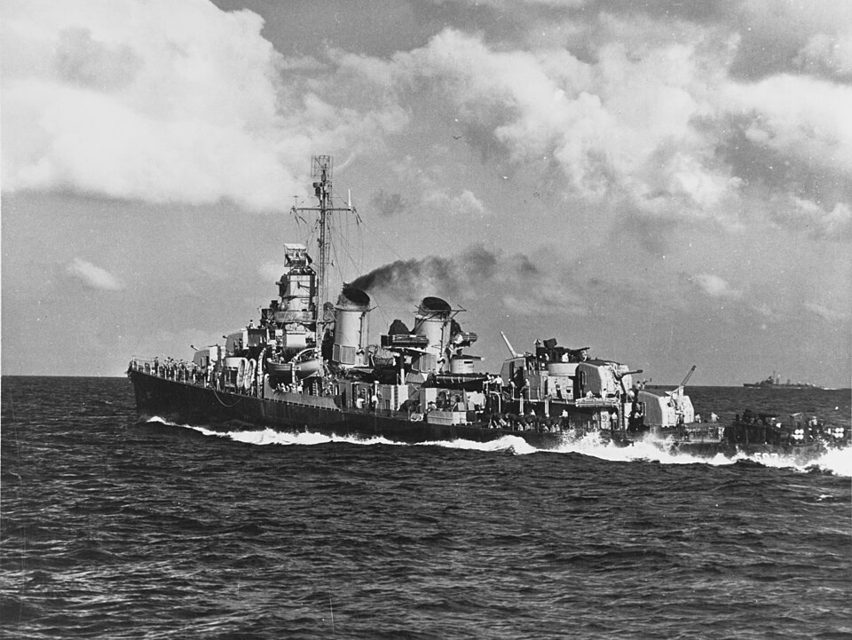
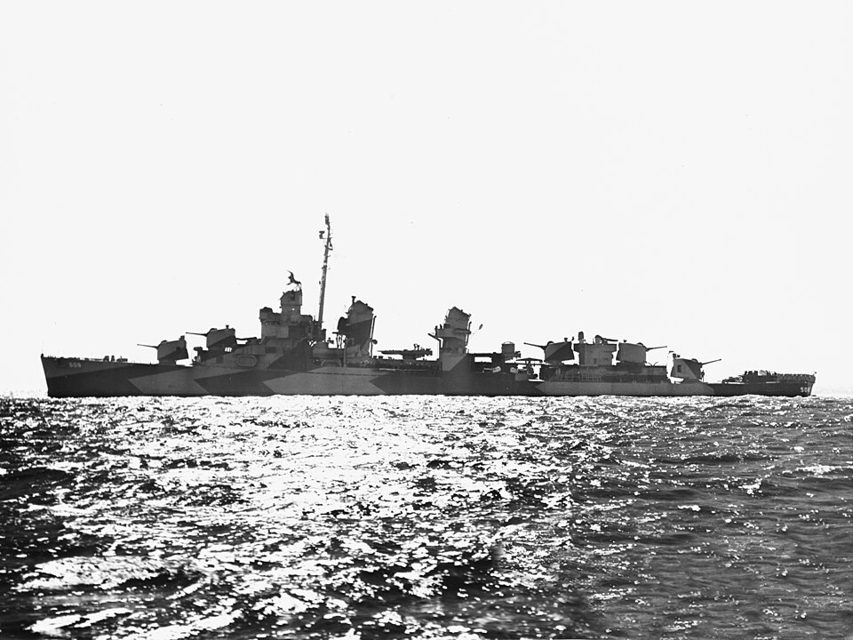
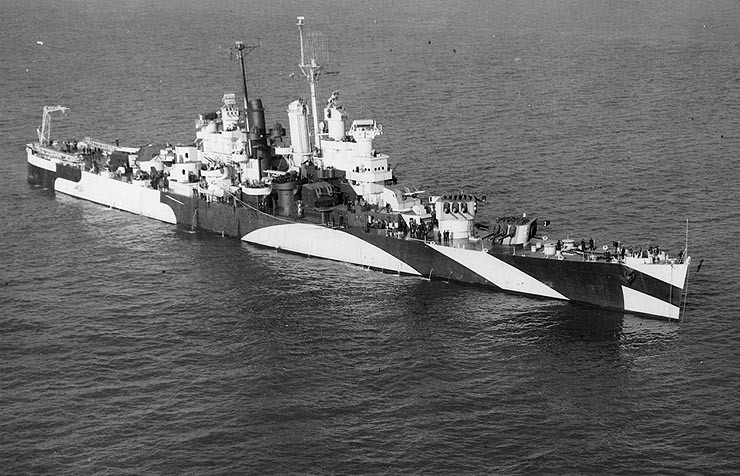
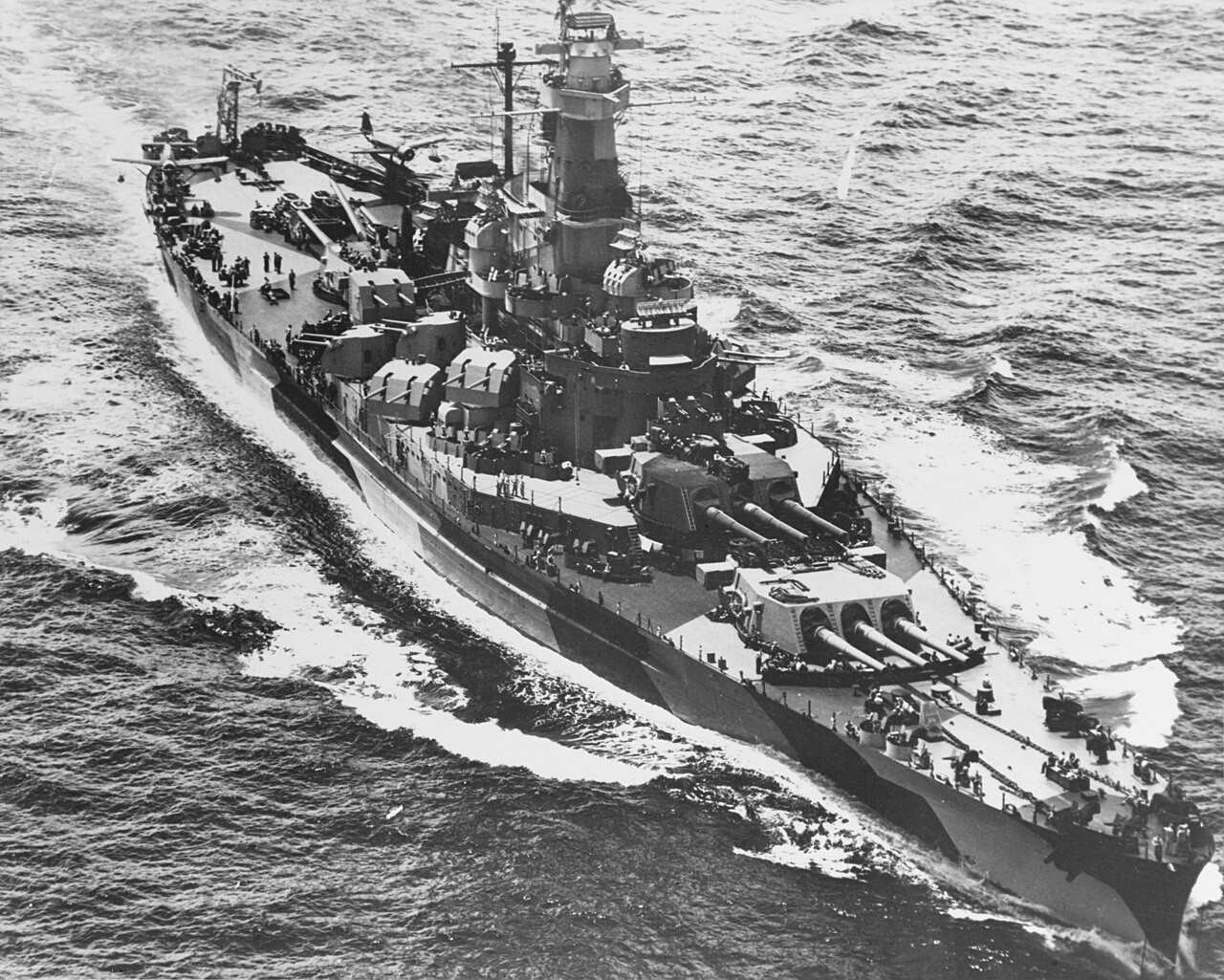
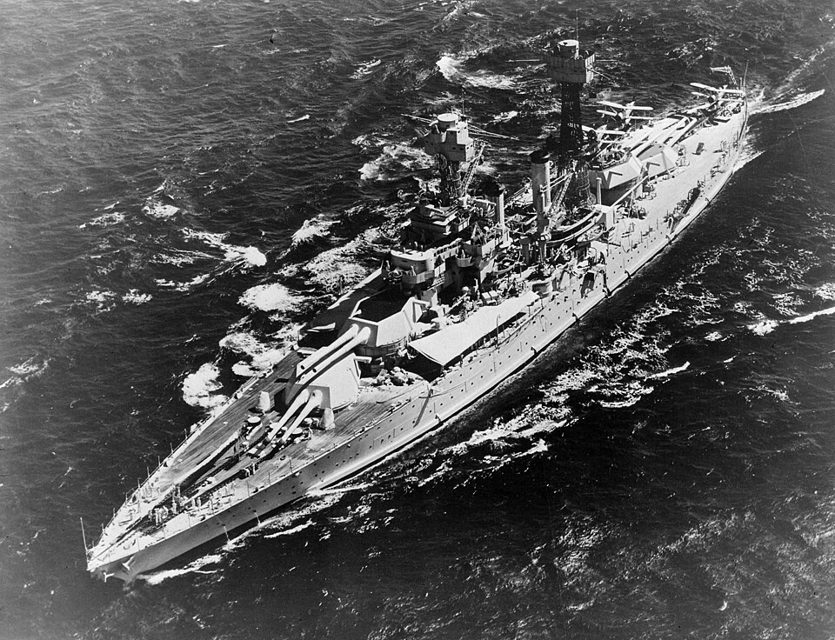
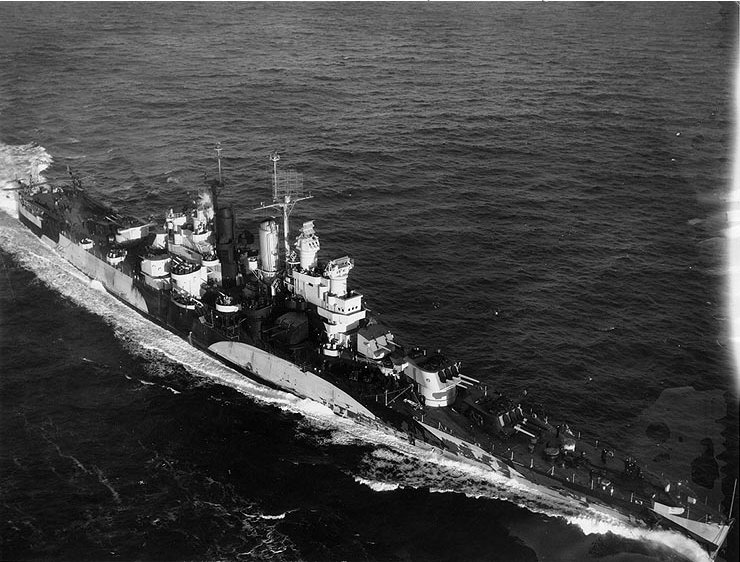
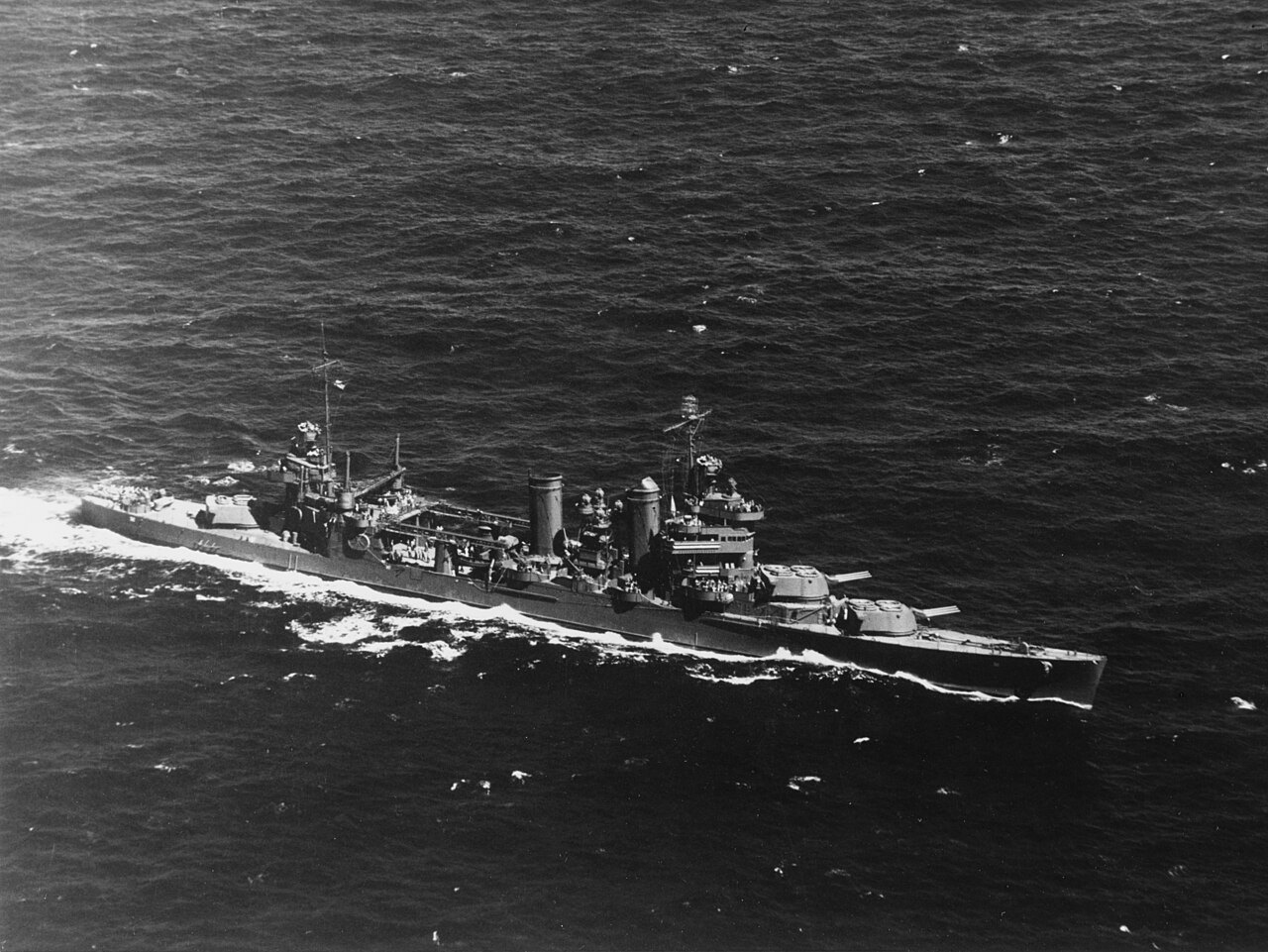
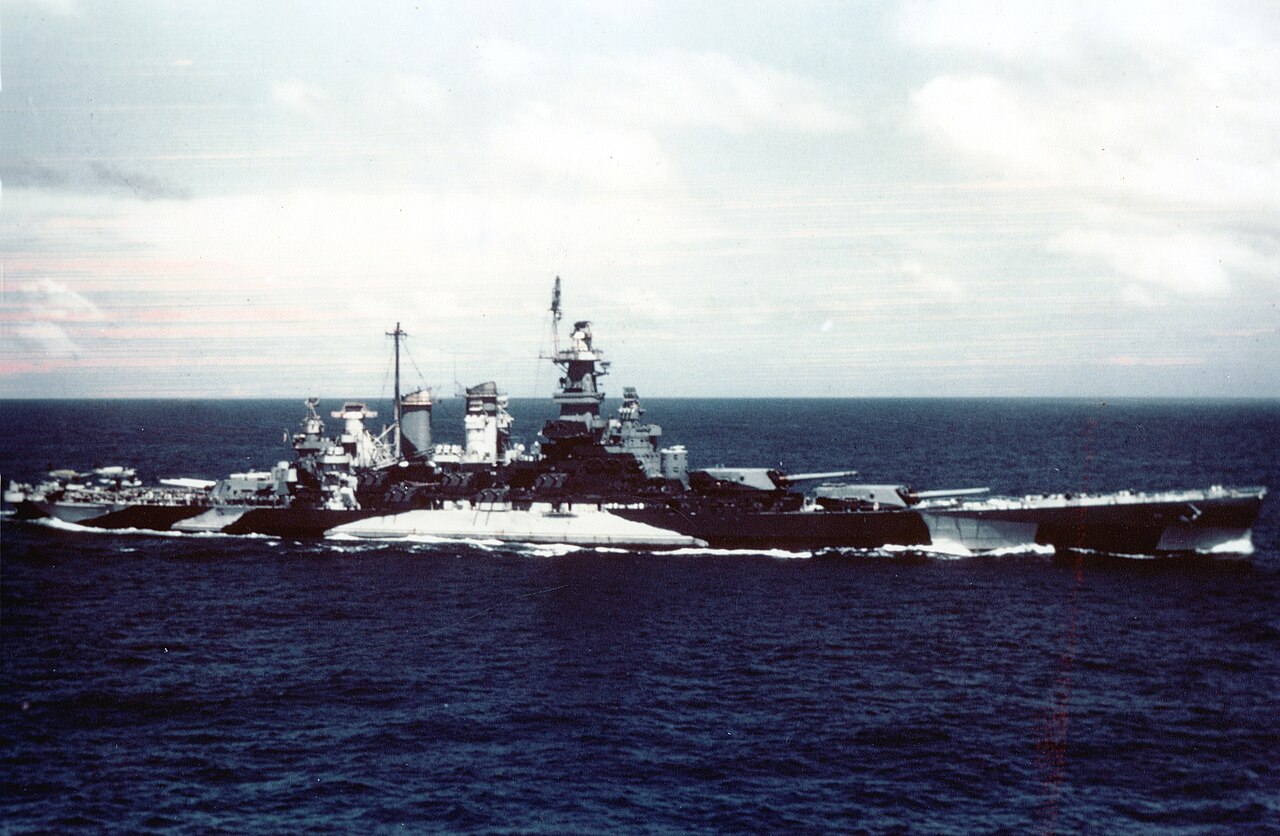
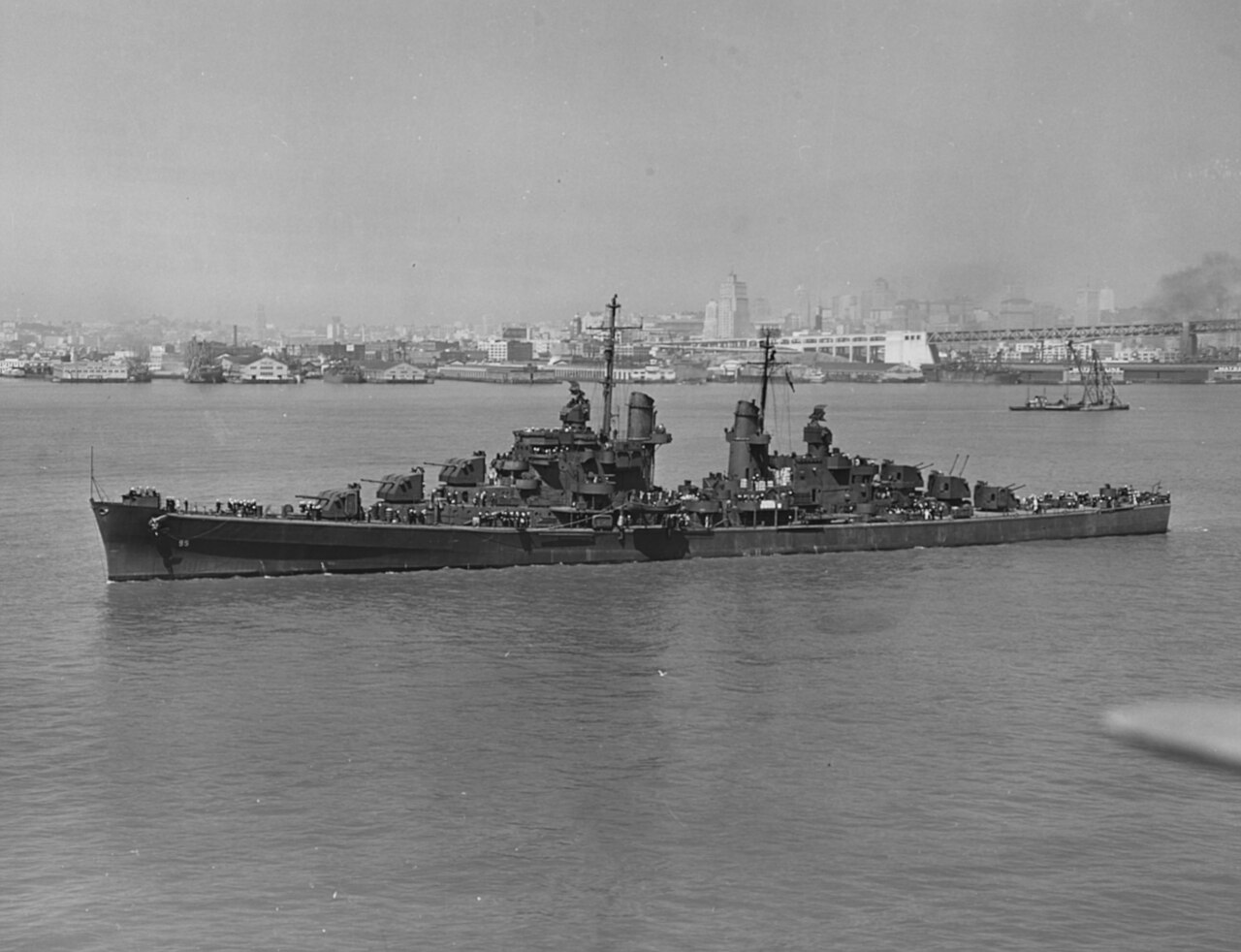
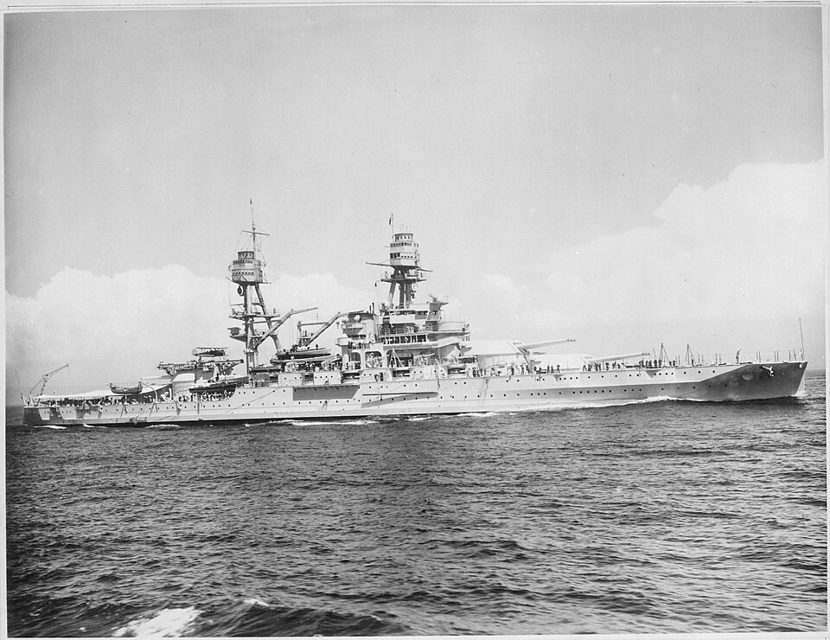
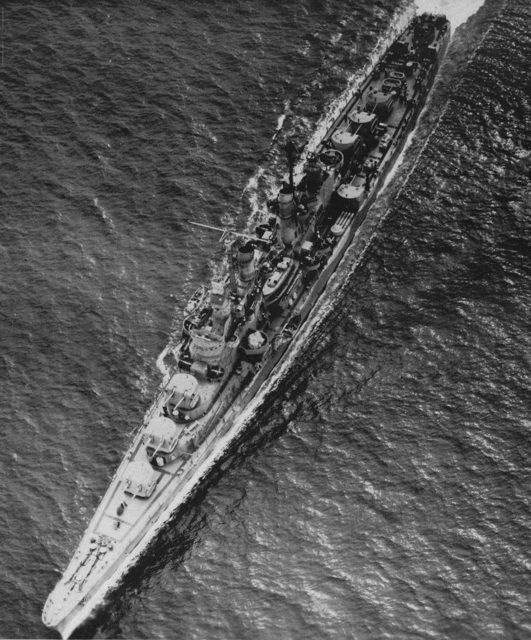
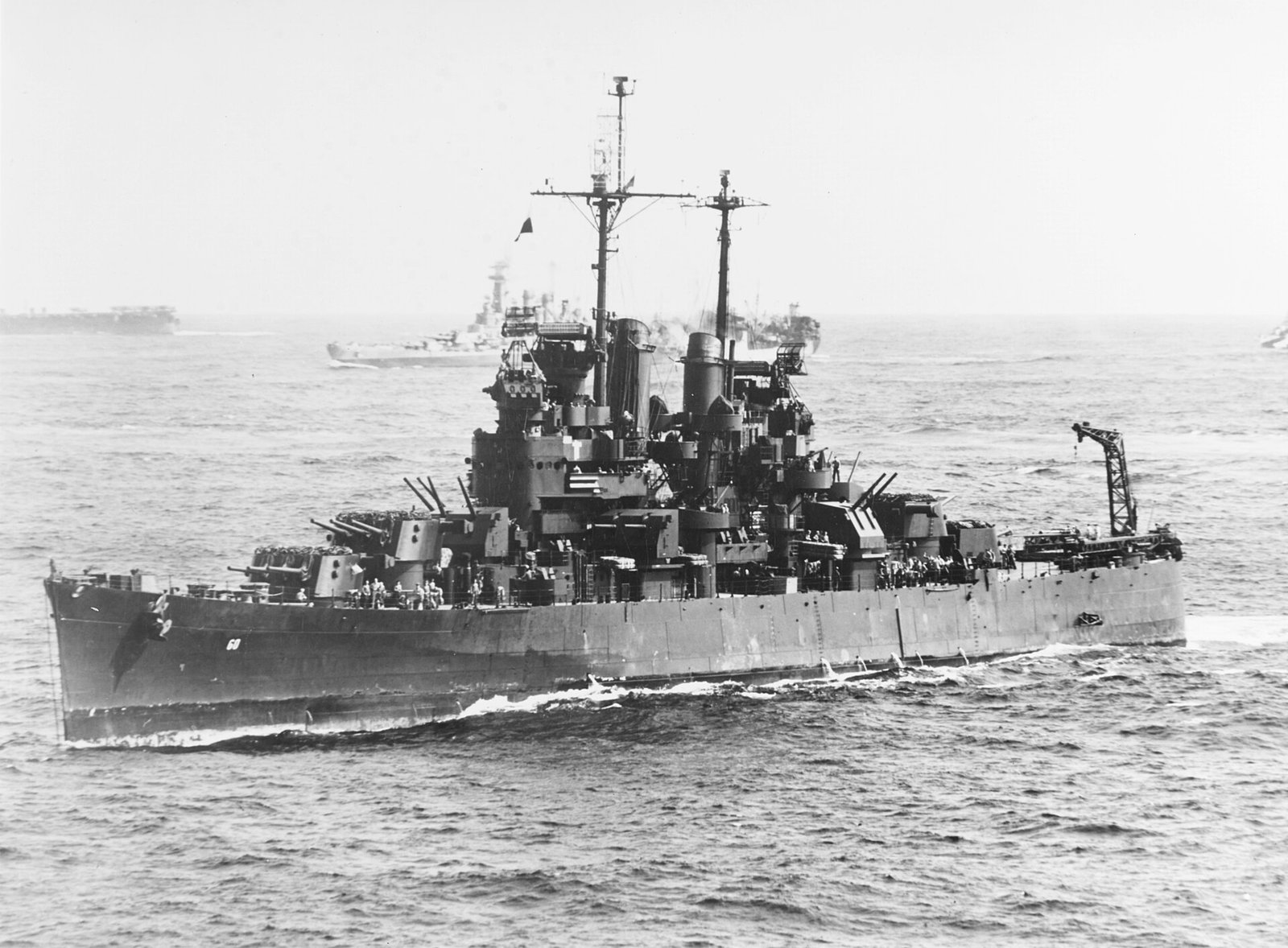
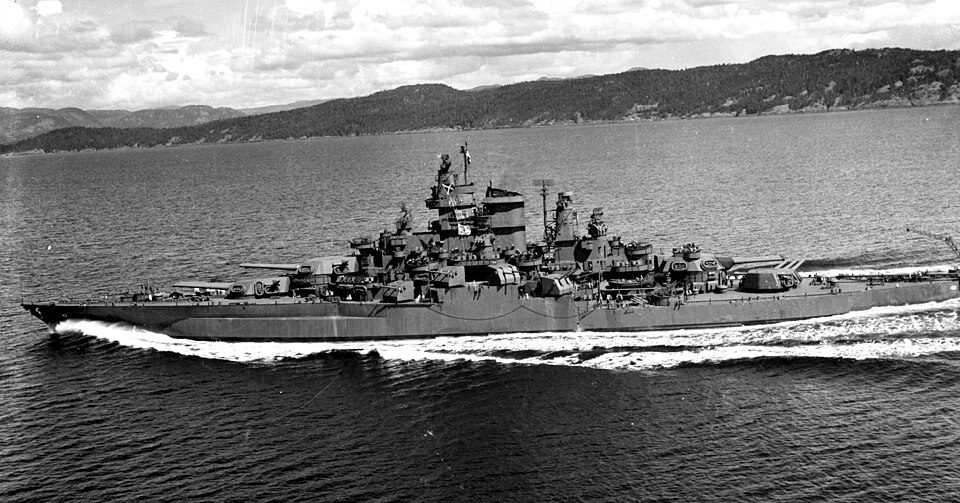
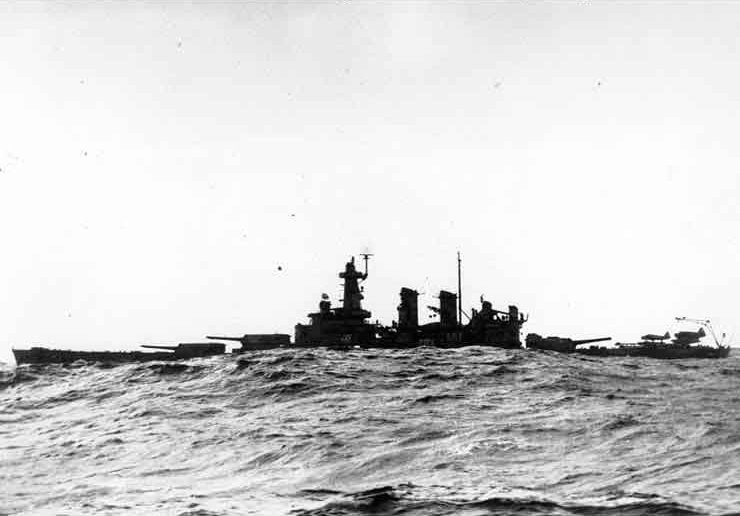
Hoffman's chronology says Task Force 58 bombarded Saipan from 11 to 13 June. On 14 June the fire-support ships of the Northern and Southern Attack Forces, under Oldendorf, arrived and joined the bombardment. Rear Admiral Howard F. Kingman's Fire Support Unit One had trouble with Afetna Point. Birmingham and Indianapolis fired on it through the morning and did not destroy the mortars. Kingman then turned Tennessee, California, and Birmingham onto the point for the afternoon.
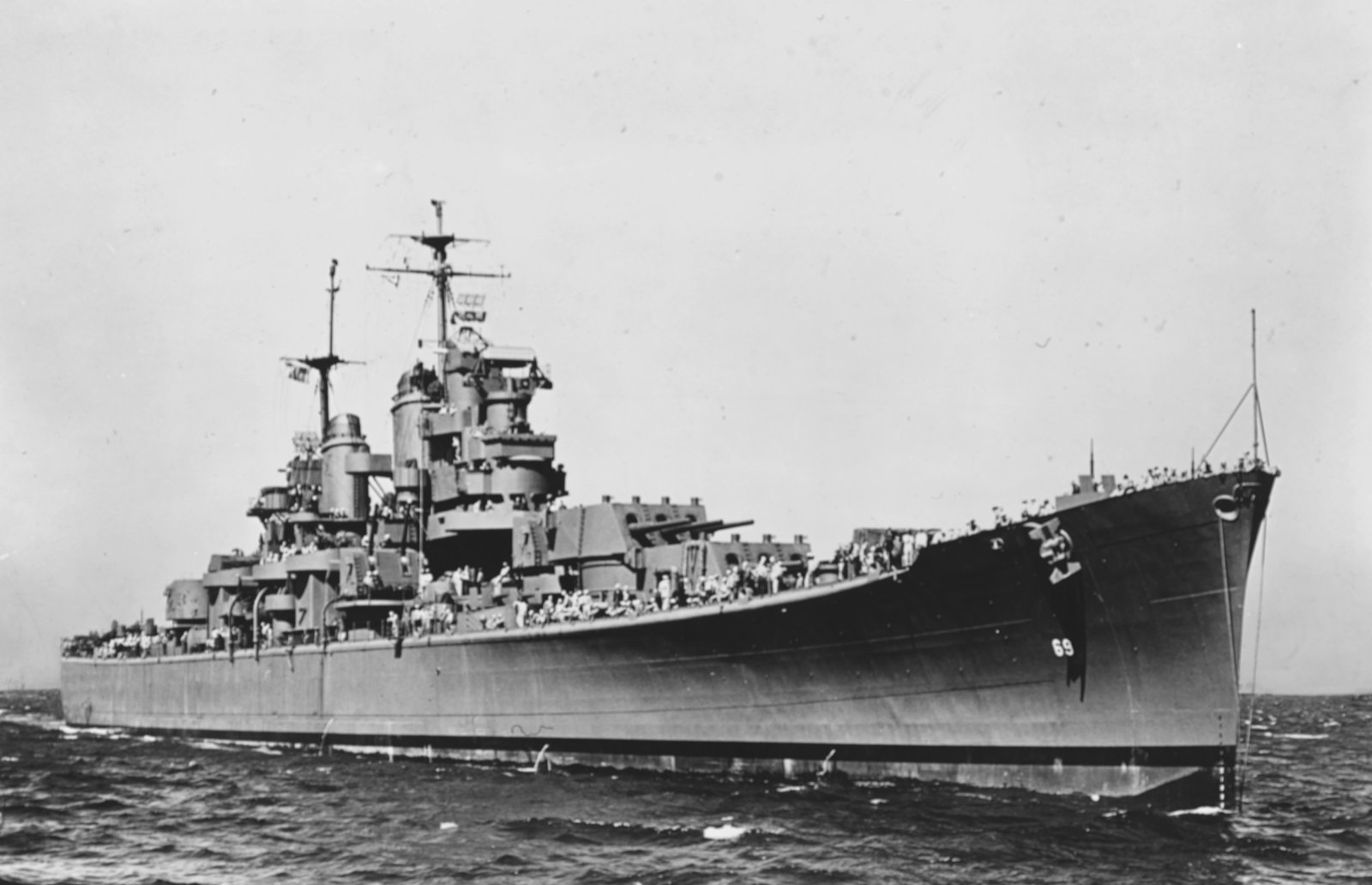
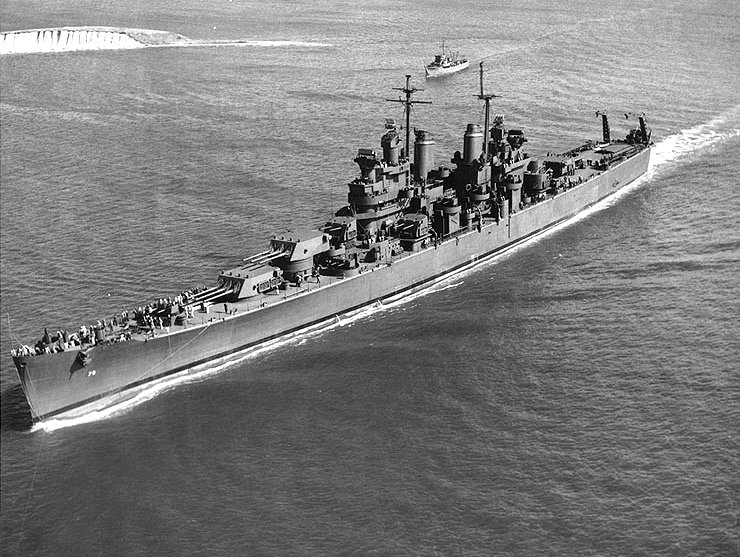
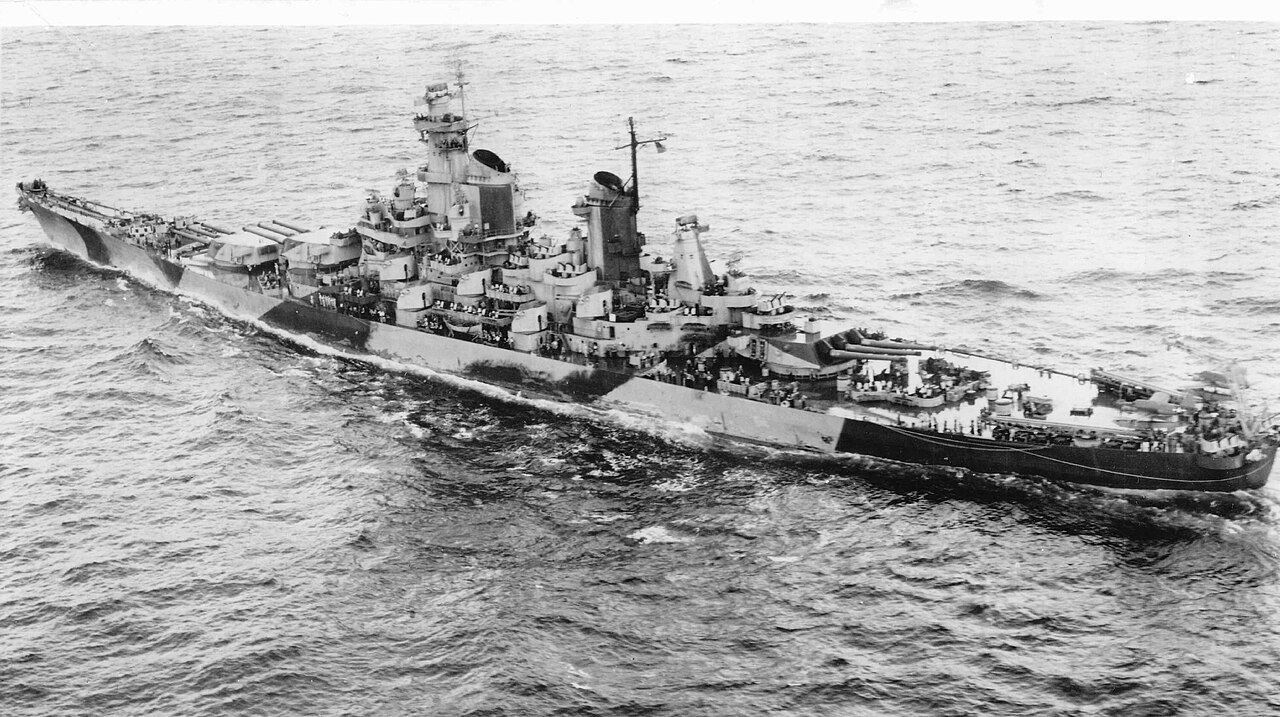
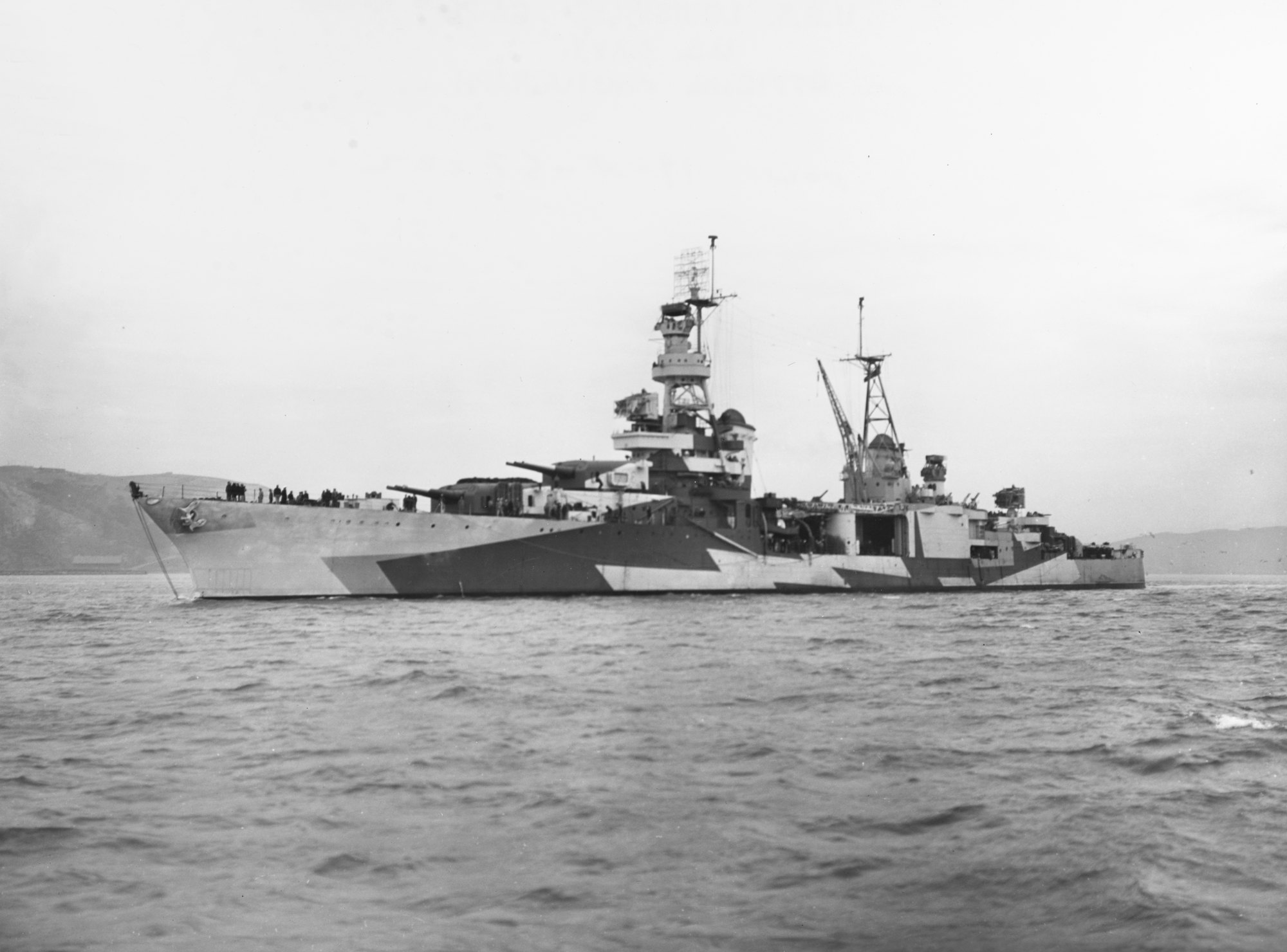
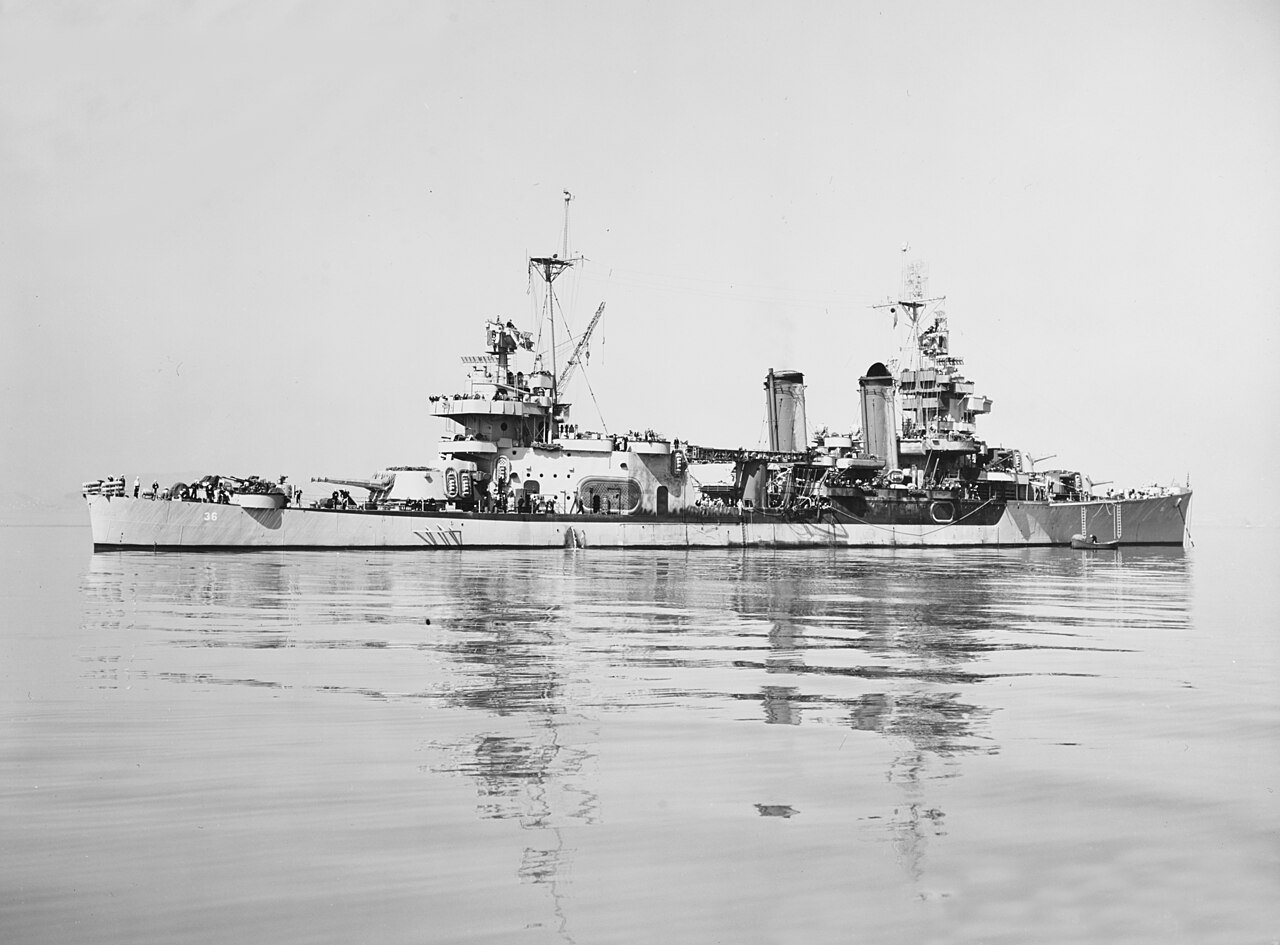
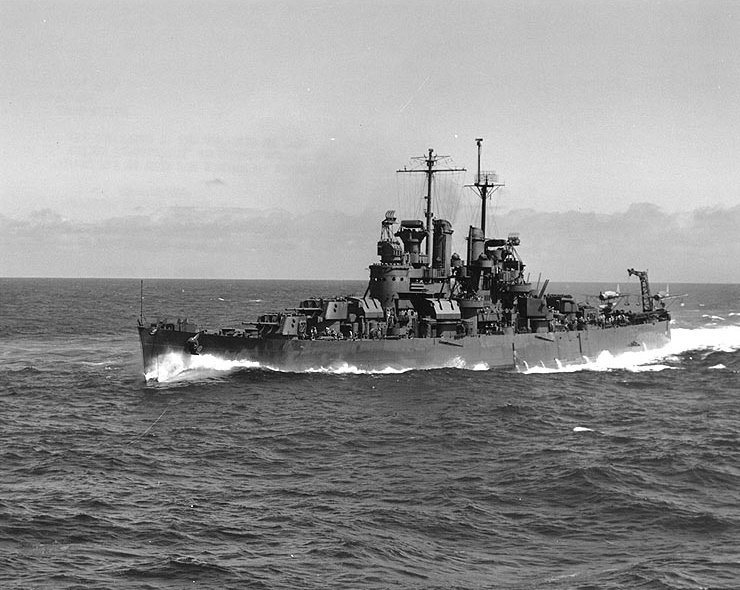
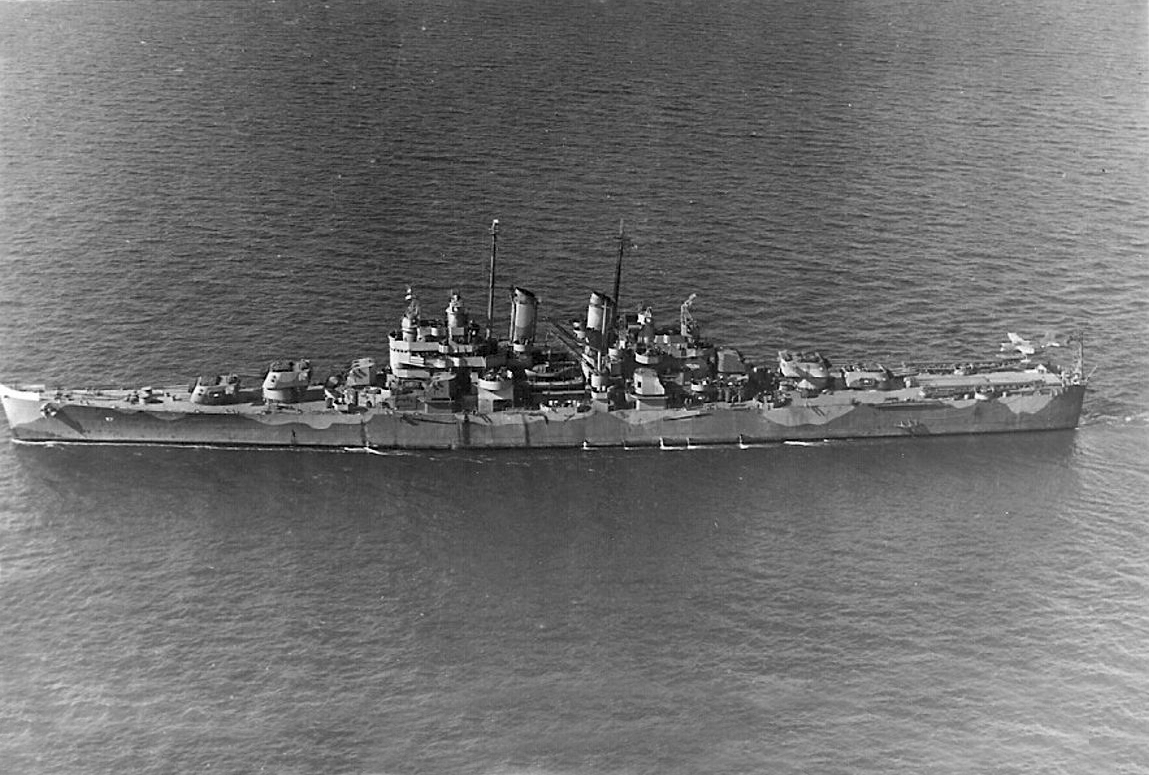
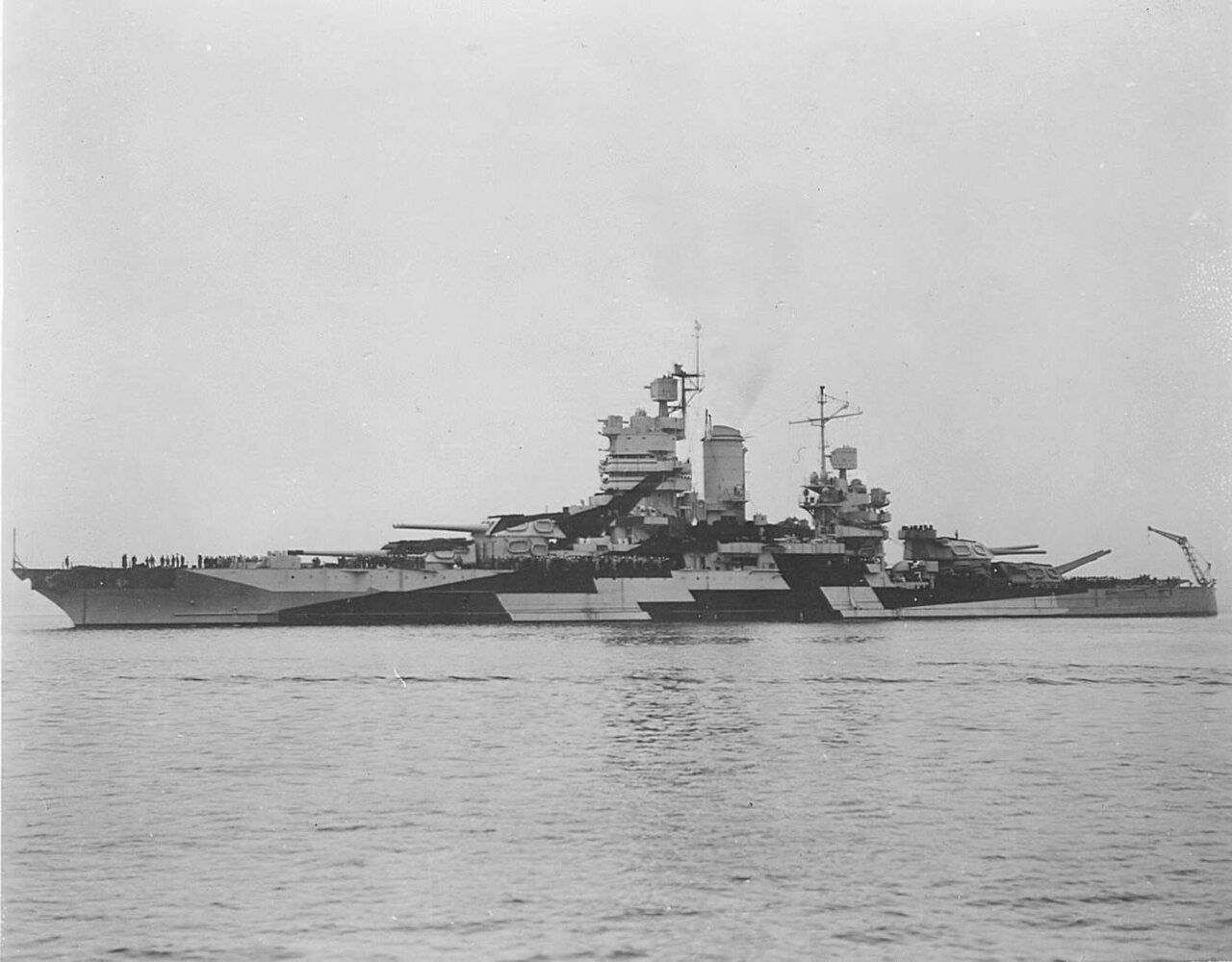
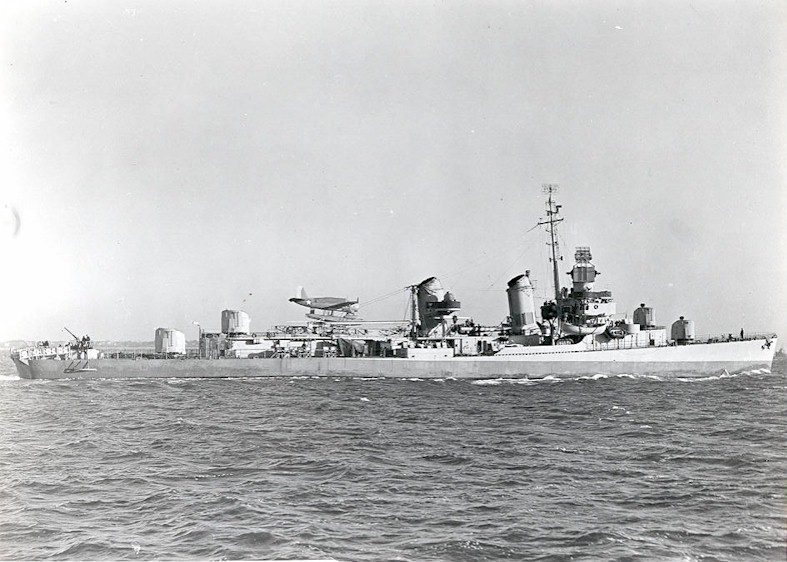
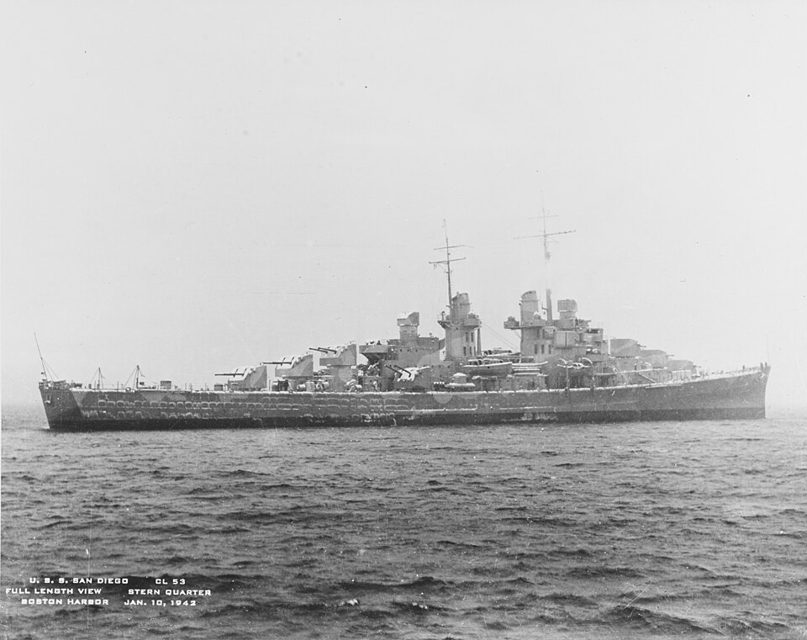
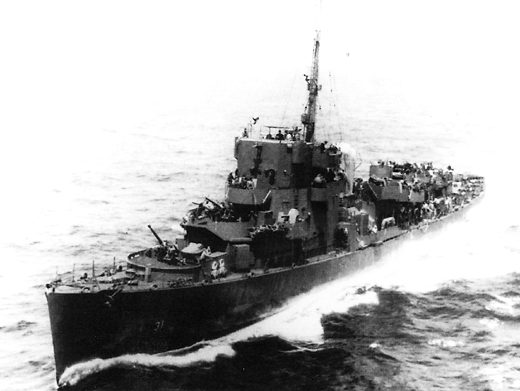
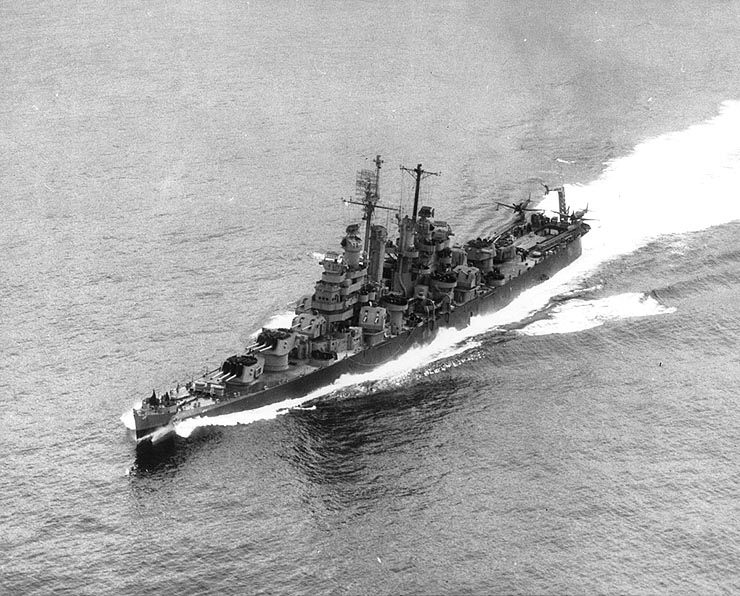
Oldendorf's own Fire Support Unit Four, Maryland and Colorado, found less opposition than expected at Flores Point and Maniagassa Island, and the two battleships were sent onto the batteries near Mutcho Point. Louisville took the missions they left. She is a heavy cruiser. One sentence in the monograph calls her a light cruiser. Her guns at Afetna the next day were 8-inch. Rear Admiral Robert W. Hayler's Fire Support Unit Five worked the east coast and had trouble finding targets. Rear Admiral Walden L. Ainsworth's Fire Support Unit Six, ships earmarked for Guam and used at Saipan, covered its sector. Pennsylvania fired at Nafutan Point, on the southeast tip, for about eight hours and did not finish the battery. When she checked fire, a shore battery opened on Montpelier and missed.
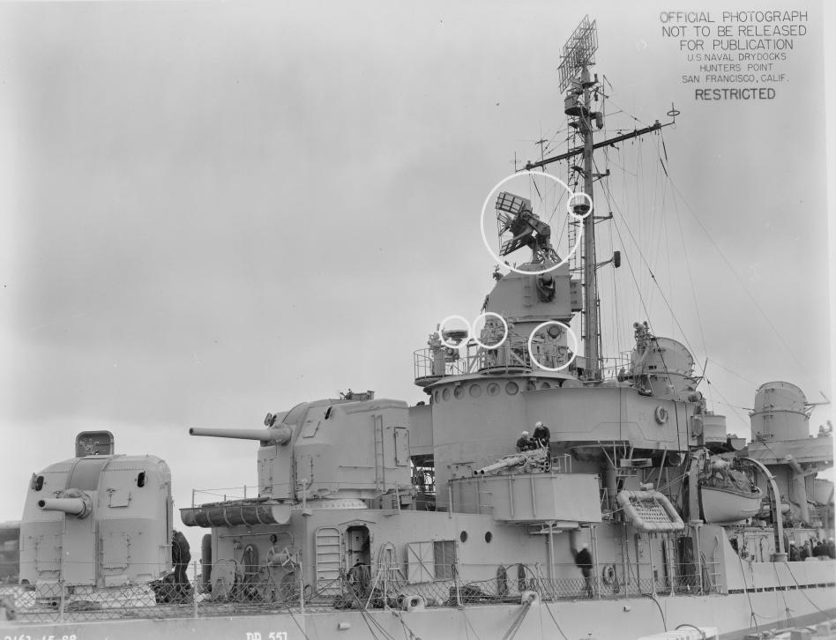
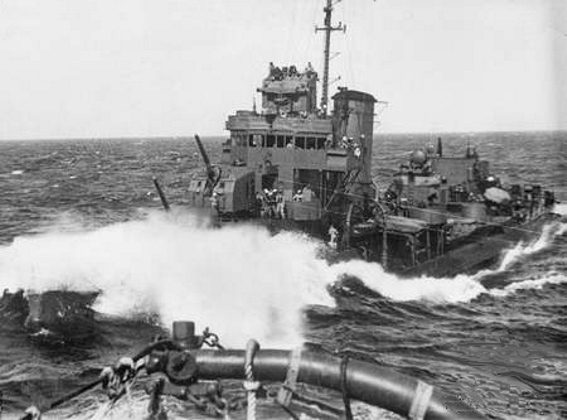
The same day the shore guns found two ships. Braine, of Fire Support Unit Seven, took one 6-inch shell from Tinian. It put her number 2 torpedo mount and her after fireroom out of commission. Three men were killed and 15 injured. California took one shell, estimated at 105 mm, from Saipan. Her main-battery director and forward radar were out. One man was killed and nine wounded. Neither ship was lost.
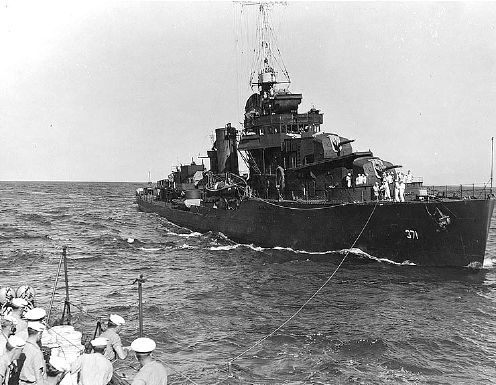
Underwater demolition teams went to the beaches that afternoon. The team off the northern beaches, covered by California and Birmingham, and the team covered by Maryland, Colorado, and Louisville, had no casualties. The team off the southern beaches, Blue and Yellow, did. Tennessee and Indianapolis fired 5-inch and 40 mm along those beaches and could not silence the positions. At 0956 the team commander asked for smoke. Wadleigh fired 87 rounds of 5-inch white phosphorus, and Tennessee fired more. Seven wounded men were among those brought off. Hoffman says that was the Navy's only use of screening smoke at Saipan for anything but the transport areas and the anchorages.
15 June
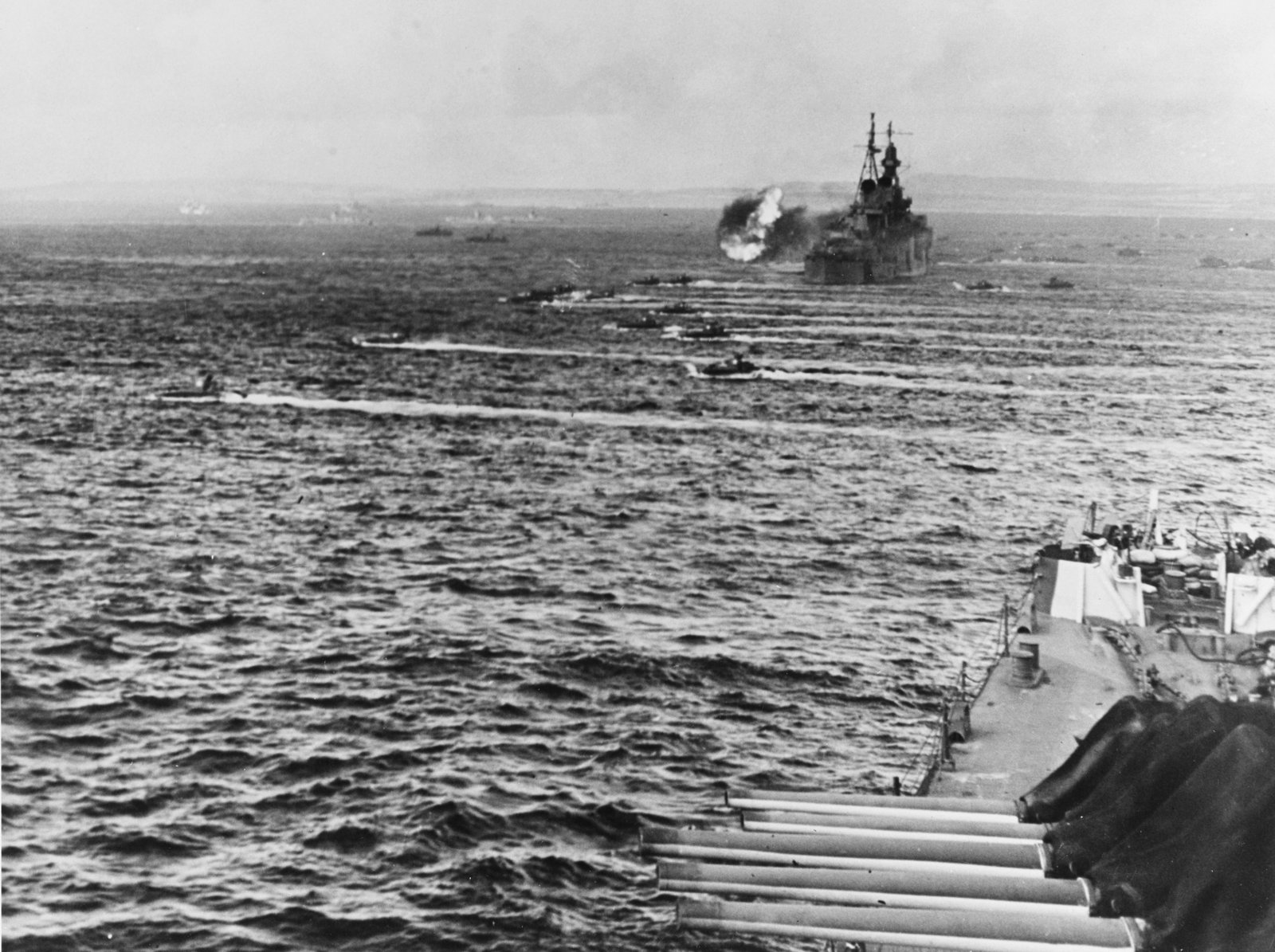
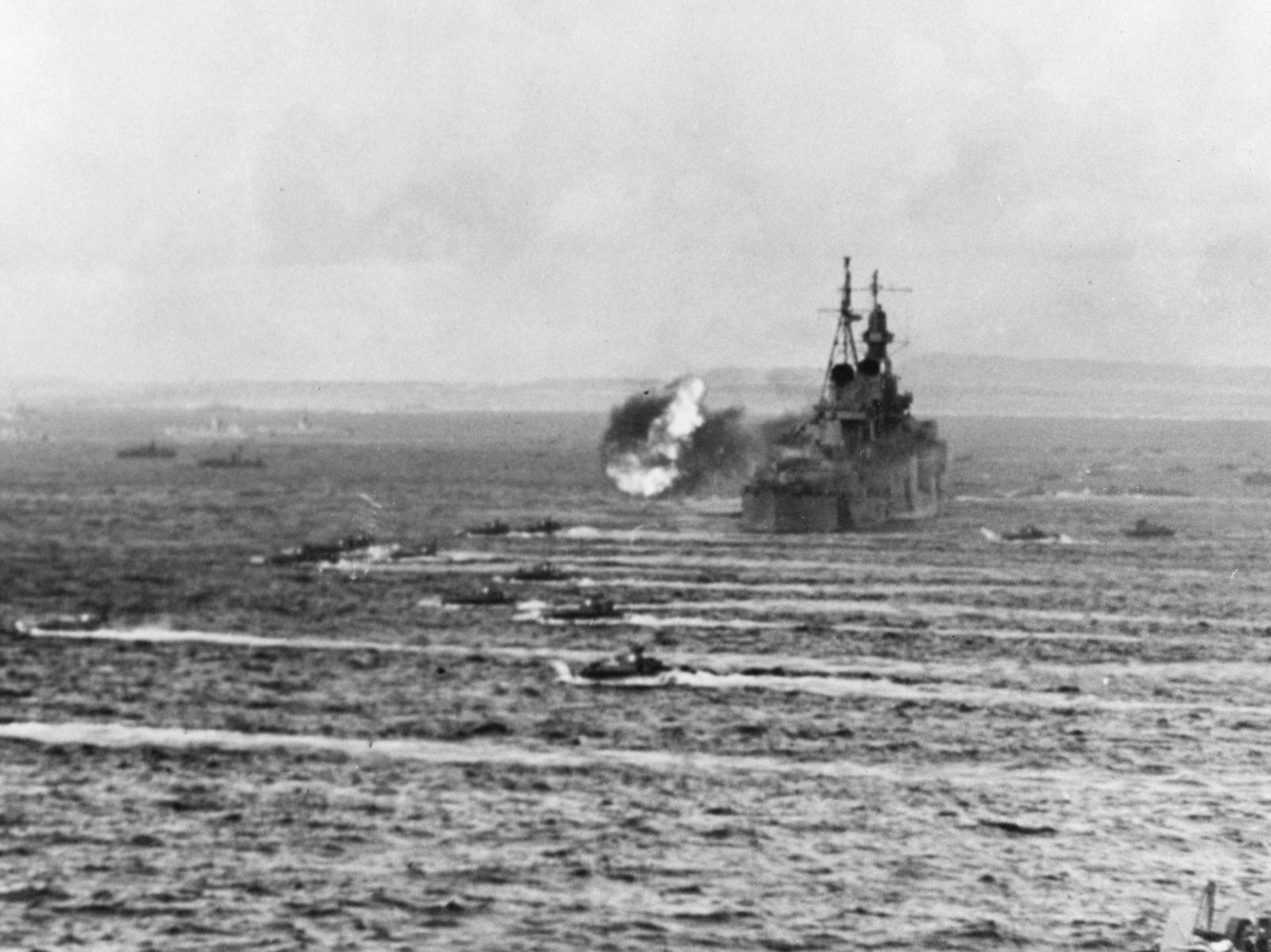
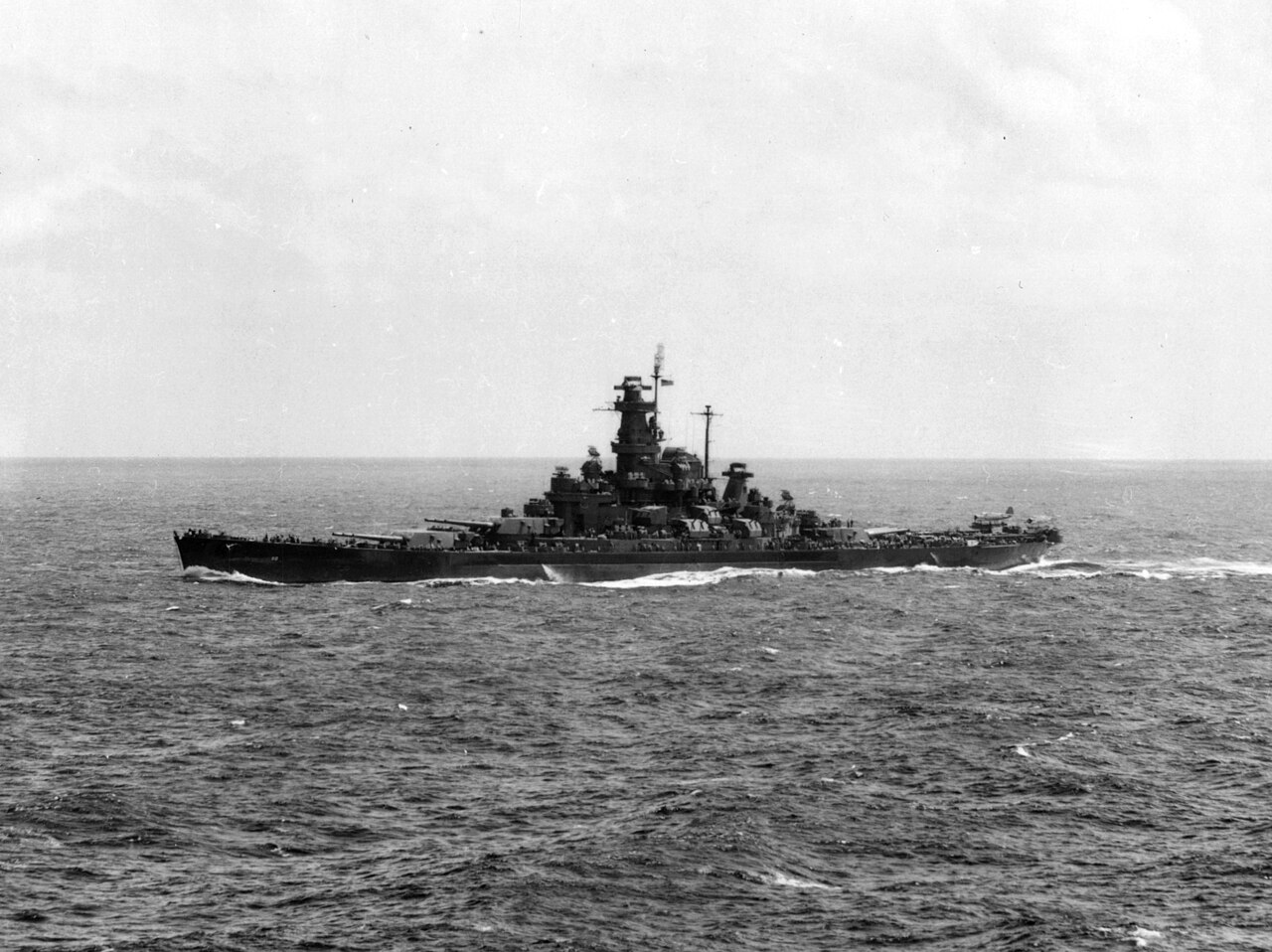
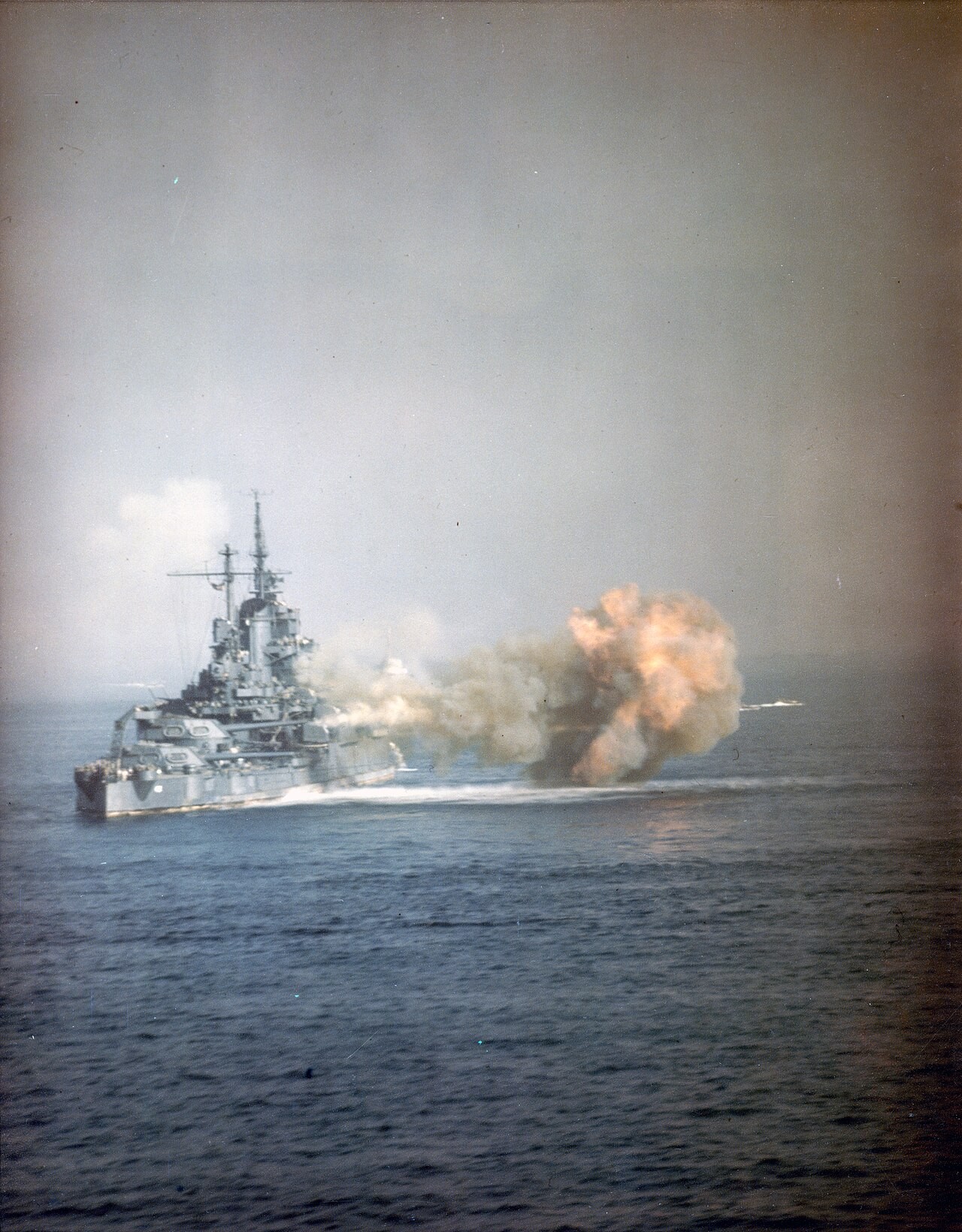
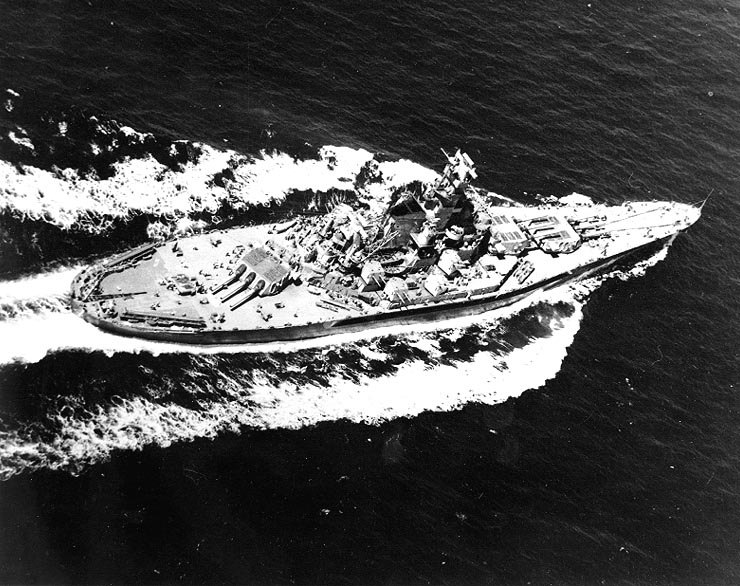
The transports were in place at 0520. With Rear Admiral Harry W. Hill, Turner's second in command, aboard Cambria were General Erskine and the Northern Troops and Landing Force staff. Hill took control of Fire Support Unit One at 0730 so the man commanding the landing would control the fire on the beaches. Tennessee put 100 high-capacity 14-inch shells into the Blue and Yellow beaches, and California put the same number into the Red and Green beaches. Afetna Point, between the two divisions, took 14-inch from California, 8-inch from Louisville, and 6-inch from Birmingham. Maryland's 16-inch guns hit Mutcho Point and Maniagassa. Birmingham and Indianapolis kept firing 6-inch and 8-inch at Afetna until the leading wave was close in.
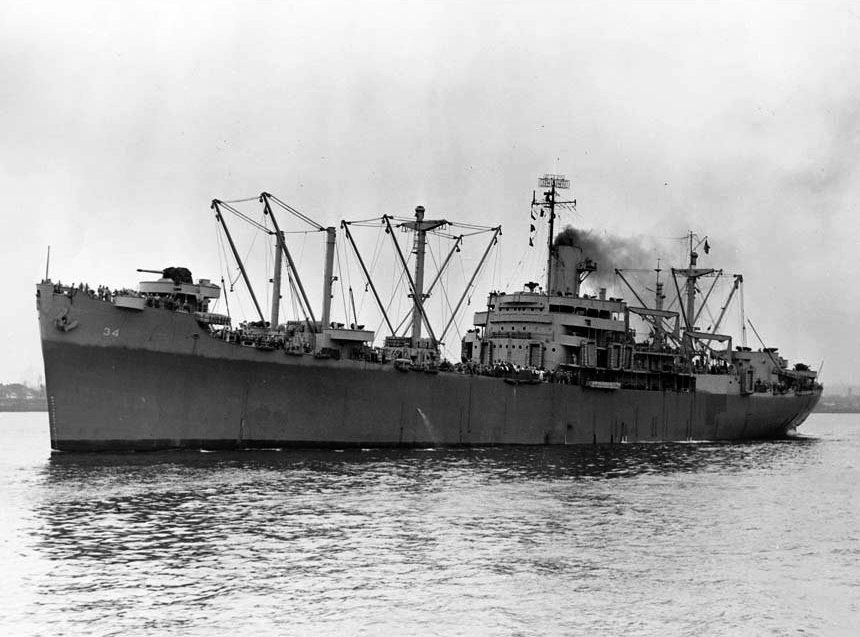
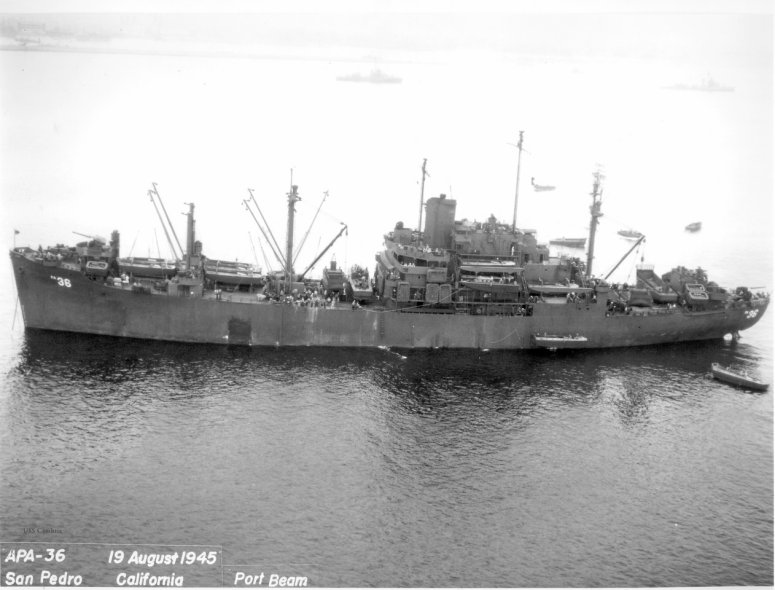
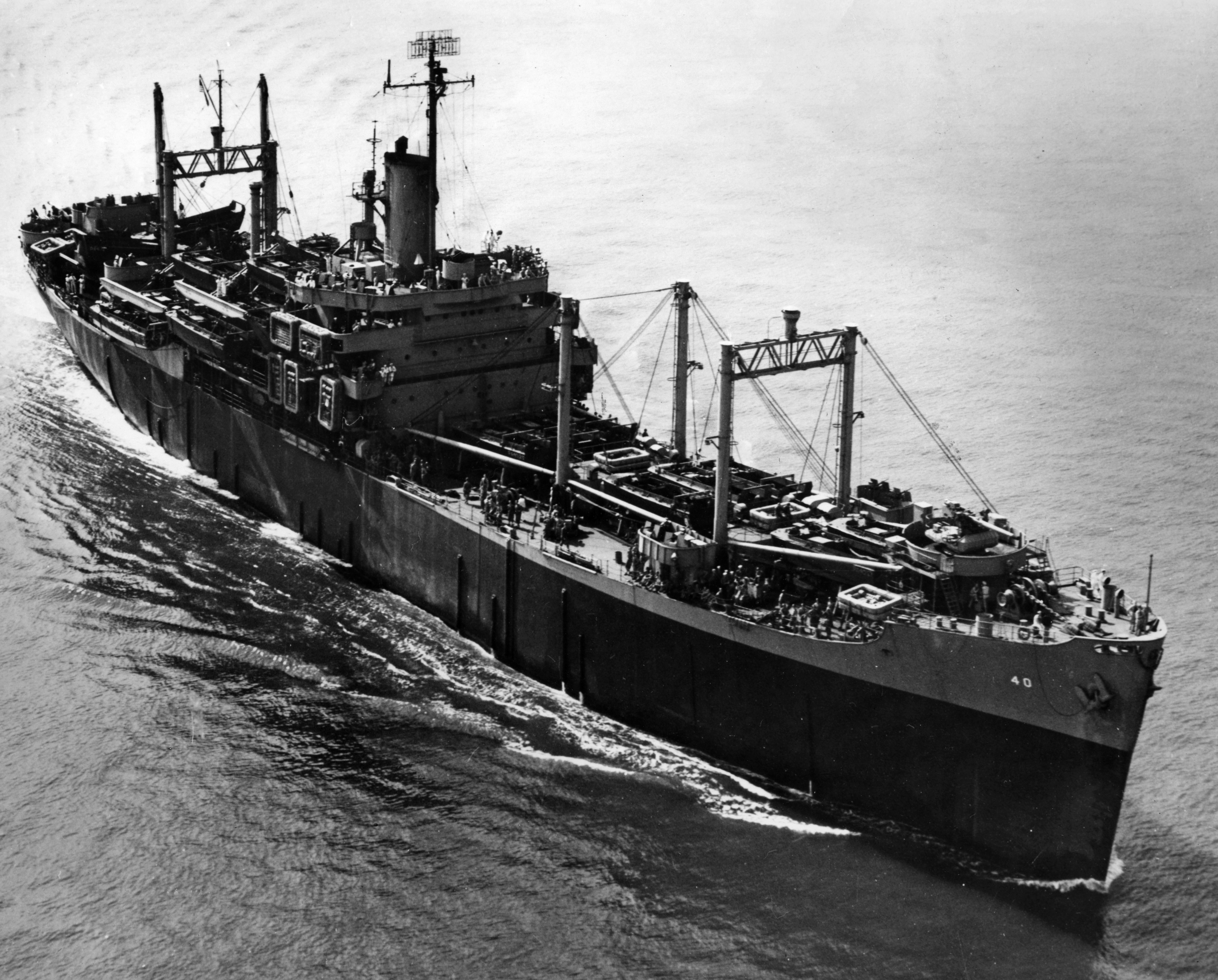
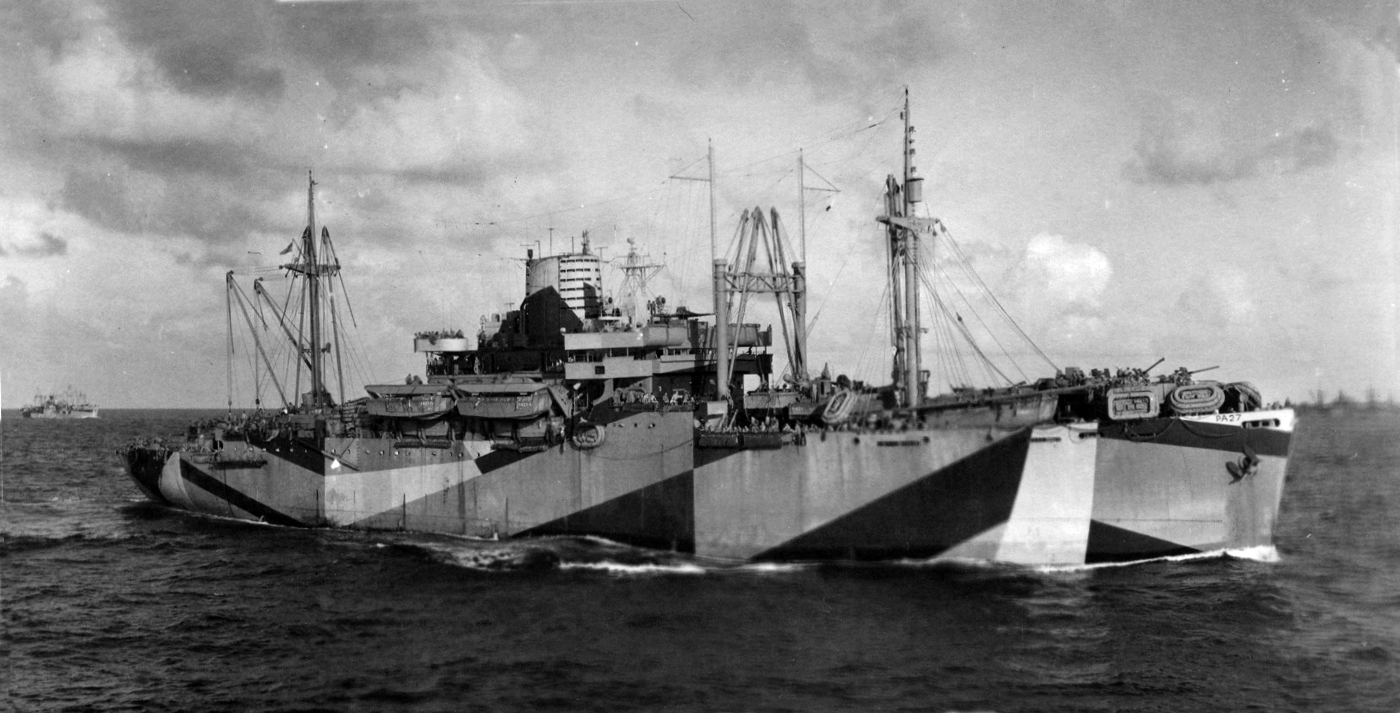
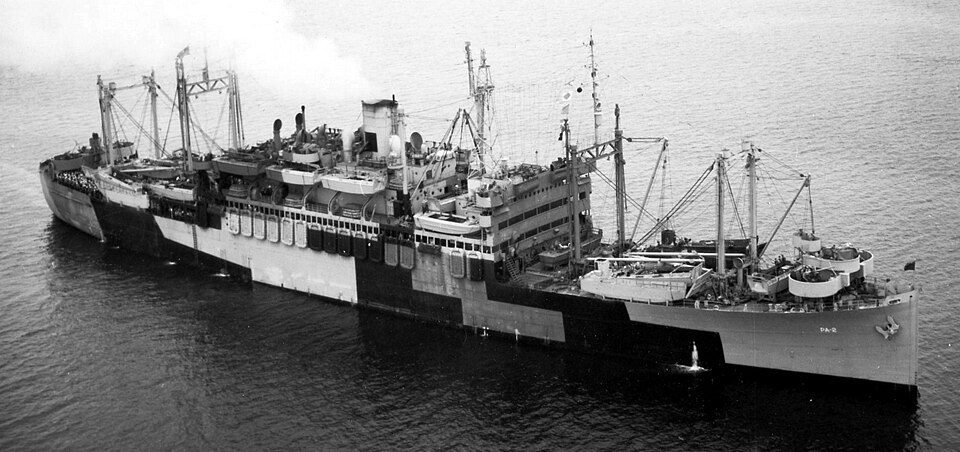
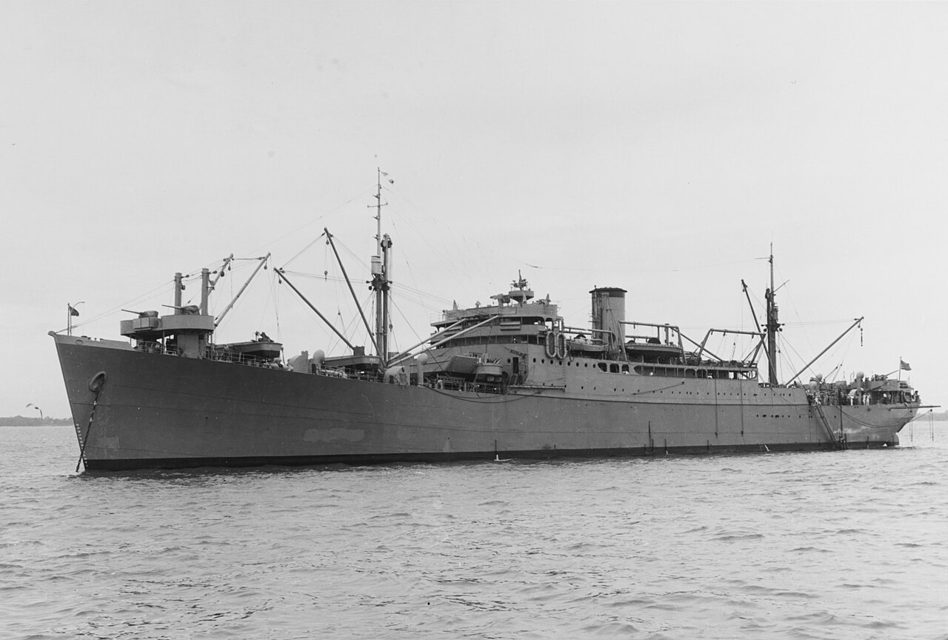
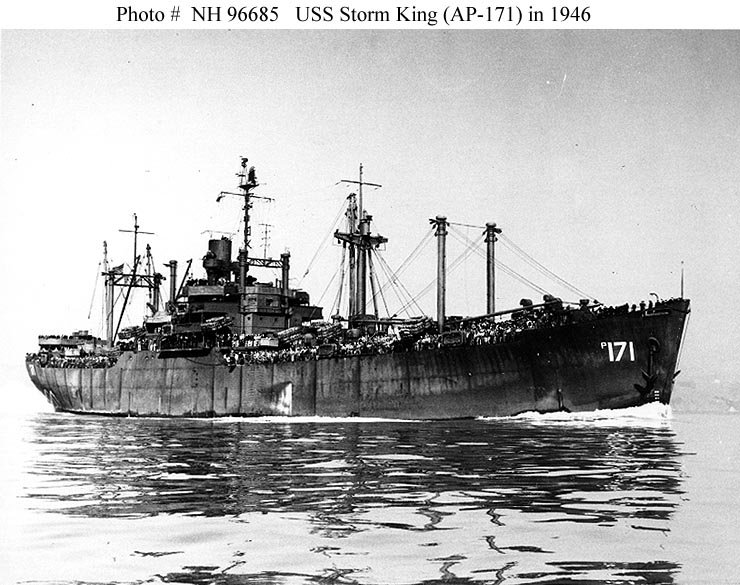
The 2d Marine Division landed on the northern beaches and the 4th on the southern. Storm King's history says she landed the 23d Marines that morning. The other attack transports whose histories name a Saipan landing are on this page. Hoffman does not list them ship by ship. The beaches were not cleared. Disabled landing vehicles were still on the sand when the fire lifted.
A battery on Tinian hit Tennessee with four 4.7-inch projectiles. Six men were killed and 26 wounded. One 5-inch mount was disabled. The damage was otherwise called minor. She was not lost.
The night attack
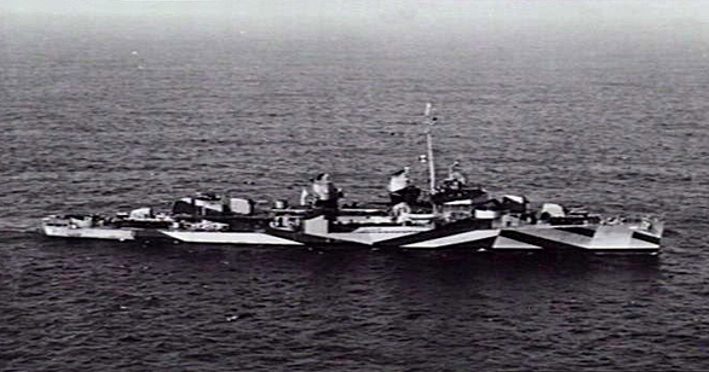
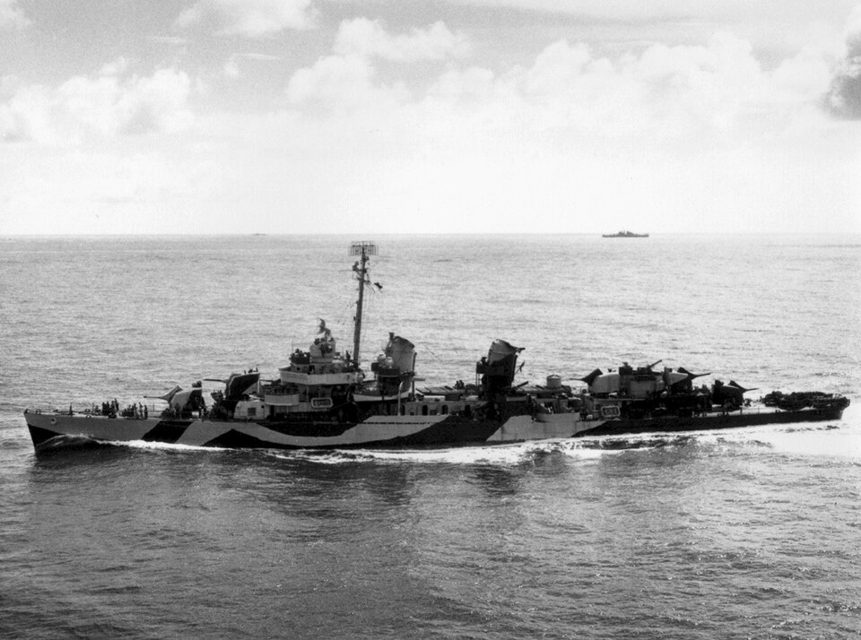
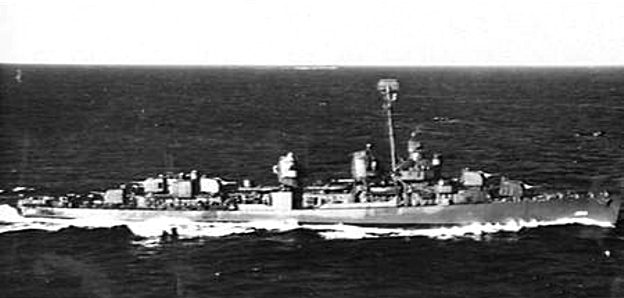
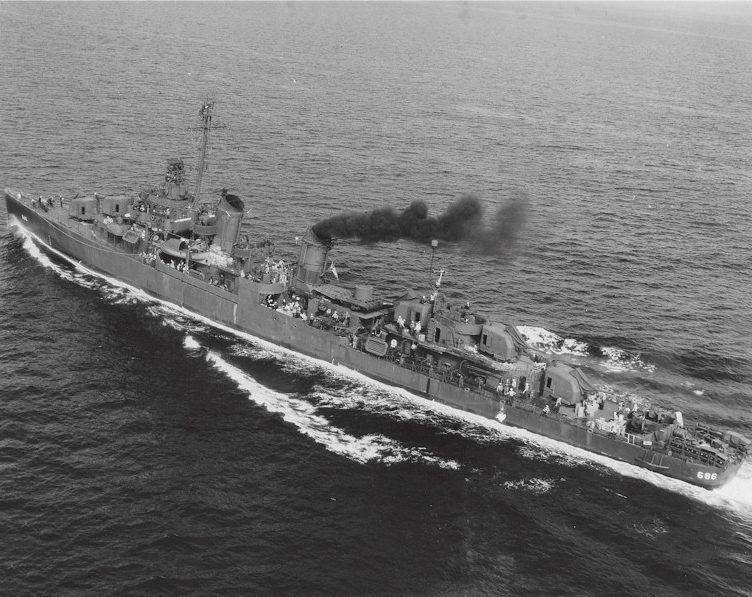
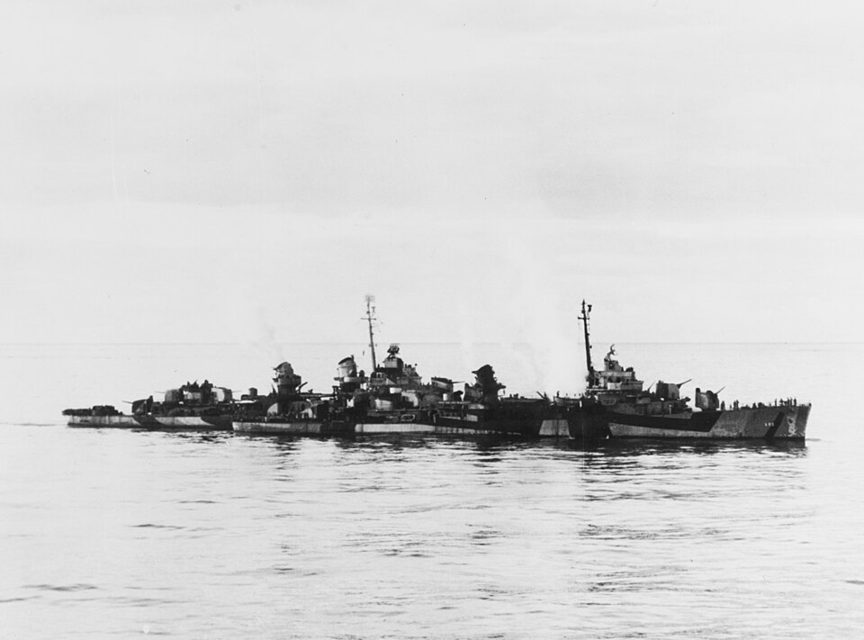
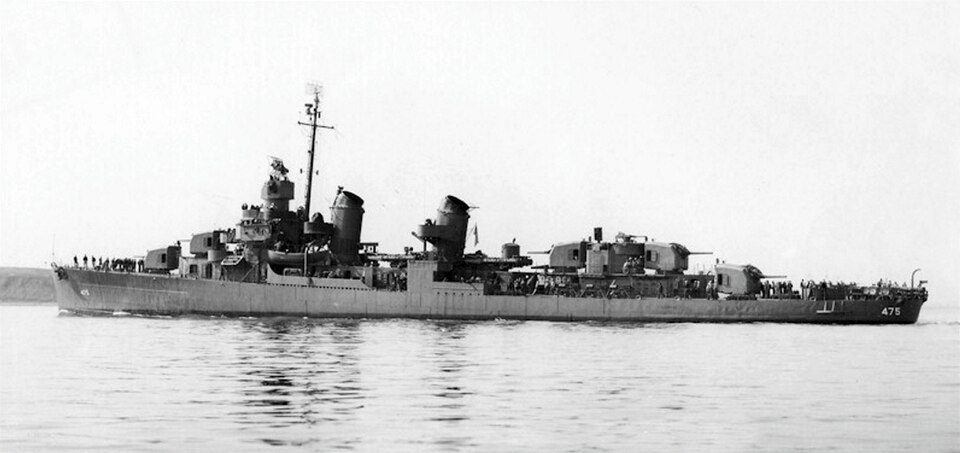
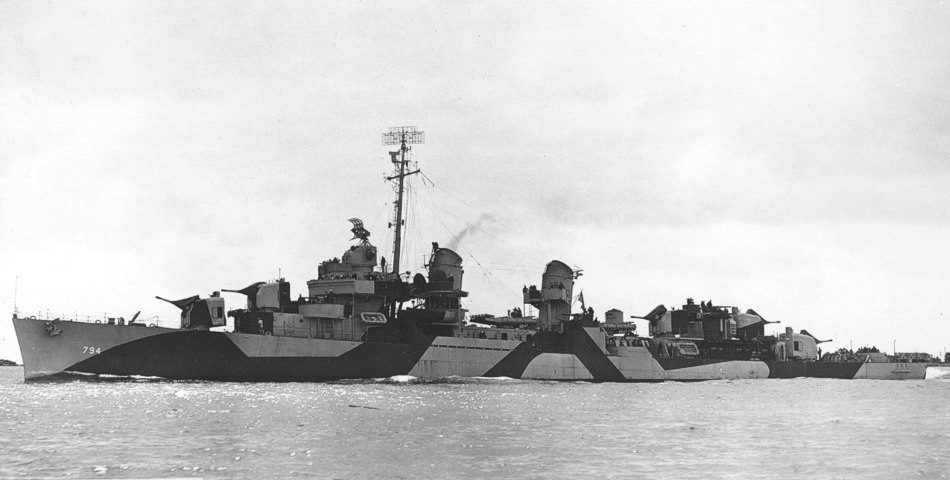
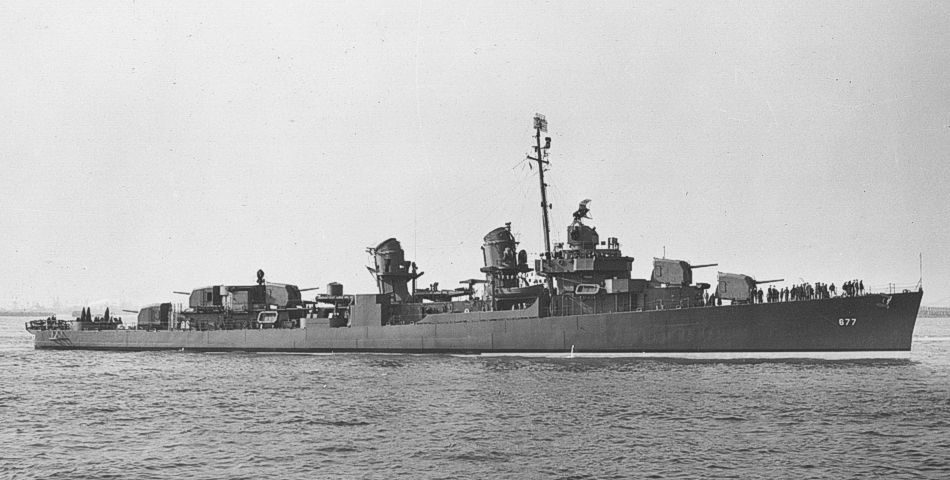
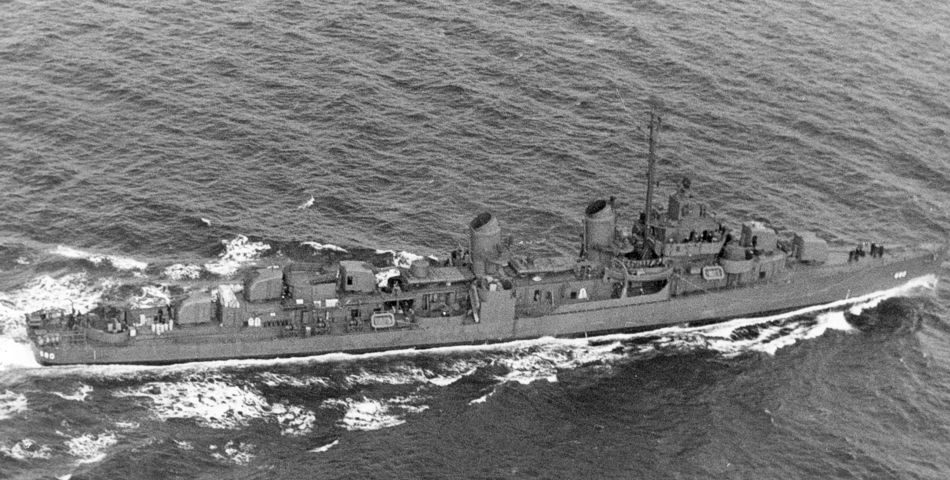
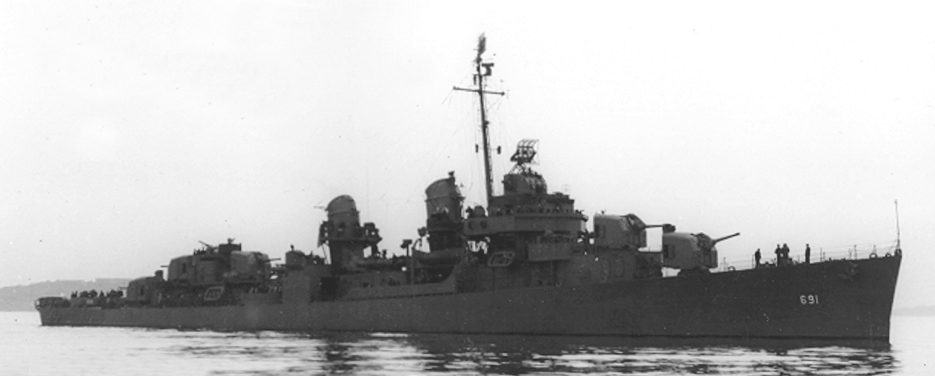
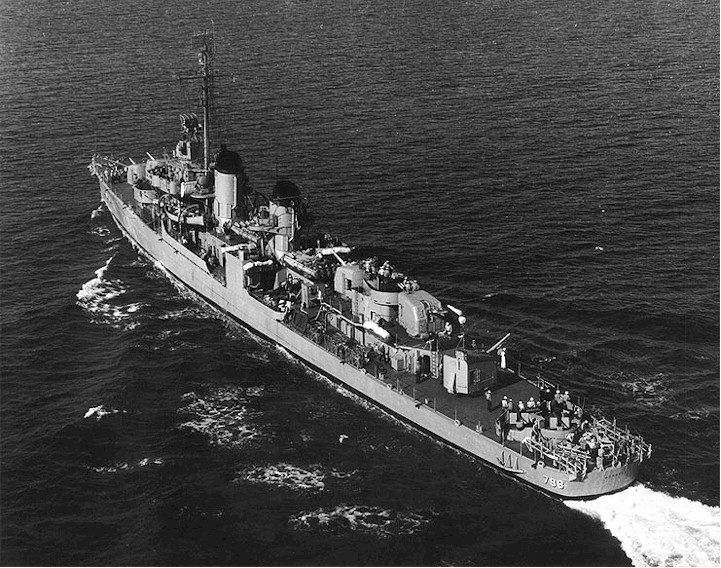
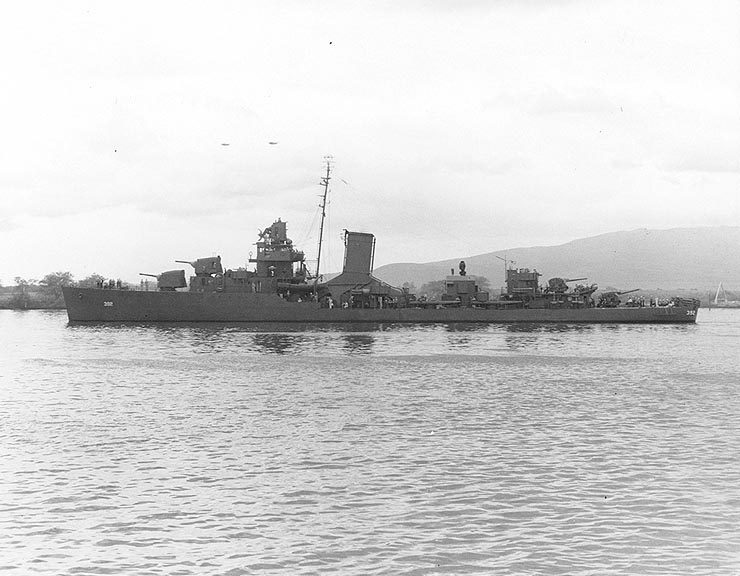
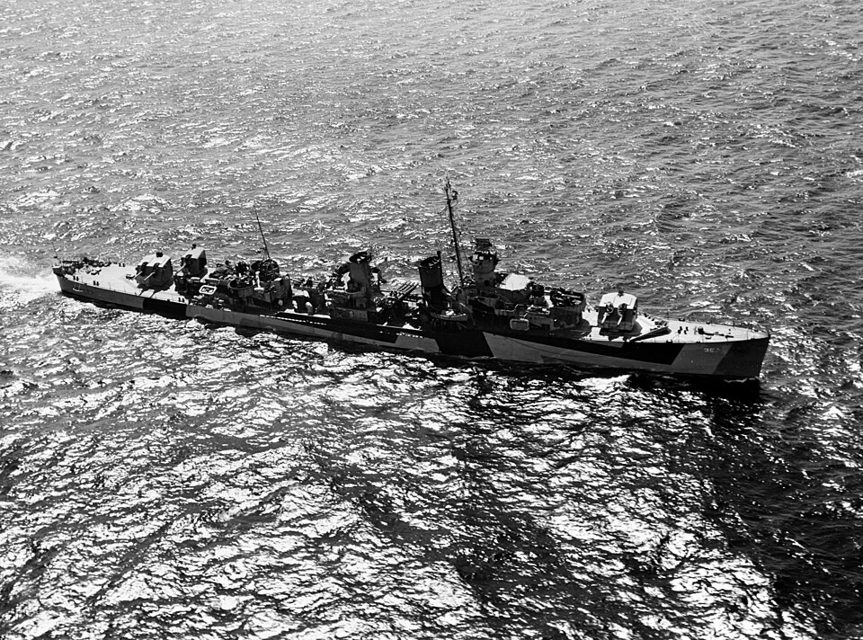
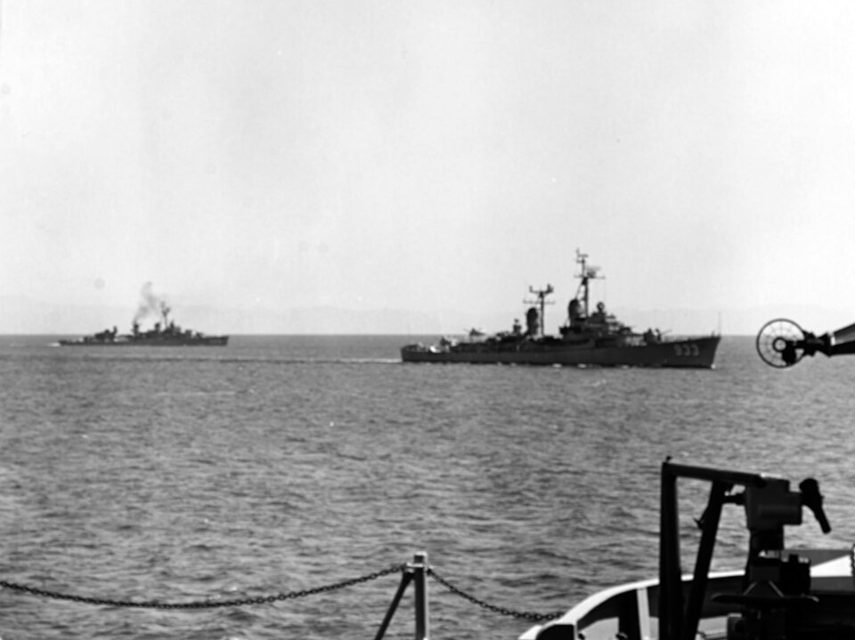
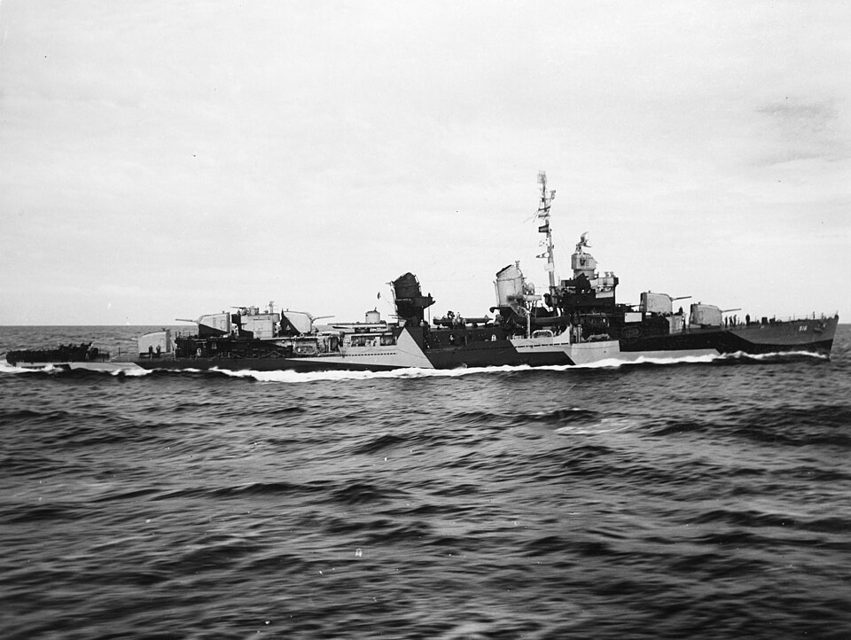
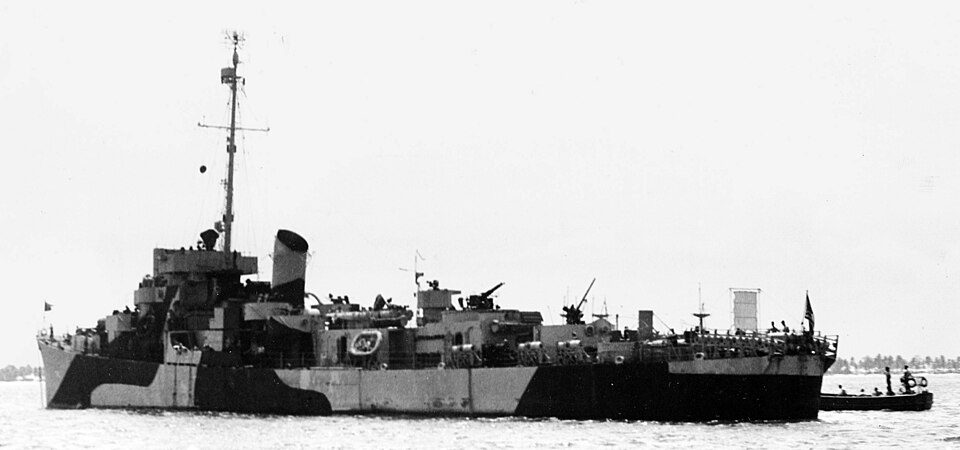
On the night of 15-16 June the Japanese attacked the 6th Marines. Halsey Powell, Coghlan, and Monssen (DD-798), the three destroyers of Task Unit 52.17.3, fired illumination shells over the attack. California fired in front of the Marine line. At daylight California, Phelps, and Monssen (DD-798) covered the withdrawal. Hoffman says the morning light showed about 700 Japanese dead. An earlier destroyer of the name Monssen, DD-436, had already been lost at Guadalcanal. The ship here is DD-798.
The days after
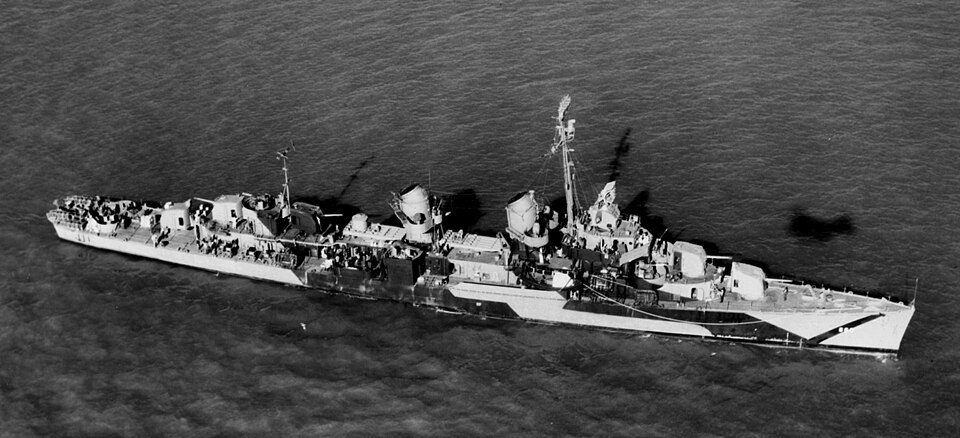
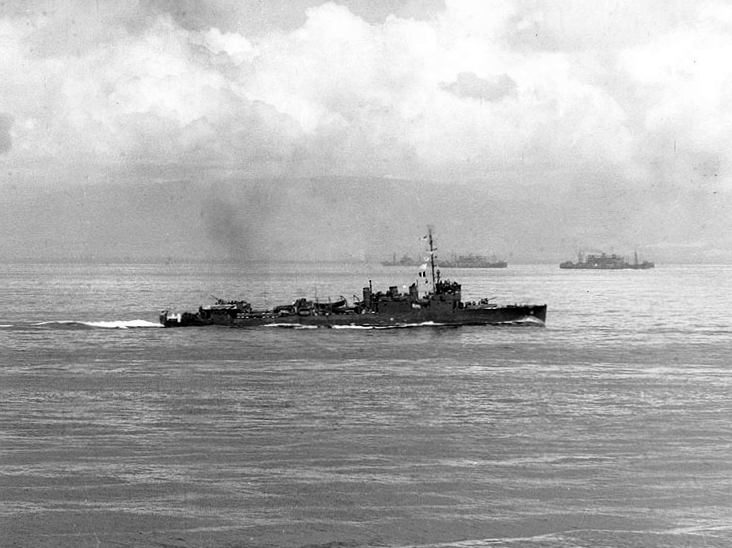
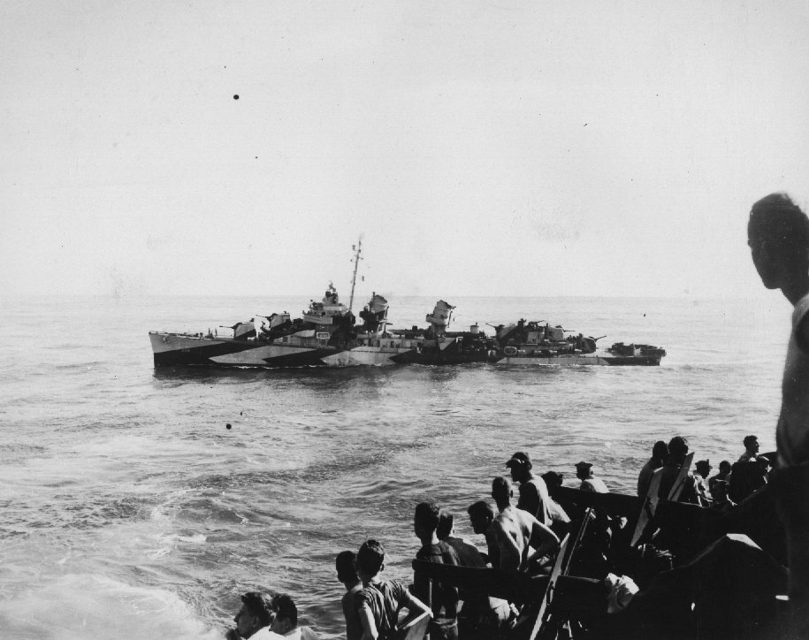
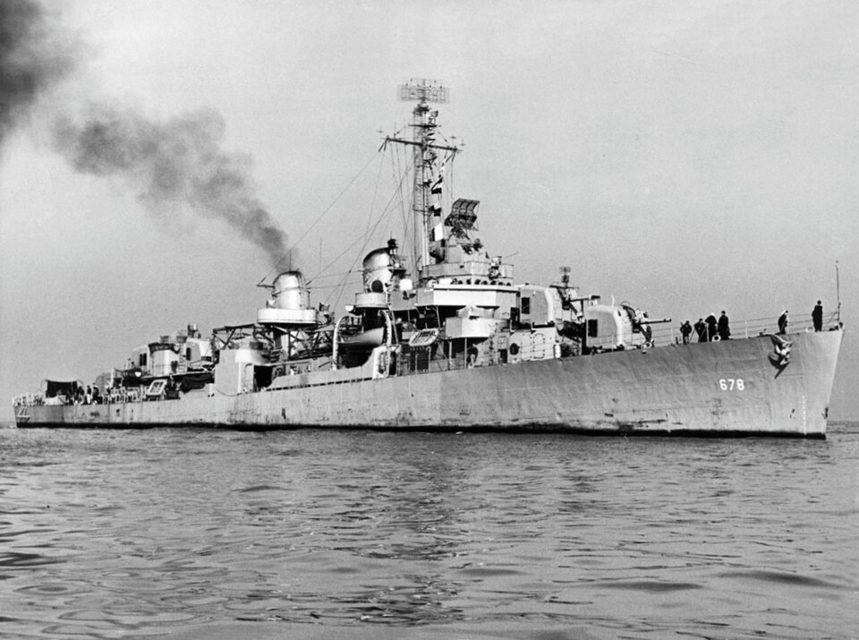
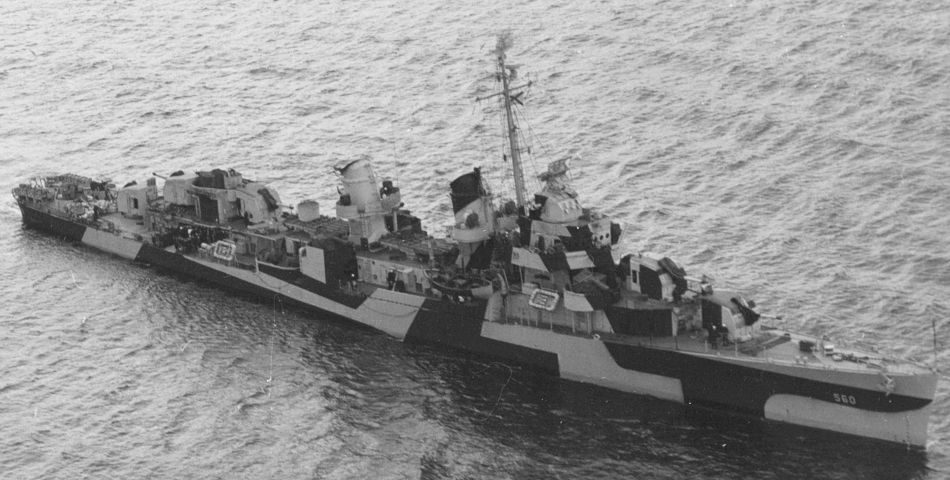
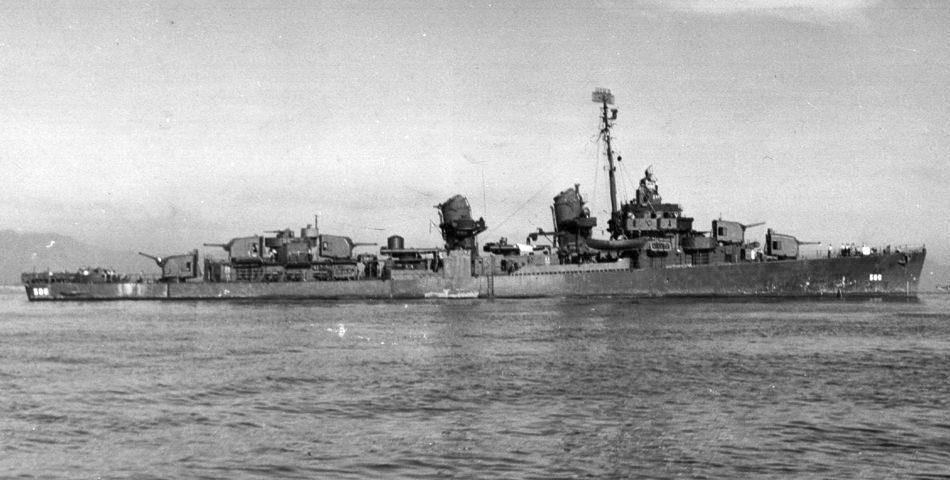
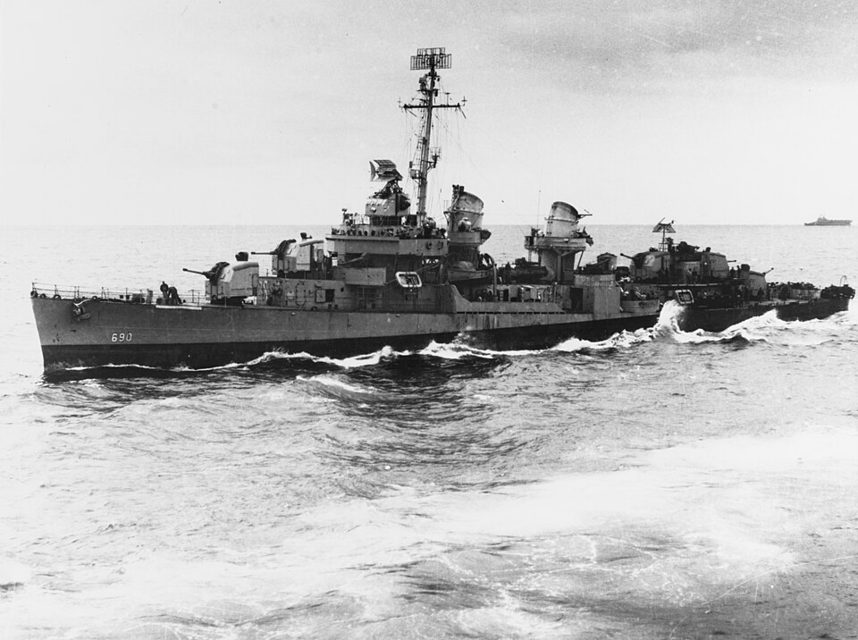
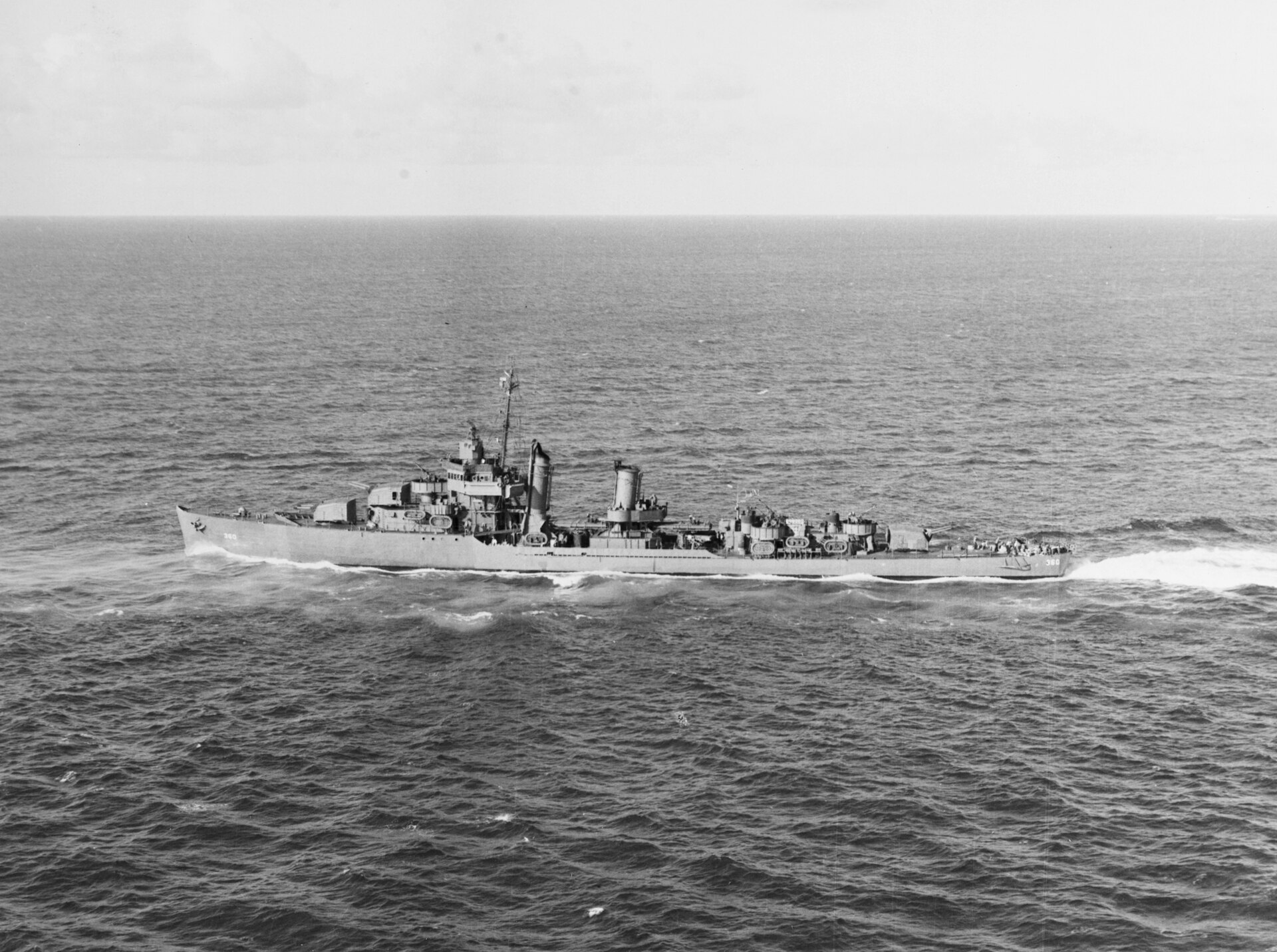
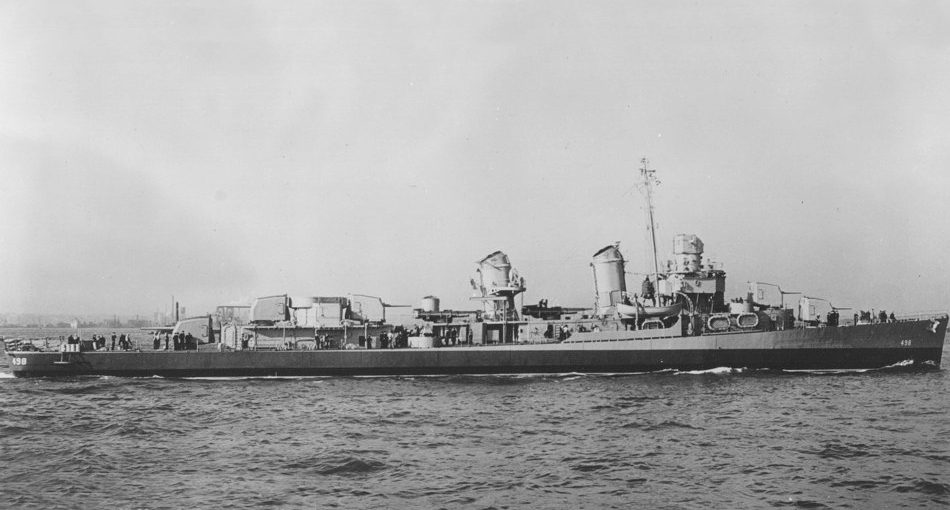
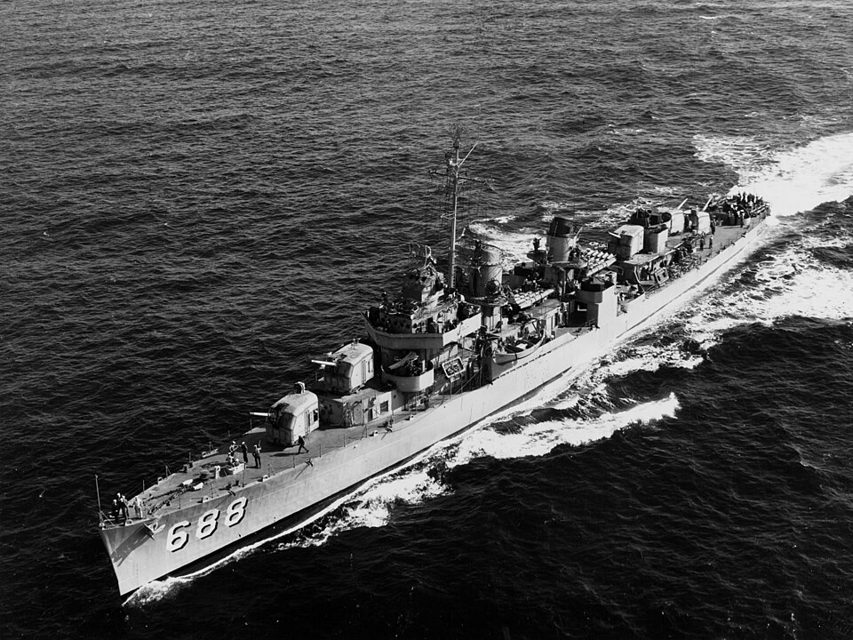
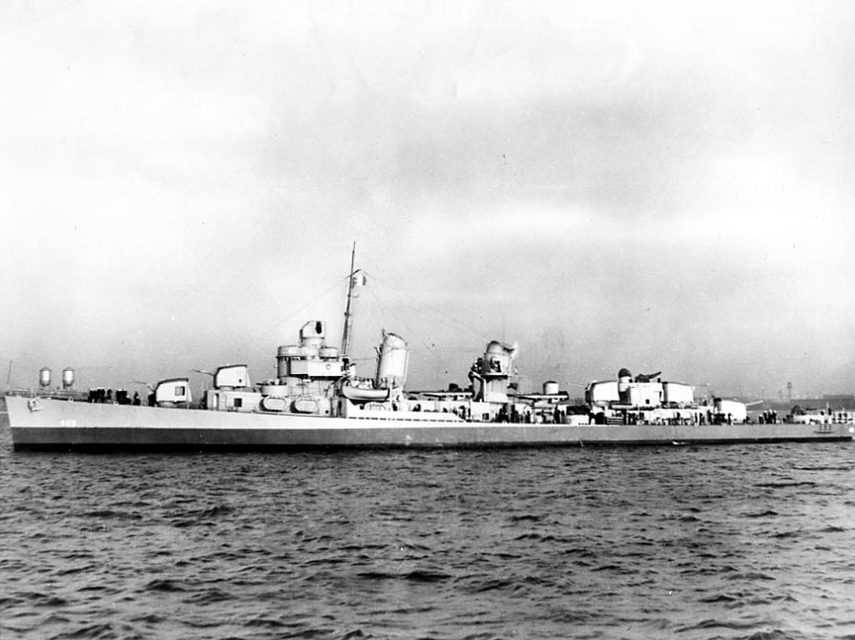
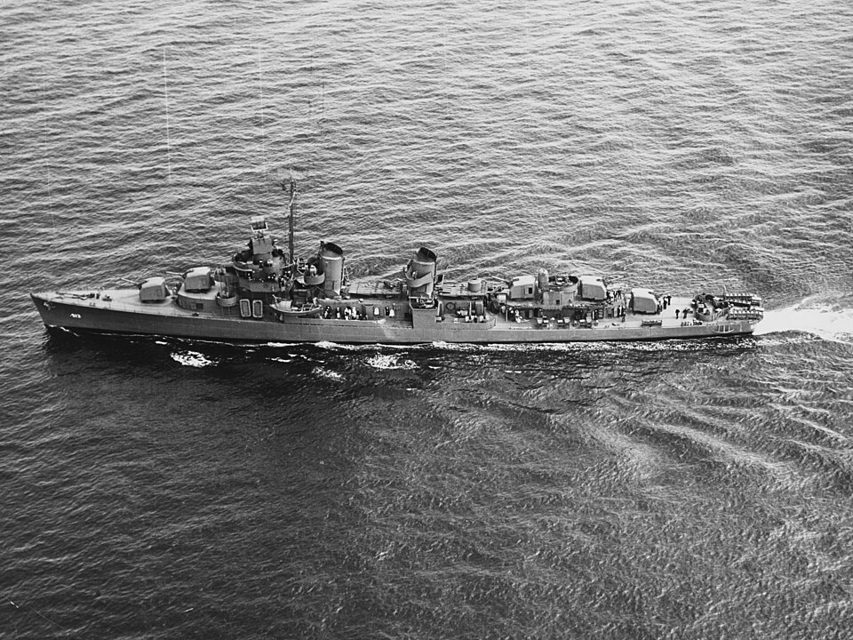
At 0544 on 18 June, shore batteries just north of Garapan and southeast of the town fired on Philip (DD-498) and Phelps. Philip was not hit. Two 8-inch shells hit Phelps, one in the wardroom and one in number 3 fireroom. Number 3 boiler was out, and the steam lines and number 4 boiler were damaged. The two destroyers fired back and silenced the guns. Neither was lost. On 19 June, while a minesweeper was surveying off Tanapag Harbor, a 4.7-inch battery on Mutcho Point hit her. Hoffman gives her as YMS 323. She is not given a page here.
The same morning the Japanese fleet attack on the covering carriers began. Hoffman says that by the evening of 21 June the chase had been given up, and that the battle had broken the effort to reinforce the Marianas. After that, the capture went on without serious interference from outside. This page does not tell that battle.
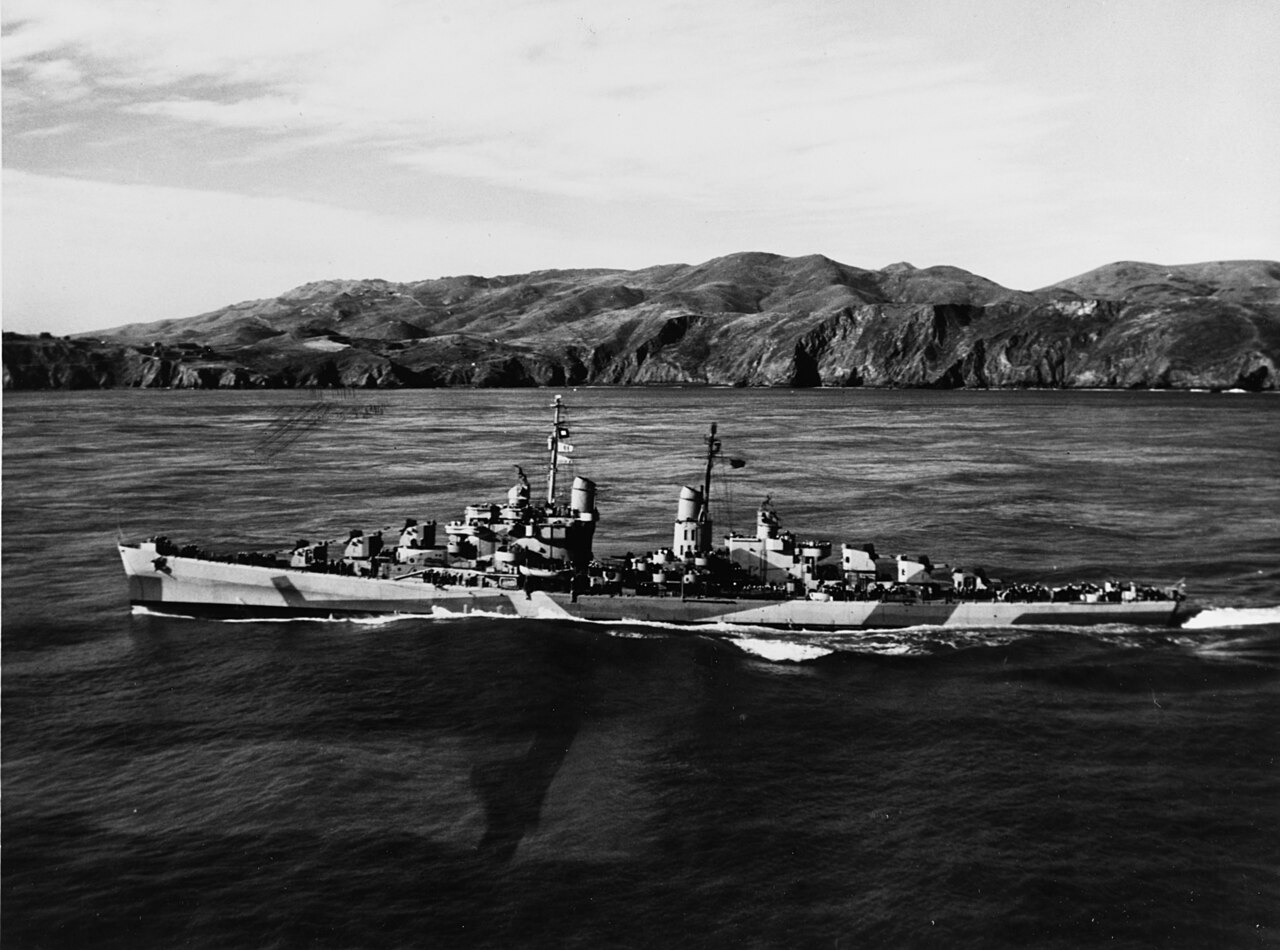
On 9 July the 4th Marine Division reached Marpi Point. Turner announced Saipan secured, and the mop-up began. Holland was not there for any of this. On 1 June she had shifted to Midway. The next month she sailed to support submarines in the Marianas. Her second battle star is the capture and occupation of Saipan, 29 July to 10 August 1944. Commander Carroll Quinn Wright, Jr., had her. The star starts twenty days after Turner announced the island secured.
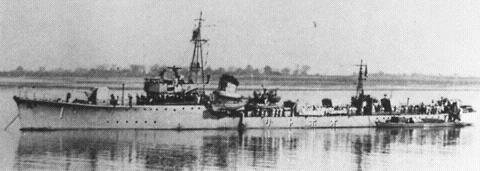
Vice Admiral Chuichi Nagumo, who had commanded the carriers at Pearl Harbor, was on Saipan as the naval commander ashore, with the Central Pacific Fleet headquarters and the 5th Special Base Force. The torpedo boat Otori, escorting a convoy that had left Saipan, was lost to carrier aircraft northwest of the island on 12 June.
From 11 June
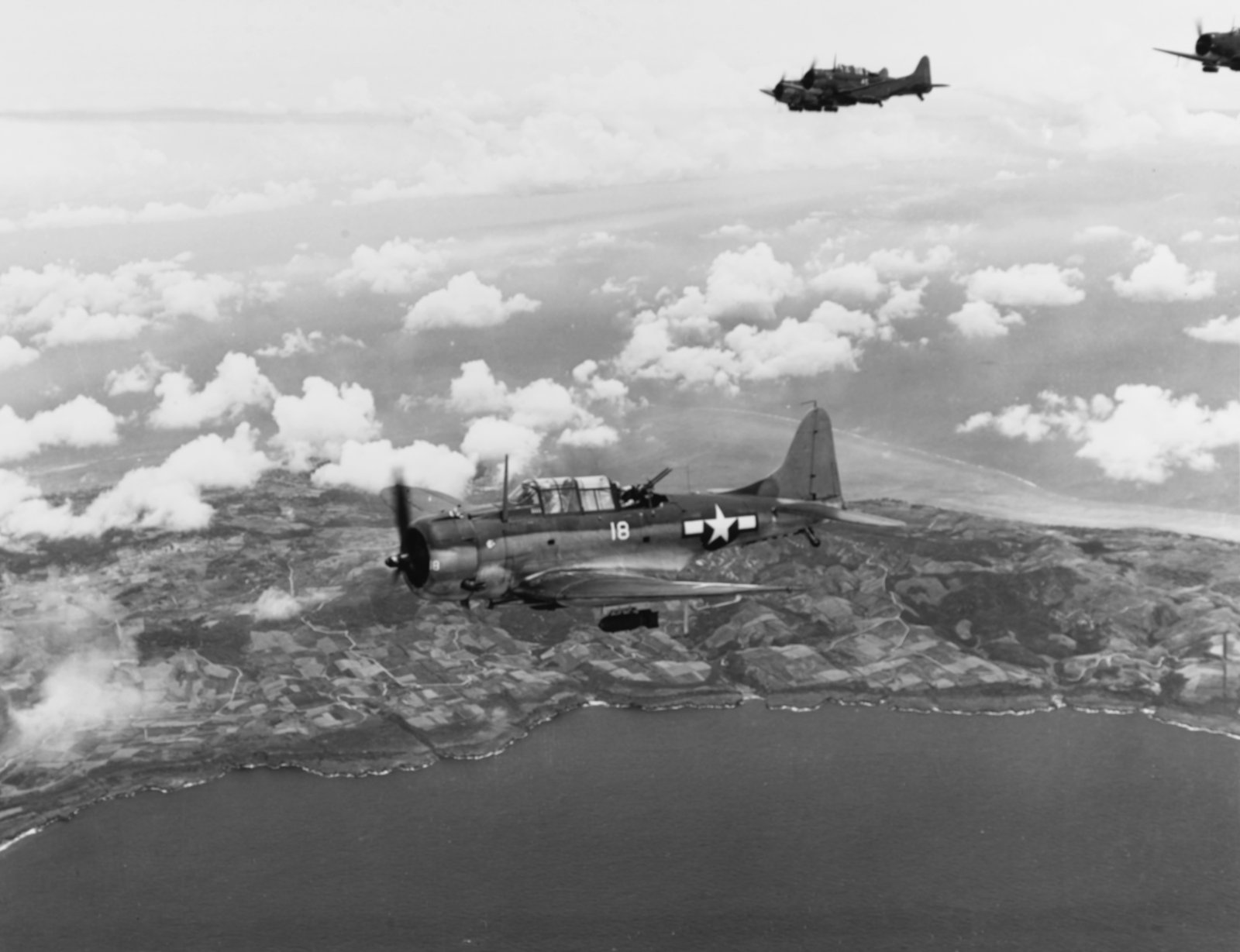
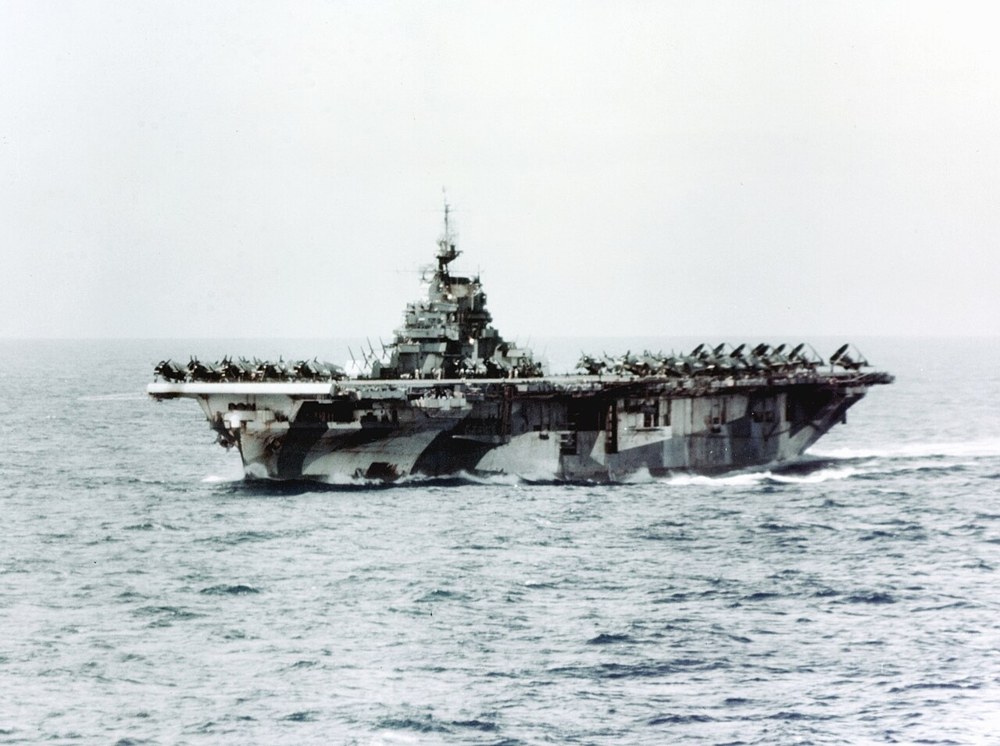
On the afternoon of 11 June the fighters of Task Force 58 hit the airfields on Saipan, Tinian, and Guam and took control of the air over the Marianas. The next day aircraft from fifteen carriers worked the islands again. Planes from Essex, Langley, and Cowpens caught a convoy that had sailed from Tanapag Harbor. Northwest of Saipan they destroyed the torpedo boat Otori and a string of transports and cargo ships with her. On 13 June the fast battleships bombarded selected targets on Saipan and Tinian. Minesweepers that had arrived that day reported favorable surf and no mines or underwater obstructions off the western shore.
14 June, close in
The old battleships took up pinpoint fire on the 14th. Shore guns hit California and Braine. About three hundred underwater-demolition men swam the approaches to the beaches. The reef off Charan Kanoa was flat and generally two to four feet under, shallow enough for the amphibious trucks in many places. They found no inshore mines and no underwater obstacles off the chosen beaches. The beaches between Agingan Point and Cape Obiam, the short way to Aslito airfield, were heavily mined. It was the first foot-by-foot daylight reconnaissance of a beach by these teams under the fire of the support ships. One team blasted two hundred yards of the outer reef opposite the Yellow beaches. Two days later another team blasted a channel in to Red Beach Three.
How the boats went in
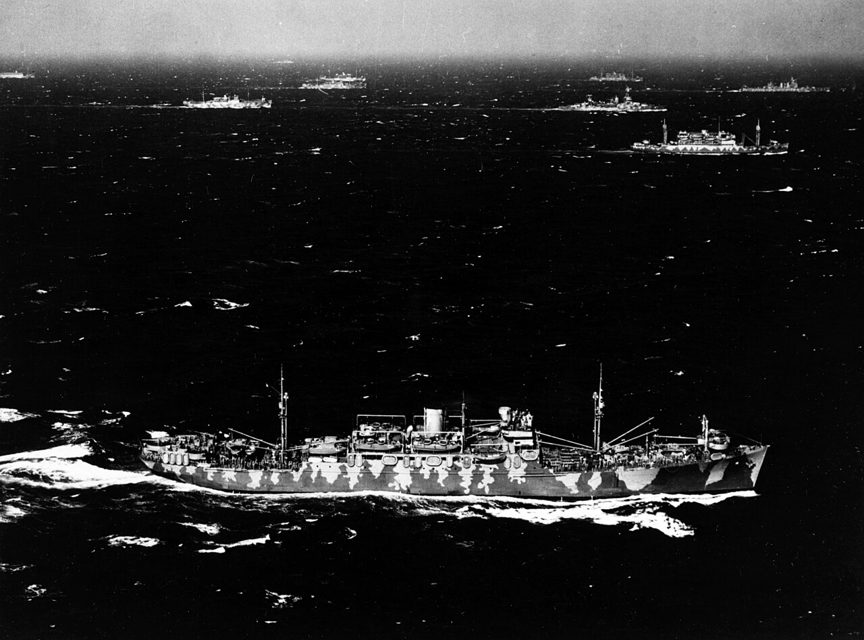
The landing put two Marine divisions across a reef 250 to 700 yards wide, eight battalion landing teams abreast, on a front of about 6,000 yards. Transport Group Able put the 2d Marine Division on Red and Green. Transport Group Baker put the 4th on Blue and Yellow. The large transports stood eight to nine miles off the beaches. The tank landing ships stood about three miles off. The line of departure was 4,250 yards from the beach. The hour had been set for 0830 and was held to 0840. The lead waves left the line at 0813. They reached Red and Green at 0843 and Blue and Yellow at 0854. Mortar and machine-gun fire from Afetna Point, and a current inside the lagoon that the swimmers had not found, pushed the waves meant for Green Two north onto Green One. The boat officers turned back at the reef. The amtrac drivers crossed the lagoon on their own. After the first hour, boat traffic for five of the eight beaches had to come through one channel opposite Blue One. A heavy swell from the night of the landing into the next morning stopped supplies across the reef on Red, Green, and Yellow, and both divisions took their supplies across the Blue beaches. Red Beach could be worked only from about two hours before high tide until two hours after.
The transports and the fleet
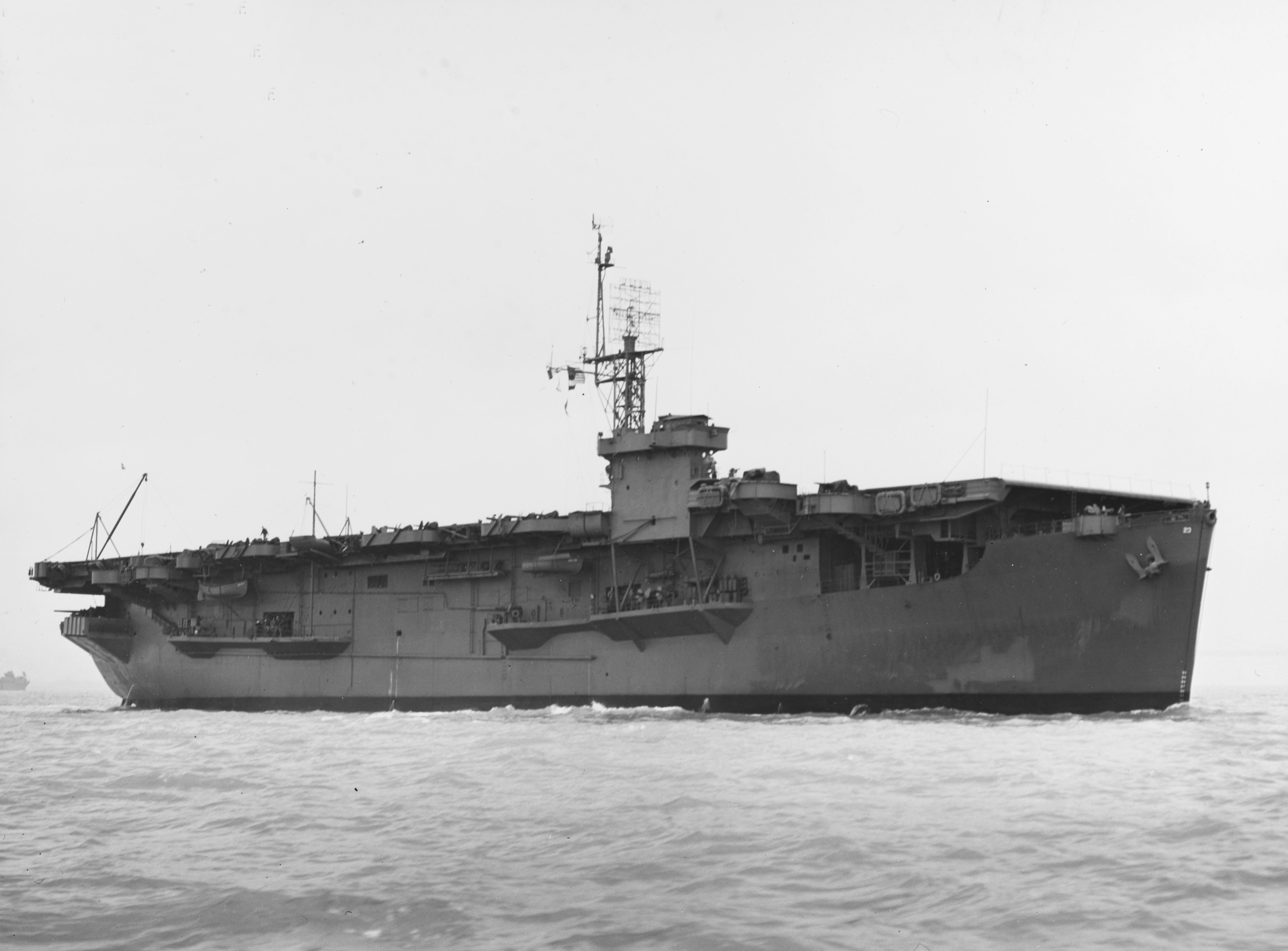
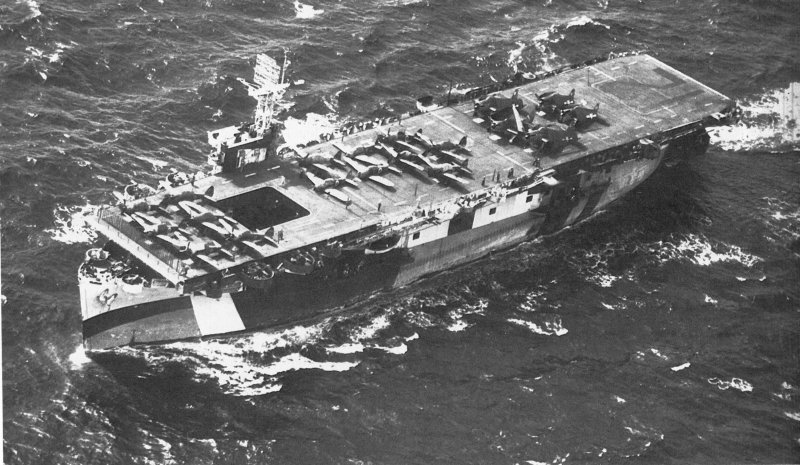
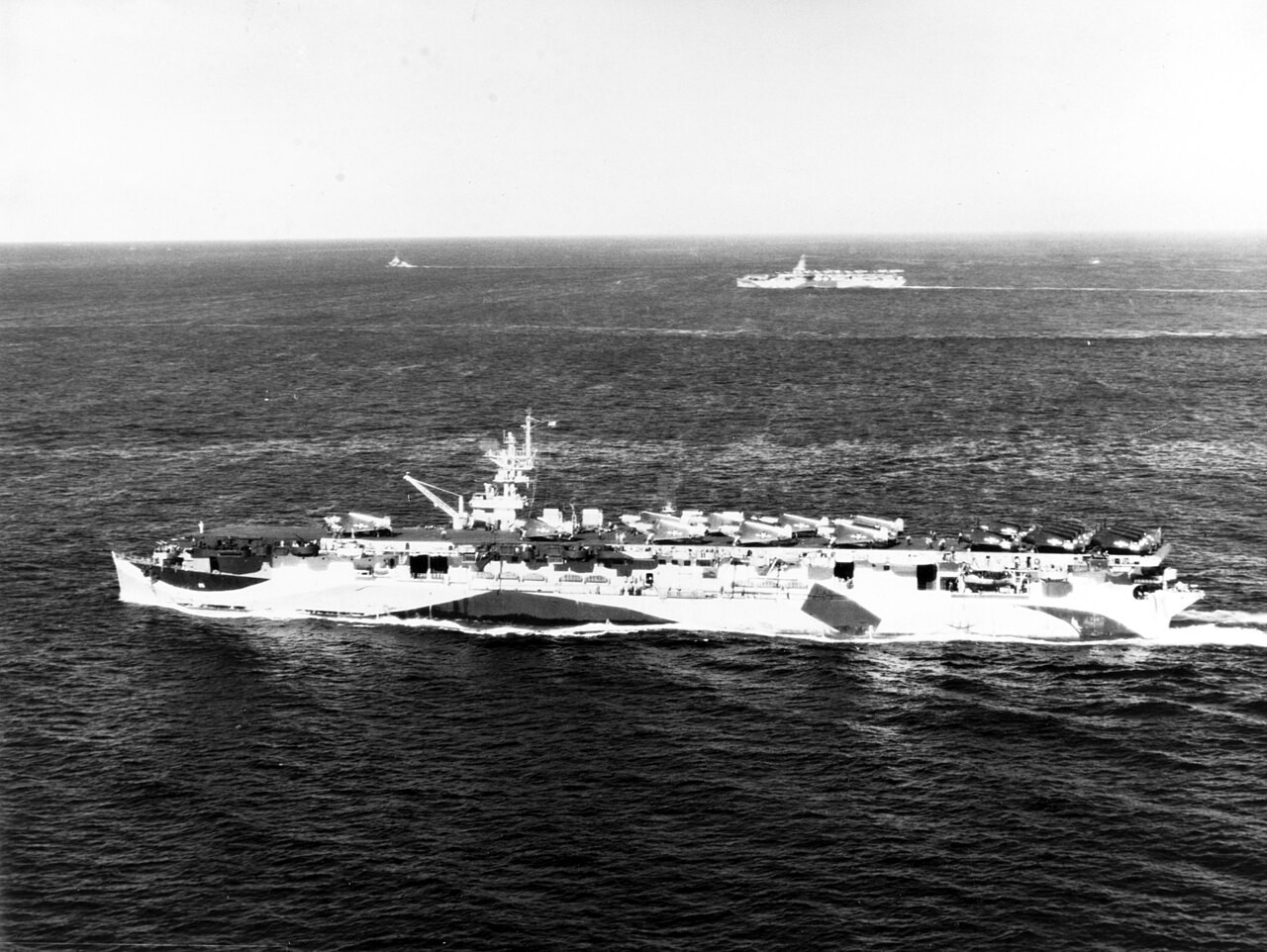
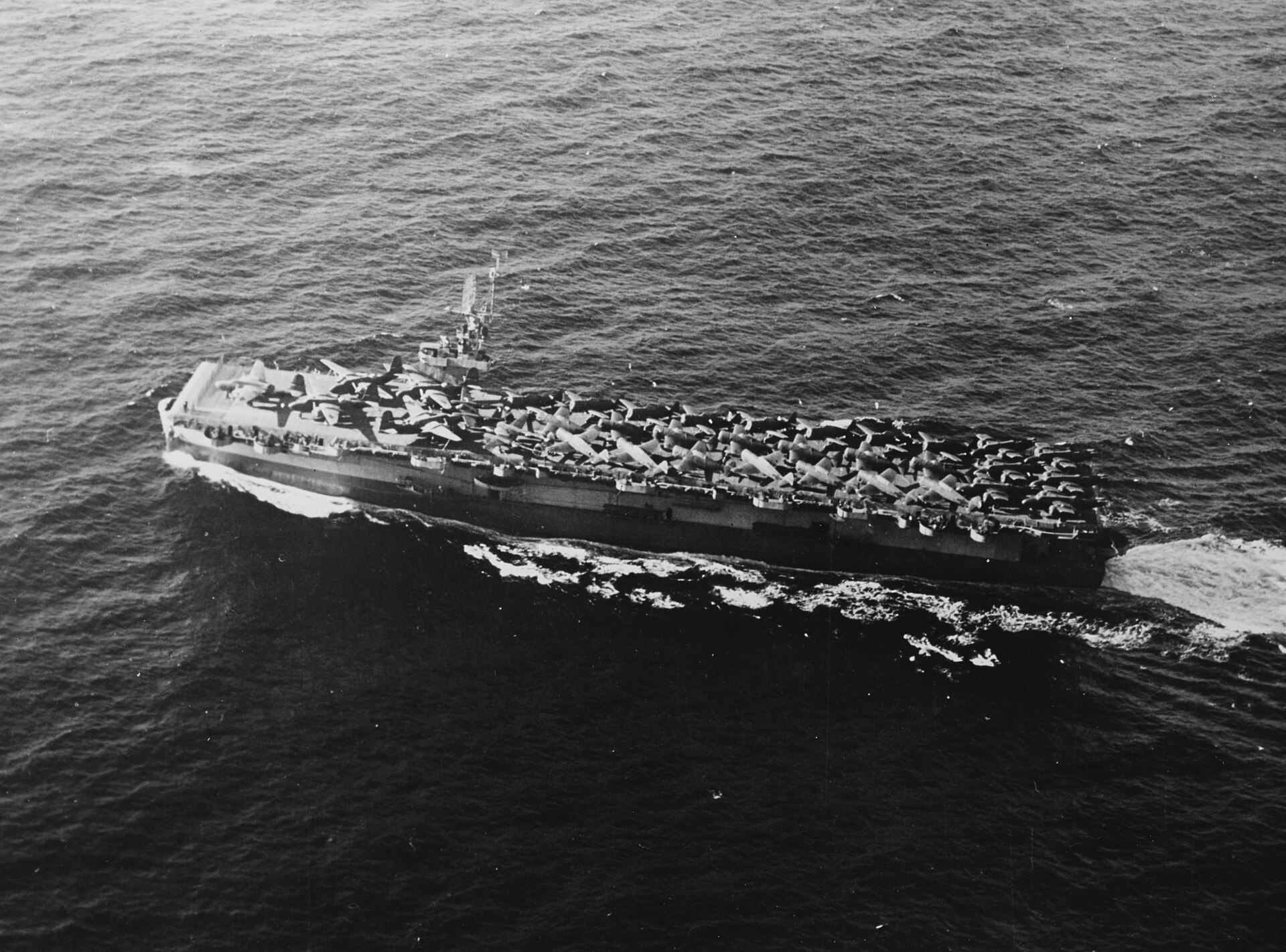
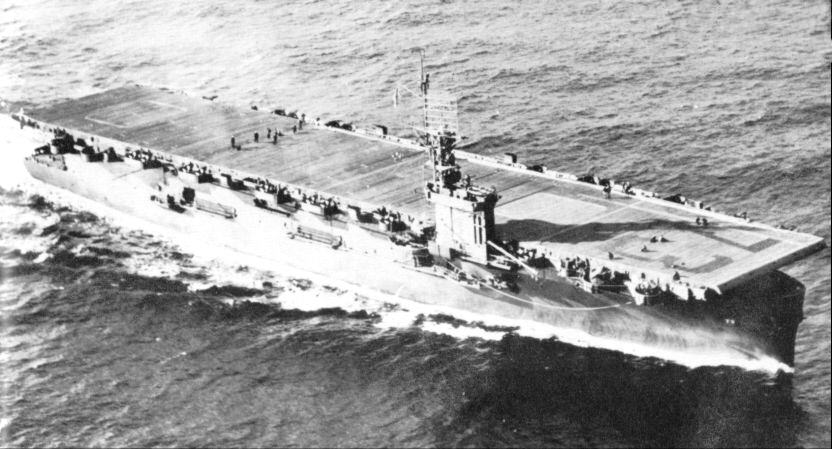
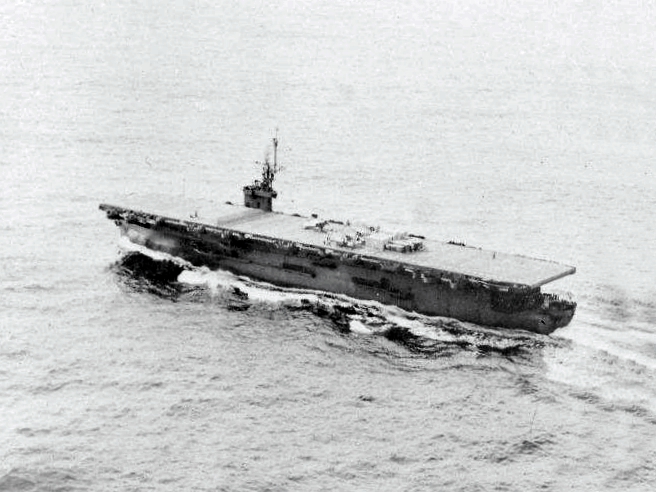
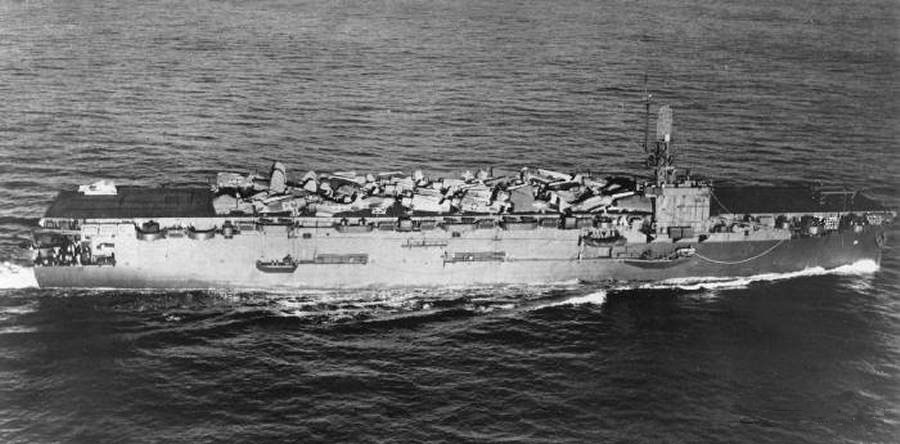
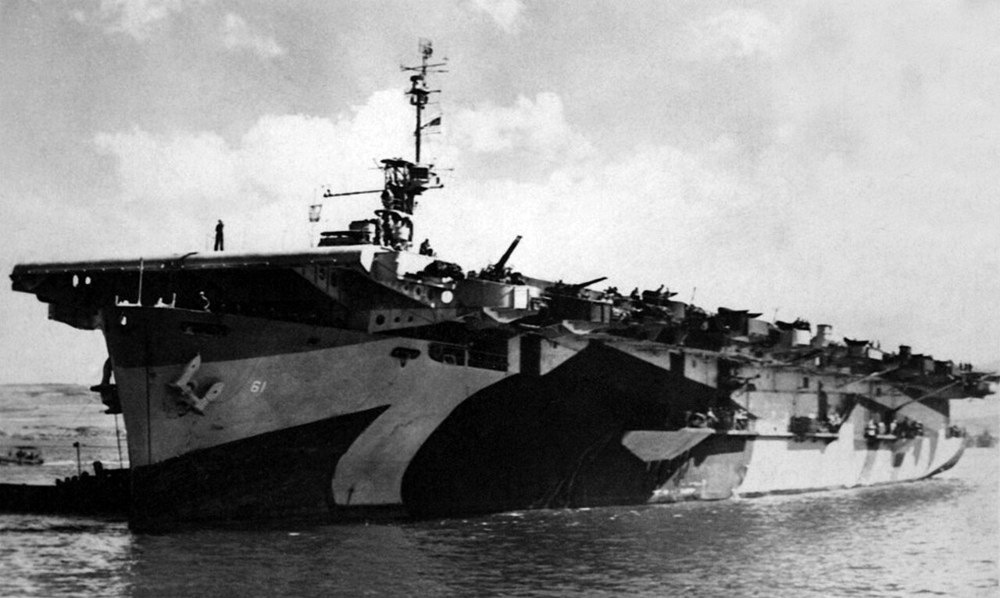
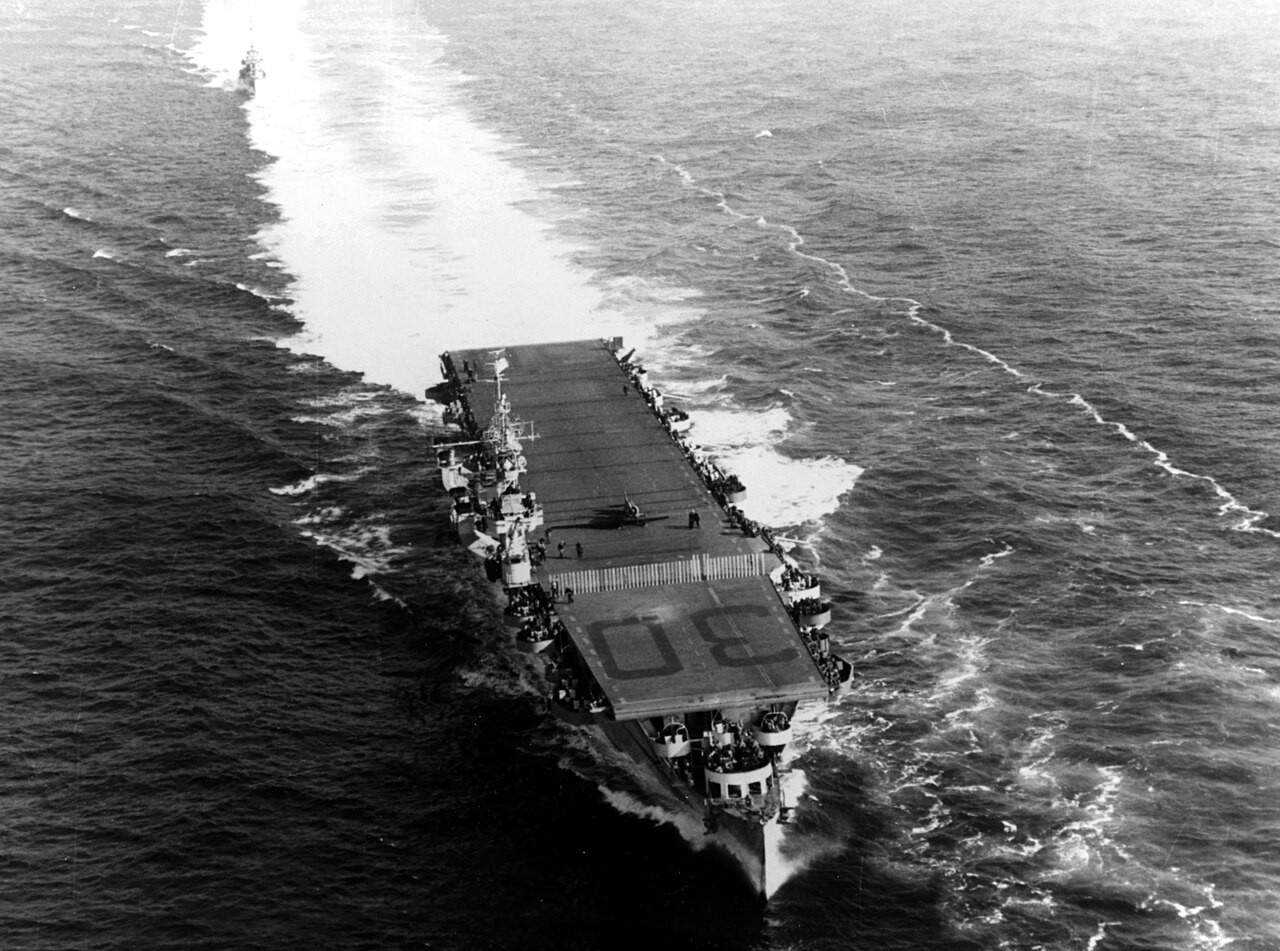
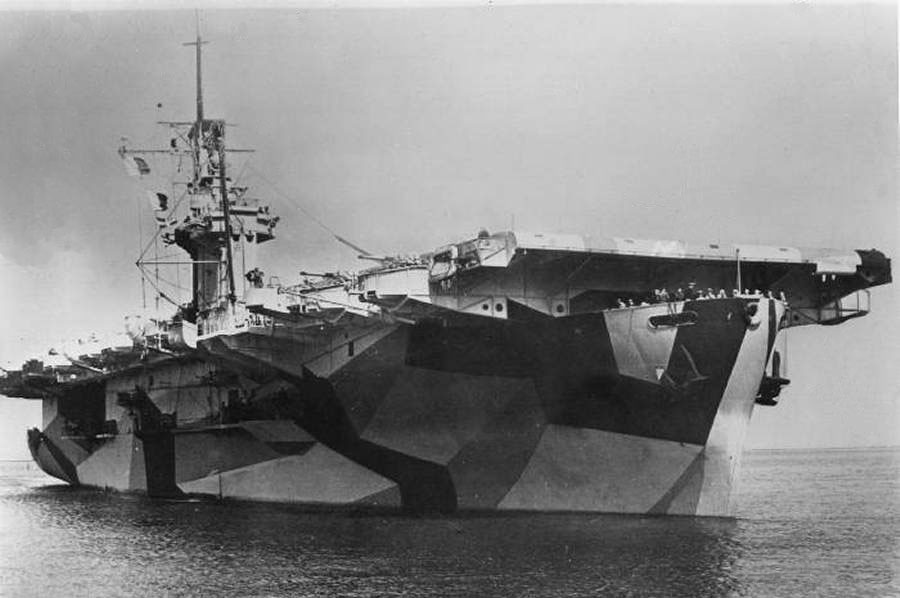
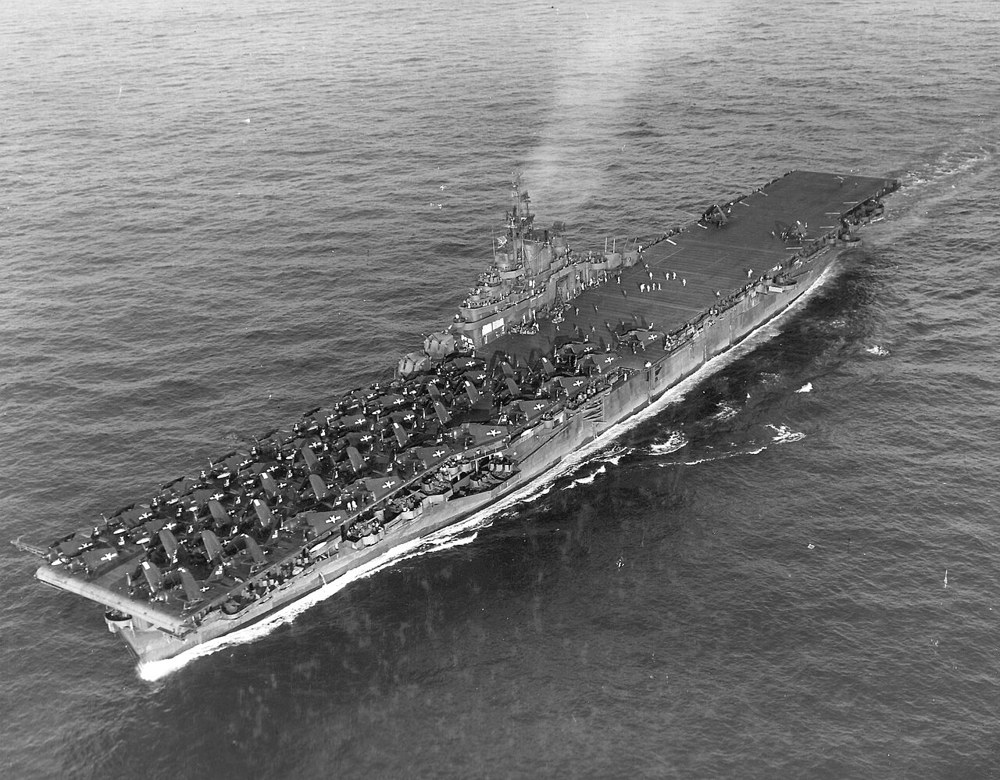
A Japanese plane sighted the amphibious force on the morning of 13 June. On the 15th, one to five planes made three small attacks. There were none on the 16th. From late on the 17th through 7 July the force logged seventy air raids. Most of them were small, and many of the planes were shot down before they reached the anchorage. Smoke was laid over the transport area on a scale the earlier Central Pacific landings had not used. Of the ships in that anchorage, the raids hit the escort carrier Fanshaw Bay and the battleship Maryland. The plane that torpedoed Maryland, at anchor off Garapan on 22 June, was not picked up on radar.
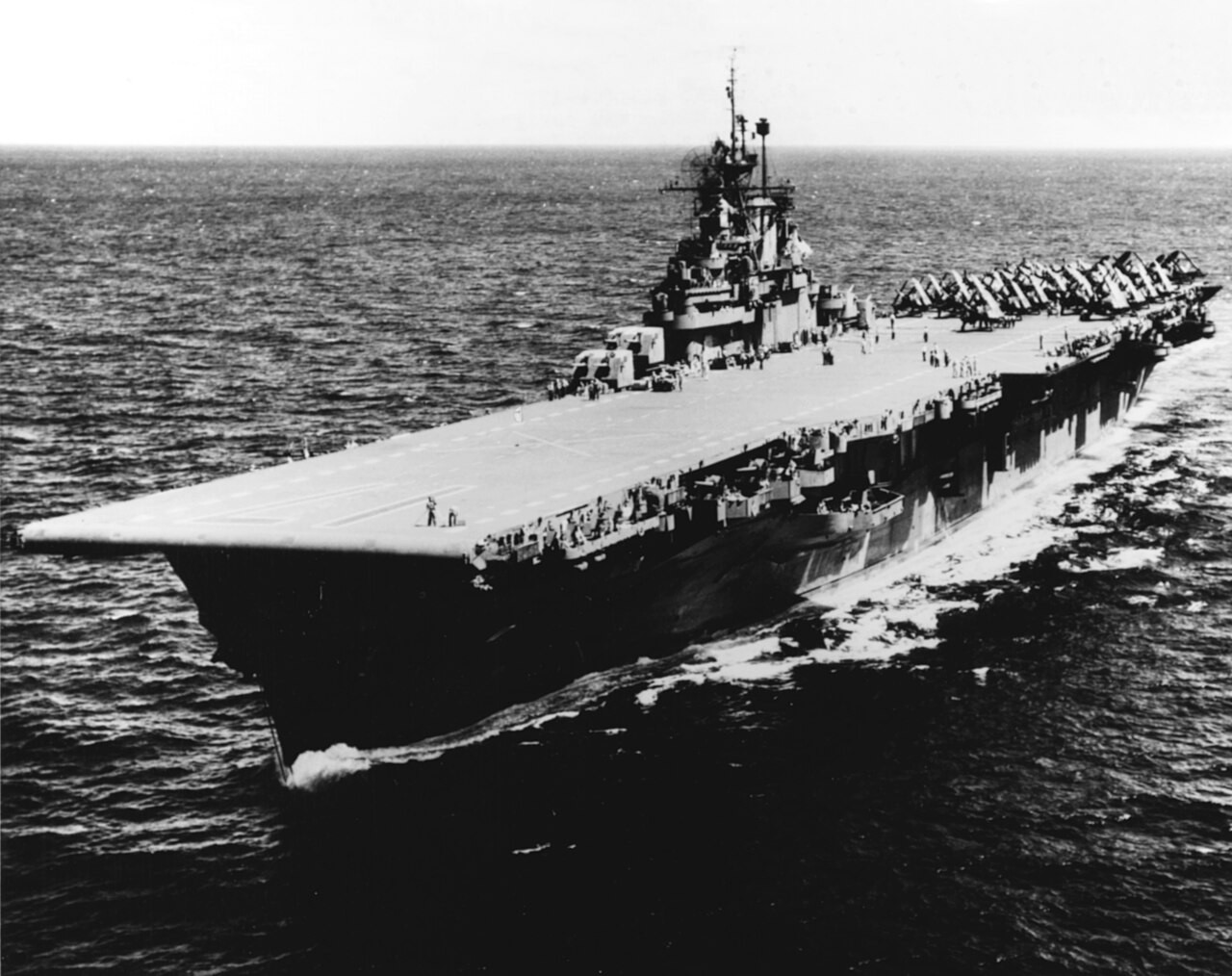
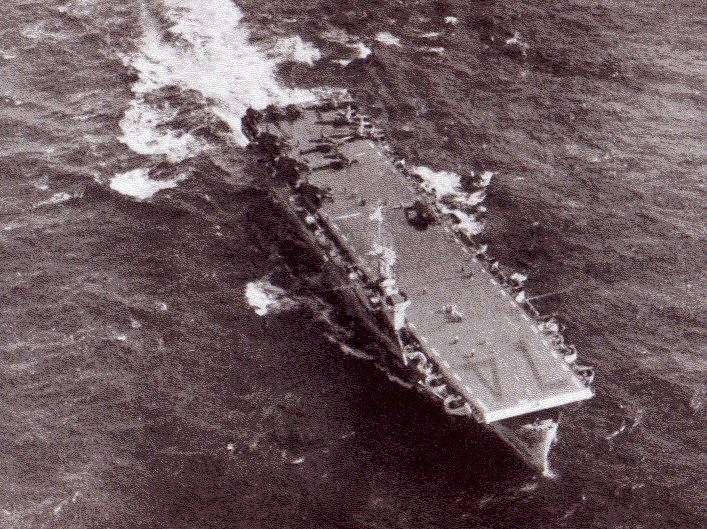
On 16 June it was clear the Japanese fleet was coming. The bombardment group that had been ordered toward Guam was held. Seven cruisers and eighteen destroyers went to reinforce the fast carriers, which were to be 350 miles west of Saipan at noon on the 18th, covering the landing and ready to fight. Unloading went on until dark on the 17th. The transports and landing ships still needed stayed, with their screen and the small craft. The bulk of the transports and landing ships moved out of sight to the east of the island and came back as they were called. At night the remaining battleships, cruisers, and destroyers formed about twenty-five miles west of the transport area. Three escort-carrier divisions kept a combat air patrol over the ships and gave the troops what air support they could spare. The carrier battle that followed is the one already linked above. The transports stayed afloat.
Through 9 July
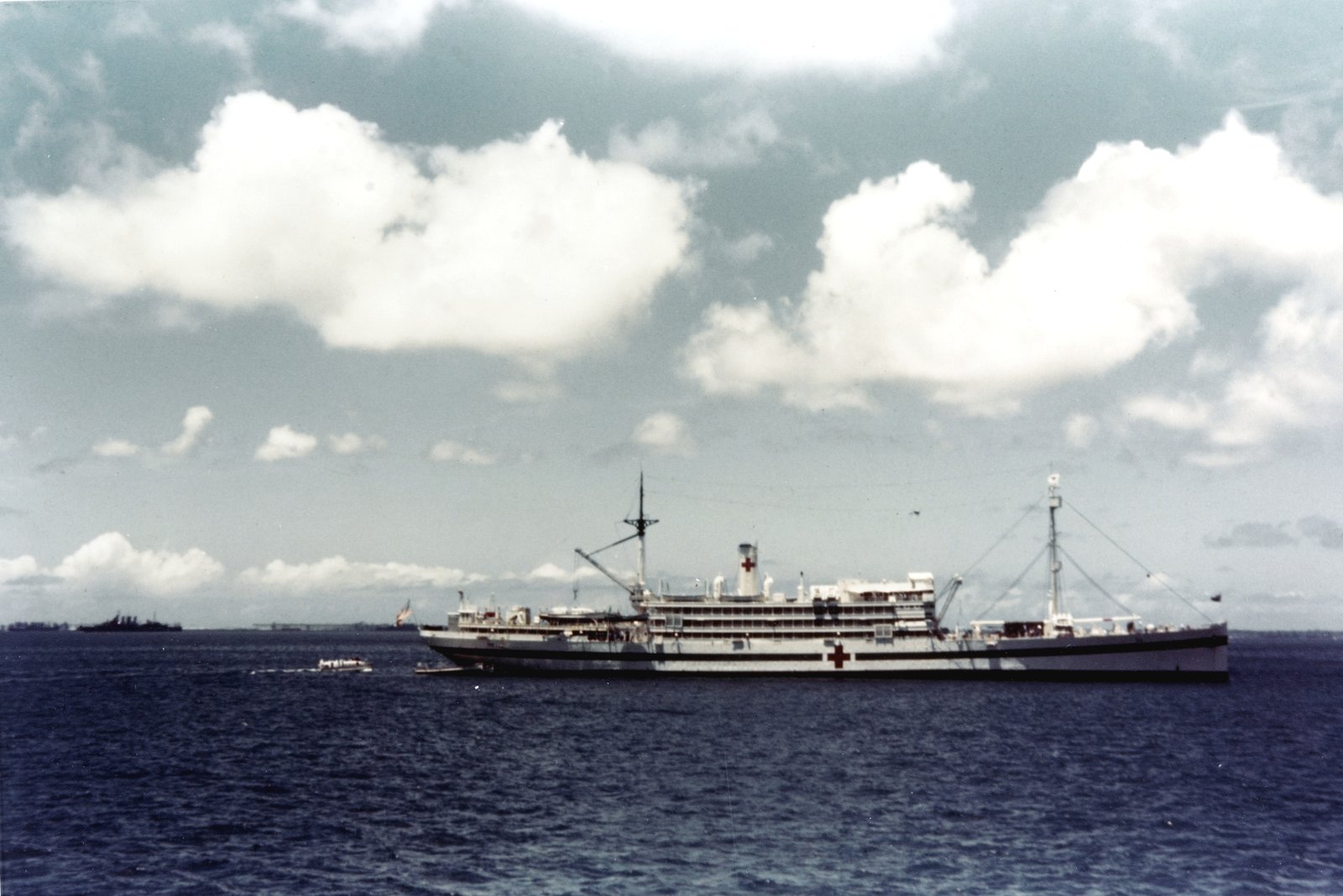
Bountiful arrived at the invasion beaches on 18 June and made three passages to the hospitals at Kwajalein with Marianas wounded. Relief, Solace, and Samaritan were the other hospital ships named with the force. On 20 June the commander of the troops ashore took command on the island. Gunfire support and unloading went on. On 9 July organized resistance ended, and Turner announced the island secured.
A note on sources
The landing, the fire support, the ships that were hit, and the 9 July announcement are Carl W. Hoffman, Saipan: The Beginning of the End, the Marine Corps monograph, chapters 1, 2, and 3, and the chronology in Appendix II, read from the HyperWar transcription. The transport area at 0520 and 18,000 yards, Turner's flag in Rocky Mount, Hill and Erskine in Cambria, and the gun assignments on 15 June are chapter 2. The 14 June hits on California and Braine, the underwater-demolition smoke, and Pennsylvania at Nafutan Point are chapter 1. The 18 June hits on Phelps, the miss on Philip (DD-498), YMS 323, and the sentence that the Philippine Sea ended outside reinforcement are chapter 3. The 11-13 June bombardment by Task Force 58, and Turner's announcement on 9 July, are Appendix II. Those lines do not name the fast ships.
Hoffman once calls Louisville a light cruiser. She is CA-28, and the same account gives her 8-inch guns at Afetna. The word Honolulu in chapter 1 is the city the force returned to after the rehearsal, not the cruiser. Monssen in Task Unit 52.17.3 is DD-798. Knox on this page is APA-46.
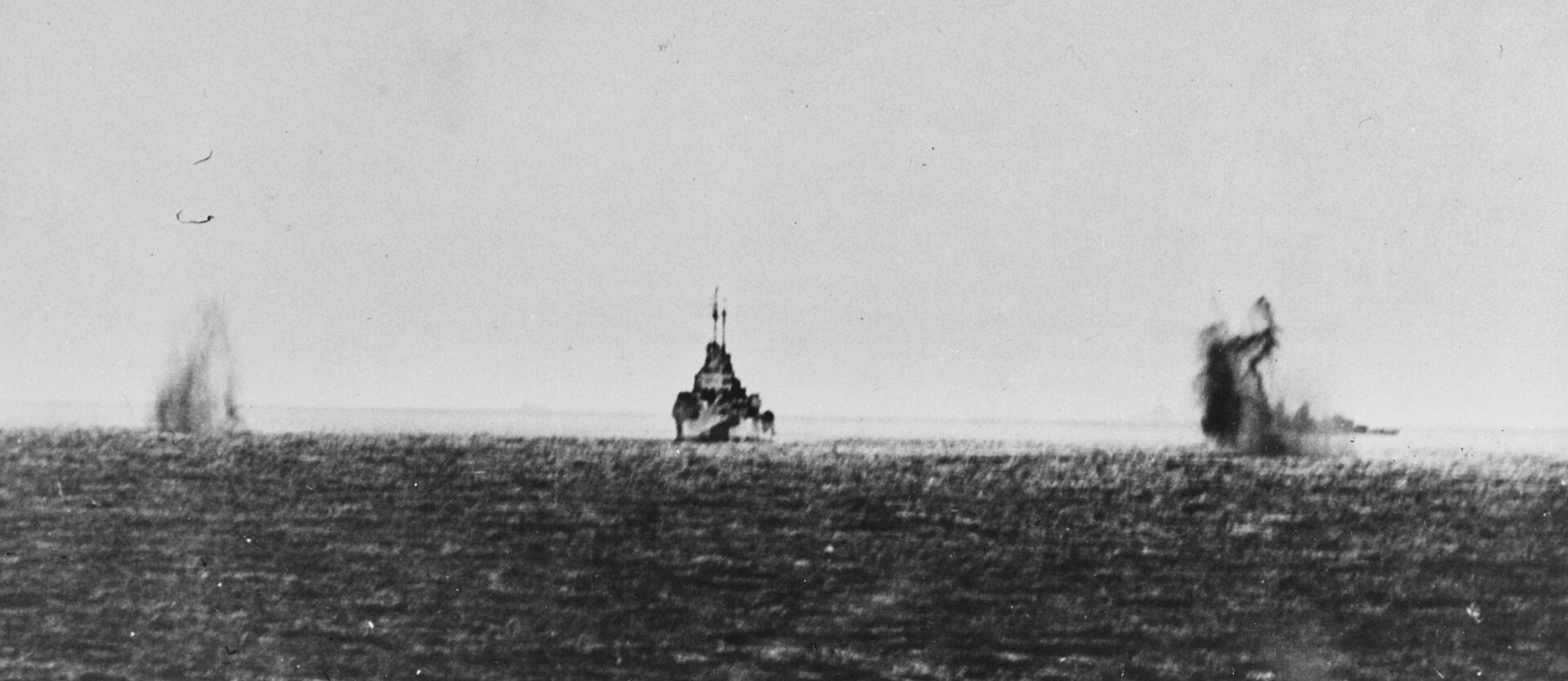
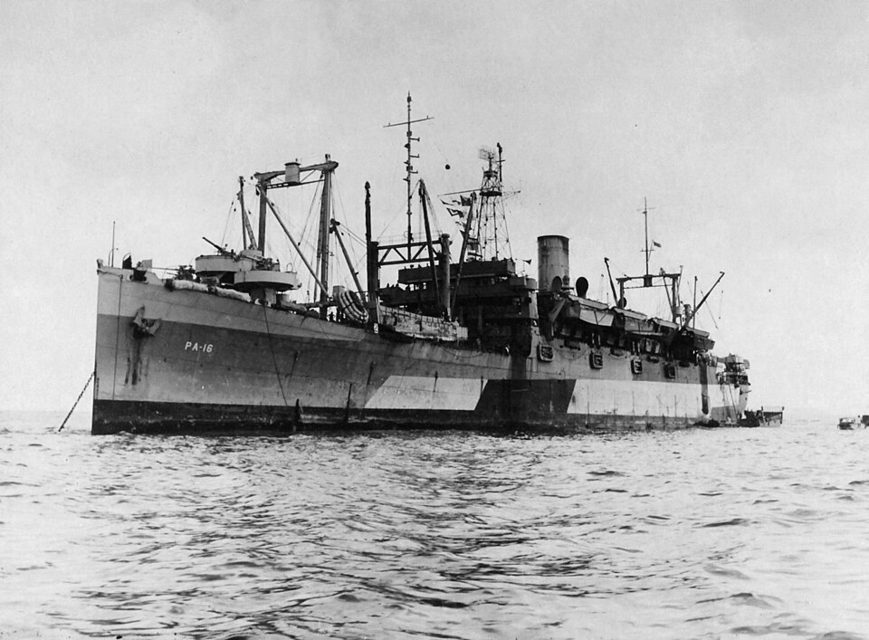
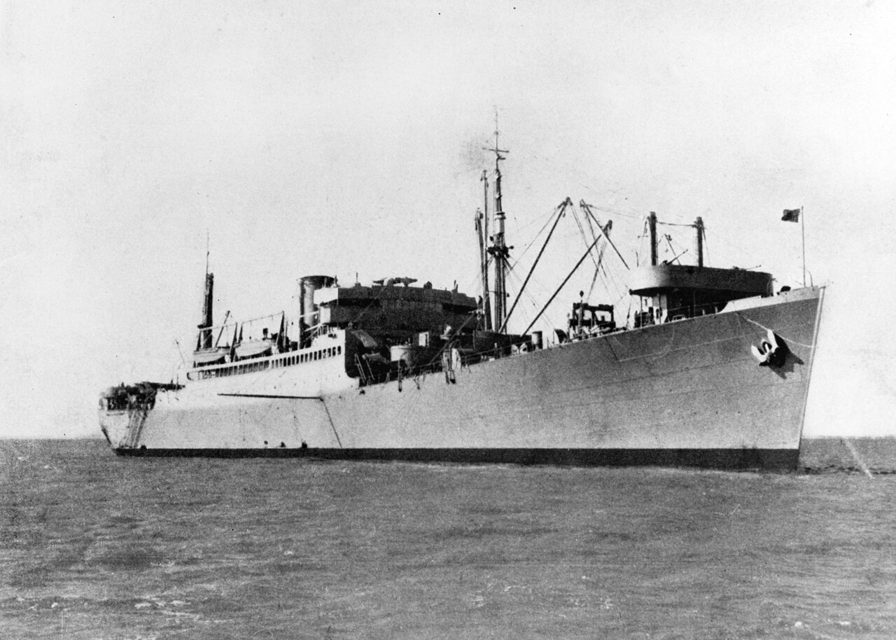
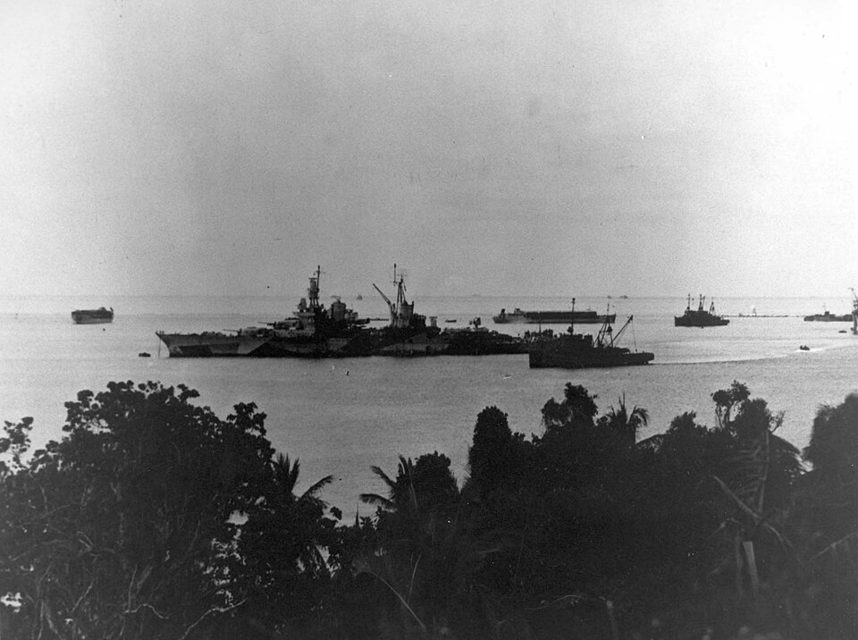
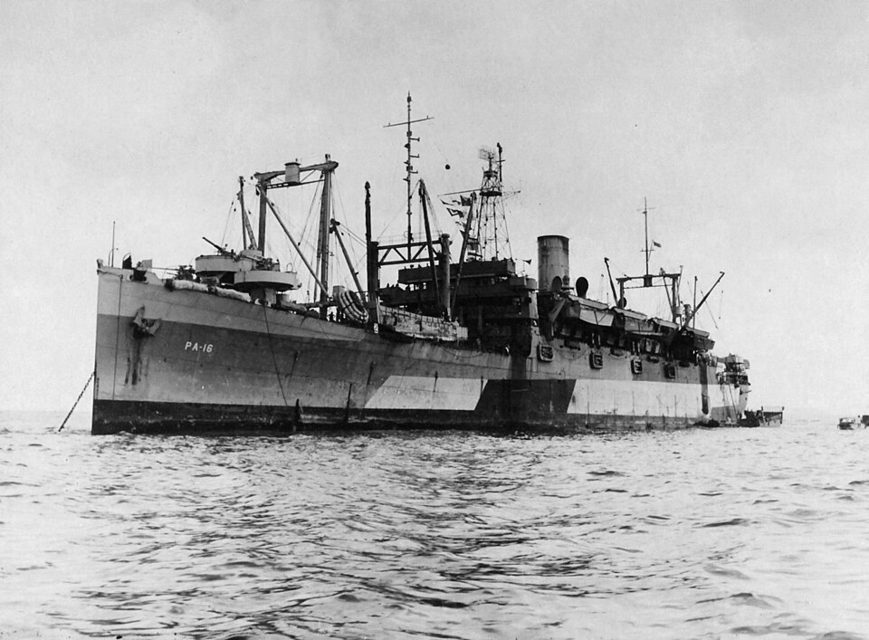
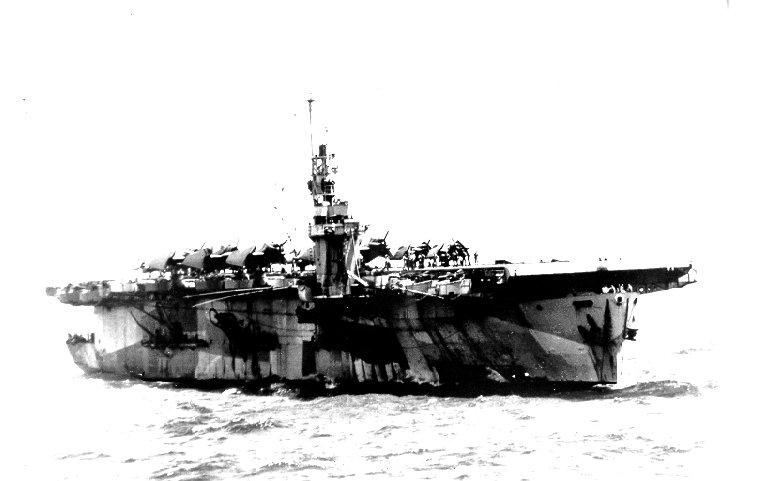
The attack transports and the escort carriers are tagged from the histories already carried for them, which name Saipan. Hoffman does not give their beach assignments. J. Franklin Bell is tagged from the caption of the Navy photograph that shows her at anchor off Saipan in June 1944. Holland's dates are her own history: Midway on 1 June 1944, the Marianas the next month, and the star from 29 July to 10 August. Navy photograph 80-G-184693 is the picture of Birmingham bracketed off Saipan. Hoffman does not record a hit on her.
The sea narrative follows George C. Dyer, The Amphibians Came to Conquer, the Saipan chapter, read from the HyperWar transcription: the 11 June fighter strike, the 13 June fast-battleship bombardment, the underwater-demolition report, the beach hours and distances, the air raids on the transport area, and Turner's 16 June decisions about the transports. Philip A. Crowl, Campaign in the Marianas, the Army's official history, is the source for the landing and for the D-day map drawn by F. Temple. Hoffman is the source for the ships he names and for the 9 July announcement. The task organization that places the fire-support ships, the escort carriers, and the transport screen is Dyer's. The naval groups follow Dyer's task organization rather than the appendix to Samuel Eliot Morison's New Guinea and the Marianas. The map is Crowl's D-day sheet. Garapan is on the west coast. Hoffman's close-support sheet and his beach sheet are with it. Neither Crowl's frame nor those two Marine sheets includes Tinian.
The amphibious order of battle
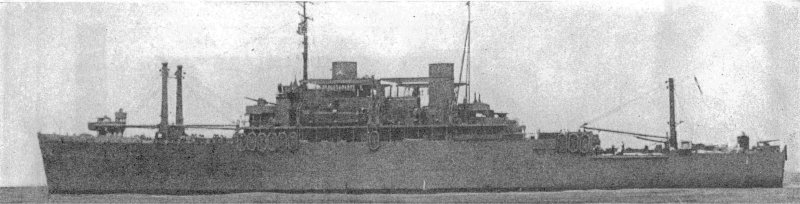
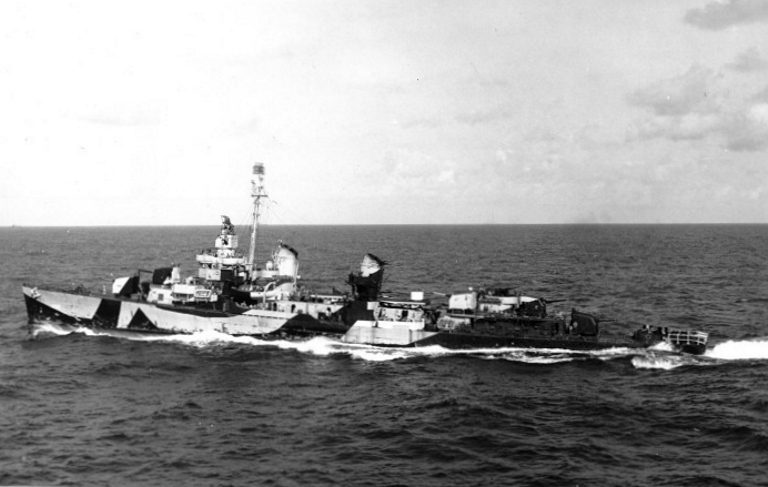
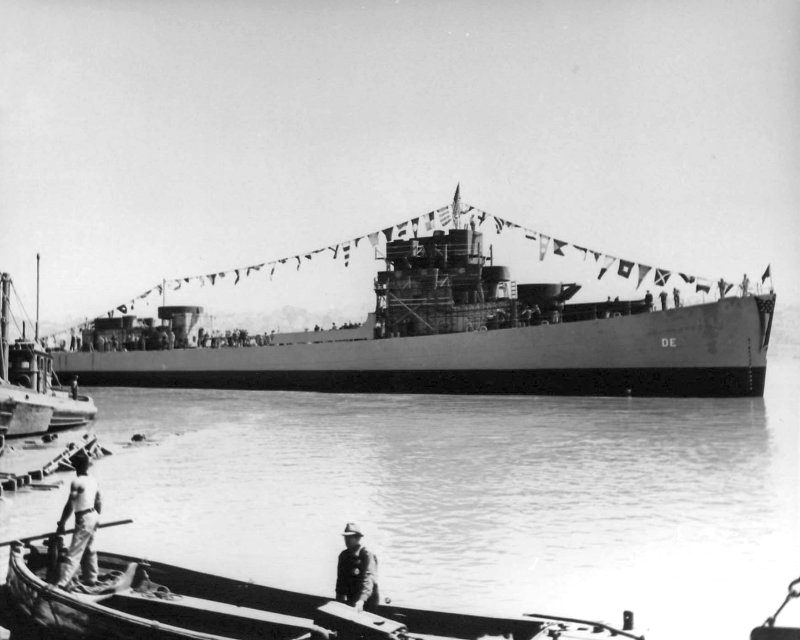
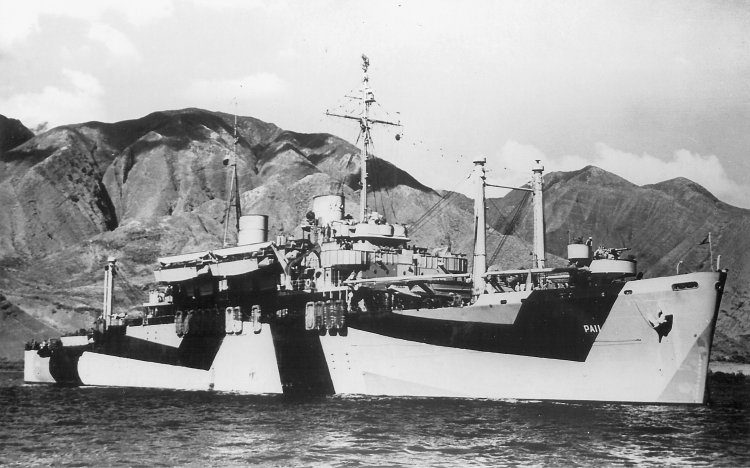
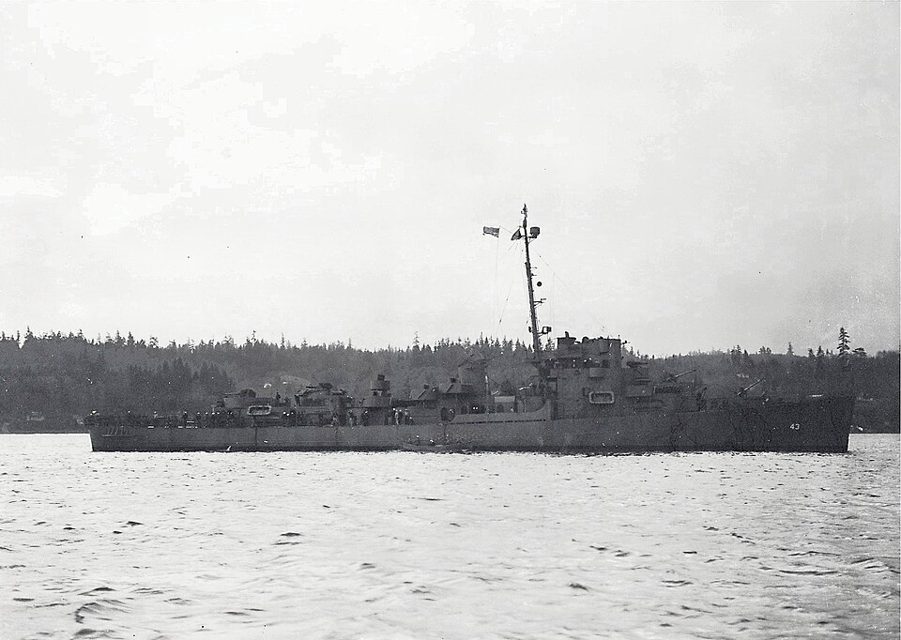
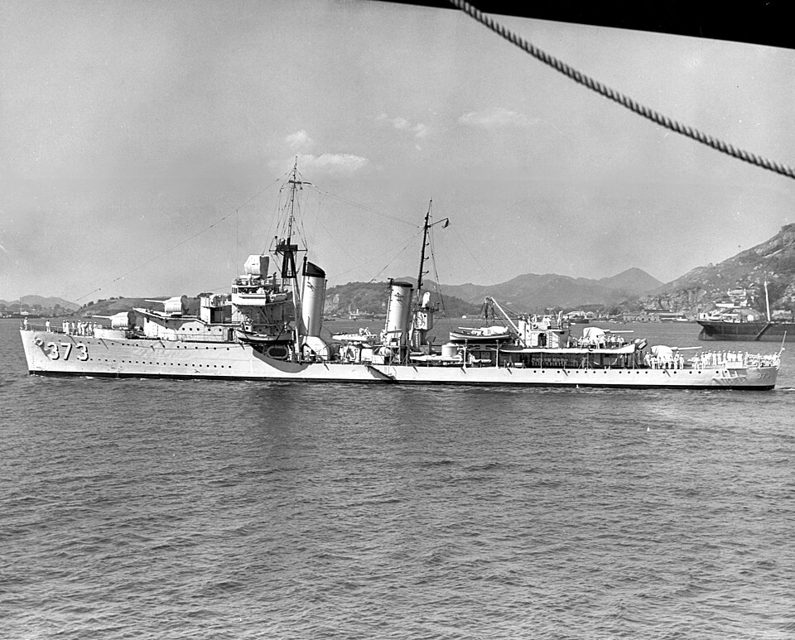
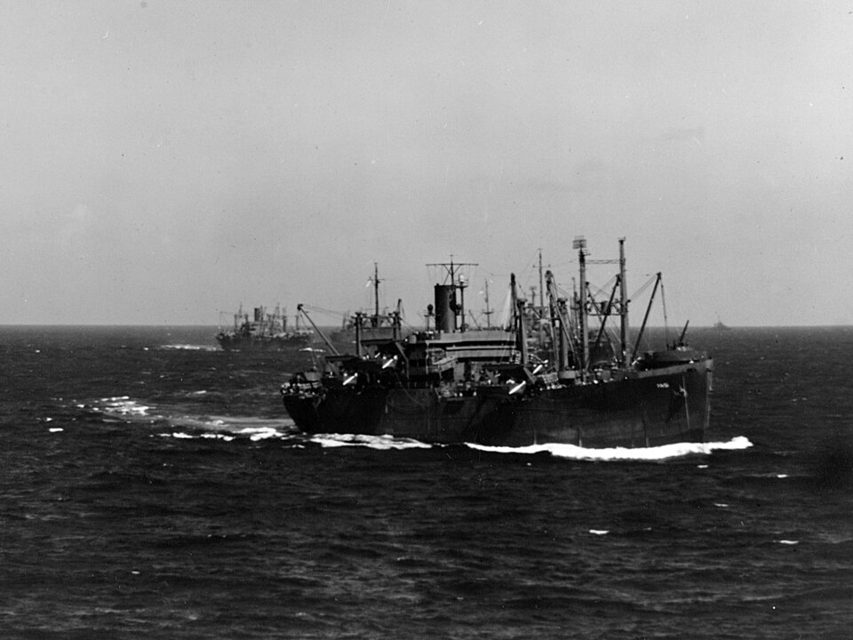
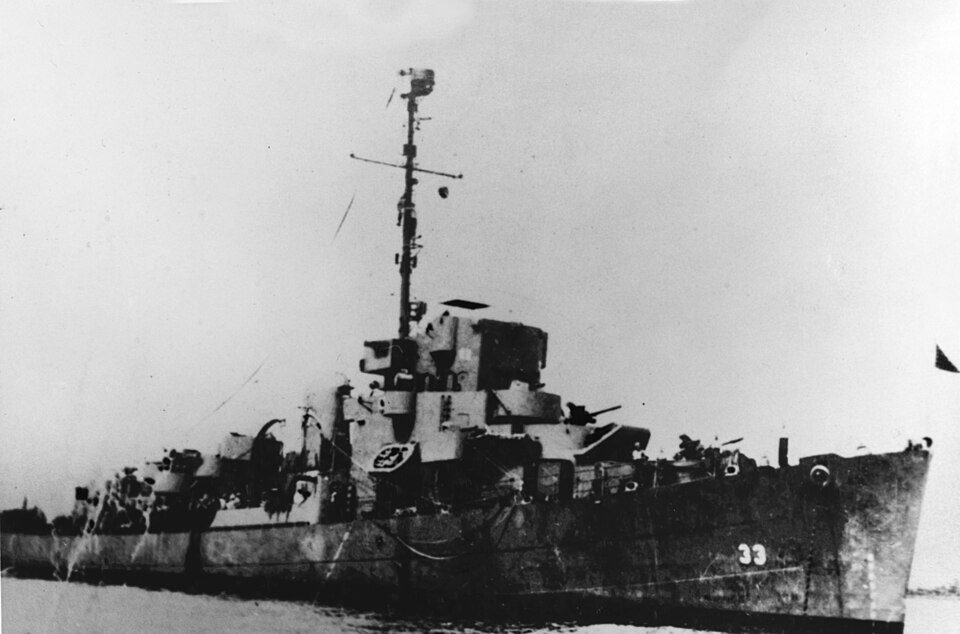
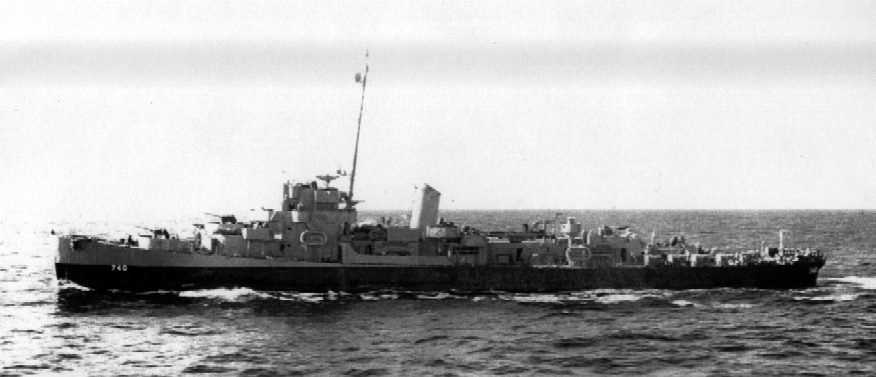
Hoffman does not list the transports ship by ship. The table is the published Central Marianas naval order of battle for the Northern Attack Force, its screen and minesweepers, the reserve, and the service and fueling ships counted with it. Its bibliography cites Rottman, page 35. Jupiter on this list is the cargo ship AK-43, not the British destroyer. Electra is the attack cargo ship AKA-4, not the British destroyer. Pecos on this list is hull AO-65, not the ship lost in 1942. Neosho on this list is hull AO-48, which is not the catalog ship. The catalog ship is AO-23, lost in 1942. The screen Philip is DD-498. The screen Mugford is DD-389. The screen Shaw is DD-373. An order-of-battle list printed the older hull numbers for those three names. The list's link for George F. Elliott points at AP-13. That ship was lost off Guadalcanal on 8 August 1942. She is left out of the table, and this page does not decide which later ship the name was meant to be. The eastern landing group was meant to make a demonstration on the east coast. The same list says that landing was cancelled.
| Group | Ship | Hull | Type |
|---|---|---|---|
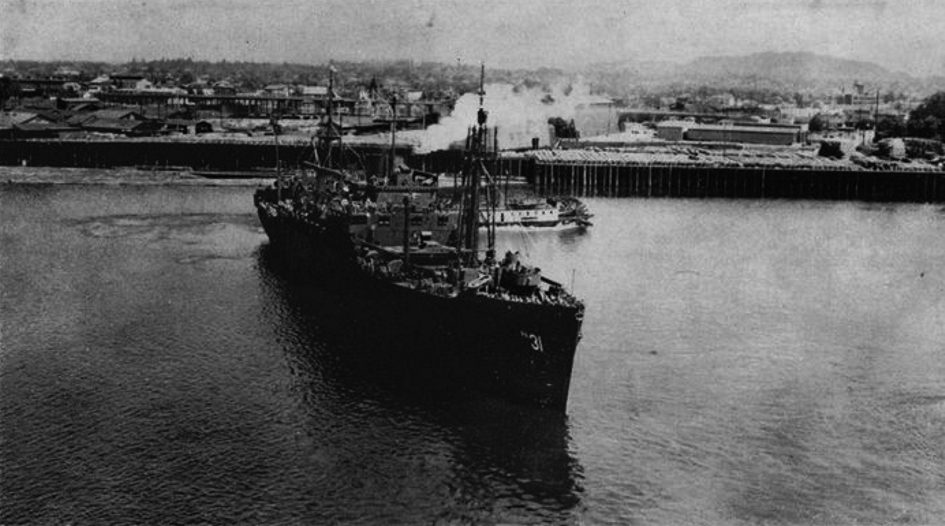
| Transport Division 18, 2d Marine Division | Monrovia | APA-31 | APA |
| Transport Division 18, 2d Marine Division | Frederick Funston | APA-89 | APA |
| Transport Division 18, 2d Marine Division | War Hawk | AP | |
| Transport Division 18, 2d Marine Division | Alcyone | AKA-7 | AKA |
| Transport Division 18, 2d Marine Division | Lindenwald | LSD | |
| Transport Division 10, 2d Marine Division | Clay | APA-39 | APA |
| Transport Division 10, 2d Marine Division | Neville | AP-16 | AP |
| Transport Division 10, 2d Marine Division | Arthur Middleton | APA-25 | APA |
| Transport Division 10, 2d Marine Division | Feland | APA-11 | APA |
| Transport Division 10, 2d Marine Division | Alhena | AK-26 | AK |
| Transport Division 10, 2d Marine Division | Jupiter | AK-43 | AK |
| Transport Division 10, 2d Marine Division | Hercules | AK-41 | AK |
| Transport Division 28, 2d Marine Division | Bolivar | APA-34 | APA |
| Transport Division 28, 2d Marine Division | Doyen | APA-1 | APA |
| Transport Division 28, 2d Marine Division | Sheridan | APA-51 | APA |
| Transport Division 28, 2d Marine Division | Comet | AP-166 | AP |
| Transport Division 28, 2d Marine Division | Electra | AKA-4 | AKA |
| Transport Division 28, 2d Marine Division | Oak Hill | LSD-7 | LSD |
| Transport Division 20, 4th Marine Division | Leonard Wood | APA-12 | APA |
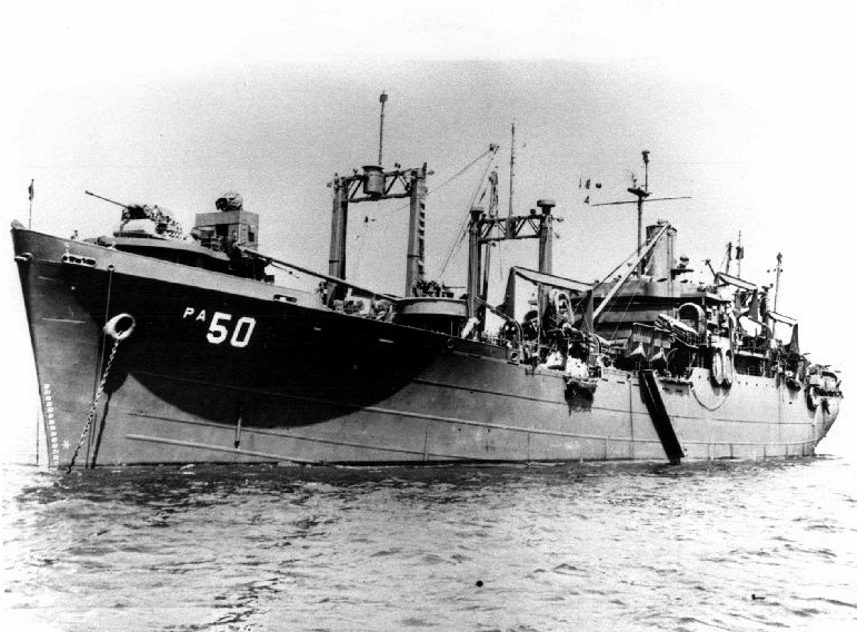
| Transport Division 20, 4th Marine Division | Pierce | APA-50 | APA |
| Transport Division 20, 4th Marine Division | James O'Hara | APA-90 | APA |
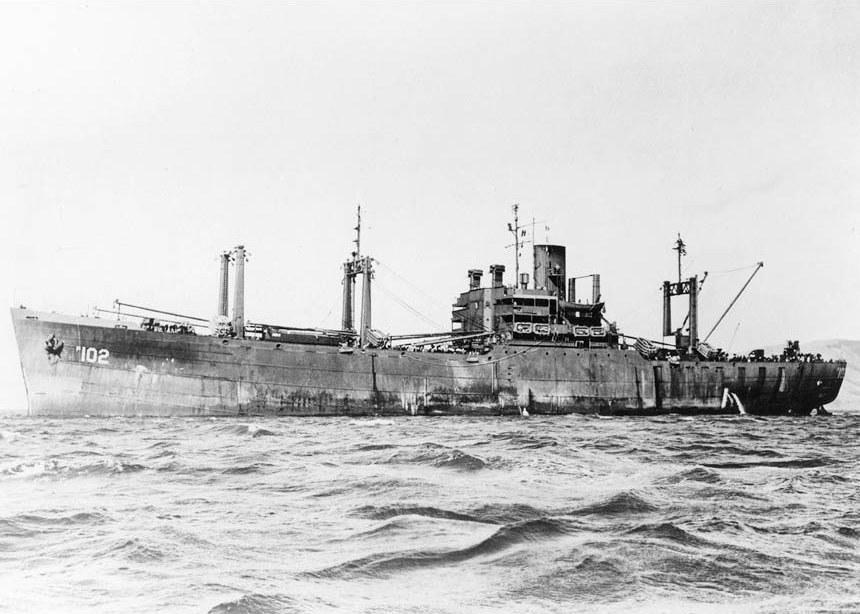
| Transport Division 20, 4th Marine Division | La Salle | AP-102 | AP |
| Transport Division 20, 4th Marine Division | Thuban | AKA | |
| Transport Division 20, 4th Marine Division | Ashland | LSD-1 | LSD |
| Transport Division 26, 4th Marine Division | Callaway | APA-35 | APA |
| Transport Division 26, 4th Marine Division | Sumter | APA-52 | APA |
| Transport Division 26, 4th Marine Division | Leon | APA-48 | APA |
| Transport Division 26, 4th Marine Division | Storm King | AP-171 | AP |
| Transport Division 26, 4th Marine Division | Almaack | AKA | |
| Transport Division 26, 4th Marine Division | White Marsh | LSD | |
| Transport Division 26, 4th Marine Division | Belle Grove | LSD | |
| Transport Division 30, 4th Marine Division | Knox | APA-46 | APA |
| Transport Division 30, 4th Marine Division | Calvert | APA-32 | APA |
| Transport Division 30, 4th Marine Division | Fuller | AP-14 | AP |
| Transport Division 30, 4th Marine Division | John Land | AP | |
| Transport Division 30, 4th Marine Division | George F. Elliott | AP | |
| Transport Division 30, 4th Marine Division | Bellatrix | AK-20 | AK |
| Eastern Landing Group | Waters | DD-115 | APD |
| Eastern Landing Group | Stringham | DD-83 | APD |
| Eastern Landing Group | Goldsborough | DD-188 | APD |
| Eastern Landing Group | Manley | DD-74 | APD |
| Eastern Landing Group | Overton | APD | |
| Eastern Landing Group | Noa | DD-343 | APD |
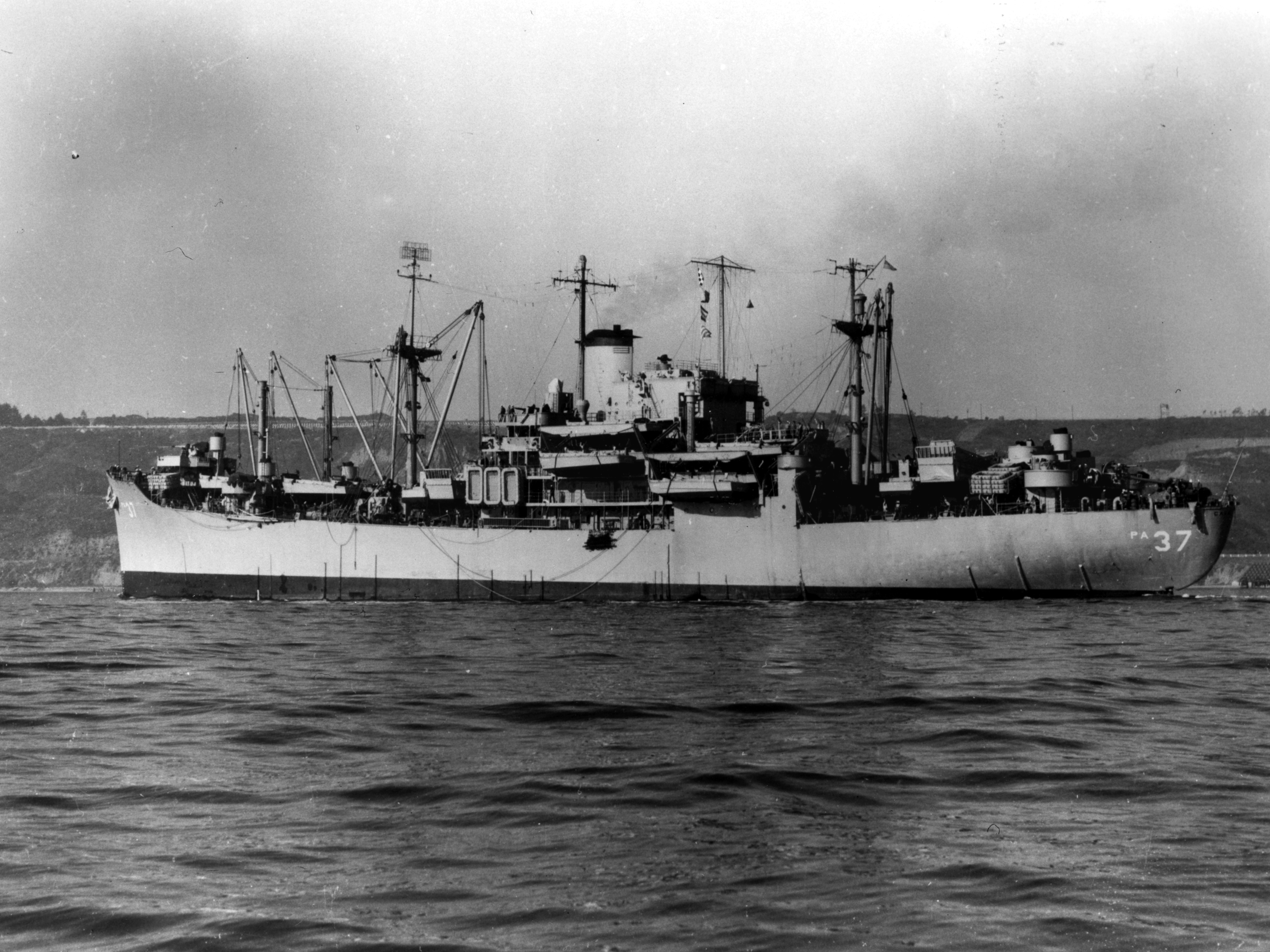
| Reserve, Transport Division 7, 27th Division | Cavalier | APA-37 | APA |
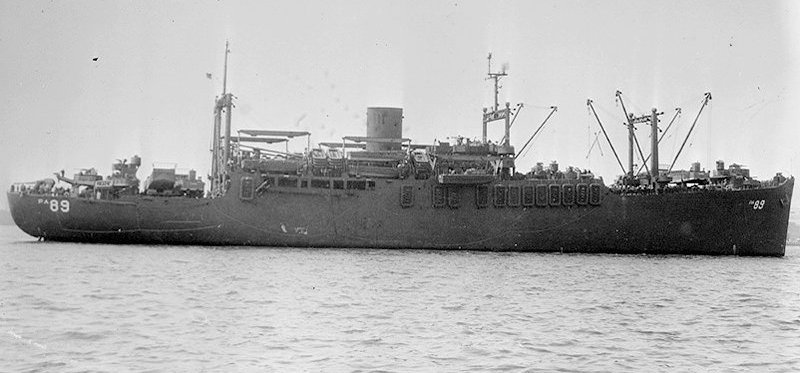
| Reserve, Transport Division 7, 27th Division | J. Franklin Bell | APA-16 | APA |
| Reserve, Transport Division 7, 27th Division | Heywood | AP-12 | AP |
| Reserve, Transport Division 7, 27th Division | Winged Arrow | AP | |
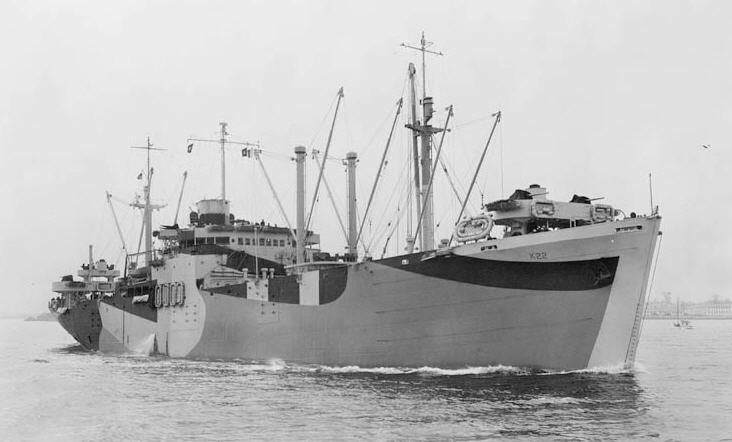
| Reserve, Transport Division 7, 27th Division | Fomalhaut | AK-22 | AK |
| Reserve, Transport Division 32 | Fremont | APA-44 | APA |
| Reserve, Transport Division 32 | Harris | APA-2 | APA |
| Reserve, Transport Division 32 | Custer | APA-40 | APA |
| Reserve, Transport Division 32 | Herald of the Morning | AP-173 | AP |
| Reserve, Transport Division 32 | Auriga | AK | |
| Reserve, Transport Division 34 | Prince Georges | AP | |
| Reserve, Transport Division 34 | Kenmore | AP-62 | AP |
| Reserve, Transport Division 34 | De Grasse | AK-223 | AK |
| Reserve, Transport Division 34 | Livingston | AP-163 | AP |
| Reserve, Transport Division 34 | Leonis | AK | |
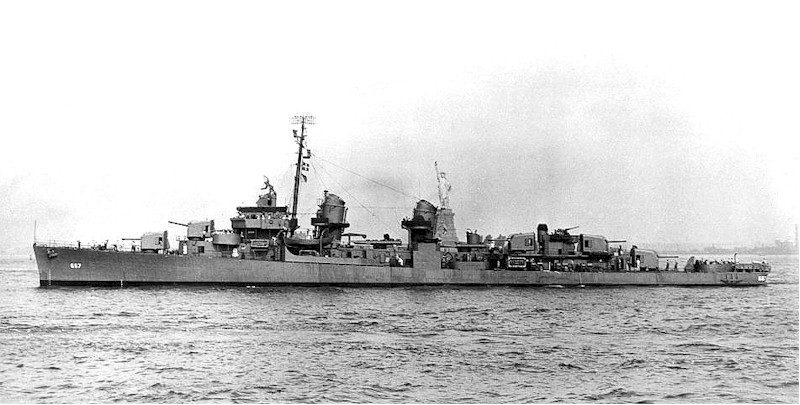
| Transport screen | Phelps | DD-360 | DD |
| Transport screen | Selfridge | DD-357 | DD |
| Transport screen | Bagley | DD-386 | DD |
| Transport screen | Newcomb | DD-586 | DD |
| Transport screen | Bennion | DD-662 | DD |
| Transport screen | Heywood L. Edwards | DD-663 | DD |
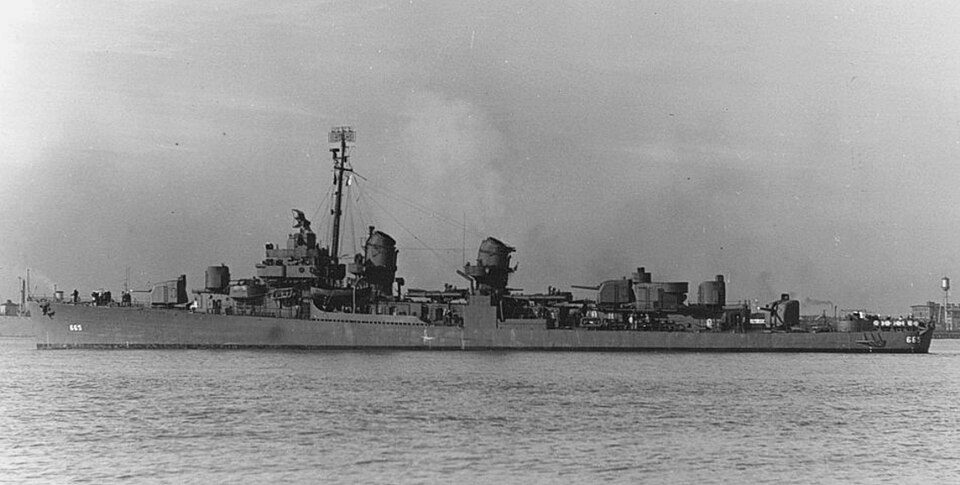
| Transport screen | Bryant | DD-665 | DD |
| Transport screen | Prichett | DD-561 | DD |
| Transport screen | Cony | DD-508 | DD |
| Transport screen | Renshaw | DD-499 | DD |
| Transport screen | Conyngham | DD-371 | DD |
| Transport screen | Patterson | DD-392 | DD |
| Transport screen | Shaw | DD-373 | DD |
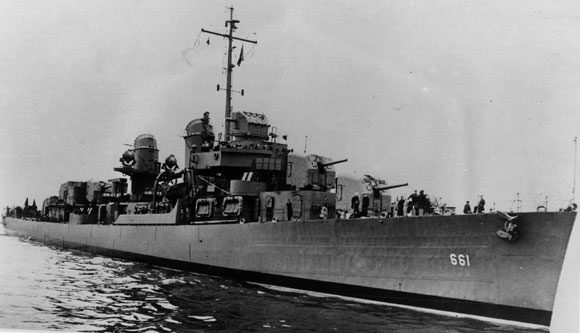
| Transport screen | Philip | DD-498 | DD |
| Transport screen | Mugford | DD-389 | DD |
| Transport screen | Kane | DD-235 | APD |
| Transport screen | PCE-1396 | 1396 | PCE |
| Transport screen | PCE-1404 | 1404 | PCE |
| Transport screen | PCE-1457 | 1457 | PCE |
| Transport screen | PCE-1460 | 1460 | PCE |
| Minesweeping group | Hopkins | DMS-13 | DMS |
| Minesweeping group | Perry | DD-340 | DMS |
| Minesweeping group | Long | DMS | |
| Minesweeping group | Hamilton | DD-141 | DMS |
| Minesweeping group | Chandler | DD-206 | DMS |
| Minesweeping group | Zane | DMS-14 | DMS |
| Minesweeping group | Palmer | DD-161 | DMS |
| Minesweeping group | Howard | DD-179 | DMS |
| Minesweeping group | Chief | AM-315 | AM |
| Minesweeping group | Champion | AM-314 | AM |
| Minesweeping group | Herald | AM-101 | AM |
| Minesweeping group | Oracle | AM | |
| Minesweeping group | Motive | AM | |
| Minesweeping group | Heed | AM | |
| Reserve, Transport Division 32 screen | Waller | DD-466 | DD |
| Reserve, Transport Division 32 screen | Pringle | DD-477 | DD |
| Reserve, Transport Division 32 screen | Saufley | DD-465 | DD |
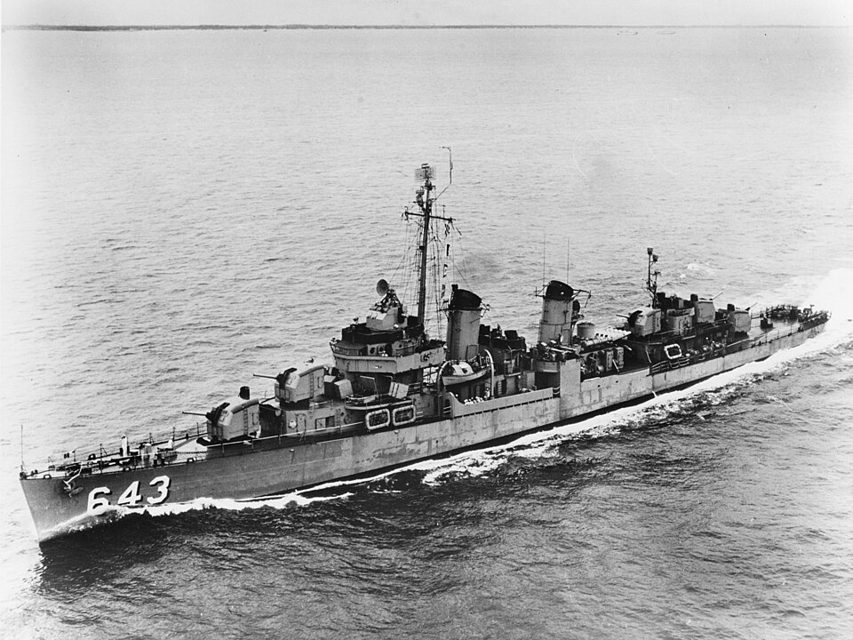
| Reserve, Transport Division 32 screen | Sigourney | DD-643 | DD |
| Reserve, Transport Division 32 screen | Sederstrom | DE-31 | DE |
| Reserve, Transport Division 32 screen | Fleming | DE-32 | DE |
| Reserve, Transport Division 32 screen | Chickasaw | AT-83 | AT |
| Reserve screen | Conway | DD-507 | DD |
| Reserve screen | Eaton | DD-510 | DD |
| Reserve screen | Tisdale | DE-33 | DE |
| Reserve screen | Eisele | DE-34 | DE |
| Reserve screen | Baron | DE-166 | DE |
| Reserve screen | Acree | DE-167 | DE |
| Reserve screen | Mimosa | AN | |
| Reserve screen | Keokuk | CMC-6 | CMC |
| Service and salvage | Cinchona | AN-12 | AN |
| Service and salvage | Tekesta | AT-93 | AT |
| Service and salvage | Tawasa | AT-92 | AT |
| Service and salvage | Molala | AT | |
| Service and salvage | Phaon | ARB-3 | ARB |
| Service and salvage | Preserver | ARS | |
| Service and salvage | Clamp | ARS | |
| Service and salvage | Ballard | DD-267 | AV |
| Service and salvage | Agenor | ARL | |
| Fueling group | Neshanic | AO | |
| Fueling group | Saugatuck | AO | |
| Fueling group | Saranac | AO-74 | AO |
| Fueling group | Lackawanna | AO-40 | AO |
| Fueling group | Monongahela | AO-42 | AO |
| Fueling group | Neosho | AO-48 | AO |
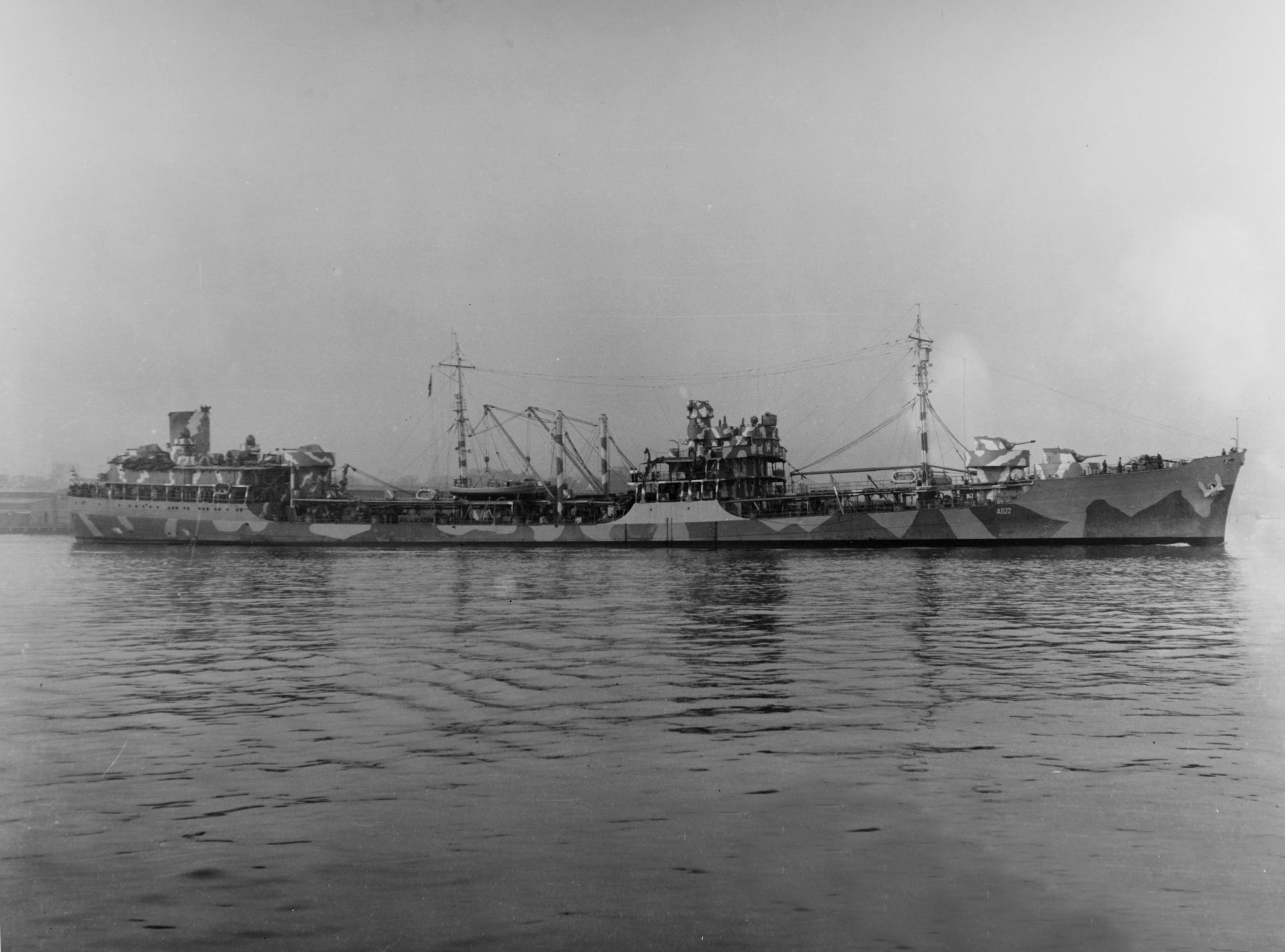
| Fueling group | Cimarron | AO-22 | AO |
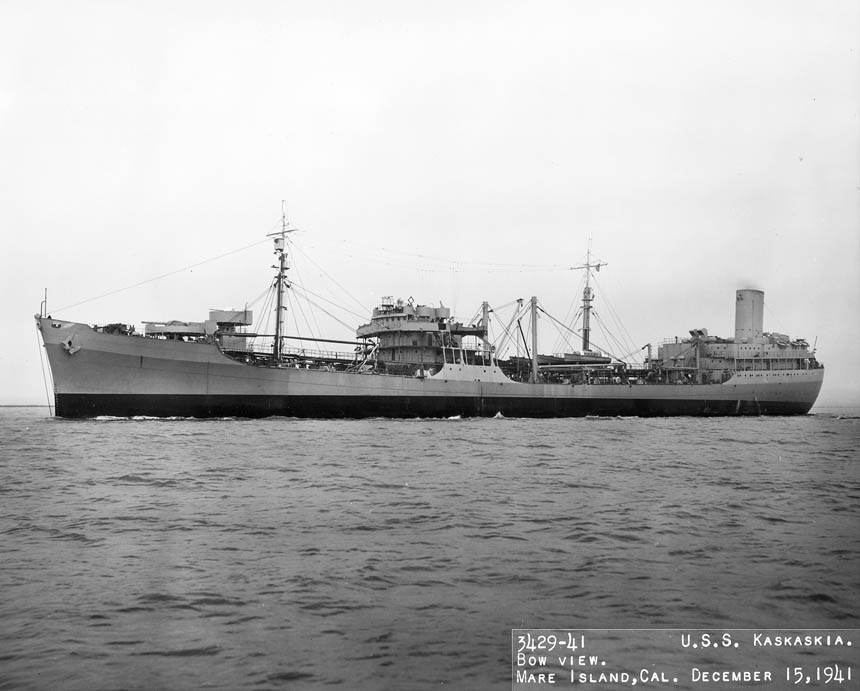
| Fueling group | Kaskaskia | AO-27 | AO |
| Fueling group | Sabine | AO-25 | AO |
| Fueling group | Caliente | AO | |
| Fueling group | Guadalupe | AO-32 | AO |
| Fueling group | Platte | AO-24 | AO |
| Fueling group | Pecos | AO-65 | AO |
| Fueling group | Schuylkill | AO | |
| Fueling group | Tallulah | AO | |
| Fueling group | Ashtabula | AO | |
| Fueling group | Cahaba | AO | |
| Fueling group | Tappahannock | AO | |
| Fueling group | Kennebago | AO | |
| Fueling group | Marias | AO | |
| Fueling group | Suamico | AO | |
| Fueling group | Cache | AO | |
| Fueling group | Kankakee | AO | |
| Fueling group | Mascoma | AO | |
| Fueling group | Paul Hamilton | DD-590 | DD |
| Fueling group | Capps | DD-550 | DD |
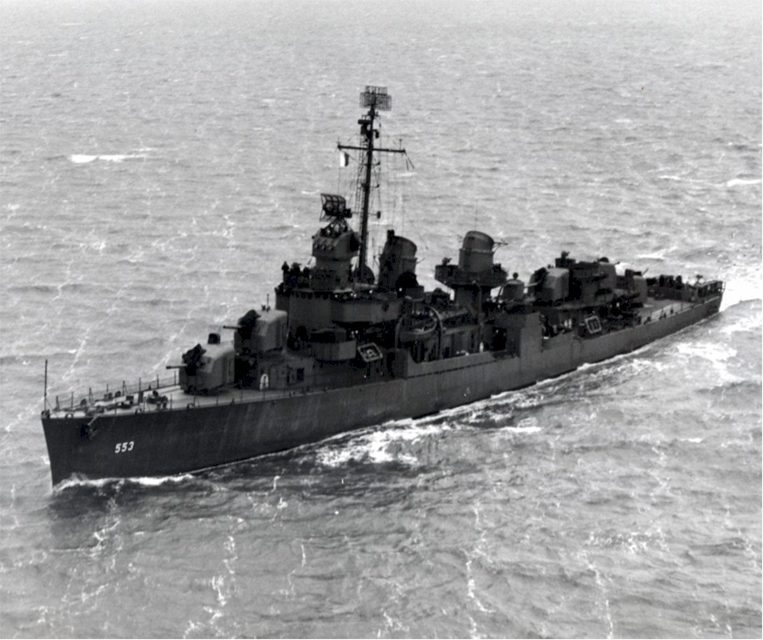
| Fueling group | John D. Henley | DD-553 | DD |
| Fueling group | Hall | DD-583 | DD |
| Fueling group | Evans | DD-552 | DD |
| Fueling group | David W. Taylor | DD-551 | DD |
| Fueling group | Halligan | DD-584 | DD |
| Fueling group | Haraden | DD-585 | DD |
| Fueling group | Samuel S. Miles | DE-183 | DE |
| Fueling group | Swearer | DE-186 | DE |
| Fueling group | Bangust | DE-739 | DE |
| Fueling group | Weaver | DE-741 | DE |
| Fueling group | Riddle | DE-185 | DE |
| Fueling group | Waterman | DE-740 | DE |
| Fueling group | Lamons | DE-743 | DE |
| Fueling group | Wesson | DE-184 | DE |
| Fueling group | Hilbert | DE-742 | DE |
| Fueling group | Fair | DE-35 | DE |
| Fueling group | Manlove | DE-36 | DE |
| Fueling group | Mitchell | DE-43 | DE |
| Fueling group | Whitman | DE-24 | DE |
| Fueling group | Wileman | DE-22 | DE |
| Fueling group | Copahee | CVE-12 | CVE |
| Fueling group | Breton | CVE-23 | CVE |
| Fueling group | Manila Bay | CVE-61 | CVE |
| Fueling group | Natoma Bay | CVE-62 | CVE |
| Hospital ships | Relief | AH-1 | AH |
| Hospital ships | Solace | AH-5 | AH |
| Hospital ships | Bountiful | AH-9 | AH |
| Hospital ships | Samaritan | AH |
The same list gives no names for 14 submarine chasers, 25 infantry landing craft, and 3 high-speed transports in the control group, for about 49 landing ships, tank, in the tractor groups, for 5 auxiliary motor minesweepers with the sweepers, for 8 more with the salvage group, and for 7 infantry landing craft with the reserve. Those unnamed hulls are not given pages. Named ships that have no page here are listed for a later batch. None of them was given a stub.
The fast carriers, the fast battleships, and the cruisers with them are tagged from Hoffman's list of Task Force 58 for the operation, checked against Dyer's count of seven carriers and eight light carriers and against the Dictionary entries for Boston, Baltimore, and Canberra. Dyer counts seven carriers and eight cruiser-hulled carriers. Hoffman's footnote names Franklin as well, which would be an eighth large carrier. The 12 June chronology says planes from fifteen carriers. Franklin is not tagged. A chronology prints Vincennes as CL-91 on one later line. CL-91 was Oklahoma City, which commissioned in December 1944. The ship with the fast carriers is CL-64. The Dyer transcription prints St. Louis as CL-40. The chronology of 15 June prints CL-49, and that is the ship. She dropped a propeller and part of the tail shaft in Saipan channel. The same chronology records near-misses on 14 June against Birmingham. Hoffman records no hit. The photograph shows her bracketed. Cressman calls Ainsworth's group Task Group 52.18 on 14 June. Dyer prints it as Task Group 52.10. Dyer prints the screen chasers as SC-1396, SC-1404, SC-1457, and SC-1460. The order-of-battle table gives the PCE numbers of another list. Otori's loss is the combinedfleet tabular record: she left Saipan on 10 June escorting a convoy, and aircraft sank her on 12 June at 17°32'N, 144°00'E. The record names no commanding officer. The Dictionary names Captain W. C. Calhoun at Baltimore's commissioning, Captain A. R. Early at Canberra's, and Captain J. H. Carson at Boston's. None of the three entries names a relief before June 1944. Commander G. L. Burns took Bountiful on 23 March 1944. NavSource dates his tour to 18 November 1944. Relief, Solace, and Samaritan are named with the hospital ships. The submarines RO-36, RO-114, I-185, and I-10 were lost in the window and are named in the notes of the ships that sank them.