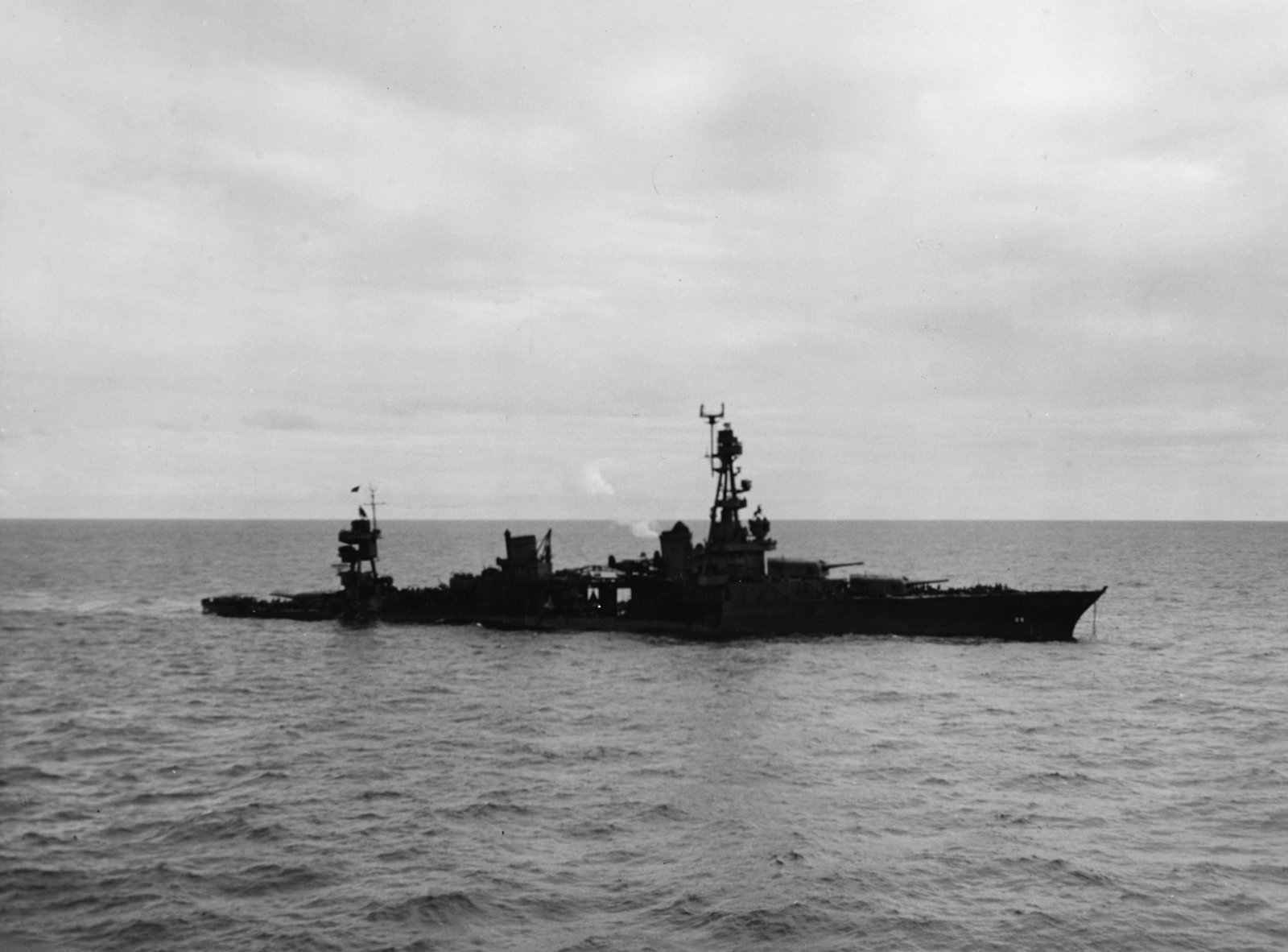
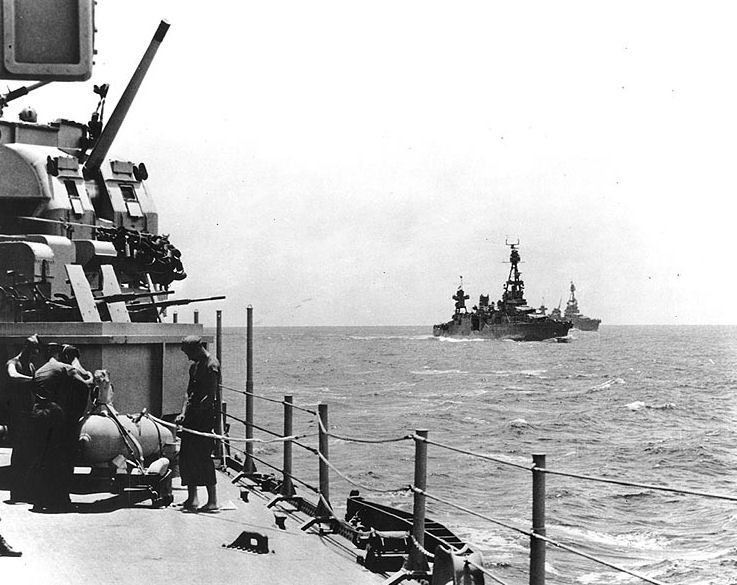
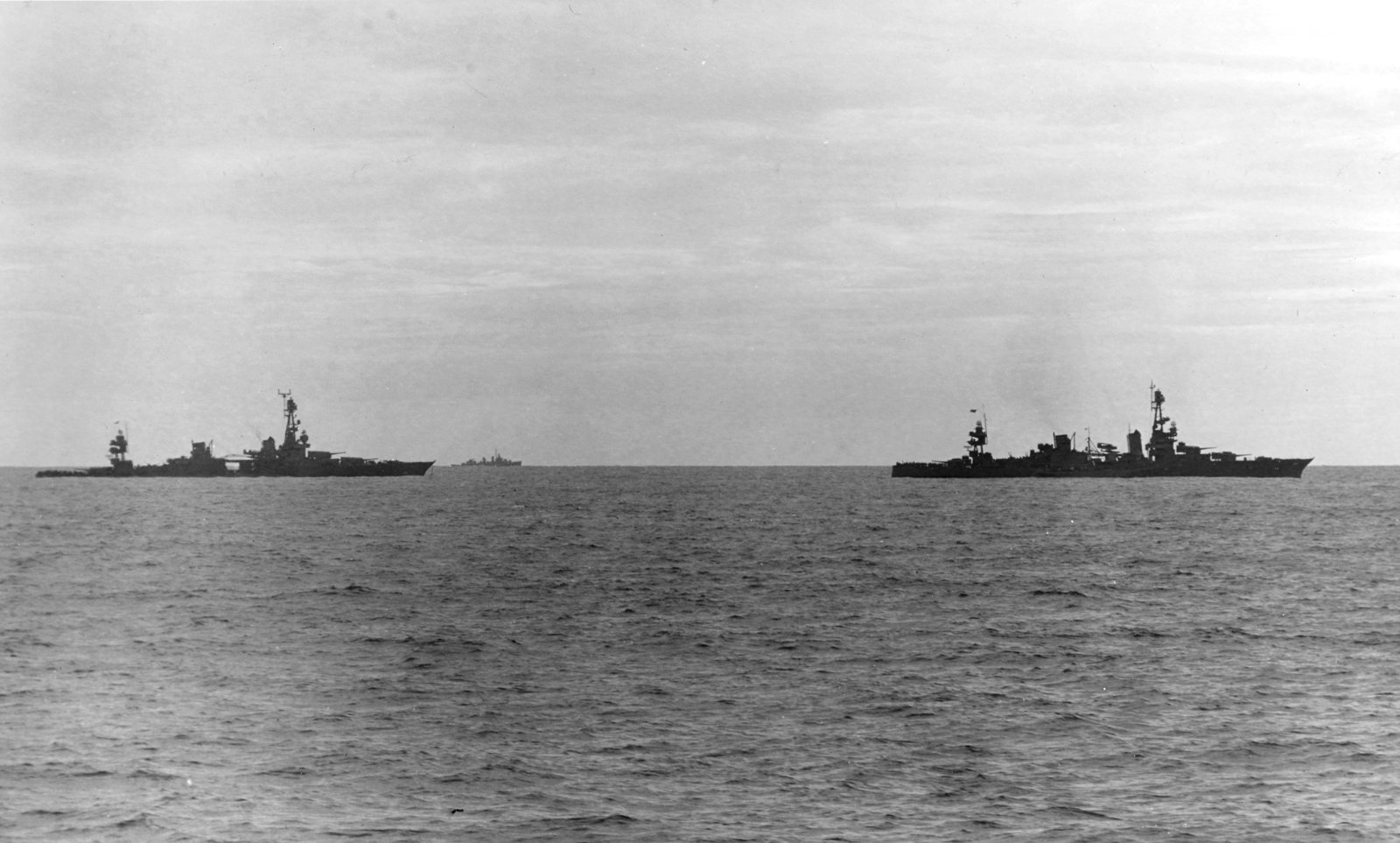
The Battle of Rennell Island was fought on 29 and 30 January 1943 in the sea between Rennell Island and Guadalcanal, in the southern Solomons. It was the last major fight between the American and Japanese navies in the Guadalcanal campaign. No ships fired at each other. Japanese land-based torpedo bombers attacked an American cruiser force over two days, sank the heavy cruiser Chicago, and badly damaged the destroyer La Vallette.
Operation Ke
After the Naval Battle of Guadalcanal in November 1942 the Japanese could supply their troops on Guadalcanal only by night, by destroyer or submarine, and it was not enough. By early December they were losing about 50 men a day to hunger, disease and Allied attack. On 31 December Imperial General Headquarters, with the Emperor's approval, decided to give the island up. The evacuation was called Operation Ke. Part of the plan was an air campaign from 28 January to keep Allied ships and aircraft away during the final stage, when the troops would be taken off.
The Allies read the preparations the other way, as the start of a new Japanese offensive. Admiral William Halsey, the South Pacific commander, also had to bring fresh Army troops to Guadalcanal to relieve the 2nd Marine Regiment. He hoped to do both at once: deliver the troops and draw the Japanese fleet into a fight. On 29 January he sent five task forces toward the southern Solomons, with two fleet carriers, two escort carriers, three battleships, 12 cruisers and 25 destroyers, to cover a convoy of four transports and four destroyers, Task Group 62.8.
Task Force 18
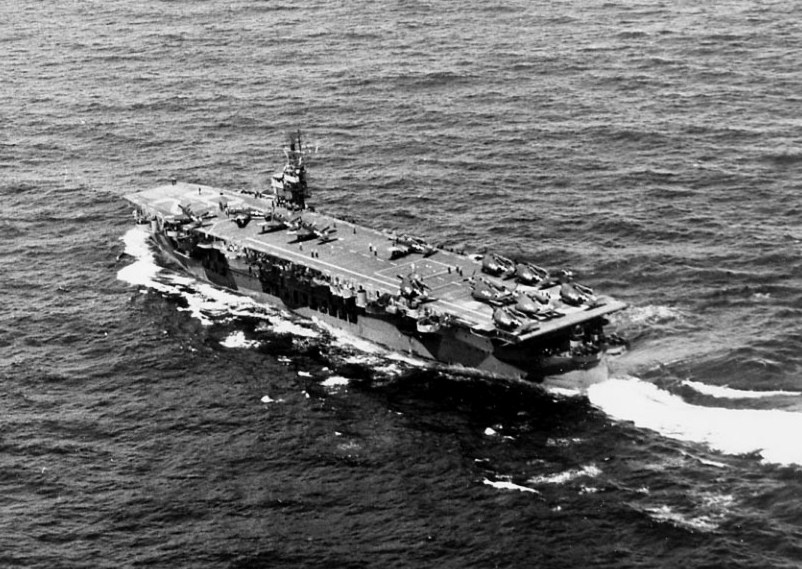
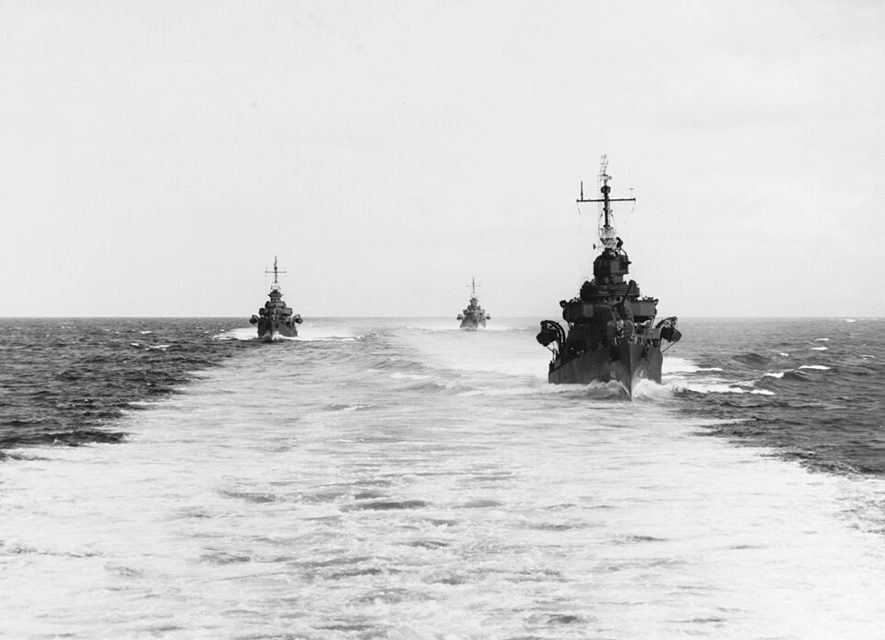
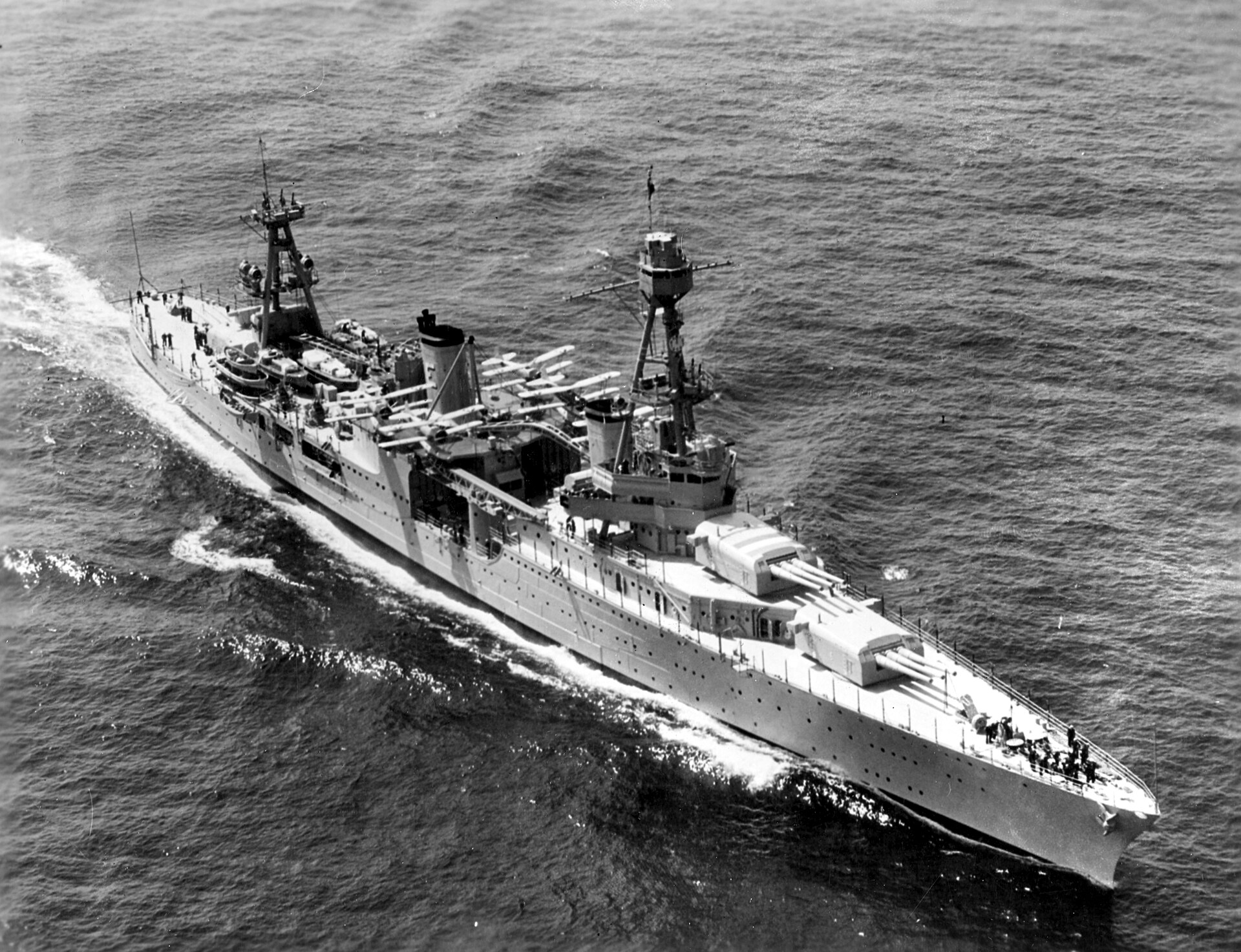
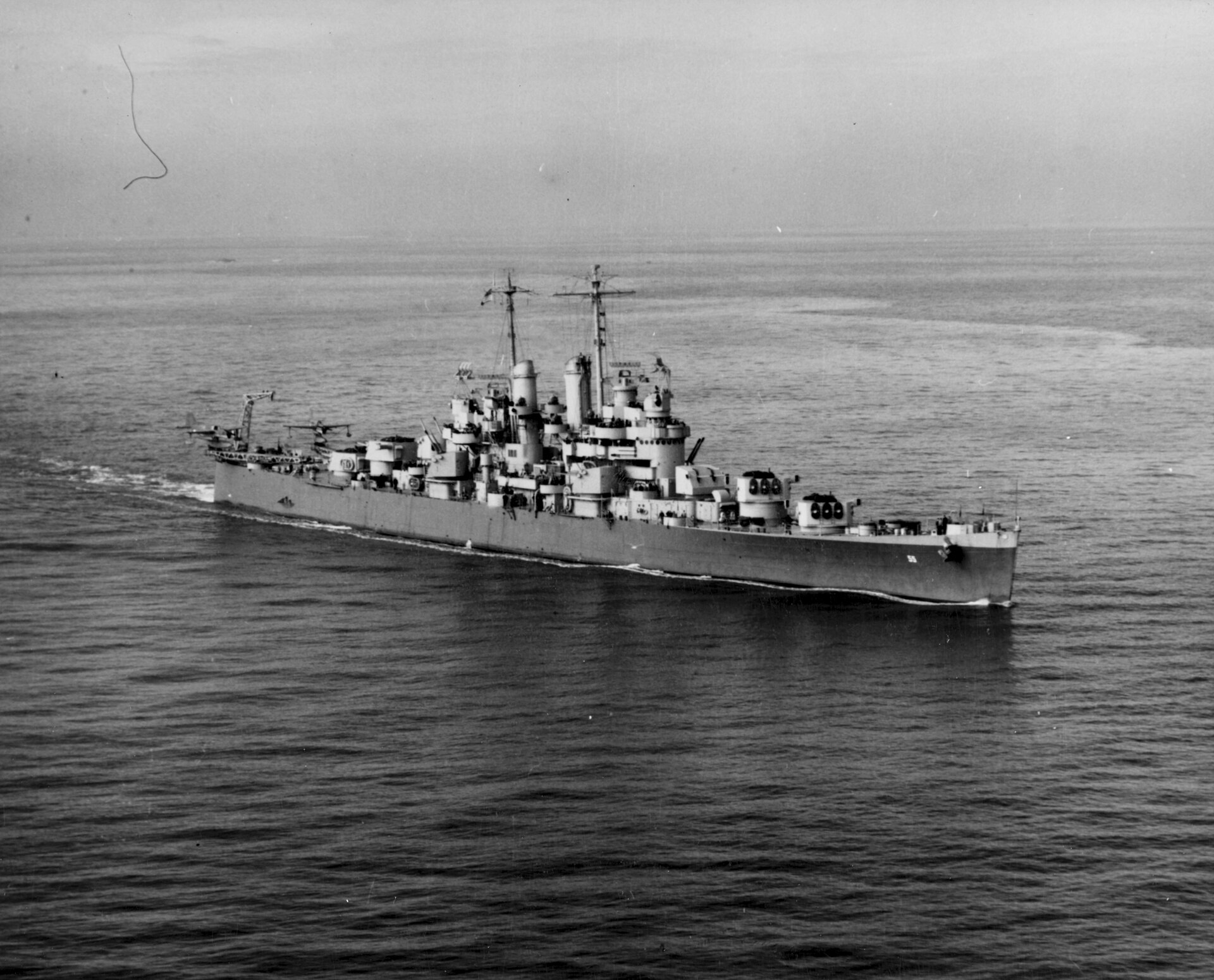
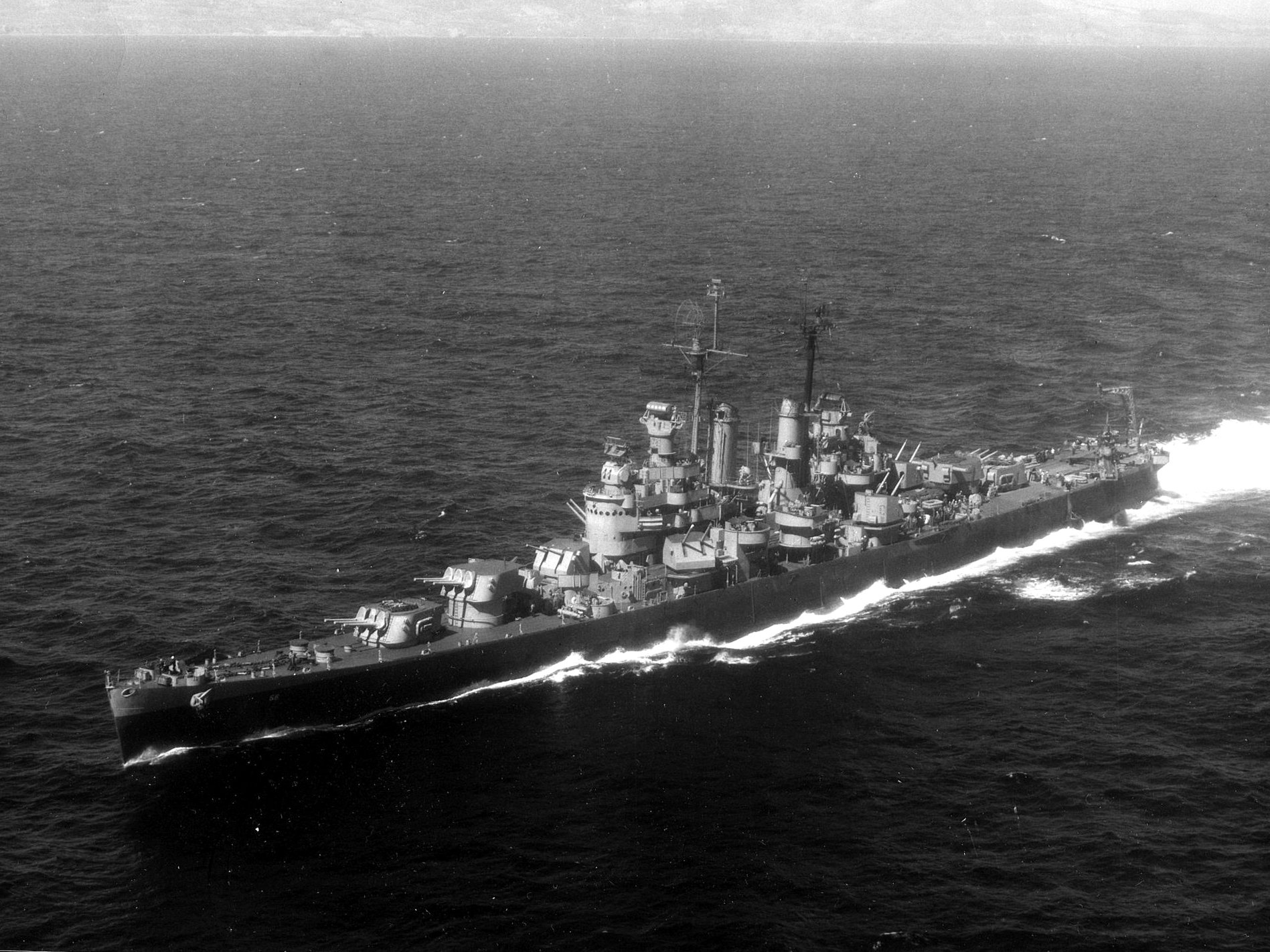
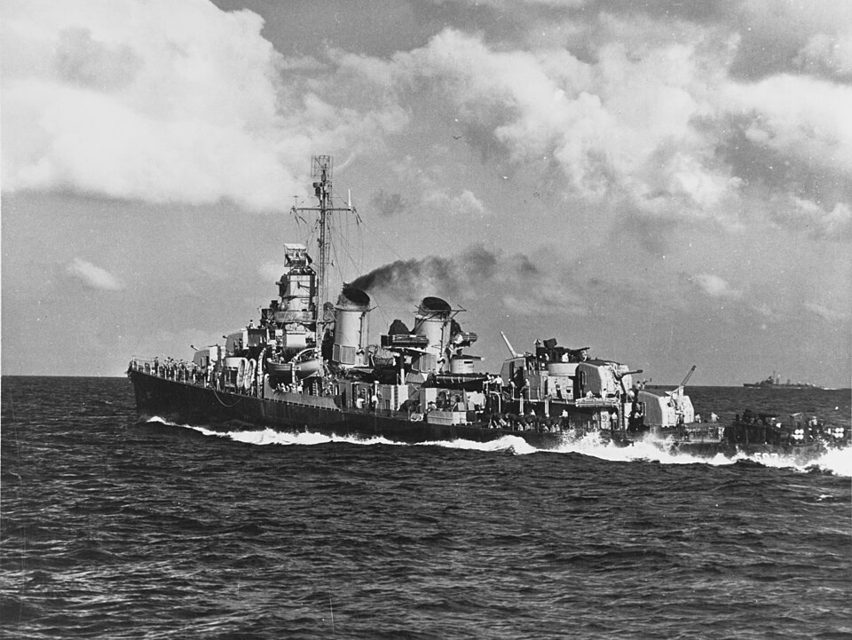
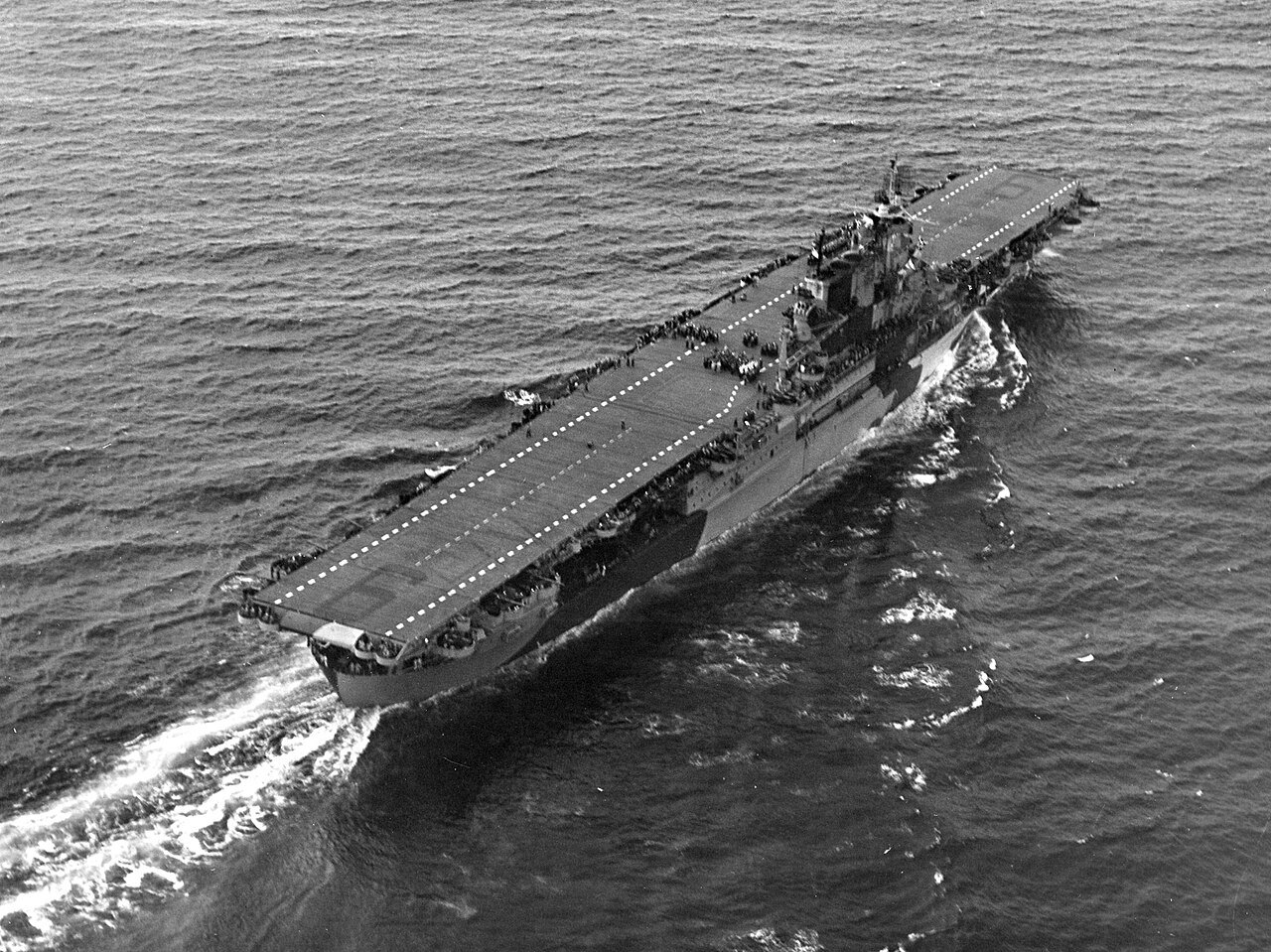
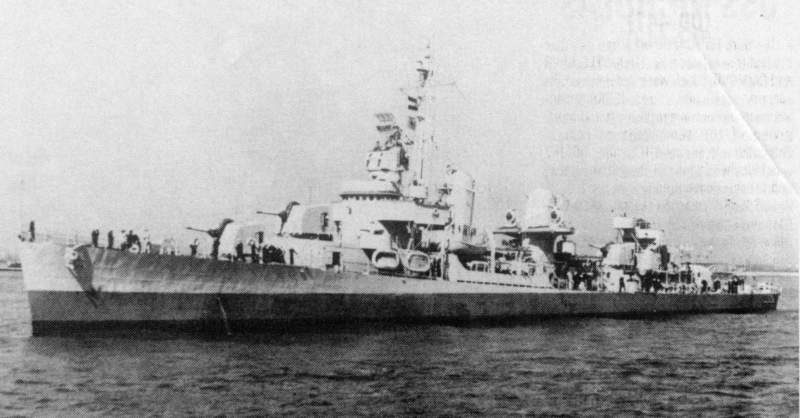
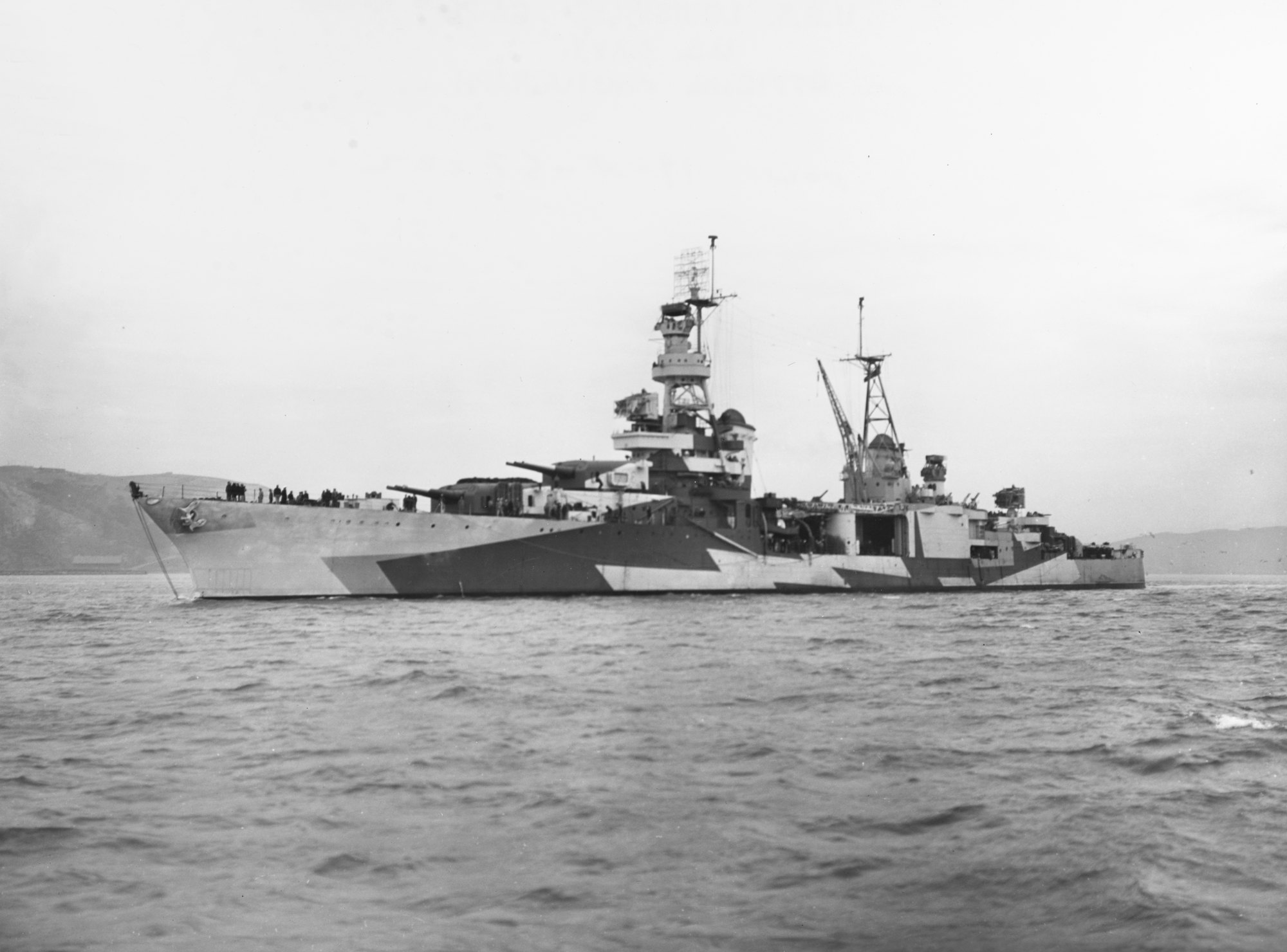
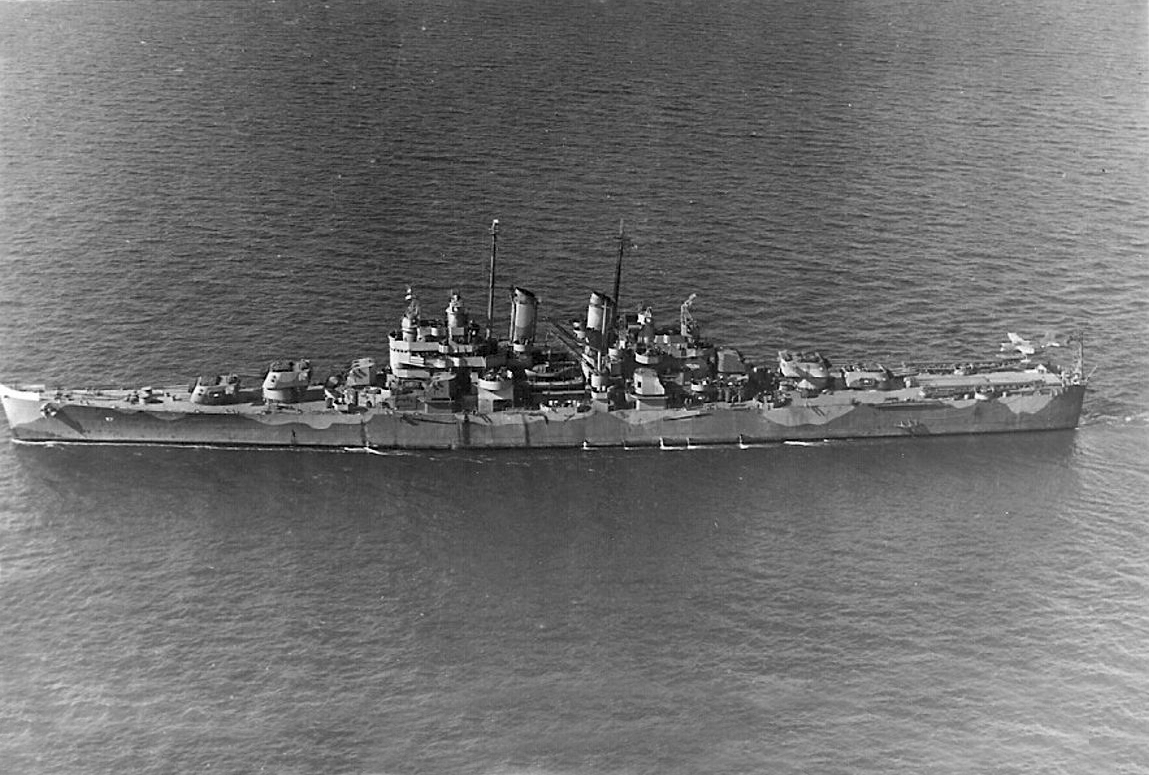
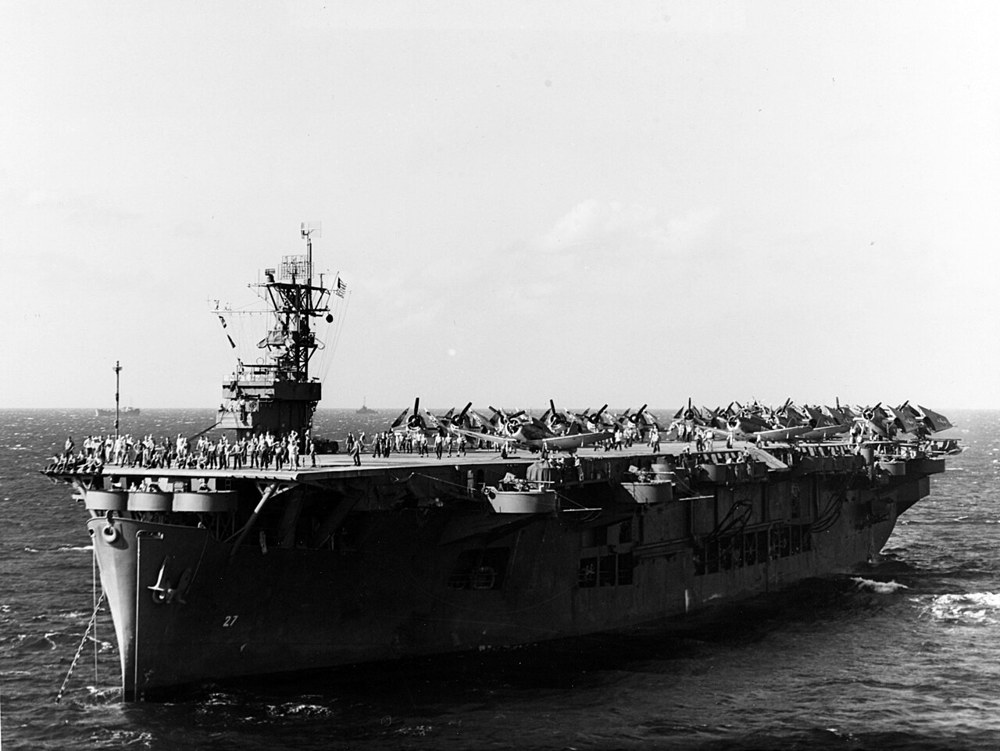
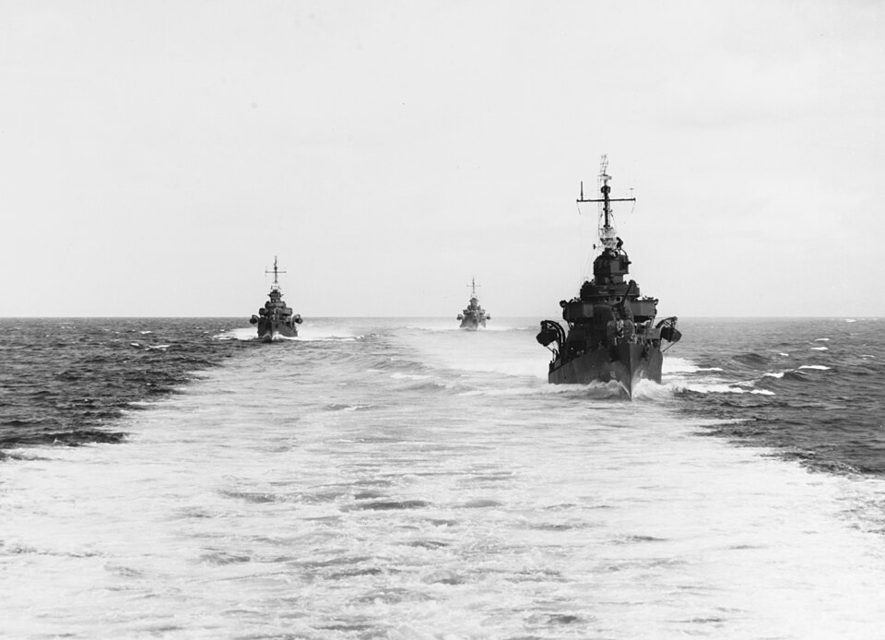
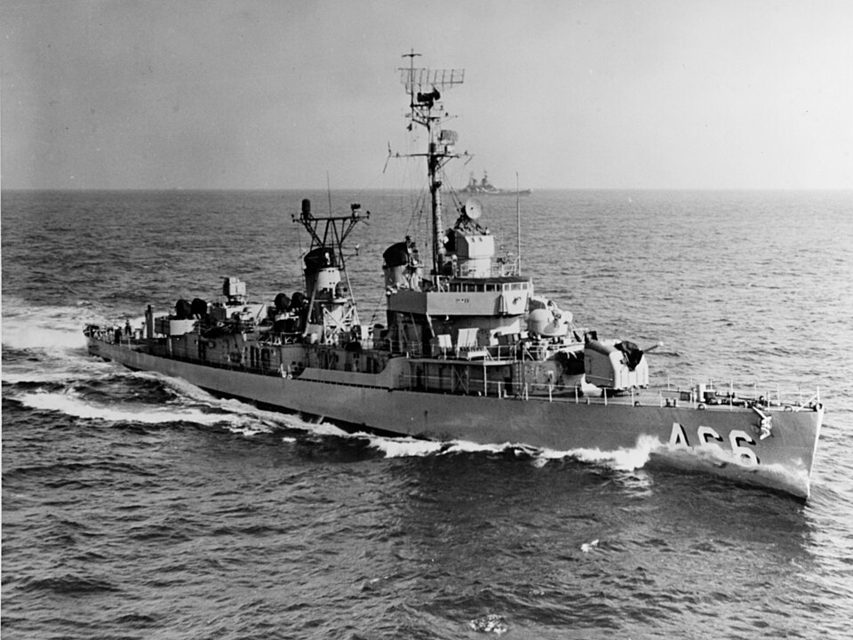
Ahead of the convoy was Rear Admiral Robert C. Giffen's Task Force 18. Giffen flew his flag in the heavy cruiser Wichita, with the heavy cruisers Chicago and Louisville, the light cruisers Montpelier, Cleveland and Columbia, the escort carriers Chenango and Suwannee under Commodore Ben Wyatt, and eight destroyers. Destroyers named in the sources read for this page as part of the force are Waller, Conway, Chevalier, Taylor, La Vallette, Edwards and Meade. Giffen, Wichita and the two escort carriers had only just come from the North African landings, and Chicago had just come back from repairs to the damage she took at Savo Island. The Enterprise carrier group was about 250 miles behind.
Giffen was also to meet four destroyers from Tulagi at 9 p.m. on the 29th for a sweep up the Slot the next day. The escort carriers could make only 18 knots, too slow for the meeting, so at 2 p.m. he left them behind with two destroyers and went on at 24 knots. Meade's DANFS history says she screened the escort carriers. Expecting submarines rather than aircraft, Giffen put his cruisers in two columns 2,500 yards apart, Wichita, Chicago and Louisville to starboard and Montpelier, Cleveland and Columbia to port, with six destroyers in a semicircle two miles ahead.
The night attack, 29 January
Japanese submarines, or by one Japanese account a search plane, reported the force. In mid-afternoon 16 G4M bombers of the 705 Air Group under Lieutenant Tomoo Nakamura and 16 G3M bombers of the 701 Air Group under Lieutenant Commander Joji Hagai took off from Rabaul with torpedoes. One G3M turned back. Wichita's radar had seen unknown aircraft circling 40 to 50 miles off through the afternoon. At sunset the escort carriers' fighters went home for the night, and Giffen, who had ordered strict radio silence, gave no orders about the contacts.
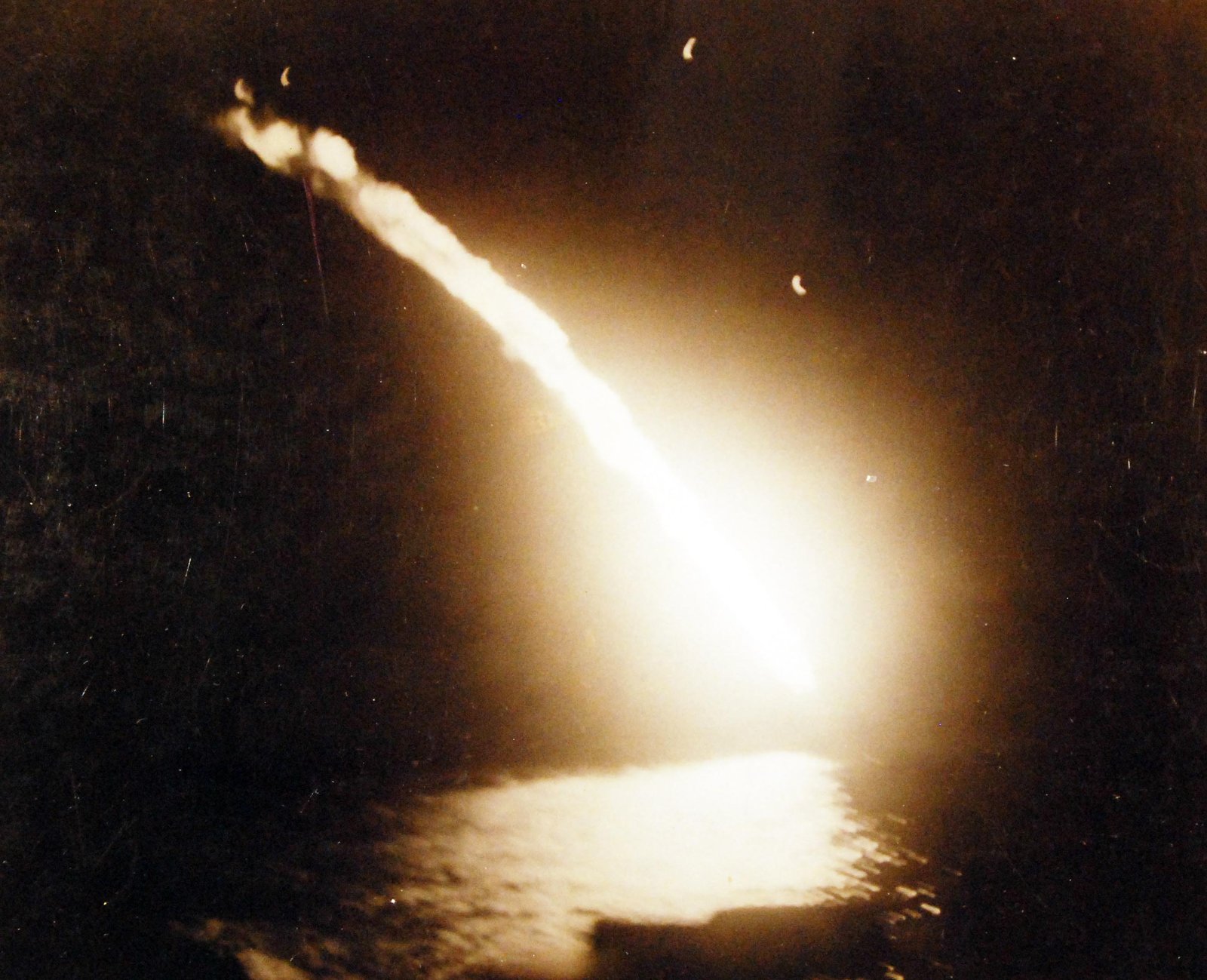
The bombers swung around to the south and came in from the east, out of the dark, while the American ships stood against the last light in the west. The 705 Air Group attacked first, at about 7:19 p.m. by Wikipedia's clock. All its torpedoes missed and one plane was shot down. Giffen stopped zigzagging and held his course and speed. A Japanese plane dropped flares and floatlights to mark the force for the second wave.
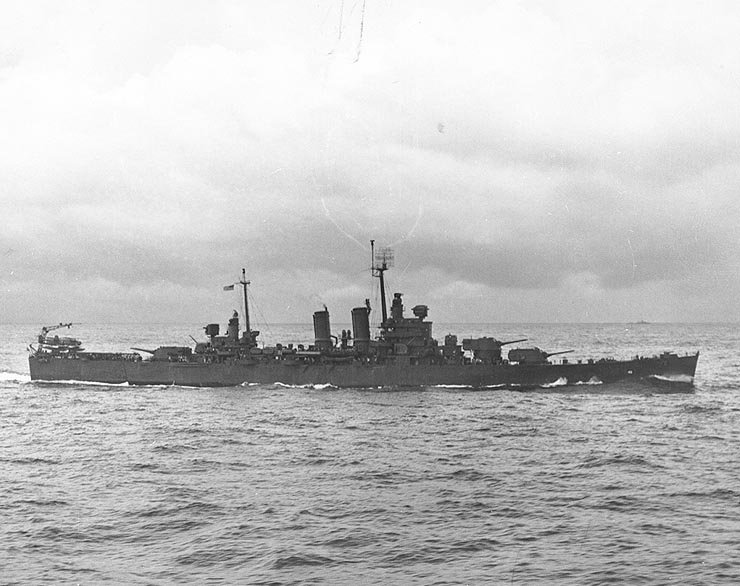
The 701 Air Group came in at about 7:38 p.m. Two torpedoes hit Chicago. Waller's history says the first holed her starboard side forward and stopped three of her four shafts, and the second flooded the No. 3 fireroom and the forward engine room. She went dead in the water. DANFS says two burning Japanese planes lit her up for the attackers. A torpedo struck Wichita and did not explode. Two bombers were shot down, Hagai's among them, and he was killed. Giffen then turned the force around, slowed to 15 knots and stopped the anti-aircraft fire, so that the gun flashes no longer showed where the ships were. In the dark Louisville took Chicago in tow and headed south at about four knots.
The afternoon attack, 30 January
Halsey ordered the escort carriers to have fighters overhead at first light, brought the Enterprise group up to add its fighters, and sent the fleet tug Navajo, which took over the tow from Louisville in the morning. Japanese scout planes were chased off all day, but they reported where Chicago was. Eleven G4Ms of the 751 Air Group under Lieutenant Commander Kazuo Nishioka, from Kavieng by way of Buka, set out for her. An Australian coastwatcher warned of them. Halsey ordered the rest of the cruisers to leave Chicago and head for Efate, and they left at 3 p.m., leaving six destroyers with Chicago and Navajo.
Enterprise had ten fighters over Chicago and launched ten more when her radar picked up the bombers. The escort carriers' planes were slow to launch and did not reach the bombers until it was over. The bombers seemed at first to head for Enterprise, then turned for Chicago. Fighters shot two down before they could drop and six more just after they had dropped. One torpedo hit La Vallette in her forward engine room and killed 22 of her crew. Chicago was hit by four torpedoes, one forward of the bridge and three in her engineering spaces. Captain Ralph O. Davis ordered her abandoned, and she sank stern first about 20 minutes later. Navajo and the destroyers, among them Waller, Edwards and Conway, and the fast transport Sands, rescued 1,049 of her men. Sixty-two died. A last Japanese strike did not find the ships. Navajo towed La Vallette to Espiritu Santo, where she arrived on 3 February.
Losses
The United States lost the heavy cruiser Chicago, and La Vallette was badly damaged. Frank counts 85 American dead: 62 in Chicago, 22 in La Vallette and one in Montpelier. The Japanese lost 12 bombers by Frank's count. Their aircrew losses are not known exactly. The figure of 60 to 84 sometimes given is an estimate made by multiplying 12 planes by a crew of five to seven.
What it meant
With Task Force 18 gone, few Allied warships were left near Guadalcanal. The transports had landed the relief troops, the carrier forces waited in the Coral Sea for an offensive that never came, and on the nights of 1, 4 and 7 February Japanese destroyers took about 11,000 starving troops off the island. On 1 February Japanese aircraft also sank the destroyer De Haven and damaged Nicholas. The Allies did not know the Japanese had gone until it was over. Guadalcanal and Henderson Field were left in Allied hands.
Japan claimed a great victory, a battleship and three cruisers by one account and two battleships and three cruisers by another. The U.S. Navy kept the loss of Chicago quiet for some time, and Admiral Chester Nimitz is reported to have threatened to shoot any of his staff who leaked it. Halsey and Nimitz blamed Giffen in his performance report, but he kept his commands and was later promoted to vice admiral.
Where the accounts differ
The times do not agree. Wikipedia gives 7:19 and 7:38 p.m. for the two attacks on the 29th. Waller's DANFS history has the second flight at 7:31 and the first hit on Chicago at 7:45. Wichita's history uses Greenwich time and puts radar contact at 0843 Z.
The sources count the afternoon attackers differently. Wikipedia says eleven G4Ms, La Vallette's Wikipedia article says eleven, the Chicago article says 20, and Waller's DANFS says 12, three shot down by fighters before the attack and nine pressing it home. They also differ on the torpedoes that sank Chicago: four in Wikipedia and in her own DANFS entry, two in Waller's DANFS. Waller's entry gives the sinking as 1644. It also says Chicago was under way early on the "24th", which is plainly a misprint.
The Japanese claims are reported differently too: one battleship and three cruisers in the battle article, two battleships and three cruisers in the Chicago article. Which destroyers made up the eight is not set out in one list in any source read for this page.