Ships
- IJN Nagato Flag, not her captain, from 30 August 1939
- IJN Yamato Flag, not her captain, 4 June 1942
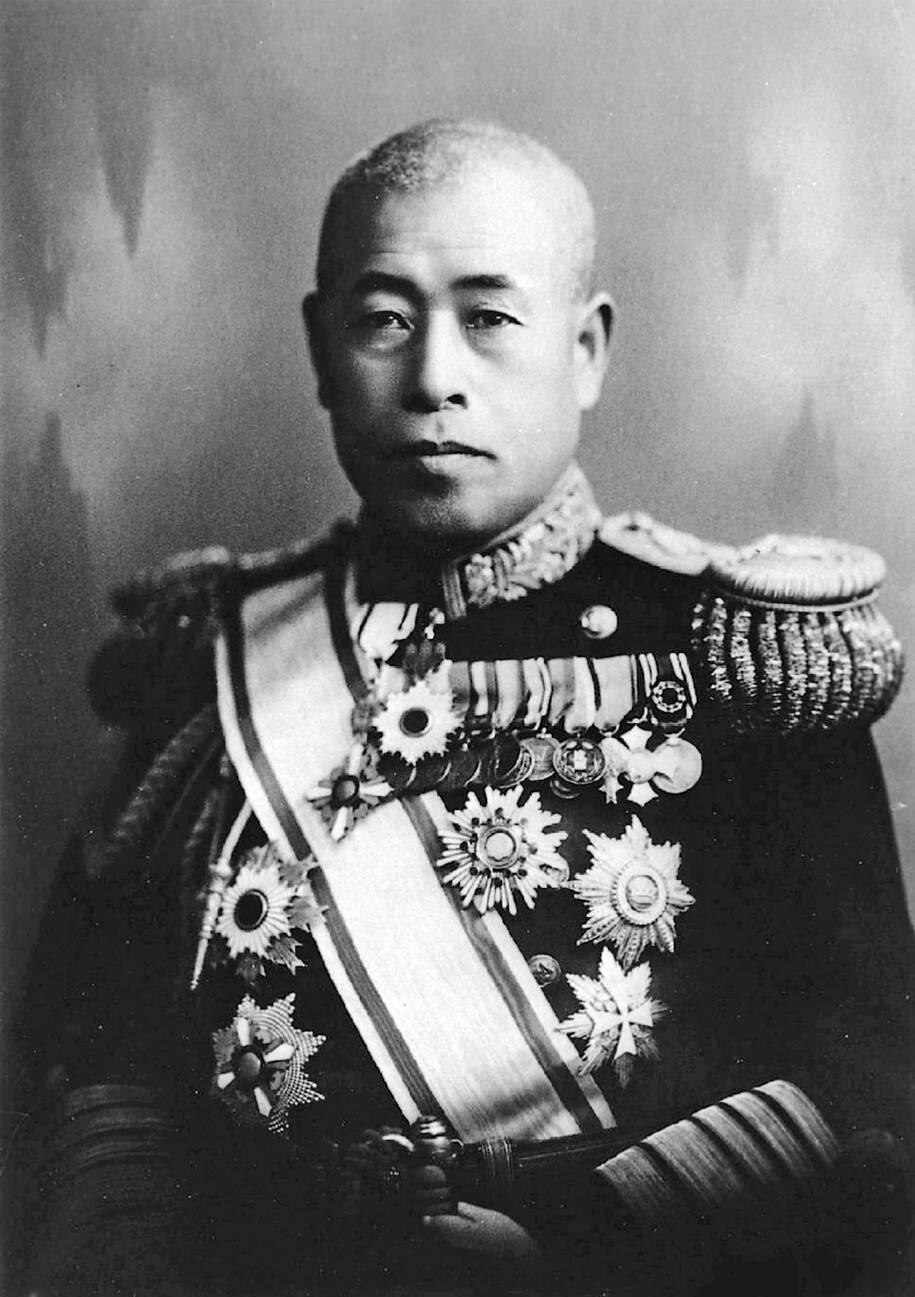
Isoroku Yamamoto commanded the Combined Fleet of the Imperial Japanese Navy from 30 August 1939 until 18 April 1943. He was born on 4 April 1884 in Nagaoka, Niigata, as Takano Isoroku, into a former samurai family. He graduated from the Naval Academy in 1904. In May 1905, as a junior officer in the armored cruiser Nisshin, he fought at Tsushima, where a shell burst wounded him and cost him two fingers of his left hand. In 1916 he finished the Naval Staff College, was adopted into the Yamamoto family, and took that surname.
From 1919 to 1921 he studied English at Harvard. In 1924 he took flight training at Kasumigaura, and from 1926 to 1928 he was naval attaché in Washington, with a close view of American industry. As a captain he commanded the carrier Akagi. In 1934 he commanded the First Carrier Division and pressed the navy to make aircraft a main weapon of the fleet. He served at the London naval conference of 1930, and in 1935 he led Japan's delegation at the London talks that ended the treaties limiting fleet strength.
From late 1936 he was vice minister of the navy. He argued against a war with the United States and against a closer tie to Germany. On 30 August 1939 he took command of the Combined Fleet and hoisted his flag in the battleship Nagato. He was not her captain. The flagship lay for long periods at Hashirajima, in Hiroshima Bay, and the fleet staff worked from her. The navy promoted him to admiral on 15 November 1940. Shinzo Onishi was captain of Nagato from October 1940 to August 1941. Seiichi Ito, who had served with him in Washington years earlier, was chief of staff of the Combined Fleet during part of 1941.
Yamamoto held that Japan could not win a long war against American production, and he held that if war came the first blow had to be a carrier strike on the Pacific Fleet at Pearl Harbor. He pressed that plan through the Naval General Staff. On 2 December 1941 he sent the execute order from Nagato. The attack on 7 December left battleships disabled in the harbor. The American carriers were at sea, and the base's fuel and repair shops were largely spared. Yamamoto stayed in home waters with his flagship. The striking force that hit Pearl Harbor was a separate body of ships under Vice Admiral Chuichi Nagumo.
On 12 February 1942 the Combined Fleet flag moved from Nagato to the new battleship Yamato. On 4 June 1942, at the Battle of Midway, that flag was in Yamato. He was not her captain. Gihachi Takayanagi commanded the ship. Yamamoto remained with the Main Body, the heavy battleships and their screen, well behind the carrier groups. He was not with the carriers. The carrier battle was fought far ahead of Yamato. She had no part in it, and she came through the operation afloat. Japan lost four carriers there, and the attempt to seize the atoll and destroy the American carriers failed. In the same operation Takeo Kurita led a cruiser group with the invasion force, apart from the Main Body. Matome Ugaki was chief of staff beside Yamamoto in Yamato.
He kept command through the fight for Guadalcanal, which used up ships and trained aircrews Japan could not replace. In December 1942 Chiaki Matsuda became captain of Yamato while she was still the Combined Fleet flagship. In February 1943 the flag transferred to her sister ship Musashi. Yamamoto then shifted his work forward into the South Pacific. On 18 April 1943 he left Rabaul by air on an inspection of forward bases.
United States Army fighters, using an intercepted copy of his schedule, shot his bomber down over Bougainville that day. Yamamoto was killed. Ugaki, flying in a second bomber on the same trip, was wounded and survived. The navy promoted Yamamoto posthumously to admiral of the fleet. Admiral Mineichi Koga afterward became commander-in-chief of the Combined Fleet. The war Yamamoto had doubted, and had opened with the Pearl Harbor strike, continued for more than two years after his death.