IJN · CA
Nachi
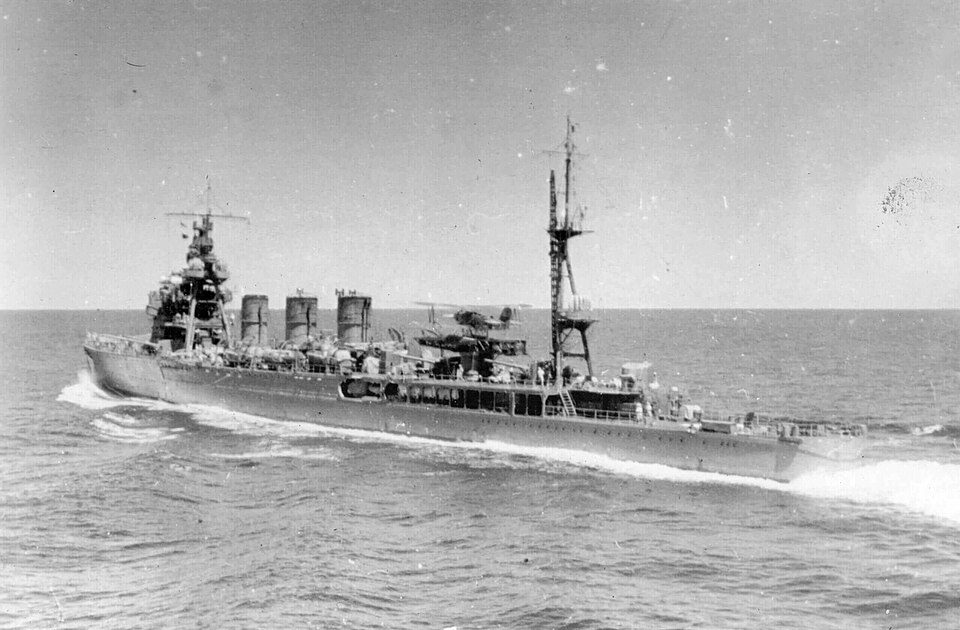
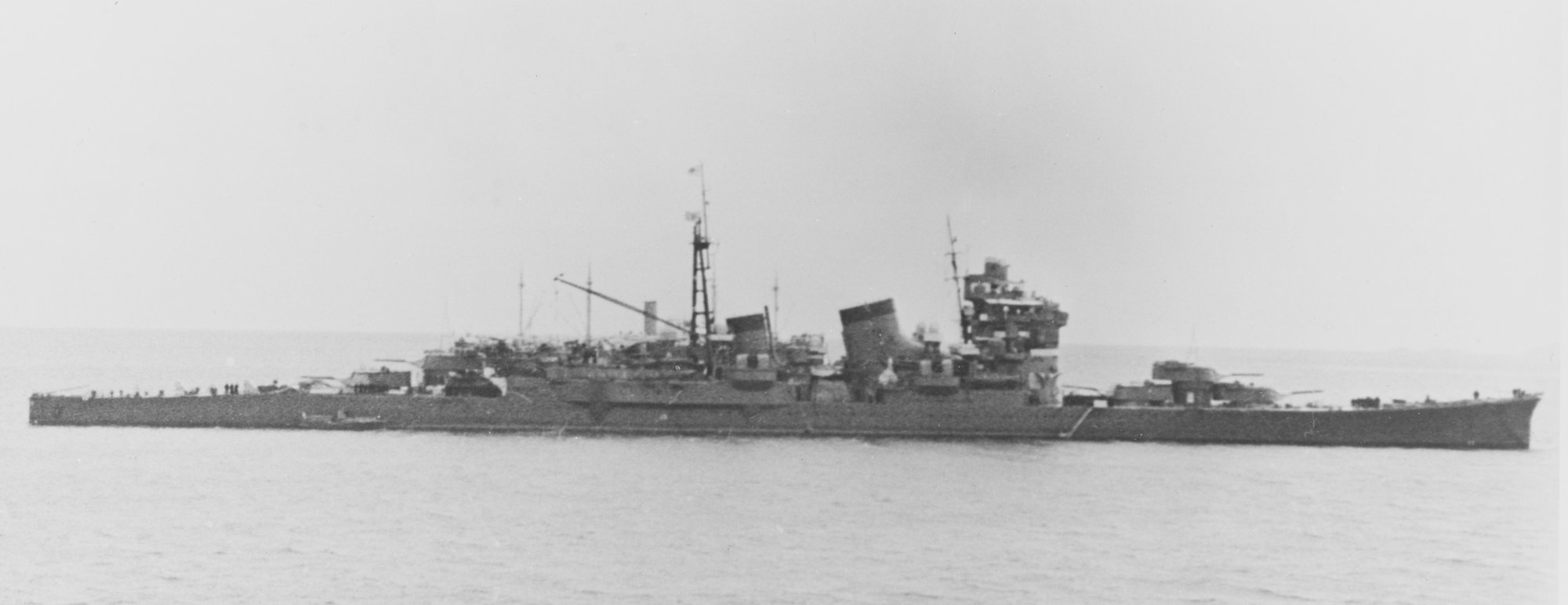
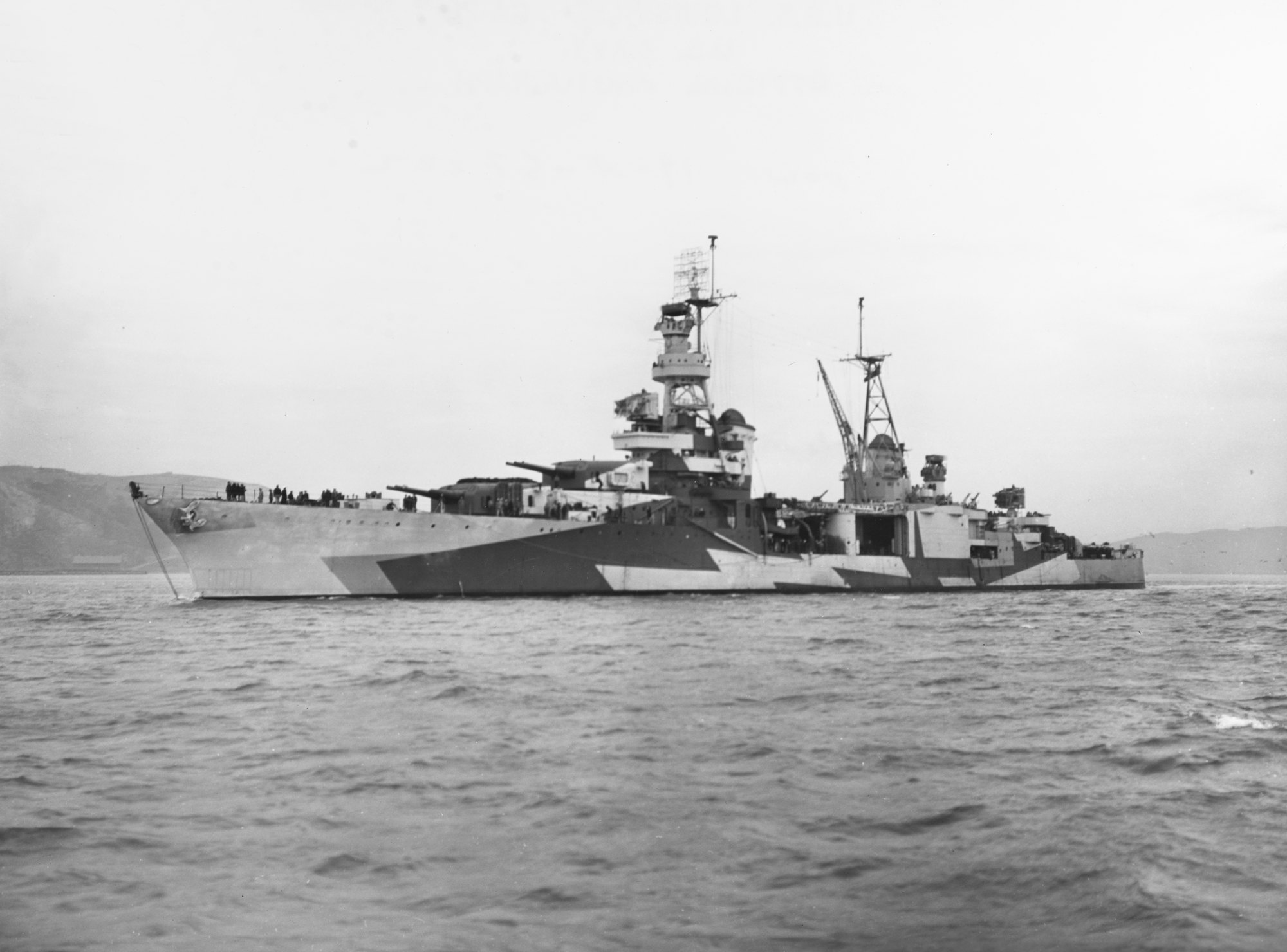
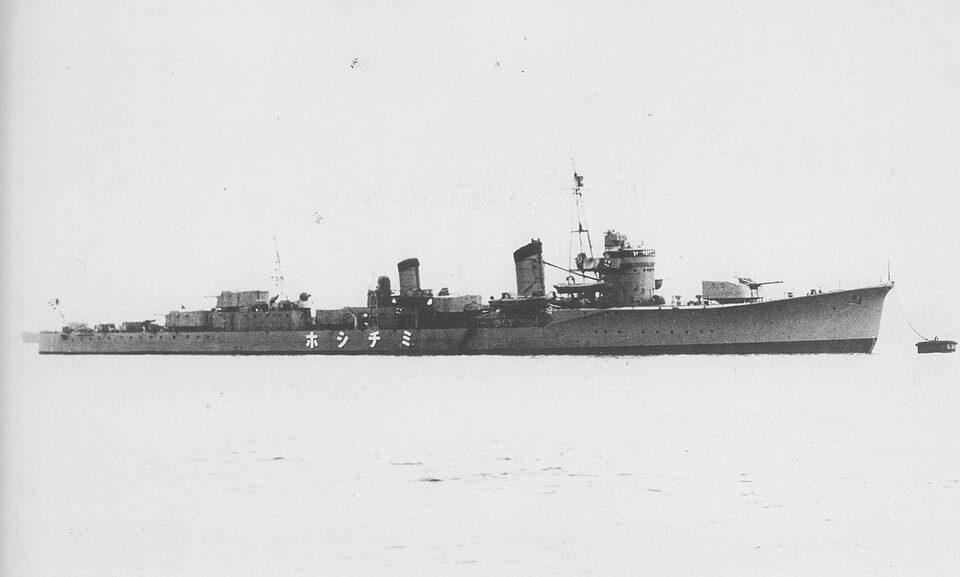
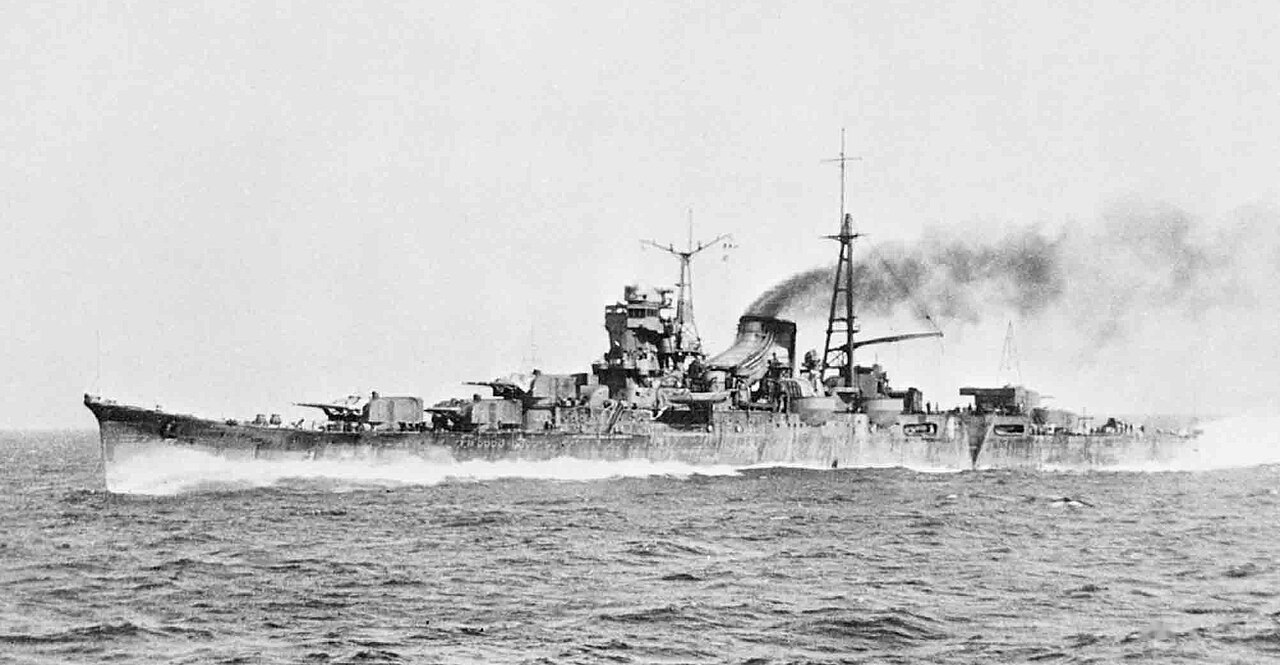
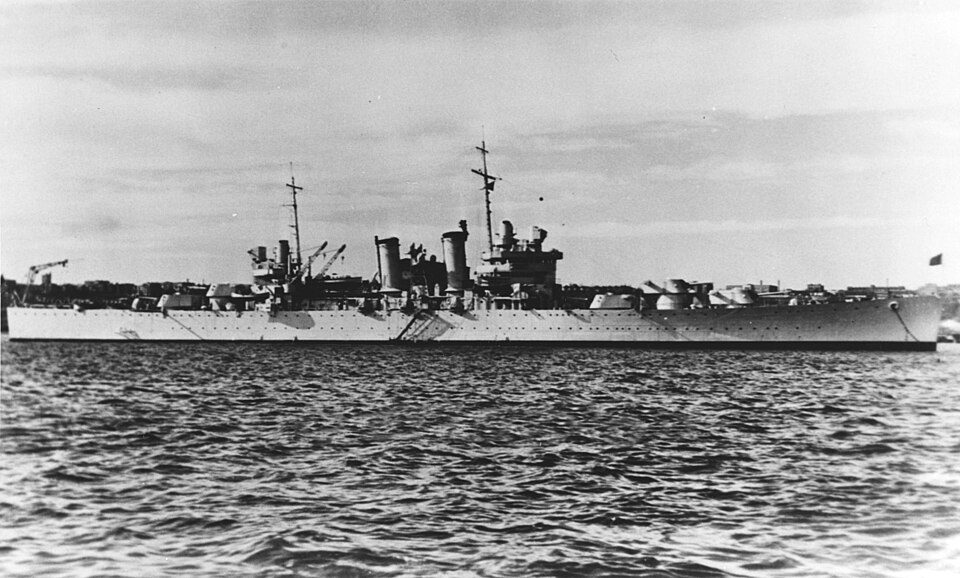
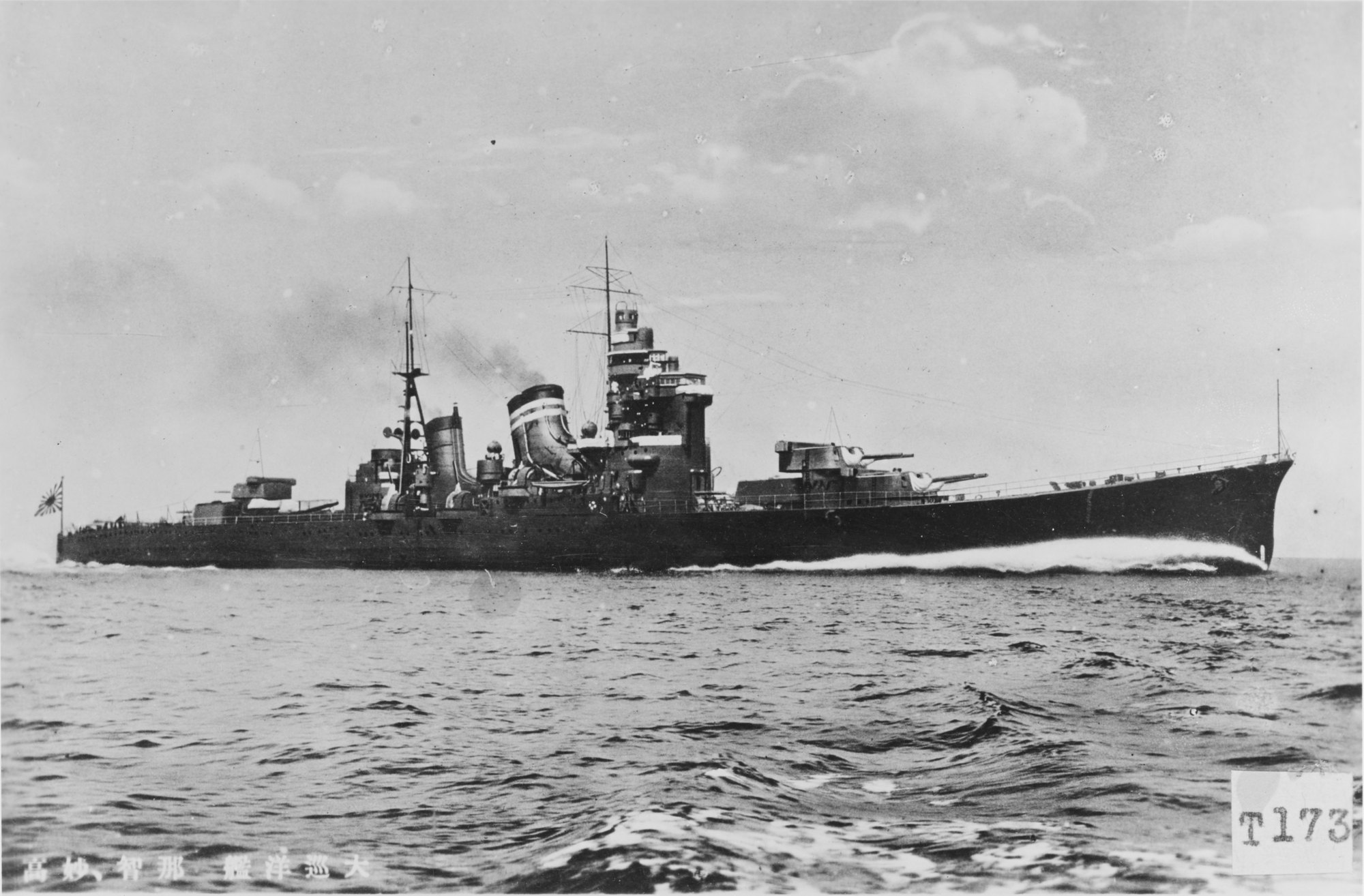
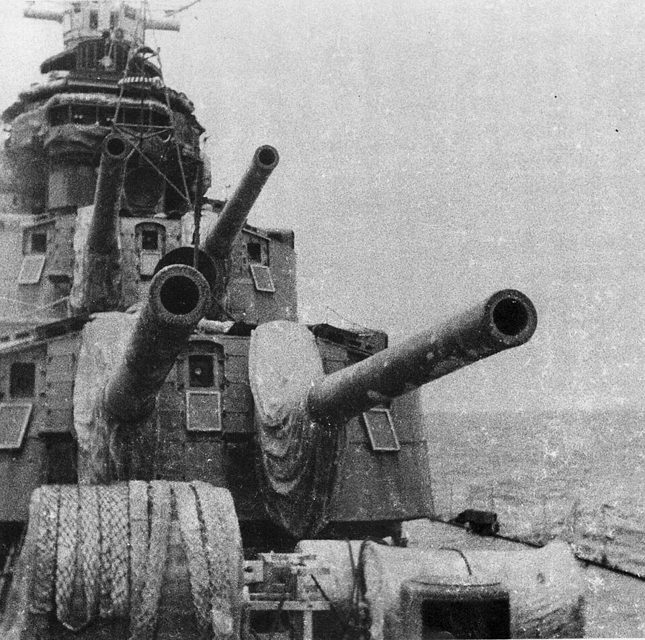
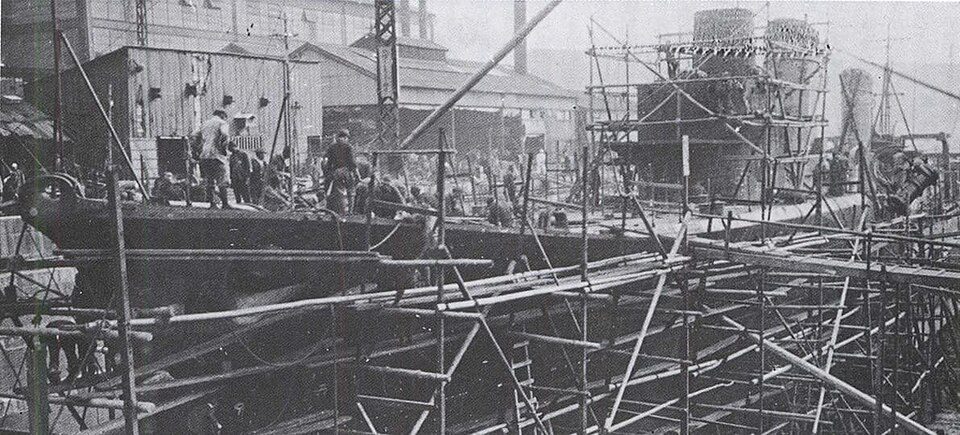
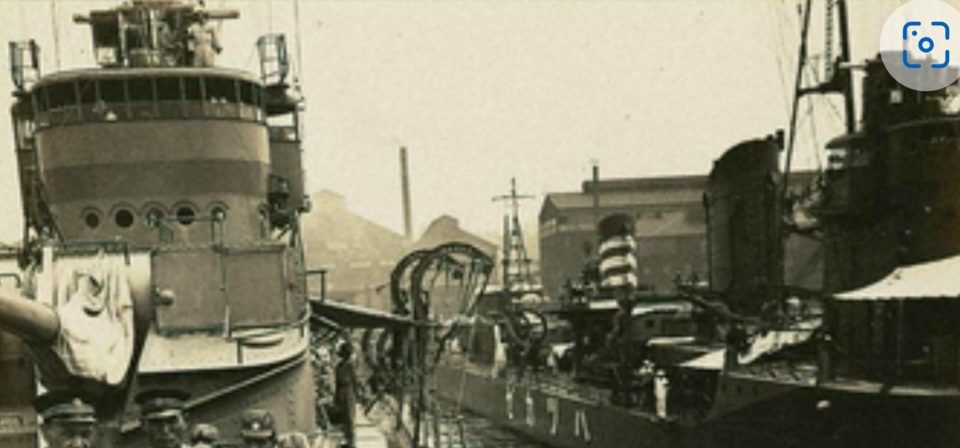
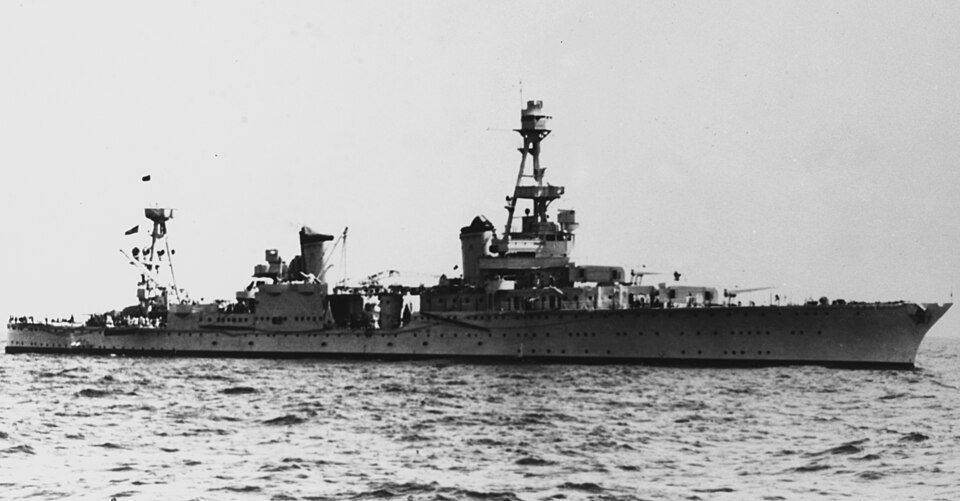
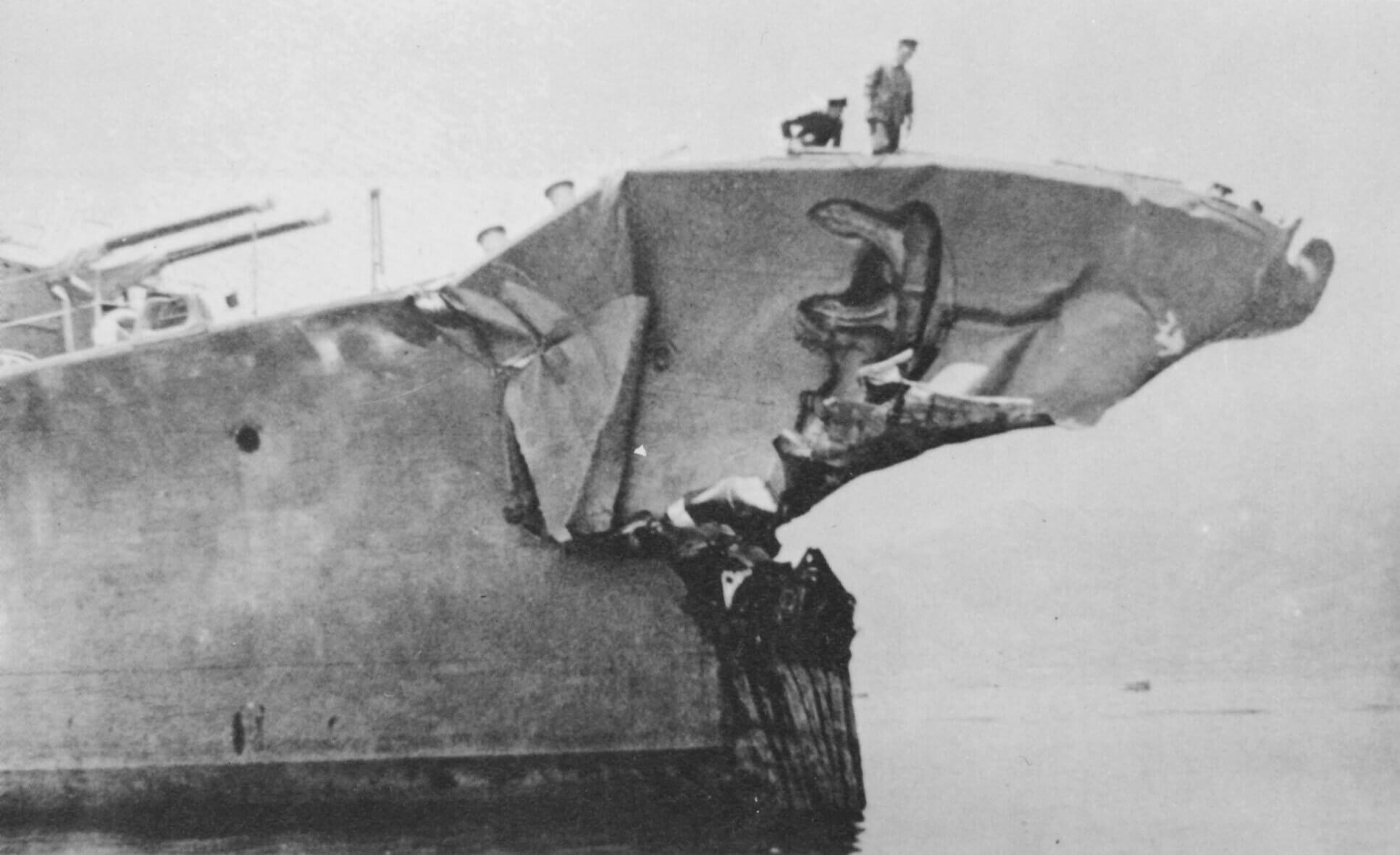
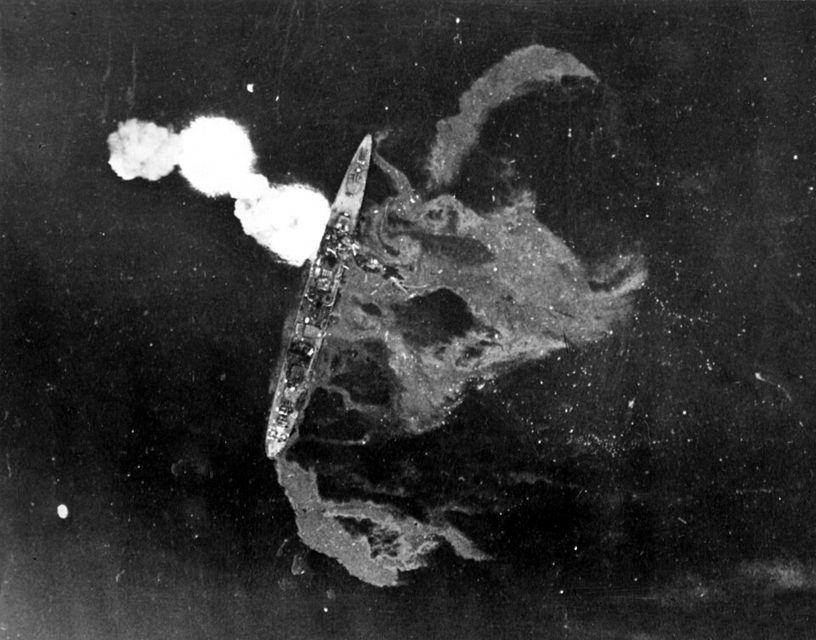
Photos and infoMyoko-class heavy cruiser. Shima's flagship at Surigao Strait. She collided with the burning Mogami and turned back. Carrier aircraft sank her in Manila Bay on 5 November 1944. Not credited to one carrier.
| Class | Myoko class |
|---|---|
| Type | Heavy cruiser (CA) |
| Fate | Sunk. Shima's flagship at Surigao Strait. She collided with Mogami and turned back. Carrier aircraft sank her in Manila Bay on 5 November 1944. Not credited to one carrier. |
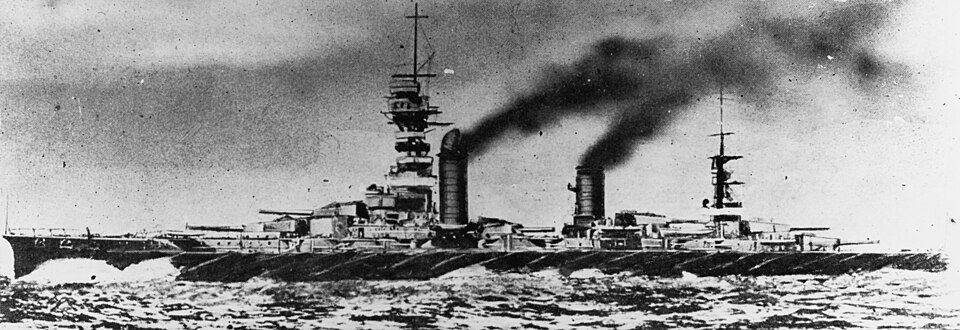
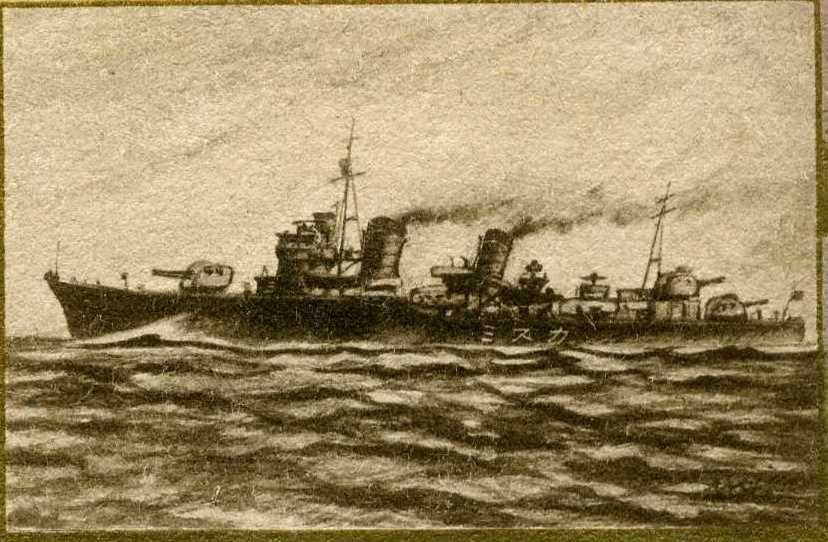
| Armament (class) | Five twin 8-inch turrets and two funnels. |
| Command |
|
Laid down, displacement, length, beam, draft, speed, and complement are not stored for each hull, so this table leaves them out.
The armament line is the class drawing, not a measurement of this hull.
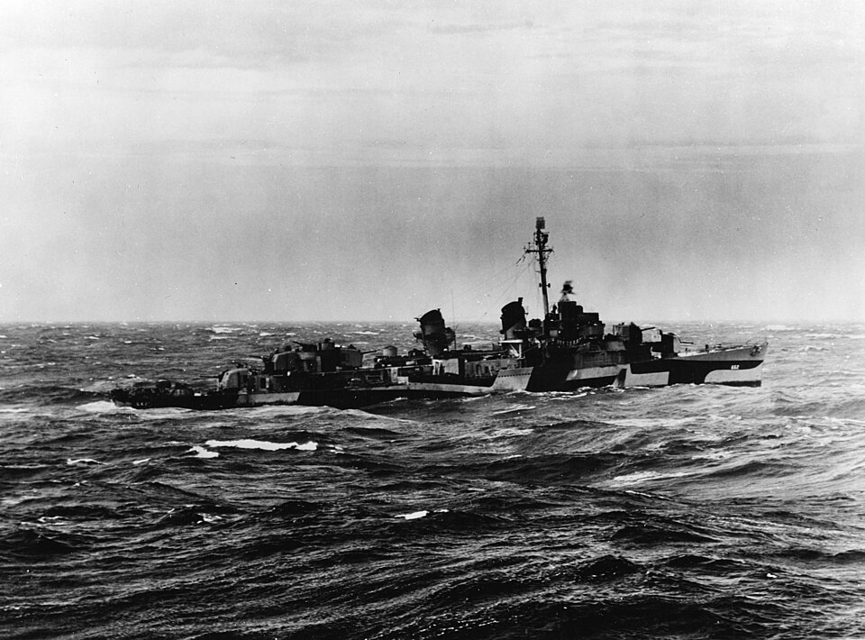
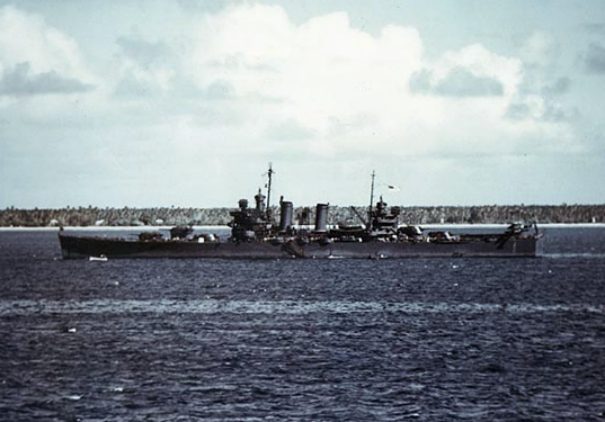
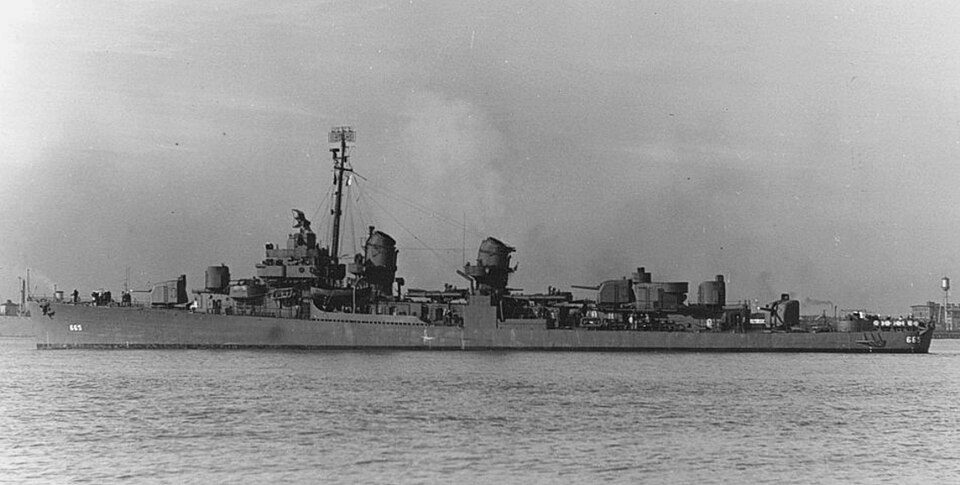
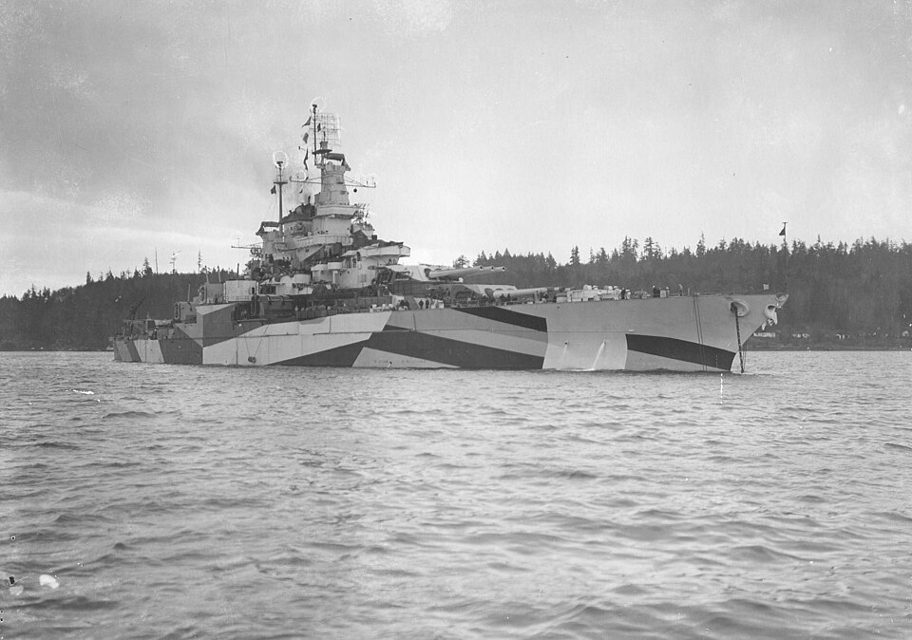
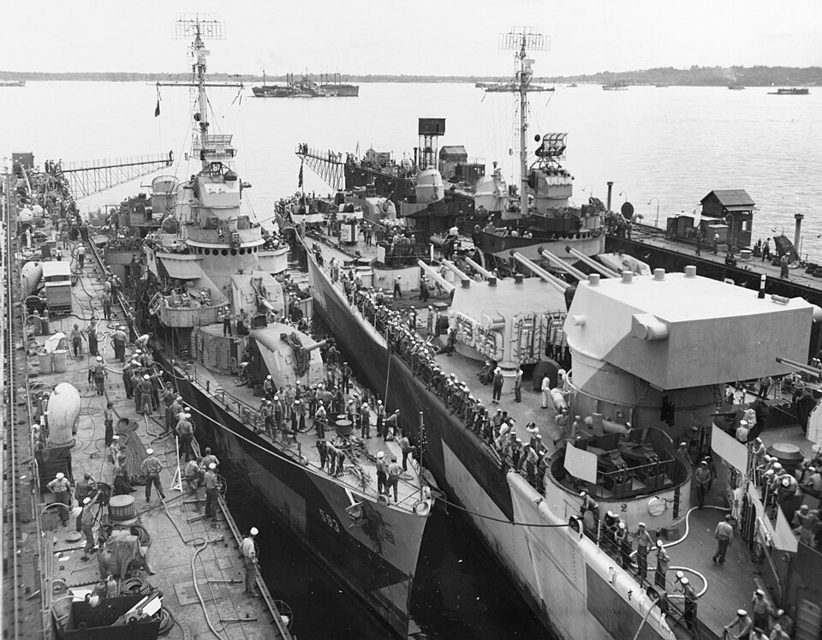
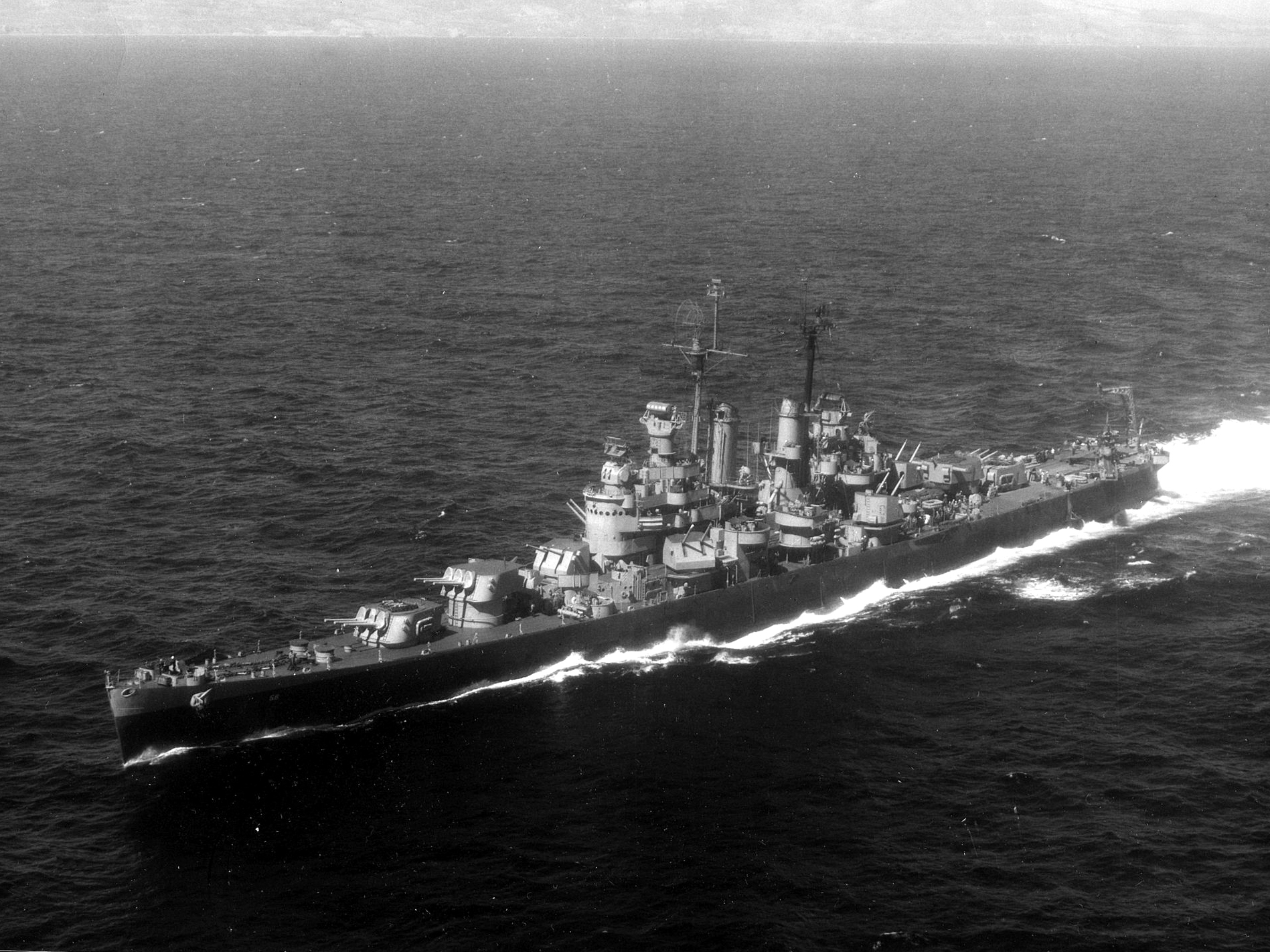
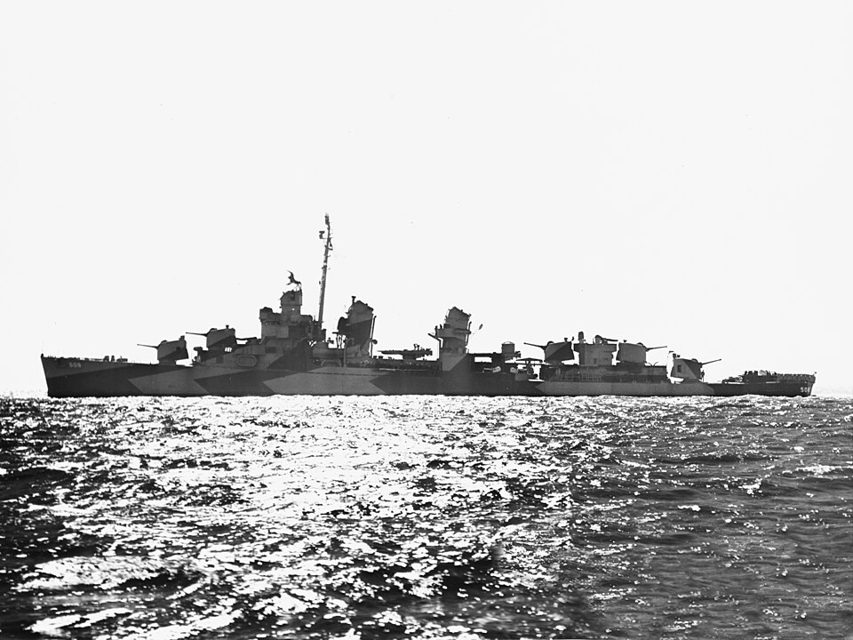
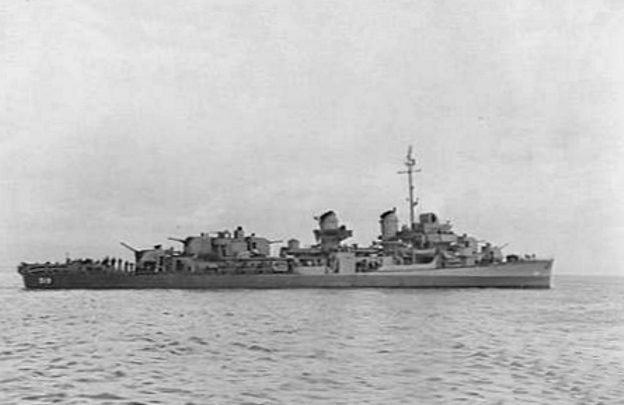
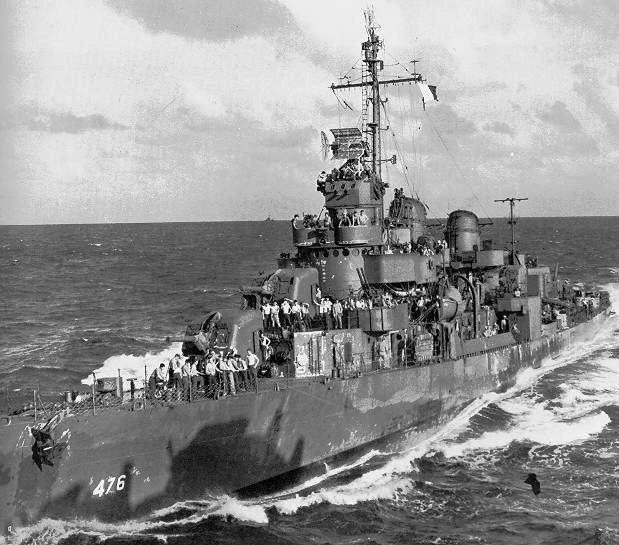
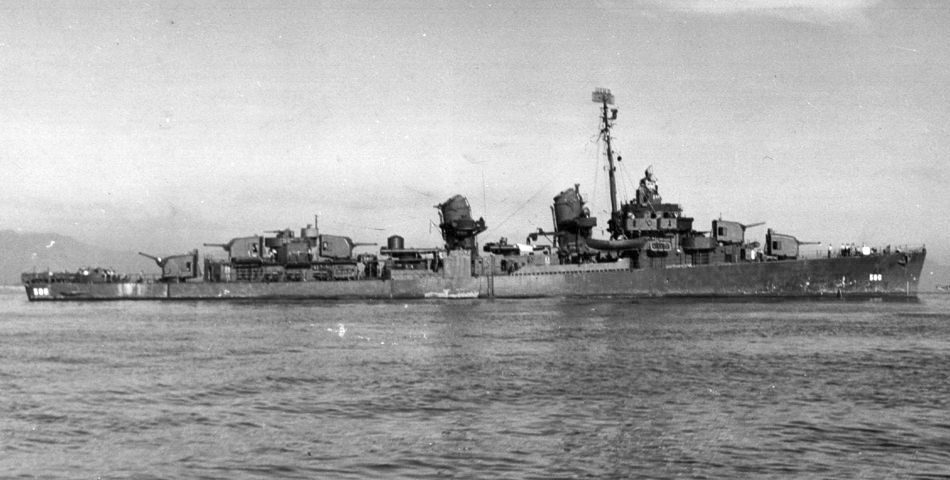
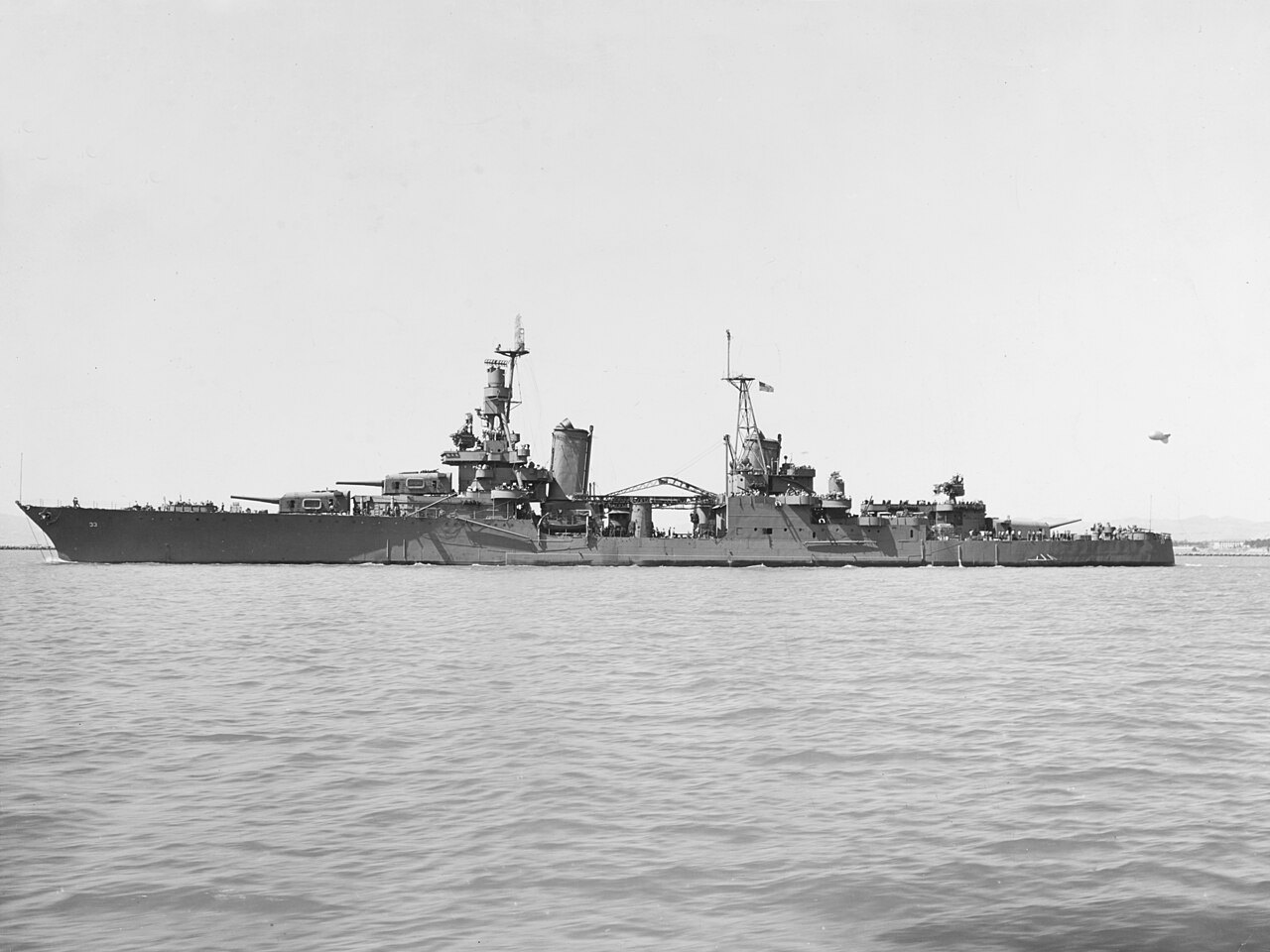
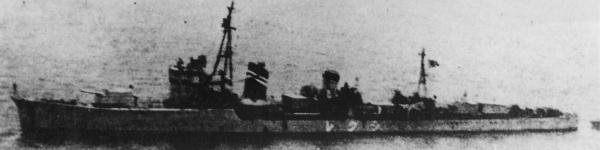
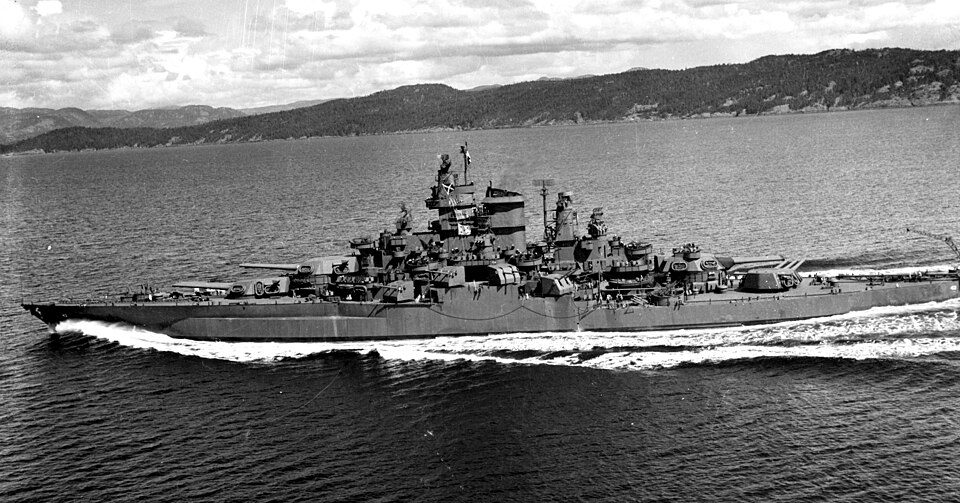
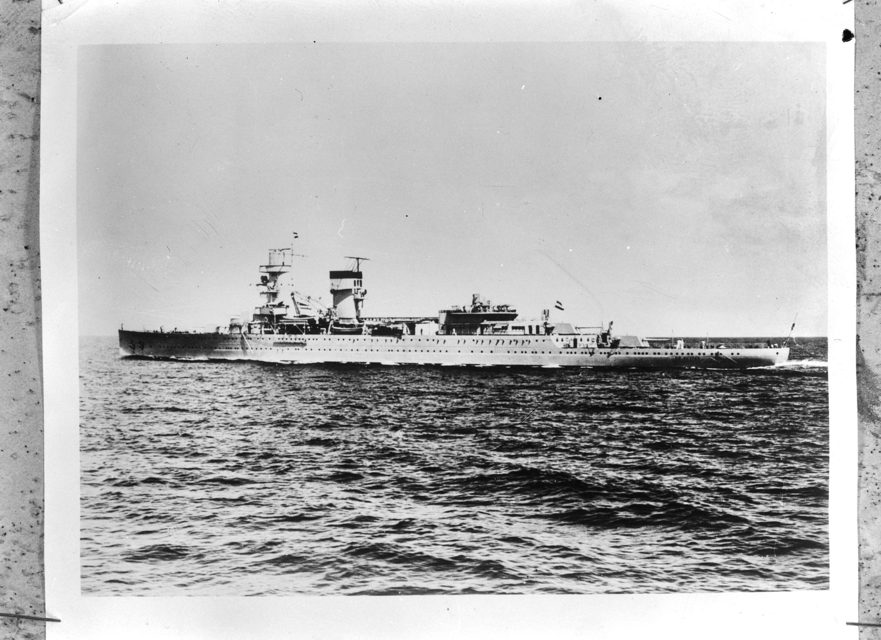
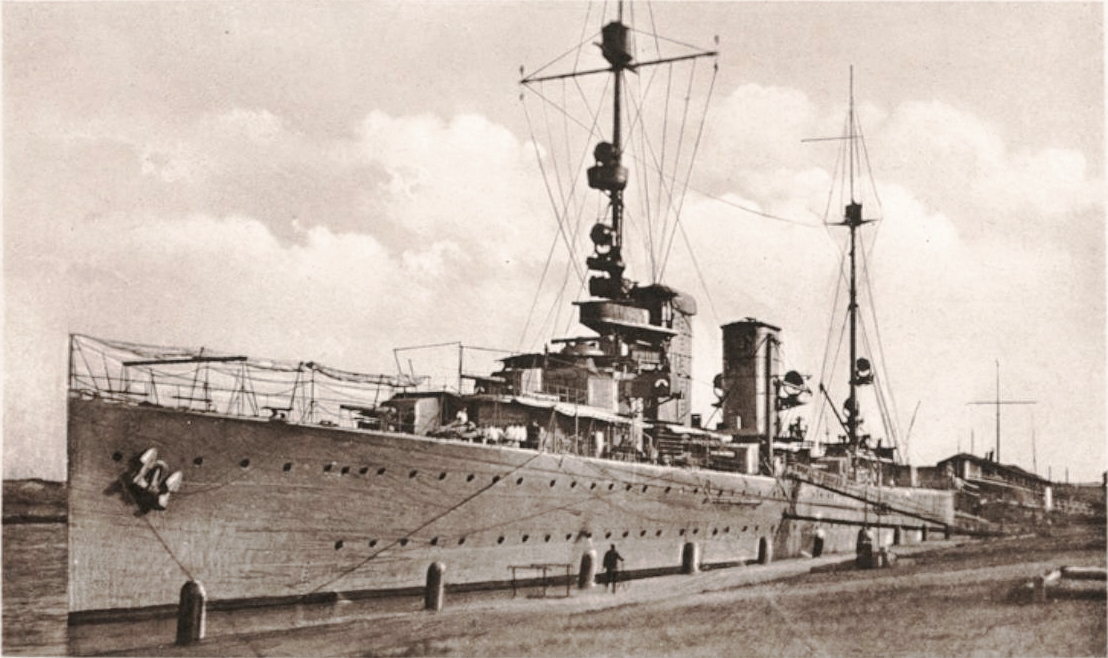
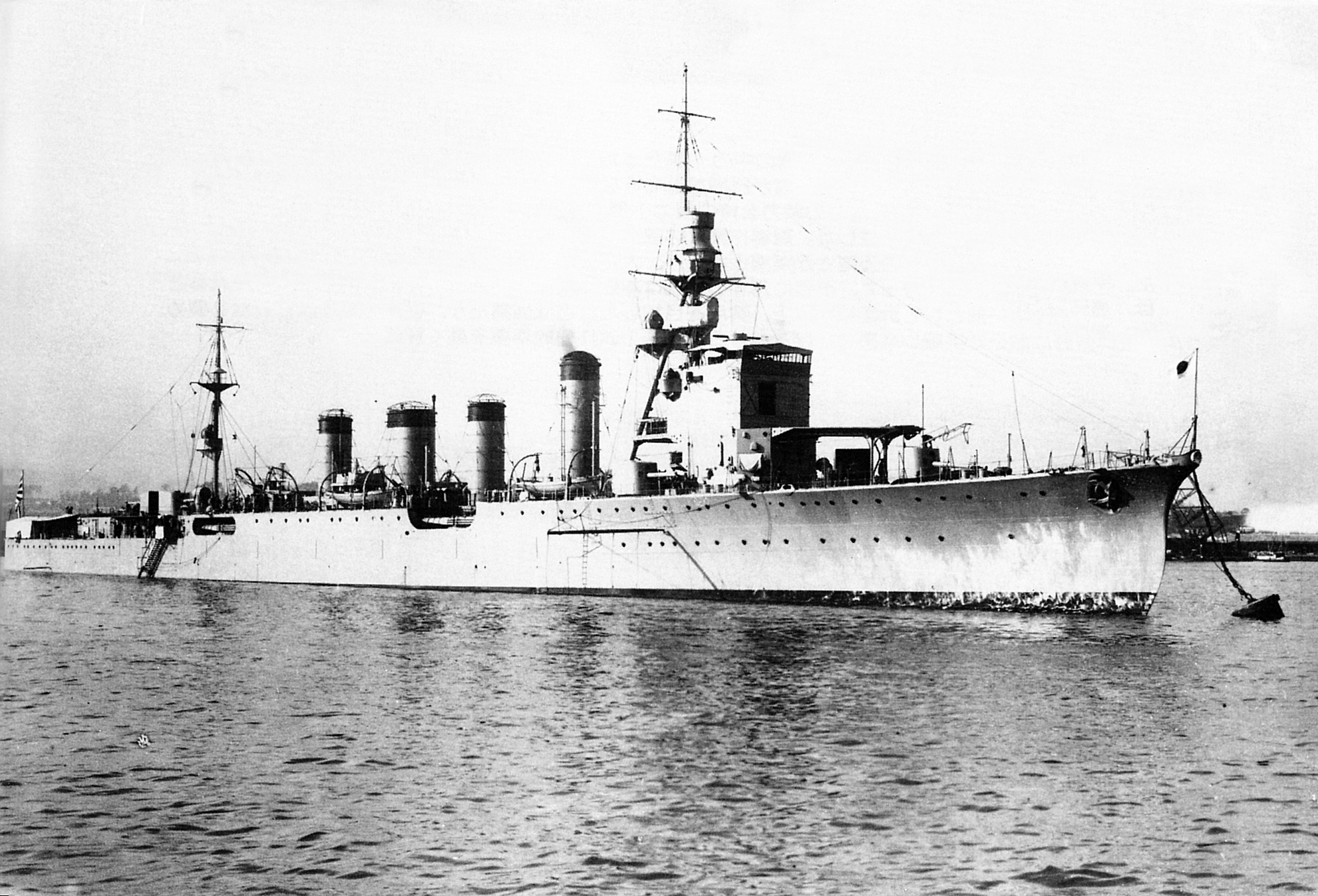
Naval History and Heritage Command photograph NH 111605. The print is captioned Nachi, H.I.J.M.S. Public domain.
The pictures on this page are the originals.
No color version yet. Colored pictures and film will be added here.
Command
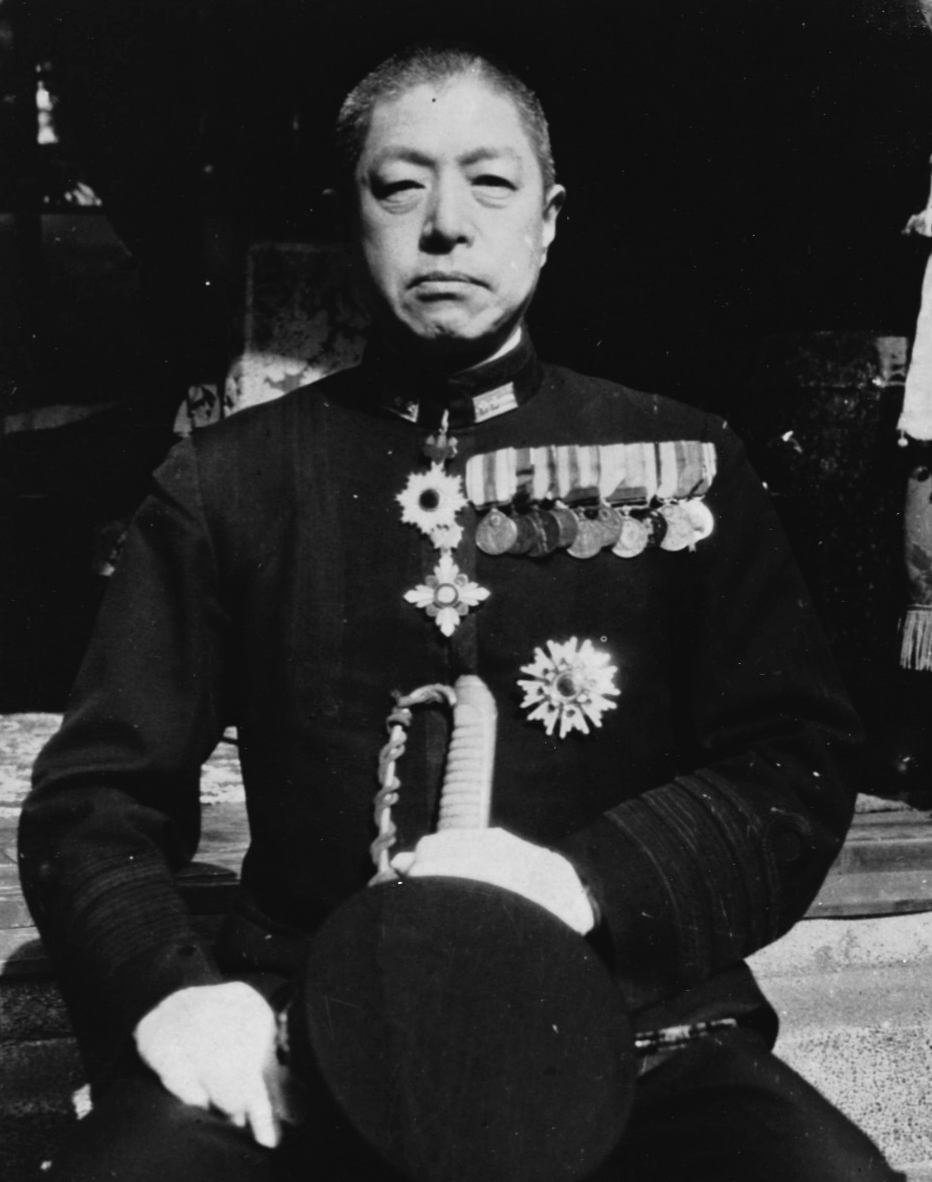 Shima, KiyohideFlag, not her captain, 25 October 1944
Battle of the Java Sea
1942-02-27 · Takagi's flagship. Gun duel from about 1616. Japanese records credit her torpedo with Java. Not sunk
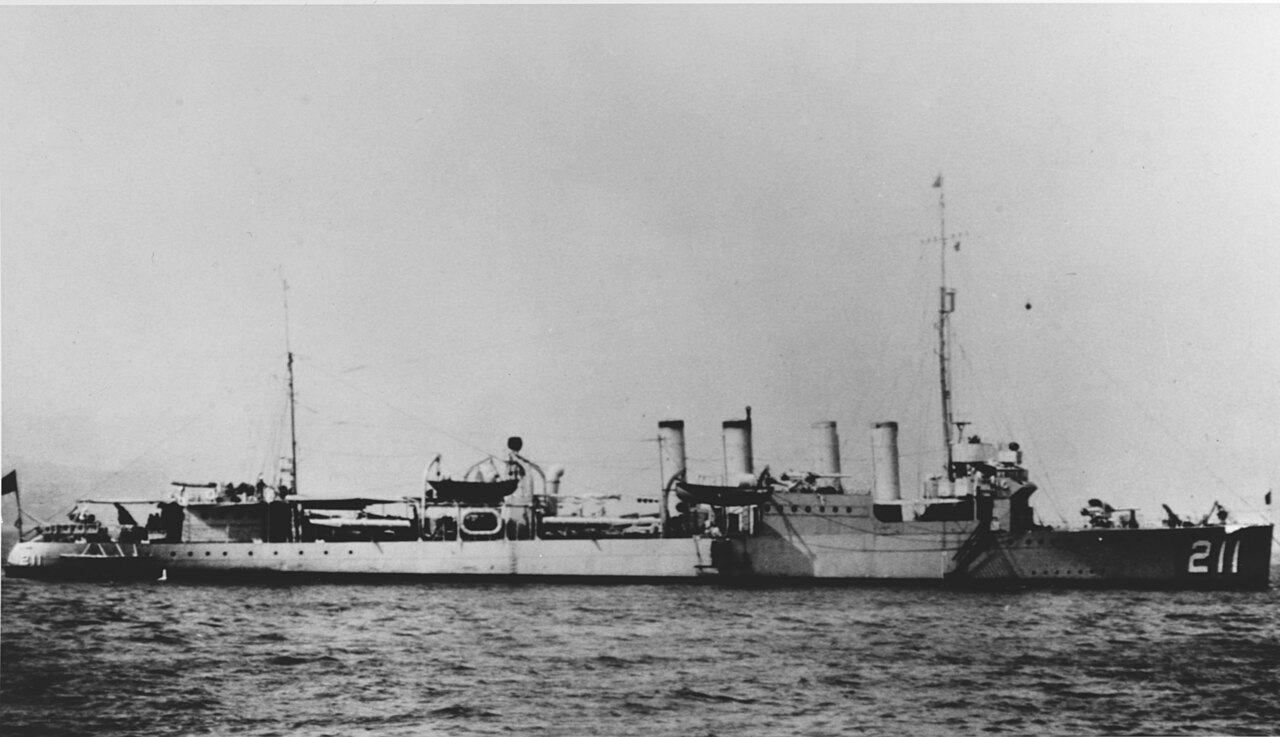
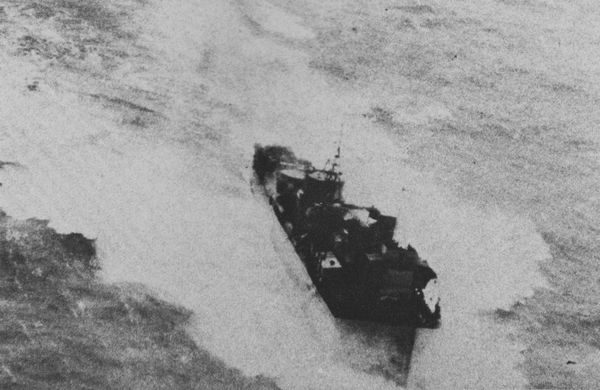
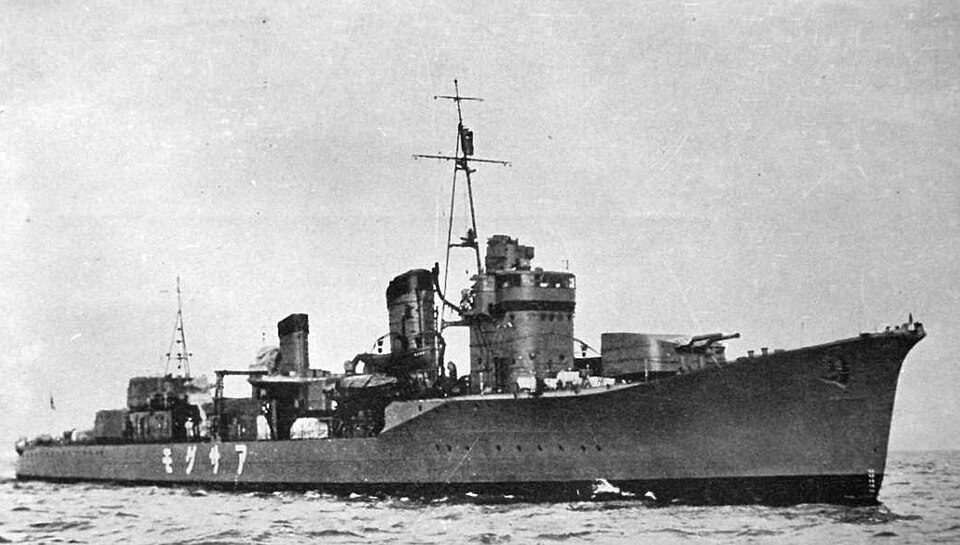
Battle of Surigao Strait
1944-10-25 · collided with Mogami and turned back with Shima